
There’s a particular feeling that washes over you when you’re deep inside a Haruki Murakami novel. It’s a quiet hum of urban melancholy, a strange and beautiful solitude punctuated by the lonely cry of a saxophone, the scent of freshly brewed coffee, and the sudden, unnerving possibility that the cat slinking past you might know more about the universe than you do. It’s a world where parallel universes are just an emergency staircase away, where wells lead to other dimensions, and where the simple act of cooking spaghetti becomes a profound ritual against the encroaching chaos. For years, I’ve wandered through these literary landscapes, and I’ve always known that the primary setting, the silent protagonist in so many of his stories, is Tokyo itself. This isn’t just a city of neon and skyscrapers; it’s a sprawling, breathing entity, a labyrinth of quiet neighborhoods, humming train lines, and hidden basement bars where Murakami’s unique blend of the mundane and the magical feels not just possible, but inevitable. So, I decided to embark on a pilgrimage, not to find the exact locations from his books, but to chase the feeling, to walk the same streets and breathe the same air, to see if I could find the frequency of his world vibrating just beneath the surface of modern-day Tokyo. This journey is for the dreamers, the jazz lovers, the midnight thinkers—a stylish itinerary for stepping into the pages and living, for a short while, in Murakami’s Tokyo.
For those intrigued by the subtle interplay between urban reality and surreal wonder, a Tokyo pilgrimage offers a unique pathway deeper into Murakami’s evocative realm.
The Jazz Heartbeat of Shinjuku
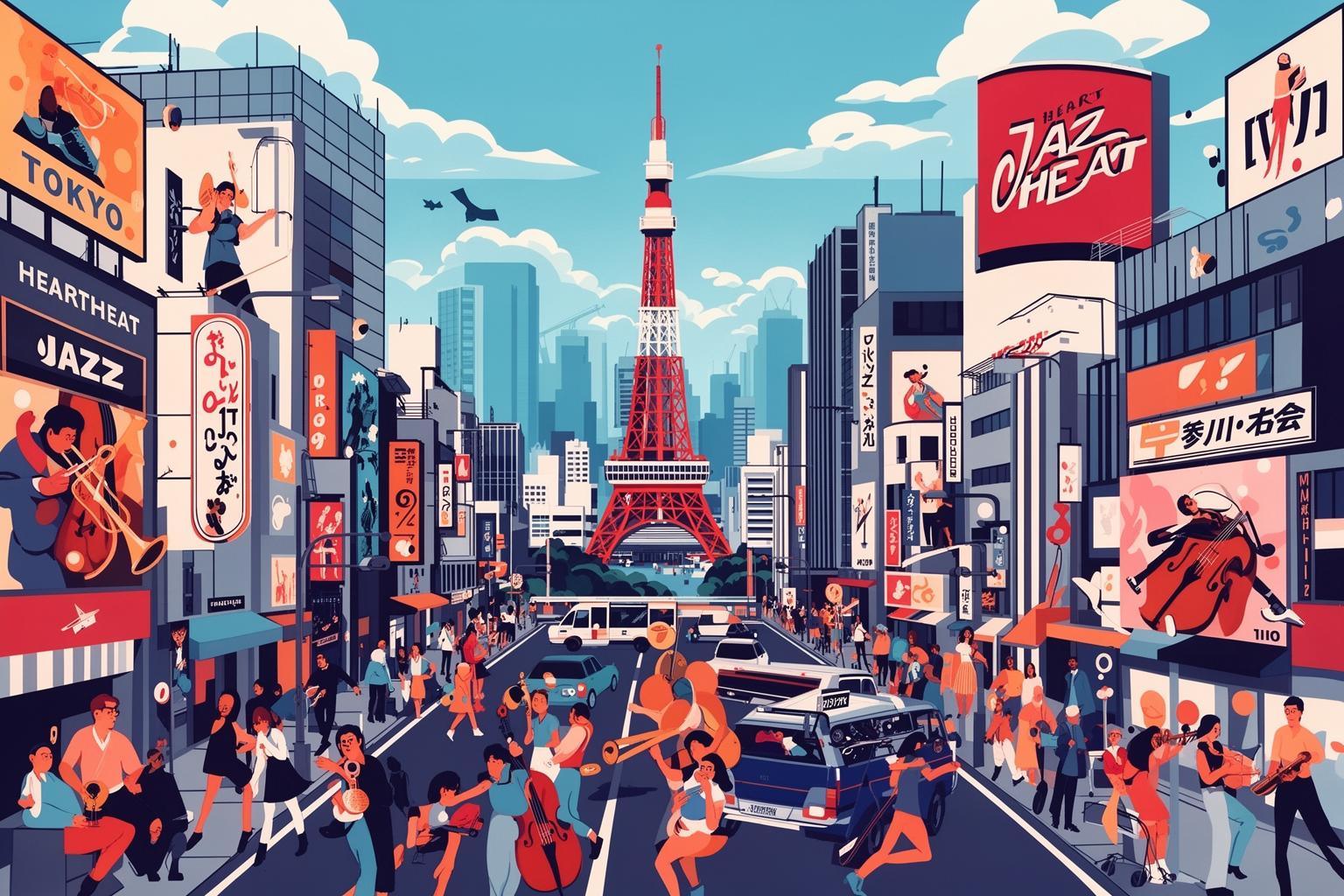
Shinjuku serves as the thunderous heart of Murakami’s Tokyo, a realm of dizzying contradictions where his characters frequently find themselves. By day, it is a landscape of sleek skyscrapers and the constant flow of humanity streaming through the world’s busiest train station. But as dusk falls, Shinjuku unveils its true, soulful essence, one that beats with the rhythm of jazz and whispered secrets. In this nighttime setting, the boundaries between reality and fiction begin to blur, drawing you closer to the melancholic core of novels like Norwegian Wood and After Dark.
Dug and the Golden Gai Labyrinth
Before achieving fame as an author, Haruki Murakami owned a jazz club. His bar, Peter Cat, was a sanctuary for music enthusiasts, and that profound, intrinsic connection to jazz permeates every novel he has penned. To grasp his world, you must first understand its soundtrack. Although Peter Cat no longer exists, its spirit endures in the city’s iconic jazzu kissa, or jazz cafes. The most famous among these is Dug, a basement refuge hidden near Shinjuku Station. Finding it is part of the journey, descending into another era. Stepping away from the neon-lit chaos outside, you descend a narrow staircase and push open a heavy door. The outside world disappears. Inside, it is perpetually twilight. The air carries whispers of past conversations and the rich, warm crackle from vintage speakers. The decor is charmingly old-fashioned—dark wood, worn leather chairs, and walls adorned with decades of jazz memorabilia. This is no place for loud chatter. It is a temple devoted to listening. Visitors sit alone or quietly in pairs, sipping whiskey, their focus entirely on the music. Here, in the dim light, you can almost envision Murakami’s characters materializing in a corner booth, pondering lost loves and existential dilemmas. This is the ideal starting point for your pilgrimage, tuning your senses to the city’s hidden harmonies.
After soaking in the sounds of Dug, the next natural step is to explore the nearby Golden Gai. This cluster of six tiny, rundown alleys is a cherished vestige of post-war Tokyo, a maze of minuscule bars stacked precariously atop each other. Each bar boasts its own unique theme and often only accommodates a handful of patrons. The atmosphere is electric, glowing with paper lantern light and filled with the murmur of laughter drifting through sliding doors. Walking here feels like stepping onto a movie set, a tangible slice of Showa Era nostalgia that Murakami frequently invokes. My advice for newcomers is to be bold. While some bars are reserved for regulars, many warmly welcome strangers. Choose one that looks inviting, slide open the door, and see where the evening leads. This embodies the essence of a Murakami adventure: embracing uncertainty and discovering connection in the most unexpected places.
A Stroll Through Shinjuku Gyoen
For every shadowy, smoky jazz bar in Murakami’s universe, there is a serene, sunlit park offering a moment of respite and reflection. Shinjuku Gyoen National Garden is that refuge. Just a short walk from the station’s relentless energy, this park is a masterpiece of landscape design—a vast sanctuary where the city’s roar fades into a gentle murmur. It is famously the setting for some of the most moving scenes in Makoto Shinkai’s film The Garden of Words, but its atmosphere of beautiful, contemplative solitude is quintessentially Murakami. It’s easy to imagine Toru and Naoko from Norwegian Wood taking one of their long, aimless strolls along its winding paths.
The park is cleverly divided into three distinctive styles: a traditional Japanese landscape with tranquil ponds and sculpted pines, a formal French garden showcasing symmetrical flowerbeds, and an expansive English landscape garden with broad lawns ideal for relaxing. This diversity ensures that every visit feels unique. In spring, it transforms into a cherry blossom wonderland, with locals and tourists picnicking beneath clouds of pink and white. In autumn, the maple trees blaze with crimson and gold, creating a breathtaking spectacle. My favorite spot is the Taiwan Pavilion, a delicate structure seeming to float on the water, perfectly framing the surrounding views. To truly experience Shinjuku Gyoen in a Murakamian way, visit on a weekday morning. Find a quiet bench, bring one of his books, and allow yourself to be lost in both the physical and literary worlds. It is in these moments of quiet observation, surrounded by nature yet still in the heart of the metropolis, that the profound feeling of being alone but not lonely truly takes hold.
Koenji’s Retro Rhythms and Lost Cats
If Shinjuku serves as the heart of Murakami’s Tokyo, then the neighborhoods along the Chuo Line are undeniably its soul. This train line, cutting across the city from east to west, links the bustling central hubs to quieter, more residential areas where his protagonists often lead their wonderfully peculiar lives. Among these neighborhoods, Koenji most perfectly captures the bohemian, slightly offbeat spirit that defines his work. It is the backdrop for 1Q84, where the protagonist, Aomame, descends an emergency staircase from an elevated expressway and finds herself in a subtly altered reality. Koenji feels like a place where such an event could naturally occur. The neighborhood moves to its own relaxed, creative rhythm, worlds apart from the polished streets of Shibuya or Ginza.
The Charm of a Bohemian District
Koenji is a haven for those who adore vintage and retro culture. The area is renowned for its furugi, or second-hand clothing shops, offering everything from impeccably preserved 1950s Americana to quirky Japanese designer pieces from the 1980s. Wandering through the covered shopping arcades, or shotengai, such as Pal and Look, is an experience in itself. These arcades are the neighborhood’s heartbeat, filled with mom-and-pop stores, classic coffee houses, tiny record shops brimming with vinyl, and standing-only noodle bars. Yet, the true enchantment of Koenji lies within its maze-like side streets. The best way to explore is by getting deliberately lost. You’ll discover hidden shrines, eclectic art galleries, and delightfully cluttered antique shops. The entire neighborhood feels deeply lived-in and genuine, a place where creativity and community thrive. It’s easy to imagine one of Murakami’s characters living in a small apartment above one of these shops, spending their days reading, listening to records, and quietly observing the neighborhood’s unfolding dramas. And yes, you will encounter countless cats. They bask in the sunlight, patrol their domains with serene confidence, and watch passersby with an air of enigmatic wisdom. In Koenji, you can’t help but sense that each feline might be a guide to another world.
Uncovering Metaphors Along the Chuo Line
In Murakami’s fiction, the Chuo Line is more than just transportation; it’s a potent symbol. It embodies the journey between various states of existence—the ordinary and the surreal, the conscious and the subconscious, the past and the present. Riding the iconic orange train is a quintessential Tokyo experience and an essential part of any Murakami pilgrimage. Find a window seat and watch the cityscape transform. The dense urban sprawl of Shinjuku gently fades into the lower-rise, more intimate neighborhoods of Koenji, Asagaya, and Kichijoji. The rhythm of the train, the clatter of the tracks, the automated announcements—all combine to induce a hypnotic, reflective mood. This is the perfect moment to put on your headphones and listen to a curated playlist of classical music and jazz—favorites among many of his characters. As you watch countless rooftops and thousands of anonymous windows passing by, you begin to feel that detached observation which characterizes his narrative voice. For a truly atmospheric experience, take the train late at night. The carriages are quieter, city lights blur into abstract patterns, and the sensation of being a solitary soul moving through a vast, slumbering metropolis is profoundly moving. It’s a moment of pure, cinematic melancholy.
Aoyama and Harajuku: Style, Solitude, and Spaghetti
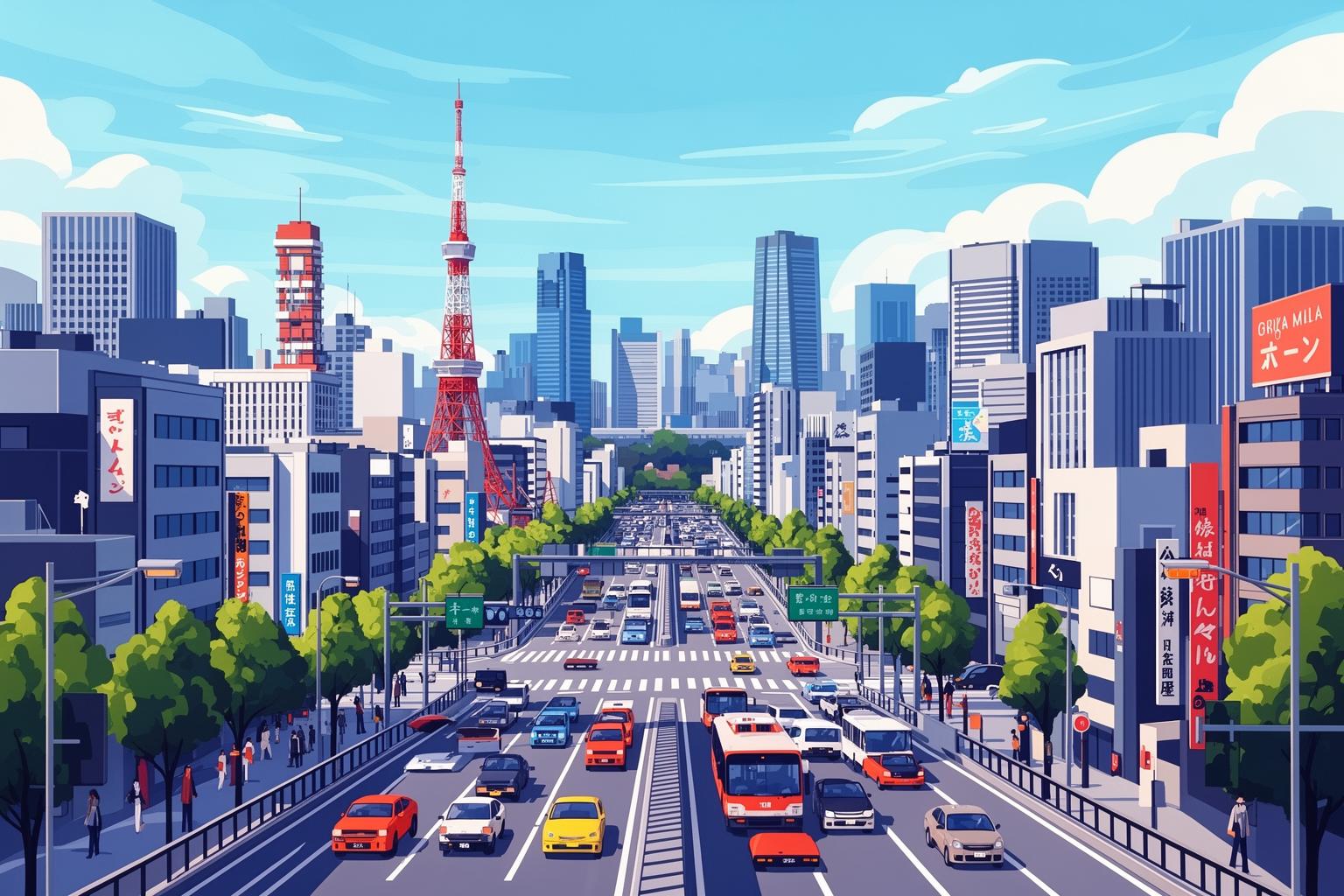
Just a brief train ride from the raw energy of Shinjuku and the bohemian atmosphere of Koenji lies a different facet of Murakami’s Tokyo. The neighborhoods of Aoyama, Omotesando, and Harajuku embody a realm of quiet elegance, high fashion, and carefully crafted lifestyles. Here reside his wealthier, more enigmatic characters—those who drive classic Saabs, collect extensive vinyl records, and carry mysterious, unspoken histories. It’s a setting of architectural wonders, art galleries, and refined taste, yet beneath the polished exterior, the familiar themes of solitude and the search for connection persist.
Aoyama’s Subtle Elegance
Aoyama represents understated chic. Unlike other flashy luxury districts, Aoyama’s opulence is more discreet. Designer flagship stores by world-famous architects are nestled on quiet side streets, alongside exclusive art galleries and tranquil museums. One of the area’s most beautiful gems is the Nezu Museum. While the museum itself shelters an exceptional collection of Japanese and East Asian art, its true treasure is the expansive traditional garden behind it. Meandering paths carry you through a lush landscape of dense trees, moss-covered stones, and serene ponds. It feels like a hidden sanctuary, an ideal escape from the city’s hustle. Strolling through this garden, one senses the quiet introspection so central to Murakami’s narratives. Afterward, head to Jingu Gaien Ginkgo Avenue. In autumn, this wide avenue transforms into a stunning golden tunnel as the ginkgo trees shed their leaves. It’s an impossibly romantic and photogenic scene—perfect for a fleeting, serendipitous encounter in one of his stories. The area also boasts world-class jazz venues like Blue Note Tokyo, a sleek, modern spot where you can imagine characters from After Dark spending their enigmatic nights.
The Pursuit of the Perfect Spaghetti
Food, especially the simple and deliberate preparation of it, is a recurring motif in Murakami’s novels. His protagonists often find themselves in spotless kitchens, carefully cooking spaghetti while tuning into the radio. This ritual grounds them in a world that often feels unsteady. The search for a satisfying plate of pasta becomes a quiet, personal quest. Although Tokyo is a gastronomic paradise with thousands of exceptional restaurants, the challenge here is to find a place that captures the spirit of these moments. I recommend avoiding fancy, authentic Italian eateries. Instead, seek out a classic Japanese-style pasta spot or a cozy kissaten with spaghetti on the menu. These venues serve nostalgic dishes like Naporitan, a ketchup-based pasta, or mentaiko pasta with cod roe. The experience isn’t about culinary perfection but about ambiance—the quiet comfort of a small, unpretentious diner where you can be alone with your thoughts. This humble quest for a simple, perfect meal offers a wonderful way to connect with the everyday rhythms of Murakami’s characters. It reminds us that even in a world of talking sheep and parallel moons, there is beauty and solace in the ordinary.
Harajuku’s Secret Trails
Harajuku evokes the wild, colorful chaos of Takeshita Street. While this sensory explosion is an essential Tokyo experience, the true Murakami side of Harajuku lies just beyond it, in the profound calm of Meiji Jingu. This Shinto shrine is dedicated to the deified spirits of Emperor Meiji and Empress Shoken. Passing through the towering wooden torii gate at the entrance feels like stepping into another world. The city’s noise vanishes instantly, replaced by the crunch of gravel underfoot and the rustling of leaves in the expansive forest surrounding the shrine. This dense woodland, with over 100,000 trees donated from across Japan, was planted as an eternal sanctuary. Walking the long, broad path to the main shrine is a meditative journey. The sheer scale of the trees and the sacred silence impart a sense of awe and tranquility. This is a space for reflection, a spiritual clearing within the urban jungle, much like the mystical forests featured in Kafka on the Shore. It’s a powerful reminder of the deep bond with nature and spirituality that underpins modern Japanese life—a theme Murakami frequently explores. Early morning is the ideal time to visit, when the light is gentle, the air crisp, and the paths nearly deserted.
Beyond the City Center: Kichijoji and the Suburbs
To fully understand the breadth of Murakami’s literary landscape, you must explore the suburbs—the places where everyday life unfolds. Kichijoji, consistently ranked among Tokyo’s most desirable neighborhoods, perfectly embodies this mix of relaxed residential charm and vibrant cultural energy. It feels familiar and inviting, a place where characters might settle down, yet where the possibility of mysterious events quietly lingers beneath the surface.
Inokashira Park: A World Unto Itself
At the heart of Kichijoji lies the beautiful Inokashira Park. Centered around a large pond, the park is a favorite spot for families, students, and couples. On weekends, it buzzes with street performers, artists selling their crafts, and the cheerful sounds of people enjoying the outdoors. Visitors can rent the iconic swan boats to paddle across the pond—a classic Tokyo date activity. The park carries a gently nostalgic atmosphere, especially as the seasons shift. Its spring cherry blossoms are breathtaking, but there is a unique, melancholic beauty in late autumn, when fallen leaves and bare branches reflect on the still water. Within the park sits a small shrine dedicated to Benzaiten, the goddess of water and music, positioned on a tiny island in the pond, adding a mystical touch. It’s a place rich with stories, both real and imagined, providing the perfect setting for the chance meetings and quiet moments that fill Murakami’s world. For fans of another form of Japanese fantasy, the Ghibli Museum on the park’s edge turns Kichijoji into a true pilgrimage site for dreamers.
The University Years: Waseda University
Our journey concludes at the origin point: Waseda University. This is Murakami’s alma mater, where he studied drama and met his wife, Yoko. It also serves as the alma mater of Toru Watanabe, the protagonist of Norwegian Wood. Visiting the campus offers insight into the formative years of both the author and his most iconic character. The campus is vibrant and intellectual, a sprawling space blending historic and modern architecture. A highlight is the Tsubouchi Memorial Theatre Museum with its striking Elizabethan-style facade. As you walk the grounds, the energy of youth, ambition, and intellectual curiosity is palpable. It’s easy to imagine a young Murakami browsing in the library or engaging in deep discussions at a nearby café. This setting marks the landscape of his youth and the foundation for themes of memory, loss, and the passage of time that permeate his work. Though it lacks the surreal quality of his fictional worlds, Waseda offers the realistic bedrock upon which his imaginative realms are constructed.
Strolling through Murakami’s Tokyo is not about tracking down exact addresses. It is a sensory and emotional voyage. It involves feeling the solitude of a late-night train ride, the warmth of whiskey in a dim jazz bar, the calming serenity of a hidden garden, and the thrilling sense that something unexpected might happen just around the corner. You begin to see the city through the eyes of his characters, discovering beauty in the ordinary and mystery in the everyday. Tokyo transforms from a mere city into a text, a story you are actively reading and experiencing. As you wander its streets—from the bustling pulse of Shinjuku to the tranquil spirit of its residential areas—you are no longer just a tourist following a guide. You become a fellow traveler in his universe, pursuing the echoes of his words and, in doing so, crafting a strange and wonderful story of your own.