There’s a sound that defines Kamakura. It’s not just the crash of Pacific waves against the Shonan coast, or the whisper of wind through ancient bamboo groves. It’s the gentle, rhythmic clatter of a small green and cream train, the Enoden, as it trundles past wooden houses and emerges, suddenly, into the brilliant, blinding light of the sea. For a generation of anime fans across the globe, this is more than just a train. It’s a portal. A portal to the sun-drenched, youthful world of Slam Dunk, where a single railroad crossing at Kamakurakokomae Station became an iconic landmark, a destination for a new kind of pilgrimage. But to see Kamakura as only a frame from an anime is to see just one ripple on the surface of a deep, historical ocean. This city, nestled between green hills and a dark blue sea, was once the de facto capital of Japan, the seat of the first shogunate that would shape the nation’s warrior culture for centuries. It is a place where the quiet reverence of Zen Buddhism coexists with the vibrant energy of surf culture, where a ten-minute walk can take you from a bustling shopping street filled with sweet treats to the silent, watchful gaze of a thirteen-meter-tall bronze Buddha. This is a journey into that duality. We’ll stand at that famed crossing, feeling the sea breeze just like Hanamichi Sakuragi did, but we’ll also wander further, deeper into the heart of a city that holds the soul of samurai, the artistry of monks, and a timeless coastal magic that captivates every traveler who steps off that little green train. Prepare to explore a city of profound contrasts, where every corner holds a story, waiting to be discovered.
Exploring Kamakura’s fusion of rich history and youthful pop culture can inspire a Tokyo pilgrimage that unveils similarly layered narratives.
The Electric Dream of the Enoden Line
The journey through Kamakura’s coastal wonders truly begins aboard the Enoshima Electric Railway, affectionately called the Enoden. This isn’t a subway or a bullet train; it’s a time machine on rails, a charmingly nostalgic ride linking Kamakura with the neighboring city of Fujisawa across just ten kilometers of track. But what a ten kilometers it is. The train rattles through impossibly narrow gaps between traditional houses where residents’ laundry flutters mere inches from the windows. It slips into tunnels of lush greenery and then, in a breathtaking reveal, bursts onto the coastline, running parallel to the shimmering Sagami Bay. The view is pure cinematic magic. On a clear day, the distant silhouette of Enoshima Island floats on the horizon, and sometimes, if you’re truly fortunate, the majestic peak of Mount Fuji presides over the entire scene. Riding the Enoden is not simply transportation; it’s an essential part of the Kamakura experience. It invites you to slow down, to absorb the scenery, to feel the gentle sway of the car as it hugs the dramatic shoreline. It serves as the connective thread between the city’s most beloved sights, with each stop a gateway to a new adventure.
The Iconic Crossing: Kamakurakokomae
There is one stop, however, that has surpassed its function. Kamakurakokomae Station is little more than a simple platform, but the railroad crossing just a few steps away is sacred ground for anime fans. This is it. The spot. The one immortalized in the opening sequence of Slam Dunk. Standing here feels surreal. You see the gentle slope of the road descending to the tracks, the warning lights flashing, the safety bars lowering. And then you see the sea—a vast expanse of blue and silver—stretching out behind it all. When the little green Enoden train finally slides into the frame, perfectly recreating that iconic shot, there’s a collective gasp from the crowd gathered. It’s a moment of pure pop culture synchronicity. The atmosphere is a unique blend of quiet reverence and excited energy. Fans from across Asia, and indeed the world, raise their phones, waiting patiently for the perfect alignment of train, track, and sea. It’s a testament to the power of storytelling, how a simple, everyday place can be infused with so much meaning and emotion, drawing people across continents to share a single, fleeting moment.
A Photographer’s Etiquette
As a visitor hoping to capture this classic scene, a bit of awareness goes a long way. This is, after all, a working road and railway crossing used daily by local residents, school buses, and delivery trucks. The key is patience and respect. Find a safe spot on the sidewalk and resist stepping onto the road, especially when traffic is moving. Trains run frequently, roughly every twelve minutes, so you’ll have plenty of chances to get your shot without causing disruption. For the best light, aim for the morning when the sun lights the sea from the east, or late afternoon when the golden hour bathes the scene in a warm, nostalgic glow. Remember you are a guest in this neighborhood. A quiet nod to a waiting driver or a brief bow of apology if you inadvertently block someone’s way speaks volumes. The goal is to capture the magic of the moment without disturbing those who call this beautiful place home. Share the space, be mindful, and the perfect photo will feel that much more rewarding.
Beyond the Anime Frame: Kamakura’s Soul
While the Slam Dunk crossing may initially attract many visitors, it beautifully serves as a gateway to the deeper, historical essence of Kamakura. To truly grasp this city’s character, you need to journey inland, away from the coast, into the tranquil, wooded valleys where history breathes through the very stones of its temples and shrines. From 1185 to 1333, during the Kamakura Period, this city was the heart of Japanese power. It was here that Minamoto no Yoritomo founded the first shogunate, a military government that shifted the nation’s center of power away from the imperial court in Kyoto and laid the groundwork for samurai rule. This legacy is not just recorded in history books; it is etched into the landscape itself. The city is a rich repository of Zen philosophy, warrior aesthetics, and profound spiritual artistry. It’s a place where you can follow in the footsteps of shoguns, monks, and master craftsmen, sensing the weight and wisdom of centuries with every step.
The Great Buddha of Kotoku-in
Among Kamakura’s historical treasures, none is more universally recognized than the Daibutsu, or Great Buddha, of Kotoku-in Temple. Few sights in Japan prepare you for the sheer presence of this monumental bronze statue of Amida Buddha. As you pass through the temple gates and round the corner, he appears, seated in serene contemplation beneath the open sky. Over thirteen meters tall and weighing approximately 121 tons, his scale is awe-inspiring, yet his expression remains one of profound calm and compassion. This statue has endured through time. The original wooden Buddha and its hall were destroyed by storms and a great tsunami in the 15th century, but the bronze statue stood firm. Sitting exposed to sun, wind, and rain connects it uniquely to the natural world. For a small fee, you can even enter the hollow statue. Inside, the cool, quiet darkness reveals the seams where massive bronze plates were cast and joined—a hidden testament to the remarkable craftsmanship of its 13th-century creators. Standing before the Daibutsu is a humbling experience, offering a moment of connection to something immense, timeless, and deeply peaceful.
Spiritual Serenity at Hase-dera
A short walk from the Great Buddha lies another treasure of Kamakura: Hase-dera Temple. Unlike the singular focus of Kotoku-in, Hase-dera is a charming complex of buildings, gardens, and caves nestled into a wooded hillside. Exploring the temple grounds is a continual discovery. At the base, there’s a beautiful pond garden, carefully landscaped with carp swimming in clear waters. As you climb stone staircases, you encounter rows of small Jizo statues, dedicated to the souls of lost children, each adorned with a red bib or pinwheel—a poignant, touching sight. The main hall, on the upper terrace, houses the temple’s chief treasure: a magnificent gilded wooden statue of the eleven-headed Kannon, the goddess of mercy. Standing over nine meters tall, it is one of Japan’s largest wooden sculptures, with intricate details and a compassionate gaze that mesmerizes. Yet perhaps the greatest reward of the ascent is the view. The observation deck beside the main hall offers a stunning panorama of Kamakura’s coastline, where tiled roofs give way to the vast expanse of Sagami Bay. Hase-dera is famous for its hydrangeas, and in June, its “Hydrangea Path” bursts into a riot of blue, purple, and pink blossoms, making it one of the most beautiful and popular sights of early summer.
The Heart of the City: Tsurugaoka Hachimangu
To feel the pulse of Kamakura’s shogunate era, you must visit Tsurugaoka Hachimangu. This is more than a shrine; it is the city’s spiritual and historical cornerstone. Founded by the first shogun, Minamoto no Yoritomo, it is dedicated to Hachiman, the samurai’s patron god. The approach to the shrine is as grand as its history. From the waterfront, a long, straight avenue, Wakamiya Oji, cuts through the city center. Its middle section, an elevated pedestrian walkway called the Dankazura, is lined with cherry trees that create a breathtaking tunnel of pink in spring. Upon reaching the shrine complex, you cross a drum bridge over the Genpei Ponds, dotted with islands and blooming lotus flowers in summer. A wide stone staircase leads up to the main hall, the Hongu, perched on a terrace overlooking the city. From here, you can gaze back down the Dankazura—a view designed to showcase the shogunate’s power and authority. The vibrant vermilion and gold shrine buildings contrast sharply with the muted tones of Zen temples, reflecting its distinct purpose. This was a place of power, symbolizing the Minamoto clan’s dominance and serving as the city’s civic center, a role it maintains today with festivals, weddings, and celebrations year-round.
A Taste of Shonan Culture
Kamakura’s identity is a harmonious blend of the sacred and the secular, the ancient and the modern. This fusion is most evident in its lively coastal culture, often known as the “Shonan” style. The salty breeze carries a relaxed, sun-soaked vibe. Surfers populate the beaches of Yuigahama and Zaimokuza throughout the year, while the seaside roads are lined with cafes and restaurants that embody a laid-back, bohemian atmosphere. Here, the city’s historical gravity gives way to the simple joys of life by the sea. Exploring this facet of Kamakura is just as vital as visiting its temples, offering a glimpse into the contemporary lifestyle that makes the city such an appealing place to live. It’s about indulging your senses—from savoring freshly caught seafood to feeling the sand between your toes as you watch the sun set on the horizon.
Culinary Pilgrimage on Komachi-dori
If Tsurugaoka Hachimangu is Kamakura’s spiritual core, then Komachi-dori is its bustling, flavorful heart. This narrow, pedestrian-only street runs parallel to the main entrance of the shrine and is a true haven for food enthusiasts. The atmosphere here is electric. The air is filled with the sweet scent of freshly baked senbei rice crackers, the savory smell of grilled squid, and the lively chatter of crowds weaving in and out of shops. This is the perfect spot for your own culinary pilgrimage. A local must-try is shirasu-don, a bowl of rice topped with a generous serving of tiny, translucent whitebait, served boiled or, for the adventurous, raw. Another favorite is the purple sweet potato croquette, which offers a delightful contrast of a crispy shell and a creamy, naturally sweet interior. Seek out shops offering soft-serve ice cream in unique flavors like hydrangea or matcha, and don’t miss sampling freshly pounded mochi (rice cakes) or beautifully crafted wagashi (traditional Japanese sweets). Komachi-dori is a vibrant, chaotic, and utterly rewarding journey of taste and exploration.
Finding Calm in the Bamboo Grove
When the bustle of the coast and the crowds on Komachi-dori feel overwhelming, Kamakura provides serene retreats that seem worlds apart. One of the most enchanting is Hokoku-ji Temple, commonly known as the “Bamboo Temple.” Nestled in a quiet residential area east of the city center, Hokoku-ji is modest in size but powerful in ambiance. Behind its main hall lies a small yet stunning bamboo grove. As you step onto the narrow stone path, the outside world fades away. Thousands of thick bamboo stalks stretch skyward, their green leaves filtering sunlight and casting a soft, ethereal glow over the mossy ground beneath. The only sounds are the rustling leaves and the gentle creaking of the bamboo stalks. It’s a profoundly meditative and soothing setting. For a few hundred yen more, you can enjoy a bowl of matcha (powdered green tea) at a small teahouse within the grove. Sitting on a red-covered bench, sipping the frothy, slightly bitter tea while gazing into the endless green forest is one of Kamakura’s most sublime, restorative moments. It serves as the perfect balance to the city’s more vibrant attractions—a pure moment of Zen that refreshes the mind and calms the soul.
Practical Guidance for Your Kamakura Journey
Navigating Kamakura is part of its allure, and with a bit of planning, your visit can be smooth, enjoyable, and truly unforgettable. The city is ideal for a day trip from Tokyo, but its abundance of attractions and relaxed vibe easily warrant a longer stay. Approaching your visit with curiosity and a flexible itinerary will help you discover the hidden gems nestled between the well-known landmarks. As an experienced planner, my top tip is to embrace the city’s various transportation options and let them guide your journey. Each mode offers a distinct viewpoint on Kamakura’s diverse scenery and character, from the historic railway to the simple joy of a leisurely stroll.
Getting There and Getting Around
Access from central Tokyo is remarkably easy. The most common routes are the JR Yokosuka Line from Tokyo Station or Shinagawa Station, and the JR Shonan-Shinjuku Line from Shinjuku, Shibuya, and Ikebukuro. Both will get you to Kamakura Station in about an hour. Once there, your feet and the Enoden line will be your best allies. The area around Kamakura Station, including Tsurugaoka Hachimangu and Komachi-dori, is very walkable. For coastal attractions such as Hase-dera, the Great Buddha, and the Slam Dunk crossing, the Enoden is indispensable. Consider purchasing a day pass, like the Enoden’s “Noriorikun” 1-Day Pass, which offers unlimited rides and is ideal for hopping on and off between sights. To explore the quieter, more spread-out temples of North Kamakura, like Kencho-ji and Engaku-ji, arriving at Kita-Kamakura Station (one stop before Kamakura on the JR lines) is a smart choice. Rental bicycles are also popular, giving you the freedom to explore the city’s backstreets at your own pace.
Timing Your Visit
Kamakura is a city for every season, each with its own special charm. Spring, from late March to early April, brings the iconic cherry blossoms, especially stunning along the Dankazura path. Early summer, particularly June, is hydrangea season, when temples like Hase-dera and Meigetsu-in bloom in vibrant color. Summer offers a lively beach culture, perfect for soaking up the coastal vibe. Autumn, from late November to early December, blankets the temple gardens in brilliant reds and golds as the maple leaves turn. Even winter has its appeal, with crisp, clear air often providing the best views of Mount Fuji. Be mindful of when you visit during the week, as Kamakura is a very popular spot, and weekends and national holidays can be quite crowded, especially on Komachi-dori and at major temples. If possible, visiting on a weekday provides a more peaceful and spacious experience, allowing you to better connect with the serene atmosphere of the city’s sacred sites.
A First-Timer’s Itinerary Idea
For an ideal day trip, think of your journey as more than a checklist. A great itinerary begins in North Kamakura (Kita-Kamakura Station). Start with the quiet majesty of Engaku-ji Temple, then enjoy a pleasant walk or a short train ride to Kamakura Station. From there, head up to Tsurugaoka Hachimangu to absorb the city’s history. Next, indulge in the sensory pleasures of Komachi-dori with lunch and snacks. In the afternoon, hop on the Enoden line and get off at Hase Station to visit both the impressive Great Buddha at Kotoku-in and the scenic hillside temple of Hase-dera. As the day wanes, get back on the Enoden and ride a few more stops to Kamakurakokomae Station. Aim to arrive here in the golden hour before sunset, where you can capture that iconic anime photograph, with the afternoon light sparkling on the sea—a perfect way to end a day that blends spiritual history, culinary delights, and pop culture pilgrimage into a single unforgettable experience.
The Echo of the Waves
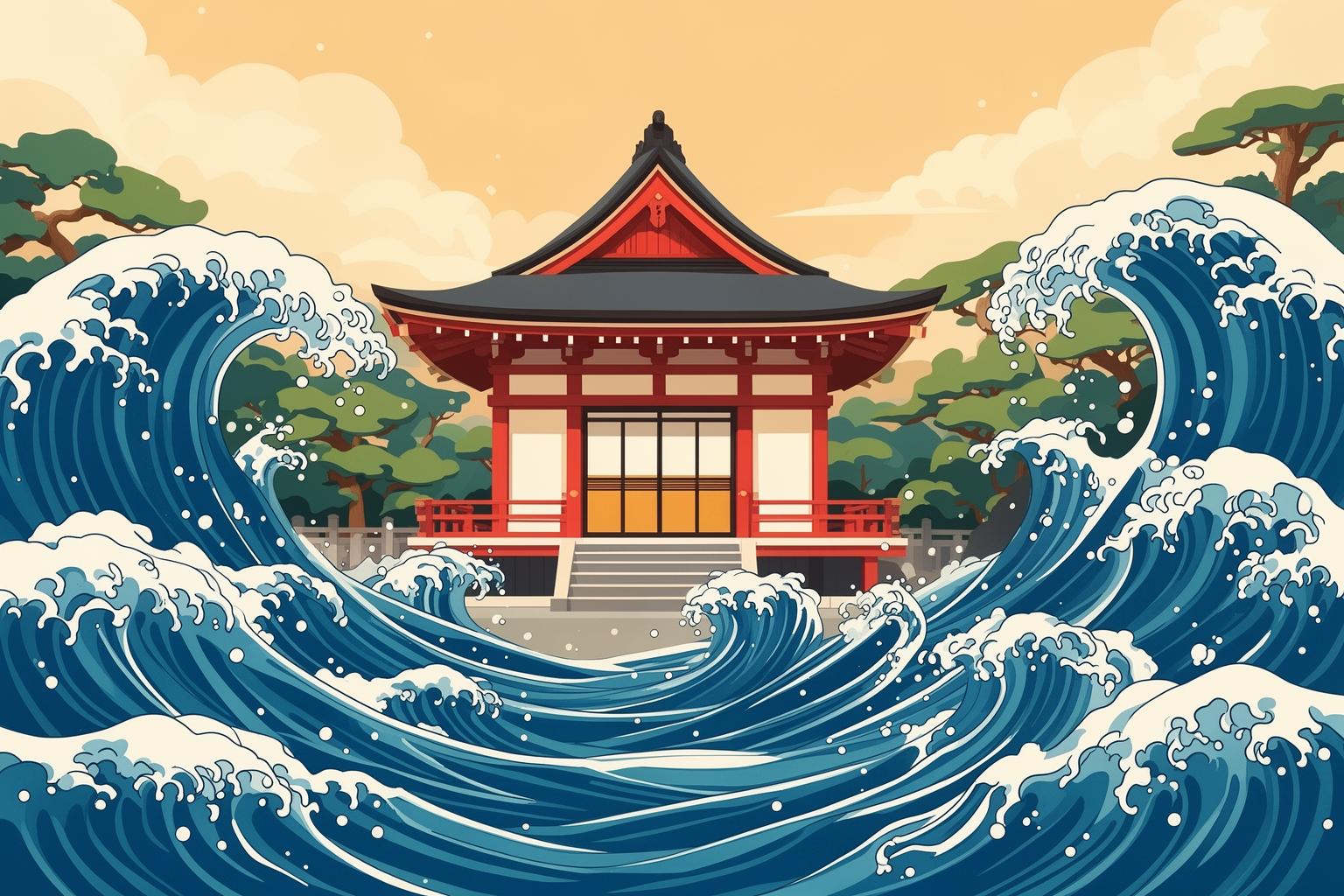
As the sun sets over Sagami Bay, casting long shadows from Enoshima Island and transforming the sky into a canvas of orange and purple, Kamakura unveils its deepest truth. It is a city of layers, where time flows not in a straight line but as a gentle, overlapping current. The youthful excitement of a fan capturing the perfect photo at a railroad crossing coexists with the ancient, silent wisdom of a bronze Buddha who has watched over this coast for nearly eight hundred years. The laughter and energy spilling from the shops on Komachi-dori lie just a short walk from the profound stillness of a bamboo grove. Your journey here can be whatever you wish it to be. It might be a quest to relive a moment from a beloved story, a historical exploration of the samurai era, a peaceful retreat into nature, or a delightful tour of local flavors. More likely, it will be a little bit of all of those experiences. Kamakura doesn’t ask you to choose. It simply invites you in, to walk its paths, listen to the echo of the waves, and find your own rhythm in the timeless beat of its heart.