
There are stories that you watch, and then there are stories that you feel deep in your bones. Makoto Shinkai’s masterpiece, ‘Your Name.’ (Kimi no Na wa.), is one of the latter. It’s a film that painted the sky with impossible colors, tied hearts together with the red string of fate, and left an indelible ache of longing and hope in millions. It captured a universal feeling of searching for someone, or something, just out of reach. But what makes the world of ‘Your Name.’ so profoundly resonant is that its breathtaking landscapes aren’t entirely born from fantasy. They are sketched from the very real, tangible soul of Japan, from the electric pulse of its biggest city to the quiet whispers of its ancient countryside. This is an invitation to step through the screen, to walk the same paths as Taki and Mitsuha, and to discover the magic that exists where animation and reality intertwine. This is a journey known in Japan as ‘seichi junrei,’ a pilgrimage to the sacred sites of a beloved story. It’s more than just sightseeing; it’s a way of experiencing a narrative in three dimensions, of feeling the story’s atmosphere seep into your own memories. Our pilgrimage begins where the city’s heart beats loudest, but it will lead us to a place where time itself seems to flow a little differently. It’s a journey of contrasts, of connection, and of finding the beautiful, quiet moments that inspired a global phenomenon. Let the search begin.
Embark on a further exploration of Japan’s cinematic soul where discovering the quaint seaside charm of Tomonoura adds another vivid layer to the journey.
The Urban Heartbeat: Taki’s Tokyo
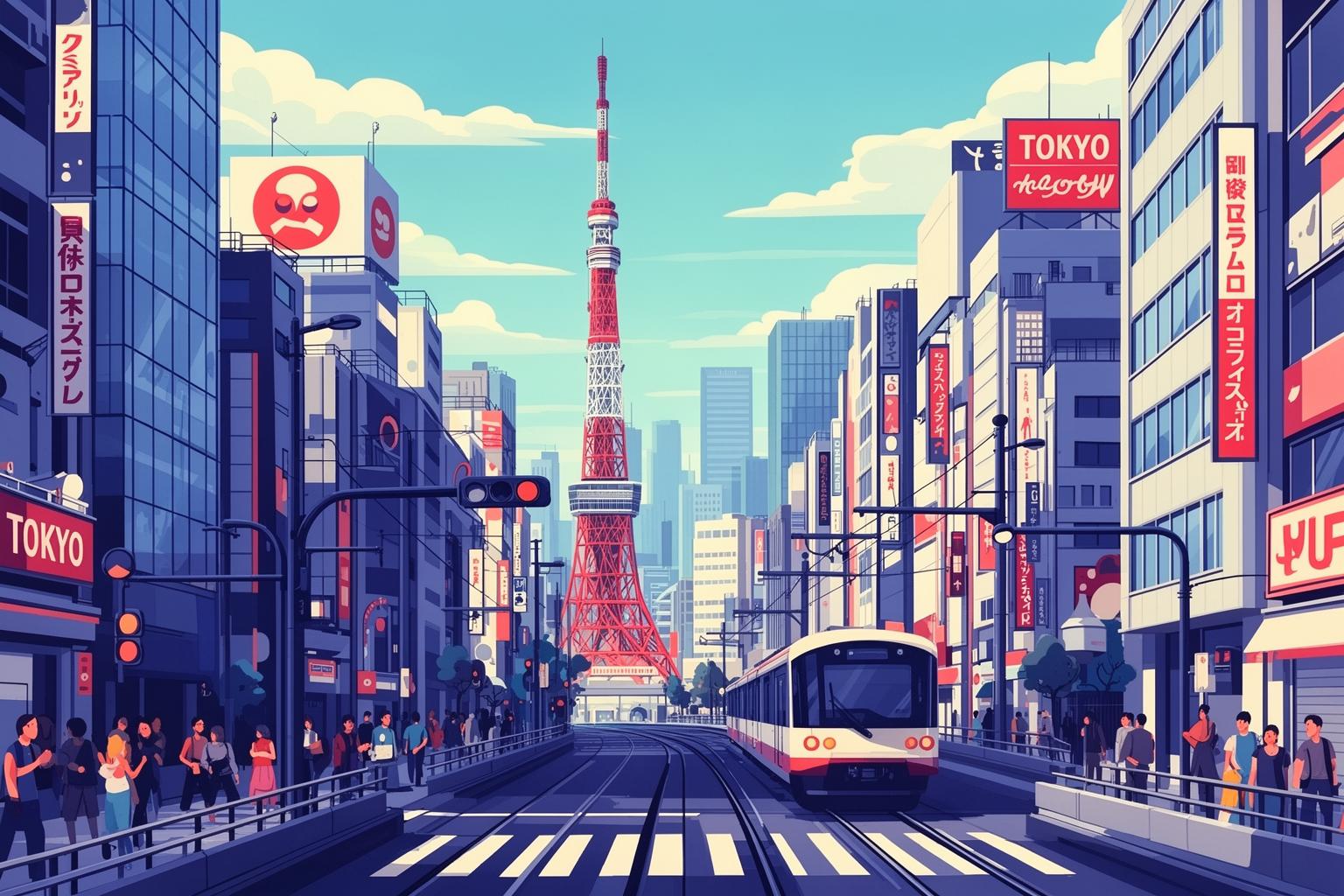
Our journey begins in the expansive, lively metropolis of Tokyo, the world Taki Tachibana calls home. The film presents Tokyo not merely as a backdrop but as a living, breathing character. It’s a city of vast scale and quiet intimacy, marked by towering glass buildings and hidden neighborhood shrines. Walking through Taki’s Tokyo means feeling the city’s rhythm—a constant forward momentum pulsing with the energy of millions of lives intersecting, overlapping, and sometimes just missing each other. For someone like me who spends much time on mountain trails, Tokyo’s verticality offers a different kind of wilderness to explore. Its canyons are crafted from concrete and steel, and its trails are subway lines weaving a complex web beneath the surface. It’s a place where you can feel completely anonymous and, in the next moment, deeply connected.
Shinjuku’s Concrete Canvases
No place better captures this urban energy than Shinjuku. In Your Name., Shinjuku serves as a canvas of light, speed, and beautiful, overwhelming chaos. The first and most iconic location is the pedestrian overpass near the Shinjuku Police Station. Standing there, you’re instantly transported into the film. The network of intersecting roads below, the ceaseless flow of headlights and taillights, and the distant cluster of skyscrapers create a perfect live-action frame. The air buzzes with the city’s hum, and you feel the slight vibration of the bridge as traffic moves beneath. It’s a spot to pause, watching the intricate dance of the city—just as Taki and his friends might have after school. It’s here you grasp Shinkai’s genius: he doesn’t simply recreate a location; he captures its emotional resonance.
A short walk from the bridge leads you to the enormous Shinjuku Station. As one of the world’s busiest transport hubs, it’s a maze of platforms, corridors, and people. It perfectly embodies the feeling of a single soul adrift within a massive, interconnected system—a central theme in the movie. As you navigate its passageways, you can almost picture Taki hurrying through the crowds, lost in thought, his mind on a girl from a town he can’t recall. Don’t worry about getting lost; it’s part of the authentic Shinjuku experience. The trick is to follow signs toward your intended exit but also allow yourself a moment to stand and watch the incredible, organized flow of humanity. It’s a spectacle in itself, a testament to the city’s unrelenting pulse.
A Taste of Sophistication: The Restaurant and the Museum
Even amid Shinjuku’s hustle, Taki’s life includes moments of calm and aspiration, beautifully captured through his part-time job and his date with Okudera-senpai. The upscale Italian restaurant ‘Il Giardino delle Parole’ is modeled after Cafe La Bohème Shinjuku Gyoen. Stepping inside feels like entering another world. The high ceilings, dramatic chandeliers, and opulent, theatrical decor are instantly recognizable. The atmosphere blends chic sophistication with warm hospitality. You can easily imagine Taki navigating between tables, balancing trays, and attempting to impress a coworker.
For anyone on this pilgrimage, dining here is a must. The menu offers classic Italian dishes, and the view of Shinjuku Gyoen National Garden through the large windows is peaceful. A practical tip for first-timers: this place is popular, especially evenings, so making a reservation is recommended to avoid disappointment. It’s a wonderful opportunity to sit, enjoy a meal, and reflect on the journey so far, all while immersed in an environment straight from the film.
Next, we follow Taki and Okudera’s date to the National Art Center in Roppongi. This is more than just a location—it’s an architectural masterpiece. The flowing glass facade, designed by Kisho Kurokawa, produces a mesmerizing interplay of light and shadow. The main atrium, with its massive concrete cones, is where the pair sat down for a meal in the movie. The cafe located on the second-floor cone, Salon de Thé ROND, is real. You can sit in that exact spot, surrounded by the vast, light-filled space, and experience the fusion of art, architecture, and daily life. The museum hosts a rotating lineup of world-class exhibitions, making it a destination worth visiting in its own right. The atmosphere here is one of quiet reflection, a stark contrast to Shinjuku’s frenzy, providing the perfect setting for the characters’ thoughtful conversation.
The Climactic Steps: Yotsuya and Suga Shrine
All roads in Taki’s Tokyo eventually lead to the story’s most emotionally charged place. After the sensory intensity of Shinjuku and Roppongi, the walk to the Suga Shrine stairs offers a welcome change of pace. Here, you traverse the quiet, unassuming residential neighborhoods of Yotsuya. The city’s noise fades into the gentle hum of daily life. This deliberate calm heightens anticipation. You turn a corner, then another, following the map on your phone, and suddenly, you see it.
The red-railed stairway is unmistakable. Smaller and more intimate than the dramatic wide-angle shots from the film might suggest, its emotional impact is nonetheless profound. This is the spot where two timelines, two lives, finally and miraculously converge. Standing at the bottom looking up, or at the top looking down, you can almost hear the film’s score playing in your mind. You can picture the exact places where Taki and Mitsuha stood. The city skyline peeking between buildings looks just as it did on screen.
Visitors often find themselves lingering, lost in the moment. It’s a strangely peaceful experience. People arrive and depart—many fellow pilgrims—sharing a silent, mutual understanding. They snap photos, re-enact the scene, and speak in hushed, respectful tones. Remember, this is a residential area, and the stairs lead to a functioning local shrine. The Suga Shrine at the top is a serene and beautiful spot, deserving a quiet visit. Offer a small prayer, enjoy the tranquility, and feel the powerful sense of closure this location represents for both the film’s characters and its fans.
The Soul of Tradition: Mitsuha’s Itomori (Hida)
Leaving behind the concrete canyons of Tokyo, our pilgrimage takes a remarkable turn. We board a train and watch as the urban landscape gradually transforms into rolling hills, lush forests, and towering mountains. Our destination is the heart of Japan—Gifu Prefecture—where we seek the soul of Mitsuha Miyamizu’s fictional hometown, Itomori. While Itomori itself is a composite creation, its spirit, architecture, and traditions are deeply inspired by the real-life city of Hida, especially the charming town of Hida-Furukawa. Here, the landscape itself becomes a character—a place shaped by nature’s cycles, ancient customs, and a strong community bond. For any outdoor enthusiast, this part of the journey feels like returning home. The air is fresher, the pace slower, and the mountains embracing the town feel both protective and majestic.
Stepping Off the Train in Hida-Furukawa
The journey is an integral part of the experience. The JR Wide View Hida express train from Nagoya or Toyama lives up to its name, offering breathtaking views as it winds through river valleys and mountain passes. When you finally disembark at Hida-Furukawa Station, the sense of arrival is immediate. This small, humble station is instantly recognizable as the spot where Taki and his friends began their search for Mitsuha. The overhead shot of the train arriving, with the distinctive station building framed by mountains, is a scene you can witness firsthand.
Even the small details remain. On the platform, you’ll find the wooden mascot of Hida’s renowned local beef, Hida-gyu, just as it appears in the film. The town exudes peaceful nostalgia. Hida-Furukawa feels like a place frozen in time, with quiet streets, beautifully preserved traditional wooden buildings, and the occasional sound of your footsteps as the loudest noise. This serene contrast to Tokyo quickly immerses you in the world that influenced Mitsuha’s story.
Whispers in the Library
One of the film’s most stunning and accurate recreations is the Hida City Library. This beautiful, modern building, constructed largely from local timber, served as the model for the library where Taki carefully researched Itomori’s history. Stepping inside is a breathtaking experience for any fan. The soaring ceilings, intricately designed wooden beams, and soft natural light streaming through large windows create a space that is both grand and warmly inviting.
The distinctive rounded seating areas by the windows match the film exactly. It’s easy to imagine Taki sitting there, absorbed in old records, uncovering the heartbreaking truth about the comet. The library staff are well aware of their building’s fame and welcome visitors graciously. However, it’s important to remember this is a functioning public library. Visitors should approach the main counter and politely ask for permission before taking photos. They will provide a photographer’s pass to wear. This simple gesture helps preserve the library as a peaceful place for locals while allowing fans to capture their memories. It’s an excellent example of how the pilgrimage can coexist respectfully with the community.
Echoes of the Shrine and Local Flavors
Though the Miyamizu family shrine in the film is fictional, its spiritual essence is reflected in several local shrines. The Keta Wakamiya Shrine, a brief walk from the center of Hida-Furukawa, is often cited as a key inspiration. Climbing the long stone steps, shaded by ancient cedar trees, you can feel the path Mitsuha might have taken as a shrine maiden. The air cools and quiets with each step upward. At the summit, the small, dignified shrine emanates a powerful sense of history and spirituality. While not an exact visual replica, the sacred, timeless atmosphere is unmistakable. It’s a place to pause, listen to the wind in the trees, and connect deeply with the traditions that shaped Mitsuha’s life.
Beyond specific film sites, simply exploring Hida-Furukawa is a reward in itself. The town is famous for its picturesque canals, or ‘Setogawa,’ where thousands of colorful koi swim. Watching the carp glide through the clear water alongside the white-walled storehouses is a quintessentially Japanese scene. The town also boasts several historic sake breweries, where visitors can sample local brews. This is the authentic culture of the region—the very fabric from which the fictional Itomori was woven.
And no visit to Hida is complete without trying Goheimochi, a local specialty of grilled rice cake coated with a sweet and savory miso and walnut glaze. This snack, which Taki enjoys during his search, is sold at small stands and shops throughout the town. Its rustic, comforting flavor is a true taste of the mountains. Holding the warm, freshly grilled treat in your hand, you feel a little closer to understanding the simple but profound joys of life in Mitsuha’s world.
Planning Your Pilgrimage: A Practical Guide

Setting out on a ‘seichi junrei’ for ‘Your Name.’ is an incredible adventure, yet a bit of planning can make a significant difference, especially for first-time visitors to Japan. The journey covers two very distinct environments, and preparing for both will help ensure a smoother, more enjoyable experience. Think of it as preparing for two types of hikes: one through a vertical, man-made landscape, and the other through a horizontal, natural one.
When to Go: A Tale of Two Seasons
Much like Makoto Shinkai’s films, Japan is a country marked by its distinct and beautiful seasons, and your experience will vary greatly depending on when you visit. Spring (March to May) is a classic choice, offering mild and pleasant weather. You might be fortunate enough to see the iconic cherry blossoms in Tokyo. Picture the Suga Shrine steps framed by delicate pink petals—a view that adds another layer of fleeting beauty to an already poignant location. Autumn (September to November) is equally breathtaking. The foliage in the Hida mountains bursts into vibrant reds, oranges, and yellows, creating a stunning backdrop for exploring Mitsuha’s world. The crisp, cool air is perfect for walking.
Summer (June to August) can be hot and humid, especially in Tokyo, but it’s also a season of lively festivals. Winter (December to February) presents an entirely different scene. Tokyo is adorned with festive holiday illuminations, while Hida is often covered in thick, serene snow, turning the town into a peaceful winter wonderland. This can be magical, but be prepared for cold weather and possibly slippery conditions. For hikers, it’s a familiar challenge, though it requires suitable footwear and warm clothing.
Navigating the Journey
Japan’s public transportation network is impressively efficient, making this two-part pilgrimage quite manageable. In Tokyo, a Suica or Pasmo IC card plus a reliable transit app on your phone will be invaluable. Most of the locations associated with Taki are reachable via the JR Yamanote Line (which circles central Tokyo) and the extensive subway system. Shinjuku, Yotsuya, and Roppongi are all well-connected and easy to access.
To travel from Tokyo to Hida-Furukawa, start with the Shinkansen (bullet train). The typical route involves taking the Tokaido Shinkansen from Tokyo to Nagoya, a trip under two hours. From Nagoya, transfer to the scenic JR Wide View Hida limited express train, which takes about two and a half hours to reach Hida-Furukawa. For international visitors planning to explore more of Japan, purchasing a Japan Rail Pass can be an economical choice as it covers all JR train travel needed for this trip.
Etiquette and Respect
This is perhaps the most crucial part of any pilgrimage. We are guests in these places, which are not film sets but living communities and sacred spaces. At Suga Shrine and Keta Wakamiya Shrine, keep in mind that they are active places of worship. Maintain quiet and respectful behavior, stick to the paths, and avoid any disruptive actions. When photographing the famous staircase, be considerate of local residents who use it daily.
In Hida-Furukawa, the whole town serves as your host. Greet locals with a smile and support small businesses by purchasing snacks, souvenirs, or meals. At the Hida City Library, asking permission before taking photos is mandatory and shows proper courtesy. By being thoughtful and respectful travelers, we help ensure these ‘sacred sites’ remain welcoming to fans for years to come, preserving the special connection between the story and the real-world locations that inspired it.
Beyond the Frames: The Feeling of Being There
A pilgrimage is more than just a checklist. It’s about the intangible emotions that arise when you stand in a place that, until now, existed only on your screen. There’s a curious sense of ‘déjà vu’ that lingers throughout the journey. You turn a corner in Shinjuku, and the precise angle of a building against the sky feels intensely familiar. You hear the chime of a departing train in Hida-Furukawa, and it echoes a memory from the film. It’s a surreal and deeply fulfilling experience.
The journey also brings the film’s central theme into sharp focus: ‘musubi,’ the invisible thread connecting people, places, and time. Standing on the busy pedestrian bridge in Tokyo, you sense the ‘musubi’ of millions of lives crossing paths. In the quiet stillness of the Hida mountains, you feel a link to something older—a deeper current of time and tradition. The contrast between Taki’s urban world and Mitsuha’s rural one is more than a plot device; it’s a fundamental duality of Japan itself. Experiencing both sides of this divide offers a richer understanding of the culture that inspired the story.
From my viewpoint as a hiker, the contrast is tangible. In Tokyo, you’re always looking up, craning your neck to see the tops of skyscrapers, navigating a vertical landscape. In Hida, your gaze sweeps horizontally across rice paddies, over tiled rooftops, and toward the majestic ridgeline of the Japan Alps. You transition from a world shaped by human hands to one formed by the forces of nature. This physical change in perspective reflects the characters’ emotional journey, and it’s something you can only truly appreciate by being there, with your own feet on the ground.
A Final Note on Your Journey

Following in the footsteps of Taki and Mitsuha is an unforgettable adventure. It’s a journey that carries you across the spectrum of modern and traditional Japan, unveiling the breathtaking beauty that inspired Makoto Shinkai’s vision. Yet, the true magic of this pilgrimage isn’t just about finding the perfect photo spot matching a scene from the anime. It’s found in the moments between—the taste of a warm Goheimochi on a chilly afternoon, the quiet reverence inside a centuries-old shrine, the shared, silent smile with a fellow fan on a staircase in Yotsuya, and the stunning view from a train window as you travel from one world to the next.
This journey offers you the chance to create your own connection, your own ‘musubi,’ with a story you cherish and the country that brought it to life. Let the film be your guide, but give yourself permission to stray from the path, to uncover hidden corners, and to soak in the unique atmosphere of each place. You’re not just retracing a story; you’re weaving your own experiences into its rich tapestry. May your own red string of fate lead you to unforgettable places and forge memories that stay with you long after you return home.