There are places in this world that seem to exist just outside the relentless march of time, corners of the earth where the rhythm of life is dictated not by the ticking of a clock but by the gentle, eternal pull of the moon on the sea. Tomonoura is one such place. Tucked into the coastline of Fukuyama City in Hiroshima Prefecture, this small port town curls around a bay on the Seto Inland Sea, a living portrait of a Japan that many believe has vanished. It’s a town of weathered wooden facades, narrow stone-paved alleys, and the constant, soothing scent of saltwater mingling with the history that seeps from its every beam and tile. For decades, Tomonoura was a cherished secret among those who appreciated its quiet, unassuming beauty. But then, a master storyteller saw the magic humming beneath its surface. The town became the muse for Hayao Miyazaki’s enchanting 2008 film, Ponyo, and suddenly, this tranquil harbor was illuminated on the global stage, drawing travelers who sought not just a picturesque destination, but a chance to step directly into the frame of an animated masterpiece. Yet, to see Tomonoura only through the lens of Studio Ghibli is to see just one layer of its profound story. This is a place built on the patience of waiting for the tides, a crucial maritime nexus where samurai once negotiated peace and merchants built fortunes on medicinal herbs. It is a town that invites you to lose yourself in its embrace, to wander without a map, and to discover that its true magic lies in the seamless blend of cinematic fantasy and the deep, resonant echoes of history.
Experience the town’s captivating blend of history and film in its Ponyo origins that reveal another alluring facet of Tomonoura.
The Living Set of a Ghibli Masterpiece

For many who journey here, the first and most profound connection is cinematic. You can sense the spirit of Ponyo the moment you arrive. Hayao Miyazaki and his team of animators famously spent two months living in Tomonoura, soaking in its atmosphere, sketching its distinctive architecture, and allowing the town’s character to inspire their creative process. The outcome is a film where the setting serves not merely as a backdrop but as a central character. Walking through Tomonoura feels like a waking dream, an interactive exploration of the world Sosuke and Ponyo once called home. The town doesn’t provide a dedicated Ghibli theme park or an official tourist trail with signs highlighting every inspiration. Instead, it offers something far more genuine: the opportunity to see the world through Miyazaki’s eyes, connect the dots yourself, and experience the same sense of wonder he must have felt.
The View from the Cliff: Sosuke’s House
One of the most unforgettable images in Ponyo is Sosuke’s house, perched precariously on a cliff overlooking the sea. While no single house in Tomonoura matches it exactly, the inspiration is everywhere. As you stroll along the paths winding up the hillsides surrounding the port, you’ll encounter dozens of homes with breathtaking panoramic views of the harbor below. From these vantage points, the red-roofed houses nestled around the bay, the fleet of small fishing boats bobbing on the turquoise water, and the gentle curve of the coastline all come into familiar focus. You can almost picture Sosuke signaling with his lamp to a passing ship or Ponyo running along the shoreline with her bucket. It’s here, looking down at the town, that you begin to grasp how the verticality and cozy density of Tomonoura’s landscape translated so perfectly into the animated world. The air is fresh with the scent of pine trees and sea spray, and the vista serves as a powerful reminder of the deep bond between the people of this town and the waters that sustain them.
The Curved Harbor and the Stone Lantern
The core of Tomonoura, both in reality and on screen, is its perfectly curved harbor. This isn’t just a picturesque attribute; it’s a remarkable example of Edo-period engineering. The stone breakwaters form a calm, protected basin where boats can safely anchor. At the heart of this scene stands the town’s most iconic symbol: the Joyato stone lighthouse. This elegant, eleven-meter-tall structure has guided sailors into the harbor since the 17th century, remaining a constant presence in the town’s visual landscape. In Ponyo, the lighthouse and the surrounding harbor play a central role in the story’s geography. Seeing it in person, with the old wooden fishing vessels moored nearby and the gentle tide lapping against its stone base, feels like stepping through the screen. While no longer operational in the traditional sense, the lighthouse remains the town’s spiritual anchor, a silent witness to centuries of maritime history and now a beacon for animation fans worldwide.
Echoes of Ponyo in the Alleyways
Beyond the sweeping vistas and iconic landmarks, the Ghibli magic shines brightest in the small details. The true joy of a Ponyo pilgrimage in Tomonoura lies in aimless wandering. The town is a maze of impossibly narrow streets and winding alleyways, many too small for cars to navigate. As you roam, you’ll find yourself in a world that feels remarkably familiar. The tightly packed houses with their dark, weathered wooden slats, the gracefully curved gray roof tiles, the occasional cat basking on a stone wall—it’s all there. You’ll pass small, family-run shops whose storefronts have stayed unchanged for generations and discover hidden shrines tucked between buildings. It’s this lived-in, slightly chaotic, and deeply human scale that Miyazaki depicted so masterfully. The textures, the colors, and the very atmosphere of these backstreets embody pure Ghibli. It’s a place that invites you to slow down, notice the little things, and appreciate the beauty in the everyday.
A Port Where History Waits for the Tide
Long before it became an inspiration for animators, Tomonoura’s identity was shaped by the sea. Its key position at the heart of the Seto Inland Sea made it an essential hub for maritime traffic. Often referred to as shiomachi no minato, meaning “a port that waits for the tide,” Tomonoura was a vital stop for sailing ships navigating the challenging currents of the inland sea. These vessels sometimes had to anchor here for days, waiting for the tide to change direction. This forced pause turned the town into a vibrant center of trade, culture, and information exchange. Tomonoura grew into a prosperous port where sailors, merchants, and even feudal lords, or daimyo, gathered. The wealth and history of this period are not just preserved in museums; they are woven into the town’s fabric, evident in the grand merchant houses and the preserved buildings lining the harbor.
The Ota Residence and the Birth of Homeishu
One of the most notable reminders of Tomonoura’s prosperous history is the Ota Family Residence. This extensive complex, designated a National Important Cultural Property, served as the home and headquarters of a powerful merchant clan who built their fortune producing a unique medicinal liqueur called Homeishu. Stepping inside feels like stepping back into the Edo period. The well-preserved rooms, with tatami mats, detailed wooden carvings, and elegant sliding screens, reflect great wealth and refined taste. However, the real story is in the liqueur itself. Homeishu is a sweet, herb-infused spirit made by steeping a secret combination of sixteen botanicals in shochu and sweet mirin. For more than 350 years, the Ota family has crafted this elixir, believed to promote longevity and protect against illness. Its fame extended to being gifted to the Shogunate and even reaching the American fleet of Commodore Perry upon his arrival in Japan. Today, visitors can tour the original brewery, sample this complex, aromatic liqueur, and buy a bottle—a sensory connection to the town’s history and the entrepreneurial spirit that once thrived in this tide-waiting port.
Echoes of Sakamoto Ryoma
Tomonoura also played a small but pivotal role in the turbulent final years of the samurai era. In 1867, a year before the Meiji Restoration toppled the feudal government, the legendary samurai revolutionary Sakamoto Ryoma was involved in a dramatic incident here. The steamship he leased, the Iroha Maru, collided with a ship belonging to the influential Kishu clan and sank off Tomonoura’s coast. Ryoma and his crew were rescued and brought to the port. What followed were tense negotiations held within the town’s buildings. A skilled diplomat and strategist, Ryoma, representing his emerging trading and naval company, the Kaientai, successfully argued that the Kishu clan was at fault and secured a substantial compensation. This incident, known as the Iroha Maru Jiken, was a major victory that strengthened the financial standing of anti-shogunate forces. Visitors can tour the very building where Ryoma and his men stayed and negotiated, now home to the Iroha Maru Museum. The museum offers a fascinating window into a key moment in Japanese history—a reminder that this quiet port was once at the heart of national intrigue.
Immersing Yourself in the Tomonoura Rhythm
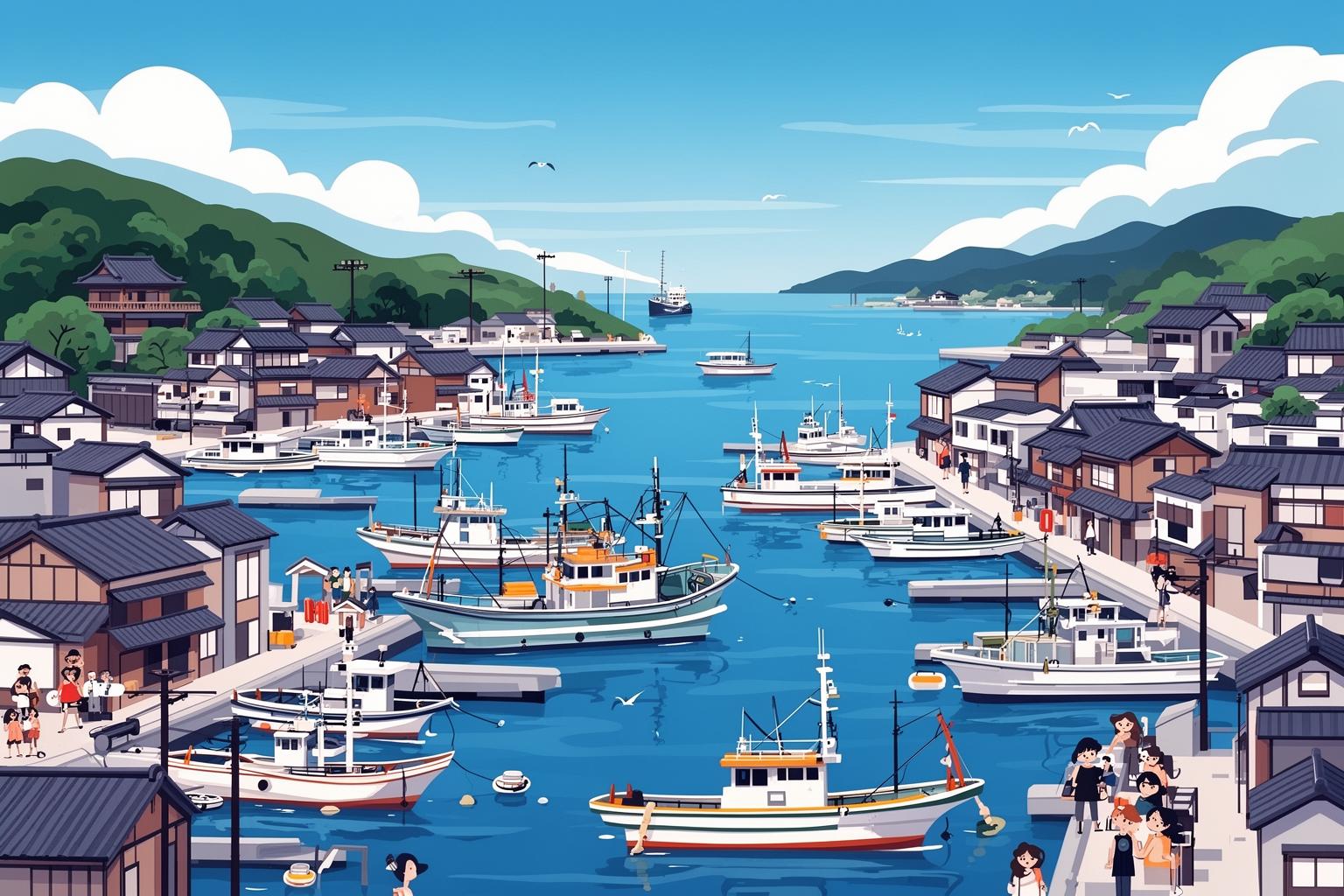
To truly appreciate Tomonoura, you need to embrace its unhurried rhythm. This isn’t a town of flashy attractions or a list of must-see landmarks. Its charm is understated and builds slowly, revealing itself to those who are willing to slow down and simply be present. The true spirit of Tomonoura lies in the quiet moments: watching an old fisherman patiently mend his nets, hearing the soft clatter of wooden geta sandals on stone, or feeling the cool sea breeze as it winds through a narrow alley. It’s a place that rewards careful observation and invites a meditative state of mind, offering a refreshing contrast to the bustling energy of Japan’s major cities.
The Art of Aimless Wandering
Your most valuable tool for exploring Tomonoura is a comfortable pair of shoes. The best discoveries happen when you put your phone away and let your curiosity lead the way. Stray from the main harbor and explore the residential backstreets. Here, you’ll encounter intimate details: small vegetable gardens cared for by elderly neighbors, colorful laundry fluttering in the breeze, and tiny, nearly hidden temples where the scent of incense lingers. The town is remarkably safe and compact, making it almost impossible to get truly lost. Every corner reveals a new scene, a new texture, a fresh glimpse of daily life. This unplanned exploration is the most genuine way to connect with the town’s soul, to experience its history not as a lesson but as a living, breathing presence. You’ll notice how the boundary between private homes and public spaces is softly blurred, creating a shared, communal living room where visitors are warmly welcomed.
A Journey to Sensui Island
For a change of pace and a touch of natural beauty, a short ferry ride to Sensui-jima is a must. This small, mostly undeveloped island lies just a few hundred meters from the port, and the trip itself adds to the experience. The ferry, a quaint vintage vessel named the Heisei Iroha Maru in honor of Sakamoto Ryoma’s ship, chugs across the channel in only five minutes. Stepping onto Sensui Island feels like entering a different world. The sounds of the town fade away, replaced by birdsong and the rustle of leaves. The island features well-kept walking trails that meander through lush forests and along the rugged coastline. One of the island’s main attractions is the goshikiiwa, or “five-colored rocks,” a striking geological formation of colorful volcanic tuff stretching along the shore. The trails provide stunning views back toward Tomonoura, offering a fresh perspective of the town nestled in its harbor. It’s an ideal way to spend an hour or two—a mini-adventure that refreshes the spirit and reconnects you with the natural landscape that has shaped the region for thousands of years.
Practical Tips for the Island Hop
The ferry to Sensui Island leaves frequently from Tomonoura’s main pier, usually every 20 minutes throughout the day. The round-trip fare is very affordable, making it an easy and spontaneous outing. Be sure to wear sturdy walking shoes, as some trails can be uneven. While the island has some facilities, including a hotel and a public bath, it’s wise to bring a bottle of water, especially on warm days. The coastal walk is relatively easy and suitable for most fitness levels, offering outstanding scenic rewards for a modest level of effort.
A Taste of the Seto Inland Sea
No trip to a Japanese port town would be complete without savoring the local cuisine, and Tomonoura presents a delicious bounty sourced directly from the rich waters of the Seto Inland Sea. The culinary scene here is not focused on flashy Michelin stars or trendy eateries. Instead, it centers on honest, fresh, and deeply traditional dishes that highlight local ingredients. The emphasis is overwhelmingly on seafood, prepared with a simplicity and skill honed over generations. Dining in Tomonoura offers a chance to taste the essence of the region and connect with the local culture through its cherished flavors.
The Bounty of the Sea
The undisputed star of Tomonoura’s culinary offerings is sea bream, or tai. The waters here are renowned for producing some of the best sea bream in Japan, and the town comes alive each spring during the traditional sea bream fishing season. For centuries, local fishermen have employed a unique and dynamic net-fishing method, a spectacular event that can sometimes be witnessed on special tourist boat tours. The classic local dish is tai-meshi, a simple yet profoundly flavorful preparation of whole sea bream steamed with rice, allowing the delicate fish flavor to infuse every grain. It appears on the menus of many local restaurants, each featuring its own subtle variation. Beyond sea bream, look for other local catches such as small sardines (iwashi) and squid (ika), often grilled with a touch of salt or served as incredibly fresh sashimi. Enjoying seafood in Tomonoura is a direct and delicious way to engage with the town’s living maritime heritage.
Cafes Hiding in Plain Sight
Nestled among traditional inns and old merchant houses, a new wave of entrepreneurs has begun opening charming cafes and tea houses. These establishments are frequently located in beautifully restored historic buildings, preserving the old-world charm while providing modern comforts. Discovering one of these hidden gems adds to the experience. You might come across a quiet cafe overlooking the harbor, where you can sip a meticulously brewed pour-over coffee while watching ferries come and go. Alternatively, you may find a cozy tea house tucked away in a back alley, serving matcha and traditional Japanese sweets in a tranquil garden setting. These spots offer the perfect break from your explorations—a chance to relax, recharge, and appreciate the beauty of your surroundings. They embody the town’s gentle evolution, blending its storied past with its creative present.
Practical Guidance for Your Pilgrimage
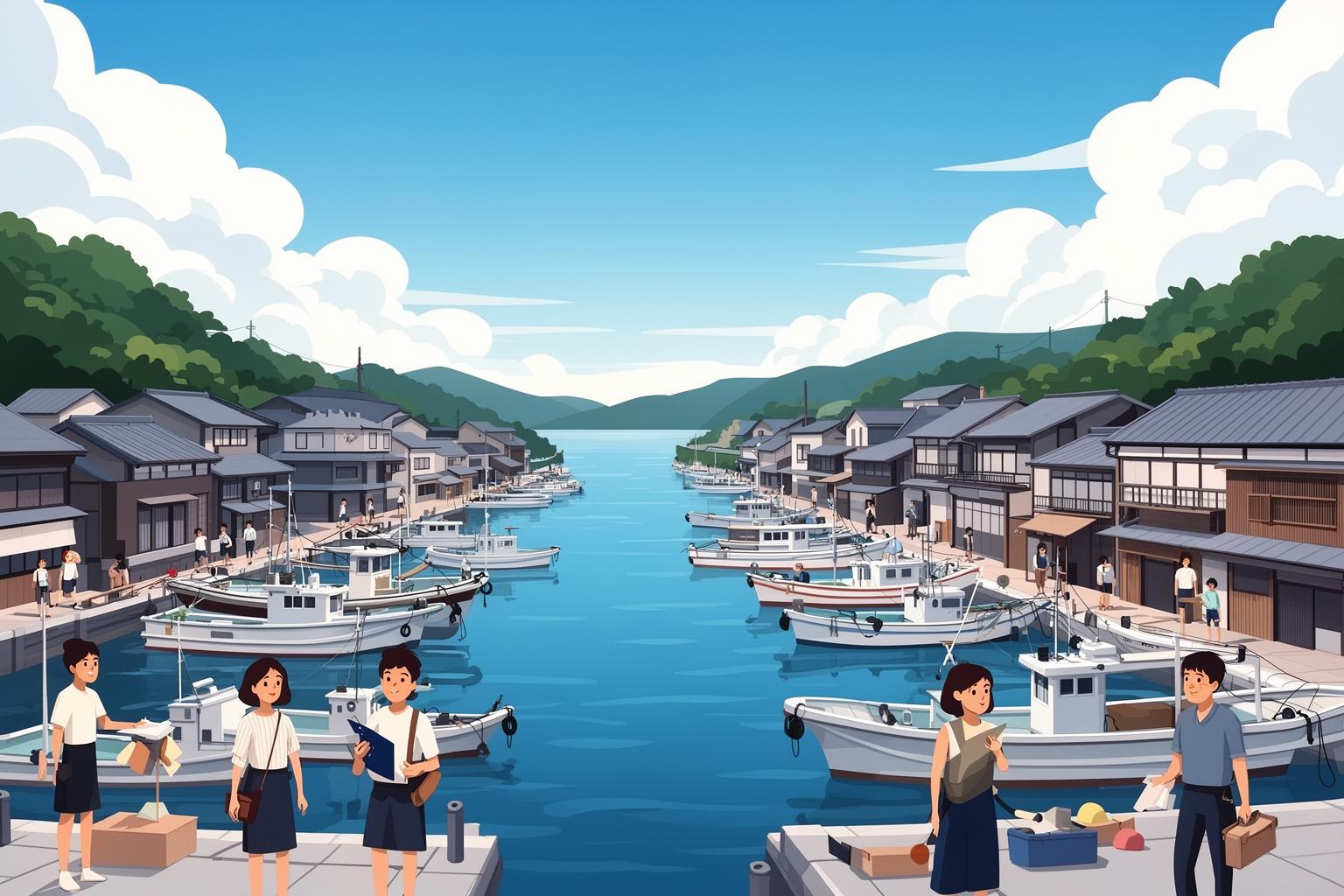
While Tomonoura feels worlds apart from the bustle of modern Japan, it remains surprisingly easy to reach. With a bit of planning, your trip will be smooth, allowing you to make the most of your time in this captivating town. Knowing the best way to get there and the optimal time to visit will help you fully appreciate its magic.
Getting to Tomonoura
The city of Fukuyama serves as the gateway to Tomonoura and is a key stop on the Tokaido-Sanyo Shinkansen (bullet train) line. This makes it a convenient day trip from major cities such as Hiroshima, Osaka, or even Tokyo. From Fukuyama Station, the last part of the journey involves a local bus ride. Exit from the south side of the station and find the bus terminal where you can catch the bus heading to Tomo Port (鞆の浦, Tomo-no-ura). The bus ride takes around 30 minutes, passing through suburban areas before opening up to stunning coastal scenery as you near the town. Bus fares are paid in cash upon exiting, so having small change is recommended. The final stop is just a brief walk from the main harbor, placing you at the heart of the town’s activity.
When to Visit
Tomonoura is a great destination in any season, each offering a unique experience. Spring (March to May) is perhaps the most celebrated, thanks to the sea bream fishing festival and the mild, pleasant weather. The town feels lively, and the local cuisine is at its finest. Autumn (October to November) is another excellent period to visit, with clear skies, comfortable temperatures, and a warm golden light that makes the old wooden buildings shine. Summer (June to August) can be hot and humid, but it’s a vibrant season that embodies the charm of a classic Japanese seaside town. Winter (December to February) is calm and peaceful, with fewer crowds and crisp, cold air that gives the harbor a serene, almost melancholic beauty. This season is ideal for visitors seeking quiet and reflection.
A Note on Pacing Your Day
The biggest error a visitor can make in Tomonoura is rushing through the town. While the main sights can be seen in a few hours, the true charm lies in soaking up the atmosphere, which takes time. Plan to spend at least half a day, though a full day is highly recommended. This gives you the freedom to explore at a relaxed pace, take the ferry to Sensui Island, enjoy a leisurely lunch, and browse the quaint shops. For a deeper experience, consider staying overnight. Sleeping in a traditional ryokan lets you experience the town bathed in the soft glow of evening and the peaceful quiet of early morning, long after day-trippers have left. It is during these tranquil moments that the timeless spirit of Tomonoura truly comes alive.
A Parting Glance from the Harbor
As you stand on the stone pier, gazing back at the town with the Joyato lighthouse standing sentinel, it’s easy to sense the powerful dual currents that characterize Tomonoura. On one side, it is a dreamscape, a tangible fragment of the whimsical world imagined by Studio Ghibli, where the boundary between reality and animation is beautifully blurred. On the other, it is a living museum, a port steeped in centuries of stories, where the echoes of samurai negotiations and the ebb and flow of the tide still linger in the salty air. Tomonoura doesn’t impose its stories on you; instead, it offers them quietly, whispering through the creak of an old wooden boat, the taste of fresh sea bream, and the serene dignity of its preserved streets. It reminds us that some places hold their history close, maintaining a way of life that is both a relic of the past and a guide for the future. To visit Tomonoura is more than to see a beautiful town; it is to hear its story, feel its rhythm, and carry a piece of its timeless magic with you long after you leave.