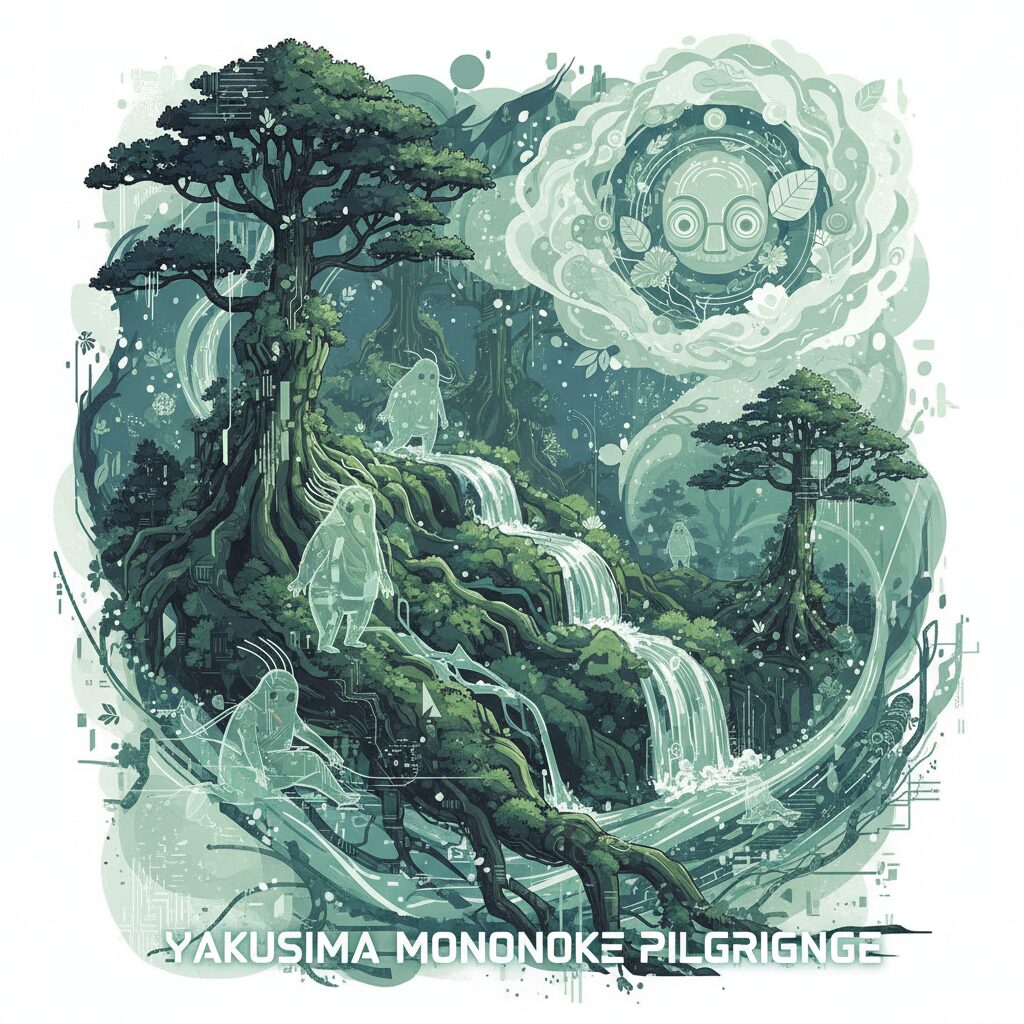
There’s a feeling that washes over you when you first step into a true, old-growth forest. It’s a quiet hum, a sense of being small in the presence of something immense and ancient. The air itself feels different, thick with the scent of damp earth, decaying leaves, and the sharp, clean perfume of cedar. For many who have seen Hayao Miyazaki’s masterpiece, “Princess Mononoke,” this feeling is familiar. We saw it on screen, a world of colossal trees, mischievous forest spirits, and a palpable, living soul that pulsed through the veins of the woods. What many don’t realize is that this world is not entirely a fantasy. It has a physical anchor on our planet, a place where the barrier between animation and reality feels impossibly thin. That place is Yakushima, a subtropical island floating in the sea south of Kyushu, Japan. It is a land of staggering rainfall, mountains that scrape the clouds, and cedar trees that have been alive for millennia. This is not merely a filming location; it is the spiritual blueprint for one of cinema’s most revered animated landscapes. Visiting Yakushima is less of a vacation and more of a pilgrimage—a journey to reconnect with a primal, powerful piece of the Earth, and to walk, just for a moment, in the footsteps of Ashitaka and San.
Embrace the island’s mystique further by embarking on a spiritual pilgrimage that unveils Yakushima’s ancient, living legacy.
Echoes of the Iron Town: The Human Story of an Ancient Island
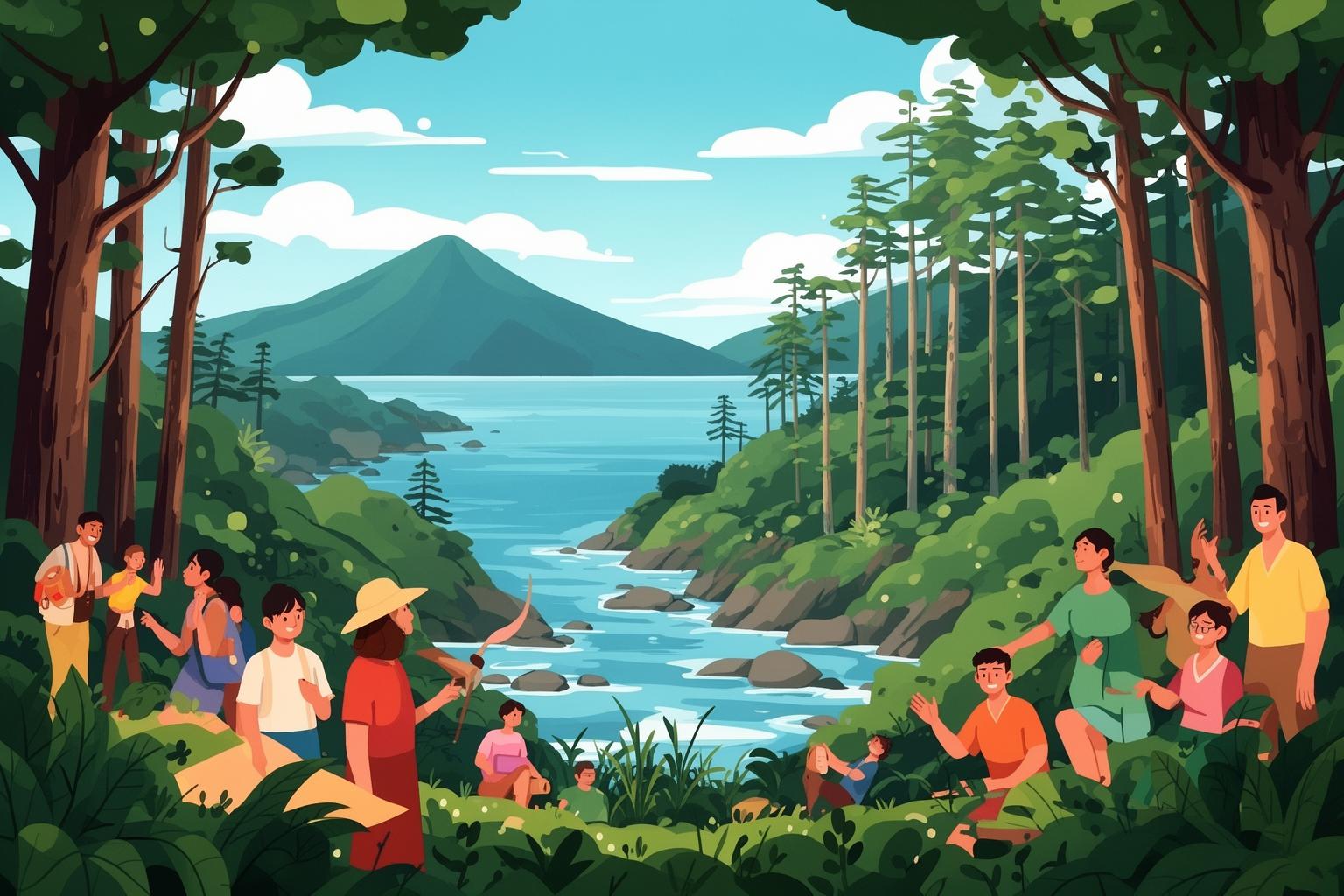
To truly appreciate Yakushima, one must recognize that its story, much like Miyazaki’s film, involves a complex relationship of conflict and coexistence between humanity and nature. The island’s striking beauty is not entirely pristine. For centuries, its majestic cedars provided immense wealth. During Japan’s Edo Period, the harvesting of yakusugi, the island’s ancient cedars, intensified. Valued for their high resin content, durability, and attractive grain, the wood was crafted into shingles for temples and castles throughout Japan. This history of logging is still visible in the landscape. Along the trails, you can see the decaying remains of railway lines once used to transport massive logs down the mountains. This history adds a poignant layer to the forests, serving as a reminder that this sanctuary was once a site of industry. It echoes the conflict in “Princess Mononoke” between Lady Eboshi’s Irontown, which exploits the forest for progress, and the forest gods who strive to protect it. The eventual preservation of Yakushima, culminating in its designation as a UNESCO World Heritage site in 1993, symbolizes a truce—a hard-earned recognition that some places are too valuable to be consumed. Today, the island’s residents live in harmony with this balance, their lives intertwined with the rhythms of the mountains and sea, many serving as guides and guardians of the very forests their ancestors once harvested.
Whispers of the Forest Gods: Shiratani Unsuikyo Ravine
If there is one spot on Yakushima that stands as the heart of the Mononoke pilgrimage, it is Shiratani Unsuikyo. This ravine is a realm drenched in green. Its name, meaning “White Valley Cloud Water Ravine,” evokes images of mist, stone, and water—and it truly lives up to that vision. From the moment you step onto the trail, you feel embraced. The air turns cool and heavy with moisture. Every surface—rocks, tree trunks, fallen logs, the earth itself—is covered in a thick, velvety carpet of moss. Dozens, perhaps hundreds, of moss species thrive here, weaving a vibrant, living tapestry that gleams emerald when beams of sunlight penetrate the dense canopy.
The Moss-Covered Kingdom
This forest is the direct inspiration for Miyazaki’s animators. As you delve deeper, you’ll find yourself pausing often, captivated by the surroundings. Gnarled, ancient roots—like the knuckles of sleeping giants—twist over moss-clad boulders. Crystal-clear streams meander through the landscape, their gentle bubbling providing a soothing backdrop. The silence is profound, interrupted only by the drip of water from leaf to moss and the occasional bird call. It’s impossible not to feel reverence here. You begin to grasp the Shinto belief that gods, or kami, dwell in natural objects. Each rock and tree seems alive, watching silently. It’s easy to imagine the tiny white kodama, the tree spirits from the film, shaking their heads from the shadows. The best-known site, officially called “Mononoke Hime no Mori” (Princess Mononoke’s Forest), is an undeniable highlight—a perfect fusion of moss, stone, and ancient trees as if lifted directly from a cel of the film. Yet in truth, the entire ravine is Mononoke’s forest. Every bend in the path reveals a breathtaking, primeval vista.
Navigating the Spirit Trails
Shiratani Unsuikyo features several trails of varying lengths and difficulties, making its magic accessible to most visitors. Shorter routes, taking one to three hours, lead past magnificent cedars such as Nidaiosugi and Yayoisugi. For the more intrepid, the full-day trek to Taiko Iwa is essential. This demanding hike ends with a steep ascent to a massive granite boulder towering above the forest. Stepping onto Taiko Iwa feels like surfacing from a deep green sea for fresh air. The payoff is a stunning panoramic view of the island’s rugged interior, an endless sea of green peaks stretching into the horizon. It’s a moment of clarity, seeing the forest not just from within, but as a vast, breathing entity. A practical tip: trails are often wet and slippery. Sturdy, waterproof hiking boots are essential, not optional. The weather can shift suddenly, so a good rain jacket is your best companion.
The Guardian of Time: In Search of Jomon Sugi
While Shiratani Unsuikyo captures the spirit of the Mononoke forest, another pilgrimage calls to those wishing to encounter the island’s oldest and most esteemed resident: Jomon Sugi. This immense cedar is more than just a tree; it stands as a monument to life itself. Its age remains a topic of debate, with estimates ranging from 2,170 to an astonishing 7,200 years old. Standing before it means facing a living entity that has silently witnessed the rise and fall of civilizations. However, this encounter is not easily earned. The trek to Jomon Sugi is a demanding, full-day journey—a true test of stamina that only heightens the experience.
The Pilgrimage to an Elder
The hike to Jomon Sugi covers approximately 22 kilometers round trip, usually requiring 10 to 12 hours. It begins in the darkness before dawn, with hikers relying on headlamps to get an early start. Much of the path follows the route of the Anbo Forest Railway, a narrow-gauge line constructed nearly a century ago for logging purposes. Walking along these tracks and crossing rickety wooden trestle bridges spanning deep ravines feels like traveling back in time. The relatively flat railway section eventually gives way to a punishing, steep climb over tangled roots and rustic wooden stairs. Along the route, you encounter other remarkable landmarks, such as Wilson’s Stump—the massive, hollowed remains of a felled cedar. Peering upward from inside the stump reveals a perfect heart-shaped opening to the sky. This trek challenges both body and mind, stripping away everyday distractions and focusing your attention solely on each step, your breath, and the surrounding vibrant green forest.
A Moment with Antiquity
After hours of hiking, you finally arrive. Nothing quite prepares you for the sight of Jomon Sugi. Though it lacks the towering height of a redwood, its strength lies in its immense bulk and ancient, gnarled presence. The trunk resembles an entire landscape—a weathered, muscular column of wood testifying to millennia of typhoons, lightning, and steady growth. Its thick branches stretch out like wizened arms. To protect the fragile root system from the thousands of pilgrims who visit, a viewing platform is situated a short distance away. This respectful separation does not lessen the experience; instead, it enhances it, presenting the tree as a sacred object of reverence. You find a place on the deck and simply… gaze. You reflect on how this organism was already ancient when the pyramids were being built. It is a profoundly humbling and almost spiritual moment of connection to the vast, slow passage of natural time.
The Rhythm of Life: Yakushima Beyond the Trails
While the forests are the primary attraction, the life of Yakushima stretches from its mist-covered peaks down to its rocky shores. The island functions as a holistic ecosystem, and discovering its various aspects offers a fuller understanding of this remarkable place.
The Island’s Wild Inhabitants
Yakushima is home to distinctive subspecies of macaques and deer. You don’t need to seek them out; they naturally blend into the scenery. The Yakushika deer, smaller than their mainland relatives, roam tranquilly through the forests and occasionally along the roadsides. The Yaku monkeys, with their thick fur and reddish faces, are even more common. You will observe them grooming one another, searching for food, and lounging in the middle of the road with an air of complete ownership. Driving along the western Seibu Rindo forest road, a narrow, winding path through the World Heritage zone, feels like a true safari experience. Here, animals far outnumber vehicles, requiring slow driving and yielding to groups of monkeys and serene deer. Along the coast, from May to August, Nagata Inakahama beach serves as a crucial nesting site for endangered loggerhead sea turtles, which return year after year under the cover of night to lay their eggs.
Where the Mountains Meet the Sea
The island’s heavy rainfall and steep mountains create a striking landscape of waterfalls. Some, such as Senpiro-no-taki and Oko-no-taki, are powerful cascades easily accessible by car. Oko-no-taki is particularly impressive, allowing visitors to walk right up to its base and feel the mist from the 88-meter drop. The coastline itself presents a ruggedly beautiful combination of granite cliffs, sandy beaches, and tide pools full of marine life. For a unique perspective, consider sea kayaking. Paddling along the coast provides stunning views of mountains rising directly from the ocean and offers access to sea caves and hidden coves otherwise unreachable.
The Warmth of the Earth: Soaking in a Seaside Onsen
After a long day of hiking, few rewards compare to an onsen, a natural hot spring bath. Yakushima offers an exceptional onsen experience at Hirauchi Kaichu Onsen. Unlike traditional bathhouses, this site features a series of pools nestled among the seashore rocks. The hot spring is accessible only for a few hours around low tide, when the ocean pulls back to reveal the geothermal pools. Soaking in the steaming, sulfurous water while the waves of the Pacific Ocean crash just a few feet away is an unforgettable experience. It is a co-ed, public bath with no changing rooms—a truly rustic and natural setting that connects you directly to the island’s volcanic energy.
A Practical Guide to Your Spiritual Journey
Embarking on a journey to Yakushima involves some planning, but the reward is well worth the effort. Its remote location is part of its charm, shielding it from the crowds of mass tourism.
Reaching the Enchanted Isle
The main gateway to Yakushima is the city of Kagoshima at the southern tip of Kyushu. From there, you have two primary options. The quickest is the high-speed hydrofoil, often called the “Toppy” or “Rocket,” which crosses the water in about two to three hours. It’s an efficient, though occasionally bumpy, ride. The slower, traditional option is the car ferry, which takes roughly four hours but is much cheaper and allows you to bring a vehicle. Additionally, Yakushima has a small airport with several flights daily from Kagoshima, plus direct connections from Fukuoka and Osaka, making it surprisingly accessible for a place that feels so far removed from the modern world.
Navigating Yakushima’s Winding Roads
Although there is a bus service that loops around the island, its schedule is infrequent and may not suit the early starts needed for major hikes. To fully explore Yakushima at your own pace, renting a car is strongly advised. The ability to stop at scenic viewpoints, wait for a family of monkeys crossing the road, or visit a secluded waterfall is invaluable. Be sure to book your rental car well ahead of time, especially during peak seasons, since the island’s supply is limited. Driving here is enjoyable; the roads are well-maintained, traffic is light, and the route winds through stunning scenery at every turn.
When to Heed the Forest’s Call
Yakushima is famously rainy. The locals joke that it rains “35 days a month.” This constant moisture sustains the island’s lush, moss-covered ecosystem. While rain is possible year-round, some seasons are more favorable. Spring (March to May) features mild temperatures and blooming rhododendrons in the mountains. Autumn (October to November) is perhaps the best time, with cooler, more stable weather and clear skies. Summer includes the rainy season in June and July, followed by heat, humidity, and potential typhoons in August and September. Winter is cool, and the highest peaks are snow-covered, creating a beautiful but more demanding environment for hiking.
Packing for the Primeval
Proper gear is essential for a safe and enjoyable trip. Never underestimate the rain. A high-quality waterproof jacket and pants are a must. Umbrellas are useless on the trails. Waterproof hiking boots with good traction are non-negotiable. Even on sunny days, trails are frequently damp and muddy. Dress in layers, as temperatures can vary significantly between the coast and the mountain peaks. For the Jomon Sugi hike, a headlamp is necessary for the early start. Many local shops in the main towns of Miyanoura and Anbo offer full hiking gear rentals, which is a great option if you prefer not to carry bulky equipment.
The Flavor of the Island: Nourishment for the Body and Soul
The island’s sustenance comes not only from its landscapes but also from its distinctive culinary delights. The food here is simple, fresh, and deeply rooted in the local environment. The undisputed highlight of Yakushima cuisine is the flying fish, or tobiuo. It is served in numerous ways, but most commonly deep-fried whole, with its fins spread like wings. This makes for a delicious and visually captivating dish. The island is also renowned for its citrus fruits, especially the sweet tankan and ponkan, which are used in juices, jams, and desserts. For a taste of local spirits, try Mitake, Yakushima’s signature shochu. Distilled from sweet potatoes and blended with the island’s famously pure water, it’s a smooth and popular souvenir. Eating at a family-run minshuku (guesthouse) offers a wonderful chance to enjoy home-cooked island cuisine and warm hospitality.
Leaving a Gentle Footprint
Visiting Yakushima is like becoming a guest in a sacred and delicate place. The island’s future relies on the care and awareness of those who traverse its trails. The guidelines are straightforward yet essential. Carry out everything you bring in, as there are no trash bins along the paths. Use only the provided toilet facilities. Avoid feeding the wildlife, since it disturbs their natural habits and fosters dependence on humans. Stay on the marked trails to prevent erosion and protect the fragile moss and root systems. Imagine yourself as a quiet observer, moving through the environment without leaving any mark. By doing this, you contribute to preserving the enchantment of Yakushima for all the pilgrims who will follow in your footsteps.
Eventually, your time on Yakushima will end. You will board a ferry or plane, watching the green mountains fade into the distance. Yet, the island will remain with you. Its essence—the scent of the moist forest, the sound of flowing streams, the awe-inspiring sight of a tree that has stood for millennia—will linger within you. It is a place that resets your sense of time and your place in the world. It reminds you of nature’s profound and lasting power, a force Miyazaki so masterfully portrayed in his film. Yakushima doesn’t merely reveal the world of Princess Mononoke; it makes you feel its truth deep within. It is a journey worth making, a story worth living, and a whisper from the ancient world that, if you listen carefully, you can still hear.