There’s a certain kind of magic that lives in the rustle of leaves in a sun-dappled forest, in the gentle hum of a quiet neighborhood, in the wide-eyed wonder of a child discovering a hidden path. It’s a magic that feels both extraordinary and deeply familiar, a feeling masterfully captured in the films of Studio Ghibli. For decades, the creations of Hayao Miyazaki and his team have transported us to worlds where friendly forest spirits, soaring castles, and courageous young heroes feel just a breath away. But what if you could step through the screen and into that world itself? In the leafy, unassuming Tokyo suburb of Mitaka, you can. Here lies the Ghibli Museum, not merely a collection of artifacts, but a living, breathing extension of the Ghibli universe, a place meticulously designed to be explored, not just observed. It stands as a testament to the power of hand-drawn animation and the enduring beauty of storytelling. This is more than a tourist destination; it’s a pilgrimage site for dreamers, a physical anchor for the fantastical worlds that have shaped so many of our imaginations. And the journey doesn’t end at its whimsical walls; it spills out into the serene expanse of Inokashira Park and the charmingly vibrant streets of Kichijoji, creating a perfect day-long immersion into a gentler, more enchanting side of Tokyo. It’s an invitation to slow down, to look closer, and to get wonderfully, irrevocably lost.
Embracing the spirit of discovery, many visitors extend their day-long pilgrimage by embarking on a comet journey that reveals another facet of cinematic magic in the real world.
The Heart of the Dream: Inside the Ghibli Museum
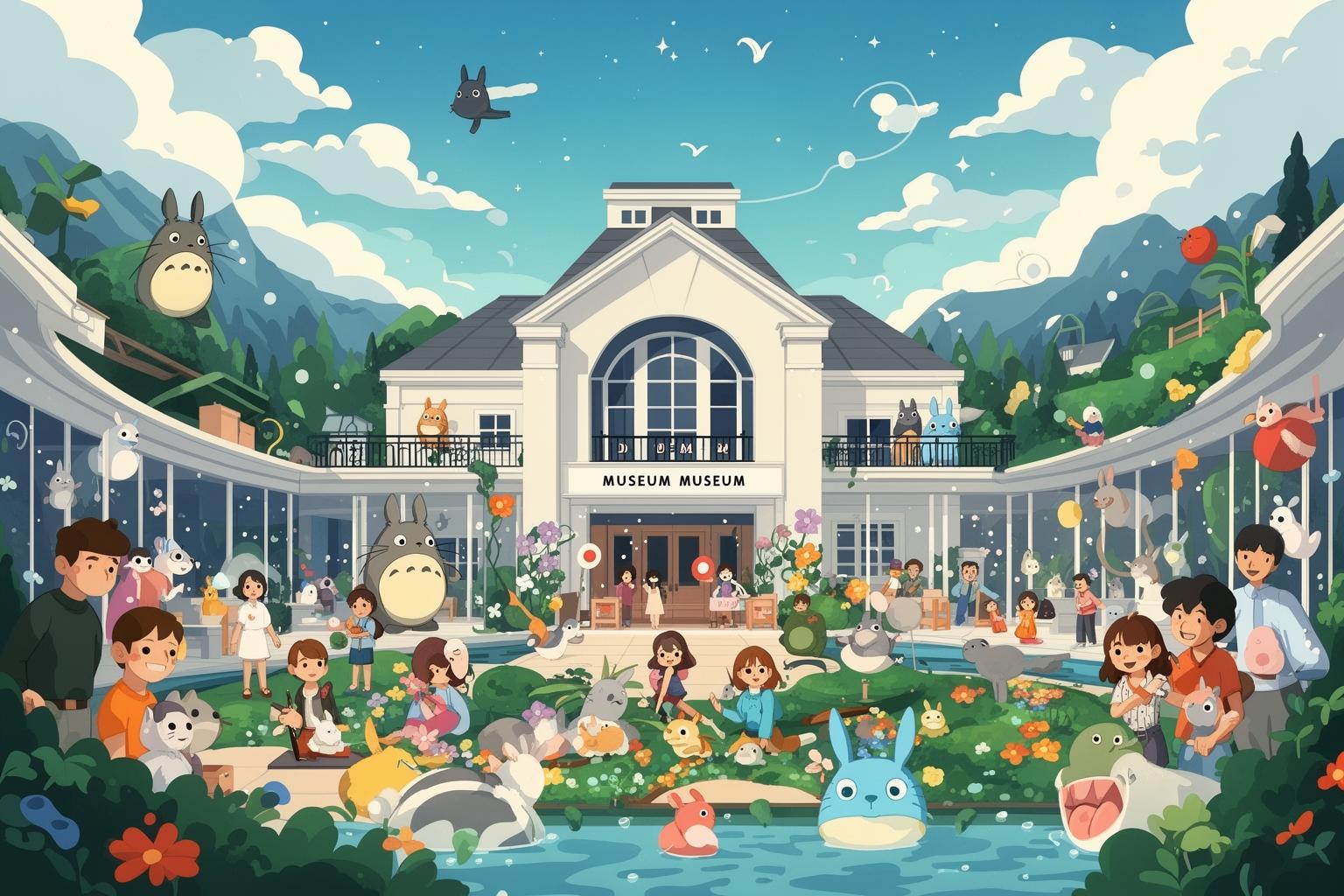
From the moment you arrive, it’s evident this is no ordinary museum. The building itself feels like a character from one of its films—a playful, multi-layered structure of warm-toned stucco, wrapped in lush ivy and crowned with a tangle of intriguing architectural details. A friendly, life-sized Totoro peeks out from the ticket booth, though he won’t sell you a ticket—a gentle first hint that the rules here are a little different. The museum’s official slogan, lovingly penned by Miyazaki himself, is “Let’s Get Lost, Together.” This phrase is more than just catchy; it embodies the core philosophy and the most important piece of advice you’ll receive. There is no set route, no map guiding you from one numbered exhibit to the next. Instead, you’re encouraged to wander, to drift, to follow your curiosity down winding spiral staircases, across tiny aerial bridges, and through doorways of whimsical, varying sizes. The design compels you to be present, to engage fully with your surroundings, and to shape the experience uniquely your own. Inside, the museum is a marvel of craftsmanship and imagination—a warm, wooden labyrinth bathed in sunlight filtering through exquisite stained-glass windows. But instead of saints or geometric patterns, these windows showcase scenes and characters from the films: Kiki on her broomstick, Porco Rosso in his plane, Totoro’s gentle face. Every glance uncovers a new secret, a tiny detail tucked into a corner, rewarding the observant and inviting you to slow down and absorb the atmosphere.
Treasures Within the Walls
The museum is a treasure trove of wonders, each room revealing a different facet of Ghibli’s magic. You enter a soaring central hall, a grand, open space that feels like the engine room of a fantastical airship. A massive ceiling fan rotates slowly overhead beneath a glass dome that floods the area with light. Your eyes are drawn everywhere: to the intricate workings of a giant clock, the spiral staircase mentioned earlier, an impossibly small, old-fashioned elevator seemingly made for children, and the crisscrossing walkways above. Here, the sensation of being inside a physical manifestation of Miyazaki’s mind truly settles in. This hall serves as a hub from which countless adventures can begin. You can almost feel the buzz of creativity in the air—a hum of pure, unfiltered imagination that is both exhilarating and deeply comforting.
The Saturn Theater’s Secret
Nestled on the ground floor lies one of the museum’s most cherished attractions: the Saturn Theater. This cozy, charming cinema is the only place worldwide where you can watch original animated shorts produced exclusively by Studio Ghibli for the museum. The film on display rotates throughout the year, meaning each visit might offer a new story. Your entrance ticket, a beautiful strip of real 35mm film featuring frames from a Ghibli movie, also grants you access to one screening. The experience is intimate and special. The theater itself is a delight, with a painted sky full of stars on the ceiling and windows that automatically close as the lights dim. Watching a new piece of Ghibli animation, surrounded by fans from around the world, is a moment of shared joy—a collective gasp of delight transcending language. It’s a powerful reminder of the studio’s storytelling mastery, distilled into a perfect, bite-sized work of cinematic art.
Where Imagination Takes Flight: An Artist’s Room
On the upper floors, you’ll find rooms devoted to the creative process. One permanent exhibition, titled “Where a Film is Born,” offers a stunning immersion into an artist’s workspace. It’s not a sterile gallery but a series of five rooms that feel as if the animators have just stepped out for tea. Books on countless subjects—from botany and aviation to medieval architecture—are piled high on shelves and spill onto desks. The walls form a chaotic, beautiful mosaic of inspiration: sketches, concept art, storyboards, and photographs. Jars filled with vibrant pigments sit beside collections of curious objects and half-finished drawings, evoking a deep appreciation for the immense labor and boundless curiosity behind every frame of a Ghibli film. It demystifies animation while making it more magical, revealing that these fantastical worlds are crafted not only from ink and paint but from research, passion, and a profound love for the tangible world around us. Watching my own children study the intricate drawings, they seemed to grasp that magic is something you can create with your own two hands.
The Fluffy Embrace of the Catbus
For the youngest visitors (and the envy of every adult), the second floor features a true icon: the Catbus. This life-sized, plush version of the beloved character from My Neighbor Totoro is a child-only zone—a soft, climbable playscape where kids can live out their Ghibli dreams. It’s a moment of pure, unfiltered joy. Adults must watch from the sidelines, but witnessing the sheer delight on children’s faces as they climb in and out of the soft, grinning vehicle is heartwarming in itself. It perfectly captures the museum’s spirit: prioritizing the experience of wonder, especially for the children it was designed to inspire. Nearby, a collection of soft, throwable Soot Sprites contributes to the playful chaos. It is, simply put, happiness in fluffy, multi-legged form.
Securing Your Golden Ticket: The Art of Ghibli Ticketing
Here we must pause to consider some practical reality, as visiting this dream world demands careful planning. The Ghibli Museum is famously, and deliberately, challenging to access. This approach helps maintain the intimate, uncrowded atmosphere that makes the experience so unique. Tickets cannot be bought at the door; they must be secured in advance and tend to sell out almost immediately. For international visitors, the main way to purchase tickets is through the official online ticketing website, managed by Lawson. Tickets for a particular month become available at 10:00 AM Japan Standard Time on the 10th of the previous month. So, if you want to visit in July, you need to be online and ready at 10:00 AM JST on June 10th. The process is a frantic competition against thousands of other hopefuls. Having your passport details, preferred date and time slot, and payment information prepared is crucial. The website often slows down significantly due to heavy traffic, so patience and persistence are essential. It frequently feels like trying to catch a falling star, but getting those tickets feels like a huge triumph. As an alternative, or for those wishing to avoid the stress, various third-party travel agencies and tour operators offer packages that include a Ghibli Museum ticket. These packages are considerably more expensive but provide a much higher chance of success and can be a worthwhile investment for those planning a once-in-a-lifetime trip.
Beyond the Museum Walls: Exploring Mitaka and Kichijoji
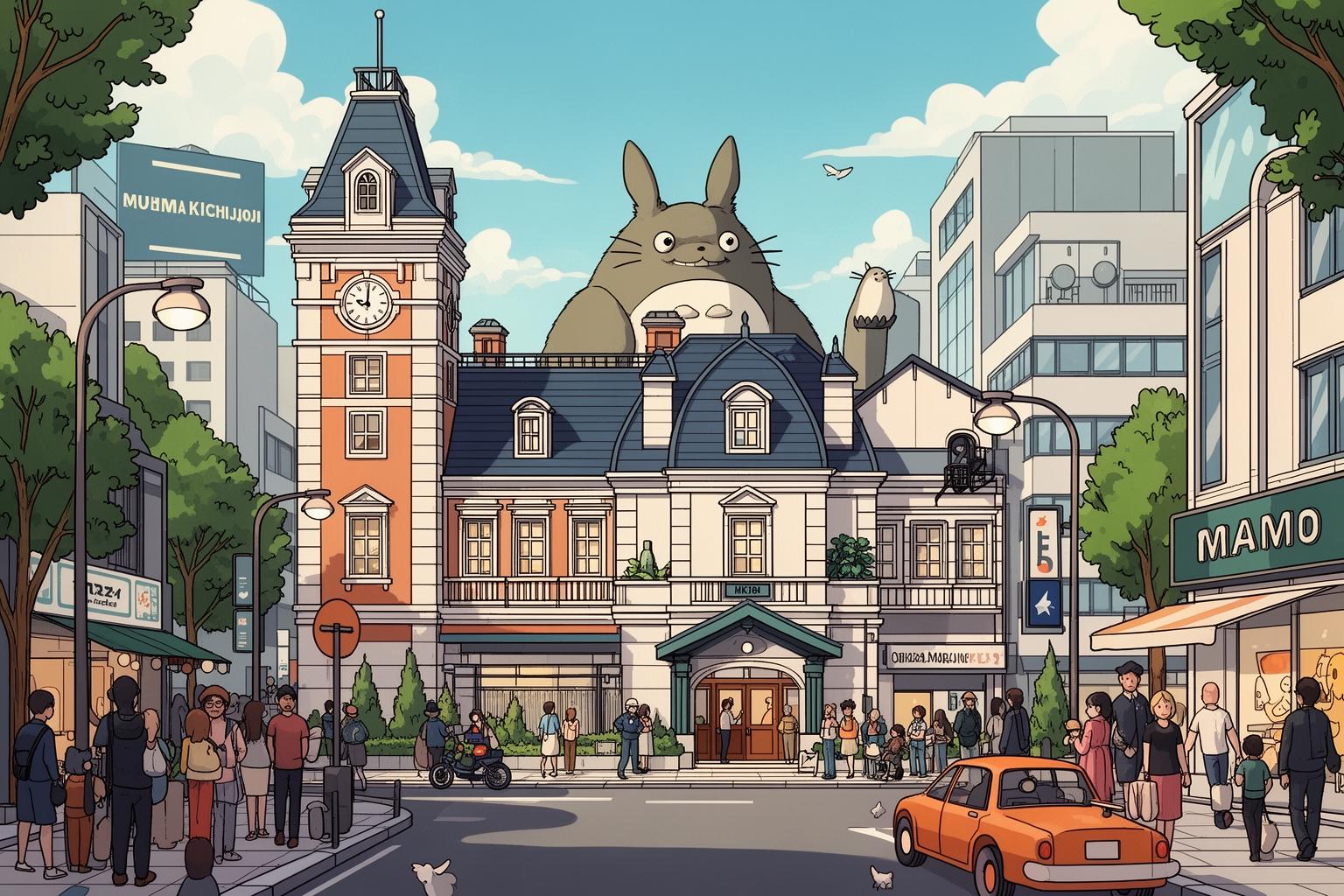
Your Ghibli pilgrimage shouldn’t be limited to just the museum itself. The surrounding area plays an essential role in the experience, providing a serene and perfect contrast to the bustling energy of central Tokyo. Positioned at the southern edge of the stunning Inokashira Park, the museum invites a day spent exploring both sites—a day truly well spent. It offers a chance to witness the everyday Japanese scenery that often forms the backdrop of Ghibli’s tales, where nature and quiet urban life beautifully coexist.
A Stroll Through Inokashira Park
Leaving the museum and stepping into Inokashira Park feels like a natural continuation. This expansive public park is one of Tokyo’s most beloved green havens—a peaceful refuge full of nature’s beauty. Its highlight is a large, tranquil pond where you can rent colorful swan boats or simple rowboats for a leisurely paddle. The park features winding walking paths shaded by towering trees, guiding visitors past a small zoo, a shrine dedicated to the goddess Benzaiten, and many inviting spots for a family picnic. The ambiance is authentically local and relaxed. You’ll observe elderly couples enjoying morning walks, families playing on the grass, and students sketching by the water’s edge. The park is captivating year-round but truly comes alive in spring when hundreds of cherry trees bloom in a pale pink cloud, and during autumn when maple and ginkgo trees blaze with fiery reds, oranges, and golds. It’s easy to picture Mei and Satsuki from Totoro exploring these woods, chasing acorns and listening for the distant roar of a magical creature. Spending an hour or two here after your museum visit is the perfect way to soak in the magic, find a quiet bench, and simply watch the world go by.
The Charms of Kichijoji
Just a brief walk from Inokashira Park’s northern end is Kichijoji, a neighborhood frequently ranked among Tokyo’s most desirable places to live. It perfectly balances trendy and traditional, lively and laid-back. It has the vibrancy of a major hub without the overwhelming crowds typical of areas like Shibuya or Shinjuku. Exploring Kichijoji is an ideal way to complete your day. The area is a haven for shoppers, food lovers, and anyone who delights in exploring a city on foot. For a classic Japanese retail experience, dive into the covered arcades, or shotengai, such as Sun Road Shopping Street. These bustling pedestrian-only streets are lined with an eclectic mix of shops—from traditional tea vendors and kimono stores to modern boutiques and quirky souvenir shops.
Sun Road and Harmonica Yokocho
As you stroll, you’ll encounter the entrance to a completely different world: Harmonica Yokocho. This is a cozy, atmospheric maze of extremely narrow alleyways dating back to the post-war era. By day, it’s a quiet collection of tiny shops, but as evening approaches, it comes alive. Paper lanterns begin to glow, casting warm light over weathered wooden storefronts, while the air fills with the savory aroma of grilled meats and the lively hum of conversation. The tiny standing bars and yakitori eateries, many with just a handful of seats, fill up with locals enjoying drinks and bites after work. Squeezing into one of these spots for freshly grilled skewers and a cold beer is an unforgettable, quintessentially Japanese experience. It feels like stepping back in time, worlds apart from the modern city just steps away.
A Foodie’s Paradise
Kichijoji is a fantastic spot for food lovers. One of its most celebrated culinary icons is the butcher shop Satou, famous for its menchi-katsu—a deep-fried, panko-coated patty of minced beef that’s incredibly juicy and flavorful. Though there is almost always a long line, the wait is well worth it for this hot, savory, and wonderfully affordable treat. It’s the perfect snack for strolling. The neighborhood also boasts charming cafes, excellent ramen shops, and stands selling taiyaki, the classic fish-shaped cake filled with sweet red bean paste or custard. It’s a place where you can happily nibble your way through the afternoon, sampling a variety of flavors and enjoying the lively street atmosphere.
Practical Pilgrimage: Your Ghibli Journey Planner
Exploring the world of Ghibli is quite simple, making it an accessible and fulfilling day trip from central Tokyo. A bit of preparation will help ensure your journey is as smooth and enjoyable as the destination itself.
Getting There is Half the Enjoyment
Shinjuku Station, one of Tokyo’s major transportation hubs, is the most popular starting point. From here, you’ll board the JR Chuo Line, a quick and direct express train that takes about 15-20 minutes to reach either Mitaka or Kichijoji Station. If the museum is your main destination, alight at Mitaka Station. Exiting from Mitaka’s South Exit, you have two charming options: the first is the community bus, decorated with Ghibli characters, which will take you directly to the museum in around five minutes. The second, and more recommended choice, is to walk. The 15-minute stroll follows the Tamagawa Josui, a historic aqueduct surrounded by lush greenery. This tranquil walk feels like an introduction to the museum, offering a peaceful transition from city life as you stroll beneath the trees next to flowing water—setting the perfect mood for the magic ahead.
Planning Your Visit
When purchasing tickets, you choose a specific entry time, and punctuality is essential as the museum strictly enforces these time slots. However, once inside, you may stay until closing time. To fully enjoy your visit, allocate at least three to four hours to explore the museum thoroughly—watching the short film, browsing exhibits, and visiting the gift shop without rushing. Spending an entire day here is ideal to soak in the full experience. Consider entering the museum in the morning, then spending the early afternoon relaxing in Inokashira Park with a picnic, followed by late-afternoon exploration and dinner in Kichijoji. Weekdays tend to be less busy than weekends and holidays, although the museum’s strict ticket limits prevent it from ever feeling overcrowded. Just keep in mind the Japanese school holidays, when demand is higher.
Final Tips
Photography and video recording are strictly forbidden inside the museum, which may seem disappointing at first, but this policy enhances the experience by encouraging visitors to enjoy the exhibits with their own eyes rather than through a screen. It also preserves the sense of wonder for future guests and maintains a peaceful atmosphere. The only exception is the rooftop garden, where photography is allowed. Here, you’ll find the life-sized Robot Soldier from Castle in the Sky, standing watch over the museum. It’s a beautiful, somewhat wistful spot with lovely park views. The museum’s gift shop, Mamma Aiuto—named after the sky pirates from Porco Rosso—offers exclusive merchandise you won’t find elsewhere. Expect crowds, as it’s a popular final stop. The Straw Hat Café serves a simple, hearty menu inspired by Ghibli films but often has long waits. A smart approach is to have a snack beforehand or plan to dine more substantially in Kichijoji afterward. For parents, a heads-up: the museum features narrow corridors and steep stairs. While accessible, maneuvering a large stroller can be challenging. A baby carrier is often a more convenient choice, letting you explore freely together.
The Lingering Magic: Why We Make the Journey
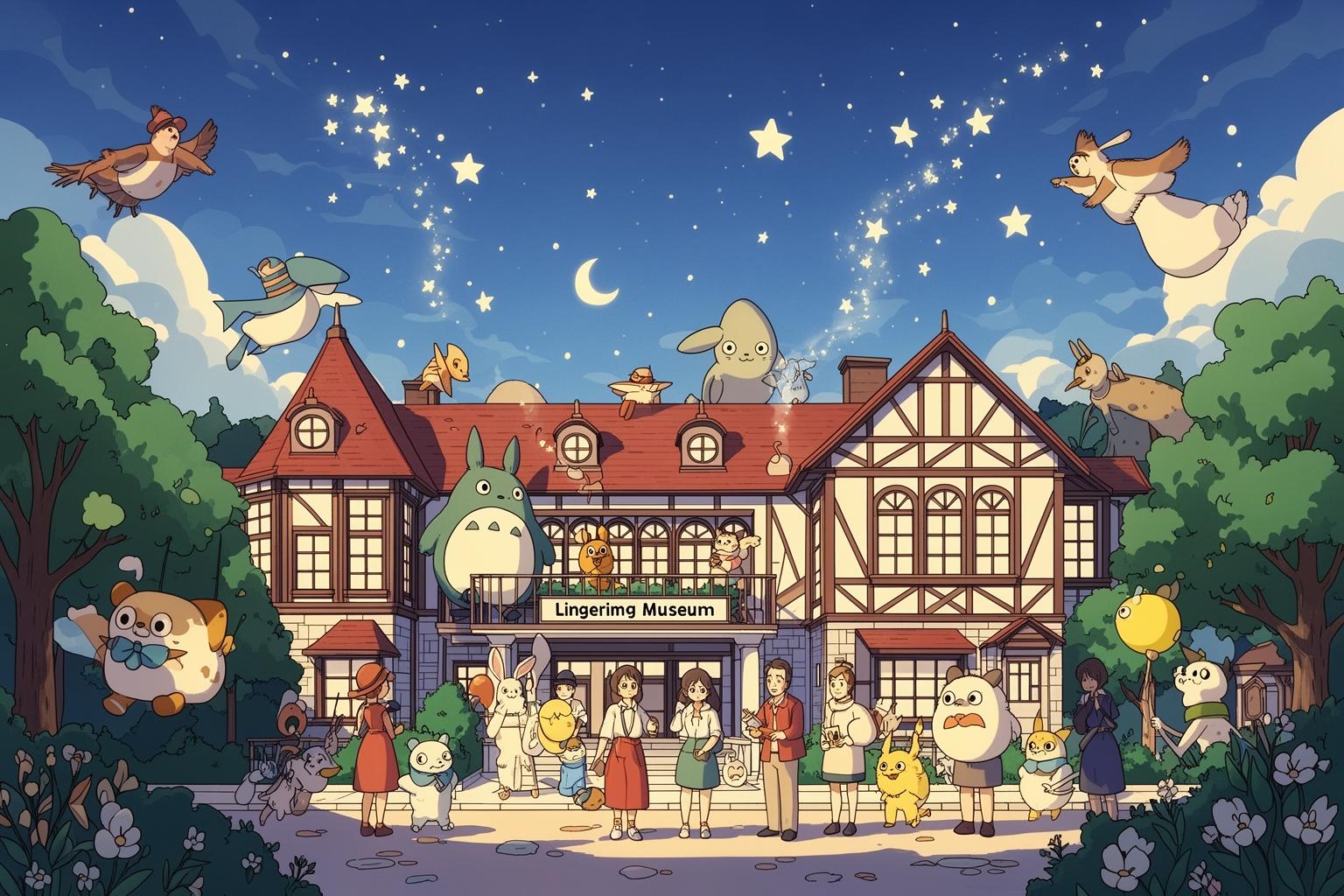
A visit to the Ghibli Museum and its surroundings is more than simply ticking off an item on a travel list. It’s a pilgrimage. It’s a journey to a place that celebrates the quiet, the handcrafted, and the deeply felt emotions of childhood. In a world often too fast, too loud, and too cynical, the museum stands as a powerful remedy. It reminds us of the value of wonder, the beauty of nature, and the extraordinary power of a well-told story. You leave with more than just a keepsake from the gift shop—you leave with a renewed appreciation for the art of animation and a revived connection to your own imagination. The magic stays with you long after you’ve boarded the train back to Tokyo’s neon-lit core. You find yourself noticing small details more—the way light touches a leaf, the shape of a cloud, the kindness in a stranger’s smile. You carry the spirit of Totoro in your heart, a gentle reminder that if you know where to look, magic is everywhere.