
There’s a certain magic that happens when the world of a novel bleeds into our own. The barrier between page and pavement dissolves, and you find yourself walking through a story, breathing the same air as characters who exist only in ink and imagination. For millions around the globe, Haruki Murakami’s Norwegian Wood isn’t just a book; it’s a mood, a memory, a portal to the Tokyo of the late 1960s. It’s a landscape of profound love, heartbreaking loss, and the quiet, introspective hum of youth. To walk through Tokyo in the footsteps of its protagonist, Toru Watanabe, is to embark on a pilgrimage not to ancient shrines, but to the sacred grounds of memory and melancholy. This journey isn’t about ticking off locations from a list. It’s about chasing a feeling—the bittersweet nostalgia that Murakami weaves so masterfully. It’s about finding the silence between the city’s roaring heartbeats, discovering the dimly lit jazz cafes where conversations hang in the smoke, and strolling through parks where the ghosts of conversations past rustle in the leaves. We’re not just tourists here; we’re time travelers, seeking the soul of a story etched into the very streets of modern Tokyo. Prepare to wander, to reflect, and to see this metropolis through a different, more lyrical lens.
For readers seeking to extend their sensory journey beyond the bustling heart of Tokyo, exploring Yakushima’s ancient pilgrimage can unveil a deeper layer of Japan’s evocative heritage.
The Student Years: Waseda and the Sound of Silence
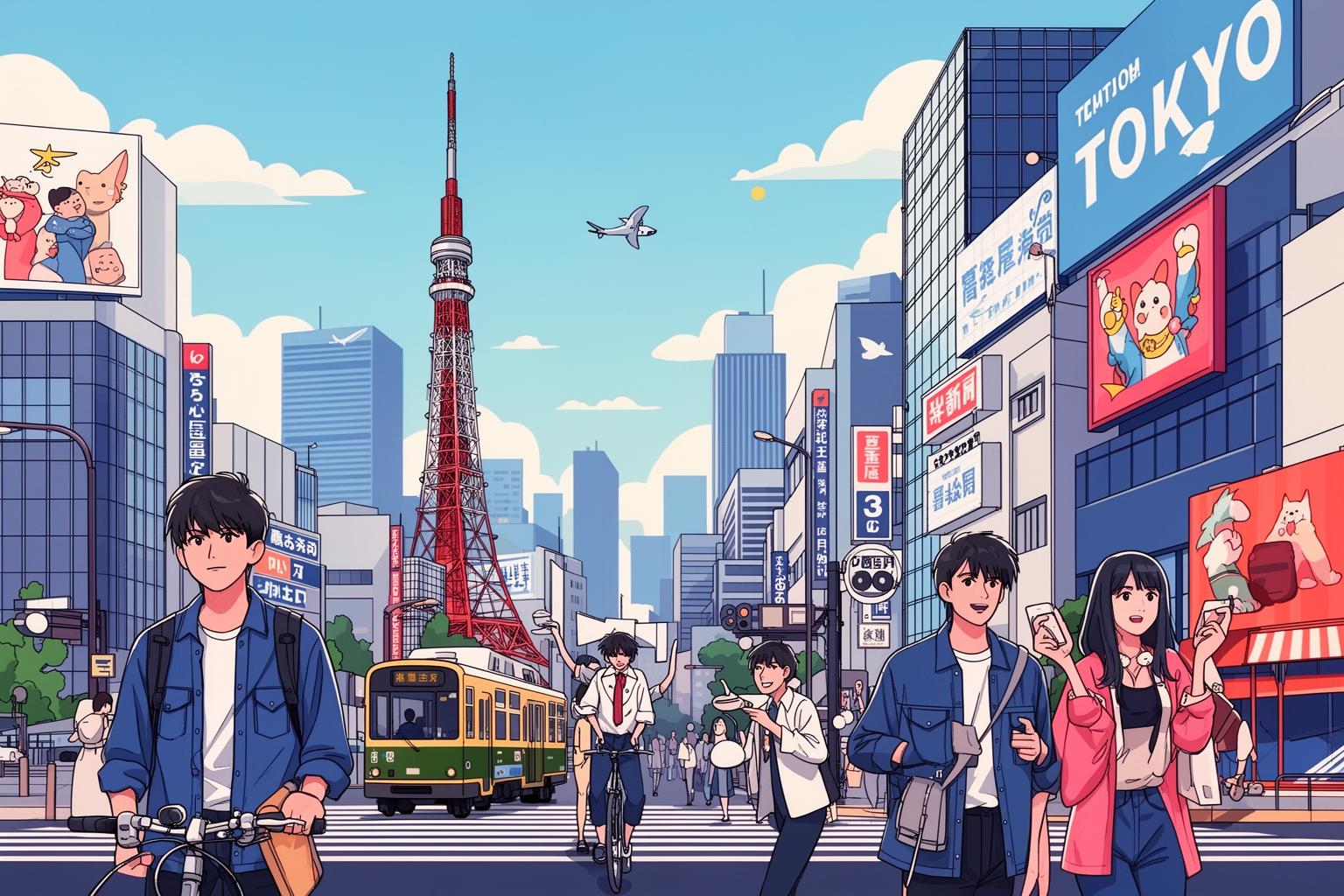
Our story, much like Toru’s, begins in the academic core of Waseda. This is not the sleek, futuristic Tokyo often imagined. Instead, the area around Waseda University exudes a timeless, intellectual charm. Stepping off the train or tram, the atmosphere feels distinct—charged with the energy of students hurrying to class, yet subtly marked by a quiet dignity. The grand Okuma Auditorium, with its iconic clock tower, stands proudly as a symbol of the institution where Toru spent his university days, feeling like an outsider peering in. Walking through the campus grounds, it’s easy to envision him with a book in hand, deep in thought, while the sounds of student life hum softly in the background. The architecture combines stately European-style buildings with more contemporary structures, creating a setting that feels both historic and vibrant.
However, the true spirit of Murakami’s Waseda resides in the surrounding neighborhood. The streets form a labyrinth of secondhand bookstores, cozy eateries offering cheap and hearty meals, and quiet residential lanes. Here, one can sense the texture of Toru’s daily life—the simple routines, the long walks, and the feeling of being a small part of a vast city. To fully embrace the nostalgic mood, take a ride on the Toden Arakawa Line, now called the Tokyo Sakura Tram. It is one of Tokyo’s last remaining streetcar lines, a charming relic from a bygone era. Its gentle rocking and the clang of its bell as it moves through quiet neighborhoods create the perfect soundtrack for a Murakami-like afternoon of reflection. Picture Toru and his firecracker of a friend, Midori, sitting on this very tram, their witty, poignant conversations unfolding against the backdrop of a slowly passing city.
Urban Labyrinths: Shinjuku’s Neon Melancholy
From the studious calm of Waseda, the city’s electric currents draw you toward its chaotic, dazzling heart: Shinjuku. In Norwegian Wood, Shinjuku is more than just a setting; it becomes a character in its own right. It serves as the backdrop for aimless wanderings, chance meetings, and the deep loneliness felt only when surrounded by millions. Shinjuku Station, the busiest transportation hub in the world, is a staggering labyrinth of exits, corridors, and ceaseless streams of people. To experience it is to grasp Toru’s sense of being an anonymous drifter, carried along by a tide beyond his control. Don’t resist—let the crowd carry you, and take in the faces, the fashions, the vast human scale of it all. This is where Toru often found himself: a solitary figure seeking connection amidst a sea of strangers.
Yet Shinjuku hides its secrets in quieter corners. Just a short walk from the station’s relentless bustle, you’ll find places that feel like sanctuaries. Though the exact book and record shops Toru visited may no longer exist, their spirit lives on in Kinokuniya Bookstore, a vast emporium where you can lose yourself for hours. The true pilgrimage, however, leads to the jazz bars and cafes Murakami loved and infused with his own spirit in his writing. These spots offer refuge from the neon glow—intimate places where time seems to slow. Here, you can sink into a well-worn leather chair, listen to the warm crackle of vinyl, and feel the city’s weight lift just for a moment.
A Taste of the Past: Jazz Kissa and Retro Cafes
Visiting a jazz kissa, or jazz cafe, is crucial to capturing the atmosphere of Norwegian Wood. These aren’t merely cafes that play jazz; they are institutions devoted to the art of listening. The rules are often unspoken but understood: conversation is minimal, and the music remains the focal point. Walls are lined with thousands of records, and a master—the cafe’s owner—curates the selection with scholarly care. Finding an authentic one feels like uncovering a secret. Look for modest doorways, signs in katakana, and the faint sound of saxophone music drifting onto the street. Inside, the decor is often dark wood, lighting low, and the air heavy with the aroma of strong coffee and decades of cigarette smoke. It’s in places like this that you can picture Toru sitting alone, nursing a drink, letting the music of John Coltrane or Miles Davis wash over him, giving voice to the emotions he could not express. Ordering a simple black coffee and spending an hour in silence here is one of the most profound ways to connect with the novel’s soul.
Solitary Strolls: Kichijoji and Inokashira Park
To follow the delicate, haunting connection between Toru and Naoko, we must leave the city center and head west to Kichijoji. Often voted one of Tokyo’s most desirable neighborhoods to live in, Kichijoji exudes a relaxed, bohemian atmosphere that feels worlds apart from Shinjuku’s chaos. It’s a place of independent boutiques, artisan bakeries, and a laid-back, creative spirit. Yet, the heart of the area—and the backdrop for some of the novel’s most crucial scenes—is the stunning Inokashira Park.
Upon entering the park, the city noise fades away, replaced by the chirping of birds and rustling leaves. The large central pond, featuring its iconic swan boats, serves as the park’s focal point. It was during walks around this very pond that Toru and Naoko held their quiet, burdened conversations. The scenery is poignantly beautiful, especially in cherry blossom season in spring or when the autumn leaves blaze with vivid reds and golds. Yet, understanding the story, one cannot stroll these paths without a hint of melancholy. The park’s beauty seems to intensify the sense of loss and the fleeting nature of their time together. You can rent one of the boats and paddle onto the water, experiencing a moment of calm that reflects the brief, peaceful pauses in Toru and Naoko’s tale. It is a place for quiet contemplation, a setting that perfectly captures the novel’s blend of beauty and sorrow. Spend an afternoon here, wandering without a fixed destination, and you’ll grasp why it was their refuge.
Beyond the Path: Finding Your Own Murakami Moment
While retracing the characters’ steps is a meaningful experience, the true essence of a Murakami pilgrimage lies in embracing the art of wandering. The novel is filled with scenes of Toru walking aimlessly, allowing the city to lead him. This is your invitation to do the same. Don’t hesitate to get lost in the side streets of Koenji, known for its vintage shops and punk rock vibe, or Shimokitazawa, with its maze of theaters and indie clothing stores. These are the kinds of neighborhoods where you can picture a modern-day Toru or Midori living.
The key is to stay open to the city’s subtle moments. Find a quiet bench in a small, unnamed park and read a few chapters. Play a playlist featuring The Beatles, Bill Evans, and other artists mentioned in the book, letting it become the soundtrack of your walk. Stop by a local, unassuming diner for a simple meal. These little, personal moments are what turn a trip into a pilgrimage. It’s about discovering places that resonate with your own emotions, building your own map of memories layered over Murakami’s fictional world. The Tokyo of Norwegian Wood is as much an emotional state as a physical location, and you can find it anywhere—as long as you look with the right heart.
A Traveler’s Notebook: Practicalities and Reflections
Navigating this literary map of Tokyo is surprisingly straightforward. The city’s public transportation system is a model of efficiency. The JR Yamanote Line forms a convenient loop around the city, while the JR Chuo Line takes you directly from the hustle and bustle of Shinjuku to the more relaxed atmosphere of Kichijoji. A prepaid IC card like Suica or Pasmo is indispensable—just tap and go on almost any train or bus. To truly absorb the city’s vibe, though, your most important mode of transportation will be your own two feet. This journey is best experienced at a walking pace.
When it comes to attire, aim for stylish comfort. As someone immersed in fashion, I can assure you that Tokyo values style, but practicality comes first. You’ll be doing plenty of walking, so a pair of well-worn, fashionable sneakers or comfy flats is essential. Layering is also crucial. A chic trench coat or a versatile jacket will help you adjust to fluctuating temperatures as you move from sunny parks to cool, air-conditioned cafes. Think of your outfit as an urban explorer’s uniform—functional, yet infused with your personality.
From a solo traveler’s viewpoint, Tokyo ranks among the safest major cities worldwide, making it a perfect setting for an introspective journey. Still, staying alert is wise. In crowded spots like Shinjuku Station, keep your bag zipped and close. Although nightlife areas are generally safe, it’s best to stick to well-lit main streets if you’re out late. The main challenge isn’t safety concerns but coping with the crowds. If it feels overwhelming, slip into the nearest department store or cafe. These spots offer peaceful retreats where you can recharge and plan your next steps.
The Lingering Note: Why This Journey Matters
As your pilgrimage draws to a close, you’ll realize that Tokyo has transformed in your eyes. The streets are no longer just thoroughfares; they are filled with stories. The distant sound of a train, the laughter of students on a campus lawn, the tune of a jazz standard drifting from a basement bar—all carry the echoes of Toru, Naoko, and Midori. This journey beautifully reminds us that literature is a living entity, breathing life into the world around us.
You arrived in Tokyo seeking a story and discovered that the story was, in fact, a map. A map guiding you not only to specific places but also inward, to the quiet, reflective spaces within yourself. The melancholy of Norwegian Wood is not about despair; it reveals the profound, resonant beauty of memory and the moments that shape us. As you depart, you carry a piece of that feeling with you. The city’s rhythm goes on—a steady, vibrant pulse—but now, for you, it plays a familiar, poignant, and unforgettable melody.