There’s a certain kind of magic that lives inside a Studio Ghibli film. It’s the gentle hum of the ordinary world meeting the extraordinary, a whisper of wind carrying ancient spirits, the quiet courage found in a young heart. For decades, we’ve watched these worlds unfold on screen, dreaming of walking through the lush camphor forests of My Neighbor Totoro or browsing the enchanting antique shop from Whisper of the Heart. What if I told you that you could? Nestled within the sprawling, green expanse of the Aichi Earth Expo Memorial Park just outside Nagoya, Ghibli Park isn’t a theme park in the traditional sense. There are no adrenaline-pumping roller coasters or flashy parades. Instead, it’s a beautifully crafted invitation to step directly into the frames of your favorite films, to touch the worlds imagined by Hayao Miyazaki and his team, and to discover the magic for yourself, one unhurried step at a time. This is a place built on the philosophy of harmony between nature, imagination, and the visitor’s own two feet. It’s a pilgrimage for the soul, a photo-ready dreamscape, and an unforgettable journey into the heart of Japanese animation.
For travelers seeking to extend their encounter with Studio Ghibli’s enchanting worlds, a detour to experience the coastal magic of Ponyo provides a captivating complement to the park’s serene allure.
The Soul of Ghibli Park: More Than Just an Amusement Park
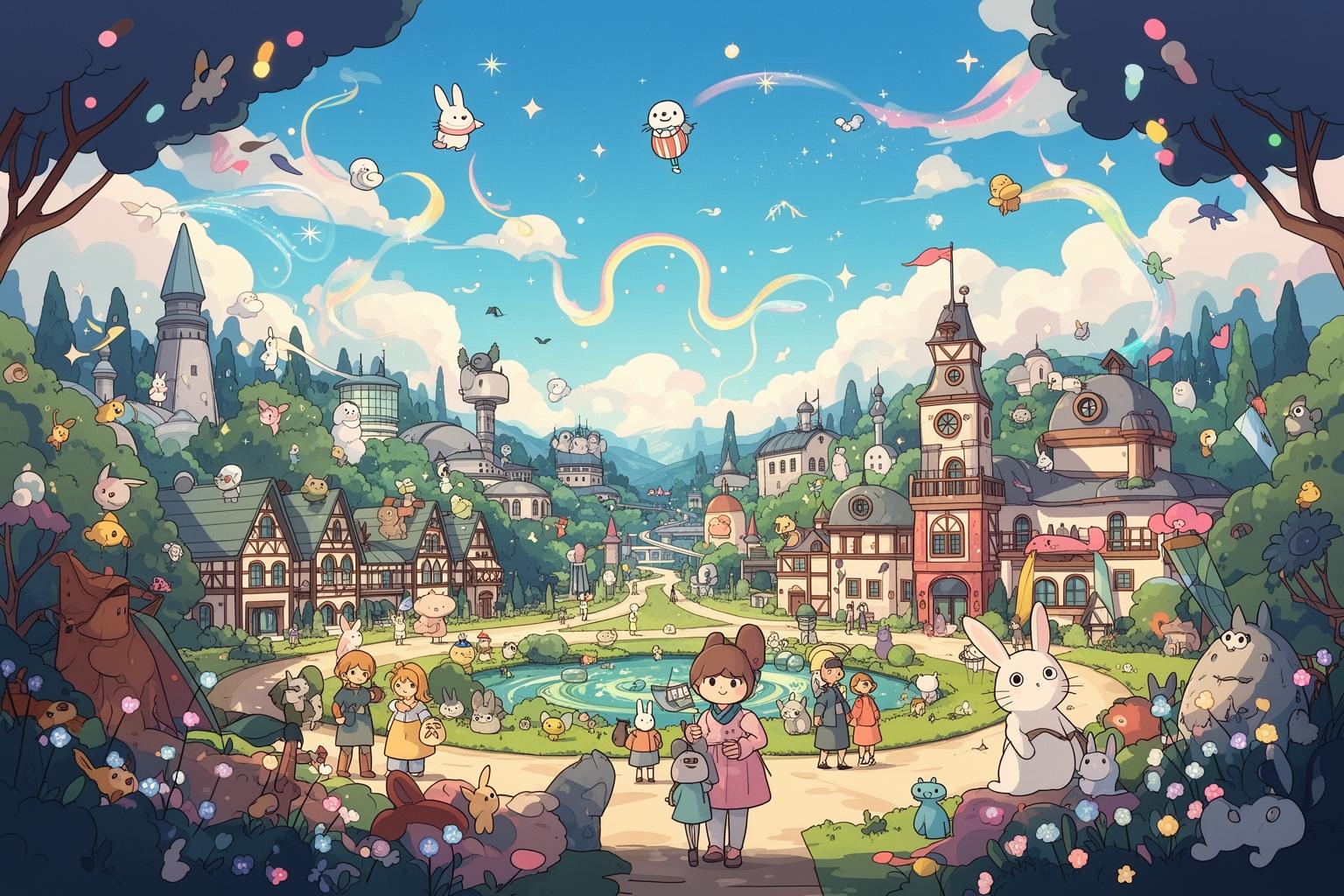
Before you even enter the gates of the first area, it’s important to grasp the essence of this place. Ghibli Park was deliberately built within an existing public park, integrating its structures among trees and beside ponds rather than clearing the land. This guiding philosophy is evident everywhere. The park invites you to slow down, wander along winding paths, and let curiosity lead you. It’s about the joy of discovery—finding a forgotten water pump behind a building, noticing a tiny soot sprite peeking from a knothole, or discovering a bench perfectly placed to watch the sunset paint the sky in Ghibli-inspired colors. The park is divided into five distinct areas, each serving as a gateway to different films, spread across the expansive grounds of the Expo park. This means you’ll be walking, breathing in the fresh Aichi air, and experiencing the changing seasons, which feel like an integral part of the immersive world-building. It fosters a connection with nature that is central to many of the studio’s most beloved stories. Forget rigid ride schedules; the true agenda here is to wander, observe closely, and let the ambiance of each thoughtfully crafted corner envelop you. It’s a refreshing contrast to the sensory overload of typical theme parks, offering instead a gentle and deeply personal experience.
Your Gateway to Wonder: Ghibli’s Grand Warehouse
For most visitors, the adventure begins at Ghibli’s Grand Warehouse, and what a magnificent place to start it is. Situated within a former public swimming pool complex, this vast indoor space is a lively, chaotic, and utterly magical maze of Ghibli treasures. It feels less like a single world and more like a glorious fusion of many—a bustling town square where characters and scenes from throughout the Ghibli universe live together in perfect harmony. From the moment you step inside, your eyes will be overwhelmed with choices. Colorful tiles form winding streets, whimsical staircases lead to secret balconies, and familiar structures from various films have been recreated with meticulous attention to detail.
A Labyrinth of Dreams
The Grand Warehouse is a place to wonderfully lose yourself. Look up and you might spot the gigantic airship from Laputa: Castle in the Sky floating gracefully above, its propellers slowly turning. Around a corner, you’ll come face-to-face with the towering Robot Soldier from the same film, head bowed in quiet contemplation—an awe-inspiring and perfect photo opportunity. The most popular section of this maze is undoubtedly the interactive exhibition, “Becoming a Character in a Ghibli Film.” Here, visitors are invited to step right into iconic scenes. You can sit beside the lonely No-Face on the mysterious train from Spirited Away, a moment both surreal and deeply unforgettable. You can peer into Yubaba’s office and feel the delightful intimidation brought by her larger-than-life presence. These are not merely static displays but brilliantly designed sets that immerse you in the feel of the films. For children and the young at heart, the enormous, fuzzy Catbus from My Neighbor Totoro is a must-see. It’s a plush, climbable delight that perfectly conveys the movie’s playful spirit. Don’t miss Cinema Orion, a cozy theater that screens exclusive Studio Ghibli short films that can’t be viewed anywhere else except the Ghibli Museum in Mitaka.
Flavors and Finds
Exploring the warehouse naturally builds an appetite, and luckily, the food offerings are just as charming. The Transcontinental Flight Cafe serves simple yet satisfying dishes like sandwiches and pizza, ideal for a quick refuel beneath the watchful presence of the hanging airship. For a nostalgic treat, visit the Milk Stand Siberi❆An, where you can purchase a bottle of fresh milk and a slice of “Siberia,” the triangular sponge cake filled with red bean paste that Jiro Horikoshi enjoys in The Wind Rises. It’s a simple, sweet taste of cinematic history. The highlight for collectors is the expansive gift shop, Adventurous Flying Squadron. This is far from an ordinary souvenir store; it’s a trove of exclusive merchandise, including beautifully crafted models, detailed stationery, adorable plush toys, and stylish apparel. You’ll find unique items here only available at Ghibli Park, making it the ideal place to pick up a special keepsake to remember your visit. Be ready to spend some time browsing—the astonishing variety is truly impressive.
Whispers of the Forest: Dondoko Forest
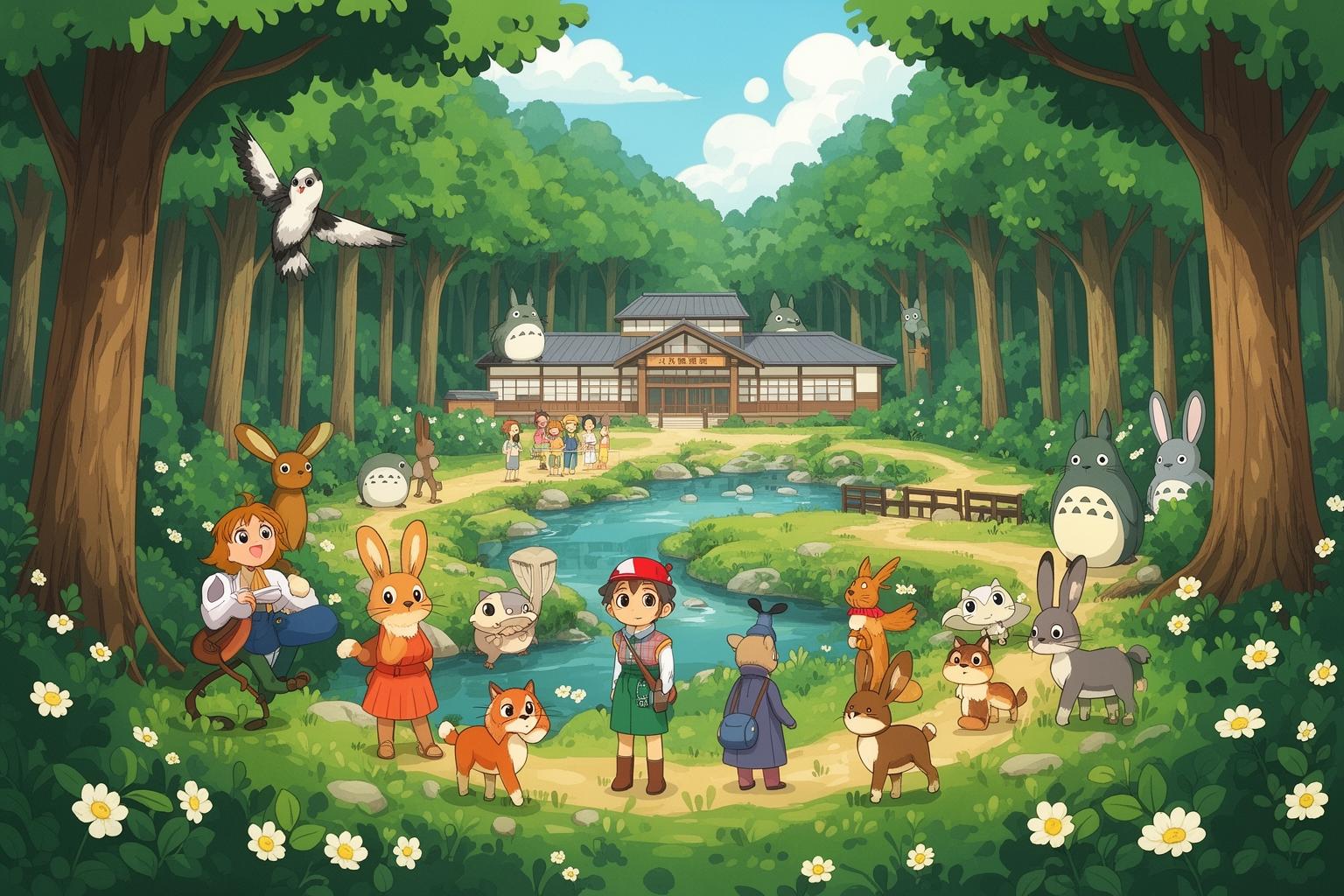
After the vibrant energy of the Grand Warehouse, a stroll to Dondoko Forest offers a refreshing breath of fresh, countryside air. This area serves as a heartfelt tribute to My Neighbor Totoro, set amidst lush, green hills that feel worlds apart from the park entrance. The journey itself enhances the experience—a peaceful walk through the natural beauty of the Aichi countryside that perfectly sets the mood for what lies ahead.
Satsuki and Mei’s House
The highlight of Dondoko Forest is a stunningly accurate recreation of Satsuki and Mei’s house. Constructed years ago for the 2005 World Expo, this house stands as a masterpiece of nostalgic detail. From the weathered wooden exterior to the iconic round bathtub, every feature has been brought to life with remarkable precision. This isn’t a roped-off museum exhibit; you’re welcome to slide open the screen doors, remove your shoes, and explore every corner. You can peek into the kitchen to see the family’s dinner preparations, run your hands over the stacks of books and papers on the father’s cluttered academic desk, and open the closets to find the sisters’ clothing. It genuinely feels as though the Kusakabe family has just stepped out for a moment and will return any minute. It’s this tangible, lived-in atmosphere that makes the house so enchanting. Discovering the hidden sliding panel in the wall that reveals the staircase to the second floor is a moment of pure, childlike delight. It’s an intimate, deeply moving experience that connects you to the heart of the film in a way no screen ever could.
The Dondoko-do Guardian
Beyond the house, a path winds further up the hill into the woods. At the very top, nestled among the trees, you’ll find “Dondoko-do,” an enormous, five-meter-tall wooden Totoro play structure. While only elementary school-aged children are permitted inside this gentle forest guardian, it’s an impressive sight for visitors of any age. Its presence feels ancient and comforting, much like Totoro in the film. The climb to the top rewards you not only with a view of this magnificent structure but also with a peaceful vista of the surrounding landscape. It’s a quiet, contemplative place that perfectly embodies the film’s reverence for nature and its gentle, protective spirits.
Echoes of Youth: Hill of Youth
Located near the park’s main entrance, the Hill of Youth is a charming and picturesque spot that acts as a gateway to the romantic and whimsical realms of Whisper of the Heart and The Cat Returns. Though it may be one of the smaller areas, it is filled with enchanting details and stunning views, providing a stylish and photogenic beginning or conclusion to your park adventure.
The World Emporium
The centerpiece here is the World Emporium, the beautiful antique and clock repair shop featured in Whisper of the Heart. Situated on a hillside, this elegant, pastel-hued building is an architectural gem. As you draw near, you’ll feel like Shizuku, brimming with anticipation for the treasures inside. The interior is just as magical as you’d expect. The ground floor faithfully replicates the store, stocked with captivating antiques, intricate music boxes, and finely crafted trinkets. Naturally, the magnificent grandfather clock with its artisan dwarves and elf princess is present, and if you visit at the right moment, you might hear it chime. However, the true highlight lies upstairs, in the violin workshop. There, you’ll find the dashing statue of The Baron, standing regally by the window, eternally waiting for his beloved Louise. The attention to detail is extraordinary, from the half-finished violins to the tiny woodworking tools. From the shop’s broad balcony, you’re rewarded with a breathtaking panoramic view of the entire park, a perfect place to pause and take in the ambiance.
The Cat Bureau
A short stroll from the World Emporium brings you to a delightful spot for fans of The Cat Returns. Tucked away in its own small garden is a miniature, cat-sized version of The Cat Bureau. This charming, impeccably crafted little building makes for a fantastic photo opportunity. You can’t go inside, of course—unless you happen to be cat-sized—but you can peek through the tiny windows to glimpse the miniature furniture and imagine Muta and Toto relaxing inside. It’s a whimsical detail that highlights the park’s dedication to bringing even the smallest, most enchanting aspects of the Ghibli universe to life.
A Valley of Magic and Machines: Valley of Witches
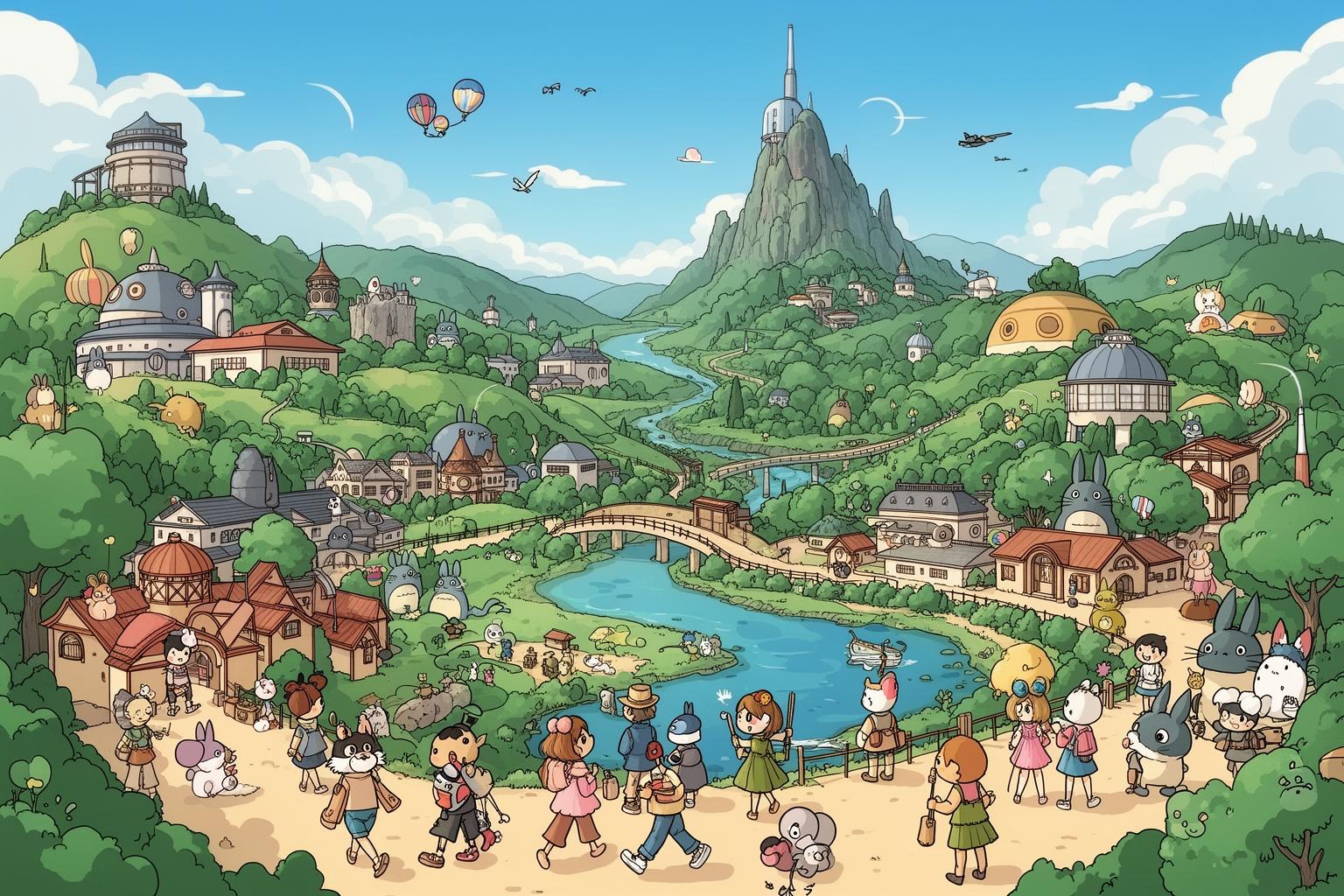
The Valley of Witches, the newest and one of the most expansive areas in Ghibli Park, showcases a lively European-inspired landscape that brings the worlds of Howl’s Moving Castle and Kiki’s Delivery Service to life. This area is filled with magic, machinery, and delicious food, and even includes a few gentle rides that blend naturally into the surroundings.
Howl’s Moving Castle and Hatter’s Hat Shop
The incredible, life-sized Howl’s Moving Castle dominates the valley’s skyline. This towering, wheezing, smoking structure is an engineering marvel, appearing as if it could lumber off at any moment. Although the entire castle doesn’t move, several parts do, and smoke occasionally billows from its chimneys. Even better, visitors can enter and explore areas such as Howl’s messy bedroom and the iconic main living room featuring Calcifer’s hearth. Nearby is a beautifully recreated Hatter’s Hat Shop, where Sophie worked. The elegant storefront offers a perfect photo backdrop, and inside, you’ll find exquisitely crafted hats and accessories.
Kiki’s Home and Guchokipanya Bakery
Fans of Kiki’s Delivery Service will be thrilled to see the Okino Residence, Kiki’s charming family home, complete with a lovely garden. Visitors can walk through the house and view Kiki’s bedroom. The highlight, however, is Guchokipanya Bakery. This warm, inviting building is a real, functioning bakery, with the aroma of freshly baked bread filling the air. Inside, you can purchase a variety of European-style breads and pastries, many resembling those from the film. Sitting nearby to enjoy a warm treat from the bakery offers a simple yet deeply satisfying Ghibli Park experience.
Flying Machine and Carousel
Though the park generally avoids rides, the Valley of Witches includes a couple of themed attractions that perfectly complement its magical atmosphere. There is a whimsical carousel featuring creatures and vehicles from various Ghibli films, as well as a “Flying Machine” ride inspired by the fantastical flying devices seen in movies like Castle in the Sky. These gentle, family-friendly rides add an extra layer of interactive enjoyment to this enchanting valley.
A Hidden Village: Mononoke Village
Dedicated to the epic and environmentally-conscious masterpiece Princess Mononoke, Mononoke Village is a rustic and immersive space that transports visitors into the world of Ashitaka and San. Set against a stunning natural backdrop, this area highlights the traditional Japanese landscape and architecture from the Muromachi period as depicted in the film.
Tatara-ba, the Irontown
At the heart of the village is Tatara-ba, or Irontown, the industrious settlement led by Lady Eboshi. The buildings here have a rugged, handcrafted appearance, blending harmoniously with the surrounding greenery. This area is designed to be interactive. At the Tatara-ba learning center, you can enjoy a unique food experience: grilling your own Gohei Mochi. You receive a skewer of pounded rice coated in a sweet and savory miso-walnut sauce, which you then toast over a charcoal grill. It’s a delicious, hands-on snack that connects you directly to the traditional food culture of the region. Throughout the village, you’ll also find impressive structures from the film, including a towering slide inspired by the boar god Lord Okkoto and a striking statue of the Demon Spirit, both perfect for imaginative play and photo opportunities.
The Practical Magic: Planning Your Ghibli Park Adventure
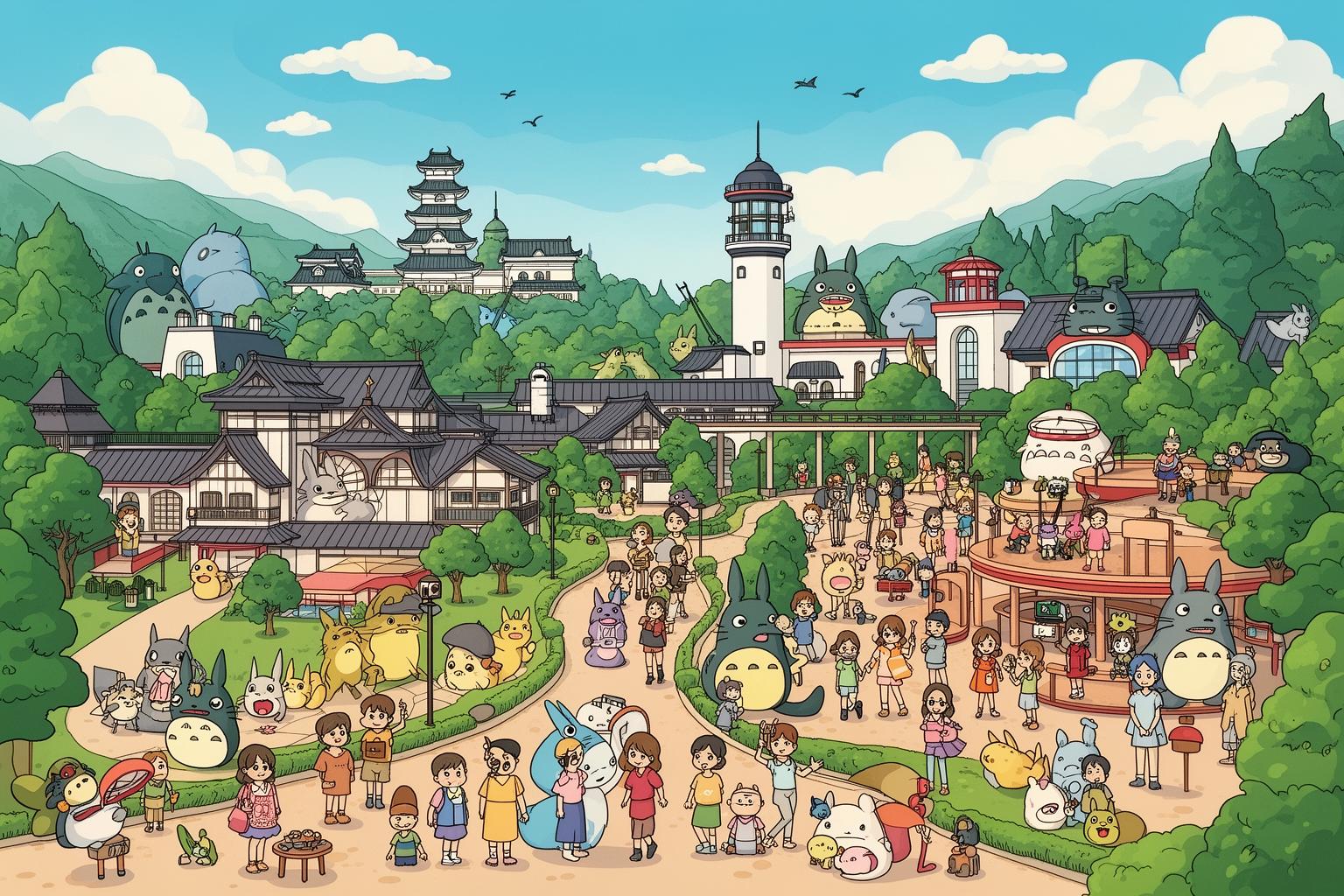
A trip to Ghibli Park demands a bit more planning than your typical day out, but with some preparation, your visit can be smooth and stress-free. The magic lies in the details, both within the park and in your travel arrangements.
The All-Important Ticket
This is the most critical step. Ghibli Park tickets are highly sought after and must be purchased well in advance. The ticketing system has changed but now focuses on a few types of passes that provide access to various park areas or all of them. For international visitors, tickets usually go on sale several months ahead via the official website or authorized international travel agencies. It’s essential to monitor the website for the exact sale dates and times, as popular dates—especially weekends and holidays—sell out almost immediately. Spontaneity isn’t an option here; securing your tickets should be your top priority once your travel dates are set. The process requires patience, but obtaining your ticket is the key to entering these enchanting worlds.
Getting There: The Journey to Aichi
Ghibli Park is situated in Nagakute City, Aichi Prefecture, which is easily reachable from major centers. The most common way is by taking the Shinkansen (bullet train) to Nagoya Station. From Tokyo, the Nozomi train offers a swift and comfortable trip of about 1 hour and 40 minutes. From Osaka, the journey is even shorter, around 50 minutes. After arriving at Nagoya Station, your adventure continues. Take the city subway’s Higashiyama Line to Fujigaoka Station. The final stretch is the most futuristic: transfer to the Linimo, a maglev train that floats silently and smoothly above its tracks. This ride is an enjoyable experience, providing elevated views of the suburbs as you approach the park. Get off at Ai-Chikyuhaku Kinen Koen Station, which drops you right at the park’s vast entrance.
Making the Most of Your Day
Timing is crucial for the best experience. Weekdays tend to be less crowded than weekends and national holidays. The park’s atmosphere also shifts with the seasons; picture the vibrant autumn leaves around Satsuki and Mei’s house or the gentle cherry blossoms near the Hill of Youth. Inside the park, wear comfortable walking shoes, as the areas are spread out and you’ll cover considerable distance. Arriving a little before your scheduled entry time is advisable to get your bearings. While there’s no strict order to explore the park, starting with the more distant spots like Dondoko Forest or Mononoke Village in the morning—when you’re most energetic—can be a good strategy, saving the expansive Ghibli’s Grand Warehouse for later. Each themed area offers food options, and you can also enjoy nearby restaurants and cafes within the greater Expo 2005 Aichi Commemorative Park. Don’t forget to bring a portable phone battery—you’ll be capturing hundreds of photos!
A Final Thought: The Lingering Magic
Leaving Ghibli Park at the close of the day feels like emerging from a beautiful dream. As the sun sets and the lights begin to sparkle, you walk back to the Linimo station with a heart brimming with nostalgia and a camera filled with memories. This place is more than just a destination for fans; it stands as a tribute to the power of storytelling, the artistry of craftsmanship, and the importance of living in harmony with the world around us. The magic of Ghibli Park doesn’t shout; it softly whispers. It’s found in the touch of the cool wood of a well-worn desk, the scent of freshly baked bread carried on the breeze, and the shared smile with a stranger as you both marvel at a beloved character. You depart with a renewed appreciation for the small, beautiful moments, carrying a piece of that gentle, spirited magic with you into everyday life.