
There’s a rhythm to certain places, a quiet hum that syncs with a story you hold in your heart. You feel it the moment you step off the train. The air feels different, charged with a gentle, cinematic energy. For millions around the world, that place is Hida-Furukawa, a small town tucked away in the mountainous Gifu Prefecture of Japan. On its own, it’s a portrait of timeless beauty, a maze of wooden merchant houses and canals teeming with vibrant koi. But through the lens of Makoto Shinkai’s breathtaking anime film, Your Name (Kimi no Na wa), this tranquil town becomes something more. It transforms into the living, breathing soul of the fictional village of Itomori, a place of memory, destiny, and profound connection. This isn’t just a visit; it’s a pilgrimage. It’s a journey to walk the same paths as the film’s characters, Taki and Mitsuha, to see the world through their eyes, and to feel the powerful, invisible threads—the musubi—that tie a beloved story to a real, tangible place. Here, the boundary between animation and reality blurs, leaving you standing in the middle of a waking dream, a landscape painted with nostalgia for a story that feels as real as the cobblestones beneath your feet. This is where the magic happens, where you come not just to see a location, but to find a feeling.
For travelers inspired by the enchanting spirit of Hida-Furukawa, a literary stroll through Tokyo offers a similarly immersive journey through Japan’s storied urban landscapes.
The Echo of Itomori: Tracing Cinematic Footsteps
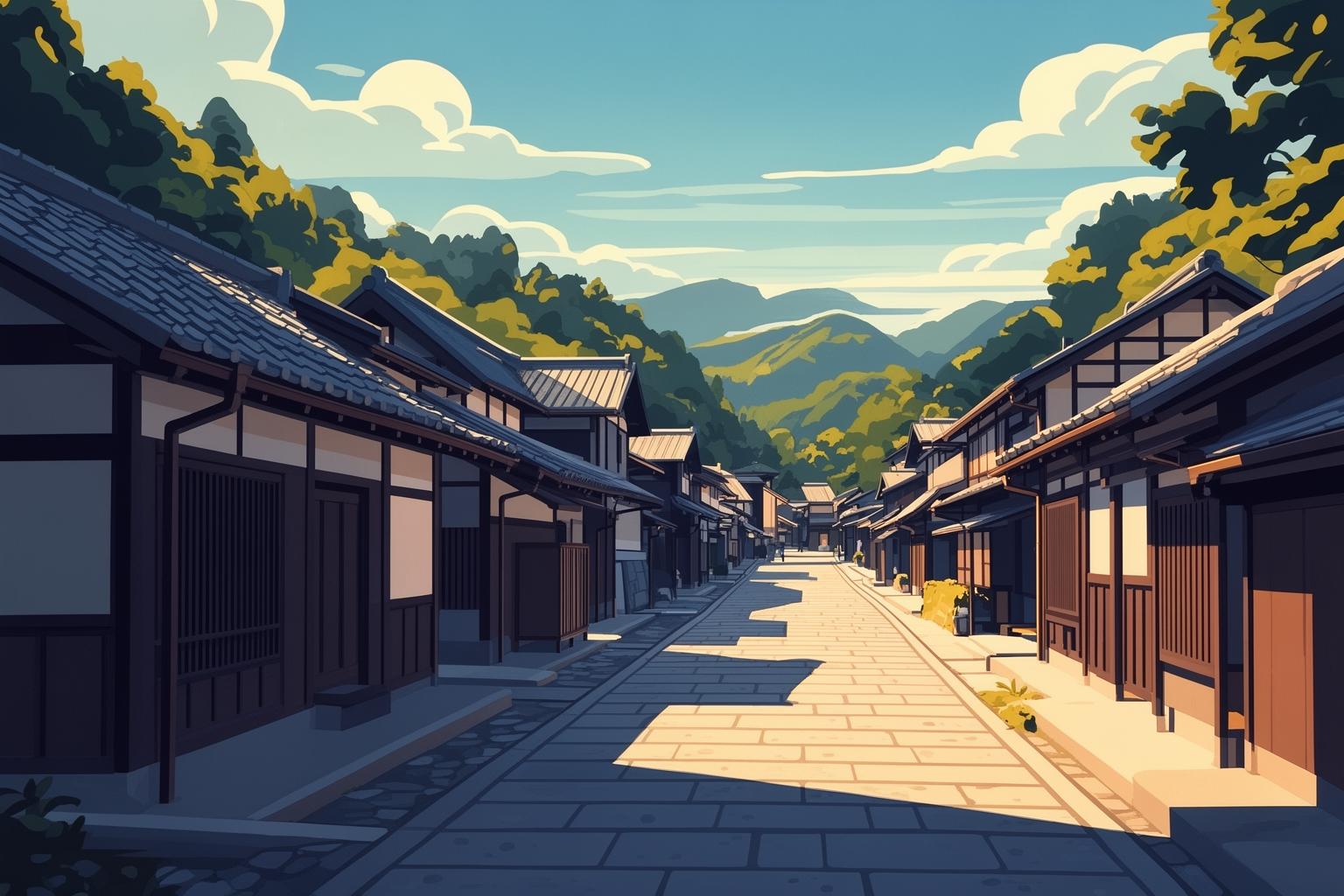
The journey into the world of Your Name truly begins at the station. The moment you step off at Hida-Furukawa Station, a strong sense of deja vu hits you immediately. It’s a beautifully preserved, modest rural station, yet for fans, it holds a sacred significance. The pilgrimage genuinely starts here, on the platform, gazing out at the exact same tracks and distant mountains that Taki saw when he arrived on his desperate quest for Mitsuha. The sensation is electric—a quiet thrill that courses through you as you recognize the details—the design of the platform signs, the waiting benches, the specific curve of the tracks stretching into the distance. It’s a frame-by-frame recreation.
Hida-Furukawa Station: Where Journeys Begin
The most iconic view, and the one every visitor hopes to capture, is from the pedestrian overpass just outside the station. From this spot, you can perfectly reproduce the film’s shot of the train pulling in, with the expansive town and majestic mountains as the backdrop. You’ll often find fellow fans here, cameras poised, patiently waiting for the Limited Express Hida train to arrive, eager to capture a piece of that cinematic moment. It’s a shared experience, a silent bond among strangers moved by the same story. Inside the station, a charming surprise awaits. You might notice a small wooden mascot of Hida-gyu, the local beef brand, resting on a bench. It’s the very same mascot Taki and his friends posed with in the film, another tiny, perfect detail that cements the connection between Hida-Furukawa and its fictional counterpart. The station isn’t merely a transit point; it’s a gateway, the official entry into a landscape where every corner whispers the story. Standing there, you can almost hear the film’s score rising in your mind, the anticipation and mystery hanging thick in the crisp mountain air.
The Hida City Library: A Place of Discovery
A short, pleasant walk from the station brings you to another key location: the Hida City Library. This building is more than just an architectural inspiration; its interior was so faithfully animated that stepping inside feels like walking straight into the movie. The warm glow of the lights, the scent of aged paper and polished wood, the stunningly modern yet gentle design—it’s all exactly as depicted. You’ll instantly recognize the rows of curved wooden desks and the unique geometric patterns of the ceiling beams where Taki conducted his research, piecing together the truth about Itomori and the comet. The library staff warmly welcome anime pilgrims, fully embracing their building’s special place in pop culture history. They understand why you’ve come. While photography of the general areas is allowed, there is a respectful etiquette to follow. You must first request permission at the front desk, where you will receive a photographer’s pass. This simple gesture ensures the library remains a peaceful space for local residents who come here to read and study. It’s a wonderful balance—you get to hold onto your memorable snapshot while the sanctuary of this community hub is preserved. Standing in that quiet space, surrounded by books, you can feel the weight of Taki’s discovery and the hushed urgency of his search. It’s a powerful moment of immersion, a tribute to the meticulous detail that Makoto Shinkai and his team poured into their work.
Beyond the Screen: The Authentic Charm of Hida
While the direct links to Your Name initially attract many visitors, Hida-Furukawa’s true enchantment lies in its own unique character—a profound and genuine charm that exists outside of the film. Focusing solely on the anime locations means missing the town’s very soul. The movie captured the essence of Hida, and to fully experience it, you must stroll its streets and soak in the atmosphere that first inspired Shinkai. This is a place that unfolds at a different tempo—a slower, more intentional rhythm shaped by the seasons and tradition.
The Whispering Canals and Koi Fish
The most scenic area of Hida-Furukawa is the Shirakabe Dozogai, or the White-Walled Storehouse District. Here, a narrow street runs beside the Setogawa Canal, a pristine waterway vital to the old town’s life. The contrast is striking: the bright white of the historic storehouse walls, the deep black latticework of the traditional buildings, and the crystal-clear canal water below. From April through November, the canals teem with over a thousand large, colorful koi fish. Watching them glide gracefully through the water is a calming, meditative experience. The gentle sound of flowing water provides a soothing soundtrack to your wandering. This area perfectly captures the aesthetic of Itomori—a place where tradition is not merely preserved but lived every day. It’s easy to imagine Mitsuha walking these very streets, with the history of her family and town engraved in the stones and wooden beams. Once practical for commerce, these canals now stand as a symbol of the town’s enduring beauty and dedication to preserving its heritage.
A Taste of Tradition: Sake and Craftsmanship
Hida’s history goes far beyond its cinematic fame. It is a town deeply rooted in craftsmanship. For centuries, the region has been famed for its master carpenters, the Hida no Takumi, whose expertise was sought to help build many of the renowned temples and imperial palaces in Kyoto and Nara. This heritage is evident in the intricate woodwork and joinery found throughout the older houses. This profound artistry also extends to another of Hida-Furukawa’s famed products: sake. The town is home to two distinguished sake breweries, Watanabe Shuzoten and Kaba Shuzojo, both operating for centuries. Their shopfronts invite visitors to step back in time. Visitors can often sample their award-winning brews, with brewers eager to share their craft. Stepping inside one of these breweries, enveloped by the sweet, fermented scent of rice, you experience a living culture. This is the flavor of Hida—a taste shaped by pure mountain water and the cold, snowy winters. It adds another dimension to the town’s identity, offering a sensory connection to its land and heritage.
Weaving Your Own Story in Hida
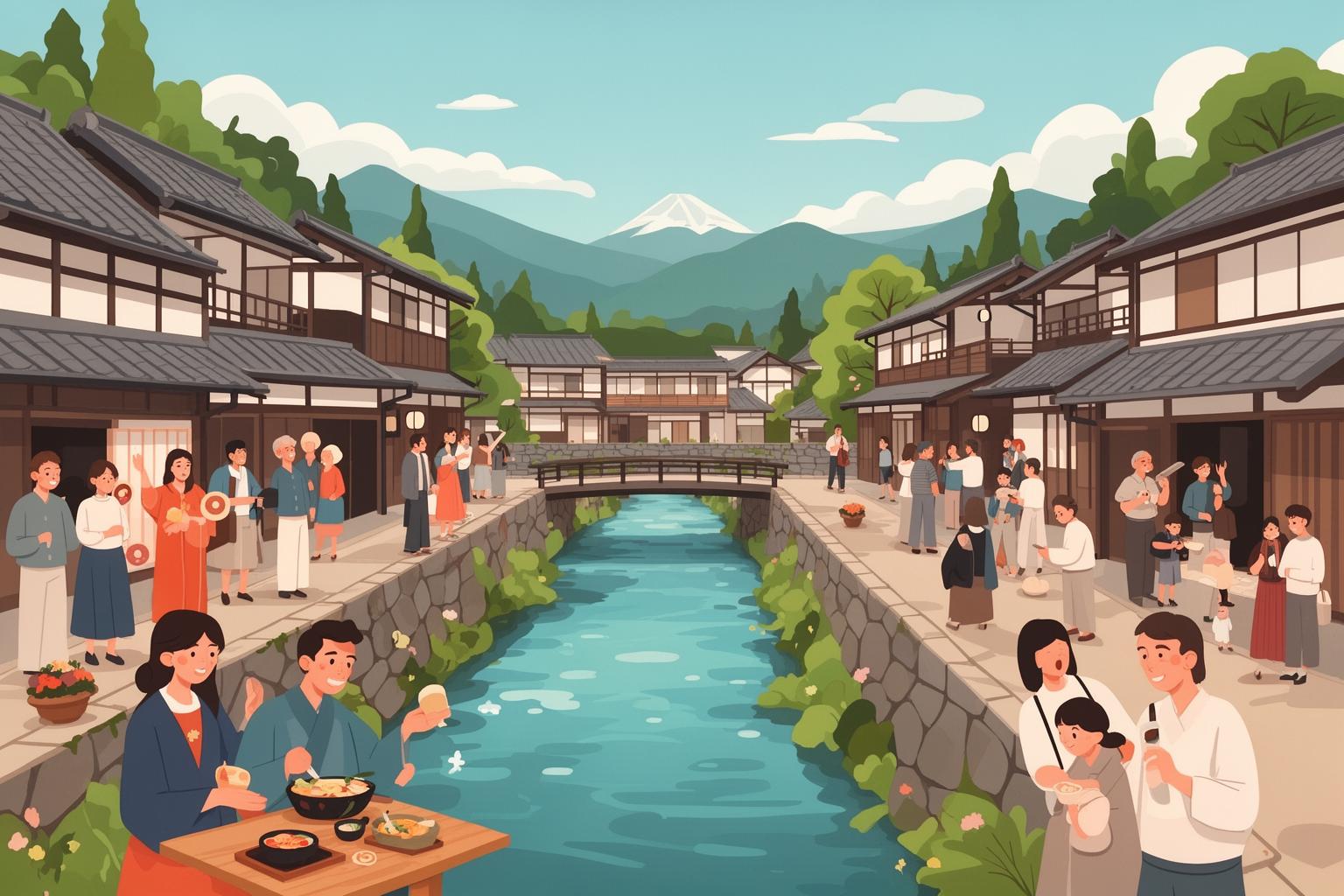
A trip to Hida-Furukawa is an experience you can, and should, adapt to your own pace. It’s a place that rewards slow travel and curious exploration. While the main Your Name sites can be visited in just a few hours, staying longer allows the town to unveil its more subtle charms. It’s about discovering your own favorite spot, your own quiet moment of connection, and weaving your personal story into the fabric of this special place.
Practical Pathways: Getting to Hida-Furukawa
Reaching this mountain town is part of the journey’s charm. Hida-Furukawa is located on the JR Takayama Main Line. For international travelers, the most common route is to take the Shinkansen (bullet train) to Nagoya, then transfer to the Limited Express Wide View Hida train. This segment of the trip is spectacular, winding through deep river valleys and dense forests, offering stunning views that set the mood for your arrival in the heart of the Japan Alps. The trip takes roughly two and a half hours from Nagoya. Alternatively, the town can be accessed from Toyama in the north. Many visitors choose to stay in the larger nearby city of Takayama, which offers more accommodations, and take day trips to Hida-Furukawa. The train ride between Takayama and Hida-Furukawa is only around 15 minutes, making it very convenient. However, to truly experience the evening and early morning atmosphere—when the streets are quiet and day-trippers have left—consider staying overnight in a local ryokan (traditional inn) in Hida itself.
The Rhythm of the Seasons
Hida-Furukawa beautifully showcases each season, offering a unique experience with every visit. In spring, cherry blossoms bloom along the riverbanks, casting a gentle pink glow over the historic town and adding a fleeting layer of beauty. Summer brings vibrant green hues to the surrounding mountains, accompanied by the familiar sound of cicadas filling the warm air—a classic Japanese summer ambiance. Autumn is perhaps the most breathtaking season, as the mountains burst into fiery shades of red, orange, and yellow, providing a stunning backdrop to the traditional buildings. For fans of Your Name, winter holds special meaning. The town covered in a thick blanket of pristine white snow is a breathtaking sight. It’s quiet, serene, and deeply atmospheric, perfectly reflecting some of the film’s most poignant and dramatic moments. The profound silence of a snowy day in Hida invites a more reflective, intimate pilgrimage experience. Each season offers a fresh perspective on the town, encouraging you to return time and again.
A Pilgrim’s Etiquette
When visiting Hida-Furukawa, it’s important to remember that you are entering a living community. This is not a theme park but a town where people live, work, and raise their families. While the influx of tourism supports the local economy, it can also present challenges. The key is to be a considerate traveler. Speak softly, especially in residential areas and inside the library. Avoid blocking streets or doorways when taking photos. Always seek permission before photographing inside shops or private properties. One of the best ways to show appreciation is by supporting local businesses. Purchase a souvenir from a small shop, enjoy a meal at a local restaurant serving Hida beef or simple mountain vegetables, or buy a bottle of sake from one of the breweries. By contributing to the local economy, you help ensure this beautiful town continues to thrive and welcome visitors for years to come. Your journey becomes part of the town’s story, and being a respectful guest is the best way to honor the place that has given you, and many others, such a wonderful cinematic memory.
Finding Your Connection
What is it about a place like Hida-Furukawa that so fully captures our imagination? It goes beyond merely recognizing a building or landscape from a film. It’s the sensation of stepping into a narrative that has profoundly moved you. It’s the excitement of witnessing a fictional world come to life, confirming that the beauty and emotion experienced on screen have an actual, tangible source. This journey stands as a tribute to the power of storytelling and its capacity to create a deep sense of place.
More Than Just a Location
Visiting Hida-Furukawa is an act of engagement. You cease to be a passive observer and become an active explorer within the world of Your Name. Each corner you turn, every street you wander, strengthens your bond with the story. You start to grasp why Shinkai selected this town. Its atmosphere—a mix of nostalgia, natural beauty, and quiet dignity—is the ideal real-world foundation for a tale about memory, time, and the invisible connections that bind us. You sense the history in the air, the feeling of a community that has stood the test of time, much like the fictional Itomori. This pilgrimage isn’t merely about checking off a list of spots; it’s about immersing yourself in this ambiance and allowing it to deepen your understanding and appreciation of the film. It’s about discovering the musubi for yourself—the connection that links you not only to the characters but to the very essence of their world.
A Final Frame
As you board the train to leave Hida-Furukawa, the town fades into the distance, but the feeling it leaves lingers with you. You depart with more than just photographs; you carry a memory woven into the fabric of a story you cherish. You’ve strolled its streets, listened to the flowing water, and breathed the mountain air. You arrived in search of the world of Itomori, and along the way, you uncovered the quiet, enduring magic of Hida-Furukawa. The dream doesn’t end when you go—it becomes part of you, a reminder that somewhere in the mountains of Japan, there is a small town where a beautiful story awaits, ready to be stepped into, a place where the boundaries between reality and imagination blur beautifully and unforgettably.