
There’s a certain kind of magic that lingers long after the credits roll. A story so deeply woven with place that the setting becomes a character in its own right. Makoto Shinkai’s masterpiece, Your Name., is one such story. It’s a film that captured the world with its breathtaking animation, its heart-wrenching tale of connection and fate, and the enchanting, nostalgic beauty of its fictional town, Itomori. But what if I told you that the soul of Itomori isn’t fictional at all? It breathes. It waits. It exists, nestled deep within the soaring mountains of Gifu Prefecture, in a place called Hida-Takayama. This isn’t just a trip; it’s a pilgrimage. It’s a journey to walk the same streets, feel the same mountain air, and perhaps, understand the invisible threads—the musubi—that connect us all. For fans of the film, visiting Hida is like stepping through the screen, a chance to see the world through the eyes of Mitsuha and Taki. For those who have yet to see it, Takayama offers a profound experience of Japan’s alpine heartland, a place where tradition is not a memory but a way of life. This guide is your map to that experience, an invitation to find the pieces of Itomori scattered across this stunning, timeless landscape.
For visitors eager to delve deeper into Japan’s cinematic essence, exploring the hidden charm of Hida-Furukawa provides a seamless extension of this pilgrimage.
Echoes of Itomori: Stepping into the Scenery of Your Name.
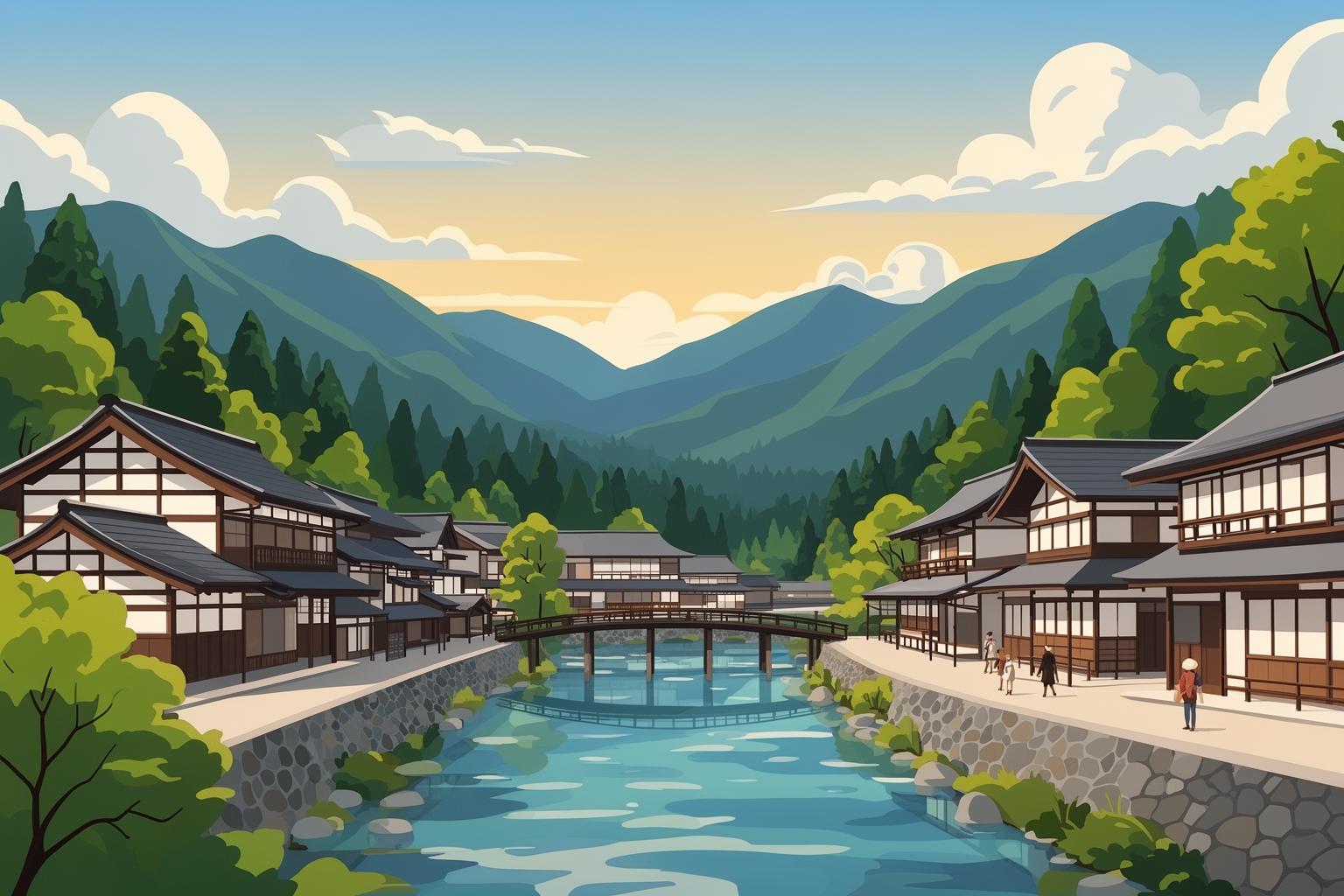
The magic of a pilgrimage begins the moment you recognize a familiar scene. In Hida, such moments occur repeatedly, each delivering a delightful jolt of recognition. The region is a treasure trove of locations that directly inspired the film, and exploring them feels like a real-life scavenger hunt where the reward is a deeper connection to the story. This experience goes beyond simply taking a photo for comparison; it’s about standing in a place and sensing the atmosphere that Shinkai and his team so masterfully captured. It’s about hearing the cicadas buzzing just as they did for Mitsuha or feeling the quiet reverence of a place that Taki desperately sought.
Hida-Sannogu Hie Shrine: The Miyamizu Legacy
One of the most significant locations in Your Name. is the Miyamizu family shrine, the heart of Itomori’s spiritual life and the setting for its oldest traditions. Its real-world counterpart is the stunning Hida-Sannogu Hie Shrine, situated on the edge of Takayama’s Shiroyama Park. Your journey begins at the base of a grand stone staircase, flanked by towering, ancient cedar trees whose branches filter sunlight into a soft, dappled glow. As you start to climb, the sounds of the city fade, replaced by the rustling leaves and the cawing of distant crows. Each step feels weighty, echoing Taki’s determined ascent as he searched for Mitsuha. The air grows cooler and fresher, carrying the scent of damp earth and moss. The similarity to the anime is striking. You can almost see Mitsuha and her sister Yotsuha, dressed in their red and white Miko robes, sweeping these very steps. When you reach the top, you’re met by the shrine’s main hall—a dignified wooden structure that radiates a quiet, powerful presence. It’s a place of deep tranquility. Take a moment to observe the details: the intricate carvings, the heavy ropes of the prayer bells, the moss-covered stone lanterns. This is where Mitsuha performed the sacred kagura dance and the kuchikamizake ritual, traditions connecting her to her ancestors and the town’s guardian deity. Standing here, you sense the weight of that history, the unbroken chain of tradition forming the foundation of Itomori’s—and Takayama’s—identity.
The Hida City Library: A Place of Discovery
A pivotal moment in the film unfolds within the warm, wooden walls of a library. It’s here that Taki, desperately trying to piece together fragments of his memory, finally uncovers the heartbreaking truth about Itomori. That library exists in reality, located in the nearby town of Hida-Furukawa, just a short scenic train ride from Takayama. The Hida City Library is a beautiful example of modern Japanese architecture, featuring soaring ceilings and abundant use of local timber that creates a welcoming, serene atmosphere. The moment you step inside, the scene from the film falls into place. The arrangement of desks, the rows of books, the soft light filtering through large windows—it’s all exactly as depicted. The library staff are well aware of the building’s fame and warmly welcome fans. They’ve even designated a small corner with a guestbook for pilgrims to sign and share their thoughts. Visitors are kindly reminded that it is a functioning public library. Finding a quiet spot to sit and reflect feels like participating in the story itself. It’s a tribute to the power of knowledge and the human drive to uncover truth, themes strongly echoed in the film. Spending a moment in this peaceful space, you feel a profound connection to Taki’s journey of discovery and loss.
A Taste of the Film: Goheimochi and Café Culture
Often, it’s the small details that make a world feel authentic. In one scene, Taki and his friends pause their search to enjoy a local snack: Goheimochi. This regional specialty is a must-try for anyone visiting the Hida area. It consists of pounded non-glutinous rice, skewered and flattened into a paddle shape, then brushed with a rich, savory-sweet glaze made from miso, soy sauce, and walnuts before being grilled over an open flame. The result is a comforting treat—crispy on the outside, soft and chewy inside, with an umami-rich flavor that epitomizes mountain country soul food. You’ll find Goheimochi stalls scattered throughout Takayama’s old town. Grabbing one fresh off the grill is a simple, delicious way to experience the film. Similarly, the café where Taki’s friend Tsukasa comments on the local dialect has its real-life counterparts throughout Takayama. The town’s Sanmachi Suji district is dotted with charming, traditional cafes housed in old merchant homes. Stepping into one, with dark wood beams and lattice windows, feels like stepping into the cozy café from the movie. Ordering a coffee and a local sweet while watching the world go by lets you soak in the local rhythm and imagine the conversations that have unfolded within those walls for centuries.
Beyond the Silver Screen: The Soul of Hida-Takayama
While the specific filming locations are a significant attraction, the true magic of this pilgrimage lies in realizing that the entire Hida region embodies the spirit of Itomori. Makoto Shinkai didn’t simply replicate landmarks; he captured the very essence of the place. The deeply rooted traditions, close-knit community, breathtaking natural scenery, and the slow, intentional pace of life—all contribute to the soul of both the fictional town and its real-world inspiration. To fully appreciate Your Name., one must look beyond the list of locations and immerse themselves in the living culture of Hida-Takayama.
Sanmachi Suji: A Walk Through Time
At the core of Takayama is Sanmachi Suji, the city’s beautifully preserved old town dating back to the Edo Period (1603–1868). Strolling these streets feels like stepping into the past. The low wooden buildings, darkened and oiled cedar, are graced with intricate latticework on their facades. Beneath the eaves, crystal-clear mountain water flows through small canals, once used for household purposes and now home to leisurely koi fish. The atmosphere blends historic calm with lively activity. The air is filled with delightful aromas: the yeasty scent of fermenting rice from many sake breweries, the sweet fragrance of grilled mitarashi dango (sweet soy-glazed rice balls), and the sharp, savory tang of miso from specialty shops. Several sake breweries, distinguished by large cedar balls (sugidama) hanging above their entrances, offer tastings. Inside, visitors can sample a wide range of local brews, from dry and crisp to sweet and unfiltered, while learning about a craft perfected over centuries. This connection to rice, water, and fermentation is a subtle yet powerful link to the Miyamizu family’s traditions and their sacred kuchikamizake. The streets are also lined with artisan shops selling local crafts—from intricate wood carvings to iconic Sarubobo dolls, small red human-shaped amulets traditionally made by mothers for their daughters as charms for a happy marriage and easy childbirth. Exploring Sanmachi Suji is an experience of the community and craftsmanship that would have defined a town like Itomori.
The Morning Markets: A Slice of Local Life
To truly feel the heartbeat of a place, you must rise with it. Every morning, two lively markets come alive along the Miyagawa River and in front of the Takayama Jinya, a former government outpost. These markets are not tourist setups but living traditions that have been part of Takayama’s daily life for centuries. Local farmers—mostly cheerful elderly women with weathered faces—set up stalls to sell the bounty from surrounding mountains. Tables overflow with seasonal produce: shining vegetables, mountain herbs, homemade pickles in a variety of flavors, and beautiful flowers. The air buzzes with friendly exchanges as vendors and locals catch up during their shopping. It’s a sensory delight. You can taste freshly toasted rice crackers, enjoy a cup of warm amazake (a sweet, non-alcoholic fermented rice drink), and purchase unique local snacks. This is where the community aspect of the film truly comes alive. In Your Name., Itomori is a place where everyone knows each other, with ties running deep through generations. At the morning markets, this sense of connection is palpable. It’s a wonderful chance to engage with locals who often share smiles and happily explain their goods, even when language barriers exist.
The Spirit of the Takayama Festival
Twice annually, in spring and autumn, Takayama hosts one of Japan’s most stunning festivals. The Takayama Festival is a dazzling display of craftsmanship and community pride, featuring a dozen enormous and ornate floats called yatai. These aren’t just parade floats; they are mobile works of art, lacquered in black and gold, decorated with masterfully intricate carvings, and some topped with complex mechanical puppets (karakuri ningyo) that perform for the crowd. The festival represents the culmination of a year’s preparation and is at the very heart of Takayama’s cultural identity. This dedication to a seasonal festival parallels the rituals held at the Miyamizu Shrine in Itomori, which were central to the town’s fate. The film highlights how these ancient traditions, passed from mother to daughter, held the key to the town’s survival. Similarly, the skills to build, maintain, and parade the Takayama yatai have been handed down through generations within specific families and neighborhoods. Even if your visit doesn’t coincide with the festival, the Takayama Festival Floats Exhibition Hall (Yatai Kaikan) offers a chance to admire several real floats up close in a vast, high-ceilinged hall, revealing their breathtaking detail. Understanding this festival deepens the context for the traditions that Mitsuha initially sought to escape but ultimately embraced to save her home.
The Journey to the Goshintai: Finding Lake Itomori
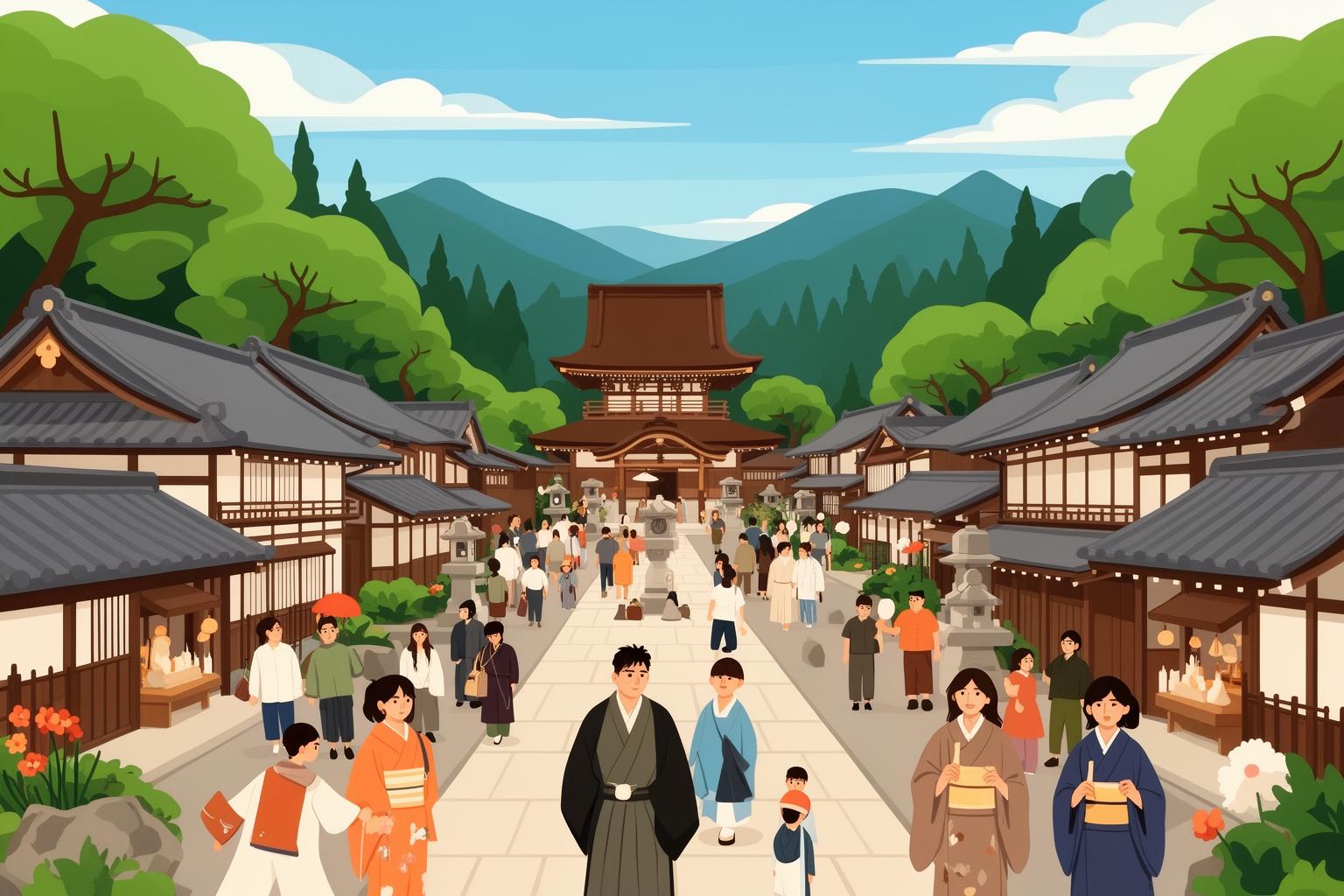
Among all the imagery in Your Name., none is more iconic or hauntingly beautiful than Lake Itomori, the crater lake surrounding the town and serving as the film’s dramatic centerpiece. This is where the comet struck and the goshintai, the sacred shrine where Mitsuha’s and Taki’s timelines finally and magically merge, is located. Many pilgrims journey to Hida hoping to witness this very view. The reality, however, is somewhat more complex and calls for its own separate journey, adding another dimension to the pilgrimage.
The Inspiration: Lake Suwa in Nagano
While Hida-Takayama and Hida-Furukawa inspired the town, the visual model for the breathtaking, caldera-like Lake Itomori is widely recognized as Lake Suwa, located in the neighboring prefecture of Nagano. It’s not a simple day trip that can be casually added, but for devoted fans, the journey is unforgettable. The best vantage point is from Tateishi Park overlook, perched on a hill above the lake. From there, the view closely matches the panoramic shots in the film. The way the town curves around the shoreline, the shape of the water, the surrounding mountains—it creates an almost surreal moment of recognition. To reach Lake Suwa, you would generally travel from Takayama back to Matsumoto and then take a local train line. Though it requires planning, watching the sunset from Tateishi Park, seeing city lights flicker around the lake just as they do in the film’s kataware-doki (twilight) scenes, is nearly a spiritual experience. It feels as if you’ve found the story’s heart.
Capturing the Atmosphere Closer to Hida
For travelers who don’t have the time or resources for the separate trip to Lake Suwa, there is still hope. The spirit of Itomori’s natural landscape is plentiful throughout the Hida region. The film’s beauty stems not only from one particular lake but also from its portrayal of a life in harmony with nature—a town embraced by mountains and forests. You can capture this essence by taking a local bus from Takayama into the countryside, such as to the Shinhotaka Ropeway, which offers breathtaking views of the Northern Japan Alps. Exploring areas around Hida-Furukawa, where rice paddies stretch out toward lush green mountain foothills, also conveys this feeling. The key is to embrace exploration. Renting a bicycle to cycle along the river or simply taking a train ride and watching the landscape unfold lets you find your own personal Itomori. The film is, after all, about discovering connections in unexpected places. The Hida region is filled with rolling hills, quiet valleys, and peaceful reservoirs that evoke the film’s landscape feeling, even if they don’t match the exact geography. This approach promotes a more personal pilgrimage, one centered on feeling rather than merely seeing.
Practical Pilgrim’s Almanac: Planning Your Hida Journey
Embarking on a pilgrimage to the land of Your Name. is an exhilarating adventure, but a bit of planning goes a long way, especially when exploring the beautiful yet sometimes remote Japanese Alps. Carefully considering travel logistics, timing, and transportation will enable you to relax and fully immerse yourself in the experience once you arrive. Here are some tips to help make your journey as smooth and enchanting as possible.
Getting to the Heart of the Mountains
Takayama is accessible, yet the journey itself adds to the charm. The most scenic and popular way is by train. From major hubs like Tokyo or Kyoto, you’ll first board a Shinkansen (bullet train) to either Nagoya or Toyama. From there, you transfer to the JR Hida Wide View Limited Express train. This is when the real adventure begins. True to its name, this train boasts extra-large windows designed to offer uninterrupted views of the stunning landscape. The train winds through dramatic river valleys, clings to mountainsides, and crosses deep gorges. You’ll witness the scenery shift from urban sprawl to rural villages and finally to the wild, untouched nature of the Alps. For the best views on the Nagoya to Takayama leg, try to secure a seat on the left side of the train; from Toyama, the right side is preferable. Alternatively, highway buses link Takayama with cities like Tokyo, Kyoto, and Matsumoto. They are a more economical choice and can be quite comfortable, though the journey takes longer and is more affected by weather and traffic.
When to Chase the Comet: A Guide to the Seasons
Takayama is a city for all seasons, each offering a unique yet equally magical atmosphere, letting you select the perfect backdrop for your own story.
Spring (March – May)
Spring heralds a gentle awakening. Snow melts, rivers swell, and the city’s cherry blossoms burst into soft pink and white clouds, typically around mid-April. This is also the time for the Sanno-sama Spring Festival (April 14-15), one of the two major Takayama Festivals. The weather is crisp and pleasant, ideal for strolling.
Summer (June – August)
Summer cloaks the mountains in vibrant, almost electric green. Days can be warm and humid, but evenings in the mountains remain cool and refreshing. The cicadas’ sound provides a constant, nostalgic soundtrack, instantly transporting you to the summer scenes in Itomori. It’s an excellent time for hiking and exploring the area’s natural beauty. Just be sure to pack rain gear, as the wet season typically falls in June and July.
Autumn (September – November)
Many would say autumn is when the Hida region is at its most breathtaking. Starting at higher elevations in late September and sweeping down to the city by late October, the mountainsides burst into a fiery tapestry of red, orange, and gold. The air is cool and clear, with a deep blue sky overhead. This season hosts the Hachiman-sama Autumn Festival (October 9-10). The mix of vibrant foliage and the historic town is truly unforgettable.
Winter (December – February)
Winter turns Takayama into a quiet, monochrome wonderland. Heavy snowfall is common, blanketing the dark wood of the old town in a thick layer of pristine white. Canals freeze over, and the steam from miso soup and hot sake lingers in the chilly air. It’s a peaceful, contemplative time to visit. Seeing Hie Shrine with its snow-covered steps is a genuinely magical sight. Just be sure to bring warm, waterproof clothing and shoes with good traction, as streets can be icy.
Navigating Takayama and Beyond
Once in Takayama, the city center is wonderfully compact and best explored on foot. The Sanmachi Suji old town, morning markets, and Shiroyama Park are all within easy walking distance of one another. For destinations farther afield, like the Hida Folk Village (Hida no Sato), an excellent open-air museum featuring traditional Gassho-style farmhouses, you can use the convenient Sarubobo Bus. To visit Hida-Furukawa for the library, a short 15-minute ride on the local JR Takayama Main Line is sufficient. Trains are infrequent, so check the schedule ahead of time. If you plan to explore the more remote countryside or make your way to Lake Suwa, renting a car offers the greatest flexibility. This allows you to stop at scenic viewpoints and uncover your own hidden gems along the route. Just note that an International Driving Permit is required, and winter roads can be snowy and require appropriate tires.
Living the Story: Final Thoughts from a Fellow Traveler
A journey to Hida-Takayama following the footsteps of Your Name. is more than mere sightseeing. It goes beyond the typical tourist experience, becoming something more personal and resonant. It’s the feeling you get standing on the steps of Hie Shrine, realizing that the line between fiction and reality can be beautifully thin. It’s the taste of Goheimochi, the sound of the Miyagawa River, the scent of old cedar wood in the Sanmachi district. These sensory details create a bridge from your world to the world of the film. You arrive searching for Itomori, but depart having discovered Takayama—a place with its own stories, traditions, and enduring spirit. This pilgrimage reveals that the film’s themes—connection, memory, and the invisible threads that bind people and places through time—are not just fantasy. They are real. You feel them in the kindness of a market vendor, the centuries-old craftsmanship of a festival float, and the shared awe of a sunset over the mountains. So come, walk these streets. Breathe this air. Find your own connections. Find your own musubi. The magic awaits you.