
There are stories that feel like a dream you can’t quite shake, long after the credits roll. They linger in the quiet moments of your day, a whisper of connection, a faint memory of a melody. Makoto Shinkai’s masterpiece, Kimi no Na wa—or Your Name—is one such story. It’s a celestial romance that swept the globe, a tale of two souls, Taki in bustling Tokyo and Mitsuha in the tranquil countryside, bound together by fate, distance, and the ethereal threads of a once-in-a-lifetime comet. The film’s breathtaking animation, a signature of Shinkai’s work, paints a world so vivid, so emotionally resonant, that it feels impossibly real. And that’s the secret, the beautiful, stunning truth of it all: it is. The world of Your Name is not just a fantasy drawn from imagination; it’s a tapestry woven from actual locations scattered across Japan, from the heart of the world’s biggest metropolis to the serene, forgotten corners of its mountainous heartland. This isn’t just a guide to a film set. It’s an invitation to step through the screen, to walk the same streets, breathe the same air, and stand in the very spots where Taki and Mitsuha’s lives intertwined. It’s a pilgrimage, a seichi junrei, to discover that the magic of the film isn’t confined to animation cells—it echoes in the quiet hum of a city, the gentle rustle of leaves in a mountain town, and the shared feeling that you, too, are searching for something. Prepare to bridge the gap between two worlds, because your journey into the universe of Your Name begins now.
Immerse yourself in Japan’s enchanting blend of history and modern storytelling, where exploring Kamakura’s vibrant coastline offers another captivating dimension to your cinematic journey.
The Heartbeat of Tokyo: Taki’s Urban World
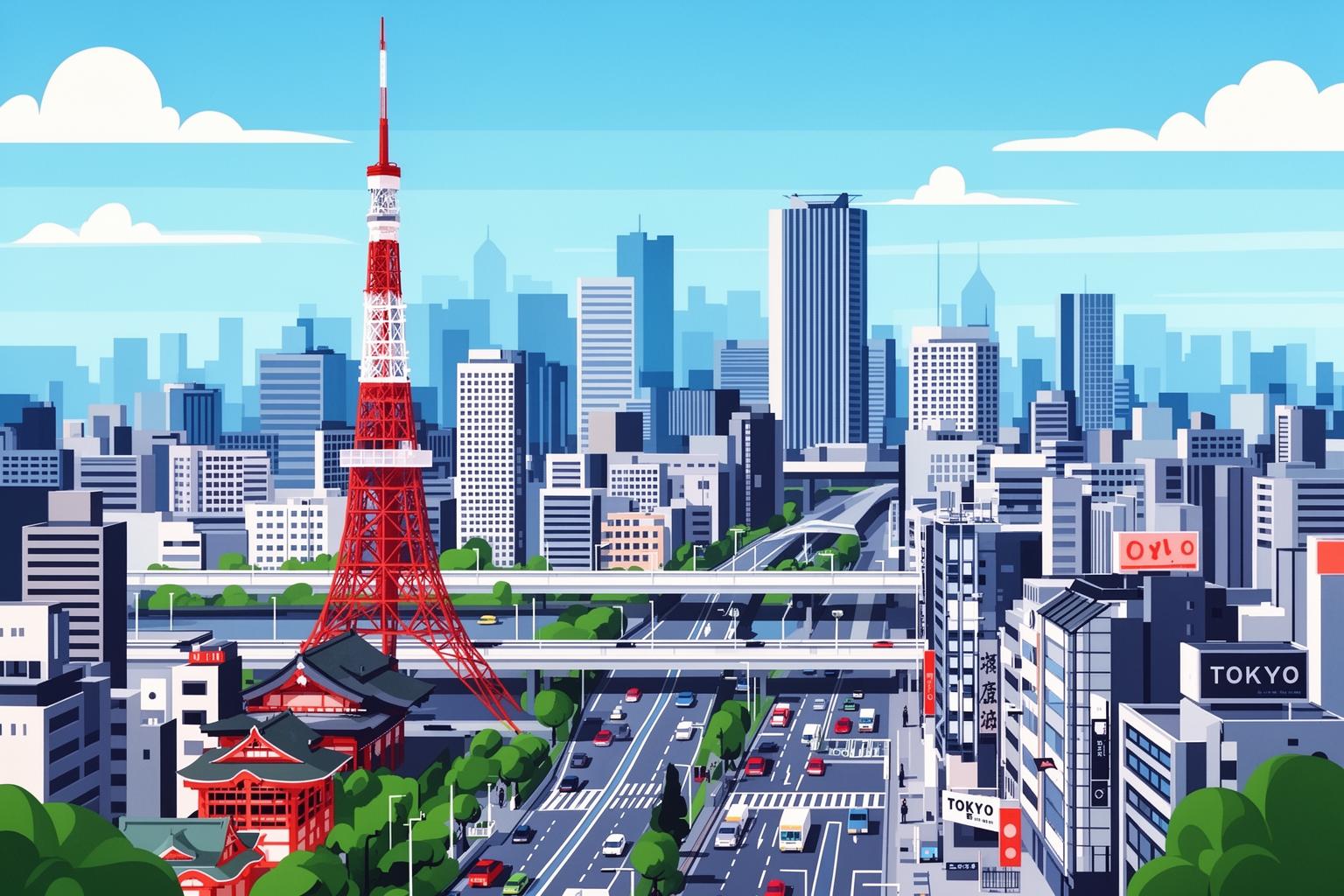
Tokyo is a city of constant movement, a dazzling, electric sea of light, sound, and people. This is Taki Tachibana’s world—a place of towering skyscrapers, intersecting train lines, and endless crowds that nonetheless allow moments of quiet reflection. His life takes place against a backdrop that is quintessentially modern Japan, and walking through these locations means feeling the pulse of his reality. The city in Your Name is more than just a setting; it is a character in its own right, shaping Taki’s ambitions, friendships, and his desperate search for a memory just out of reach. Our journey begins here, amid the concrete canyons and glowing neon lights where half of our story takes root.
The Iconic Red Staircase: Suga Shrine
Every fan knows this scene. The film’s emotional climax, the moment that secures its place in cinematic history. Years have passed. Taki and Mitsuha, now adults, experience a ghostly sense of loss, a forgotten connection tugging at their hearts. They pass one another on a staircase, a spark of recognition flares, and after a moment of painful hesitation, they turn and ask the question that lingers throughout the film: “Haven’t we met?” That staircase, with its vivid red railing, is real. It belongs to the Suga Shrine, tucked away in a quiet, unassuming residential neighborhood of Yotsuya, part of Shinjuku ward.
Discovering it feels like uncovering a secret. You leave the noise of the main streets behind, winding through narrow lanes lined with quiet homes. Then, there it is. The view is instantly recognizable—the gentle curve of the steps, the bright red handrail contrasting with the city’s muted tones, and the Shinjuku skyscrapers peeking out between buildings in the distance. The atmosphere here is profoundly different from the film’s climax. There is no dramatic score, no frantic rush of emotion. Instead, a serene, almost sacred calm prevails. Local residents walk their dogs, the wind whispers through the trees, and the city hums softly in the background. Standing there is a surreal experience. You can frame the exact shot, feel the weight of the characters’ journey, yet remain grounded in a peaceful, everyday reality.
For the best experience, visit on a weekday morning. The light is gentle, and the crowds of fellow pilgrims are fewer, allowing for a more personal moment of reflection. Remember that this is both a place of worship and a residential area. Be quiet and respectful, offer a small prayer at the shrine itself, and resist the urge to shout “Kimi no namae wa?” into the wind. Access is simple; it’s about a ten-minute walk from Yotsuya Station on the JR Chuo Line and Tokyo Metro Marunouchi and Namboku Lines. This unassuming staircase is the heart of the pilgrimage, where the film’s fiction and our reality most powerfully converge.
A Glimpse into Taki’s Life: Shinjuku Scenes
Shinjuku is the engine room of Taki’s Tokyo. It’s where he attends school, works his part-time job, and spends time with friends. The film skillfully captures the district’s dual nature: the overwhelming scale of its commercial centers alongside the quieter, more intimate spaces within. Several key locations from Taki’s daily life cluster here, each revealing a different aspect of his urban experience.
The National Art Center, Tokyo
Taki’s date with his fashionable coworker, Okudera-senpai, takes place at the stunning National Art Center in Roppongi, just a short train ride from Shinjuku. The building itself is an architectural masterpiece—a flowing wave of glass and steel designed by the legendary Kisho Kurokawa. Appreciation of its beauty requires no prior love of art. The scene unfolds in the Salon de Thé ROND, a chic café perched atop a massive concrete cone inside the museum’s atrium. Sitting there, bathed in natural light filtering through the glass facade, feels like stepping directly into the anime. You can order coffee and cake just as they did and gaze out at the same breathtaking interior. While the main building offers free admission, special exhibitions require tickets. It’s an ideal spot to rest your feet and soak in the refined, artistic side of Tokyo that Taki was beginning to discover.
The Shinjuku Pedestrian Bridge
One of the most iconic images from the film’s promotional art shows Taki standing on a pedestrian bridge with the vast Shinjuku cityscape stretching behind him. This bridge, located near the Shinjuku Police Station, is a quintessential “Shinkai” spot—an ordinary urban structure transformed into a place of profound beauty and melancholy. Standing here, especially at dusk when the city lights start to sparkle, is a powerful experience. Around you rise landmarks like the Tokyo Metropolitan Government Building and the distinctive web-like Mode Gakuen Cocoon Tower. The steady flow of traffic below and streams of pedestrians create a sensation of being part of a massive, living organism—a feeling central to Taki’s experience in Tokyo’s vastness.
Shinjuku Station and the Yoyogi Building
No portrayal of Tokyo would be complete without Shinjuku Station, the world’s busiest transit hub. The film includes several quick shots of the station’s South Exit, capturing the chaotic, dizzying flow of over three million people daily. Walking through it is an experience in itself—a sensory overload that perfectly expresses the urban energy fueling Taki’s life. From various points in Shinjuku, you can also spot the NTT Docomo Yoyogi Building. While Taki never directly visits it, its clock tower-like spire is a landmark featured in many panoramic shots, anchoring the animated world in a recognizable reality. It stands as a silent witness to the unfolding story.
Echoes of Itomori: The Timeless Charm of Hida-Furukawa
Leaving behind Tokyo’s electric hum, our journey leads us deep into the mountainous heart of Japan’s Gifu Prefecture. This region inspired Itomori, the fictional hometown of Mitsuha Miyamizu. While Itomori itself is imaginary, its essence is woven from the landscapes, traditions, and atmosphere of the Hida region. The primary model for the town is Hida-Furukawa, a beautifully preserved community where the spirit of old Japan remains vibrantly alive. Here, the city’s frantic pace slows into the gentle flow of canals filled with koi, the quiet dignity of wooden merchant houses, and the spiritual presence of surrounding mountains. This is where the other half of the story unfolds—a world rich in tradition, ritual, and a profound connection to nature.
The Soul of a Small Town: Hida-Furukawa Station
Our first stop is Hida-Furukawa Station, where Taki, Okudera-senpai, and Tsukasa arrive on their quest to find Mitsuha. The moment you step off the train, the resemblance is striking. The wooden benches, platform layout, and the wide-open railyard are faithfully recreated. The film perfectly captures the feeling of arriving in a place that moves to a different rhythm. One charming detail is “Hidakuro,” the cartoonish mascot for Hida beef, which Taki notices from the train. The real mascot statue is often on display, a delightful confirmation you’ve reached the right destination. The station is small and welcoming, serving as the perfect gateway to the town. The journey here, typically via the Limited Express Hida from Nagoya or Toyama, is a scenic adventure in itself, winding through lush valleys and dramatic gorges, slowly transitioning you from urban to rural.
Whispers of Tradition: The Hida City Library
The scene where Taki and his friends desperately search for comet strike records, hoping to find mention of Itomori, takes place in a library that is a direct and loving recreation of the Hida City Library. This isn’t just loose inspiration; it’s a near-perfect match. From elegant wooden beams and pillars to the unique geometric shelving and soft, warm lighting, the interior is instantly recognizable. What makes this location truly special is the warmth with which the library embraces its connection to the film. Visitors often find a small display dedicated to Your Name, and the staff are incredibly welcoming. They have a designated spot where photography is allowed and even provide a guestbook for pilgrims to leave messages. Sitting at one of the tables, you can almost hear the rustling pages as Taki uncovers the tragic truth of Itomori. It’s a moment of profound connection, a quiet and respectful space where the film’s search and your own journey converge. As with all these locations, remember this is a functional public library. Silence and respect for local patrons are essential.
Weaving Fate: Kumihimo and Local Crafts
One of the most powerful symbols in Your Name is the kumihimo, the braided cord Mitsuha makes and later gives to Taki. Her grandmother explains that the braids represent musubi—the flow of time, the twisting and intertwining of relationships, the bonds that tie people together. This is not just a plot device; it’s a tribute to a cherished Japanese craft. The Hida region has a rich history of textile and craft traditions, and visiting Hida-Furukawa offers a unique chance to engage with this central theme. Several local shops offer workshops where you can sit at a traditional marudai (braiding stand) and create your own kumihimo cord. It’s a meditative, rewarding experience. As you handle the threads and weave an intricate pattern, you deepen your appreciation for the film’s symbolism. It transforms an abstract idea into a tangible keepsake—a physical representation of your journey and the connections you’ve forged along the way.
Beyond the Frame: Experiencing the Hida Region
While Hida-Furukawa serves as the primary townscape for Itomori, the wider Hida region and its surroundings add even more depth to the Your Name experience. To fully grasp Mitsuha’s world, you need to savor the local cuisine, witness the landscapes that inspired her home, and immerse yourself in the spiritual atmosphere that infuses these mountains.
A Taste of Hida: Culinary Delights
Taki’s first encounter with the region’s flavors is a goheimochi, a grilled rice cake coated with a sweet and savory miso-walnut sauce, enjoyed at a local eatery. This regional specialty is a must-try—rustic, comforting, and delicious. However, the true culinary treasure of the area is Hida beef. Celebrated across Japan for its exquisite marbling and melt-in-your-mouth texture, it’s an experience not to be missed. You can enjoy it in many forms, from an elegant steak dinner to casual beef buns or croquettes sold at street stalls. For an authentic local experience, explore the morning markets in nearby Takayama, a larger town where farmers offer fresh produce, pickles, and crafts. Delving into the local cuisine offers another way to connect with the culture that shaped Mitsuha’s life.
The Spirit of the Mountains: Suwa Lake
This is the showstopper. The stunning, caldera-like lake that cradles Itomori—glimmering beneath the stars as the comet nears—is widely believed to be inspired by Lake Suwa in neighboring Nagano Prefecture. Although reaching it from Hida requires a separate journey, it is an essential final piece of the puzzle for devoted pilgrims. The most iconic view is from the observation deck at Tateishi Park, overlooking the lake and the town of Suwa below. The lake’s shape, surrounding mountains, and town layout closely mirror Itomori, making the connection unmistakable. Visiting at dusk, during kataware-doki or twilight, offers a magical, almost spiritual experience. As the sun sets and city lights begin to sparkle, the line between reality and Shinkai’s creation fades away. Standing there, gazing down on Itomori, you witness a moment of pure cinematic magic brought to life.
Planning Your Pilgrimage: Practical Advice and Etiquette
Embarking on a seichi junrei for Your Name is an amazing adventure, but a bit of preparation can make all the difference. This journey covers two distinct regions of Japan, and understanding both the logistics and, more importantly, the etiquette will help ensure a smoother and more meaningful experience.
When to Go: A Tale of Two Seasons
Tokyo and the Hida region are stunning throughout the year, though spring and autumn stand out as especially beautiful. In spring (late March to April), you may catch Tokyo’s cherry blossoms, adding a fleeting layer of beauty to your city explorations. In autumn (October to November), the mountains around Hida burst into vibrant shades of red, orange, and yellow foliage, creating a breathtaking backdrop reminiscent of the film. Winter in Hida offers a serene, snow-covered landscape, but be prepared for cold weather and possible travel delays. Summer is warm and lively, featuring lush greenery and local festivals, though it can be hot and humid.
The Art of Sacred Travel: A Note on “Seichi Junrei”
The term seichi junrei means “sacred site pilgrimage.” While today it’s often associated with anime and pop culture, the concept originates from religious tradition. It’s important to approach your visit with the same respect. These locations are not mere movie sets; they are functioning shrines, public libraries, train stations, and people’s homes. Always be considerate of your surroundings. Speak quietly in residential areas like around Suga Shrine. Follow rules regarding photography, especially inside locations such as the library. Avoid trespassing on private property. Showing your appreciation by supporting local communities is the best way to give back. Purchase a charm from a shrine, dine at local restaurants, or buy souvenirs from Hida craftsmen. This helps ensure that anime tourism remains positive, nurturing a great relationship between fans and the communities that inspire these beloved stories.
Bridging Two Worlds: Combining Tokyo and Hida
A well-rounded pilgrimage typically takes four to five days. Spend two days in Tokyo to leisurely visit spots in Shinjuku, Yotsuya, and Roppongi without feeling rushed. The trip from Tokyo to Hida-Furukawa takes roughly four to five hours by train, usually via the Tokaido Shinkansen to Nagoya followed by the JR Hida Limited Express. Allocate at least two days in the Hida region—one day for Hida-Furukawa and another for nearby Takayama or to simply relax in the countryside. If you also plan to visit Lake Suwa, add an extra day since it lies in a different direction. For longer travel between these areas, the Japan Rail Pass is an excellent cost-effective option, covering the Shinkansen and JR limited express trains used on this route.
Your journey through the world of Your Name is more than just sightseeing. It offers a deeply personal experience bridging the story you love with the real, living world that inspired it. Standing on that staircase in Tokyo, you feel the weight of Taki and Mitsuha’s search. Sitting quietly in the library in Hida, you sense the urgency of their discovery. Gazing over Lake Suwa at twilight, you experience the undeniable magic of their connection. This pilgrimage doesn’t just show you where a story unfolded; it invites you to become part of it. It reminds us that the threads of fate, the pull of memory, and the search for connection—the very themes that make the film so powerful—aren’t just fiction. They are woven into the fabric of our own lives, waiting to be uncovered, one beautiful location at a time.