
There are films that you watch, and then there are films that you inhabit. Makoto Shinkai’s Your Name., or Kimi no Na wa., is a masterpiece of the latter. It’s a celestial romance that swept across the globe, a story of two souls—Taki in bustling Tokyo and Mitsuha in the serene countryside—tethered by fate and a falling star. More than its breathtaking animation or its heart-wrenching score, the film’s power lies in its profound sense of place. Shinkai’s Tokyo is not a mere backdrop; it is a living, breathing character, rendered with such photorealistic detail that the line between animation and reality blurs into a beautiful, dreamlike haze. For fans, stepping into the streets of Tokyo is to step directly into the frames of the film itself. This journey, known in Japan as seichi junrei or “sacred site pilgrimage,” is an invitation to walk in the footsteps of Taki and Mitsuha, to feel the pulse of the city that shaped their story, and to discover that the magic of their connection lingers in the real world, waiting to be found. From the iconic red staircase where destiny converged to the dizzying urban canyons of Shinjuku, this is your guide to experiencing the world of Your Name. not as a tourist, but as a pilgrim.
Immerse yourself further in Shinkai’s vision by exploring the real-life locations that continue to inspire modern pilgrims.
The Heart of the Connection: Yotsuya and the Iconic Red Stairs
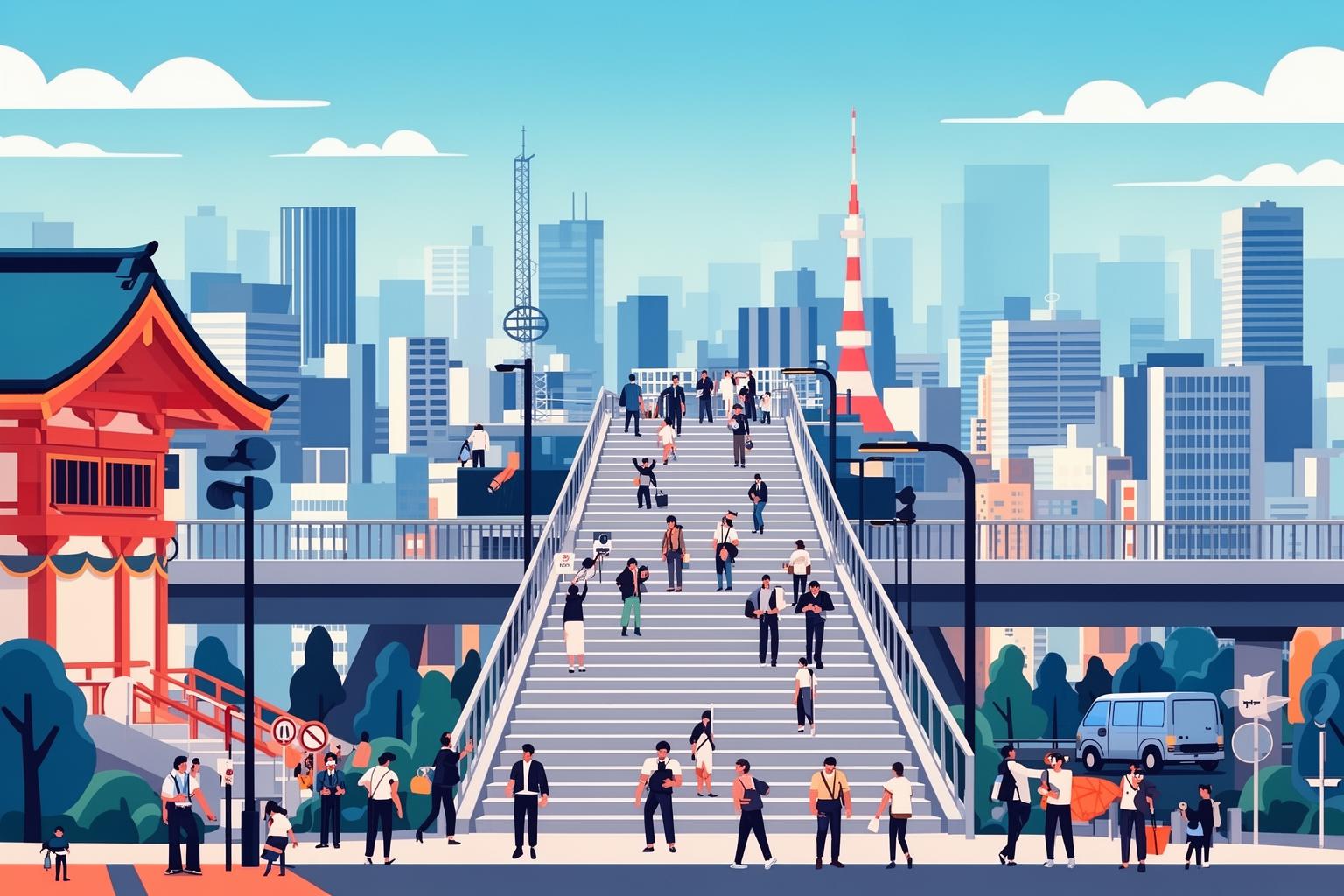
The emotional climax of Your Name. lingers vividly in the memory of everyone who has watched it. Two people, separated by time and memory, finally find each other on a simple staircase, bathed in the soft glow of a Tokyo afternoon. That staircase is real, and it stands as the undeniable crown jewel of any pilgrimage. Nestled in a quiet residential corner of Yotsuya, a district that feels worlds away from the neon glare of its Shinjuku neighbor, you’ll find the steps leading up to Suga Shrine. The journey here is part of the charm, a gradual decrescendo from the city’s clamour into a peaceful, almost reverent silence.
Finding the Fated Staircase
Your search starts at either Yotsuya-Sanchome Station on the Marunouchi Line or Shinanomachi Station on the JR Chuo-Sobu Line. From either station, a gentle ten-minute walk takes you through narrow streets lined with modest apartment buildings and occasional small shops. There are no prominent signs pointing the way, no tourist traps pitching souvenirs. The discovery feels personal, intimate. You’ll likely round a corner and find it there—instantly recognizable, yet subtly altered. The real world is always a bit softer, a little more worn than its animated counterpart. The vibrant crimson of the handrails, framed by the lush green trees on either side and the gray cityscape peeking beyond, is a sight that makes your heart race. It feels less like locating a film set and more like arriving at a place you’ve always known.
The atmosphere is deeply serene. You might notice a few other fans, speaking in hushed tones, each waiting their turn to capture the perfect photo. But you’ll also see local residents walking dogs or a delivery cyclist passing by, completely unaware of the cinematic significance this place holds. This beautiful duality is what makes it so special. It’s a sacred spot for pilgrims, yet it’s also part of everyday life for the neighborhood. When you visit, keep this in mind. Be quiet, be respectful, and resist the urge to shout “What’s your name?” across the landing. The magic here is quiet, best savored with a sense of wonder and respect for those who live nearby.
The View from the Top
Climbing the steps feels momentous. With each step, you retrace a path marked by longing, confusion, and ultimate recognition. Once you reach the top, turn around. The view before you is the exact one from the film’s final, hopeful scenes. You see the gentle curve of the road below, the distinct outline of apartment buildings, and in the distance, the pronounced silhouette of the NTT Docomo Yoyogi Building—a landmark anchoring many of Shinkai’s Tokyo landscapes. For the best experience, try to visit in the late afternoon. As the sun lowers, the light softens, bathing the city in the golden hues of kataware-doki, or twilight—the very time when the boundaries between worlds grow thin. This is the moment to put your camera aside. Simply stand, feel the gentle breeze, and let the scene’s emotion wash over you. It’s a powerful reminder that even in a city of millions, moments of profound personal connection are not only possible but truly destined.
Taki’s World: The Urban Pulse of Shinjuku
If the Suga Shrine steps symbolize the film’s core, then the expansive, vibrant district of Shinjuku represents its lively spirit. This is Taki Tachibana’s domain—a realm of towering skyscrapers, constant commuter streams, and the energetic buzz of a city that never rests. Exploring Shinjuku is to delve into the environment that shaped Taki—his ambitions, his part-time work, and his desperate search for a girl whose name eluded him. The stark contrast between this urban maze and the calmness of Yotsuya reflects the very distance separating the two protagonists.
The Labyrinth of Shinjuku Station
Shinjuku Station transcends being just a transit hub; it’s a city within a city, a complex structure of steel and glass where millions of lives momentarily converge each day. Known as one of the busiest train stations worldwide, navigating its intricate web of platforms and corridors can be as challenging as Taki’s pursuit. The film captures this carefully orchestrated chaos with brief glimpses of train signs, crowded platforms, and waves of people. Experiencing it doesn’t require a specific destination in the station—simply let yourself be carried by the flow. Stand on the platform for the Yamanote or Chuo Line and watch the trains arrive and depart with mesmerizing regularity. Observe how light streams down from the high ceilings, illuminating dust particles in the air—a subtle detail Shinkai beautifully reproduces. A key spot for visitors is the Shinjuku Southern Terrace, an inviting elevated walkway just outside the South Exit. It offers a striking view over the train tracks, prominently featured in the film, symbolizing movement, distance, and the city’s interconnectedness.
Pedestrian Bridges and City Views
Shinjuku is a vertical city, with elevated pedestrian bridges acting as the lifelines connecting its massive buildings. Multiple bridges appear in Your Name., often framing the shimmering cityscape. One of the most distinctive is the bridge near the Shinjuku Police Station, notable for its circular design. From here, you can glimpse the cluster of skyscrapers in West Shinjuku, including the Tokyo Metropolitan Government Building. These film scenes highlight Taki’s smallness amid the sprawling urban environment—a feeling that hits immediately when you stand there yourself, surrounded by towering concrete and steel giants. At night, the view transforms into a flowing river of light, with thousands of windows sparkling like stars and taillights tracing red and white streaks below. It’s an ideal spot for reflection, to consider the millions of lives unfolding simultaneously around you, each one a story as intricate and compelling as Taki’s or Mitsuha’s.
The Iconic ‘LOVE’ Sculpture
A small but memorable detail from one of the film’s montages is Robert Indiana’s famous “LOVE” sculpture. This vibrant red public artwork is a genuine and well-loved landmark situated in front of the Shinjuku i-Land Tower. In a vast and sometimes impersonal city like Tokyo, it has become a popular meeting place for friends and couples. Finding it feels like uncovering a little Easter egg left by the filmmakers—a small burst of color and warmth amid the cool glass and steel of the business district, echoing the film’s central theme. It’s a brief stop but a worthwhile one, offering a great photo op that firmly grounds you in Taki’s everyday world.
A Date with Destiny: Roppongi and the Cityscape
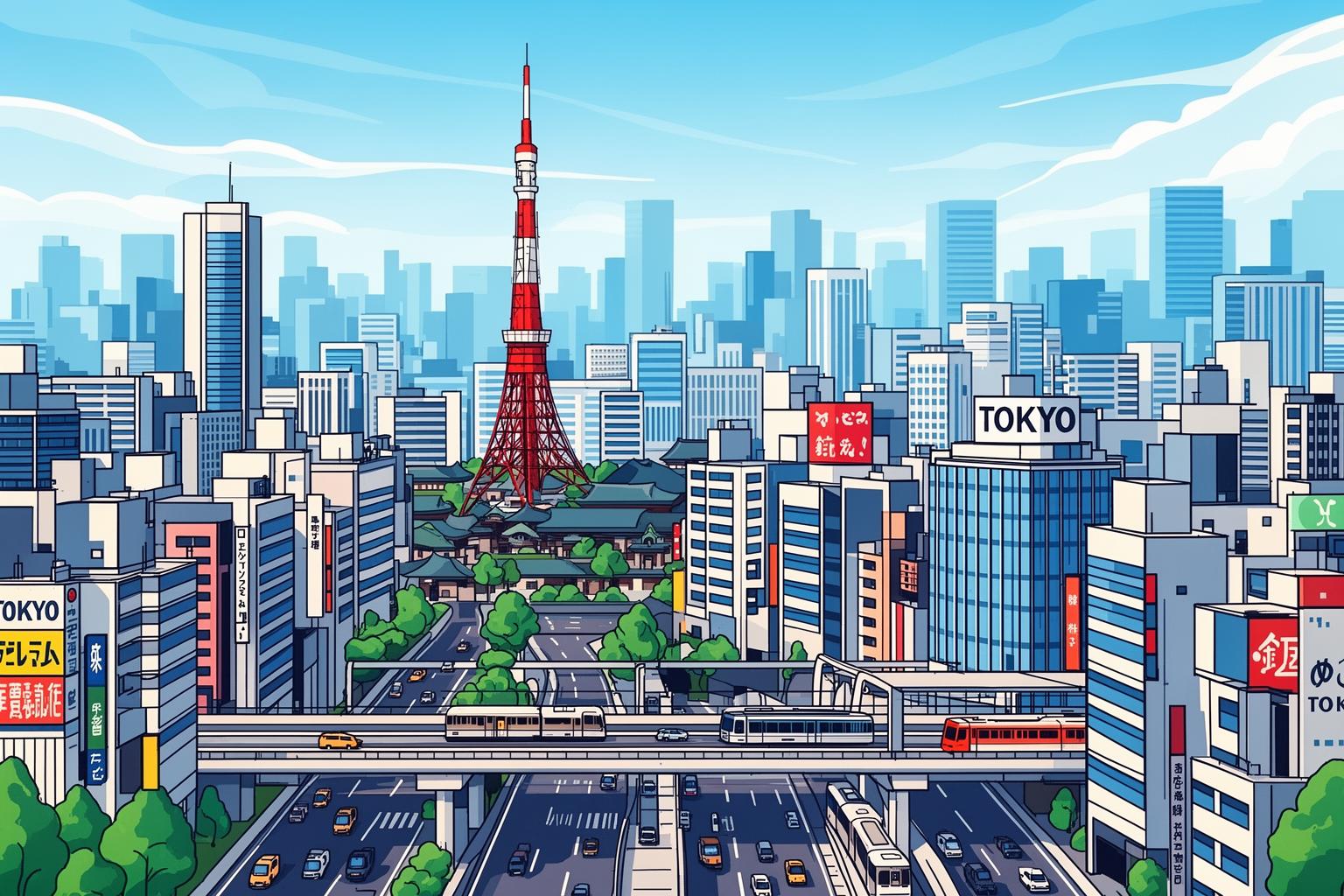
The film’s narrative takes an elegant turn during Taki’s date with his captivating coworker, Okudera-senpai. Their outing leads them to the chic and upscale Roppongi district, a center for art, culture, and breathtaking panoramic views of the city. These scenes present Tokyo from a different angle—one that is stylish, contemporary, and infused with a feeling of mature possibility. Exploring these locations invites you to enter a more grown-up chapter of Taki’s story.
The National Art Center, Tokyo
The setting for Taki and Okudera-senpai’s lunch date is the stunning National Art Center, Tokyo. Even if you’re not a fan of art, the building itself is a masterpiece worth experiencing. Designed by the renowned architect Kisho Kurokawa, its flowing glass facade is among the most striking architectural features in the city. As you approach, you’ll notice it appears to ripple like a wave of light. Entry is free, and the grand atrium is a vast, light-filled space that instantly recalls the film’s scene. The actual location for their meal is the Salon de Thé ROND, a distinctive café perched atop a large concrete cone in the center of the atrium. Securing a seat here might require some waiting, but it’s worth it to sit where the characters did, surrounded by soaring architecture and the soft hum of conversation. The atmosphere is one of refined tranquility, an ideal spot to reflect on the story so far. You can almost sense Taki’s nervousness and wonder, a young man stepping into a world that feels slightly beyond his years.
The View from Tokyo City View
Following their meal, the date continues with a visit to an observation deck that offers stunning views of the city. While the film’s version is a blend of locations, the most commonly accepted real-world inspiration is the Tokyo City View observation deck in the nearby Roppongi Hills Mori Tower. Upon reaching the 52nd floor, you are greeted with an astonishing 360-degree panorama of the entire Kanto Plain. On a clear day, Mount Fuji is visible in the distance. This scene is the ultimate depiction of the cityscape that Shinkai so tenderly captures. From this vantage point, you can spot landmarks from the film, like the NTT Docomo Yoyogi Building and the far-off cluster of Shinjuku skyscrapers. The experience is most striking at dusk. As the sun sets, the city below begins to sparkle, shifting from a concrete map into a glittering galaxy of lights. This is kataware-doki on a vast scale. Viewing the city from this height deepens your understanding of the vast gap between Taki and Mitsuha. Tokyo transforms into a vast, complex web, and the thought of finding one person within it feels both impossible and miraculous. It’s a view that inspires awe and profound admiration for the film’s visual storytelling.
More Than a Movie Set: Experiencing the Vibe of Tokyo
A seichi junrei for Your Name. is more than merely ticking off locations on a list. It’s about fully immersing yourself in the atmosphere that gives the film its deep resonance. It involves appreciating the cultural and aesthetic sensibilities that Shinkai intricately weaves into his narrative. By paying close attention to both the finer details and the overarching themes, you can elevate your pilgrimage from a simple sightseeing trip to a deeply personal journey.
The Art of ‘Kataware-doki’ (Twilight)
Twilight plays a vital role in the film as a key motif. It’s the magical hour when the boundary between worlds grows thin, allowing Taki and Mitsuha to connect. In Japanese folklore, this time is linked to supernatural phenomena, when spirits or ghosts might appear. Shinkai harnesses this idea to open a space where the impossible becomes possible. While exploring Tokyo, be sure to find a special place to experience this magical hour firsthand. It might be atop the Suga Shrine steps, watching streetlights flicker on; from the Tokyo City View, observing the city transform into a glowing sea of lights; or a simple pedestrian bridge in Shinjuku, witnessing the sky’s colors fade from orange and pink to deep indigo. Taking a moment to pause during this ephemeral time connects you intimately with the film’s emotional and thematic heart. It’s a moment for reflection and for appreciating the beauty of the fleeting world around you.
A Taste of Taki and Mitsuha’s Life
To deepen your immersion, seek out sensory experiences that reflect the characters’ lives. While Taki’s part-time job was at an Italian restaurant called “Il Giardino delle Parole” (a nod to Shinkai’s earlier film, The Garden of Words), you can capture that same ambiance by visiting one of Tokyo’s many stylish cafés or trattorias. Enjoy a carefully crafted cake and coffee, just as Taki and Okudera-senpai did. Alternatively, embrace the everyday side of Tokyo living. Grab a quick, delicious bowl of ramen at a standing bar in a bustling station or pick up an egg sandwich and a bottle of tea from a convenience store—simple, satisfying fare that Taki might have enjoyed after a long day of school and work. These small acts help anchor your whimsical pilgrimage in the tangible, flavorful reality of modern Tokyo life.
A Journey’s End, A Memory’s Beginning
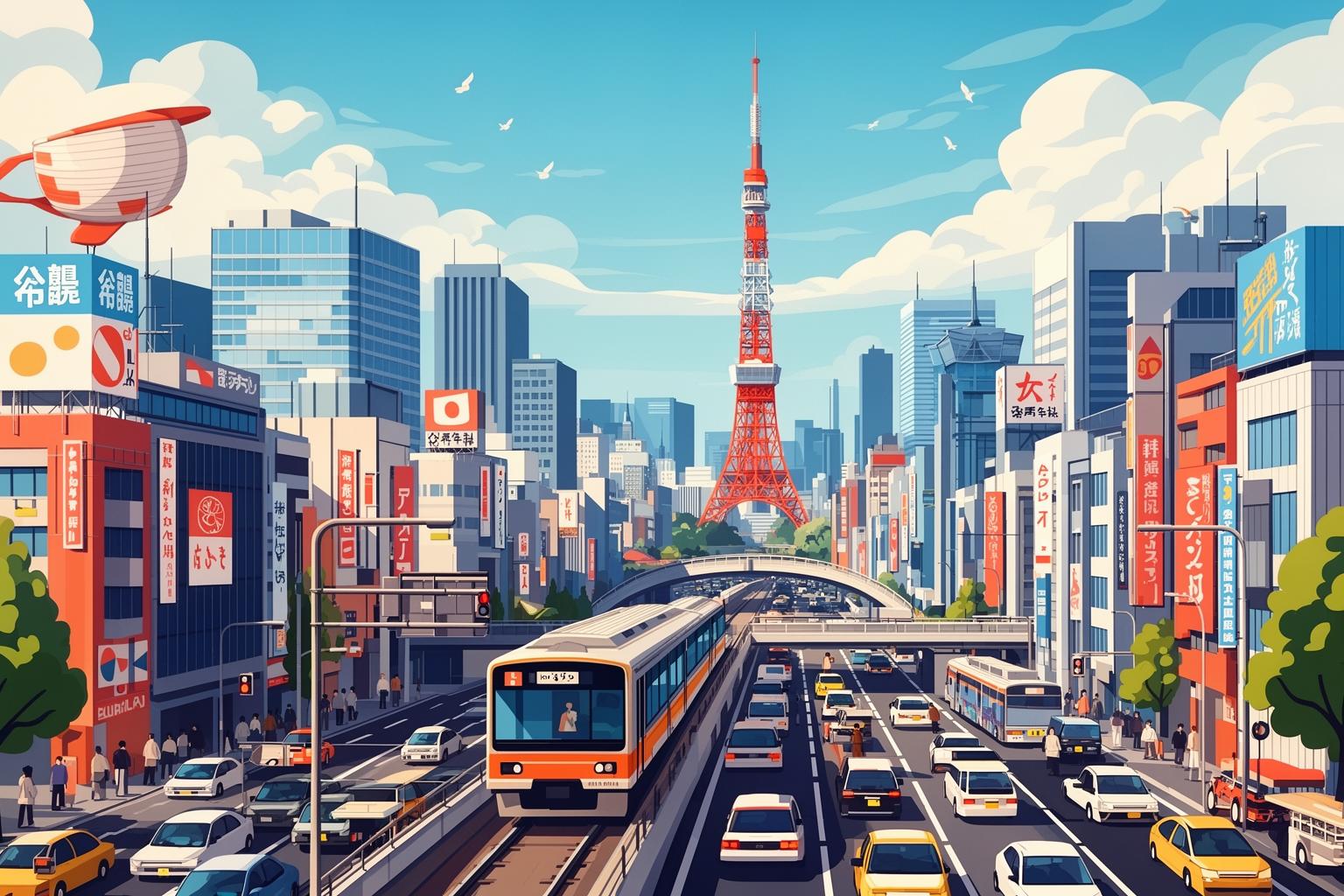
To walk through the Tokyo depicted in Your Name. is to engage in a distinctive form of storytelling. The streets, buildings, and train lines transform into an extension of the narrative in the real world. A simple staircase in Yotsuya becomes more than just a set of steps; it stands as a symbol of hope and reunion. A view from a skyscraper is not merely a beautiful scene; it represents the vastness of the world and the miracle of finding connection within it. The film endows these ordinary locations with extraordinary emotional significance, allowing visitors to experience that magic firsthand.
Your pilgrimage will give you more than just a collection of photographs mirroring the anime’s scenes. It will offer you a new perspective on this incredible city. You’ll start to notice Shinkai-like details everywhere: the way light glimmers on a rain-soaked street, the complex web of power lines silhouetted against a fading sky, the quiet charm of a forgotten side street. You will realize that the film is not simply a story set in Tokyo but a heartfelt love letter to the city itself. By the end of your journey, whether standing on a crowded platform or watching life unfold from a café window, you’ll feel a deeper connection not only to Taki and Mitsuha but to the vibrant, living city that serves as the silent, ever-present third protagonist in their unforgettable tale. You came seeking their world, and in doing so, you will have discovered a magical part of your own.