
There are moments in travel, rare and crystalline, when the boundary between the world on a screen and the world beneath your feet dissolves into nothing. You stand in a place you’ve only ever seen in animated frames, yet the air feels familiar, the light falls just as you remember, and the ambient sounds of life form a soundtrack you already know by heart. This is the feeling that washes over you in Hida-Furukawa, a quiet, unassuming town nestled deep within the mountainous embrace of Gifu Prefecture. For millions around the globe, this place is not just a dot on a map of Japan; it is Itomori, the beautiful, star-crossed heart of Makoto Shinkai’s transcendent masterpiece, ‘Your Name.’ (Kimi no Na wa.). My journey here wasn’t just a trip; it was a pilgrimage, a photographer’s quest to capture the spirit of a place that exists in two realms at once: the real and the beautifully imagined. Hida-Furukawa offers more than just a checklist of film locations; it offers a chance to walk through a living, breathing town that exudes the same timeless charm and quiet melancholy that made the film an emotional anchor for so many. It’s a place where tradition flows as steadily as the water in its historic canals, and where the threads of cinematic fantasy are woven into the fabric of everyday reality.
The mesmerizing interplay of reality and fantasy invites explorers to delve further into a hiker’s pilgrimage that unveils another chapter of Japan’s cinematic magic.
The Arrival: A Cinematic Déjà Vu at Hida-Furukawa Station
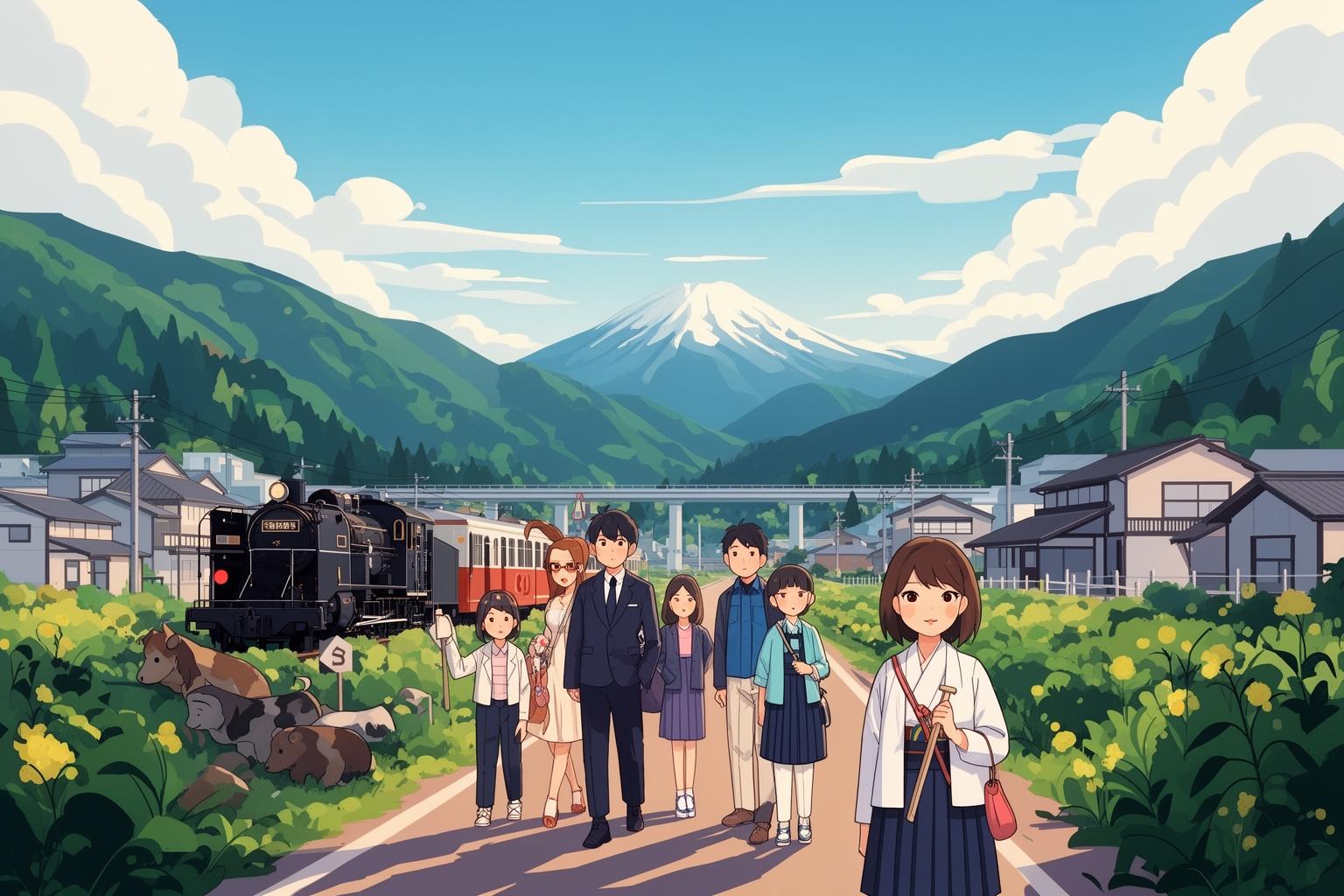
The pilgrimage begins, as it should, at the station. Stepping off the Limited Express ‘Wide View’ Hida train is an experience in itself. The journey from Nagoya or Toyama serves as a scenic overture, winding through dramatic river valleys and mist-covered forests, creating a sense of leaving the urban sprawl behind and arriving somewhere older and quieter. But nothing quite prepares you for the moment you see Hida-Furukawa Station with your own eyes. It’s uncannily, perfectly identical. The modest, clean-lined building, the signage, the very platform where you stand—it’s an exact replica of the location where Taki first arrives in his search for Mitsuha. A wave of recognition hits you, powerful and immediate. The air here seems to vibrate with a different frequency, a blend of crisp mountain freshness and the faint, metallic scent of the railway. You can hear the gentle hiss of the train’s brakes, the chirping of birds in the nearby trees, and the distant murmur of the town. I crossed the iconic pedestrian footbridge spanning the tracks, my footsteps echoing on the metal grating. From this vantage point, you can see the long, straight stretch of the Takayama Main Line, bordered by the town on one side and lush hills on the other. It’s the exact frame from the film. I watched a local train pull away, its solitary carriage shrinking into the distance, and for a moment, I felt like a character in the story, standing on the brink of a profound search. The station isn’t just a transit point; it’s a portal. It’s the place where fiction and reality first meet, inviting you to step fully into the world of Itomori. It’s a quiet, unassuming welcome, yet it sets the tone for the entire journey: a slow, contemplative exploration of familiar scenes in a world that feels vividly alive.
Wandering Through Whispering Canals and Wooden Lattices
Leaving the immediate familiarity of the station behind, you venture into the heart of Hida-Furukawa, where the town unveils its own distinctive character—one that existed long before it gained animated fame. The true essence of the town lies in its Shirakabe Dozogai district, a beautifully preserved street lined with white-walled storehouses and old merchant homes. Here, life slows to the gentle flow of the water running through the Seto-gawa Canal that parallels the cobblestone street. This is the town’s most picturesque feature, a scene of deep tranquility. The dark, weathered wood of the traditional buildings, adorned with intricate latticework, contrasts sharply with the brilliant white plaster walls. Below, the canal’s water is so clear that the smooth stones on its bed are visible. Swimming gracefully within are over a thousand large koi carp, their bright orange, white, and black scales sparkling like jewels in the sunlit water. The soft sound of flowing water is the town’s gentle, constant heartbeat. It’s a sensory experience that fully anchors you in the present moment. As a photographer, it was a dreamscape of textures and reflections—the dark wood, white plaster, grey stone, shimmering water, and vivid fish colors—each frame a study in Japanese aesthetics. Although this area does not appear as a direct one-to-one location in ‘Your Name,’ its atmosphere embodies pure Itomori. It represents the deep-rooted tradition, tranquility, and intimate connection with nature that define Mitsuha’s hometown. It captures the spirit of the place not in a single frame, but in the overall feeling of timeless grace.
The Rhythm of Water and Time
Strolling along the canal, small details reveal what makes Hida-Furukawa special. Stone bridges, no larger than a few steps, arch over the water at regular intervals, linking the main street to homes across the canal. Willow branches dip low, their leaves brushing the water’s surface. In spring, cherry blossoms frame this scene in soft pink hues; in autumn, maple leaves ignite it with fiery reds and golds. There is a palpable sense of history here—generations of townspeople who lived and worked alongside this waterway. Originally practical for washing goods and fighting fires, its role today is mostly aesthetic and spiritual. It soothes the mind. A helpful tip for winter visitors: from late November to early April, the beloved koi are moved from the canals to a warmer, deeper pool to shield them from the cold. Under a blanket of snow, the town transforms into a different kind of beauty—stark, silent, and monochromatic—but the vibrant life of the canals is absent. To experience the town in its most iconic form, visiting between spring and autumn is essential. The presence of koi elevates the scene from simply beautiful to truly magical—their slow, graceful movements embodying the town’s unhurried soul.
The Heart of Knowledge: The Hida City Library
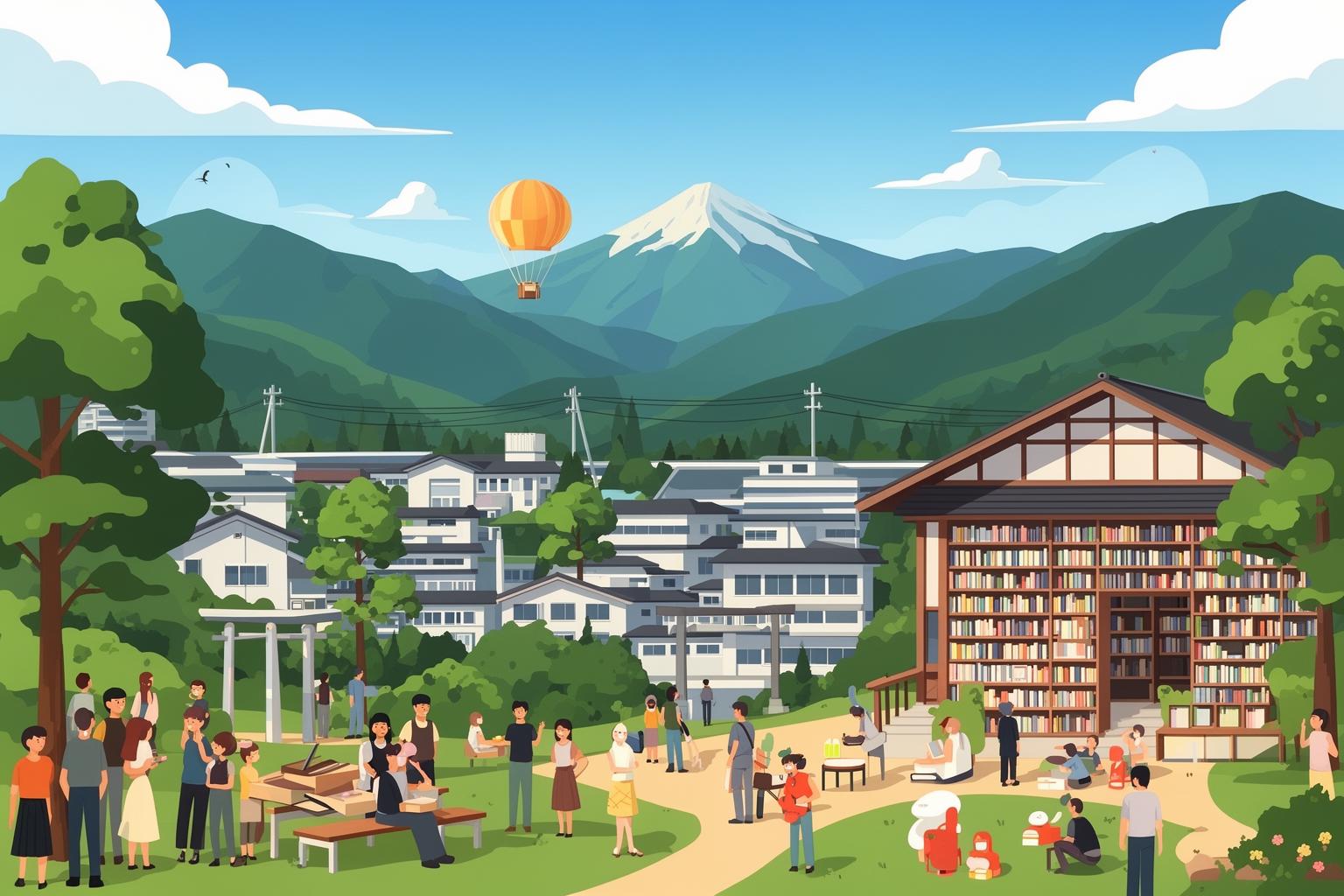
Among all the real-world locations featured in ‘Your Name,’ few are as striking and unforgettable as the library where Taki and his friends investigate the history of Itomori. This library is real and is known as the Hida City Library. From the outside, it appears as a modern, elegant building, but it’s the interior that truly captivates you. Stepping inside feels like entering a film set. The architectural design is magnificent, celebrating the region’s renowned woodworking tradition. The spacious, open-atrium layout allows natural light to flood the area, highlighting the warm hues of the locally sourced wood that adorns nearly every surface. The most distinctive feature, crafted by a famous architect, is the geometrically intricate ceiling and support structure, evoking the feeling of being inside a peaceful, sunlit forest. The space is both grand and warmly inviting. You can almost hear the characters’ quiet voices as they examine historical documents at one of the polished wooden tables. Aware of its importance to fans, the library staff are exceptionally accommodating. However, this is still a working public library, a quiet sanctuary for the local community. Visitors who wish to take photographs must first request permission at the main desk. The staff will provide a lanyard pass along with a simple set of guidelines to ensure regular patrons remain undisturbed. This small gesture is a meaningful exchange, reflecting the town’s pride in its connection to the film and the visitor’s respect for everyday life there. Standing in that space, surrounded by books and bathed in gentle light, you experience the same sense of urgent discovery that Taki did. It’s a place of quiet revelation, for both the story’s characters and the fans who follow their path.
Threads of Fate: Kumihimo and the Spirit of Craft
‘Your Name.’ is centered around a powerful metaphor: the musubi, or braided cord, symbolizing the interconnectedness of people, places, and time itself. This cord, crafted and worn by Mitsuha, is a form of kumihimo, a traditional Japanese art of intricate braid-making. In the Hida region, this craft is not merely a narrative device but a vibrant living tradition. A visit to Hida-Furukawa feels incomplete without experiencing this tangible link to the film’s core theme. Several local shops display and sell beautiful kumihimo products, ranging from simple keychains to elaborate obijime used to fasten kimono sashes. Observing the vivid silk threads and the complexity of the patterns up close offers a deeper appreciation for the artistry involved. Some shops even provide hands-on workshops. Sitting at a traditional marudai (a round braiding stand) and learning to weave the threads yourself creates a profoundly meditative experience. You start to grasp the patience and focus required. Every motion, crossing one thread over another, feels intentional and meaningful. It forms a direct, physical connection to the film’s concept of musubi—the intertwining, tangling, and eventual unity of separate strands to create something whole and strong. Beyond kumihimo, Hida has long been renowned for its master woodworkers, the Hida no Takumi. Their legacy is evident everywhere, from the latticework of old houses to the stunning architecture of the library. For a deeper exploration, a visit to the Hida Takumi Bunkakan (Craft Museum) offers an engaging look at the intricate joinery techniques and tools passed down through generations. This spirit of craftsmanship underpins the town, embodying a quiet commitment to creating beauty and utility by hand. It is the same spirit that courses through Mitsuha’s life in Itomori, a life rich in tradition and ritual, from shrine duties to the patient art of the braided cord.
Ascending to the Sacred: Keta Wakamiya Shrine and Hida-Sannogu Hie Shrine
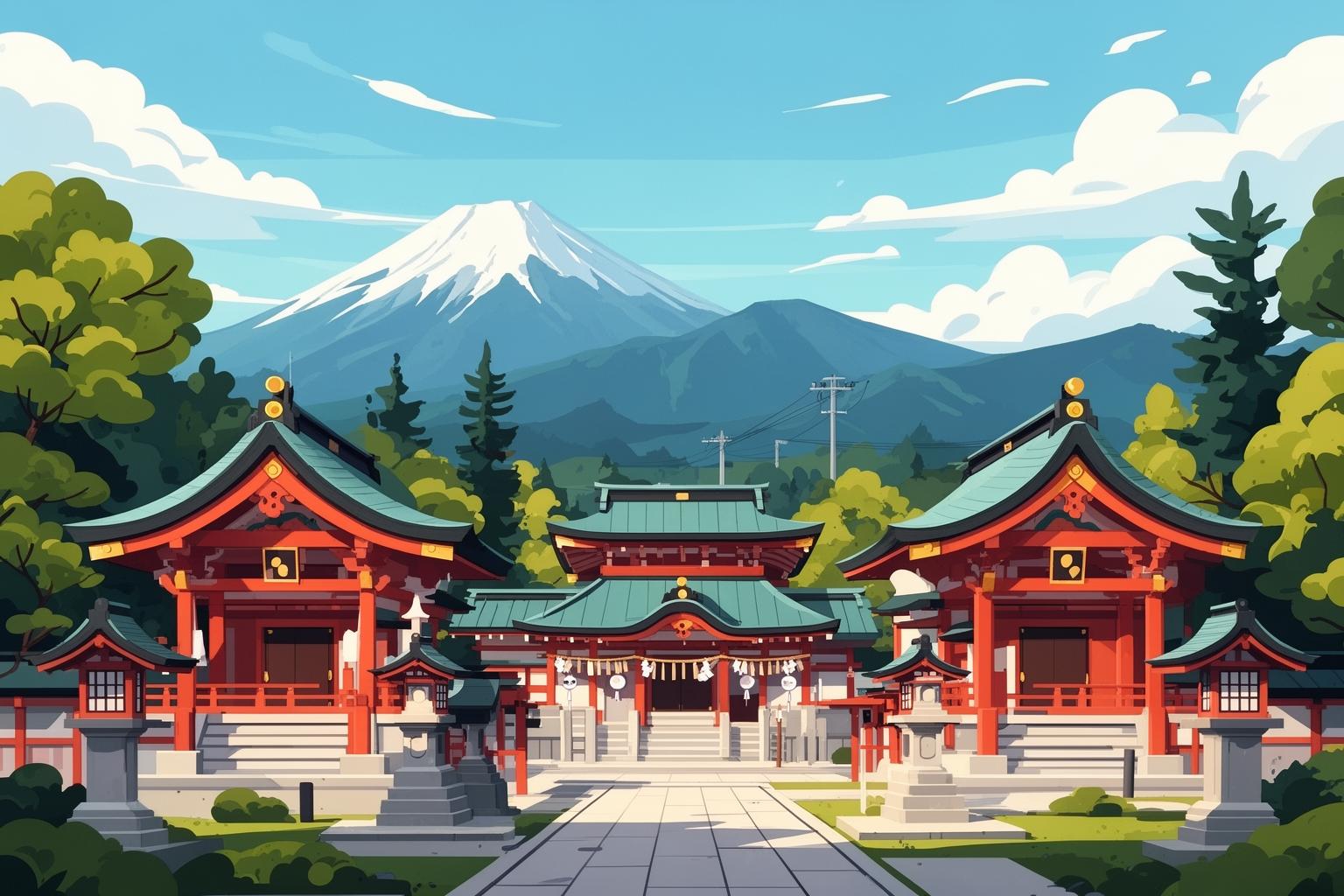
No pilgrimage to the world of Your Name. would be complete without visiting a shrine. The Miyamizu Shrine, the spiritual heart of Itomori and Mitsuha’s family home, is a fictional creation, inspired by several real places. However, the shrines in and around Hida-Furukawa offer a similar profound sense of sacred space and an ancient bond with nature. The most visually comparable location is the flight of stone steps leading up to Hida-Sannogu Hie Shrine, situated in the nearby city of Takayama, just a short train ride away. The resemblance is striking, making it a popular destination for fans. Yet, right in Hida-Furukawa itself, you can discover the tranquil Keta Wakamiya Shrine. Hidden from the main tourist routes, visiting it feels like a personal discovery. The walk up to the shrine is an experience in itself, passing beneath stone torii gates and climbing moss-covered steps. The air grows cooler and more peaceful, filtered through a canopy of towering cedar trees that stand like ancient guardians surrounding the main hall. The scent of damp earth, wood, and incense fills the air. Here, enveloped by the quiet dignity of the forest, it’s easy to sense the deep Shinto belief in kami, the spirits dwelling within the natural world. You can picture Mitsuha performing her duty as a shrine maiden in a place just like this. It’s not about finding an exact replica of a fictional site, but about capturing the feeling it was meant to inspire: a sense of reverence, a connection to something timeless, and the subtle magic that permeates the Japanese countryside. It’s a place to pause, reflect, and appreciate the spiritual currents that so profoundly influenced the film’s story.
A Taste of Local Blessings
The ritual of kuchikamizake—the ancient method of making sake that Mitsuha offers—is a pivotal and deeply symbolic element of the film. Although this practice is now rare, the Hida region is famed for its excellent sake brewing, thanks to its pure mountain water and high-quality local rice. To connect with this aspect of the story, visiting one of the town’s historic breweries is a must. The Watanabe Sake Brewery, recognizable by its white walls and large sugidama (a ball of cedar branches symbolizing a new brew), welcomes visitors to sample its offerings. Tasting the crisp, clean sake provides a deeper appreciation of the local terroir and generations of brewing tradition. It’s another way to partake in the blessings of the land, much like the offering seen in the film. While exploring, be sure to try other local culinary delights. Hida is renowned for its world-class Hida Beef, a tender, beautifully marbled meat that is a true delicacy. It is served in various forms, from steaks to simple skewers. For a more rustic snack, seek out Gohei Mochi, a skewered cake of pounded rice glazed with a sweet and savory miso-walnut sauce and toasted over a flame. It is a simple, comforting, and delicious taste of the mountains—the kind of food you can imagine being sold at Itomori’s autumn festival.
Practical Notes for the Aspiring Pilgrim
Though Hida-Furukawa feels like a world apart, getting there is simple. The town is a stop on the JR Takayama Main Line and is most easily reached via the Limited Express ‘Wide View’ Hida train from Nagoya (about 2.5 hours) or Toyama (around 1 hour). The journey itself is a highlight, offering stunning views, so be sure to secure a window seat. Upon arrival, the town is compact and very walkable. The main attractions—the station, canals, and library—are all within a 15-minute walk, making it ideal for a relaxed day trip or a more immersive overnight visit.
Getting Your Bearings
When you arrive, it’s a good idea to visit the tourist information center just outside the station. They can provide an English map highlighting the key ‘Your Name.’ locations as well as other points of interest. For those wishing to explore further, bicycle rentals are available and offer a great way to leisurely take in the surrounding rice fields and countryside. The town is laid out in a simple grid, making it easy to navigate. The real pleasure, though, lies in wandering freely—getting lost in the backstreets where you can find small temples, artisan shops, and quiet residential scenes that reveal local life beyond the usual pilgrimage route. Don’t hesitate to stray from the map; Hida-Furukawa rewards the curious traveler.
Timing Your Visit
Hida-Furukawa offers a unique charm in every season. Spring (April-May) is arguably the most spectacular, with cherry blossoms in bloom and the exciting Furukawa Festival in mid-April, where massive drums are carried through the streets. Summer (June-August) is lush and green, with the canals providing a cool refuge. Autumn (October-November) is a photographer’s dream, with the surrounding mountains ablaze in vibrant colors and crisp air perfect for walking. Winter (December-February) brings a serene, contemplative beauty, as heavy snow often blankets the town in a pristine white layer. Although the koi are absent during this season, the snowy landscape has its own magical appeal. For the quintessential experience, visit during the shoulder seasons of spring or autumn, but be aware that the Furukawa Festival draws large crowds, so book accommodations well in advance if you plan to attend.
A Photographer’s Perspective
From a photographer’s viewpoint, Hida-Furukawa is a treasure. The best light occurs during the golden hours of early morning and late afternoon. In the morning, soft light filters through narrow streets, illuminating steam rising from the canals and highlighting the textures of the old wooden buildings. In the late afternoon, the low sun casts long shadows and bathes the town in a warm, nostalgic glow. When photographing the canals, use a polarizing filter to reduce glare and enhance the vivid colors of the koi. For shots of the library, a wide-angle lens is essential to capture the scale of the impressive architecture, but remember to be discreet and respectful. Most importantly, look beyond the obvious: capture the intricate latticework patterns, moss-covered stone lanterns, or reflections of old buildings in shop windows. These details tell the deeper story of the town, one that exists beyond the animated frames.
Beyond the Frame: The Enduring Soul of Hida
As my day in Hida-Furukawa came to an end and I headed back to the station, I felt a profound sense of gratitude. I had come searching for the ghost of a fictional town, but found something far more meaningful: a vibrant, living community with a proud history and a kind, welcoming spirit. The people of Hida-Furukawa have gracefully embraced their town’s newfound fame, inviting visitors to share in the beauty of their home. They recognize that the connection fans feel stems from a deep love for the story’s themes of heritage, community, and resilience. This is the true magic of a place like this. It reminds us that even the most imaginative tales are grounded in real-world beauty—in the quiet dignity of a well-preserved street, the light streaming through a library window, or the steady, endless flow of water in a canal. Hida-Furukawa is not merely a backdrop; it stands as a testament to the enduring power of place. It was enchanting long before it inspired Itomori, and it will continue to be so long after. To visit is to step through the screen, experiencing not just the sights but the beating heart of the story in the real world.