
There’s a certain magic that lingers in the Tokyo air, a feeling woven into the very fabric of its sprawling cityscape. It’s a sensation of threads crossing, of lives intertwining, a tangible energy that filmmaker Makoto Shinkai captured with breathtaking beauty in his masterpiece, Your Name. (Kimi no Na wa). The film wasn’t just a story; it was a feeling, a dream of connection that resonated across the globe. For many, it was an introduction to a Tokyo that felt both fantastically grand and intimately familiar. And the most incredible part? That Tokyo is real. You can walk its streets, climb its stairs, and stand in the very spots where Taki and Mitsuha’s lives miraculously, impossibly, collided. This journey is more than sightseeing; it’s a pilgrimage, a seichi junrei, into the heart of a story that moved millions. It’s a chance to find your own cinematic moment, to feel the hum of destiny in the city’s rhythm, and to see if, just maybe, you can hear someone asking for your name. Before we begin our walk through these iconic landscapes, let’s pinpoint the heart of our quest: the steps that tied two souls together.
Immerse yourself further in Tokyo’s cinematic allure by following a pilgrim’s journey that reveals even more of the city’s enchanting connection to the film.
The Heart of the Story: Suga Shrine’s Iconic Steps
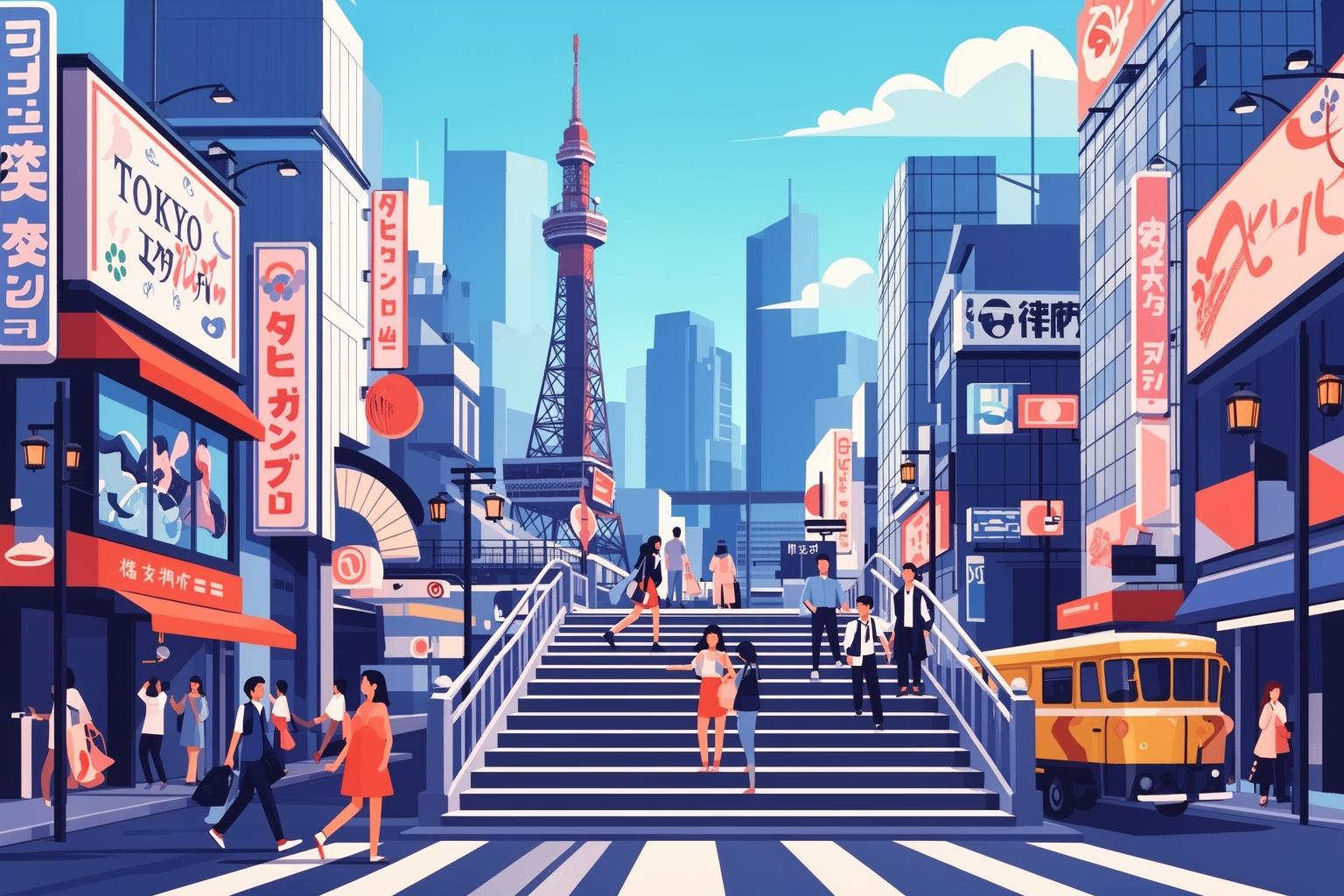
Our pilgrimage begins not at a grand monument, but at a quiet, modest flight of stairs hidden away in a residential corner of Yotsuya. This is it. The place. The moment you turn the corner and spot the familiar red railing bending downward against the backdrop of Shinjuku’s distant skyscrapers, a cinematic shockwave sweeps over you. It’s a strange and wonderful sensation, standing in a spot that feels more like a memory from a dream than a physical location. The Suga Shrine steps serve as the emotional heart of Your Name., the setting for its poignant, hopeful climax. The air here feels different, softer. It’s a neighborhood where life flows at a slower pace. You’ll hear the gentle chime of a bicycle, the distant murmur of the city, but above all, you’ll sense a deep tranquility. Whether you stand at the top looking down, or at the bottom looking up, the entire film floods back. You can almost see Taki and Mitsuha, strangers and soulmates, finally finding each other in the fading light of magic hour. This is a place for quiet reflection. Take your time. Absorb the weight of the story that has brought you here. It’s more than just a photo opportunity; it’s a place to connect with the film’s powerful theme of musubi—the invisible threads that bind us all together.
Getting There: The Journey to Yotsuya
Finding this sacred spot is part of the journey, marking a transition from the city’s hectic energy to a place of quiet reflection, much like the film’s narrative shifts between bustling Tokyo and rural Itomori. The journey itself helps establish the mood for what lies ahead.
Access and Transportation
The easiest starting point is Yotsuya Station, a major hub served by the JR Chuo-Sobu Line and the Tokyo Metro Marunouchi Line. From there, it’s about a ten- to fifteen-minute walk. Take your time—the walk is an essential part of the experience. You’ll wander through narrow streets lined with small apartments, local shops, and the occasional hidden shrine. This is residential Tokyo, genuine and unpretentious. It’s a stark contrast to the neon-lit streets of Shinjuku, and this disparity is exactly what makes the location so special. Following a map on your phone can feel almost clinical here; it’s better to let your intuition lead you, soaking in the neighborhood’s atmosphere. The final approach to the stairs is unobtrusive, making their sudden appearance all the more striking. You’ll know you’re close when the dense urban environment opens into a more peaceful, spacious setting.
Best Time to Visit
Though the steps are accessible at any hour, the time of day can greatly influence your experience. Early morning provides soft, gentle light and a calm stillness, allowing you nearly exclusive access. You can take beautiful, clear photographs and truly absorb the tranquil atmosphere. For the ultimate cinematic connection, however, aim for late afternoon—the “magic hour” or tasokare-doki as it’s known in the film. As the sun sets, the sky softens into shades of orange and purple, and distant city lights begin to sparkle. Light filtering through the trees casts long shadows, and the entire scene feels imbued with the same otherworldly energy as the movie’s climax. Seasonally, spring and autumn are especially stunning. Cherry blossoms add a fleeting layer of beauty, while the crisp air and warm hues of fall inspire a wonderfully nostalgic and melancholic mood. Regardless of when you visit, the feeling of standing there remains timeless.
Expanding the Universe: Taki’s Shinjuku
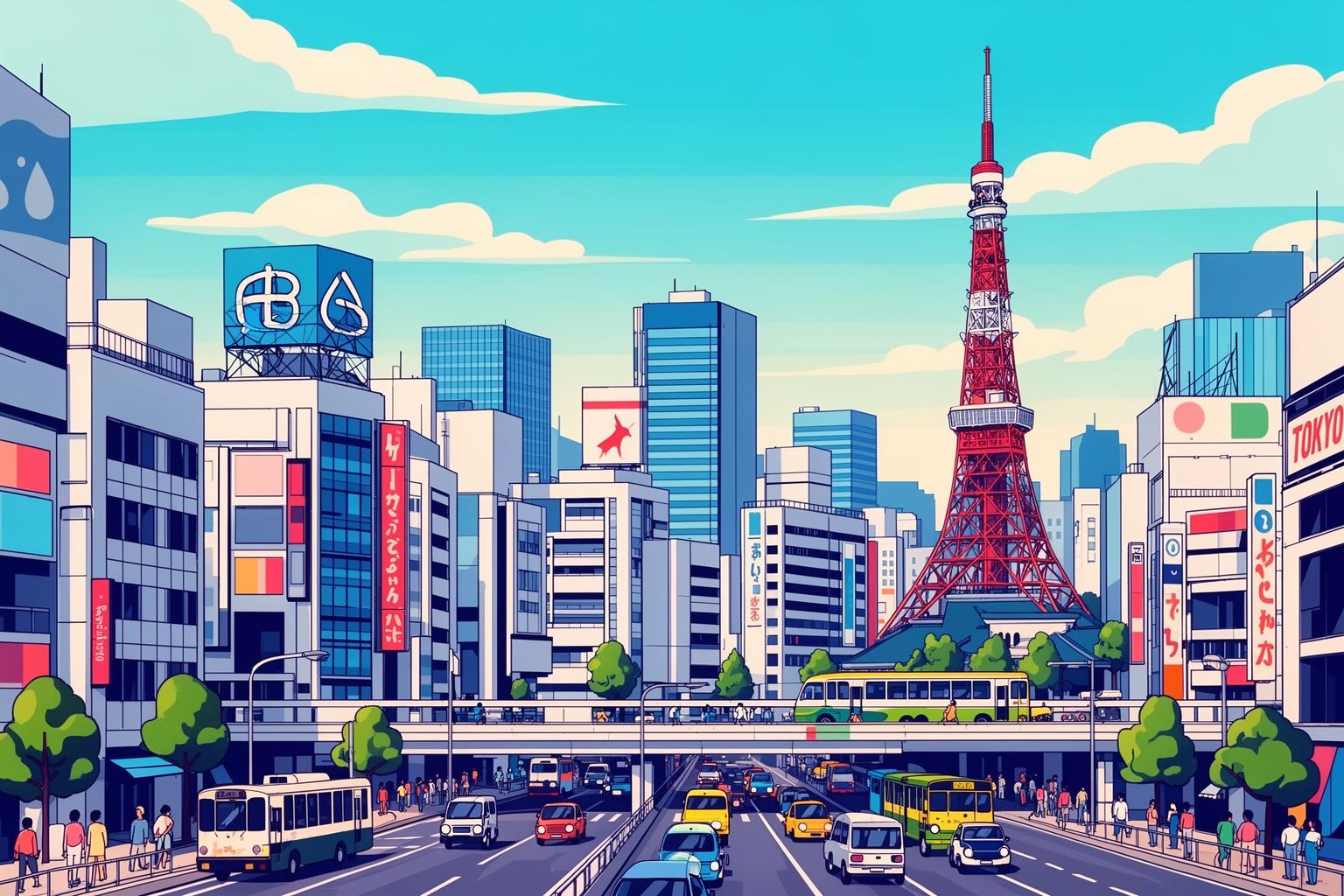
After the quiet reverence of Yotsuya, it’s time to plunge into Taki’s world: the vibrant, overwhelming, and endlessly captivating district of Shinjuku. This is the Tokyo where countless stories unfold simultaneously—a concrete jungle of towering skyscrapers, bustling crossings, and secret alleyways. The stark contrast with the Suga Shrine steps is deliberate, reflecting the film’s dynamic depiction of urban life.
The Shinjuku Scramble and Yunika Vision
Step out of Shinjuku Station, one of the busiest transport hubs worldwide, and you’re immediately swept into a symphony of sights and sounds. The area outside the station, especially near the East Exit, was a crucial visual reference for Taki’s environment. Look up, and you’ll notice the massive Yunika Vision screens looping advertisements and music videos, a prominent detail in the film. Although this scramble crossing isn’t as famous as Shibuya’s, it shares the same chaotic energy—a river of people moving in every direction. Here, you can truly sense the rhythm of Taki’s daily life, the rush of his commute, and the anonymity mingled with excitement of being one individual among millions. It’s the perfect spot to pause and absorb the city’s electric energy.
Taki’s Part-Time Job: Cafe La Bohème
The restaurant where Taki worked part-time, mastering customer service while managing his crush on Okudera-senpai, was inspired by an actual location: Cafe La Bohème Shinjuku Gyoen. Discovering this place feels like uncovering a hidden gem. Nestled close to the scenic Shinjuku Gyoen National Garden, this Italian eatery perfectly embodies the film’s refined, warm atmosphere. With its high ceilings, vintage-style décor, grand chandeliers, and large windows overlooking the park, it’s easy to picture Taki bustling between tables. It’s an ideal spot to take a break during your pilgrimage. Step inside for lunch or a coffee, and you become more than a mere observer—you enter the world of the film. The ambiance is elegant yet casual, making it a wonderful place to relax and reflect on your journey so far.
A View from Above: The Tokyo Metropolitan Government Building
Your Name. features spectacular panoramic shots of Tokyo that highlight the vastness of the city. While many of these views are artistically enhanced, a similar awe-inspiring perspective can be experienced in reality. A short walk from Shinjuku Station stands the Tokyo Metropolitan Government Building, whose twin towers offer free observation decks on the 45th floor with breathtaking city views. On a clear day, you can even glimpse Mount Fuji. From this vantage point, the city appears as a vast tapestry of lights and structures, an endless sea of buildings stretching to the horizon. It’s a striking viewpoint that connects you with the film’s visual language, helping you appreciate the immense world that Taki called home. It offers a moment of clarity and perspective, overlooking the very streets you’ve just explored.
Deeper Connections: Exploring the Film’s Themes on Foot
For the dedicated pilgrim, the journey need not end with the most famous locations. Several other places in Tokyo add depth and emotion to the story, unveiling the quieter, more everyday moments in the characters’ lives.
The Pedestrian Bridge near Shinanomachi
Recall the pedestrian bridge where Taki and Okudera-senpai walk together after their date, the one where she softly points out his fading crush? That bridge is real, situated just outside Shinanomachi Station, one stop from Yotsuya on the JR Sobu Line. It’s a simple, functional piece of urban architecture, but within the film’s context, it symbolizes a moment of transition and emotional honesty. Standing there, watching the trains pass beneath, you can appreciate Shinkai’s talent for finding beauty and meaning in the everyday landscapes of life. It’s a quiet spot that rewards those willing to explore the film’s subtler emotional beats.
The National Art Center, Tokyo
The striking, wave-like glass facade of The National Art Center in Roppongi was the setting for Taki’s significant date. This is where he and Okudera-senpai share lunch in the sunlit atrium cafe. The building itself is a masterpiece of contemporary architecture, designed by Kisho Kurokawa. Visiting the center lets you appreciate the refined aesthetic that shaped Taki’s interests and dreams. You can sit in the very same cafe, the Salon de Thé Rond, which sits atop a massive concrete cone inside the atrium. It’s a beautiful, light-filled space offering a different kind of urban experience—one focused on art, design, and culture. This adds another layer to Taki’s character and provides a wonderful cultural stop on your pilgrimage tour.
A Pilgrim’s Etiquette: Tips for a Respectful Visit

As we follow the journeys of our favorite characters, it’s important to remember that these are not film sets but real locations embedded in the everyday lives of Tokyo residents. The Suga Shrine steps lie in a quiet neighborhood, and Cafe La Bohème operates as a genuine business. To ensure this wonderful culture of anime pilgrimage endures for many years, a bit of mindfulness goes a long way. When visiting residential areas like Yotsuya, keep your voice low and be considerate of locals. Avoid blocking pathways or driveways during lengthy photo sessions. At the shrine itself, honor the sacred space with respect. When you stop by a cafe or restaurant, support them by making a purchase. These small acts of kindness demonstrate respect for the community that warmly welcomes fans from across the globe. Being a thoughtful pilgrim means leaving a place as peaceful and beautiful as you found it.
Weaving Your Own Story
A pilgrimage to the locations featured in Your Name. is more than just a fan’s journey. It is an exploration of the connections between fiction and reality, memory and place, and ultimately, our own lives and the stories that shape us. Walking through Tokyo following the footsteps of Taki and Mitsuha, you begin to experience the city from a new perspective. A simple staircase becomes a symbol of hope. A bustling intersection turns into a canvas of endless possibilities. A view from a skyscraper offers a glimpse into another soul. You arrive chasing a film, but you leave with something far more personal. You leave with the warmth of the sun on your face during magic hour, the taste of coffee in a charming café, and the gentle hum of a city that now carries a piece of your own story. The search for a name becomes a discovery of place and, ultimately, a deeper understanding of yourself.