
There are stories that stay with you, that weave themselves into the very fabric of your imagination. They flicker on a screen, but they feel real, their worlds so beautifully rendered, their emotions so deeply felt, that you wish you could step right into them. Makoto Shinkai’s masterpiece, “Kimi no Na wa,” or “Your Name,” is one of those stories. It’s a tale of cosmic connection, of two souls bound by fate across distance and time, set against a backdrop of breathtakingly realistic cityscapes and idyllic country towns. The film captured the hearts of millions around the globe, not just for its poignant narrative, but for its stunning visual fidelity. The magic of “Your Name” is that you can step into its world. The bustling intersections, quiet residential streets, and serene shrines that Taki and Mitsuha navigate are not just figments of an animator’s imagination; they are real places, waiting to be discovered in the heart of Tokyo and the peaceful mountains of Gifu. This journey is more than a simple sightseeing tour; it’s a pilgrimage, a chance to walk in the footsteps of the characters and feel the pulse of the world that gave their story life. It’s an opportunity to stand on a staircase, look up at the sky, and feel that same sense of longing and wonder that made the film an unforgettable experience. Prepare to blur the lines between animation and reality as we chase the echoes of a comet across Japan.
Dive deeper into the cinematic pilgrimage by exploring the rich detail of Tokyo locations that breathe life into this unforgettable journey.
The Heart of the Story: Suga Shrine’s Red-Handrailed Stairs
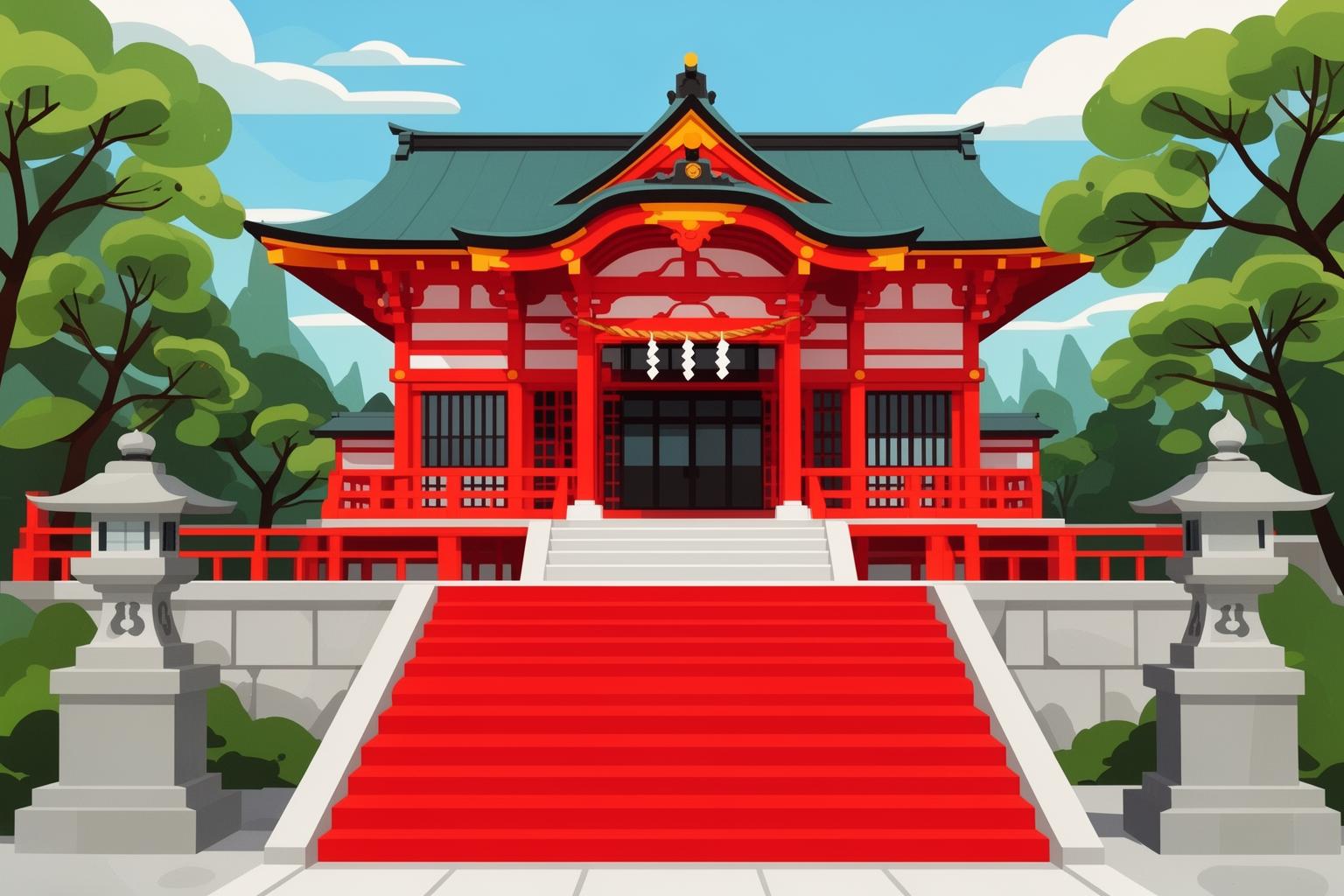
Our pilgrimage begins at the point where the film’s timelines breathtakingly converge. The iconic red-handrailed staircase featured on the movie’s poster and at its emotional climax isn’t a studio creation. It exists quietly, hidden away in a residential corner of Yotsuya, a neighborhood within Shinjuku Ward. Reaching it is a journey in itself, a gradual build-up of anticipation. You’ll most likely arrive via Yotsuya-Sanchome Station or Shinanomachi Station, followed by a brief, contemplative walk. As you leave the bustling main roads behind, Tokyo’s roar softens into a gentle murmur. The streets narrow, lined with modest apartment buildings, carefully tended bonsai trees peeking over walls, and the occasional vending machine glowing softly. This is the authentic, everyday Tokyo that Shinkai so skillfully depicts.
Then, you turn a corner, and there it stands. The view feels instantly and uncannily familiar. The gentle incline, concrete steps, the distinctive green paint on the side walls, and, of course, the vivid red handrail that draws your eye down the alley. It’s a surreal moment. Having seen this image countless times on screen, you are now standing right within the frame. The sensation is a quiet thrill, a deep connection to the story. What the film doesn’t quite convey is the profound sense of peace. It’s just a neighborhood staircase, a path for locals heading home, yet for fans, it becomes a sacred place. You might find other pilgrims here, each quietly seeking the perfect photo, sharing a silent, knowing camaraderie. They, too, have come to feel something, to stand where Taki and Mitsuha finally met.
Finding the Perfect Moment
Capturing the cinematic magic depends on timing. The golden hour—the soft, warm light of late afternoon just before sunset—is when this spot truly comes alive. Light filters through the buildings, casting long shadows and bathing the scene in the same nostalgic glow as seen in the film. Early morning is another excellent choice, offering gentle light and far fewer people, allowing for a more intimate, reflective experience. Take your time. Climb to the top and look down, framing the scene just as it appears on the poster. Then head to the bottom and look up, imagining the anxious search and the emotional release of that final reunion. Remember to be a considerate pilgrim. This is a residential area; keep your voice low, avoid obstructing the way, and absorb the quiet atmosphere without disturbing those who live here. At the top of the stairs, you’ll find the actual Suga Shrine. A small, tranquil local shrine, taking a moment to offer a prayer or simply enjoy its peaceful grounds provides a meaningful way to connect your cinematic journey with authentic Japanese culture.
Weaving the Threads: The Walk from Yotsuya to Shinanomachi
The pilgrimage isn’t just about visiting specific hotspots; it’s about the spaces in between. The path Taki takes through this area of the city acts as a thread weaving the narrative together, and experiencing it firsthand adds a deeper layer of understanding. The neighborhood between Yotsuya, Shinanomachi, and Sendagaya is dotted with subtle references to the film that are easy to overlook if you’re in a hurry. One of the most notable spots is the pedestrian overpass just outside Shinanomachi Station. This is where Taki and his crush, Okudera-senpai, say goodbye after their date. From there, you can take in a sweeping view of the JR Chuo-Sobu line tracks bending into the distance. It’s an iconic Shinkai scene: train lines, power cables, and the city skyline, all portrayed with a sense of wistful beauty. Visiting at dusk, when train lights streak past and the city begins to sparkle, is especially moving. It’s a moment of urban poetry, marking a scene of transition and quiet reflection, just as it was for Taki.
As you stroll through these streets, notice the details: how light bounces off the asphalt after a brief rain, the complex network of overhead wires, the omnipresent vending machines offering warm or cold drinks on quiet corners. These are the elements that contribute to the hyper-realistic texture of Your Name. Shinkai has a remarkable gift for revealing the extraordinary in the ordinary, and by slowing down to observe your surroundings, you start to see the city through his perspective. This part of the journey is less about reaching a destination and more about soaking in an atmosphere. It’s about feeling the rhythm of a Tokyo neighborhood, far removed from the neon-lit canyons of Shibuya or Shinjuku, and appreciating how these everyday settings become the backdrop for a story of grand scale.
A Symphony of Steel and Glass: Shinjuku’s Cinematic Chaos
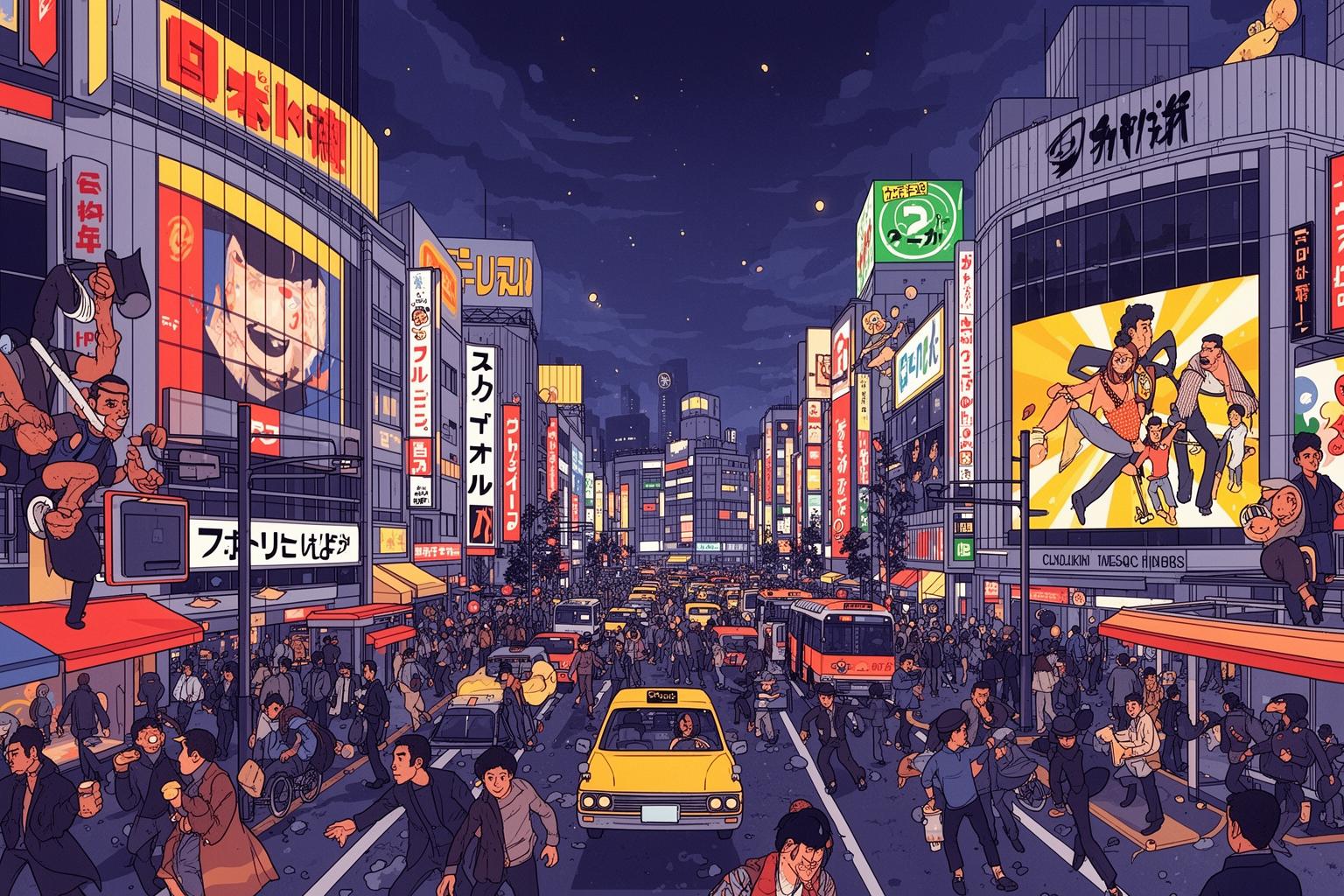
If the stairs at Suga Shrine symbolize the story’s core, then Shinjuku represents its roaring, chaotic, and vibrant pulse. This vast commercial and administrative center acts as a character itself, with its towering scale and nonstop energy providing the backdrop for Taki’s life. One of the most notable landmarks in the film’s skyline is the NTT Docomo Yoyogi Building. Its distinctive design, topped with a clock tower, makes it instantly recognizable, appearing in many shots as a silent guardian watching over the city. Although you can’t enter the building, its presence serves as a constant anchor as you explore the area, a tangible piece of the animated skyline.
At the heart of it all lies Shinjuku Station, the busiest train station in the world. To experience it is to be swept into the river of humanity flowing through Tokyo. The film brilliantly captures the sensation of being carried along by the crowd, a small, anonymous part of a vast, intricate system. Don’t resist; allow the current to lead you. Nearby stands another iconic landmark: the famous “LOVE” sculpture by Robert Indiana. Taki walks right past this vivid red piece, a well-known meeting point and a burst of vibrant pop art amid the corporate towers. It offers a quick, fun photo opportunity that firmly roots you in Taki’s world. For the full sensory experience, visit the Yunika Vision screen, located just outside Shinjuku Station’s east exit. This massive, three-panel LED display beams advertisements and music videos over the bustling intersection below. It appears in the film’s dazzling time-lapse scenes that capture the city’s relentless pulse. Standing in that crowd, bathed in the screen’s electric glow, is perhaps the most direct way to feel the overwhelming, futuristic energy of Taki’s Tokyo.
Navigating the Urban Jungle
Shinjuku can feel overwhelming for a first-time visitor. The secret is not to try to see everything at once. Choose a few key sights and give yourself permission to wander. The best time to soak in Shinjuku’s visual power is after sunset, when neon signs ignite and the city transforms into the glittering metropolis depicted in the film. The stark contrast between the quiet reverence of Suga Shrine and the vibrant chaos of Shinjuku, experienced in a single day, offers the full dynamic range of the world of “Your Name.”
An Elegant Interlude: Art and Coffee in Roppongi
For a change of pace, we follow Taki and Okudera-senpai on their elegant date to The National Art Center, Tokyo, situated in the chic Roppongi district. The building itself is a masterpiece of modern design. Created by the renowned Kisho Kurokawa, its flowing glass facade resembles a massive, frozen wave, producing a stunning play of light and shadow inside. Stepping inside feels like entering the future. Even if you’re not an art enthusiast, the building alone justifies the visit.
For fans of “Your Name,” the main highlight is the Salon de Thé ROND, the cafe where the two characters share a meal. Perched atop a large inverted concrete cone within the atrium, the cafe provides a panoramic view of the center’s breathtaking interior. You can sit at a table, order a slice of cake and coffee, and perfectly recreate the scene. The light streaming through the glass curtain wall, the quiet murmur of other patrons, the sensation of being suspended in a work of art—it’s an elegant and unforgettable experience. It offers a moment of calm and refinement in the pilgrimage itinerary. While you’re there, it would be a missed opportunity not to explore the art as well. The center features world-class rotating exhibitions, giving you a chance to deepen your cultural experience beyond the anime world.
To complete the “date” experience, you can visit the restaurant that inspired Taki’s part-time job, “Il Giardino delle Parole.” The real-life counterpart is Cafe La Bohème, located near the picturesque Shinjuku Gyoen National Garden. Its name is a subtle homage to another of Shinkai’s films, “The Garden of Words.” With its charming Italian villa-inspired decor, high ceilings, and theatrical open kitchen, you’ll feel as if you’ve stepped onto a film set. Enjoying a relaxed pasta dinner here is the perfect way to conclude a day of exploration—a delicious and atmospheric tribute to Taki’s city life.
Whispers from the Countryside: The Soul of Itomori in Hida-Furukawa
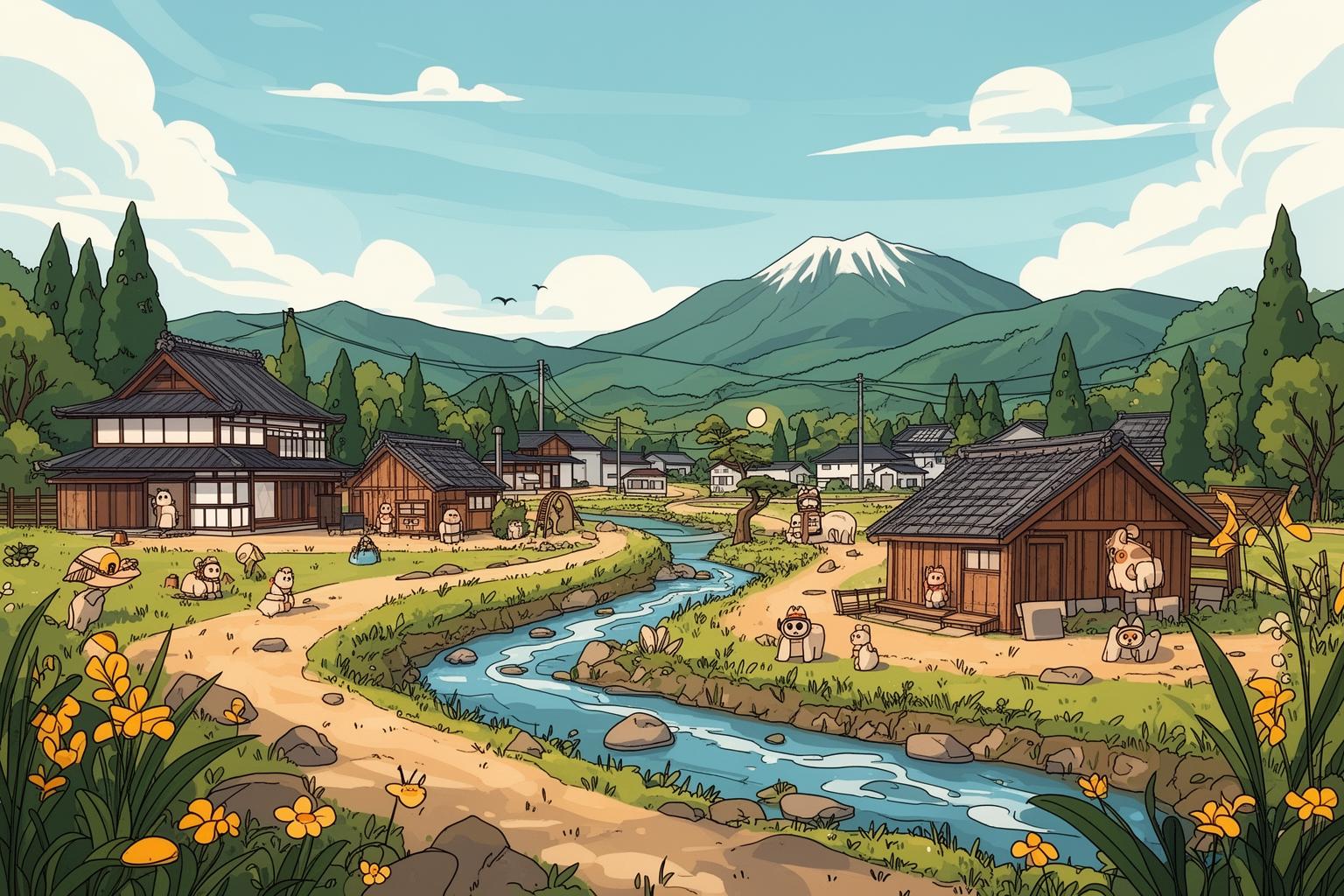
Although Mitsuha’s idyllic hometown of Itomori is fictional, its essence and appearance are inspired by a real place: the charming town of Hida-Furukawa nestled in the mountains of Gifu Prefecture. For the truly devoted pilgrim, traveling here from Tokyo provides a striking contrast and a deeper connection to Mitsuha’s narrative. The moment you step off the train at Hida-Furukawa Station, you will sense the change. The air feels fresher, life moves at a gentler pace, and the landscape is dominated by traditional wooden buildings and surrounding verdant mountains.
Several significant locations from the film are found here. The station itself is one, and fans will instantly recognize the platform and pedestrian overpass where Taki and his friends begin their search for Itomori. The town also hosts the Hida City Library, a beautiful modern structure featuring a warm, inviting interior rich in natural wood. This is the exact library where Taki investigates the history of the comet and Itomori’s tragic fate. The library staff welcome fans, but they have specific rules regarding photography to maintain the tranquility for local patrons. Browsing books in this peaceful space, it’s easy to envision Taki’s desperation and growing realization. While the Miyamizu Shrine is a blend of several sites, the nearby Hida-Sannogu Keta Wakamiya Shrine offers a similar atmosphere of ancient tradition and spiritual significance. Strolling through the town, you’ll also notice the iconic white-walled storehouses and canals filled with colorful koi carp, details that give the region its distinct character. Visiting Hida-Furukawa is like stepping back in time, a chance to breathe the mountain air and grasp the deep sense of tradition and community that shaped Mitsuha’s world.
Crafting Your Perfect Pilgrimage: A Practical Guide
Embarking on your “Your Name” pilgrimage is an exciting journey, and a bit of planning can ensure it runs smoothly and becomes truly memorable. Here are some tips to help you design your ideal trip.
When to Go
Tokyo is a city for all seasons, but for the most scenic pilgrimage, aim for spring (late March to April) or autumn (October to November). During spring, you might catch the cherry blossoms, adding an extra layer of fleeting beauty to your photos. In autumn, the crisp air and vibrant fall colors, especially around the Suga Shrine, create a beautifully nostalgic ambiance. Summer tends to be very hot and humid, while winter is cold but often brings clear, sunny days.
Getting Around
Tokyo’s public transportation system is remarkably efficient. All pilgrimage locations are easily reachable by train and subway. A prepaid IC card such as Suica or Pasmo is indispensable; simply tap it on the gates and reload as needed. For Tokyo sites, the JR Chuo-Sobu Line and the Tokyo Metro Marunouchi Line will be your main transport options. Use an app like Google Maps or Japan Transit Planner to navigate the complex network with ease.
A Sample One-Day Tokyo Itinerary
To make the most of your time and follow a logical route, consider this plan. Start your morning in Shinjuku. Soak in the energy of the station, find the LOVE sculpture, and look up at the Yunika Vision screen before the crowds gather. Next, take a short train ride to Roppongi and spend late morning and lunch at The National Art Center, enjoying both the architecture and the Salon de Thé ROND. In the afternoon, head to Shinanomachi. Cross the iconic pedestrian bridge, then begin your reflective walk toward Yotsuya. This timing allows you to reach the Suga Shrine staircase in the late afternoon, just in time for the magical golden hour light—providing a perfect, emotional ending to your day.
Pilgrimage Etiquette
This is perhaps the most important advice. These are not theme parks; they are real places where people live, work, and worship. When visiting Suga Shrine and the surrounding neighborhood, please maintain quiet and respect. Avoid trespassing on private property and be considerate of residents. At shrines, follow proper etiquette: bow before passing through the torii gate and purify your hands and mouth at the chozuya if you wish. In the Hida City Library, respect their photography rules and remember it is a place for quiet study. By being a polite and considerate visitor, you help ensure these wonderful locations remain welcoming to fans for years to come.
The Enduring Magic of Place

A journey through the world of “Your Name” is more than merely a scavenger hunt for photo spots. It’s an exploration of the power of place and its capacity to hold and evoke stories. Walking the same streets as Taki, standing on the same staircase, and gazing over the same train tracks creates a tangible connection to the film’s emotional heart. You start to understand how Tokyo’s vibrant, chaotic energy shaped Taki’s perspective, just as the quiet, tradition-bound beauty of Hida influenced Mitsuha’s. You realize that Makoto Shinkai’s brilliance lies not only in crafting a beautiful fantasy but also in unveiling the inherent beauty and magic within our own reality. The pilgrimage reminds us that stories don’t solely exist on screens or pages; they live in the sunlight filtering through a glass wall, in the rumble of a passing train, and in the stillness of a residential street at dusk. These places existed long before the film and will endure long after. By visiting them, you become a small part of their story, and the world of “Your Name” becomes, in a profoundly real way, part of yours.