

There’s a certain magic that lingers long after the credits roll on Makoto Shinkai’s masterpiece, Your Name. It’s a feeling woven from threads of destiny, nostalgia for a place we’ve never been, and a profound, aching connection that transcends time and space. The film’s breathtaking visuals aren’t just fantasy; they are a love letter to the tangible, vibrant landscapes of Japan. From the electric pulse of Tokyo’s heart to the serene, whispering mountains of the countryside, the world of Taki and Mitsuha is real, waiting to be discovered. This journey, known in Japan as seichi junrei or ‘sacred site pilgrimage,’ is more than a tour; it’s a chance to step through the screen and walk in the footsteps of two souls tied by the red string of fate. It’s an opportunity to find the cinematic in the everyday, to stand on a street corner and feel the weight of a thousand fictional memories. This guide is your map to that experience, a way to navigate the bustling city and tranquil towns that formed the backdrop for one of modern animation’s most beloved stories. Prepare to blur the line between animation and reality, to chase the ghost of a comet across the Japanese archipelago, and perhaps, to find a connection you never expected. Your story starts here.
As you continue your journey of discovery, consider exploring Yakushima’s ancient wilderness to experience another facet of Japan’s timeless allure.
The Heart of the Story: Tokyo’s Cinematic Landscapes
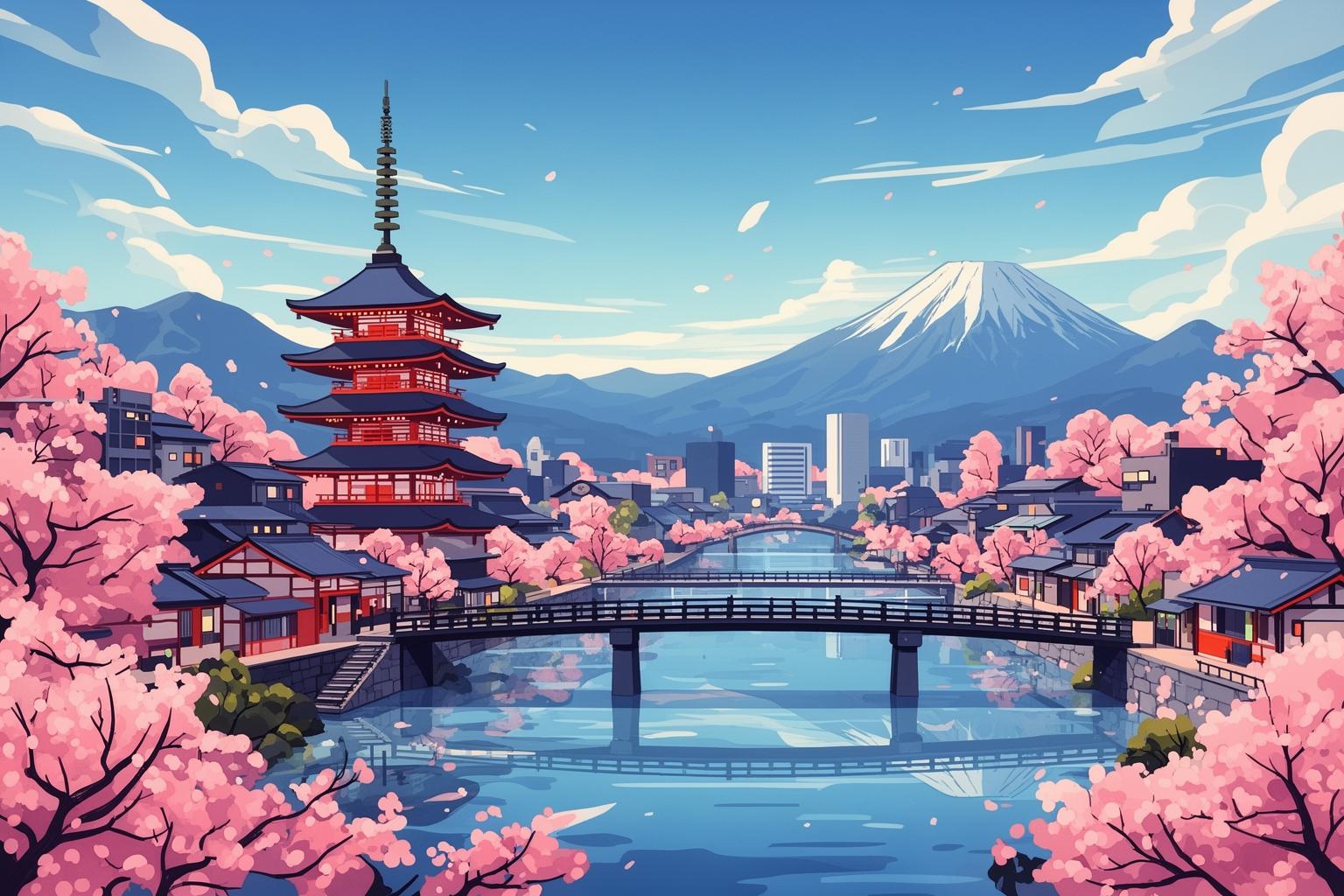
Tokyo, in the world of Your Name, is more than just a backdrop; it stands as a character itself. It’s Taki’s realm—a vast, complex network of steel, glass, and light pulsing with a relentless, captivating rhythm. This city embodies both overwhelming scale and quiet, hidden moments. Following Taki’s journey means experiencing this duality firsthand, witnessing how a metropolis of millions can also be a place of profound personal longing and connection. The key is not just to see the places, but to feel the city’s energy—its constant flux mirroring Taki’s own turbulent emotions and his search for a memory just out of reach.
Shinjuku: The Urban Heartbeat of Taki’s World
Shinjuku is the Tokyo of your imagination, magnified. It’s where Taki lives, works, and maneuvers through his complex, switched life. Energy hums through the air here. By day, it’s a forest of skyscrapers reflecting sunlight; by night, a galaxy of neon signs bathing the streets in vibrant colors. Walking here means being swept up in a current of purposeful people. This is the ideal starting point for your pilgrimage, a place to immerse yourself in the fast-paced, modern reality that once seemed a distant dream to Mitsuha.
Shinjuku Station & The Cocoon Tower
Your first encounter with Taki’s world will likely be Shinjuku Station. It’s not merely a station but a small city—a labyrinth of platforms, tunnels, and exits handling over three million daily passengers. The film captures this beautiful chaos perfectly. You’ll recognize sweeping shots of train lines intersecting and the endless flow of commuters. Don’t be daunted by its enormity. Instead, find a vantage point on an overpass and simply watch—it’s mesmerizing. A tip for first-timers: choose your exit before leaving the train. The South, East, and West exits each offer a distinct atmosphere. For a sense of scale, gaze upward from the West Exit to spot the iconic Mode Gakuen Cocoon Tower. Its distinctive, web-like design is a landmark anchoring you firmly in Taki’s neighborhood. It symbolizes modern Tokyo’s architectural ambition and serves as a perfect visual anchor for your journey.
The National Art Center, Tokyo
From Shinjuku’s bustle, move to a space of sleek, curated elegance. Just a short subway ride away in Roppongi, The National Art Center, Tokyo provides the stunning backdrop for Taki’s date with his coworker, Okudera-senpai. The building itself is the star attraction. Designed by renowned architect Kisho Kurokawa, its flowing glass facade resembles a frozen wave, flooding the interior with soft, natural light. Upon entering the grand atrium, you’ll feel an instant sense of familiarity. Seek out the Salon de Thé Rond, the stylish cafe perched atop a massive concrete cone where Taki and Okudera share tea. The atmosphere is calm and refined—a sharp contrast to Taki’s part-time job hustle. This is a moment to pause. No need to be an art expert to appreciate the space: just sit, order a coffee, and watch the light shift through the glass, just like in the film. Access is straightforward—directly connected to Nogizaka Station on the Chiyoda Line. It’s an ideal afternoon stop, offering a dose of culture and a direct window into one of the movie’s most memorable scenes.
Yotsuya & Shinanomachi: Reverberations of a Fateful Meeting
Leaving behind the commercial hubs, the pilgrimage takes you to quieter, more residential areas of Tokyo. These neighborhoods hold the film’s most emotionally intense moments. The atmosphere softens here, the city’s roar fades to a gentle hum, streets narrow, and you begin to sense the intimate scale of Taki’s everyday life. It is in these ordinary settings that the film’s extraordinary story feels most vivid.
The Iconic Red Staircase: Suga Shrine
This is the ultimate destination—the site every fan yearns to visit. The red-railed staircase leading up to Suga Shrine in Yotsuya sets the stage for the film’s breathtaking, cathartic final scene. The journey itself is part of the experience. From Yotsuya Station, stroll through peaceful residential streets, past small shops and apartments. Anticipation grows with every step, until you round a corner and there it is. The view matches the anime so precisely it almost feels unreal: the hill’s slope, the buildings framing the path, the signature red railing—all perfectly intact. Standing at either the top or bottom, you can almost hear their voices and feel years of searching culminate in that one moment. For the best experience, visit on a weekday or during the late afternoon ‘golden hour’ when the light is soft and ideal for photos. Remember, this is a quiet neighborhood. Be a considerate pilgrim: keep your voice low, respect the residents, and absorb the powerful, unspoken emotions in the air. This isn’t just a photo opportunity—it’s the emotional climax of your entire journey.
The Pedestrian Bridge at Shinanomachi Station
Just one station away from Yotsuya lies another simple yet poignant spot: the pedestrian bridge outside Shinanomachi Station. This is where Taki and Okudera-senpai part ways after their date, and where Taki makes a crucial phone call in his desperate bid to reach Mitsuha. The bridge itself is ordinary city infrastructure, but from this vantage point, you get a classic Makoto Shinkai view: layers of train tracks, overhead power lines weaving intricate patterns against the sky, and the steady, rhythmic passage of trains below. It evokes urban melancholy and fleeting moments. Finding it is effortless—as you leave Shinanomachi Station, it’s one of the first things you’ll see. Stand there, watch the trains pass, and feel the mix of hope and uncertainty that defines Taki’s journey at this stage. It’s a reminder of how the film elevates everyday scenes into moments of profound meaning.
A Journey to Itomori: The Soul of Hida, Gifu
While Tokyo represents Taki’s reality, the true soul of the film lies in Itomori, Mitsuha’s fictional hometown. To discover it, you must leave the city behind and venture deep into the mountains of Gifu Prefecture. Although Itomori itself may not appear on any map, its spirit is a blend of the very real and stunningly beautiful Hida region. The journey is a striking transition, swapping the vertical lines of skyscrapers for the rolling contours of mountains and the digital buzz of the city for the natural sounds of wind and water. This is where you connect with Mitsuha’s world—a place rich in tradition, nature, and a quiet, profound spirituality.
Hida-Furukawa: The Town of Tradition and Tranquility
This charming, well-preserved town serves as the principal model for Itomori’s landscapes. Arriving in Hida-Furukawa feels like stepping back in time, as the pace of life slows immediately. The town is renowned for its traditional white-walled storehouses, dark wooden latticework, and the picturesque Seto-gawa Canal teeming with thousands of colorful koi fish. The air is crisp, the mountains rise in the distance, and a strong sense of community and history is palpable. It is the perfect place to wander without a plan, allowing the atmosphere of Mitsuha’s world to envelop you.
Hida-Furukawa Station
Your first stop in the Hida region is appropriately the train station. Hida-Furukawa Station is rendered with meticulous accuracy in the film. It is here that Taki and his friends arrive on their quest to find Mitsuha. You can stand on the very platform, gaze across at the pedestrian overpass, and see the exact view from the movie. The station has embraced its newfound fame; you might even spot a small figure of the local mascot, Hida-gyu, just like in the film. This powerful moment of arrival marks the true beginning of the second half of your pilgrimage. The feeling of being an outsider on a desperate search, just like Taki, is vividly tangible here.
Keta Wakamiya Shrine
While the Miyamizu Shrine in the film is a fictional creation, its inspiration comes from several local shrines, most notably the Keta Wakamiya Shrine. A short walk from central Hida-Furukawa, this shrine requires climbing a long moss-covered stone staircase, shaded by towering cedar trees. As you ascend, the sounds of the town fade away, replaced by bird song and the rustle of leaves. The atmosphere is peaceful and ancient. You can sense the history and spirituality that Mitsuha was so deeply connected to. Although it lacks the grand view over the lake, the shrine’s feeling—its harmony with nature and quiet dignity—perfectly echoes Mitsuha’s family shrine. It is a place for quiet reflection on the traditions and rituals, such as making kuchikamizake, that shaped her life.
Hida City Library
One of the most direct and delightful real-life locations is the Hida City Library. This beautiful, modern library is where Taki and his friends study records and finally uncover the devastating truth about Itomori and the comet. The library staff warmly welcome fans, having set up a dedicated photo spot, and you can even request permission at the front desk to photograph the main reading area, which appears exactly as in the film, complete with the unique wooden latticework on the ceiling and the distinctive chair design. It’s a wonderful fusion of fiction and reality. Just remember that it is a functioning library—be quiet, respect the local patrons, and take a moment to appreciate the warm, studious atmosphere that led to the story’s pivotal discovery.
Lake Suwa: The Crater of a Fallen Star?
To witness the inspiration for Itomori’s most dramatic feature—the crater lake formed by the comet—you’ll need to take a detour to Nagano Prefecture. Lake Suwa is widely believed to be the visual model for the lake cradling Mitsuha’s town. While the Hida region shaped the town’s character, Lake Suwa provided its breathtaking geography. The best viewpoint is from the Tateishi Park observation deck. Reaching it requires a bit more effort, typically a taxi or local bus from Kami-Suwa Station, but the reward is immense. The panoramic vista from the park is remarkably close. The shape of the lake, the way the town curves along its shores, and the surrounding mountains form a near-perfect match for Itomori’s sweeping aerial shots. Standing there as the sun sets during the magical twilight hour known in the film as kataware-doki is a nearly spiritual experience. In that moment, as the sky turns shades of orange and purple and city lights begin to sparkle below, the world of Your Name feels undeniably and breathtakingly real.
A Pilgrim’s Practical Guide: Planning Your Journey
Embarking on this pilgrimage requires some planning, though managing the logistics is part of the adventure. The journey unfolds in two parts—the city and the countryside—and traveling between them is a central aspect of the experience. Planning the details ahead of time will help you relax and fully immerse yourself in the story once you arrive.
Navigating the Two Worlds: Itinerary Tips
It’s best to organize your trip geographically. Begin in Tokyo, where access is convenient and you can acclimate. Allocate at least two full days to explore Tokyo’s sites, allowing ample time to visit Shinjuku, Yotsuya, and Roppongi without feeling rushed. While it’s possible to see all the locations in one day, spreading them out lets you soak in the atmosphere of each neighborhood. From Tokyo, the trip to the Hida region is a classic Japanese train journey. Take the Tokaido Shinkansen (bullet train) to Nagoya, a ride of about 1.5 to 2 hours. At Nagoya, transfer to the JR Hida Wide View limited express train, a ride to be savored as it meanders through spectacular river valleys and deep mountain terrain, with breathtaking views from its expansive panoramic windows. The journey from Nagoya to Hida-Furukawa lasts roughly 2.5 hours. Plan to stay at least one night, preferably two, in the Hida region. This allows a full day to explore Hida-Furukawa and nearby Takayama, a larger and equally charming historic town. A side trip to Lake Suwa can be made from Tokyo or as a stopover between Tokyo and Nagoya, but train schedules should be checked carefully.
What to Pack, What to Wear: A Stylish Explorer’s Checklist
As a travel writer passionate about fashion, I believe you can be both comfortable and chic on a trip like this. Expect to walk a lot in Tokyo. Invest in a pair of stylish, high-quality sneakers or comfortable flats suited for long distances. Japanese style often involves layering, which is practical advice as well. A light trench coat or fashionable jacket over a simple top combined with comfortable trousers or a midi skirt creates a perfect urban outfit. Bring a versatile scarf—it adds a pop of color and provides warmth in chilly, air-conditioned subway cars or museums. In the Hida region, the atmosphere is more relaxed and nature-oriented. Think practical yet polished. Good walking shoes remain essential, especially for climbing shrine stairs. Consider water-resistant outerwear since mountain weather can be unpredictable. For gear, a high-quality camera is vital for capturing Shinkai-like light and shadow images. A portable battery charger will be indispensable as you’ll rely on your phone for navigation, translation, and photos throughout the day. Lastly, pack a small, elegant notebook to record your thoughts and impressions—a tangible keepsake of your journey between worlds.
Travel Etiquette and Safety: A Woman’s Perspective
Japan is among the safest countries globally, making it an excellent destination for solo female travelers. Still, it’s wise to stay prepared. In crowded places like Shinjuku Station, keep your bag zipped and close. During peak hours, many train lines offer women-only cars, which can be a more comfortable choice. When visiting shrines, observe etiquette: you may find a purification fountain at the entrance—use the ladle provided to rinse your hands and mouth (avoid drinking directly). A small bow at the main hall is customary. The pilgrimage will also lead through quiet residential neighborhoods. The key rule here: be a respectful guest. Avoid loud conversations, don’t trespass on private property for better photo angles, and remember you’re in someone’s neighborhood. The charm of these places lies in their authenticity, and preserving that is a shared responsibility. Download a reliable transit app and offline maps. While major stations have English signage, navigating smaller neighborhoods can be challenging, making a dependable phone map invaluable.
Beyond the Frame: Embracing the Shinkai Aesthetic
Ultimately, a pilgrimage to the sites of Your Name is about more than simply ticking off locations on a map. It invites you to see the world through Makoto Shinkai’s eyes. His work is characterized by a fascination with the beauty found in the ordinary: the complex network of overhead train lines, sunlight filtering through leaves, neon lights reflecting on rain-soaked streets, and the exquisitely detailed clouds at twilight. As you journey, challenge yourself to notice these moments. Don’t just photograph the Suga Shrine stairs; capture how the afternoon light casts long shadows across them. Don’t merely visit the station; watch the trains’ movement and the fleeting faces in the windows. This journey teaches you to pay attention and discover the sublime in everyday life. It’s about realizing that the film’s magic lies not only in its fantasy elements but in its deep reverence for the real, tangible world we all inhabit. It’s about recognizing that our own lives contain moments of cinematic beauty, if only we choose to see them.
This pilgrimage is a journey of connection—to a story, to a place, and to the shared experience of being touched by art. It offers a chance to feel the pain of separation and the joy of reunion, themes that speak universally. As you stand on that final staircase in Tokyo or gaze across the vast expanse of Lake Suwa, you become part of the story’s central theme of musubi—the invisible threads that twist, tangle, and bind us all. You’re no longer just a spectator but part of the world you once admired on screen. And that, in itself, is a kind of magic.








