
Ever feel a story so deeply it pulls you through the screen? A world so beautifully rendered you ache to walk its streets, to breathe its air? That’s the magic of Makoto Shinkai’s masterpiece, ‘Your Name.’ (‘Kimi no Na wa’). It’s a feeling that resonates, a visual poetry that captures the heart with its stunning portrayal of interwoven destinies, time, and the quiet beauty of rural Japan. But what if I told you that world, the fictional town of Itomori, isn’t just a fantasy born from imagination? Its soul rests in a very real, very breathtaking corner of the Japanese Alps: the Hida region in Gifu Prefecture. Here, in the historic city of Takayama and its quiet, enchanting neighbor, Hida-Furukawa, the lines between animation and reality blur into a waking dream. This is more than a simple sightseeing trip; it’s a pilgrimage, a ‘seichi junrei,’ for fans who want to connect with the heart of the story. This journey isn’t just about seeing locations from a movie; it’s about feeling the narrative in the crisp mountain air, hearing its echoes in the flowing canals, and discovering a living, breathing culture as timeless and profound as the film itself. Prepare to trace the red string of fate through ancient streets and verdant landscapes, where every corner holds a whisper of a story you already love.
Embrace the journey further by exploring the real-life locations that transform Takayama into a living dreamscape.
The Soul of Itomori: Discovering Hida’s Old Town Charm
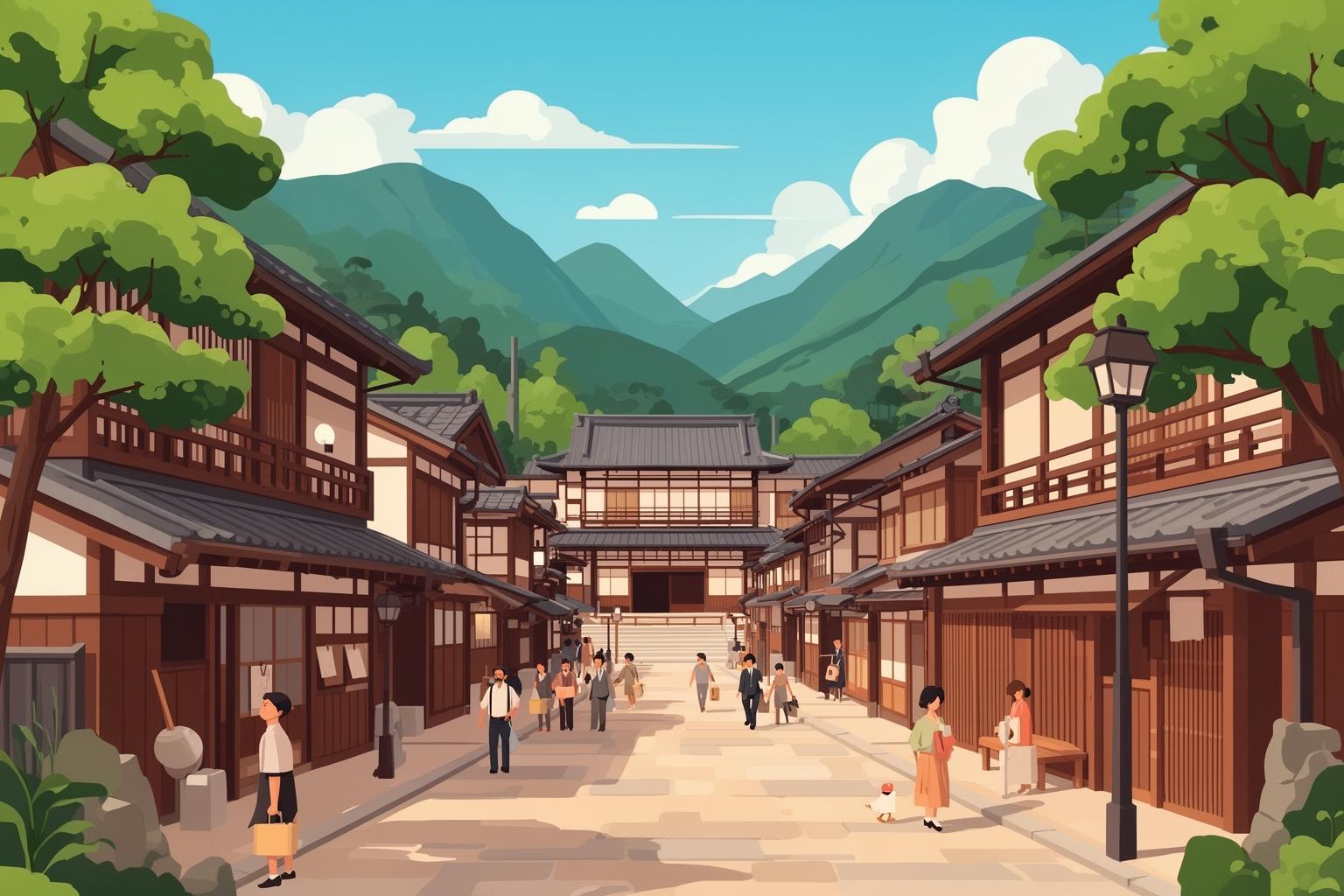
Your initial steps into Takayama’s Sanmachi Suji district evoke a gentle shift in time. This historic core of the city is a flawlessly preserved ensemble of merchant houses from the Edo Period, their dark, latticed woodwork and white plaster walls lining streets that have thrummed with life for centuries. The very air feels distinct here, heavy with the sweet, woody fragrance of cypress and the subtle, malty scent of fermenting rice from the local sake breweries. As you stroll, the soundscape is composed of soft rhythms: the gentle clip-clop of geta sandals on stone, the murmur of the nearby Miyagawa River, and the lively calls of shopkeepers offering samples of local delicacies. This ambiance serves as the living canvas on which the feeling of Itomori was inspired. Although not an exact replica, the essence is unmistakable. The traditional architecture, the respect for nature, and the deep sense of community rooted in history all echo the fictional town Mitsuha called home. You can almost envision her and her friends walking these very streets, their everyday surroundings filled with quiet dignity. The narrow canals beside the roads, alive with vibrant koi fish, enhance the picturesque scene. Once practical waterways, today they stand as beautiful reminders of the harmony between nature and human life that defines this region. Spending an afternoon here, simply wandering without a map, is the best way to soak in its spirit. Let your curiosity lead you into small artisan shops selling intricate wood carvings or colorful sarubobo dolls, and let the timeless atmosphere fully envelop you.
A Closer Look at Sanmachi Suji
The preservation of this district is no coincidence; it reflects the pride of the local community. The area consists of three main streets: Ichino-machi, Nino-machi, and Sanno-machi. Historically, this was the commercial heart of the town, bustling with merchants, craftsmen, and sake brewers. Many buildings you see today have been passed down through generations, still operating their traditional businesses. Some have been transformed into museums, such as the Takayama Jinya, a former government office that provides a captivating glimpse into Edo Period administration and life. Others remain active sake breweries, identified by large cedar balls, or ‘sugidama,’ hanging above their entrances. When a new batch of sake is produced, a fresh green sugidama is displayed; as it gradually browns over the months, it signals the aging and maturation of the sake within. Visiting one of these breweries for a tasting is a multi-sensory experience, connecting you to a craft central to the region’s identity and, naturally, a key part of ‘Your Name.’s’ ritual traditions.
Tracing the Red Thread: Key ‘Your Name.’ Locations
While Takayama provides an atmospheric soul, the nearby town of Hida-Furukawa, just a short and scenic train ride away, showcases some of the most recognizable and heart-stirring locations for any fan of the film. Here, the animated world and reality merge with breathtaking precision. Visiting these sites is a true pilgrimage; it’s about standing where the characters stood, seeing what they saw, and tangibly feeling the emotional weight of their journey.
Hida-Furukawa Station: Where Taki’s Journey Began
Few locations in the ‘Your Name.’ pilgrimage are as iconic as Hida-Furukawa Station. From the moment you step off the train, you sense it: this is the place. The pedestrian overpass, the design of the platform signs, the precise angle of the tracks curving into the distance—everything is faithfully recreated in the anime. This is where Taki and his friends arrived on their quest to find Mitsuha, armed only with his fading memories and sketches. Climbing the stairs to the overpass lets you stand in the exact spot to watch the Wide View Hida train pull in or out—a surreal and deeply moving moment. Be sure to spot the small, charming statue of the Hida beef mascot, Hidakuro, on the platform; a lovingly included detail from the film. The station staff are well aware of the landmark’s significance and warmly welcome fans. Often, there is a small display or guestbook for visitors to express their admiration for the movie. This isn’t just a backdrop; it’s the gateway to the story—the starting point of a journey driven by a connection that transcends time and space.
The Hida City Library: A Search for Answers
A short, pleasant walk from the station brings you to another key location: the Hida City Library. Here, Taki painstakingly sifted through town records, trying to uncover the history of Itomori and the truth about the comet. The library is an impressive piece of modern architecture, featuring warm local wood that fills the space with a soothing, natural scent. The interior matches the film’s depiction perfectly, from the distinctive design of the chairs and tables to the way light filters through the large windows. It is a place of quiet reflection, and visitors are asked to respect its primary function. However, the librarians are exceptionally kind to pilgrims; with permission from the front desk, you can typically take photographs, as they understand this place’s importance to visitors worldwide. Sitting in that library, you can feel the desperation and hope that fueled Taki’s search. It’s a powerful moment of connection, a testament to the strength of knowledge and the resolve to uncover the truth, no matter how painful.
Keta Wakamiya Shrine & Hie Shrine: Echoes of Miyamizu
Miyamizu Shrine, the heart of Mitsuha’s family traditions and her duties as a shrine maiden, is not a single spot but a beautiful blend of several real-world shrines. The two main inspirations are believed to be the Keta Wakamiya Shrine in Hida-Furukawa and the Hie Shrine in Takayama. The Hie Shrine is renowned for its long, dramatic stone staircase leading through a forest of towering cedar trees. As you ascend, surrounded by deep green foliage and ancient stone lanterns, the scenes from Taki’s journey into the past come vividly to mind. The atmosphere is serene and deeply spiritual—a place that feels both ancient and sacred. Meanwhile, the smaller Keta Wakamiya Shrine in Hida-Furukawa, lacking the grand staircase, is thought to have inspired the layout and ambiance of the shrine’s main grounds. It is a peaceful, community-focused shrine that conveys the local spiritual essence. Visiting both shrines lets you piece together the world of Miyamizu, revealing how Shinkai blended real locations to create a place that feels authentic yet magically unique. It also offers a wonderful chance to experience Shinto customs, such as purifying your hands at the ‘temizuya’ water pavilion and offering a prayer at the main hall.
Beyond the Silver Screen: The Living Culture of Takayama
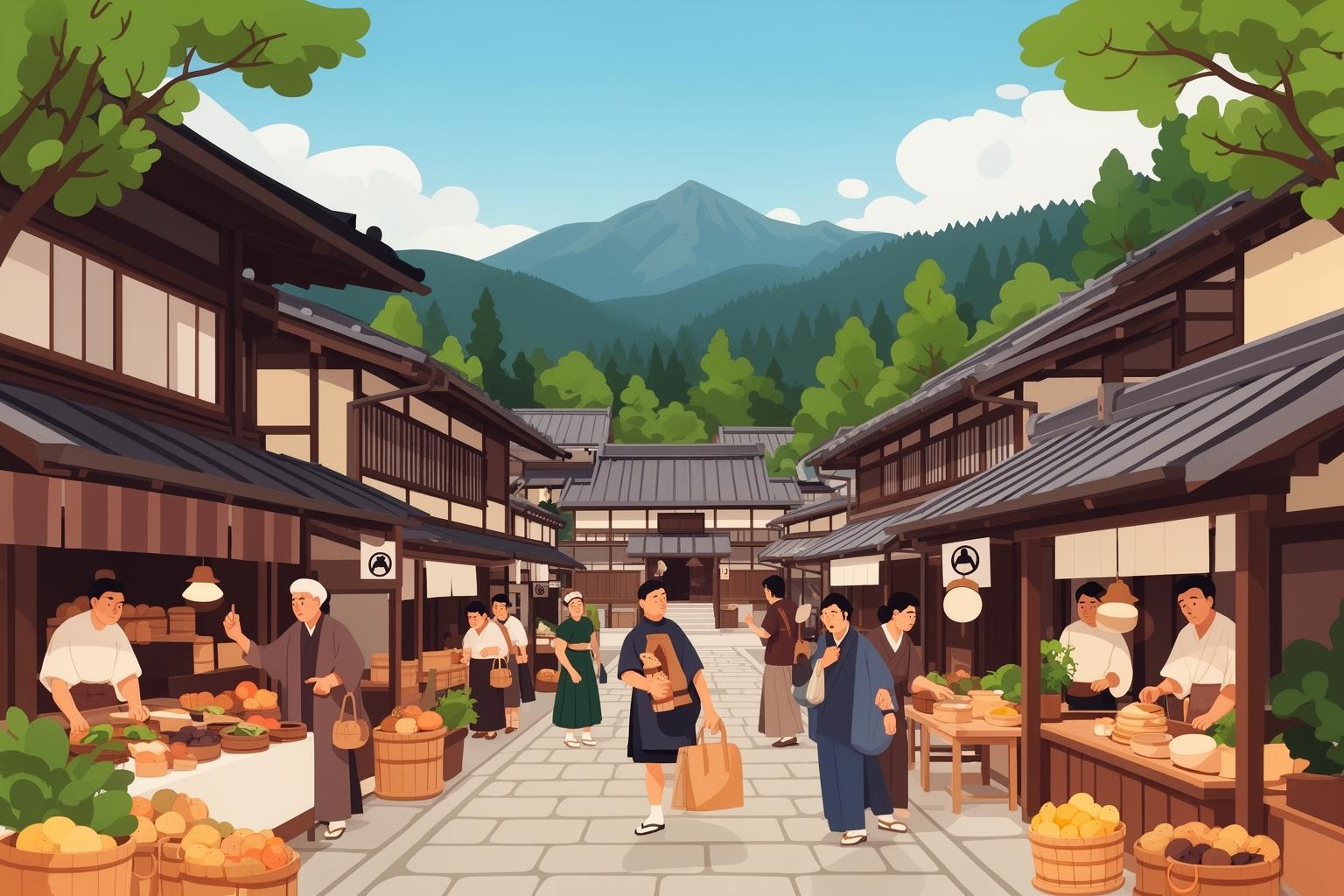
While the connection to ‘Your Name.’ is a compelling attraction, the Hida region showcases a rich cultural heritage that stands proudly on its own. To truly experience the area, one must explore the traditions that have shaped it over centuries. This transformation takes you from a film pilgrim to a genuine traveler, uncovering the spirit of a place that has enchanted people long before it appeared on the silver screen.
The Spectacle of the Takayama Festival
As an event planner, I can confidently say that the Takayama Festival is among the most spectacular cultural celebrations in all of Japan. Held twice yearly—in spring (Sanno Matsuri, April 14-15) and autumn (Hachiman Matsuri, October 9-10)—this festival is a stunning parade of tradition and artistry. The highlight is the ‘yatai,’ or festival floats. These are not ordinary floats; they are elaborate, multi-tiered masterpieces of woodworking, lacquerwork, and intricate carving, some dating back to the 17th century. During daytime, they are displayed throughout the old town, allowing visitors to admire their remarkable detail up close. Some floats feature ‘karakuri ningyo,’ intricate mechanical puppets that enact traditional stories and dances, a mesmerizing form of craftsmanship. However, the true enchantment occurs at night. As dusk falls, hundreds of paper lanterns are lit on each float, casting a warm, otherworldly glow over the streets. The floats are then paraded through the town in a grand procession, creating a scene of such beauty and historical majesty that it feels like stepping back in time. If your visit aligns with the festival, prepare for an unforgettable experience. Be sure to book accommodations well in advance, as the city quickly reaches full capacity.
A Taste of Hida: Culinary Delights
Exploring Hida is also a journey for your taste buds. The region is celebrated for its exceptional local cuisine, influenced by pristine mountain water and distinct seasonal changes. The star is undoubtedly Hida beef. This premium ‘wagyu’ is famous for its intense marbling, giving it a buttery texture that simply melts in your mouth. It can be savored in many ways: as a luxurious steak, in a ‘shabu-shabu’ hot pot, or for a casual treat, as Hida beef sushi on a rice cracker or flame-grilled skewers sold by street vendors. Yet, the culinary adventure extends beyond this. Don’t miss ‘mitarashi dango,’ grilled rice dumplings brushed with a savory soy glaze—a humble, rustic, and addictive snack. Another regional specialty featured in the film is ‘gohei mochi,’ a flattened rice cake coated with a sweet and savory miso-walnut paste and grilled over an open flame. It’s hearty, flavorful, and ideal fuel for a day of exploration. No visit is complete without wandering the morning markets. Both the Miyagawa Market by the river and the Jinya-mae Market offer a lively glimpse into local life, where farmers sell fresh mountain vegetables, pickles, and handcrafted goods. These markets are perfect spots to grab a snack and immerse yourself in the town’s daily rhythms.
The World of Sake
Takayama’s pure water and cold winters create perfect conditions for brewing premium sake. The Sanmachi Suji district hosts several historic breweries, many of which provide tours and tastings. Visiting them offers a wonderful opportunity to learn about the detailed brewing process and sample various flavor profiles, from dry and crisp to rich and sweet. This experience ties directly to the ‘kuchikamizake’ ritual depicted in ‘Your Name.,’ deepening appreciation for sake not only as a drink but as a sacred offering within Shinto tradition.
Practical Magic: Planning Your Pilgrimage
Exploring your way to and within the Hida region is part of the adventure. The journey itself, through the breathtaking landscapes of the Japanese Alps, sets the tone for the magic that lies ahead. With some planning, your trip can be as seamless and enchanting as the film itself.
Getting to Hida-Takayama
Takayama can be reached from several major cities, but the most scenic option is by train. The JR Hida Wide View limited express train offers a stunning ride, especially from Nagoya or Toyama. The train meanders through dramatic river gorges and dense forests, featuring large panoramic windows that allow you to fully enjoy the scenery. It’s a journey that feels like a prelude to the movie, showcasing the natural beauty that defines this region of Japan. Alternatively, highway buses connect Takayama with cities such as Tokyo, Kyoto, and Kanazawa, providing a more budget-friendly choice. Once in Takayama, Hida-Furukawa is just a 15-minute trip away on the local JR Takayama Main Line, a short and easy journey worth taking at least once to visit the famous station.
The Best Time to Weave Your Story
Hida-Takayama sparkles in every season, each offering a distinct atmosphere.
- Spring (April-May): Arguably the most popular season, thanks to the magnificent Takayama Spring Festival and the cherry blossoms that bathe the historic streets and riverbanks in a soft pink glow.
- Summer (June-August): The area bursts into vibrant green shades. The lush mountains and pleasant weather make it ideal for hiking and outdoor exploration. The town is lively, though it can be humid.
- Autumn (October-November): The mountains blaze with fiery red, orange, and yellow leaves. This is when the Takayama Autumn Festival takes place, and the crisp, clear air is perfect for strolls. The harvest season also brings a wealth of delicious local produce to the markets.
- Winter (December-February): A pure white blanket of snow transforms the landscape into a quiet, magical wonderland. The dark wood of the old town contrasts sharply with the snow, creating stunning photo opportunities. Despite the cold, it’s a deeply atmospheric time to visit, evoking some of the more contemplative and dramatic scenes from the film.
Navigating the Towns
Both Takayama and Hida-Furukawa are delightfully compact and best explored on foot. This allows you to uncover hidden alleys, small temples, and quaint shops at your own pace. For covering more ground, renting a bicycle is a popular and excellent option, especially for venturing into the outskirts and rice fields surrounding Hida-Furukawa. The main ‘Your Name.’ sites in Hida-Furukawa are all within easy walking distance, making for a perfect half-day or full-day outing from your base in Takayama. For first-time visitors, a great approach is to stay in Takayama, using it as a hub to explore the Sanmachi district, morning markets, and shrines, and then take the short train ride to Hida-Furukawa specifically for the anime pilgrimage spots.
Whispers of the Landscape: A Deeper Connection
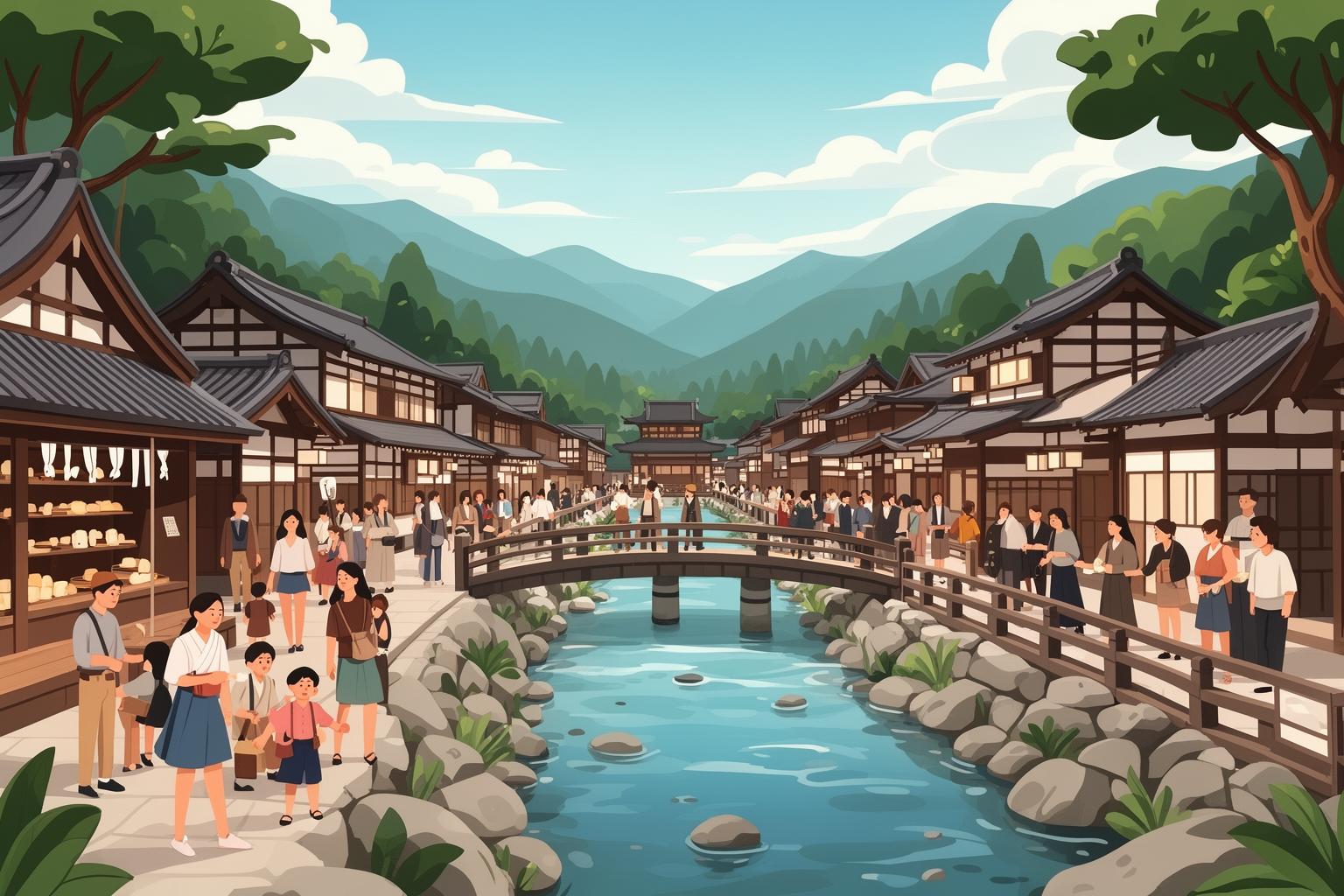
Beyond the specific sites and cultural events, the Hida region possesses an intangible quality that truly makes it feel like Itomori. It’s evident in how the mountains envelop the towns, standing as a constant, protective presence on the horizon. It’s in the clarity of the water and the freshness of the air. This profound connection to nature is a central theme in Your Name., and it’s something you sense deeply when you are here. Take some time to simply be in this environment. Stroll along the river, find a quiet nook in a temple garden, or hop on a bus to the Hida Folk Village (‘Hida no Sato’), an open-air museum featuring traditional gassho-zukuri farmhouses that provide another glimpse into the region’s history. Also, be sure to look out for the ‘Sarubobo’ dolls, a cherished local folk craft. These red, human-shaped amulets, traditionally made by mothers for their daughters, symbolize good luck, a happy home, and protection from evil. They represent a tangible piece of local culture and serve as a perfect souvenir of your trip—a small charm infused with the spirit and warmth of the Hida people.
Leaving a Piece of Your Heart in Hida
A pilgrimage to Hida-Takayama is a journey that unfolds on multiple levels. You arrive as a fan, eager to visit the real-world locations of a beloved story. You stroll the streets, stand on the station platform, and feel the thrill of recognition—the joy of linking your own world with a fictional one that has touched you. But as you stay, something deeper emerges. You begin to see beyond the anime scenes. You savor the local cuisine, sense the weight of history in the ancient wooden beams, observe the steadfast dedication to tradition, and experience the profound calm of the surrounding nature. You depart not just as a fan but as someone who has genuinely connected with a unique and beautiful part of Japan. You understand that Makoto Shinkai chose this place not only for its scenic beauty but for its soul. It is a place where time feels fluid, where the past remains ever-present, and where the strands of nature, culture, and story are woven into a single, stunning tapestry. You may have come in search of Itomori, but you will leave having discovered something wonderfully and memorably real.