
There’s a certain magic that lingers in the air of Tokyo, a feeling that a story could unfold around any corner, on any crowded crosswalk, or beneath the ambient glow of a thousand neon signs. For fans of Makoto Shinkai’s breathtaking masterpiece, Kimi no Na wa—or Your Name.—this feeling isn’t just a possibility; it’s a tangible reality. The film captured hearts worldwide not only with its poignant tale of love, loss, and cosmic connection but also with its stunningly realistic depiction of Japan’s capital. Shinkai and his team didn’t just create a fictional city; they meticulously recreated the living, breathing soul of Tokyo, transforming mundane street corners and ordinary train platforms into sacred ground for cinephiles. This journey isn’t about simply seeing the sights; it’s about stepping through the screen, feeling the same pavement beneath your feet as Taki Tachibana, and searching for a connection that feels just as profound as the one he shared with Mitsuha Miyamizu. It’s a pilgrimage that blurs the line between animation and reality, where the soft, golden light of the late afternoon feels just as cinematic as it does in the film, and the distant rumble of a passing train sounds like the score to your own personal adventure. Prepare to walk the path of fate, to trace the threads of a story woven into the very fabric of the city, and to discover that the Tokyo of Your Name. is waiting for you, just as beautiful and evocative as you ever imagined.
Tokyo’s bustling avenues invite you to delve even deeper into the cinematic allure of the city by exploring your name locations that echo the film’s enduring magic.
The Electric Heartbeat: Plunging into Taki’s Shinjuku

To grasp Taki Tachibana’s world is to grasp Shinjuku. It’s more than a mere district; it’s a living entity pulsing with commerce, culture, and humanity. This is the setting of Taki’s everyday existence—a whirlwind of part-time jobs, school obligations, and spending time with friends. Stepping out of Shinjuku Station for the first time is an experience that embodies the film’s dynamic energy. You are instantly swept into a stream of people, a flow of souls coursing through a canyon of sparkling skyscrapers and giant video screens that light up the sky with vivid advertisements. The overwhelming scale can be intimidating, yet within this organized chaos lies the rhythm Taki knew so well. It’s the city he navigated with the relaxed confidence of a local, a place whose immense energy fueled his ambitions and dreams. For the visitor, Shinjuku is the crucial first chapter of the story, the spot to dive into the urban symphony that serves as the film’s compelling opening act.
Navigating the Concrete Canyons
The architectural landscape of Shinjuku serves as a character itself. Towering structures, including the iconic Tokyo Metropolitan Government Building with its sweeping observation decks, form a distinctive skyline that Shinkai recreated with meticulous detail. Walking these streets, you start to see the world through Taki’s eyes, observing how sunlight bounces off glass facades and the complex network of elevated walkways and underground passages that connect this vast urban center. It’s a place of ceaseless movement, where every street and alleyway holds a new discovery, offering a fresh perspective on a city that feels both immense and intimately familiar.
Shinjuku Station: The Epicenter of Everything
Known as the busiest train station worldwide, Shinjuku Station lies at the heart of Taki’s Tokyo. It’s a maze of platforms, corridors, and exits where countless stories converge daily. In the film, the station symbolizes connection and motion, the very force that propels Taki through his life. As a visitor, experiencing this station is a rite of passage. Don’t simply rush through it; instead, pause on a platform and watch trains slide in and out—a seamless ballet of precision and timeliness. Observe the commuters, each on their own path, embodying the anonymous crowds of which Taki was a part. The station’s sounds—the melodic chimes signaling departures, the hum of the throng, the rumble of approaching trains—compose the city’s authentic soundtrack. To orient yourself, seek out major exits like the South Exit, which leads toward the towering NTT Docomo Yoyogi Building, a landmark frequently visible in the film’s skyline scenes, its clock face a constant reminder of time’s value.
The Shintoshin Pedestrian Bridge: A Crossroads of Fates
A short walk west of Shinjuku Station reveals a spot that, though seemingly ordinary, holds an important place in the film’s visual narrative. The circular pedestrian bridge near the Shinjuku police station, officially known as the Shinjuku Shintoshin Bridge, appears in a montage sequence, its distinctive ring shape and the intersecting traffic below perfectly conveying the complexity and interconnectedness of city life. Standing on this bridge, especially at night, offers a mesmerizing experience. The streaks of headlights and taillights from cars on Ome-Kaido and Koshu-Kaido avenues below create a river of light—a visual metaphor for the flowing timelines and intertwined destinies central to the film’s theme. This is an ideal photography spot, perfect for capturing your own Shinkai-inspired glimpse of the city’s vibrant nocturnal energy. It’s a moment of pause amid the relentless motion—a great vantage point to reflect on the intricate and beautiful web of life in Tokyo.
Finding Art Amidst the Anarchy
Even amid Shinjuku’s commercial intensity, pockets of art and expression provide a different kind of energy. These locations, often featured in the film, act as anchors within the sprawling cityscape—places where characters meet and where the audience can catch its breath. They remind us that even in the largest of cities, human connection and creativity flourish, often in the most public spaces.
The Iconic “LOVE” Sculpture
A recurring image in Your Name. is the famous “LOVE” sculpture by American artist Robert Indiana, located in front of the Shinjuku i-Land Tower. This vibrant red pop-art installation is more than a landmark; it’s a symbol. In a story deeply rooted in the pursuit of love and connection, its presence is especially meaningful. For Taki and his friends, it’s simply part of their urban surroundings, a familiar meeting place. For visitors, it’s a tangible piece of the film’s emotional heart brought to life. It’s a popular photo spot, with many attempting to pass between the ‘V’ and ‘E’ without touching the sides—a local legend suggests doing so brings luck in love. Standing before it, one can’t help but feel hope and optimism—the very emotions that drive Taki’s fervent search for Mitsuha across time and space.
A Stairway to the Stars: The Sacred Steps of Suga Shrine
If Shinjuku embodies the vibrant energy of Taki’s world, then the steps at Suga Shrine represent its heart. This is where the film’s emotional journey reaches its peak, serving as the backdrop for one of the most anticipated and poignant moments in recent cinema. This modest residential staircase in Yotsuya has become a global icon, attracting fans worldwide who come to stand where Taki and Mitsuha finally unite. The pilgrimage to these steps is a transition from the city’s clamor to a place of quiet, profound meaning. This powerful shift mirrors the film’s progression from its bustling urban first half to its more introspective, emotional second act. With every step closer, anticipation grows, knowing you are about to stand on sacred ground.
The Journey to Yotsuya
Reaching Suga Shrine is part of the experience. The easiest way is from Yotsuya-Sanchome Station on the Tokyo Metro Marunouchi Line. Exiting the station and beginning the walk, you’ll immediately sense a change in atmosphere. Towering skyscrapers give way to smaller apartment buildings, tranquil side streets, and local shops. The air feels calmer; the pace of life slows. This is Tokyo’s charm—the seamless shift between vastly different neighborhoods. You navigate a maze of narrow residential streets, guided by your phone’s map, excitement building. It feels like a treasure hunt, each turn bringing you closer to your destination. The walk offers a glimpse into an authentic, everyday Tokyo, far from the bustling tourist areas.
From Urban Sprawl to Quiet Streets
The contrast is remarkable. One moment you’re amidst the pulsating crowds of Shinjuku; the next, you find yourself in a neighborhood where the loudest sounds might be birdsong or the soft hum of a vending machine. This intentional change in scenery is key to the experience. It helps you leave behind the city’s sensory overload and prepares you emotionally for the destination. As you near the stairs, you may spot fellow pilgrims, their faces reflecting the same blend of reverence and excitement as yours. There is an unspoken bond among those on this journey—a shared appreciation for the significance of this seemingly ordinary site. The final approach is humble, which makes the stairs’ sudden appearance even more striking. You round a corner, and there they are, just as you remember them from the film.
The Climactic Encounter
Standing at either the top or bottom of the stairs, a wave of emotion is almost unavoidable. The red-orange railings, the gentle curve of the steps, the surrounding greenery—every detail instantly recognizable. You can almost hear Radwimps’ music swelling in the background as you imagine Taki and Mitsuha, their backs turned to each other, the tension palpable. This is the magic of Shinkai’s artistry: transforming a simple location into a vessel of profound feeling. It’s a testament to storytelling’s power that this staircase has become a symbol of hope, fate, and the enduring strength of memory. Visitors are respectful, often waiting patiently to capture their own perfect photo, each wanting to recreate their version of the film’s iconic image.
Capturing the Perfect Moment
To recreate the movie poster photograph, one person stands at the top of the stairs while the other positions about halfway down. The secret lies in the angle—the photo is taken from the staircase’s base, looking up, framing the person at the top against the sky, with the other figure in the foreground. Notice the lighting: the soft, late afternoon glow, the “magic hour” so beautifully rendered in the film, is the ideal time to visit. It casts long shadows and bathes the scene in a warm, cinematic light. Even on cloudy days, the atmosphere remains rich with emotion. Remember to respect local residents; this is their home, so maintain quiet and consideration during your visit.
Beyond the Stairs: The Serenity of the Shrine
After photographing and absorbing the stairs’ atmosphere, be sure to visit Suga Shrine itself at the top. This small yet charming Shinto shrine has a history stretching back centuries. Pause to walk through the torii gate, purify your hands at the chozuya (water pavilion), and offer a prayer at the main hall. It’s a peaceful, spiritual spot offering quiet reflection after the emotional experience of the stairs. Visiting the shrine adds depth to the location, linking the modern pop-culture pilgrimage with Japan’s longstanding cultural traditions. It reminds visitors that even in a story about comets and body-swapping, the roots of Japanese culture and spirituality remain ever-present.
Dates and Daydreams: Tracing Taki and Okudera-senpai’s Path
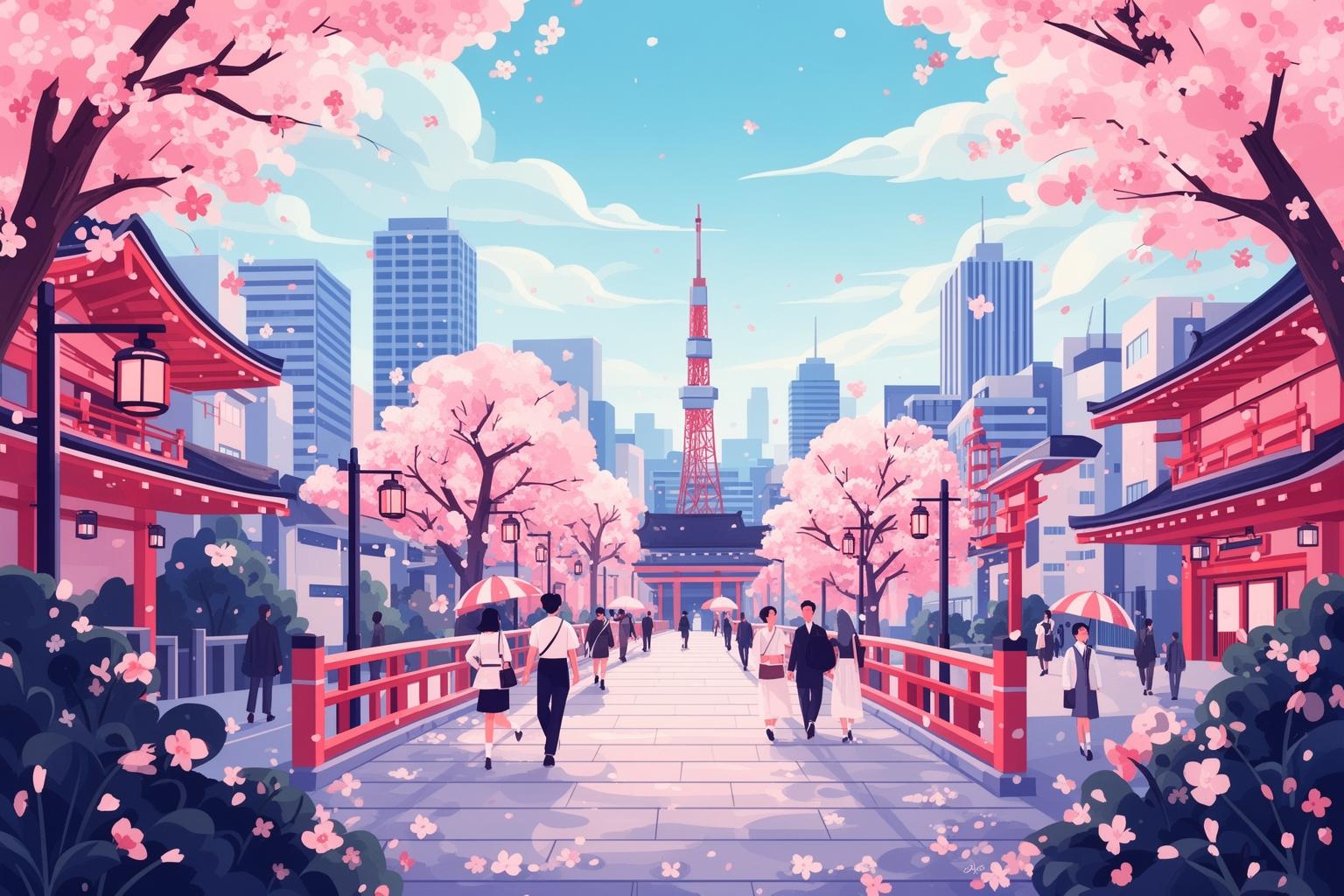
While the main storyline of Your Name. centers on Taki and Mitsuha, an important subplot focuses on Taki’s affection for his coworker, the graceful and kind Miki Okudera. Their date involves visiting some of Tokyo’s most stylish and visually captivating spots, offering insight into a more mature and artistic dimension of the city. Following their route provides a unique pilgrimage experience, one that emphasizes architectural beauty, tranquil nature, and the quieter, more introspective moments of the film.
A Sanctuary of Serenity: Shinjuku Gyoen National Garden
Before their date, Taki (with Mitsuha’s spirit guiding him) is shown sketching in a vast, stunning park. This is Shinjuku Gyoen, a former imperial garden now celebrated as one of Tokyo’s most cherished public spaces. Located just a short walk from the hectic Shinjuku Station, this garden offers a breathtaking haven of calm. It is an expansive area featuring three distinct garden styles: a traditional Japanese landscape garden with ponds, bridges, and teahouses; a formal French garden with symmetrical flowerbeds; and a broad English landscape garden with open lawns. The scenes in the film were likely inspired by the area around the Taiwan Pavilion or the lush greens of the English garden.
Drawing Dreams
Visiting Shinjuku Gyoen feels like entering another world. The city’s noise fades away, replaced by the rustle of leaves and the gentle sound of water. It’s an ideal spot to relax and reconnect with nature, just as the characters did. You can find a bench beneath a shady tree, perhaps bring your own sketchbook, and soak in the peaceful ambiance. The park’s greenhouse, filled with tropical and subtropical plants, is also a highlight. The garden is especially magnificent during the cherry blossom season in spring and when the leaves turn vibrant colors in autumn. Although there is a small entrance fee, the tranquility and sheer beauty of the landscape make it well worth it. It’s easy to see why this location was chosen for the film; it symbolizes a space for creativity, contemplation, and quiet beauty amid the urban hustle.
Architectural Wonders and Afternoon Tea
For their date, Taki and Okudera-senpai visit a place that embodies modern Tokyo’s flair for art and design. This segment of their journey leads to the stylish Roppongi district, known for art galleries, upscale shopping, and international dining. It’s a refreshing change from the youthful vibe of Shinjuku and the calm residential atmosphere of Yotsuya, revealing yet another facet of Tokyo’s rich character.
The National Art Center, Tokyo
The impressive building where Taki and Okudera-senpai share lunch is The National Art Center, Tokyo. Designed by the acclaimed architect Kisho Kurokawa, the structure is a landmark of contemporary architecture. Its massive, flowing glass facade is its most distinctive feature, creating a bright, spacious environment that feels both grand and welcoming. The center does not hold a permanent collection but hosts a rotating lineup of special exhibitions from around the world. Even if you don’t attend an exhibition, the building itself is a sight to behold. Visitors are welcome to explore the expansive lobby, browse the excellent museum shop, and admire the play of light and shadow through the stunning glass curtain wall. It’s a place that celebrates creativity and modern design, making it an ideal setting for a date between two characters who appreciate art and aesthetics.
Dining with a View: Salon de Thé ROND
Perched atop one of the large concrete cones inside the art center’s atrium is Salon de Thé ROND, the cafe where the characters enjoyed their meal. This location is one of the film’s most accurately recreated settings. Sitting at a table in this circular, open-air cafe, guests can savor panoramic views of the atrium below. It offers a truly unique dining experience. The menu includes coffee, tea, and an assortment of elegant cakes and light dishes. Though prices can be somewhat high, the chance to dine in the exact spot from the film, surrounded by world-class architecture, is an unforgettable experience for any fan. It’s a moment of refined sophistication, a perfect way to conclude a day spent exploring the artistic side of the Your Name. pilgrimage.
Echoes in the Cityscape: Discovering Fleeting Moments
Beyond the major set-piece locations, the world of Your Name. is rich with numerous smaller, more fleeting moments intricately woven into the fabric of Tokyo. These include pedestrian bridges, cafés, and street corners that appear only briefly but add to the film’s remarkable sense of realism. Tracking down these spots is a task for the truly dedicated pilgrim, rewarding them with a deeper appreciation for the meticulous detail that shaped the film’s world. These are the places that make the animated Tokyo feel genuinely lived-in.
The View from the Shinanomachi Bridge
One such spot is the pedestrian bridge just outside Shinanomachi Station on the JR Chuo-Sobu Line. Here, Taki and Okudera-senpai say their goodbyes after their date in a quiet, melancholic moment. From this bridge, you get a perfect view of the train tracks curving into the distance, with the NTT Docomo Yoyogi Building visible on the horizon—a classic Tokyo scene. The steady stream of yellow-striped Sobu Line trains passing below evokes a sense of perpetual motion and the passage of time. It’s a slightly bittersweet place, a site of parting, yet it is incredibly atmospheric, especially as dusk begins to fall over the city. It captures perfectly the feeling of a fleeting connection in a city of millions, a theme that echoes throughout the film.
A Taste of Italy: Cafe La Bohème
The restaurant where Taki works part-time as a waiter, called “Il Giardino delle Parole” in the film (a nod to Shinkai’s earlier work, The Garden of Words), is widely thought to be inspired by Cafe La Bohème Shinjuku Gyoen. This elegant Italian restaurant near the park features an opulent, theatrical interior with high ceilings, dramatic curtains, and a grand dining room. Although the layout isn’t an exact match, the atmosphere and aesthetic closely resemble it. Dining here offers a wonderful way to step into Taki’s world; you can almost picture him hurrying between tables, taking orders, and handling demanding customers. The food is excellent, with a menu of classic pasta and pizza dishes. It’s the perfect spot to enjoy a relaxing dinner after a long day of walking, letting you conclude your pilgrimage with a delicious meal in a setting that feels as though it came straight from the anime.
Your Pilgrim’s Compass: Navigating Tokyo Like a Local
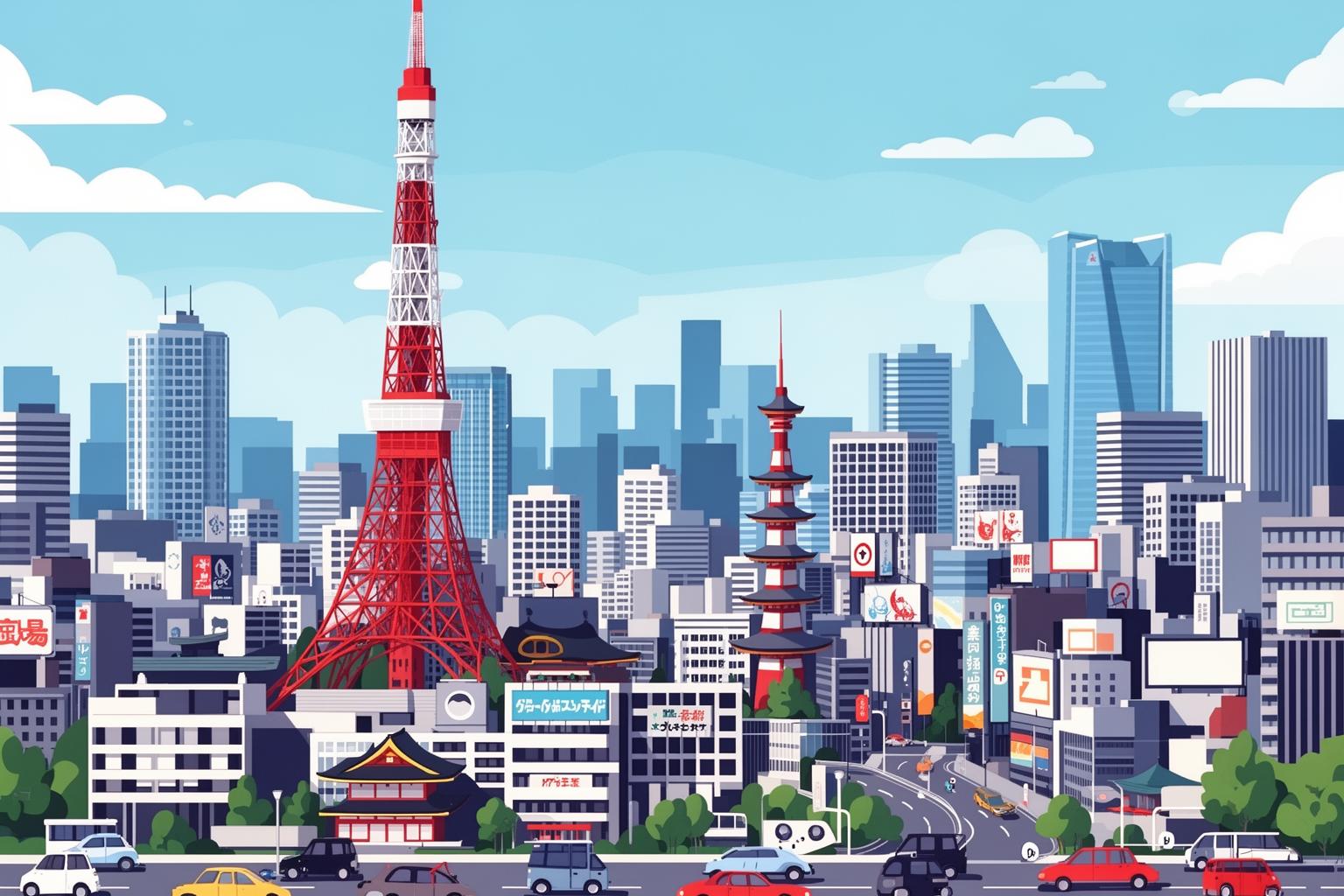
A pilgrimage through the world of Your Name. is more than just ticking off locations; it’s about seeing the city through Taki’s eyes. This involves grasping Tokyo’s rhythm, mastering its impressive public transport system, and discovering the everyday magic. A bit of practical know-how can turn your trip from a simple sightseeing outing into a deeply immersive adventure, making you feel less like a tourist and more like a local in Shinkai’s beautifully crafted world.
Mastering the Metropolis
Tokyo might seem overwhelming at first, but it’s surprisingly easy to get around once you understand its system. The secret is to embrace its public nature—world-class trains and pedestrian-friendly streets. This is a city designed for walking and riding trains, the very routines that define Taki’s daily life.
The Rhythm of the Rails
Tokyo’s train and subway network is the city’s lifeblood and will be your main way to get around. To simplify your travels, get a rechargeable IC card like a Suica or Pasmo as soon as you arrive. This lets you tap in and out of stations without the hassle of buying tickets each time. The film’s locations are spread across Shinjuku, Yotsuya, and Roppongi but are all easily reachable via JR lines and the Tokyo Metro. Use a navigation app like Google Maps, which has excellent public transit integration, to plan your routes. Pay attention to train line colors and station numbers, and you’ll soon be navigating like a pro. Enjoy the experience of riding the trains—it’s a vital part of Tokyo’s character and a recurring visual in the film.
Walking with Purpose
While trains connect different districts, the real treasures are found on foot. Wear comfortable footwear since you’ll be doing a lot of walking. Tokyo is incredibly safe and clean, making strolling through its neighborhoods a true pleasure. This is the way to uncover the small details that make the city unique—the tiny shrines tucked between buildings, quaint local shops, and vending machines offering everything imaginable. Allow yourself to get slightly lost. Explore an intriguing side street. This is how you go beyond checking boxes and genuinely immerse yourself in the city’s atmosphere. Taki knew Tokyo intimately through walking, and by following his footsteps, you’ll develop a similar appreciation for its hidden gems and subtle beauty.
Timing Your Quest
When you visit these sites can profoundly affect your experience. Makoto Shinkai’s mastery of light is renowned, and his films feature breathtaking depictions of sunsets, sunrises, and the way light moves through urban spaces. Planning your visits with timing in mind lets you capture some of that cinematic magic.
The Magic of Golden Hour
Many of Your Name.’s most emotional scenes occur during kataware-doki, or twilight. In reality, this corresponds to the “golden hour,” shortly after sunrise or before sunset when daylight takes on a softer, redder hue than at midday. If possible, visit the Suga Shrine steps in the late afternoon. As the sun sets, the light beautifully illuminates buildings and railings, creating a scene remarkably close to the film. Likewise, places like the Shintoshin Pedestrian Bridge shine best at night when city lights are vibrant. Shinjuku Gyoen, however, is best in bright daylight to fully appreciate the vivid colors of its plants and flowers.
Seasonal Splendors
Tokyo experiences four distinct seasons, each offering a fresh perspective on the film’s locations. Spring brings iconic cherry blossoms, blanketing Shinjuku Gyoen in pink and white. Summer is hot and humid, but parks and shrines are at their greenest. Autumn, a season tied to reflection and melancholy in Japanese culture, delivers stunning fall foliage, making garden visits exceptional. Winter offers crisp, clear air, often yielding clearer city skyline views and occasionally a glimpse of Mount Fuji in the distance. There’s no wrong time to visit; each season adds its own enchanting layer, offering a new way to interpret the world Taki and Mitsuha once lived in.
An Unforgettable Connection
Completing a pilgrimage through the real-life world of Your Name. is an incredibly moving experience. It’s a journey that confirms what many of us felt while watching the film: the magic lies not only in the story but in the setting itself. Makoto Shinkai’s talent is his ability to discover the extraordinary within the ordinary, finding the potential for a grand, cosmic romance in a crowded train car or on a simple residential staircase. Walking these streets allows you to partake in that vision. You arrive in Tokyo as a fan of a film, but you depart with a personal connection to the city, its rhythms, and its soul. The boundary between the real and the animated fades, and for a few fleeting moments, you feel as if you are living inside the story. The Suga Shrine steps become more than just stairs; they transform into a symbol of destiny. A view from a bridge is no longer just a view; it becomes a canvas for unspoken emotions. This journey is more than sightseeing—it’s a way of affirming that the powerful feelings the film stirs in us—hope, longing, and an unwavering belief in a connection that surpasses all obstacles—can be discovered not only on screen but also in the beautiful, chaotic, and utterly magical streets of Tokyo.