
There’s a feeling that lingers long after the final credits of Makoto Shinkai’s masterpiece, Your Name. It’s a delicate, almost tangible ache of searching for someone you’ve never met, a name you can’t quite remember. It’s the magic of musubi—the invisible threads of fate that weave through time, space, and memory, connecting us in ways we can’t always see. This profound sense of connection turned the animated film into a global phenomenon, but it also did something more. It transformed the sprawling, vibrant cityscape of Tokyo into a canvas of shared dreams, a real-world stage for one of the most beloved love stories of our time. For fans around the world, the film’s locations are not just backdrops; they are destinations. They are sacred ground. This practice, known as seichi junrei or “holy site pilgrimage,” is a beautiful tradition where fans visit the real-life settings that inspired their favorite anime, manga, or games. It’s a journey to bridge the gap between fiction and reality, to stand where your favorite characters stood, and to feel the story’s emotional currents rush through you in the very air. This guide is your map, your compass for navigating the world of Taki and Mitsuha, a journey through the heart of Tokyo to find the places where their two worlds so miraculously, so beautifully, collided.
If you’re captivated by the idea of connecting with stories through their real-world settings, you might also be interested in exploring the sacred sites of anime and literature in Kyoto.
The Heartbeat of Shinjuku: Where Worlds Collide

Our pilgrimage begins in Shinjuku, the vibrant, chaotic, and utterly captivating district that Taki Tachibana calls home. This is the modern heart of Tokyo—a concrete canyon filled with flashing neon, towering skyscrapers, and an endless flow of people. It perfectly embodies Taki’s world: fast-paced, expansive, and brimming with a sense of anonymous possibility. To truly understand Taki, you must first grasp the rhythm of Shinjuku, where millions of stories unfold daily, each one a thread woven into the city’s grand tapestry. It is here, amid the city’s overwhelming scale, that the story’s intimate search for connection feels both intimidating and deeply hopeful. The sheer density of lives intersecting—near-misses and fleeting glances alike—mirrors the film’s core theme. You can almost sense the quantum possibilities hanging in the air, the chance that the person you’re seeking is just around the corner, lost within the same beautiful, bewildering crowd.
Shinjuku Station’s Labyrinthine Charm
There is no better introduction to Shinjuku’s organized chaos than Shinjuku Station itself. More than just a station, it feels like an underground city—a vast labyrinth of platforms, tunnels, and shopping arcades serving over three million passengers daily. Stepping off the train here is an immersion in itself. The air buzzes with melodic chimes signaling departures, the rhythmic click of footsteps on polished floors, and the murmur of a thousand simultaneous conversations. This is where Taki would have navigated every day, a backdrop so routine for a Tokyoite yet overwhelmingly complex for outsiders. In the film, shots of crisscrossing train lines and crowded platforms do more than establish setting—they serve as visual metaphors for the interconnectedness and vast distances separating people. It’s easy to imagine Taki and a visiting Mitsuha passing right by each other here, divided by a platform or a closing train door, their destinies unknowingly linked. For first-time visitors, the station can feel daunting. The trick is to look up. The signage is excellent and color-coded. Instead of being swept away by the crowd, pause to orient yourself. Find your exit number before you begin walking. The South Exit is a great starting point, guiding you toward the towering NTT Docomo Yoyogi Building, a landmark often seen in the film’s skyline shots.
A View from the Top: The Tokyo Metropolitan Government Building
To fully grasp the scale of Taki’s world, you need to see it from above. While many observation decks in Tokyo require an entry fee, the Tokyo Metropolitan Government Building offers a stunning panorama free of charge. Designed by the renowned architect Kenzo Tange, its twin towers are icons of the Shinjuku skyline. A quiet, swift elevator carries you 45 floors up to the observation deck, where, as the doors open, the city spreads out beneath you in a dazzling, breathtaking display. From 202 meters high, the urban sprawl appears endless. On clear days, the view is spectacular—you can spot the sleek dome of the Tokyo Dome, the slender needle of the Tokyo Skytree, the iconic silhouette of Tokyo Tower, and on the clearest days, the majestic, snow-capped peak of Mount Fuji presiding above it all. This is the vista Taki would have seen—the vast urban canvas that shaped his life. Visiting at different times reveals vastly different experiences. During daylight hours, you appreciate the city’s density and architectural diversity. But when dusk falls, the magic truly ignites. The city transforms into a glittering carpet of lights—a sea of gold, white, and red stretching to the horizon. This view most deeply connects with Your Name—a world made up of countless tiny lights, each one a home, a life, a story. It’s a place for contemplation, gazing out over millions of souls below and pondering the threads that bind them all. Standing there, the film’s central question resonates in the quiet wonder of the moment: somewhere out there, is someone waiting for me?
Shinjuku Gyoen: An Oasis of Calm
Though not a direct location from Taki and Mitsuha’s story, a visit to Shinjuku Gyoen National Garden is essential for any pilgrim wishing to understand the film’s emotional landscape. Just a short walk from the station’s noise and rush, this park is a stunning oasis of peace, where the city’s frantic beat slows to a gentle, steady rhythm. Shinjuku Gyoen is a masterpiece of landscape design, artfully combining three distinctive styles: a traditional Japanese garden with serene ponds and artfully placed rocks; a formal French garden with symmetrical rose beds; and an expansive English landscape garden with broad, open lawns. Stepping through its gates feels like entering a different world. The Shinjuku skyscrapers still peek over the treetops, a constant reminder of the city just beyond, yet inside the park, the dominant sounds are rustling leaves, birdsong, and the gentle lap of water. The park embodies the balance between the two worlds depicted in the film: Tokyo’s relentless modernity and the timeless natural beauty of Mitsuha’s rural Itomori. It offers a chance to experience the changing seasons, a key visual motif in all of Shinkai’s works. In spring, the park is a haven of cherry blossoms; in summer, its greenery is lush and vibrant; in autumn, maple trees blaze in fiery reds and golds; and in winter, the stark beauty of bare branches against the sky holds its own quiet allure. The park’s beautiful greenhouse also recalls the one Taki visits during his date with Okudera-senpai. It is the perfect place to sit, reflect, and sense the harmony between nature and city—a central theme that gives Your Name its profound depth.
The Iconic Steps: Suga Shrine in Yotsuya
One image from Your Name is etched into the collective memory of every fan: two figures standing on a staircase, bathed in the golden afternoon sunlight, a question lingering between them. Those steps, with their distinctive red railing, are real. They form the heart of the pilgrimage, the destination carrying the deepest emotional significance. Situated in the quiet, mostly residential neighborhood of Yotsuya, just a short train ride from the bustle of Shinjuku, the stairs leading to Suga Shrine represent the film’s emotional climax brought to life. The journey to this spot is part of the experience. As you walk from Yotsuya Station, the character of the city shifts. Towering buildings give way to smaller apartment blocks, narrow streets, and the calm quiet of everyday life. A sense of anticipation grows with every step, a feeling that you are nearing something important.
The Ascent to Destiny
You will probably notice the stairs before fully realizing it. You turn a corner, and there they are. The scene is so faithfully recreated in the film that the feeling of déjà vu is immediate and powerful. The gentle curve of the road, the lush greenery, and that iconic red handrail—they’re all exactly as you recall. The atmosphere here is one of quiet reverence. You’ll often see other fans, fellow pilgrims, taking photos, but there’s an unspoken understanding between everyone. This isn’t merely a photo spot; it’s a place to feel something profound. Stand at the bottom and look up. This is Taki’s viewpoint, spotting a figure at the top, a half-remembered face that ignites an urgent, desperate recognition. Then, climb the stairs. As you ascend, the city view opens behind you, framing Shinjuku’s skyscrapers between the buildings. At the top, turn around. This is Mitsuha’s perspective, looking down, the same sense of familiarity tugging at her heart. The best time to visit is late afternoon, during the “golden hour,” when the sun is low and the light soft and warm, perfectly recreating the cinematic magic of that final, hopeful scene. Standing there is a deeply moving experience, feeling the weight of their long search, the years of yearning, and the beautiful, heart-stopping relief of their ultimate reunion. It’s a moment that goes beyond simple sightseeing; it’s about becoming part of the story’s resolution.
Beyond the Frame: Exploring Suga Shrine
After you’ve cherished your moment on the stairs, be sure to visit the shrine itself. The staircase is just the approach to Suga Shrine, a local Shinto shrine with a history stretching back centuries. Entering the shrine grounds means stepping away from the anime world and into a space of genuine spiritual significance for the local community. It’s a quiet, peaceful area, dotted with stone lanterns and guarded by lion-dog statues. Before reaching the main hall, you’ll find a water pavilion called a temizuya. This is used for ritual purification. Using the ladle provided, pour water over your left hand, then your right. Next, pour some water into your cupped left hand to rinse your mouth—remember to spit the water beside the basin, not back into it. Finally, hold the ladle upright to let the remaining water flow down the handle, cleansing it for the next visitor. At the main hall, you can offer a prayer. The customary practice is to bow twice, clap your hands twice, offer your prayer with your hands together, and then bow once more. Whether or not you are religious, participating in this simple ritual shows respect and offers a deeper connection to the culture of the place you’re visiting. The shrine grounds provide a wonderful spot to rest and reflect on your journey. They serve as a gentle reminder that while these locations have gained new meaning through the film, they possess their own rich history and remain an important part of daily life in Tokyo.
Taki’s World: Sophistication and Connection

The story of Your Name also unfolds in other, more refined parts of Tokyo, locations that mirror Taki’s growing maturity and his life beyond high school. These areas, centered around the fashionable districts of Roppongi and Nogizaka, reveal a different facet of the city—one of art, high fashion, and striking modern architecture. They serve as the backdrop for Taki’s memorable and slightly awkward date with his coworker, Okudera-senpai, a key sequence that highlights his divided heart and his subconscious yearning for Mitsuha. Visiting these places offers a glimpse into the life Taki was shaping for himself, a world of ambition and adult responsibility, making his connection to the distant, traditional world of Itomori all the more touching.
The National Art Center, Tokyo: A Wave of Glass and Light
One of the film’s most visually stunning real-world locations is The National Art Center, Tokyo, where Taki and Okudera-senpai share lunch. Situated in Nogizaka, this architectural masterpiece is a work of art itself. Designed by renowned architect Kisho Kurokawa, the building’s façade is a dramatic, undulating wave of glass that fills the interior with natural light. There is no permanent collection here; rather, the expansive, open galleries host a rotating schedule of special exhibitions, ensuring each visit is unique. Upon entering, you are welcomed by a vast, sunlit atrium. Two enormous concrete cones rise from the floor, and perched atop one is the café featured in the famous scene: the Salon de Thé ROND. Taking the elevator or escalator up to the café is a pilgrimage of sorts. Sitting at one of its tables, you can perfectly recreate the film’s shot, gazing out over the atrium and the greenery visible through the glass curtain wall. The atmosphere is one of serene, modern elegance. It feels bright, open, and incredibly sophisticated—a perfect setting for Taki, an aspiring architecture student, to take his crush. Enjoying coffee and cake here is more than a simple break; it’s an immersive experience. You can easily spend hours exploring the art exhibitions, browsing the excellent museum shop, or simply appreciating the building’s remarkable design. It speaks to Shinkai’s meticulous attention to detail that he chose such a distinctive and beautiful location for this important, character-developing scene.
A Taste of Elegance: Roppongi Hills and Tokyo City View
As the date continues, Taki and Okudera-senpai visit an observation deck offering a spectacular nighttime view of Tokyo Tower. This scene was inspired by the Tokyo City View observation deck atop Mori Tower in Roppongi Hills. Roppongi Hills is a vast, multi-purpose complex—a “city within a city”—that includes shops, restaurants, an art museum, a cinema, and offices. The atmosphere here is chic and cosmopolitan. It’s a place of luxury and high culture, representing the peak of Tokyo’s urban aspirations. The real highlight, however, is the view. Tokyo City View delivers a breathtaking 360-degree panorama of the city from 250 meters above ground. While the view from the Metropolitan Government Building is impressive, this view feels more intimate and dramatic, especially at night. From this vantage point, the iconic red-and-white Tokyo Tower stands prominently in the foreground, a warm, radiant beacon amid the endless sea of city lights. It’s an incredibly romantic and awe-inspiring sight. For an even more immersive experience, head to the open-air Sky Deck (weather permitting). Here, with the wind in your hair, you can sense the city’s pulse in a way that’s impossible behind glass. This view contrasts powerfully with the dark, star-spangled sky of Itomori. It underscores the vast difference between Taki and Mitsuha’s worlds and emphasizes the incredible, almost impossible nature of their bond across such distance. It’s a place to feel the sheer scale and energy of modern Tokyo, the dazzling world Taki inhabits.
Echoes of Itomori: Finding the Rural Heart in the City
Mitsuha’s hometown of Itomori is a fictional place, composed of various rural landscapes across Japan. Its longstanding traditions, ancient shrines, and stunning natural scenery sharply contrast with Taki’s urban environment of concrete and steel. While Itomori itself isn’t a real destination, its spirit can be sensed in certain corners of Tokyo. The film tells a story of harmony—between city and countryside, modern life and tradition, chaos and calm. To fully experience this journey, seek out locations that embody Mitsuha’s perspective. These are the tranquil spots in Tokyo where nature reigns, history is tangible, and the gentle, spiritual essence of Itomori lingers, even within the world’s largest metropolis.
The Nezu Museum Garden: A Hidden Forest
Nestled behind the modern, sleek facade of the Nezu Museum in Aoyama, a hidden world awaits. The museum’s private garden is one of Tokyo’s most stunning and unexpected gems—a lush, sprawling hillside garden that feels far removed from city life. Designed as a traditional Japanese strolling garden, winding stone paths lead visitors through a miniature forest of towering trees, vibrant moss, and dense bamboo groves. Scattered throughout are stone lanterns, small Buddhist statues, and several historic teahouses relocated to the site. A gently flowing stream courses through the landscape, feeding a series of koi-filled ponds. Walking here evokes the feeling of being inside a Shinkai film. The play of light and shadow through the thick canopy, the sound of flowing water, and the scent of damp earth and leaves all summon the mystical, natural world of Itomori. The garden’s atmosphere exudes profound peace and timelessness. It feels both ancient and sacred, reminiscent of the Miyamizu family shrine in the film. It’s easy to imagine Mitsuha finding comfort here, where nature and history are deeply present. Visiting the Nezu Museum Garden lets you experience the aesthetic and spiritual beauty that defines Mitsuha’s world, serving as a vital balance to the bustling energy of Shinjuku and Roppongi.
Yanaka and the Shitamachi Vibe
To discover the close-knit community spirit of Itomori, head to the Yanaka district in northeast central Tokyo. This neighborhood is one of the rare areas that escaped World War II bombings, preserving a charming, old-fashioned atmosphere known as shitamachi or “low city” culture. Life here moves at a slower, more personal pace. The heart of the district is Yanaka Ginza, a delightful, traditional shopping street. Rather than flashy brands, it features small, family-run shops offering everything from fresh produce and traditional sweets to handmade crafts. The street is also famous for its delicious, inexpensive street food—try a deep-fried meat cutlet (menchi-katsu) or a sweet potato croquette. Yanaka is known as a temple town, hosting dozens of small historic temples and a sprawling cemetery that becomes a popular cherry blossom viewing spot in spring. The area is also famous for its friendly stray cats, adding to its relaxed and welcoming charm. Strolling through Yanaka’s narrow streets, you sense a community spirit often missing in more modern parts of Tokyo. Neighbors chat, shopkeepers call out greetings by name, and children play freely in the streets. This atmosphere of a town where everyone knows each other and traditions thrive is the closest you can come to Itomori’s social fabric within the city. It serves as a reminder that even in a massive metropolis, pockets of small-town life and human connection continue to exist.
A Pilgrim’s Practical Guide: Navigating Your Journey
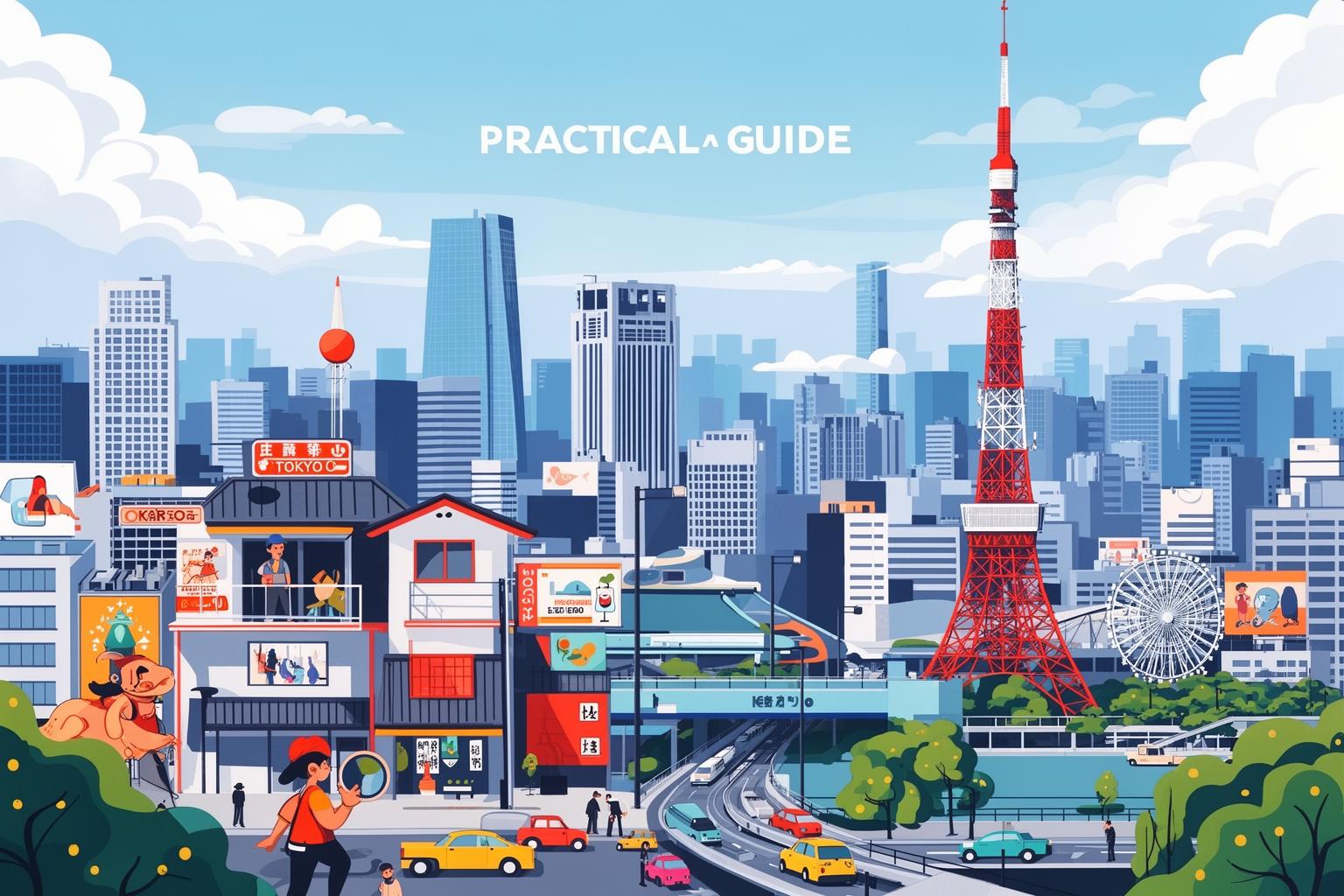
Embarking on your Your Name pilgrimage is an exciting journey, and a bit of preparation will help ensure your experience is as smooth and magical as possible. Tokyo’s public transportation is famously efficient, though it can also be quite complex. While the city is vast, the film’s key locations are conveniently accessible. Here are some tips to confidently and gracefully navigate your quest.
Your Guide and Your Schedule: Timing and Transportation
The most essential tool for your trip is a prepaid IC card such as a Suica or Pasmo, available at any major train station. Simply tap it on the reader at ticket gates, and the fare will be automatically deducted. It works on nearly all trains, subways, and buses throughout Tokyo, saving you the trouble of purchasing individual tickets. You can visit the main locations in a single, well-planned day. A logical itinerary would begin in Shinjuku in the morning. Explore the station area and visit the Tokyo Metropolitan Government Building for a clear daytime view. From Shinjuku Station, take the JR Chuo-Sobu Line just a few stops to Yotsuya Station for the Suga Shrine stairs. Plan to arrive in mid-to-late afternoon to catch the beautiful golden hour light. After Yotsuya, use the Tokyo Metro Marunouchi Line and transfer to the Chiyoda Line to reach Nogizaka for The National Art Center, or take the Hibiya Line to get to Roppongi for Roppongi Hills. Ending your day with the sparkling night view from Tokyo City View is a perfect finale. Always rely on a navigation app like Google Maps; its public transit directions are incredibly accurate and provide exact platform numbers and the best train cars to board for easy transfers.
Beyond a Photograph: Etiquette and Respect
As you begin your seichi junrei, it’s important to remember these are not film sets—they are real locations where people live, work, and worship. The Suga Shrine stairs are situated in a quiet residential neighborhood. Please be considerate of your noise levels and avoid blocking the stairs or pathways for locals on their way home. Do not take photos of residents or their homes without permission. When visiting Suga Shrine or any other religious site, behave with respect. If you feel comfortable, follow the purification rituals, speak in a soft voice, and be mindful of those who are there to pray. At The National Art Center, observe museum rules, including restrictions on photography in certain exhibitions. The true beauty of a pilgrimage lies in respectfully immersing yourself in the location, not merely taking a photo and leaving. By being a courteous and considerate visitor, you honor both the film and the real communities that make these places so special.
Nourishing Your Journey: Where to Eat and Drink
A pilgrimage requires energy, and fortunately, you’ll be surrounded by some of the world’s finest food. Each location presents culinary experiences that match its unique atmosphere. In Shinjuku, immerse yourself in the world of ramen. The station area is filled with legendary ramen shops, ranging from rich and hearty tonkotsu to savory shoyu broths. For a quick bite, explore the food basements (depachika) of major department stores like Isetan or Takashimaya, offering an impressive variety of gourmet bento boxes, salads, and pastries. In Yotsuya, options are more local and understated, with charming cafes and traditional noodle shops perfect for a quiet lunch. At The National Art Center, dining at the Salon de Thé ROND is the ideal way to replicate the movie scene, with light meals, cakes, and tea served alongside a view. In Roppongi Hills, dining choices are numerous and upscale, from Michelin-starred restaurants to elegant international cuisine. Whatever your budget or taste, you’ll find the perfect meal to enhance your pilgrimage and make your journey even more memorable.
Your exploration of Tokyo through the lens of Your Name is more than just a sightseeing tour. It’s a quest to discover the tangible echoes of an intangible feeling. It’s about standing on a bustling street corner in Shinjuku and sensing a pang of loneliness and hope. It’s about climbing a quiet staircase and feeling the weight of a destined meeting. It’s about gazing out over a city of a million lights and wondering about the single light you seek. The film teaches us that connections can span any distance and that memory, fragile though it may be, is a powerful, binding force. As you walk these streets, you’re not simply witnessing a film’s scenery; you’re stepping into its emotional core, weaving your own thread into its beautiful, ever-expanding tapestry. You are chasing a comet, searching for a name, and perhaps, amid the magical streets of Tokyo, you will find a small piece of what you were seeking.