There are cities that serve as mere backdrops for stories, and then there are cities that are characters in their own right, their streets breathing life into the narrative, their history woven into the very fabric of the plot. Yokohama is one such city. It’s a place of salty air and sea-breeze whispers, a port that has long been Japan’s window to the world. But for a global legion of fans, this city is more than just a beautiful harbor town; it is the living, breathing stage for the electrifying supernatural battles and noir-tinged drama of the anime and manga series, Bungo Stray Dogs. Here, characters named after legendary Japanese literary figures unleash spectacular abilities, fighting for control of a city that feels both timeless and aggressively modern. This isn’t just a tour of filming locations; it’s a pilgrimage into the heart of a story, a chance to walk the same cobblestones as the members of the Armed Detective Agency and the Port Mafia, to feel the tension that hangs in the air between the historic Western-style buildings of Yamate and the shadowy, lantern-lit alleys of Chinatown. This journey is an invitation to see Yokohama not just with your eyes, but through the lens of its most famous fictional inhabitants, to discover how the city’s unique identity—its blend of cultures, its maritime soul, and its own rich literary past—shaped the world of Bungo Stray Dogs into the masterpiece it is. Prepare to step into the narrative, to trace the footsteps of literary giants reborn as super-powered detectives and villains, and to find the unwritten stories waiting around every corner.
If you’re inspired to explore more of Japan through the lens of its beloved stories, consider embarking on a pilgrimage to the real-world locations of Your Name.
The Heartbeat of the Agency: Motomachi and the Foreign Cemetery
The story of the Armed Detective Agency, the series’ endearing and disorderly protagonists, is deeply intertwined with the elegant, slightly nostalgic neighborhoods of Motomachi and Yamate. Although the exact building hosting their office, with the Uzumaki Café on the ground floor, remains a charming work of fiction, its essence vividly lives on in the ambiance of this area. This is where the everyday lives of Atsushi, Dazai, and Kunikida take place—a setting of quiet reflection amid intense missions. Walking these streets feels like stepping into the calm before the storm, a palpable link to the characters’ moments of rest and camaraderie.
Echoes of the Armed Detective Agency in Motomachi
Motomachi Shopping Street contrasts sharply with the sleek modernity of Minato Mirai. It’s a sophisticated, European-inspired avenue where historic storefronts stand alongside trendy, contemporary boutiques. As you wander down the main street, it’s easy to picture the Agency members heading out on an assignment, perhaps pausing for coffee or teasing each other over trivial matters. The architecture itself, a relic of Yokohama’s history as one of the first ports opened to foreign trade, lends a perfect retro-cool vibe to the Agency. The low-rise brick buildings, classic gas lamps, and impeccably clean streets create a sense of established, dignified charm. This is no chaotic battleground like the Port Mafia’s domain; it’s a place marked by order and principle, reflecting the Agency’s own moral code. Take a seat at one of the many outdoor cafés, order a strong coffee, and watch the world pass by. In these tranquil moments, you can almost hear the witty banter and philosophical reflections that color the Agency’s downtime.
A View from the Bluff: Yamate and Harbor View Park
Climb the hill from Motomachi, and you arrive in the peaceful, elevated district of Yamate, often called “The Bluff.” This neighborhood is home to historic Western residences, quiet churchyards, and, most notably for any fan, Harbor View Park (Minato-no-Mieru Oka Koen). This park is an iconic Bungo Stray Dogs location, frequently featured in sweeping shots that establish the city’s geography and mood. Standing at the lookout point, with the vast expanse of Yokohama Port, the Bay Bridge, and the industrial docks spread out before you, is a truly cinematic experience. You can almost feel the sea breeze swirling around you, just as in the anime’s most dramatic scenes. It is a place for grand declarations, solemn pledges, and characters gazing upon the city they’ve vowed to protect. The park is meticulously maintained, boasting a beautiful rose garden that blooms in both spring and autumn, lending a fragile beauty to the vast, striking view. This spot perfectly captures the scale of Yokohama and explains why this port city is a treasure worthy of defense.
Whispers Among the Tombstones
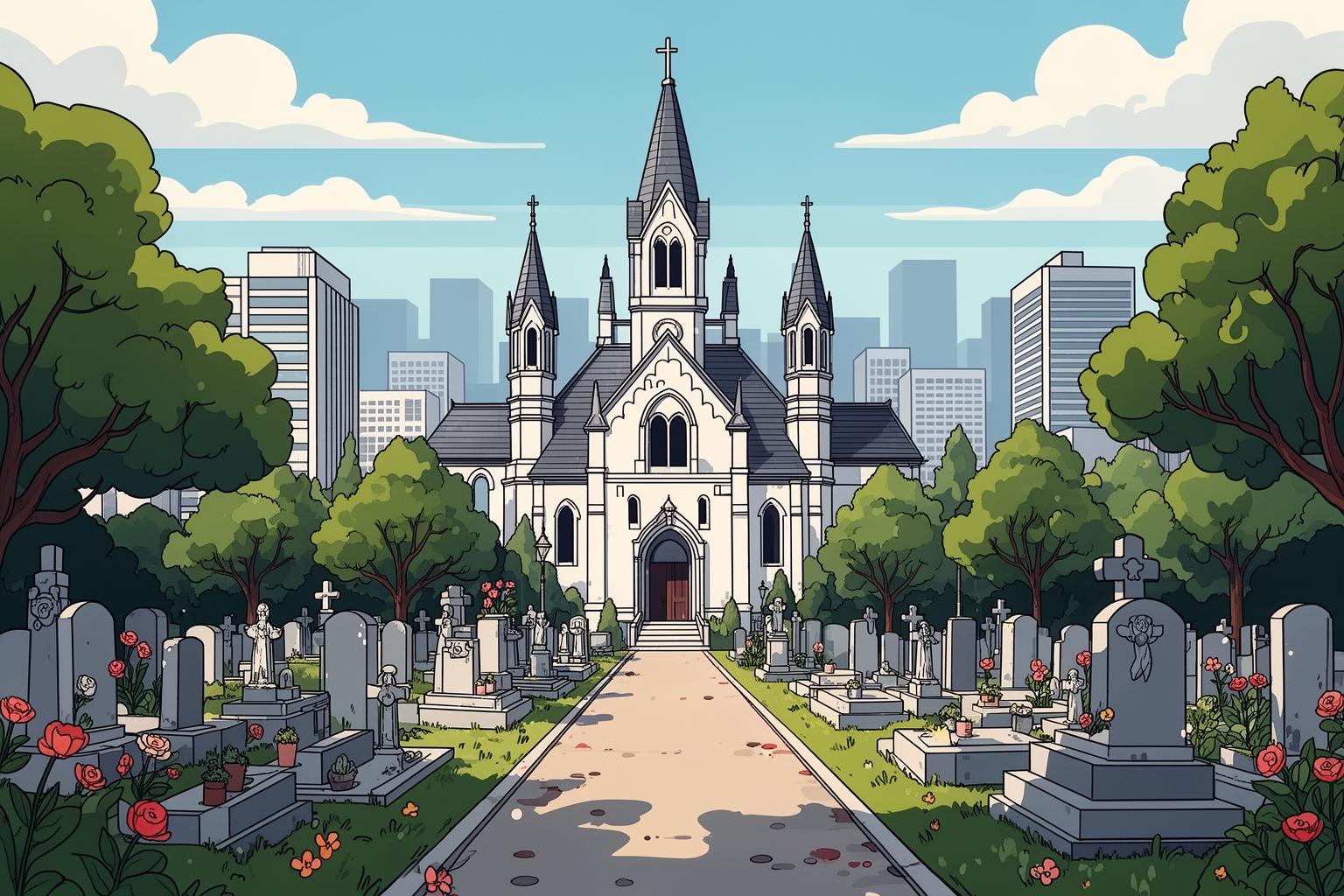
Next to the park lies the Yokohama Foreign General Cemetery, a site steeped in quiet, somber beauty. Though not suited for lively excitement, its presence is key to the noir atmosphere that permeates the series. The rows of weathered tombstones, marking the graves of foreign residents from the 19th and 20th centuries, tell a tale of the city’s international heritage. The mood here is one of peaceful solemnity, a place for reflection and whispered secrets. In the world of Bungo Stray Dogs, where themes of life, death, and purpose prevail, the cemetery serves as a natural space for characters to contemplate their pasts and the burden of their deeds. It feels heavy with history, its stone angels and elaborate monuments silently witnessing time’s passage. A respectful stroll among its pathways offers a moment of quiet connection to the series’ deeper, more philosophical themes.
The Port Mafia’s Dominion: Chinatown and the Red Brick Warehouses
If the Agency claims the refined heights of Yamate, then the shadowy and formidable Port Mafia unquestionably rules the city’s vibrant, chaotic, and powerful heart. Their domain mirrors their nature: a complex web of influence, steeped in history yet propelled by a ruthless modern ambition. From the dizzying maze of Chinatown to the imposing industrial waterfront, the presence of the Port Mafia permeates the very core of these iconic Yokohama districts. To walk through these areas is to sense the pulse of the city’s underworld—a thrilling and slightly dangerous energy that stands in stark contrast to the Agency’s calm.
Labyrinth of Lanterns: Yokohama Chinatown
Passing beneath one of the grand, ornate gates into Yokohama Chinatown is an immediate, overwhelming assault on the senses. The air thickens with the steam of freshly made manju and the savory scent of spices. A cacophony of sounds—the sizzle of woks, the murmur of crowds, the insistent cries of vendors—fills the air. Above, a canopy of brilliant red lanterns casts a constant twilight glow over the streets. This labyrinthine domain is closely linked to the Port Mafia. Its narrow, winding alleys and hidden courtyards form the perfect setting for secret meetings and sudden, brutal ambushes. The density and energy of the area reflect the Mafia’s intricate network of influence and its deep, almost suffocating control over the city’s underground economy. Exploring Chinatown feels like navigating a living entity—both beautiful and intimidating. Don’t hesitate to lose yourself in the smaller side streets, away from the main thoroughfares. It is in these quieter, shadowed corners that the true clandestine spirit of the Port Mafia comes alive.
Industrial Elegance: The Kanagawa Arts Theatre & Akarenga Soko
The waterfront is another crucial territory, epitomized by the Yokohama Red Brick Warehouses—known as Akarenga Soko. These two massive, stately buildings, constructed over a century ago, have been beautifully transformed into a hub of shops, restaurants, and event spaces. Their imposing industrial facade and the wide, windswept plaza between them have served as the backdrop for some of Bungo Stray Dogs’ most memorable confrontations. Standing before them, you can almost picture dramatic showdowns, silhouettes of characters stark against the weathered red brick. The warehouses symbolize a perfect blend of old-world strength and modern utility, much like the Port Mafia itself. Nearby, the sleek, modern lines of the Kanagawa Arts Theatre (KAAT) stand in striking contrast. This juxtaposition between historic and contemporary is a recurring visual theme throughout the series, and seeing these two landmarks side-by-side makes that theme tangible. The entire area, especially at dusk when city lights start to sparkle across the water, feels charged with dramatic potential.
A Stroll Along the Waterfront
Linking these major landmarks is Yamashita Park, a long, pleasant green space that runs along the harbor. This park, with its fountains, flowerbeds, and the permanently docked Hikawa Maru ocean liner, provides many of the scenic establishing shots seen in the anime. It serves as the city’s front yard, where the grandeur of the port is fully on display. A leisurely walk from the Red Brick Warehouses to the park’s eastern edge offers a stunning visual summary of Yokohama’s identity. You’ll see massive container ships moving in the distance, hear the cry of seagulls above, and feel the gentle, constant rocking of the water. This is Yokohama’s lifeblood—the port. It is the source of the city’s wealth, its international character, and, in the world of Bungo Stray Dogs, the ultimate battleground for the factions vying for control.
Beyond the Battlegrounds: Uncovering Yokohama’s Literary Soul
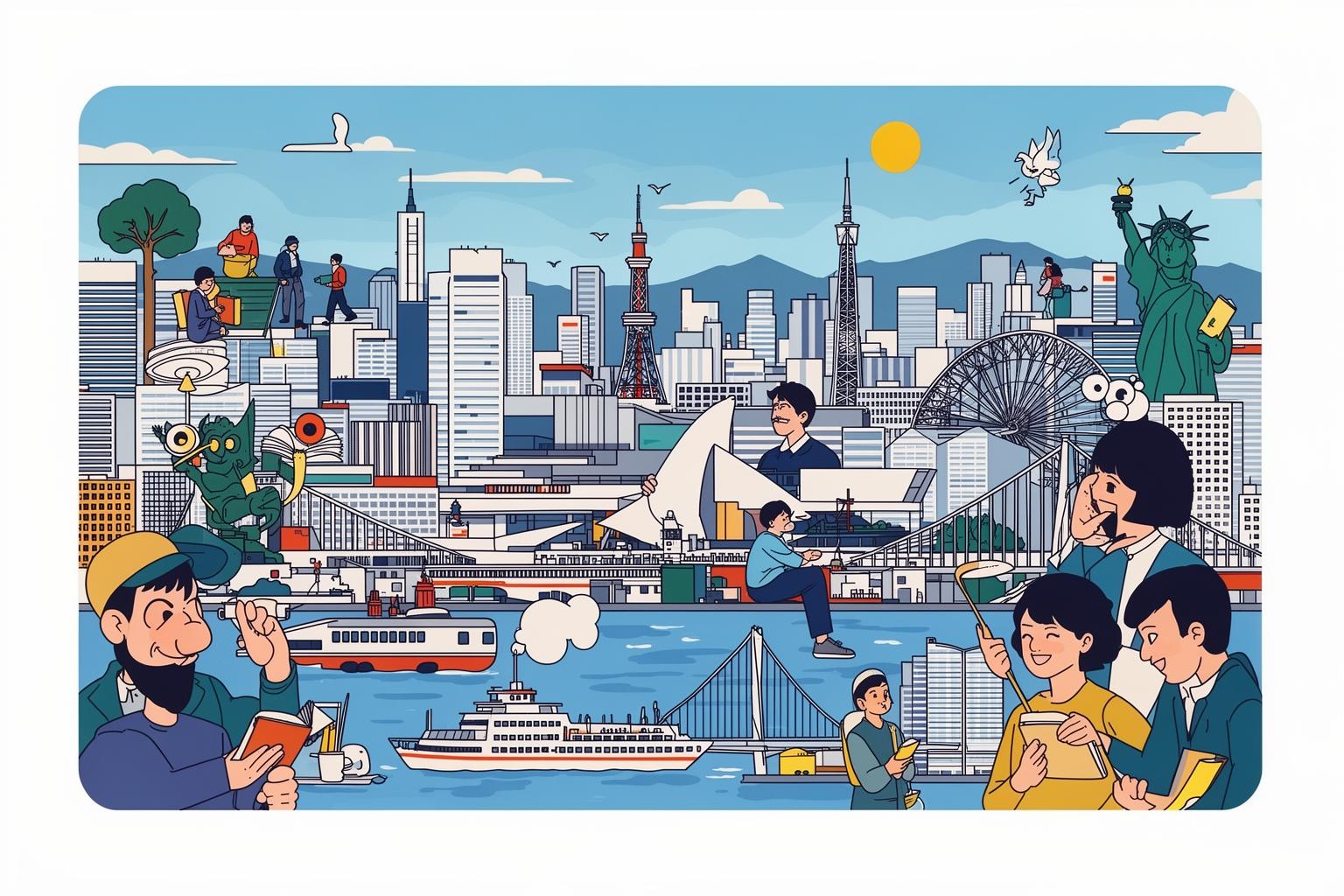
Bungo Stray Dogs is much more than a supernatural action series; it stands as a profound and heartfelt tribute to Japanese literature. The characters are not simply named after famous authors—their abilities, personalities, and even their personal struggles often draw inspiration from the lives and works of their real-life counterparts. To truly complete the pilgrimage, one must look beyond the anime’s specific locations and engage with the literary history that forms the foundation of the entire narrative. This enriches the experience, turning a simple sightseeing trip into a deeper, more meaningful exploration of culture and art.
The Real-Life Authors
Although not all the authors featured in the series had strong ties to Yokohama, the city’s role as a center of international culture made it a source of inspiration for many writers of their time. Exploring the lives of figures such as Osamu Dazai—whose nihilistic charm and personal struggles are vividly reflected in his character—or Chuuya Nakahara, a poet known for his passionate yet delicate verses, adds depth to each scene. Imagine Dazai, the character, gazing out over the water, pondering his existence; knowing the real Dazai’s troubled past makes that moment far more poignant. Akutagawa Ryunosuke, the author of the famous story “Rashomon,” is represented in the anime by a character whose fearsome ability echoes the story’s dark, complex themes. Taking time to read an Akutagawa short story or a Nakahara poem while sitting in Harbor View Park offers a powerful way to connect fiction with reality, allowing one to feel the spirit of the literature that inspired it all.
The Kanagawa Museum of Modern Literature
For the most direct connection to the literary essence of the series, there is no better place than the Kanagawa Museum of Modern Literature. Located conveniently in Harbor View Park, this museum serves as a dedicated space honoring the writers who lived in or were inspired by the Kanagawa region, including Yokohama. The building itself is an elegant piece of architecture, quiet and reflective. Inside, exhibits highlight many authors, including several who inspired the show. It offers a chance to step away from the anime’s fast-paced action and immerse oneself in the quiet, thoughtful world of the words and ideas behind it. Surrounded by manuscripts and first editions, visitors gain a deep appreciation for the creative brilliance of these historical figures. Visiting the museum feels like paying homage to the true source of the characters’ strength, making it an essential and rewarding destination for any dedicated fan.
Finding Inspiration in a Cup of Coffee
To fully embrace the retro, intellectual atmosphere of the era in which these authors wrote, consider visiting a traditional Japanese coffee house, or kissaten. Unlike modern cafes, kissaten tend to be quiet, dimly lit spaces, sometimes accompanied by soft jazz, where patrons read, reflect, or engage in hushed conversation. Yokohama offers several of these charming, vintage establishments tucked away in its older neighborhoods. Settling into one with a book and a carefully brewed siphon coffee evokes a scene reminiscent of the more contemplative moments in Bungo Stray Dogs. It presents an authentic way to experience a slice of Japanese culture perfectly aligned with the series’ refined, noirish mood.
A Practical Guide to Your Yokohama Pilgrimage
Setting out on a journey through the world of Bungo Stray Dogs is an exciting adventure, and a bit of planning can help make the experience more seamless and immersive. Yokohama is a vast and sprawling city, but the key sites for this pilgrimage are conveniently grouped together, making it easy to explore on foot once you’re in the right neighborhood. Here are some practical tips to help you navigate the city like an experienced member of the Agency.
Navigating the City
Yokohama boasts excellent public transportation connections. From Tokyo, it’s a quick and easy train ride via the JR or Tokyu Toyoko lines. Once there, the Minato Mirai Line is the most useful for this tour, running directly through the core of the city’s main attractions, with important stops at Motomachi-Chukagai Station (for Chinatown, Motomachi, and Harbor View Park) and Bashamichi or Minatomirai Station (for the Red Brick Warehouses and nearby areas). A day pass for this line can be a cost-effective option. For a more scenic and leisurely alternative, consider the “Akaikutsu” (Red Shoes) loop bus. This charming, vintage-style bus is designed specifically for tourists, following a route that conveniently stops at nearly all the locations on this list, including Harbor View Park, Chinatown, and the Red Brick Warehouses. It’s a wonderful way to enjoy the cityscape between stops.
When to Visit
Yokohama is beautiful all year round, but each season brings its own unique ambiance. Spring (March-April) is breathtaking, with cherry blossoms blooming in Yamashita Park and around Kanteibyo temple in Chinatown, adding ephemeral beauty to your journey. Summer (June-August) can be hot and humid, yet it’s also a lively season filled with waterfront festivals and fireworks displays. Autumn (October-November) is arguably the best time to visit, offering mild, pleasant weather that’s perfect for long walks, and stunning fall foliage in the parks. Winter (December-February) brings crisp, clear air and a festive mood, with spectacular illuminations lighting up the Minato Mirai district, creating a magical, romantic atmosphere, especially around the Red Brick Warehouse, which often hosts a traditional Christmas market.
First-Timer’s Field Notes
A pilgrimage through Yokohama involves a considerable amount of walking, much of it uphill, particularly around the Yamate district. Comfortable shoes aren’t just recommended—they’re essential. Remember to stay hydrated, especially during summer. While exploring, be sure to sample local dishes. Beyond the famous fare in Chinatown, try Yokohama’s signature sanma-men, a flavorful noodle soup. It’s important for first-time pilgrims to manage their expectations: many locations in the anime are inspired by real places rather than exact replicas. The key is to absorb the atmosphere and essence of each place, to see how it influenced the spirit of the show. Be respectful, especially in quieter spots such as the Foreign Cemetery and the museum. Finally, allow yourself to wander. The best discoveries often come when you stray from the planned route and let the city itself reveal its hidden treasures.
The Unwritten Chapter
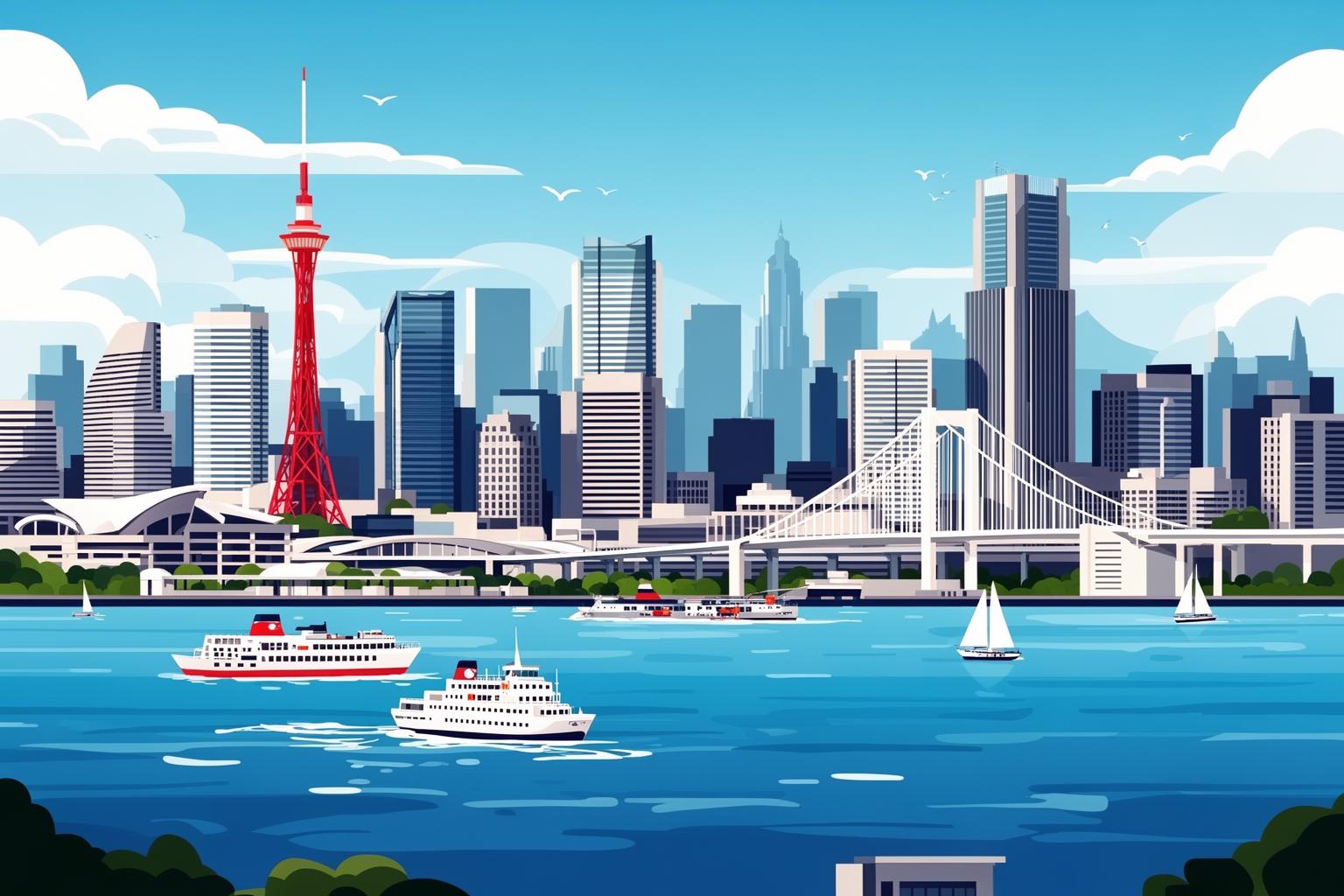
As your day of walking in the footsteps of literary giants draws to a close, and you once again stand gazing over the shimmering expanse of the port, you come to realize something vital. Yokohama is more than just a series of places to check off a list. It is a city with a powerful, enduring spirit that inspired a story that has captivated the world. You have explored the elegant streets that the Agency calls home and sensed the formidable energy of the Mafia’s domain. You have connected with the souls of the authors who lent their names and legacies to the characters. The true magic of a pilgrimage like this is that the story doesn’t end when you leave. You carry the city’s atmosphere with you—the scent of the sea, the glow of the lanterns, the weight of its history. Yokohama is a city of endless stories, and by visiting, you haven’t just retraced the steps of a known narrative. You have become part of it, ready to write your own unwritten chapter in its ongoing tale.