Deep in the southern waters of Japan, where the East China Sea meets the Pacific, lies an island that feels like a secret whispered by the earth itself. This is Yakushima, a place where time is not measured in hours or days, but in the slow, deliberate growth of colossal trees that have stood for millennia. It’s a realm of perpetual green, shrouded in mist and sustained by legendary rainfall, a landscape so profoundly ancient and wild that it seems to exist outside the realm of modern reality. For many travelers, particularly those whose souls have been stirred by the power of animation, Yakushima is more than just a destination; it is a pilgrimage. This island is the living, breathing heart of the forest that Hayao Miyazaki so masterfully brought to life in his epic film, Princess Mononoke. To walk here is to step through the screen, to feel the damp moss beneath your fingertips, and to breathe the same air as the forest gods. It is a journey into a world where nature reigns with a quiet, overwhelming majesty, a place that not only inspired a cinematic masterpiece but continues to embody its powerful message of reverence and respect for the wild. Here, the boundary between art and reality dissolves, leaving only the profound, humbling presence of the ancient woods.
Journey deeper into the interplay of nature and animation by exploring Ghibli forest legends, where ancient woodlands echo cinematic enchantments.
The Soul of the Island: Echoes of the Shishigami
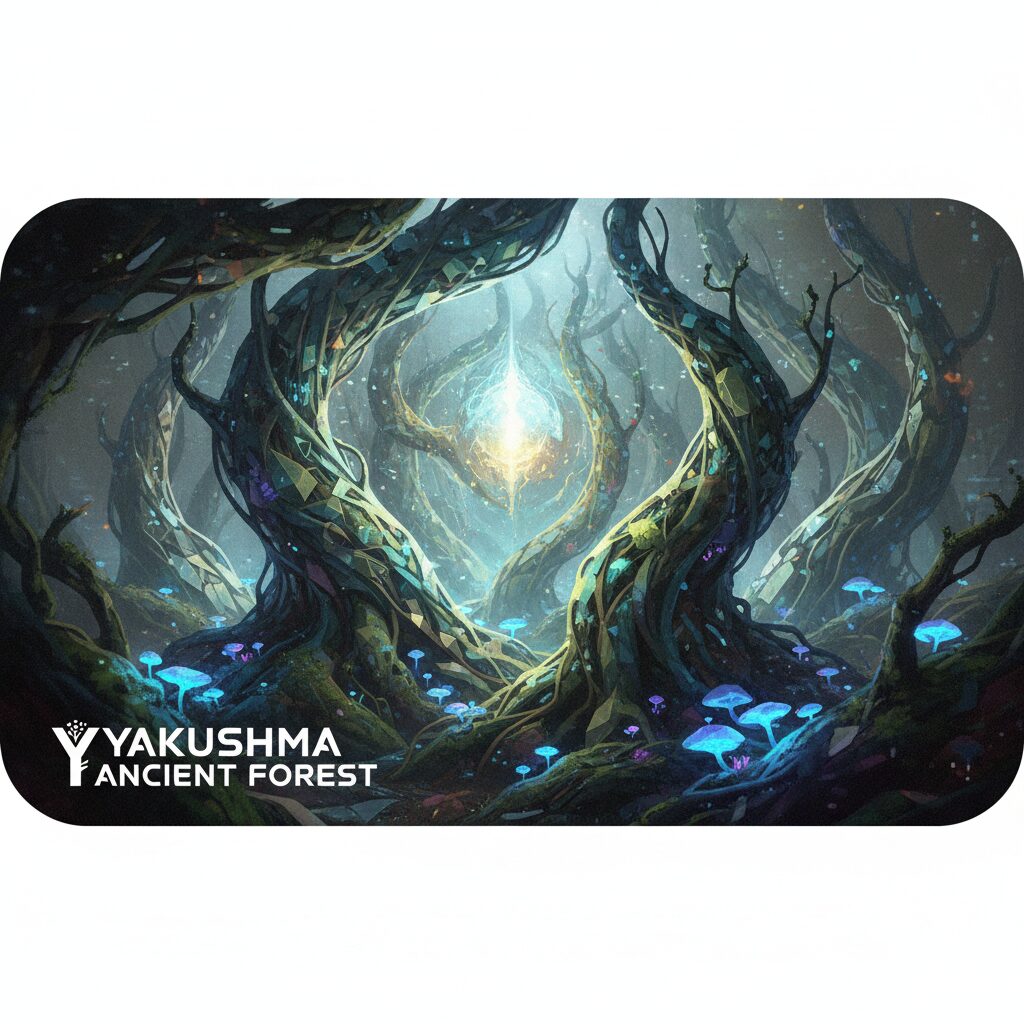
To truly understand Yakushima is to grasp its forests, which are far more than mere clusters of trees—they are intricate, living ecosystems imbued with a tangible spiritual energy. The atmosphere itself feels unique—thick with moisture and saturated with the scent of wet earth, cedar, and decay, the very fragrance of life. The hallmark of this realm is the Yakusugi, ancient cedar trees, many surpassing a thousand years in age. These are no ordinary trees; they stand as giants, gnarled and contorted into striking shapes by centuries of typhoons and harsh mountain weather. Their bark tells the story of time, deeply furrowed and often cloaked in lush layers of ferns, orchids, and countless moss species. It is this soft, velvety moss that defines the Princess Mononoke aesthetic, carpeting everything—fallen logs, worn stones, twisted roots—in a blanket of glowing, impossible green. In the soft light filtering through the thick canopy, these mossy realms emit an ethereal glow, making it easy to envision the small white spirits, the Kodama, peeking from behind branches, their heads shaking with curiosity.
The forest itself seems alive, a vast, breathing entity. The silence is deep, interrupted only by the drip of water from leaf to leaf, the distant call of a bird, or the gentle rustle of a Yakushika deer moving carefully through the undergrowth. These deer, smaller and stockier than their mainland relatives, exhibit little fear of humans, reinforcing the sense that you are a guest within their territory. You might also glimpse the Yakushima macaque, or Yakuzaru, searching for food, their vivid red faces contrasting sharply with the deep green surroundings. This is the very world that clearly inspired the realm of Shishigami, the Forest Spirit in the film. There is a prevailing sense of balance, a natural order that has endured untouched for millennia. Walking here, you come to see the film not merely as fantasy, but as a poignant allegory for the sacredness of such places. The forest’s power is not forceful; it is a quiet, vast, and lasting presence that demands respect. It encourages you to slow your pace, to notice the fine details of a single moss-covered rock, to sense the profound history held within an ancient tree, and to reconnect with a part of the world governed by a timescale far greater than our own.
Charting Your Pilgrimage: Key Trails and Sacred Groves
The island presents a range of trails suited to various fitness levels and time commitments, yet all paths lead into the core of its ancient beauty. Selecting your route is the first step on your pilgrimage, with each trail offering a unique connection to the spirit of the forest.
Shiratani Unsuikyo Ravine: The Moss Forest
For many visitors in search of the quintessential Princess Mononoke experience, the adventure begins and ends at Shiratani Unsuikyo. This ravine is unquestionably the direct inspiration for the film’s most iconic forest scenes. From the moment you set foot on the trail, you are immersed. The paths, a blend of earthen trails, stone steps, and wooden boardwalks, meander through a world saturated in green. The forest floor is a wild tapestry of giant, moss-covered boulders and the sprawling, serpentine roots of ancient cedars. The air is cool and moist, with the gentle sound of the nearby river providing a constant soundtrack.
The area offers several looping routes, ranging from one hour to about five hours. The most famous spot within the ravine is Kokemusu-no-Mori, or “Moss-Covered Forest.” Here, moss so thoroughly envelops the landscape that it feels like a natural cathedral. Light is dim, filtered through multiple layers of canopy, and every surface is soft and green. Fans of the film often pause here, half-expecting San and her wolf brothers to emerge from the shadows. For those with more endurance, the trail continues upward to a stunning reward: Taiko-iwa, or Taiko Rock. The final climb is steep, but the panoramic view from the summit of this massive granite boulder is unmatched. On a clear day, you can see the highest peaks of the island’s central mountain range—a breathtaking vista that makes you feel as if you are standing on the roof of the world. Visiting Shiratani Unsuikyo is an immersive, sensory experience that connects you directly to the artistic vision it inspired.
Jomon Sugi: A Titan of Time
If Shiratani Unsuikyo is the soul of the Mononoke forest, the Jomon Sugi is its ancient, beating heart. This single tree is legendary, a living monument estimated to be between 2,170 and 7,200 years old. It is one of the oldest living trees on Earth, a relic from a vastly different time. Reaching it is no casual endeavor; it is a genuine pilgrimage that demands a full day of strenuous hiking, typically ten to twelve hours round trip. The journey begins before dawn, following the old Anbo Forest Railway track for several hours before ascending steeply into the mountains.
The hike itself is a passage through time. Along the way, you’ll encounter other magnificent Yakusugi, including Wilson’s Stump—the massive, hollowed-out remains of a cedar felled centuries ago. Looking up from inside the stump reveals a perfect heart-shaped opening to the sky. As you climb higher, the air thins and the trees grow older and more majestic. The final approach to Jomon Sugi is laden with anticipation and reverence. The tree is protected by a viewing platform to prevent damage to its roots, but even from a distance, its presence is imposing. Its trunk is a colossal, gnarled mass of wood, resembling more a geological formation than a plant. It radiates immense, silent wisdom. Standing before Jomon Sugi is a humbling experience, a direct link to the deep past and a reminder of nature’s endurance and grandeur. This is not merely a hike; it is a profound encounter with the raw power of life itself.
Yakusugi Land: A More Accessible Ancient World
For those unprepared for the demanding hikes to Jomon Sugi or the sometimes challenging terrain of Shiratani Unsuikyo, Yakusugi Land provides a wonderfully accessible yet deeply impressive alternative. Don’t let the slightly theme-park-like name mislead you; this is a serious and beautiful forest park offering easy access to spectacular ancient cedars. A network of well-kept trails and wooden boardwalks allows visitors of all abilities to appreciate the majesty of the Yakusugi without strenuous trekking.
The park offers several routes, from a brief thirty-minute stroll to a more extensive two-and-a-half-hour hike deeper into the primeval forest. Along the way, you will encounter several magnificent named trees, such as the Buddha Sugi and the Sennnen Sugi (Thousand-Year Cedar). The trails cross crystal-clear mountain streams, and the forest is just as lush and mossy as in other parts of the island. Yakusugi Land is an excellent choice for families, visitors short on time, or on rainy days when more challenging trails may be hazardous. It proves that the magic of Yakushima is not reserved solely for the most adventurous explorers; its profound beauty is open to all who seek it with an open heart.
The Island’s Rhythms: Planning Your Journey
Yakushima follows its own timetable, shaped by the weather and the sea. Planning a trip here demands a bit more foresight than visiting a mainland city, but that adds to its unique appeal. Adapting to the island’s natural rhythms is essential for a rewarding visit.
When to Visit: The Four Seasons of Yakushima
Each season on Yakushima delivers a distinct experience. Spring (March to May) is a favorite time, as mountain rhododendrons bloom in vibrant pinks and the weather is generally pleasant, though rain remains possible. Summer (June to August) reveals the island’s lushest greenery, but this period also marks the rainy and peak typhoon season, which can complicate travel plans. Heat and humidity peak during these months. Autumn (September to November) is often considered ideal, offering cooler temperatures, more stable weather, and crisp air that affords breathtaking views. While the autumn foliage is less renowned than in other parts of Japan, it lends subtle color enhancements to the evergreen landscape. Winter (December to February) casts a quiet enchantment over the island. Coastal areas stay mild, but the mountains are blanketed in heavy snow, transforming ancient forests into a tranquil, monochrome scene. Snow hiking is reserved for the well-prepared but is absolutely stunning.
An important aspect of Yakushima to keep in mind is the rain. A local saying humorously claims it rains “35 days a month,” which isn’t far from reality. The island receives some of the highest rainfall on Earth. This should not discourage you; rather, embrace it. The rain nourishes the forest and creates its mystical, misty ambiance. Moss colors appear most vivid after a fresh rainfall. The trick is to come equipped with top-quality, fully waterproof gear. A visit without experiencing rain means missing a vital part of Yakushima’s essence.
Getting There and Getting Around: Access and Transportation
Reaching this remote island is the first step in the adventure. The main gateway is Kagoshima city, located at the southern tip of Kyushu. From there, you have two main choices. The quickest is by air, with multiple daily flights from Kagoshima Airport to the small Yakushima Airport. The flight is brief, under forty minutes, and on clear days, offers spectacular aerial views of the island. The more common and budget-friendly option is by ferry. There are two types: high-speed hydrofoils, called “Toppy” and “Rocket,” which take about two to three hours, and the slower, larger car ferry, which takes approximately four hours but is cheaper and handles rough seas better.
Once on Yakushima, moving around requires some planning. Public transport consists of buses, but they run infrequently, especially to remote trailheads. For maximum convenience and to fully enjoy your trip, renting a car is strongly recommended. The island features one main road circling the coast and several smaller roads leading inland. Driving here is a pleasure, with breathtaking coastal views and the famous Seibu Rindo forest road on the western side—a narrow, winding path through a protected World Heritage zone where you’re almost certain to encounter monkeys and deer on the road. Make sure to book your rental car, accommodations, and ferry tickets well ahead of time, especially during peak seasons.
Beyond the Forest: The Living Culture of Yakushima
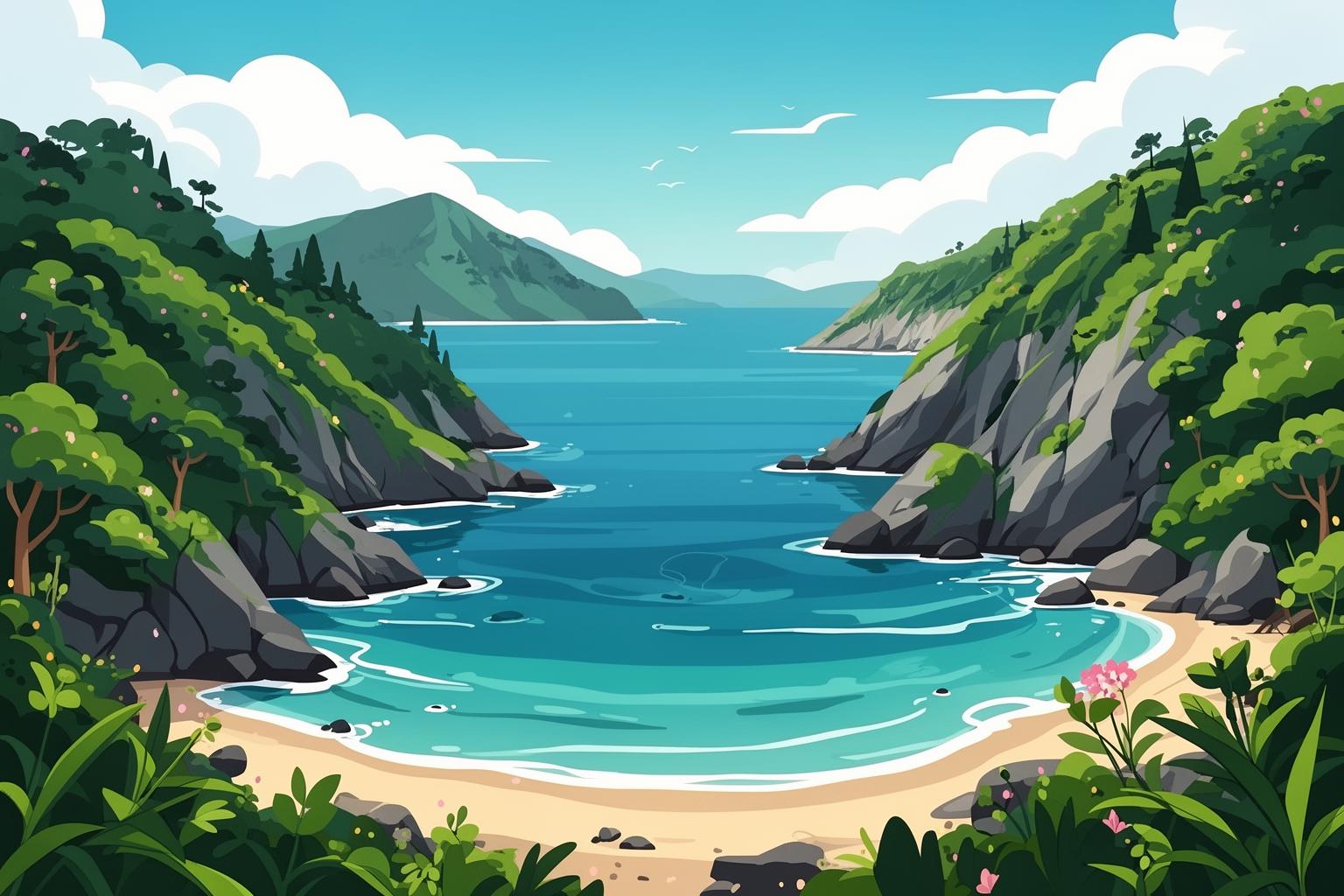
While the ancient forests remain the island’s primary attraction, Yakushima offers a diverse range of experiences beyond the treeline. Its coastline is rugged and picturesque, featuring hidden coves and striking rock formations. Nagata Inakahama Beach, a long, golden stretch of sand on the northwest coast, serves as a crucial nesting site for loggerhead and green sea turtles. From May to August, guided tours allow visitors to witness the females laying their eggs at night, creating a truly magical and moving experience.
The waters around Yakushima form a unique marine environment, providing excellent opportunities for snorkeling, scuba diving, and sea kayaking. The crystal-clear seas are rich with marine life, nourished by the Kuroshio Current. For a distinctive aquatic experience, the island boasts rare seaside hot springs. Hirauchi Kaichu Onsen is perhaps the most renowned—a natural series of rock pools accessible only a few hours a day at low tide, where you can soak in revitalizing thermal water while gazing out over the Pacific Ocean.
Yakushima’s small towns, chiefly Miyanoura in the north and Anbo in the east, are centers of local life. Here, visitors find cozy guesthouses (minshuku), excellent restaurants serving local specialties like flying fish (tobiuo), and shops offering crafts made from domaiboku, the buried wood of long-deceased Yakusugi cedars. Engaging with the local community deepens appreciation for the island. The people of Yakushima share a profound bond with their environment, a connection forged over centuries of living alongside its formidable nature. This is more than a tourist destination; it is a vibrant, working community that has managed to balance modern living with the preservation of its extraordinary natural heritage.
A Traveler’s Field Notes: Tips for the Intrepid Pilgrim
A bit of preparation can significantly enhance the smoothness and enjoyment of your Yakushima trip. Here are some practical tips for first-time visitors.
Gear and Preparedness
This cannot be emphasized enough: pack proper rain gear. A waterproof jacket and pants, a pack cover, and waterproof hiking boots are essential, not optional. Trails often get muddy and slippery, so boots with good traction are vital. Even when it’s sunny, mountain weather can shift suddenly. It’s also smart to bring a reusable water bottle, as the island’s mountain water is famously pure and tasty; you can refill it from many streams. High-energy snacks are necessary for long hikes. Finally, consider carrying a small, quick-drying towel.
Respecting the Environment
Yakushima is a UNESCO World Natural Heritage site for a reason. Its ecosystem is both powerful and fragile. Always stay on marked trails to protect the delicate mosses and plants, which may take decades or centuries to recover if damaged. Follow the “Leave No Trace” principles by taking all your trash with you. Do not feed the wildlife, no matter how adorable the monkeys and deer are. This is their home, and we are privileged guests. Using the bio-toilets provided at trailheads also helps preserve the island’s pristine water sources.
Pacing Your Adventure
Don’t rush your time on Yakushima. This is a place best savored at a slow, thoughtful pace. It’s better to fully explore one or two trails than to rush through many. Plan for at least three to four full days on the island to have enough time to visit different areas, allow for a buffer day in case of bad weather, and simply sit, breathe, and absorb the atmosphere. Keep in mind that mobile phone reception can be spotty or nonexistent in the mountainous interior, so plan accordingly and consider notifying your accommodation of your hiking plans. While credit cards are accepted at larger hotels and shops, many smaller inns and restaurants are cash-only, so it’s wise to carry enough yen.
To wander through Yakushima’s forests is to feel connected to something timeless. This place inspired one of the greatest animated films not just as a beautiful setting but because it holds the spirit the film aimed to capture. It embodies the struggle and harmony between humanity and nature. You come seeking the world of Princess Mononoke, but depart with something deeper: a personal understanding of why such wild places are sacred and must be preserved. The island changes you. The scent of rain-soaked cedar and the sight of thousand-year-old trees cloaked in glowing moss linger long after you return to urban life. Yakushima is more than a visit; it is an awakening, a reminder that the magic shown on screen is real and waiting for you in the heart of this misty, green island in southern Japan.