
There are places in this world that feel unstuck in time, where the air itself seems to whisper stories from centuries past. Then there are places that, through the magic of modern storytelling, take on a second life, a parallel identity known to a global community of fans. Shirakawa-go is the rare, breathtaking village that is both. Nestled deep within the soaring mountains of Gifu Prefecture, this UNESCO World Heritage site is a postcard from feudal Japan, a valley of impossibly charming gassho-zukuri farmhouses with their steep, thatched roofs angled like hands in prayer. It’s a vision of rustic serenity, of a community living in harmony with nature’s harshest demands. But for countless anime lovers, this idyllic landscape is also the chilling, unforgettable setting of Hinamizawa, the deceptively peaceful village from the iconic series Higurashi: When They Cry. It’s a place where the gentle chirping of cicadas can send a shiver down your spine, and where every ancient shrine feels charged with a secret energy. To visit Shirakawa-go is to walk through two worlds at once: a beautifully preserved piece of Japanese history and a masterfully crafted psychological thriller. It’s an experience that transcends a simple sightseeing trip, inviting you to peel back layers of beauty, tradition, and imagined terror. Whether you come seeking architectural wonder or to trace the steps of your favorite characters, this village in the mountains promises a journey you won’t soon forget.
For those captivated by Shirakawa-go’s blend of timeless tradition and eerie modern allure, exploring the ancient forests of Yakushima offers another immersive journey into Japan’s rich tapestry of legend and nature.
The Soul of the Village: Gassho-Zukuri Architecture
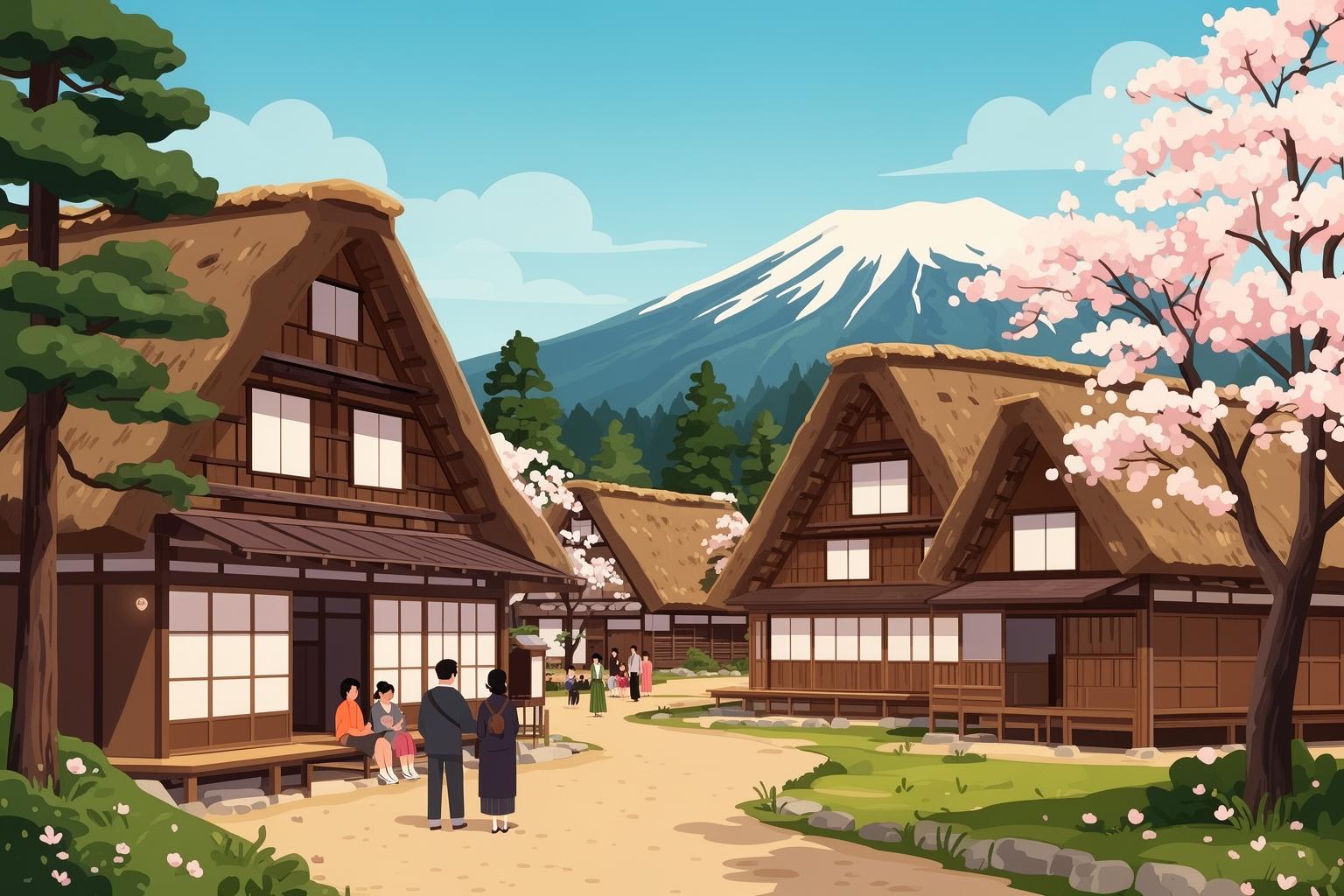
The moment you lay eyes on them, understanding comes instantly. The farmhouses of Shirakawa-go are far more than mere buildings; they stand as a tribute to human creativity and resilience. Known as gassho-zukuri, meaning “hands joined in prayer,” their most distinctive characteristic is the sharply sloped thatched roof. This design is not just for looks; it’s a clever piece of engineering born out of necessity. The area is renowned for having some of the heaviest snowfall on the planet, and these steep A-frame roofs are crafted to shed the enormous snow load, preventing the buildings from collapsing during long, harsh winters. When standing next to one, you can truly grasp their size. These aren’t quaint cottages; they are large, multi-story wooden structures built without a single nail. Instead, they use a complex arrangement of interlocking wooden beams and ropes, a tradition carefully handed down through generations of skilled craftsmen. The thatch itself, a thick layer of dried straw replaced every few decades, acts as a natural insulator, keeping the interiors cool in sticky summers and surprisingly warm in freezing winters. The entire village feels like a living architectural museum, a testament to sustainable living long before it became a trend.
A World Within the Walls
To fully appreciate the brilliance of these homes, you must step inside. Several of the largest farmhouses, such as the Wada House and the Kanda House, are open to visitors, offering a window into history. The moment you cross the threshold, the atmosphere shifts. You’re welcomed by the rich, earthy scent of aged timber and the subtle, comforting aroma of smoke from the central sunken hearth, or irori. This hearth was the home’s core, providing heat, light, and a place for cooking and gathering. The rising smoke served an important function, coating the wooden beams and thatch above, protecting them from pests and decay. As your eyes adjust to the soft light filtering through paper-screen windows, you’ll notice the expansive ground floor, a communal living area. But the true surprise lies upstairs. Climbing the steep, almost ladder-like wooden stairs leads you to a vast, cavernous attic. This space, spanning multiple levels, was not for storage but for work. For centuries, Shirakawa-go’s main economy was sericulture—the farming of silkworms. These upper floors provided an ideal environment for raising the delicate creatures, with plenty of space and ventilation. You can still see the wooden racks where trays of silkworms once fed on mulberry leaves, their collective rustling once likened to gentle falling rain. It’s a powerful reminder that these picturesque homes were once vibrant centers of industry, their very design intertwined with the livelihoods of the families who lived there.
Echoes of Hinamizawa: A Pilgrimage for the Brave
For those who carry the haunting melodies of Higurashi: When They Cry in their minds, Shirakawa-go transforms completely. The tranquil village becomes a tangible stage for the series’ unsettling drama, turning exploration into an exciting scavenger hunt. Every corner might echo Hinamizawa, as the boundary between peaceful reality and fictional dread charmingly blurs. The anime’s creators studied this village with great care, and their dedication shines through in how authentically they captured its distinctive atmosphere. This pilgrimage isn’t about finding exact replicas of every scene but about sensing the spirit of the place that so deeply inspired the story. It’s about standing somewhere and experiencing that thrilling jolt of recognition—a feeling of having been there before, in an alternate, darker reality.
The Sacred Ground: Shirakawa Hachiman Shrine
Perhaps the most significant spot for any Higurashi fan is the Shirakawa Hachiman Shrine. Located a short, pleasant walk from the main village, this is the real-life counterpart to the iconic Furude Shrine. As you near and begin to climb the moss-covered stone steps, flanked by towering, ancient cedar trees, the atmosphere subtly changes. The air turns cooler, village sounds fade away, and a profound stillness settles in. This is sacred ground, both in reality and mythology. The shrine itself is a beautiful, understated wooden structure radiating a quiet dignity. Here, you can almost envision Rika Furude performing her ceremonial dances during the Watanagashi Festival. The most moving sight for fans, however, is the collection of ema—small wooden prayer plaques—hanging near the main hall. Alongside traditional wishes for health and success, dozens of plaques feature stunning, hand-drawn artwork of the Higurashi characters. This beautiful fan-made tribute forms a bridge between the real shrine and its fictional counterpart, expressing deep love and respect for both the story and the place that inspired it.
Finding Familiar Landmarks
The excitement of the pilgrimage continues as you explore the village. The memorable suspension bridge connecting the main parking area to Ogimachi village is the Deai-bashi Bridge. Crossing it, feeling the gentle sway beneath your feet and hearing the rushing Sho River below, it’s impossible not to see it as the main gateway into Hinamizawa, the bridge Keiichi and his friends crossed daily. The Wada House, one of the largest and best-preserved gassho-zukuri homes, is widely believed to have inspired the Sonozaki family estate, with its commanding presence and prominent location. While there’s no direct match for Irie’s clinic or Rena’s house, the village’s overall architectural style and layout invite your imagination to fill in the gaps. You’ll find yourself gazing down narrow paths between houses, half-expecting a character to peek out around the corner. It’s this playful sense of discovery that makes the Higurashi pilgrimage so uniquely gratifying.
A Village for All Seasons
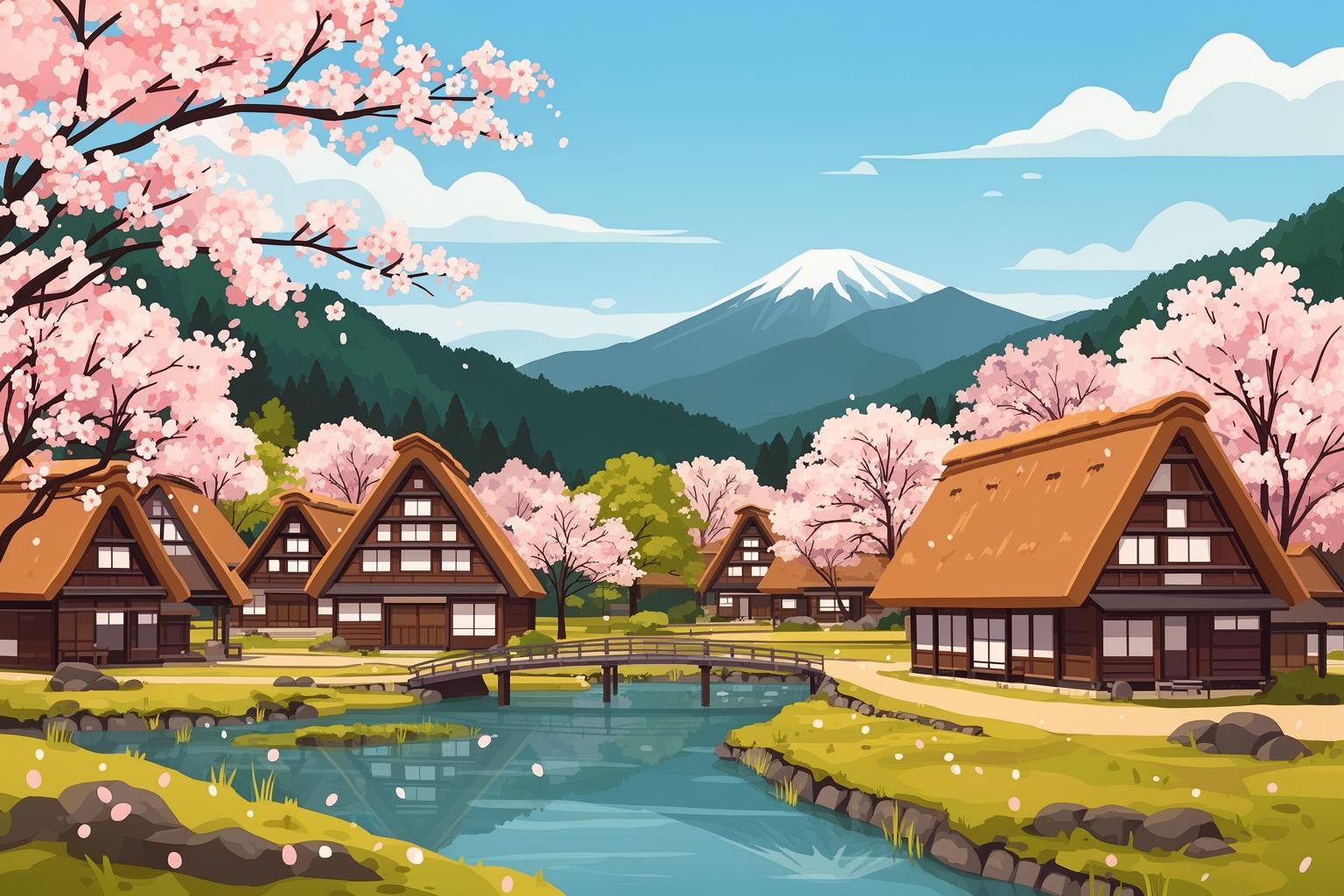
Shirakawa-go is not defined by a single view; it is a lively landscape that dons the hues of each season like a changing costume, with each one presenting a uniquely enchanting experience. Your impression of the village, and its association with either serenity or eeriness, can shift dramatically depending on when you visit.
Winter’s White Embrace
Winter is undoubtedly Shirakawa-go’s most iconic season. During this time, the village transforms into the fairy-tale setting captured in countless photographs. The gassho-zukuri roofs become buried beneath meters of pristine, powdery snow, forming soft, rounded shapes that seem almost edible. The world quiets, the snow muffling all sound except for the satisfying crunch of your boots. On select weekends in January and February, the village hosts its famous winter light-up events. As dusk settles, spotlights shine on the snow-covered farmhouses, which glow warmly against the deep blue of the evening sky. It’s a scene of profound, ethereal beauty that feels almost unreal. For Higurashi fans, this heavy snow calls to mind the final, chilling arcs of the story, adding a beautiful yet melancholic tone to the scenery. A practical tip: these light-up events are extremely popular, and access to the village is tightly controlled. You must reserve a spot on a bus tour or an overnight stay at a local inn months in advance. Simply showing up is not possible.
Spring’s Gentle Awakening
As the deep snows finally thaw, Shirakawa-go awakens in a flush of soft color. Spring arrives late in these mountains, typically between late April and May. During this time, the last patches of snow on distant peaks contrast beautifully with the fresh, vibrant green of the valley floor. Cherry blossom trees scattered through the village explode into delicate pink and white blooms, framing the rustic farmhouses in a classic Japanese tableau. It is also the season of rice planting. The terraced paddies fill with water, turning into shimmering mirrors that reflect the sky, the mountains, and the iconic thatched roofs. The atmosphere is one of renewal and quiet vitality, a gentle and hopeful period to explore.
Summer’s Verdant Vibrancy
Summer drapes the valley in a nearly impossibly deep shade of green. The rice paddies are lush and abundant, the surrounding forests form a dense tapestry of foliage, and the days are long, filled with the vibrant buzz of nature. For visitors, this means bright, sunny days perfect for long strolls. For fans of Higurashi, summer is the quintessential season. The relentless, buzzing chorus of cicadas—a sound that pervades the entire anime and signals suspense—is an integral part of the summer experience here. Walking through the village under the summer sun, hearing that iconic sound, offers perhaps the most immersive moment a fan can have, blurring the boundaries between fiction and reality in a deeply visceral way.
Autumn’s Fiery Tapestry
When autumn comes, usually from October to November, the mountains surrounding Shirakawa-go burst into a blaze of color. The deep greens of summer give way to a stunning palette of fiery reds, bright oranges, and golden yellows. The crisp, fresh mountain air invigorates the senses, and the landscape is simply breathtaking. This is harvest season, with rice being cut and dried in golden sheaves. It’s a time of earthy abundance and visual grandeur. Autumn is also when the village hosts its Doburoku Festival, a celebration focused on a potent, unfiltered variety of homemade sake. This provides a special opportunity to experience the village in a festive, communal spirit, connecting deeply with its living traditions.
Savoring Shirakawa-go: A Taste of Mountain Life
As a traveler who often follows my appetite, I can confidently say that a visit to Shirakawa-go is as much a treat for the taste buds as it is for the eyes. The cuisine here is rustic, hearty, and deeply rooted in the mountain environment. You won’t find flashy restaurants, but rather simple, honest dishes that narrate the story of the region. The culinary experience is a vital part of appreciating the local culture—a way to literally savor the history and seasons of this secluded valley.
The Heart of Hida Cuisine
In the Hida region, you’re in the homeland of the celebrated Hida beef. While upscale preparations are available in nearby Takayama, Shirakawa-go provides more accessible ways to enjoy it. Look for small stalls selling grilled Hida beef skewers (kushiyaki), perfect savory snacks as you explore the village. You’ll also encounter Hida beef croquettes, a delightful mix of creamy mashed potatoes and flavorful minced beef, deep-fried to golden perfection. Beyond the beef, the local specialty is soba noodles. Made from buckwheat grown in the surrounding fields, the soba here boasts a wonderfully nutty, earthy flavor, served either chilled with dipping sauce or in a hot, savory broth. And don’t miss the sansai, or wild mountain vegetables. These foraged greens, shoots, and mushrooms are often pickled, boiled, or served as tempura, offering a unique and delicious taste of the local terroir.
Gohei Mochi: A Rustic Delight
If there’s one must-try snack in Shirakawa-go, it’s gohei mochi. This isn’t the soft, round mochi you might be familiar with. Instead, it’s a flatter, denser cake made from pounded, non-glutinous rice, skewered and grilled over an open flame. The real charm comes from the sauce slathered on top: a thick, savory-sweet paste usually made from miso, soy sauce, sugar, and sometimes crushed walnuts or sesame seeds. The result is a wonderfully textured treat. The exterior is slightly crispy and charred from the grill, giving way to a chewy, satisfying interior. The flavor is a perfect umami bomb—rich, nutty, and deeply comforting. Several small shops and family-run stalls sell it, often cooked fresh before your eyes. Enjoying a hot, freshly grilled gohei mochi on a crisp autumn day is one of the quintessential Shirakawa-go experiences.
Practical Pilgrim’s Guide: Navigating Your Journey
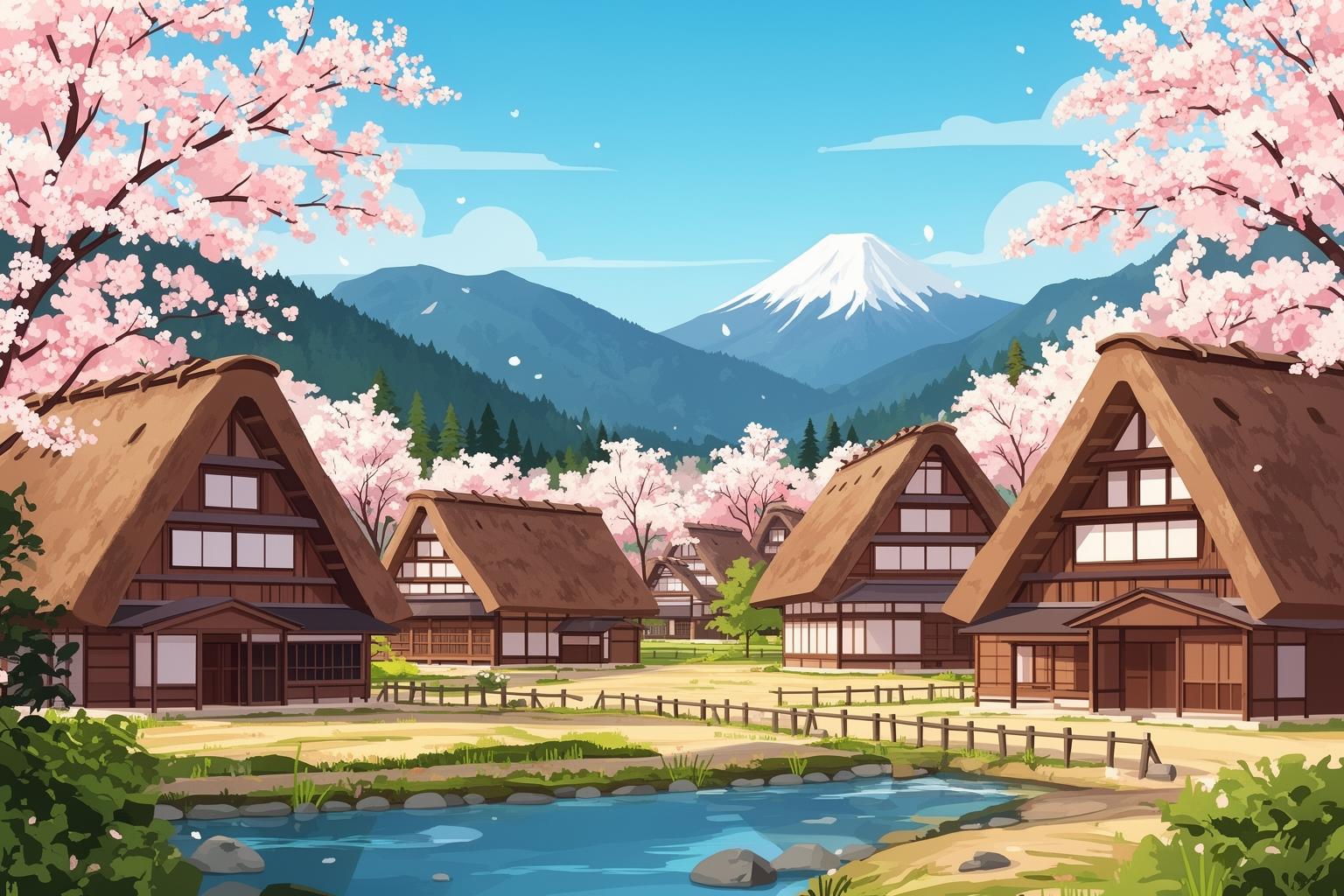
Shirakawa-go’s remote setting is a major part of its appeal, but it also means reaching the village takes some careful planning. Its seclusion has helped preserve its unique character, so consider the journey itself as part of the experience—a gradual shift from the modern world to a place of timeless beauty.
Getting There is Half the Adventure
First things first: Shirakawa-go does not have a train station. The only public transport option to reach the village is by bus. The main bus hubs are Takayama and Kanazawa. From these cities, the Nohi Bus company operates regular services. The trip from Takayama takes about an hour, while from Kanazawa it’s roughly an hour and a half. These bus routes are breathtaking, winding through mountains and deep valleys, offering spectacular views that heighten your anticipation. It’s strongly advised to book your bus tickets online ahead of time, especially during peak seasons, as buses often sell out and you wouldn’t want to be left waiting. For those driving, there’s a large public parking area at Seseragi Park, from where you cross the Deai-bashi suspension bridge to enter the village itself.
To Stay or to Day Trip?
This is an important decision for any visitor. A day trip is entirely doable and is what most people opt for. You can see the main attractions, hike up to the observatory, and enjoy local cuisine all in a few hours. However, this also means sharing the village with large crowds, particularly between 10 AM and 3 PM when tour buses arrive. To truly experience the magic of Shirakawa-go, I wholeheartedly suggest spending the night in one of the gassho-zukuri farmhouses, called minshuku. This offers an unmatched experience. After the day-trippers leave, the village becomes wonderfully peaceful. You can stroll the lanes in the gentle dusk light, see the houses glowing warmly from inside, and feel as if the entire village is yours alone. You’ll share a traditional, home-cooked dinner around the irori hearth with your hosts and fellow guests, sleeping on a comfortable futon on tatami mats. Waking to the soft mist rising over the valley in the morning is a magical moment you’ll cherish forever.
First-Timer’s Field Notes
A few simple tips can greatly enhance your visit. First, wear your most comfortable walking shoes. The village is larger than it appears, and you’ll spend hours exploring its charming streets and stepping inside the farmhouses. Second, carry enough cash. While some larger shops and restaurants accept credit cards, many small family-run stalls and certain entrance fees require cash only. Third, be a respectful visitor. Keep in mind that although Shirakawa-go is a tourist destination, it remains a living community where people live and work. Avoid wandering onto private property, peeking through windows, or taking intrusive photos of residents. Finally, stay mindful of the bus schedules. Missing the last bus of the day could leave you with very limited and costly options for returning to your base.
Beyond the Viewfinder: The Shiroyama Viewpoint
There is one image of Shirakawa-go that everyone recognizes: the panoramic view of the entire village nestled in the valley, a perfect cluster of thatched roofs set against a backdrop of majestic mountains. That iconic photo is taken from the Shiroyama Viewpoint, the location of a former castle keep. Reaching this spot is a must for any visitor. You can either take a 20-minute walk up a winding paved road or, for a small fee, catch a convenient shuttle bus that runs frequently from the village center. Whichever method you choose, the reward at the top is tremendous. From this elevated vantage point, the village transforms. It is no longer merely a collection of individual houses but a cohesive, organic community—a tapestry of green paddies and dark wood roofs woven into the landscape. You can follow the river’s path, spot the landmarks you’ve just visited, and truly appreciate the scale and beauty of the settlement. For Higurashi fans, this viewpoint also holds special meaning, as it’s frequently used in the anime for establishing shots of Hinamizawa, lending the beautiful view a subtly ominous tone. It’s the perfect place to pause and reflect, to see both the real and imagined village spread out before you in all its splendor.
A Quiet Farewell
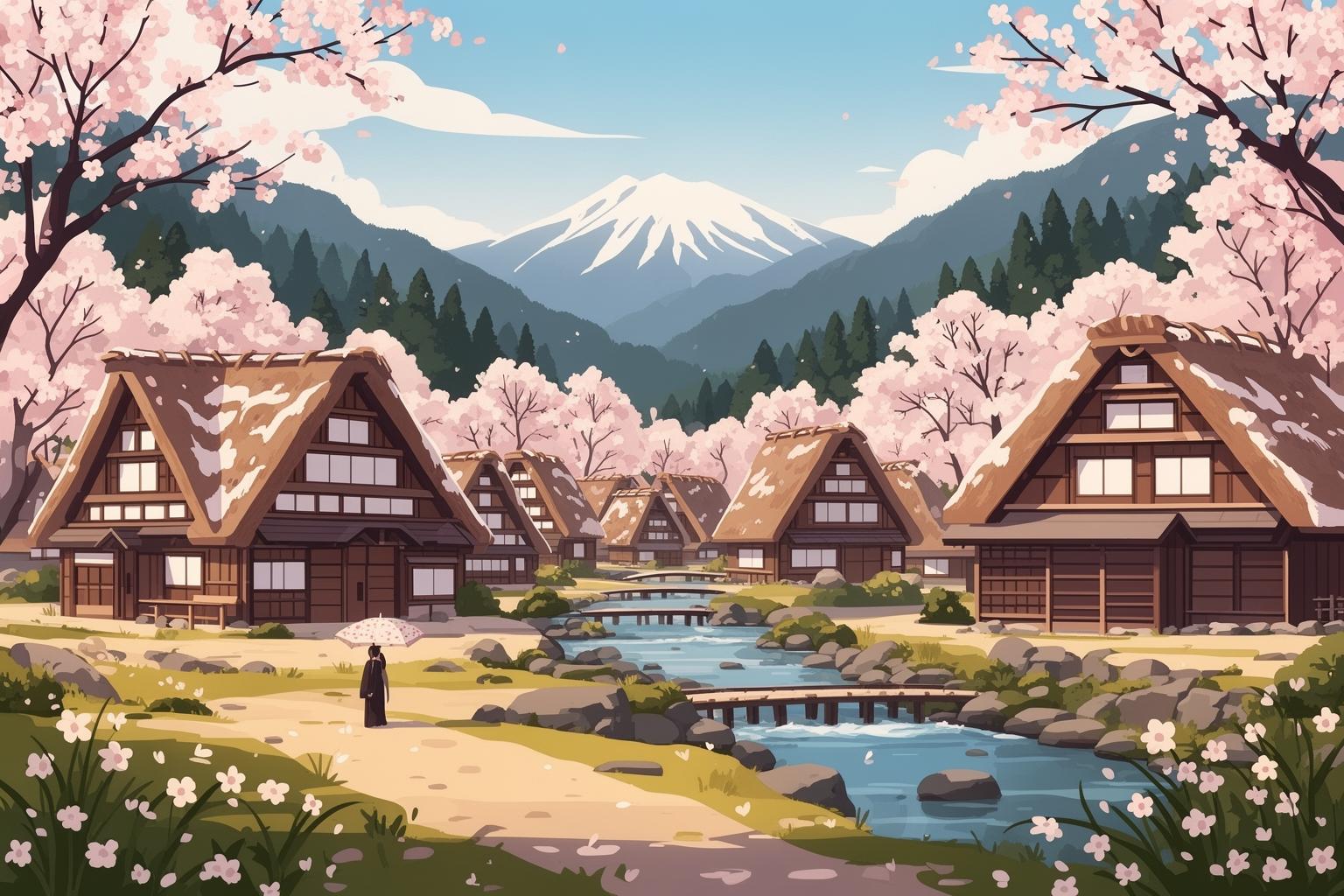
Leaving Shirakawa-go feels like awakening from a vivid dream. As the bus departs and the thatched roofs fade into the distance, you take with you more than just photographs. You carry the scent of woodsmoke, the sensation of creaking floorboards beneath your feet, the taste of sweet miso on your tongue, and the sound of the rushing river. It is a place that captivates all the senses. It strikes a delicate balance between being a carefully preserved historical treasure and a lively backdrop for modern pop culture. It warmly welcomes history enthusiasts, architecture lovers, and anime pilgrims alike, allowing each to discover their own story within its timeless scenery. Whether you see a tranquil farming village or the eerie streets of Hinamizawa—or, more often, a captivating blend of both—Shirakawa-go serves as a powerful reminder that some places are more than mere destinations. They are experiences, echoing with a magic that is both ancient and wonderfully fresh.