There are places on this earth that feel older than time, worlds where the air itself seems to hum with a forgotten magic. Yakushima is one such place. Floating in the Ōsumi Islands, just south of Kyushu, this subtropical island is a realm of staggering peaks, thundering waterfalls, and forests so ancient they seem to breathe. For many travelers, however, its name resonates with a more modern mythology, a whisper of animated spirits and wolf gods. This is the island that breathed life into Hayao Miyazaki’s cinematic masterpiece, Princess Mononoke. To walk here is to step through the screen, to wander through the very soul of Studio Ghibli’s imagination, where the line between the real and the mystical blurs with every moss-covered stone. It’s a pilgrimage not just for fans of the film, but for anyone who has ever yearned to feel the profound, humbling power of a world untouched by the hurried pace of modern life. This journey is an invitation to listen to the whispers of the kodama—the tree spirits—and to find the heart of the forest that inspired one of the greatest animated films of all time.
For travelers captivated by the mystical interplay of nature and film, a Your Name pilgrimage in Tokyo reveals another enchanting layer of Japan’s animated heritage.
The Soul of the Island: Whispers of Kodama in the Cedar Forests
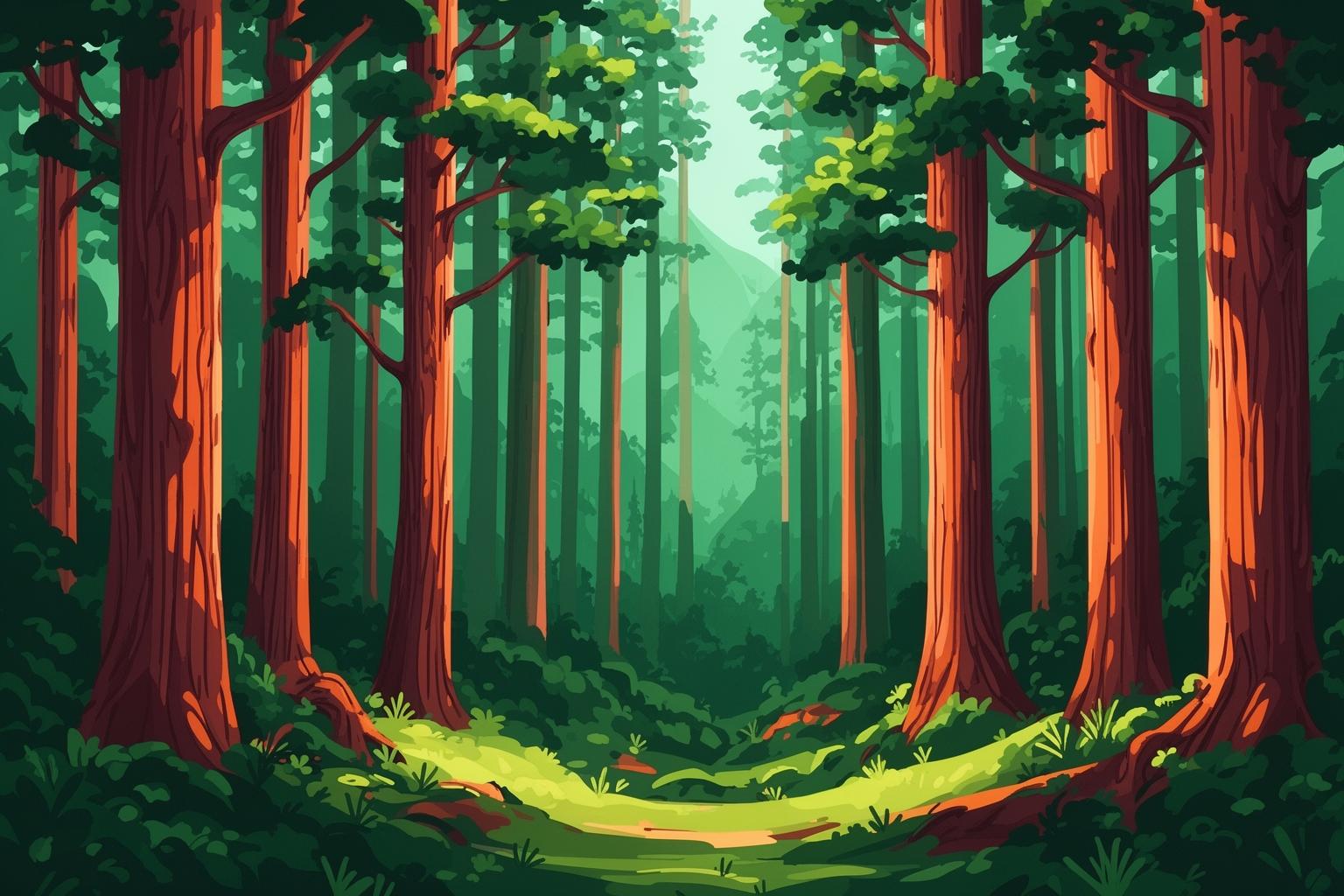
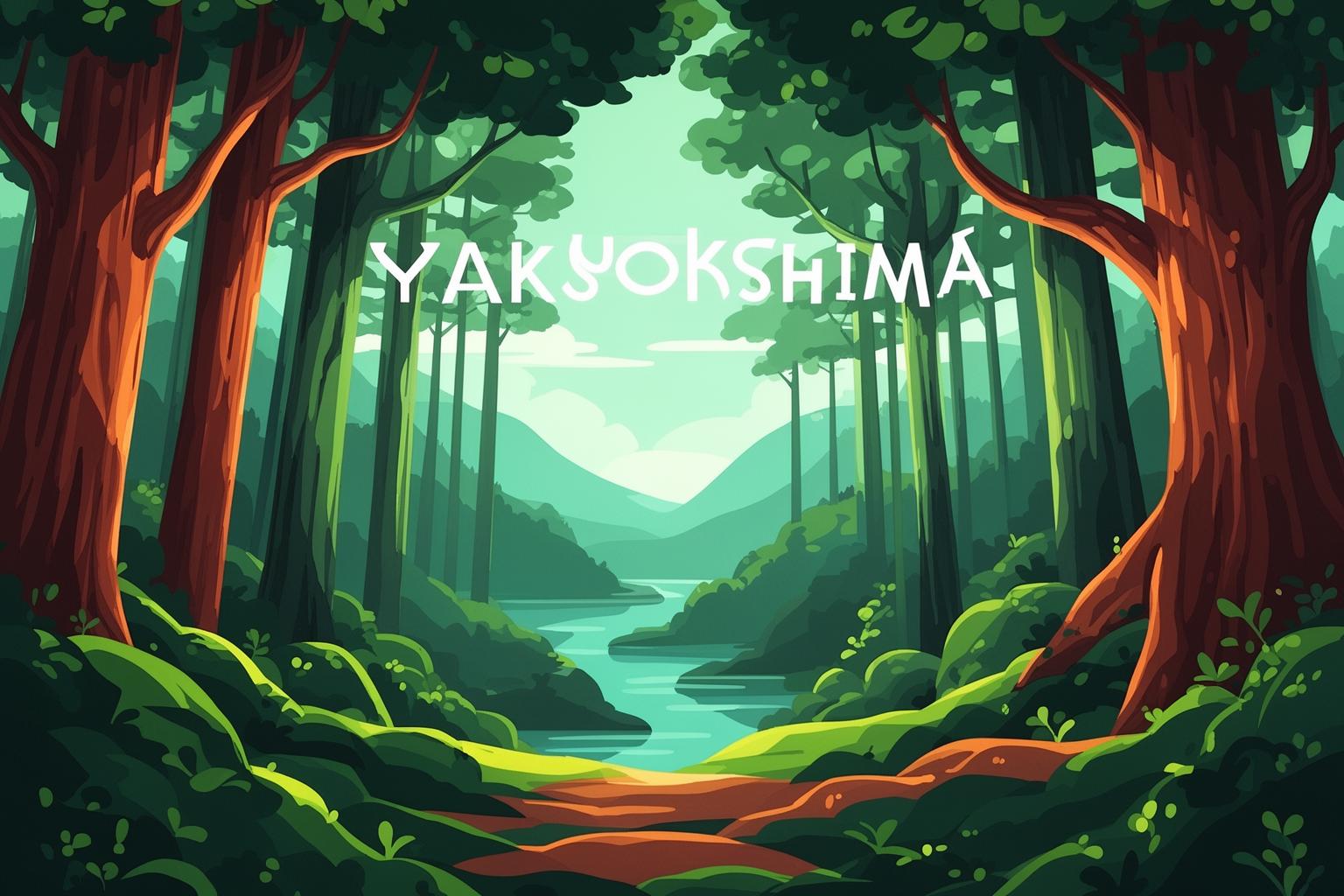
The moment you enter the deep woods of Yakushima, the world you once knew simply fades away. The air turns cool and thick with the scent of damp earth and decaying wood—a primal aroma that clears the mind. Light battles to break through the dense canopy, streaming down in ethereal beams that illuminate a landscape painted in countless shades of green. This is the realm of the Yakusugi, ancient Japanese cedars, some of which have stood silently for millennia. Their immense, twisted trunks, cloaked in thick layers of moss and ferns, feel less like trees and more like slumbering giants. It is this overwhelming sense of life—ancient, enduring, and all-encompassing—that lies at the heart of the island’s spirit. You naturally slow your pace, breathe more deeply, and lower your voice as if not to disturb the profound stillness. This is more than a forest; it is a sanctuary. Every babbling stream, every gnarled root, every impossibly green cushion of moss feels intentional, part of a living, breathing ecosystem that director Hayao Miyazaki captured so brilliantly. You can almost sense the kodama, the white, rattling tree spirits from Princess Mononoke, peeking out from behind the velvety curtains of moss, their heads tilted in silent curiosity. This palpable atmosphere is the island’s true magic—the force that draws pilgrims from around the world to follow in the footsteps of Ashitaka and San.
A Journey into Shiratani Unsuikyo: The Mononoke Woods
While the whole island exudes a cinematic aura, the core of the Princess Mononoke pilgrimage lies at Shiratani Unsuikyo Ravine. This protected nature park is a maze of hiking trails weaving through the very landscapes that directly inspired the film. Entering the ravine feels like stepping onto an exquisitely designed movie set, except every element is real and vibrant with life. The constant soundtrack is the flow of water, from the soft trickle over moss-covered rocks to the powerful rush of the Shiratani River cutting through granite boulders. The park embodies Yakushima’s nickname as the “island of 35 rainy days a month,” a poetic exaggeration reflecting the persistent moisture nurturing this emerald realm. This continuous dampness is the forest’s lifeblood, allowing countless moss species to flourish, covering every surface with a lush, green carpet. The trails themselves enhance the experience, with wooden boardwalks and rustic paths leading you further into the enchanting landscape, each bend unveiling a scene more stunning than the last.
Trails for Every Wanderer
Shiratani Unsuikyo boasts a network of trails catering to a wide range of fitness levels and ambitions, making its magic accessible to everyone. For those with limited time or seeking a gentler introduction, the Yayoisugi Course offers a lovely, easy loop taking about an hour. This route passes magnificent cedars, including the ancient Yayoisugi, giving a perfect taste of the ravine’s distinctive atmosphere without demanding too much effort. However, to fully immerse yourself in Mononoke’s world, the Taikoiwa Rock Course is the ultimate path. This longer hike, usually lasting four to five hours, takes you through the forest’s most iconic areas. The trail winds past the Nidaiosugi cedar, crosses charming wooden bridges over crystal-clear streams, and climbs stone-paved paths that feel as ancient as the towering trees. The journey is as vital as the destination—a meditative passage through a realm that feels increasingly detached from reality the deeper you wander.
The Moss Forest (Kokemusu-no-mori)
Deep inside the Taikoiwa Rock Course lies the destination every Ghibli enthusiast seeks: the Kokemusu-no-mori, or Moss Forest. A small sign marks the spot, but you hardly need it. You’ll know you’ve arrived when the landscape shifts into something truly sublime. Here, the forest floor, rocks, fallen logs, and low-hanging branches are all cloaked in a thick, continuous blanket of moss. It’s a vision of impossible greenness, a surreal display of nature’s artistry. This is the very place Miyazaki and his artistic team spent hours sketching, capturing the spirit of the Forest Spirit’s realm. Standing there in the quiet stillness, it’s easy to imagine the gigantic, mystical deer-like creature moving silently through the trees, or to picture San, raised by the wolf goddess Moro, perched on one of the mossy boulders. The air feels sacred and still. This isn’t just a beautiful spot; it’s a piece of cinematic history brought to life—a place where fiction and reality merge into one unforgettable panorama. The trail culminates at Taikoiwa Rock, a massive granite boulder offering sweeping views over the island’s mountainous interior—a breathtaking finale that places the entire magical forest into a grand and humbling perspective.
Beyond the Moss: The Majesty of Jomon Sugi
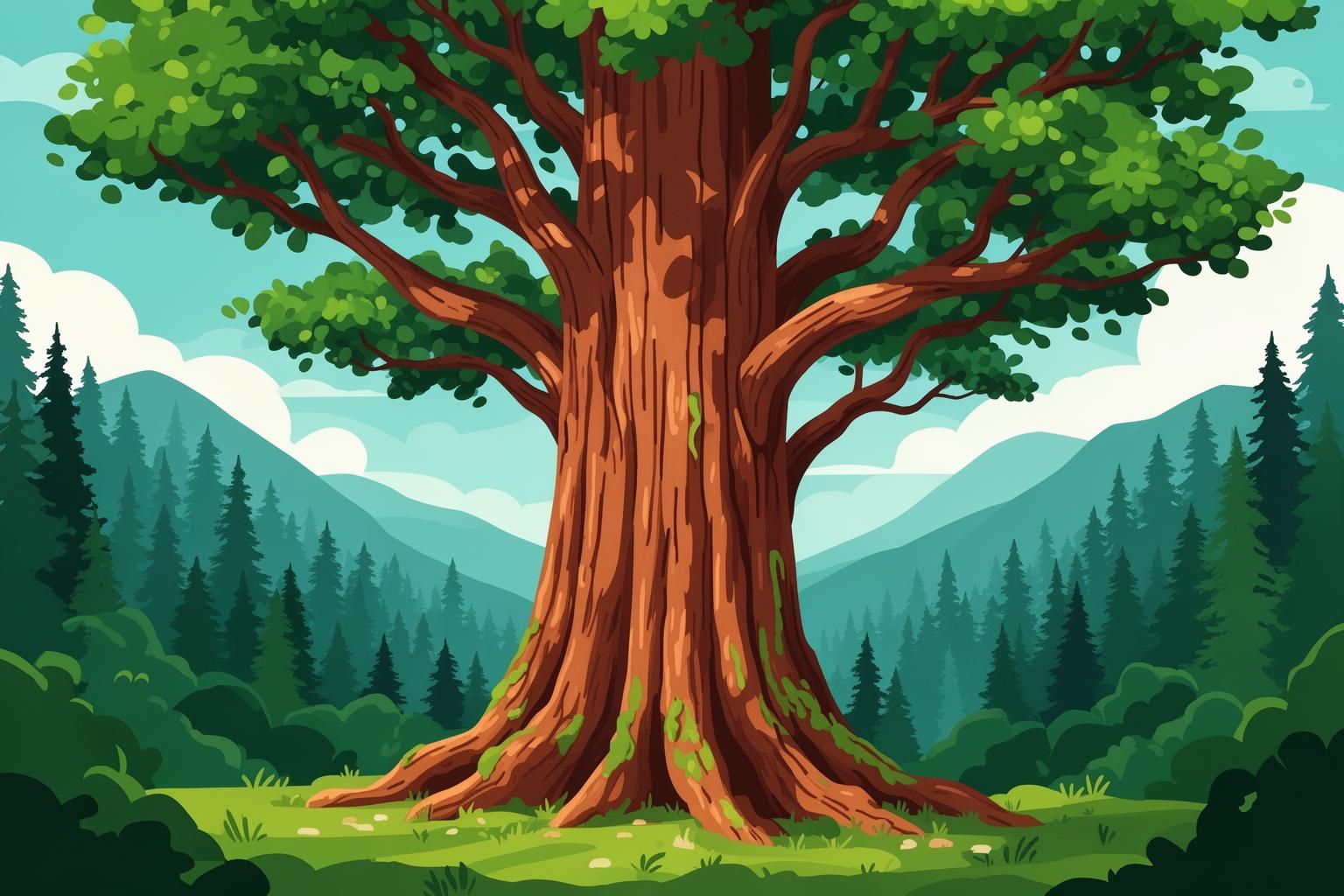
While Shiratani Unsuikyo embodies the enchanting spirit of Princess Mononoke, an even older presence dwells on the island: Jomon Sugi. This single tree is Yakushima’s most ancient inhabitant and a living monument of immense age. Estimates suggest it is anywhere from 2,000 to over 7,200 years old, a relic from a time when Japan’s history was just beginning. Standing before Jomon Sugi offers a distinctly different kind of pilgrimage. It is a journey not into fantasy, but into the deep, tangible past of our planet. The hike to reach it is a serious challenge—far more demanding than the trails of Shiratani Unsuikyo—but one that rewards every bit of effort. The route follows the Arakawa Trail, much of which traces an old logging railway line, the rusted tracks serving as stark reminders of a time when these sacred forests faced threat. The juxtaposition of industrial remnants against the pristine wilderness they traverse forms a powerful narrative, echoing the film’s central conflict between humanity and nature. This trek emphasizes profound respect and endurance over cinematic beauty, presenting both a physical and spiritual test that connects you to the island’s raw, untamed power.
Preparing for the Pilgrimage
Preparing for the hike to Jomon Sugi demands careful planning. This is no casual stroll; it requires a full-day commitment, typically taking ten to twelve hours round trip. Starting well before dawn is crucial, as is wearing sturdy hiking boots with ankle support, layered clothing for shifting weather, and dependable rain gear—rain is not just possible on Yakushima, it is inevitable. You need to carry enough food and water for the entire day since there are no facilities along the way. Many hikers choose to go with a local guide, which is highly recommended for first-timers. A guide not only ensures safety and pace but also greatly enriches the experience by highlighting unique flora, sharing island stories, and deepening your insight into the forest’s delicate ecosystem. They turn a grueling hike into an educational and profoundly moving journey, making the final arrival at Jomon Sugi’s viewing deck more than a physical achievement, but the climax of a powerful story.
The Rhythms of Yakushima: Practicalities of an Island Adventure
Planning a trip to a remote, mythical island requires some logistical preparation, but the journey itself is part of the adventure. Embracing the island’s pace and rhythms begins with knowing how to get there and how to navigate once you’ve arrived. Yakushima is a world apart, with infrastructure that runs at a more deliberate pace than mainland Japan. Organizing these details ahead of time lets you relax and fully immerse yourself in the island’s magic upon arrival, focusing your energy not on logistics, but on the whispers of ancient forests and the crash of Pacific waves against granite shores.
Reaching the Enchanted Isle
Your entry point to Yakushima is usually Kagoshima, located at Kyushu’s southern tip. From there, there are two main ways to travel. The fastest option is flying. Japan Air Commuter offers several daily flights from Kagoshima Airport (KOJ) to Yakushima Airport (KUM), a brief and scenic 35-minute trip that provides stunning aerial views of the island’s dramatic peaks as you descend. For a more romantic and grounded arrival, you can take the sea route. The high-speed jetfoil ferries, the Toppy and Rocket, travel from Kagoshima to Yakushima’s Miyanoura or Anbo ports in about two to three hours. Experiencing the sea spray and watching the island transform from a distant silhouette to a towering green fortress is unforgettable. A slower, more budget-friendly alternative is the Yakushima 2 car ferry, a four-hour voyage that accommodates vehicles and offers a relaxing cruise, giving you time to savor the shift from urban mainland to wild, untamed island.
Navigating the Wilds
Once on Yakushima, you’ll soon realize the island is larger and more rugged than it looks on a map. While a public bus system exists, its service is infrequent and may not suit the early departures needed for major hikes such as the one to Jomon Sugi. For true freedom and flexibility, renting a car is by far the best choice. Having your own vehicle lets you explore the island on your own terms, whether chasing morning light at a remote waterfall or lingering on a deserted beach at sunset. The island’s main road circles the coast but is narrow and winding in places, especially on the western Seibu Rindo forest path, where you’re more likely to encounter Yakushika deer and Yakuzaru monkeys than other cars. Driving here is its own experience—a slow, scenic journey through diverse landscapes. Be sure to reserve your rental car well in advance, particularly during peak travel seasons, as the island’s fleet is limited.
When to Answer the Forest’s Call
Yakushima’s character shifts dramatically with the seasons, and the best time to visit depends on what you want. Spring, from March to May, is a glorious season when the island awakens. The weather is pleasant, mountain cherry blossoms add pink splashes to the green canopy, and the forests burst with new life. Autumn, from October to November, is another prime season, offering cool, stable weather ideal for long hikes, with the summer crowds gone. Summer brings heat, humidity, and the peak tourist season. However, it’s also sea turtle nesting time and provides the most dependable weather for water activities. Winter can bring snow dusting the highest peaks, sometimes closing trails, but the coastal areas remain mild, and the crisp, clear air reveals a different kind of beauty. The most notorious season is the rainy season, or tsuyu, from late May through July. Though this may sound uninviting, Yakushima is arguably at its most magical during this time. Constant rain supercharges the forest, making moss vibrantly lush and rivers and waterfalls roar with power. For photographers, this is paradise. Just make sure to have top-quality waterproof gear from head to toe.
Island Life Beyond the Trails
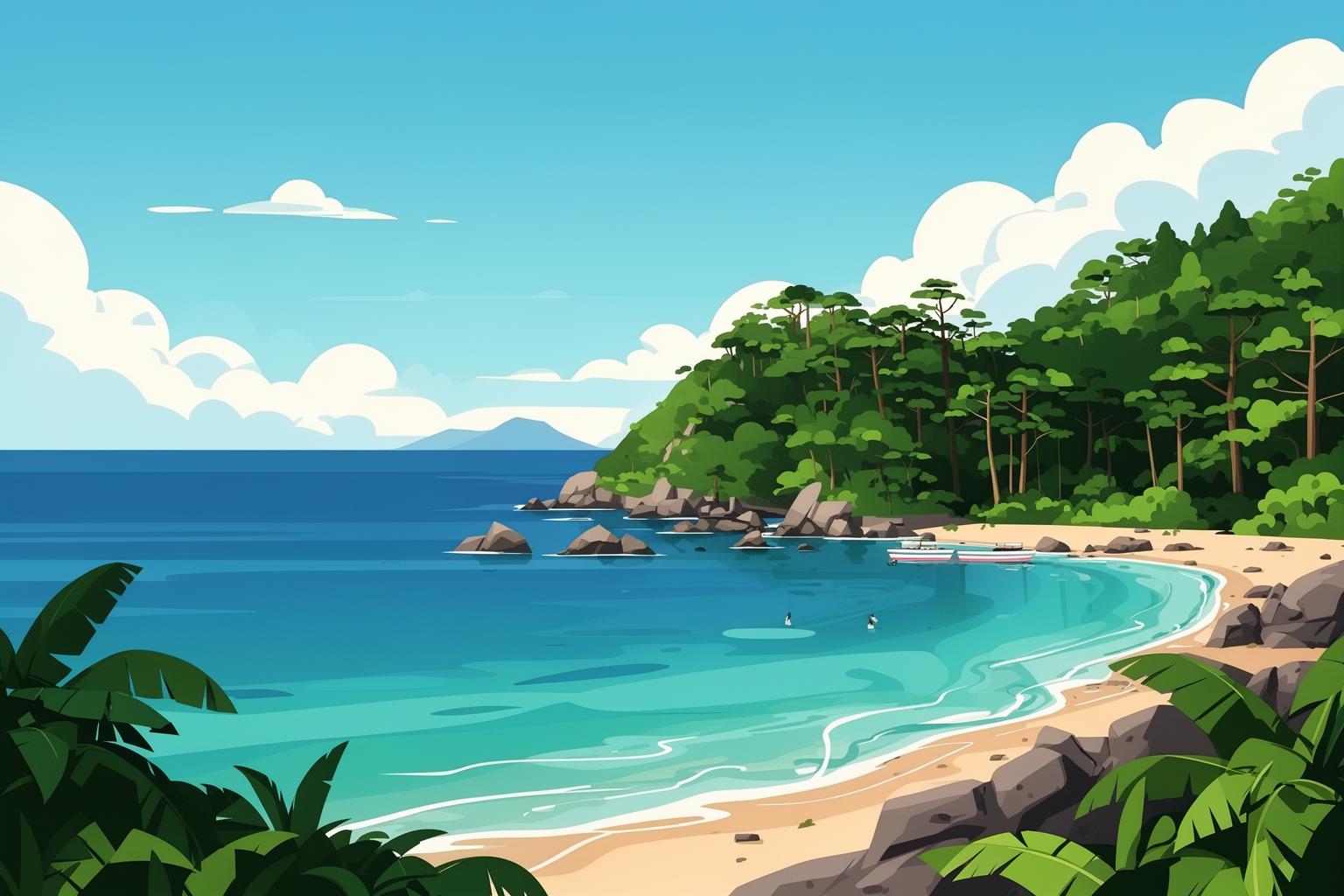
While the ancient forests are the island’s main attraction, the true spirit of Yakushima extends to its rugged coastline and the small, welcoming communities scattered along its shores. To only hike is to experience just half of what this incredible place has to offer. The days between challenging treks present ideal opportunities to discover the island’s other marvels, ease tired muscles, and engage with the local culture that has harmoniously coexisted with this powerful natural world for centuries. Here, you can genuinely sense the balance of life on the island—the interaction between the imposing mountains and the vast, life-giving sea. It is during these moments of coastal exploration and peaceful relaxation that the complete picture of Yakushima emerges, revealing a land of both fierce wilderness and gentle calm.
Coastal Wonders and Soothing Onsen
The island is surrounded by natural treasures. Nagata Inakahama Beach, a stretch of golden sand on the northwest coast, serves as a significant nesting ground for loggerhead sea turtles. Visiting from May to August gives you the chance to see their tracks in the sand, a powerful reminder of the ancient life cycles unfolding here. On the southern coast, you can enjoy a truly unique Japanese experience: seaside onsen (hot springs). Hirauchi Kaichu Onsen consists of natural rock pools accessible only for a few hours each day during low tide. Soaking in these geothermally heated waters with waves crashing just a few feet away is an elemental and deeply rejuvenating experience. For a more conventional yet equally breathtaking soak, Onoma Onsen offers lovely facilities with ocean views. These coastal activities provide a perfect contrast to the enclosed, mystical world of the forests, allowing you to fully appreciate the breadth of Yakushima’s natural drama.
A Taste of the Island
Yakushima’s rich environment also rewards it with a unique and flavorful local cuisine. After a strenuous day of hiking, there is no better reward than a meal crafted from the island’s fresh bounty. A local specialty is flying fish (tobiuo), often served deep-fried to crisp perfection, fins and all, creating a dramatic and delicious dish. The island is also renowned for its citrus fruits, especially ponkan and tankan tangerines, which are exceptionally sweet and juicy. You will find their flavors in everything from fresh juice to jams and desserts. For a local spirit, be sure to sample Mitake, the island’s own brand of shochu, a distilled liquor frequently made from sweet potatoes. Dining at a small, family-run restaurant in Miyanoura or Anbo is not just about refueling; it is about savoring the very essence of the island, a perfect final way to connect with this special place.
A Photographer’s Final Frame: Capturing the Spirit
For a photographer, Yakushima is both an aspiration and a challenge. Its overwhelming beauty demands more than merely aiming a camera to capture its true essence. The forest’s frequent darkness and dampness create a low-light setting that challenges technical expertise. A tripod is indispensable for long exposures needed to sharply capture mossy details and to render flowing streams as silky white ribbons. A circular polarizing filter is invaluable here, reducing glare from wet leaves and rocks while enhancing greens and saturating colors to reflect what your eyes perceive. Beyond technicalities, the main goal is to convey the feeling. Focus on small details: a single drop of water on a fern, the intricate bark patterns of an ancient cedar, or mist weaving through the trees. To convey the immense scale, include a human figure—a fellow hiker on the trail—juxtaposed against a towering tree. The best Yakushima photographs do more than document a place; they express the awe and reverence it evokes. It demands patience, waiting for the perfect shaft of light to pierce the canopy, but the final image can capture a hint of the island’s timeless magic.
An Echo in the Heart
Leaving Yakushima feels like awakening from a vivid dream. The journey back, whether by sea or air, provides a final glimpse of the towering green peaks, making it hard to believe you were just wandering through those ancient landscapes. You depart the island, but its spirit stays with you. The memory of the deep, resonant silence of the forest, the scent of damp earth, and the sight of moss glowing with an almost supernatural light—these impressions settle into your soul. It is more than just a location from a beloved film; it is a profound encounter with nature’s raw, creative force. It is a place that reminds you of a world older, wilder, and more resilient than our own. The echo of the kodama may fade as you return to the noise of everyday life, but the feeling of having walked through a living, breathing myth will remain, a quiet and powerful rhythm in your heart, urging you to remember the magic that still exists in the world.