
Deep within the remote, mountainous heart of Gifu Prefecture, cradled by emerald peaks and sliced through by the pristine Shokawa River, lies a village that feels unstuck in time. This is Shirakawa-go, a designated UNESCO World Heritage site where centuries of tradition are woven into the very fabric of the landscape. Its most defining feature, the iconic gassho-zukuri farmhouses, stand with their steep, thatched roofs angled like hands in prayer, designed to withstand the crushing weight of some of Japan’s heaviest winter snows. To wander through its lanes is to feel the gentle pull of a bygone era, a quiet symphony of rustling reeds, creaking wood, and the distant murmur of flowing water. It’s a postcard of bucolic Japan, a place of profound peace and staggering natural beauty. But for a global legion of anime fans, this serene valley holds a darker, more compelling resonance. For them, this is not just Shirakawa-go. This is Hinamizawa, the deceptively peaceful setting of the legendary psychological horror series, Higurashi: When They Cry. It’s here, amidst this idyllic scenery, that a chilling tale of paranoia, mystery, and a terrifying time loop unfolds, creating a fascinating and haunting duality that draws pilgrims from across the world. The journey here is more than just sightseeing; it’s an act of stepping through the screen, of walking the same paths as Rika, Keiichi, and Rena, and feeling the unsettling contrast between the village’s tranquil reality and the chaotic darkness of its fictional counterpart.
For travelers drawn to the eerie mix of ancient tradition and modern myth, a pilgrim’s journey through Japan’s spirited legends offers a fascinating extension of the area’s real-world mystery.
The Duality of a UNESCO World Heritage Site
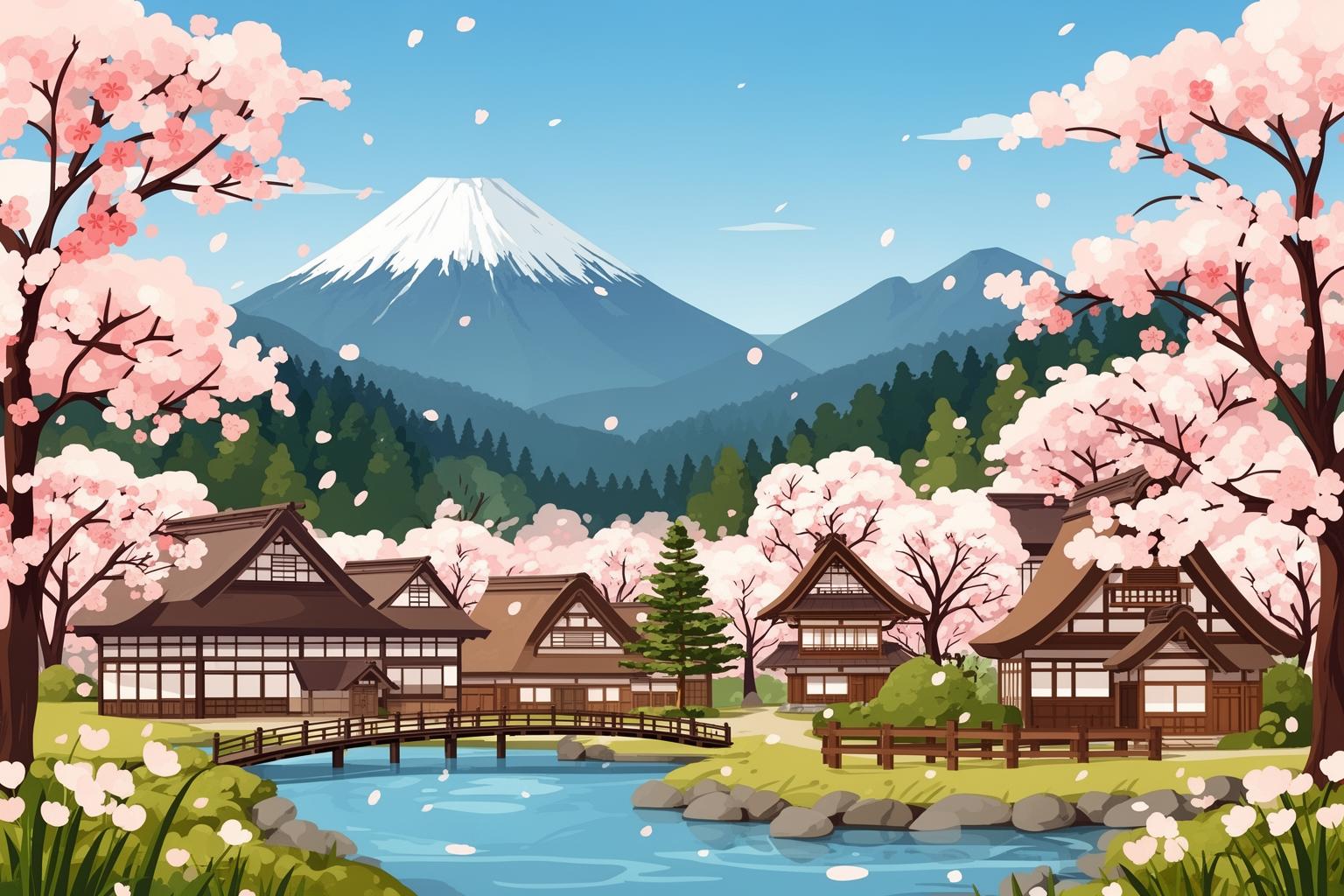
To fully appreciate the pilgrimage to Shirakawa-go, one must first grasp the two compelling narratives that coexist here. On one side, there is the historical reality—a tribute to human creativity and community spirit. On the other, a modern fiction so influential that it has permanently shaped how this quiet mountain village is perceived. The true magic of the place lies in how these two stories don’t just coexist but enhance each other.
A Living Museum of Gifu’s Past
Long before it served as the backdrop for a beloved anime, Shirakawa-go was renowned for its exceptional preservation of a unique way of life. Ogimachi, the largest and most frequented village in the Shirakawa-go and Gokayama region, received UNESCO recognition in 1995. This honor was not for a single monument, but for the whole cultural landscape—the village’s layout, agricultural methods, and, of course, the gassho-zukuri farmhouses. The name, meaning ‘constructed like praying hands,’ perfectly describes the steep, 60-degree pitch of the thatched roofs. This clever design is not merely aesthetic; it’s a brilliant adaptation to the environment. The steep angle allows the heavy, wet winter snow to slide off easily, preventing the immense weight from collapsing the structure. The spacious, multi-level attic areas beneath these roofs were traditionally used for sericulture—the cultivation of silkworms—which was once the valley’s main industry. What’s truly remarkable is that these enormous buildings were constructed without a single nail, relying instead on a complex system of interlocking wooden beams and ropes. Their upkeep is a communal task. The re-thatching of a roof, known as yui, takes place every few decades and involves the whole village coming together in an impressive act of cooperative labor. When you stroll through these streets, you’re not in a sterile, open-air museum. You are in a living, breathing community where residents continue their daily lives, their histories deeply connected to the very houses they inhabit. The air carries the scent of woodsmoke in winter and damp earth after summer rain. It feels genuine, rooted, and profoundly linked to the land.
Hinamizawa’s Haunting Echoes
The brilliance of Higurashi: When They Cry lay in its choice of setting. The creators, 07th Expansion, used the authentic, almost overwhelmingly peaceful atmosphere of Shirakawa-go as a backdrop for unspeakable horror. This contrast is central to the show’s psychological impact. The bright, sunny days, the chirping of birds, and the constant drone of cicadas turn into a sinister soundtrack for the unfolding tragedy. For fans, every corner of Ogimachi is infused with fictional memories. The real village’s tranquility makes the anime’s dark themes of ‘Oyashiro’s curse,’ paranoia, and friendship pushed to its limits all the more intense. Standing in the actual village, you can almost hear the characters’ cheerful greetings, immediately followed by the chilling echoes of their desperate screams. This layering of fiction onto reality is what makes the pilgrimage so powerful. You’re not just observing old houses; you’re searching for the Sonozaki estate, glancing nervously near the shrine, and half-expecting to see Rena waiting along the path home. The village’s isolation, once a key factor in preserving its culture, takes on a new significance for fans—as the suffocating, claustrophobic setting of Hinamizawa’s cursed destiny.
A Pilgrim’s Path Through Hinamizawa
Embarking on a tour of Shirakawa-go as a Higurashi enthusiast feels like a real-life scavenger hunt, where the reward is a deeper connection to the story. The secret is to take your time, walk slowly, and soak in the atmosphere. The village is small enough to explore on foot, with each step unveiling a spot that triggers a flash of recognition.
Arrival and First Impressions: Crossing the Deai Bridge
Most visitors arrive at the bus terminal and start their journey by crossing the Deai Bridge, a long pedestrian suspension bridge spanning the Shokawa River. This serves as your grand entrance, a moment rich with significance. In Higurashi, this bridge symbolizes both a literal and figurative link to the outside world—a threshold that, once crossed, immerses you in the secluded realm of Hinamizawa. As you traverse it, the bridge gently sways beneath your feet. To your left and right, the broad, shallow river sparkles in the sunlight, its waters remarkably clear. Ahead, the village spreads out, a dense cluster of thatched roofs nestled against a forested mountainside. The sheer beauty of the scene is stunning, creating an immediate and powerful sense of cognitive dissonance for fans. This paradise is supposed to be a place of horror? The sound of the rushing water below provides a constant, calming presence, quite different from the ominous tone it sometimes carries in the anime. This bridge is your first trial: to appreciate the beauty of the real Shirakawa-go while sensing the pull of its fictional, haunted history.
The Heart of the Village: Exploring Ogimachi
Once across the bridge, the main village of Ogimachi awaits. The main street is a lively yet gentle hub, lined with souvenir shops, small eateries, and several of the most significant gassho-zukuri houses open to the public. This is where you’ll spend most of your time, retracing the characters’ daily lives.
The Wada House – The Sonozaki Estate?
The largest and best-preserved farmhouse in the village is the Wada House, a nationally designated Important Cultural Property. For Higurashi fans, its imposing size and prime location immediately evoke the home of the influential Sonozaki family, Hinamizawa’s de facto rulers. Stepping inside is a sensory experience. You remove your shoes at the entrance, and your socks slide across smooth, dark wooden floors polished by centuries of use. The air inside is cool and scented with aged wood and the faint, pleasant aroma of the irori, a sunken hearth in the center of the main room often kept smoldering. You can explore multiple floors, climbing steep, ladder-like stairs into the vast attic spaces. Here, you’ll find tools of the silkworm trade, casting intricate shadows in the dim light filtering through small windows. Looking out from the upper floors offers a unique view of the village below, where the thatched roofs of neighboring houses form a geometric pattern. It’s easy to imagine Mion and Shion gazing out these very windows, overseeing their domain.
The Myozenji Temple & Museum
A short walk from the Wada House takes you to the Myozenji Temple. What sets this temple apart is its main hall and priest’s residence, both built in the gassho-zukuri style, featuring a beautiful thatched roof and an impressive bell tower gate. The blend of Buddhist temple architecture with local farmhouse style is captivating. Adjacent to it is the Myozenji Museum, another large farmhouse exhibiting artifacts of daily life from the region’s past. For anime pilgrims, the temple grounds offer a moment of quiet reflection—a space that feels sacred on its own and linked to Hinamizawa’s spiritual roots, centered around Oyashiro-sama and the annual Watanagashi Festival.
The Shirakawa Hachiman Shrine – Furude Shrine’s Sacred Ground
This is undoubtedly the emotional heart of the Higurashi pilgrimage. A gentle walk up a slope on the village edge leads you to the torii gate of the Shirakawa Hachiman Shrine. In the anime, this spot represents the Furude Shrine, home to Rika Furude and the site of the sacred Watanagashi Festival. The moment you step onto the path leading to the shrine, the atmosphere shifts. The air cools, shaded by towering, ancient cedar trees that seem to whisper secrets in the breeze. The stone steps are worn and blanketed in delicate moss. The sense of being in a sacred, timeless place is undeniable. Approaching the main hall, you’ll find the shrine humble yet dignified. However, the true treasure for fans is the stand of ema, wooden prayer plaques. Among the usual prayers for health and success, you’ll discover an inspiring gallery of fan art. Scores of ema showcase beautiful, intricate drawings of Rika, Satoko, Rena, and the full Higurashi cast, left as offerings by pilgrims worldwide. It’s a deeply moving tribute to the global community built around this story—a shared space where fans leave a piece of their heart in the place that inspired it all. Standing here, surrounded by silent forest and fellow fans’ heartfelt tributes, transcends typical tourism—it’s a genuine pilgrimage.
The View from Above: The Shiroyama Viewpoint
No trip to Shirakawa-go is complete without taking in the iconic panoramic view. A short but steep walk (or a quick shuttle ride) leads to the Shiroyama Viewpoint, the location of a former castle. From this elevated spot, the entire Ogimachi village stretches out before you like a miniature model. You see the perfectly arranged gassho-zukuri houses, the winding river, and the rice paddies quilted across the valley floor, all dwarfed by majestic mountains encircling the area. This is the exact view featured in countless promotional photos and, more importantly, in the opening and establishing shots of the Higurashi anime. It defines Hinamizawa’s beauty and isolation. Seeing it firsthand is a powerful moment that weaves all the individual locations you’ve visited into a cohesive whole. It allows you to appreciate the immense scale and breathtaking geography of the setting. It’s especially magical at sunset, when the valley glows in warm, golden light, or in winter, when a thick blanket of snow transforms the landscape into a monochrome fairytale.
Living and Breathing the Atmosphere
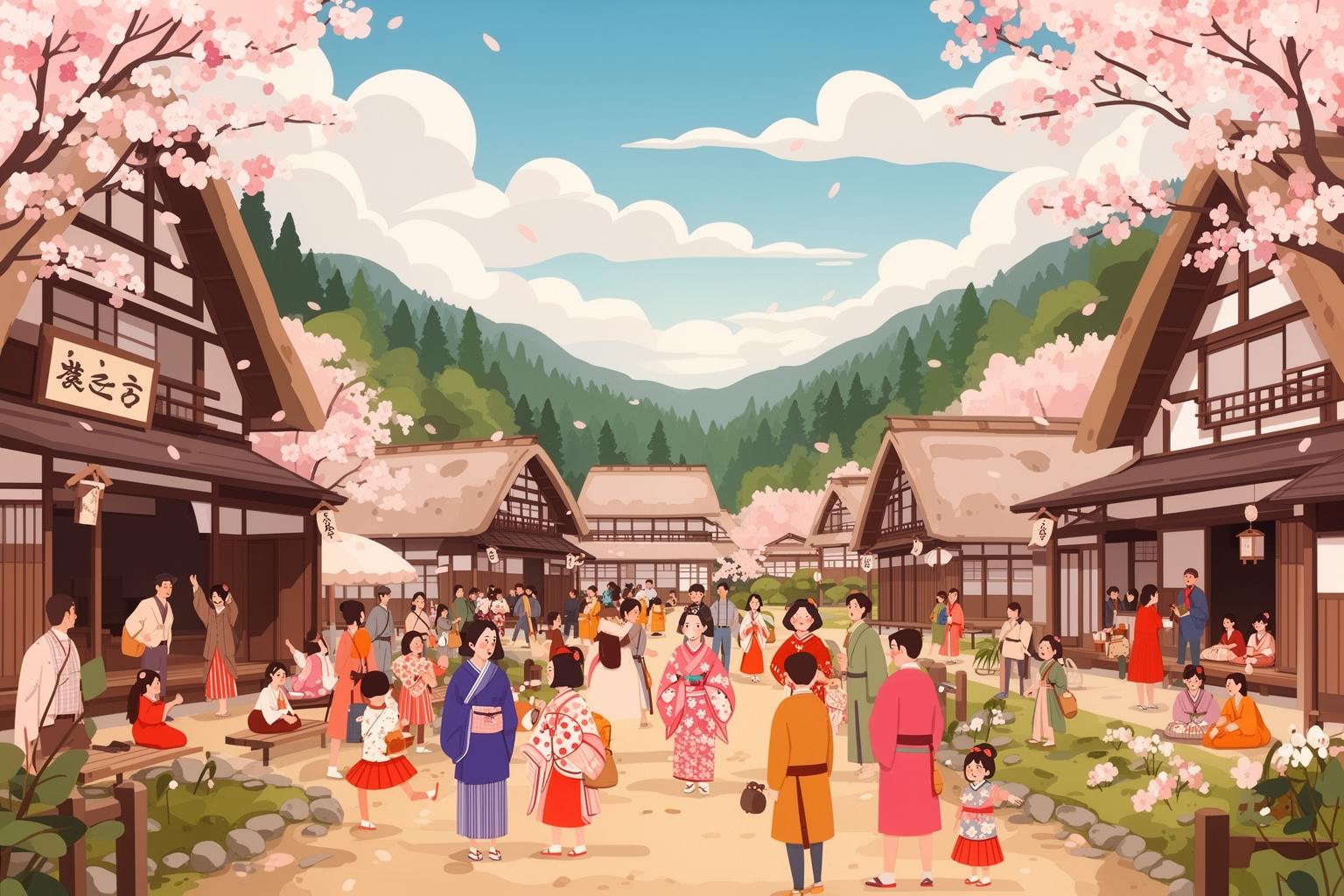
Beyond simply visiting anime locations, the real joy of coming to Shirakawa-go lies in immersing yourself in its distinctive atmosphere. This is a place that engages every sense, leaving lasting impressions long after you’ve departed.
The Taste of the Mountains
The local cuisine directly mirrors the mountain environment—hearty, straightforward, and flavorful. You absolutely must try Hida beef, a regional specialty famous for its exquisite marbling and tender, melt-in-your-mouth texture. It’s served in many forms, from charcoal-grilled skewers to satisfying bowls of ramen. Another beloved local treat is gohei mochi, skewered cakes of pounded rice coated in a sweet and savory miso or soy-based sauce and then grilled. They make an ideal, warming snack while wandering the village. For a complete meal, look for a restaurant that serves houba miso, where meat and mountain vegetables are grilled on a large magnolia leaf with a generous portion of miso paste. And naturally, the crystal-clear mountain water ensures exceptionally delicious soba noodles. Enjoying the local fare is not only about nourishment; it’s an opportunity to taste the history and terroir of the region.
The Sounds of Silence and Cicadas
The soundscape of Shirakawa-go is as unique as its scenery. In the quiet moments off the main tourist routes, you’ll sense a profound tranquility. The prevailing sounds are natural: the constant rush of the river, the whisper of wind through tall pampas grass, and birdsong. In winter, the snow acts as a sound blanket, creating an almost sacred silence. But in summer, another sound dominates: the loud, rhythmic drone of cicadas. For Higurashi fans, this noise is iconic and deeply atmospheric. It’s the relentless soundtrack of Hinamizawa’s summer in 1983, a sound that heightens tension and reflects the oppressive heat beneath which the story unfolds. To stand in the village on a hot July day and hear that exact sound wall is an incredibly immersive—and slightly eerie—experience. It’s the anime’s soundscape brought to life.
Seasonal Splendor: When to Visit
Shirakawa-go boasts four distinct and stunning seasons, each offering a wholly different experience. Winter is perhaps the most famous. From January to February, the village lies buried under meters of pure white snow, creating a magical, almost otherworldly scene. Special winter light-up events are held on select weekends, illuminating the farmhouses after dark and attracting photographers and romantics worldwide. Spring ushers in thaw and delicate cherry blossoms that add pink hues against the dark wood of the houses and fresh green mountains. Summer brings vibrant, lush greenery; rice paddies fill with water, reflecting the sky like mirrors, and the entire valley feels alive and bursting with energy. This is the season of Higurashi, making it the ideal time for fans seeking the most authentic anime experience. Autumn is a riot of color, with mountainsides ablaze in fiery reds, oranges, and yellows. The crisp, cool air is perfect for walking, and the harvest season invites a sense of abundance and contentment throughout the village. There is no single ‘best’ time to visit—only the time that best matches the experience you want.
Practical Pilgrimage: Planning Your Trip
Shirakawa-go’s remote setting is part of its appeal, but it also means that visiting requires some advance preparation. A well-planned trip allows you to concentrate on the experience rather than on logistics.
Journey to a Hidden Village: Access and Transportation
Shirakawa-go has no train station. The only way to reach the village via public transport is by bus. Several highway bus companies offer routes from major nearby cities, with the most common departure points being Takayama, Kanazawa, and Nagoya. The Nohi Bus is a main operator, and it is highly recommended to book tickets in advance, especially during peak seasons, as seats can fill up quickly. The bus ride itself is part of the experience—you’ll wind through tunnels and over bridges, ascending further into the mountains and leaving the modern city behind. This gradual transition builds anticipation and enhances the feeling of traveling to a truly unique and secluded place. When you arrive at the Shirakawa-go Bus Terminal, you’ll find luggage lockers and an information center, providing a convenient starting point for your visit.
Where to Rest Your Head: Accommodations
While a day trip is possible, to fully appreciate the magic of Shirakawa-go, an overnight stay is highly recommended. Once the day-trippers and tour buses leave around 5 PM, the village falls into a deep silence. The best way to experience this is by staying in a minshuku, a family-run guesthouse, many of which are housed in authentic gassho-zukuri farmhouses. This offers an exceptional chance for cultural immersion. Guests sleep on futons laid out on tatami floors, share communal baths, and enjoy homemade dinners and breakfasts, often served around the central irori hearth. This creates an intimate and unforgettable experience. However, minshuku accommodations are limited and often booked months, sometimes up to a year, in advance—especially during the winter light-up season. For those who prefer modern comforts or book late, there are also hotels and ryokans in nearby areas, just a short drive from the historic village center.
Navigating with Respect: Tips for a Mindful Visit
It’s important to remember that Shirakawa-go is not a theme park; it’s a living community where people live and work. Being a respectful visitor is essential. Stay on public roads and designated paths, avoid entering private property or looking into windows of homes that are not open to the public. Keep your voice low, especially during early mornings and evenings. Drones are strictly forbidden to protect residents’ privacy and maintain the village’s peaceful atmosphere. Additionally, be practical—the village involves a lot of walking, often on unpaved trails and slopes, so comfortable shoes are necessary. Mountain weather can change rapidly, so dressing in layers is advisable regardless of the season. By being a thoughtful traveler, you help preserve the very atmosphere that draws you to Shirakawa-go.
A Place of Two Memories
Leaving Shirakawa-go feels like awakening from a strange and beautiful dream. It’s a place that remains both a serene historical treasure and a deeply personal landmark for fans of a dark and complex story. The pilgrimage is a journey through these dual identities. You arrive seeking the thrill of Hinamizawa, hoping to see the real-life settings of your favorite scenes. You discover that, but also something deeper: a quiet, resilient village that has endured centuries of harsh winters, a community united by tradition and a shared heritage. The beauty of the real place doesn’t erase the fictional horror, nor does the anime’s dark reputation diminish the village’s charm. Instead, they coexist in a unique harmony, creating an experience richer and more memorable than either alone. Whether drawn by history or fiction, Shirakawa-go leaves an indelible impression, a quiet echo in your memory of cicadas buzzing in the summer heat and snow falling silently on praying hands.