
There’s a certain magic that hums in the air of Takayama. Nestled deep within the soaring Japan Alps of Gifu Prefecture, this isn’t just a city; it’s a living, breathing time capsule, a place where the rich tapestry of history feels as present as the clear mountain stream flowing through its center. But for a generation of travelers, its allure runs even deeper. It’s a pilgrimage site, a destination where the beautifully rendered worlds of animation step out of the screen and into reality. This is the town that breathed life into the nostalgic mystery of Hyouka and served as the spiritual and architectural blueprint for key locations in Makoto Shinkai’s global phenomenon, Your Name. Walking these streets is a surreal experience. You turn a corner and suddenly, you’re not just a tourist—you’re a character in a story you love. The gentle slope of a bridge, the precise design of a library window, the sacred, silent atmosphere of a mountainside shrine—they’re all here, waiting for you to find them. This journey isn’t just about seeing the sights; it’s about feeling the seamless blend of cinematic fantasy and tangible tradition, a rhythm that makes Takayama truly unforgettable.
For travelers captivated by Takayama’s enchanting blend of history and cinematic fantasy, exploring Ghibli-inspired landscapes offers another layer of Japan’s magic.
The Old Town: A Timeless Stage Set in Wood and Water
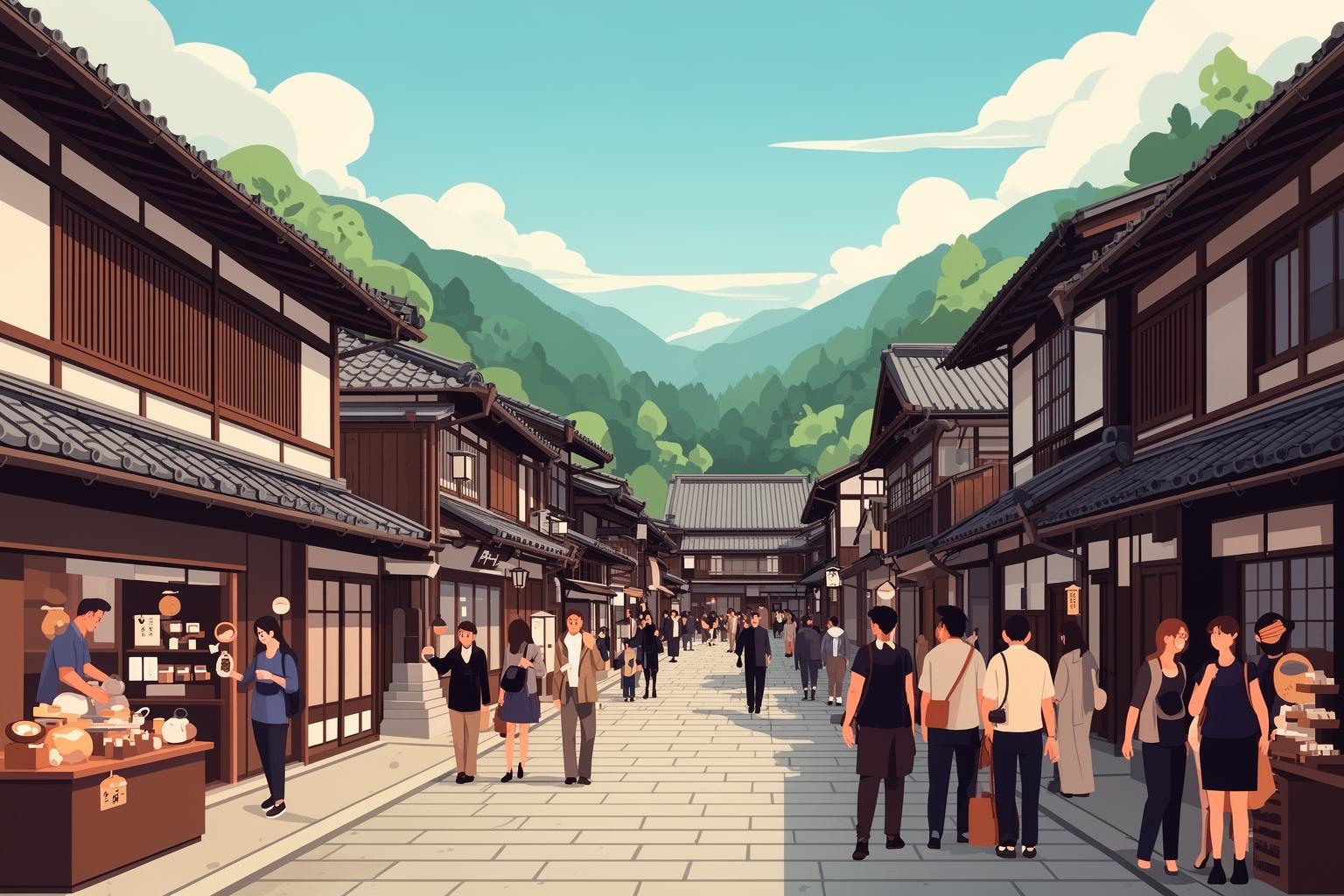
The heart of Takayama’s charm pulses most vividly in its Sanmachi Suji district, the impeccably preserved historic quarter. Entering this area feels like the world has softened into a gentle, sepia-toned hue. The streets are lined with dark wooden merchant houses from the Edo Period, their latticed windows and overhanging eaves forming a harmonious, rhythmic pattern against the sky. Below, narrow canals filled with large, colorful carp bubble with water so clear that the stones on the bottom are visible. The air is rich with the sweet, earthy scent of cedar from the surrounding forests and a faint, malty aroma of fermenting rice from the many sake breweries. It’s a sensory experience that overwhelms in the most gentle, delightful way.
For fans of the high school mystery anime Hyouka, this entire district is sacred ground. The iconic red Nakabashi Bridge, featured repeatedly in the series, is a vivid, real-life landmark linking the old town to the rest of the city. Standing on it, especially in spring when cherry blossoms frame the scene or in winter when it’s dusted with snow, offers a truly cinematic moment. You can almost hear the thoughtful exchanges between Hotaro and Eru. As you explore the winding streets, you’ll recognize the architecture and atmosphere that defined the show’s aesthetic. The Yayoibashi Bridge and the overall ambiance of the Miyagawa River riverside feel like scenes lifted directly from the anime’s background art.
A handy tip for first-time visitors: rise early. Before the crowds gather, the town belongs to the locals. The morning markets, or asaichi, are an essential part of the Takayama experience. The Miyagawa Market, stretching along the river, and the Jinya-mae Market, located in front of the historic Takayama Jinya, come alive just after sunrise. Here, friendly elderly women sell everything from crisp, oversized vegetables and homemade pickles to fragrant magnolia leaves used for Hoba Miso. Grab a skewer of savory mitarashi dango (a local variant glazed with soy sauce instead of sweet syrup) and take a leisurely stroll. It’s the perfect way to soak in the town’s genuine, unhurried rhythm.
Hida-Sannogu Hie Shrine: Whispers of Tradition and Fiction
A short, pleasant walk from the lively town center brings you to a place of profound tranquility and great significance for anime pilgrims. Hida-Sannogu Hie Shrine is the spiritual core of Takayama, but for millions worldwide, it serves as the unmistakable inspiration for the Miyamizu Shrine in Your Name. The path begins with a steep stone staircase, shaded by a canopy of ancient, towering cedar trees that seem to reach the sky. As you ascend, the city’s noise fades away, replaced by the rustling of leaves and the cawing of crows. The air becomes cooler and heavier with the scent of moss and damp earth, marking a powerful transition that prepares you for the sacred space ahead.
At the summit, the familiar sight of the shrine’s main hall, with its elegant wooden design and sloping roof, immediately transports you to Mitsuha’s world. Though not an exact replica, the architectural style is unmistakable. The stone torii gate at the entrance, the guardian lion-dog statues standing watch, and the overall layout strongly evoke key scenes from the film. You can almost envision Mitsuha and her sister performing their rituals or Taki, years later, climbing these very steps in his desperate search for answers.
Beyond its anime ties, Hie Shrine hosts the magnificent Takayama Spring Festival, one of Japan’s three most beautiful festivals. The massive, intricate floats, or yatai, are stored nearby, and the atmosphere during the April festival is electric. However, a visit on a quiet weekday offers a different kind of magic—one of peaceful reflection. When you visit, be mindful of proper etiquette. At the purification fountain near the entrance, use the ladle to rinse your hands and mouth before approaching the main hall. When offering a prayer, it is customary to bow twice, clap twice, and bow once again. This simple act of respect connects you to a tradition that has endured on this site for centuries, adding a meaningful layer to your pilgrimage beyond just taking photos.
A Tale of Two Libraries: Knowledge and Nostalgia

Sometimes, the most meaningful connections emerge from the most unexpected places. While shrines and old towns are traditional pilgrimage sites, it speaks to the attention to detail in Your Name that a public library has become a must-visit spot. The Hida-Takayama City Library is where the protagonist, Taki, diligently searches for information about the lost town of Itomori. The actual building is a stunning example of modern architecture that beautifully integrates traditional elements, especially the extensive use of local Hida wood.
Upon entering, you’re welcomed by a warm, inviting atmosphere and a quiet reverence for knowledge. The interior is spacious, filled with natural light, and the scent of wood and aged paper adds to the comfort. Fans of the film will instantly recognize the specific seating areas by the large glass windows where Taki and his friends sat. The design—from the shelf arrangement to the distinctive circular roof supports—is so faithfully replicated in the anime that being there in person feels almost surreal. Visitors are encouraged to explore quietly, and the library staff, well aware of its fame, often provide a small map highlighting key photo locations.
What makes this spot truly special is what it symbolizes in the story: the power of research, memory, and the determination to preserve precious history. Sitting in that very place, gazing out at the city, you can’t help but feel connected to that journey. It’s a wonderful place to pause from walking, perhaps browse a few books, and enjoy the gentle pulse of community life. This isn’t just a film location; it’s a vibrant, cherished local institution, and experiencing it that way makes the connection to the story feel even more authentic and grounded.
The Flavors of Hida: A Culinary Pilgrimage
A trip to Takayama isn’t complete without savoring its remarkable local cuisine. The Hida region boasts pristine mountain water and fertile soil, creating a vibrant food culture that rivals the charm of its historic streets. This culinary journey is a true delight for your taste buds, featuring flavors that are both rustic and sophisticated.
Hida Beef: The Highlight of the Experience
Everywhere you go in Takayama, you’ll encounter Hida Beef, or Hida-gyu, and for good reason. This premium wagyu brand ranks among Japan’s finest, alongside Kobe and Matsusaka beef. It is famous for its exquisite marbling, which delivers a tender, fine-grained texture that melts effortlessly in your mouth. The taste is rich and buttery, yet never overpowering. You don’t need to splurge at upscale restaurants to try it, although that can be a fantastic experience. One popular way to enjoy it is through Hida beef nigiri sushi, available at street stalls in the old town. A thin slice of lightly seared beef sits atop a hand-pressed ball of vinegared rice, often served on a crispy rice cracker rather than a plate. Another favorite is the simple but perfect kushi-yaki, grilled skewers featuring succulent cubes of beef seasoned with salt and pepper and cooked just for you. It’s the ultimate gourmet street food.
Local Specialties and Street Eats
Beyond the famed beef, Takayama offers a wonderfully varied food scene. The previously mentioned mitarashi dango is a must-try. Unlike the sweet, sticky versions found elsewhere in Japan, Takayama’s rice dumplings are coated in savory soy sauce and grilled over charcoal, imparting a slightly smoky, deeply satisfying flavor. Another regional favorite is Gohei Mochi, flattened oval-shaped pounded rice skewered, coated in a sweet-savory paste made from miso, walnuts, and sesame, then grilled to perfection. It’s hearty, delicious, and ideal for a chilly day. For something more substantial, seek out restaurants serving Hoba Miso, a rustic local dish where miso paste, leeks, mushrooms, and sometimes Hida beef are slowly cooked on a large dried magnolia leaf over a small charcoal stove right at your table. The aroma is irresistible, and the caramelized miso pairs wonderfully with hot rice.
Sake Breweries: Tasting Tradition
The pure, crisp water from the Japan Alps that nourishes the region’s crops is also essential for producing excellent sake. The Sanmachi Suji district houses several historic sake breweries, some operating for centuries. You can recognize them by the large brown cedar balls, called sugidama, hanging above their entrances. Traditionally, a fresh green sugidama is displayed when the new sake is pressed, and its gradual browning signals that the sake has matured and is ready for tasting. Many breweries offer tastings for a small fee, letting you sample a range of styles from dry and crisp to sweet and unfiltered. It’s a fantastic way to explore the detailed brewing process and warm yourself on a cold day.
Beyond the Screen: Practical Magic for Your Takayama Trip
Navigating your way to and around this mountain town is part of the journey. With some careful planning, you can ensure your trip is as smooth and enchanting as the scenery.
Getting There and Getting Around
Takayama is reachable by train and bus from major cities. From Tokyo, take the Shinkansen to Nagoya, then transfer to the JR Hida Wide View Express train. This latter part of the trip is one of Japan’s most scenic train rides, winding through deep gorges and alongside breathtaking river valleys. The train’s large windows are designed for sightseeing, so be sure to secure a window seat. Once you arrive in Takayama, you’ll find the main attractions, including the old town and morning markets, are all within a compact and easily walkable area. For trips a bit further out, such as to the Hida Folk Village, rental bicycles provide a fun and convenient option.
When to Visit: A Town for All Seasons
Takayama looks stunning throughout the year, with each season providing a unique and equally beautiful experience.
- Spring (April-May): This is perhaps the most famous time to visit due to the Takayama Spring Festival (Sanno Matsuri) on April 14th and 15th. The town buzzes with energy as magnificent, centuries-old floats parade through the streets. Combined with cherry blossoms in full bloom, it makes for an unforgettable sight. Keep in mind, it is also the busiest and most expensive time to visit, so book accommodations well in advance.
- Summer (June-August): Summer brings lush, vibrant greenery to the surrounding mountains. While it can be hot and humid, Takayama’s elevation usually keeps temperatures a few degrees cooler than the major cities. It’s an excellent time for hiking and enjoying the area’s natural beauty.
- Autumn (October-November): The mountains burst into a riot of colors with fiery reds, oranges, and yellows. The weather turns cool and crisp—perfect for walking. The Takayama Autumn Festival (Hachiman Matsuri), held on October 9th and 10th, offers another chance to see spectacular floats.
- Winter (December-February): Winter turns Takayama into a peaceful, magical wonderland. The town often experiences heavy snowfall, covering the dark wooden old buildings in a thick white blanket. The quiet of a snowy morning in Sanmachi Suji is deeply beautiful. Breweries are active, and a warm cup of sake is the perfect remedy for the cold.
Where to Stay: From Ryokan to Modern Comfort
To truly immerse yourself in the traditional atmosphere, consider staying at a ryokan, a traditional Japanese inn. This typically includes sleeping on comfortable futons laid out on tatami mats, soaking in a communal hot bath or onsen, and enjoying an exquisite multi-course kaiseki dinner along with a traditional Japanese breakfast. It’s a cultural experience in itself. For those with different budgets or preferences, Takayama also offers a wide range of modern hotels, cozy guesthouses, and affordable hostels, many conveniently located near the train station.
A Step Further: Exploring the Hida Region
While Takayama is a destination worth visiting on its own, it also makes an ideal base for exploring the broader Hida region, an area abundant in culture and stunning natural landscapes.
Shirakawa-go: The Thatched Roof Village
Just over an hour away by bus lies the UNESCO World Heritage site of Shirakawa-go. This picturesque village is renowned for its distinctive gassho-zukuri farmhouses, some of which date back more than 250 years. Their steep, thatched roofs, designed to endure heavy winter snowfall, resemble hands pressed together in prayer. Strolling through this village feels like entering a folktale. Visitors can enter several homes to view their rustic interiors and learn about traditional lifestyles. The view from the Ogimachi Castle Observation Deck is iconic, especially during winter when the village is lit up at night.
Hida Folk Village (Hida no Sato)
If time is limited and you can’t make the trip to Shirakawa-go, the Hida Folk Village is a great alternative just a short bus ride from central Takayama. This open-air museum showcases over 30 traditional houses from across the Hida region, all carefully dismantled and reconstructed around a central pond. You can explore various architectural styles, including gassho-zukuri farmhouses, and watch demonstrations of traditional crafts such as weaving and woodcarving. It offers a wonderful, interactive way to connect with the region’s rich heritage.
The Shinhotaka Ropeway
For those eager to experience the grandeur of the Japan Alps, a visit to the Shinhotaka Ropeway is essential. This double-decker gondola climbs more than 1,000 meters up the Hotake mountain range, providing breathtaking, 360-degree panoramic views from the observation deck at its summit. On clear days, the entire expanse of the Northern Japan Alps is visible. It serves as a striking reminder of the remarkable natural beauty that surrounds and shapes Takayama’s culture.
A Gentle Farewell: Carrying the Scene with You
Leaving Takayama feels like emerging from a beautiful dream. It is a place that effortlessly combines a bustling tourist hotspot with a tranquil mountain retreat, existing simultaneously as a real town and a magical anime backdrop. The true journey here goes beyond ticking off sights; it’s about embracing the town’s slow and gentle pace. It’s found in the flavor of freshly grilled mochi on a crisp morning, the cool touch of water from a shrine’s purification fountain on your hands, and the sight of lanterns glowing softly in the old town as dusk settles over the mountains. You arrive seeking familiar scenes from a beloved film, and you depart with your own collection of cinematic memories, imprinted on your heart. Takayama’s story becomes intertwined with your own, a scene you carry with you long after the train has taken you home.