
There’s a certain kind of magic that lives in the frames of Studio Ghibli’s masterpiece, My Neighbor Totoro. It’s a gentle, sun-dappled nostalgia for a childhood many of us never had but feel we remember—a time of chasing dust bunnies through wooden-floored houses, waiting for your father’s bus in the rain, and believing, with every fiber of your being, that a giant, furry spirit could be sleeping in the camphor tree down the lane. For years, I watched this film with my own children, that familiar warmth washing over us, always thinking of it as a perfect, untouchable fantasy. But what if I told you that you could walk right into that fantasy? That the whispering forests, rustic farmhouses, and tranquil landscapes that cradled Satsuki and Mei’s adventures are real? They are, and you can find them in a sprawling green oasis on the border of Tokyo and Saitama Prefecture: the Sayama Hills, lovingly known to many as Totoro’s Forest. This isn’t a theme park with mascots and merchandise; it’s something far more profound. It’s the living, breathing soul of the movie, a place where the rustle of leaves sounds like a Catbus approaching and every giant tree seems to hold a secret. It’s an invitation to step away from the neon pulse of the city and into a storybook, and it’s an adventure our family will never forget.
Let your curiosity lead you further into a realm of wonder as you explore Totoro’s landscape that mirrors the charm and magic of your own cherished adventures.
The Whispering Woods of Saitama
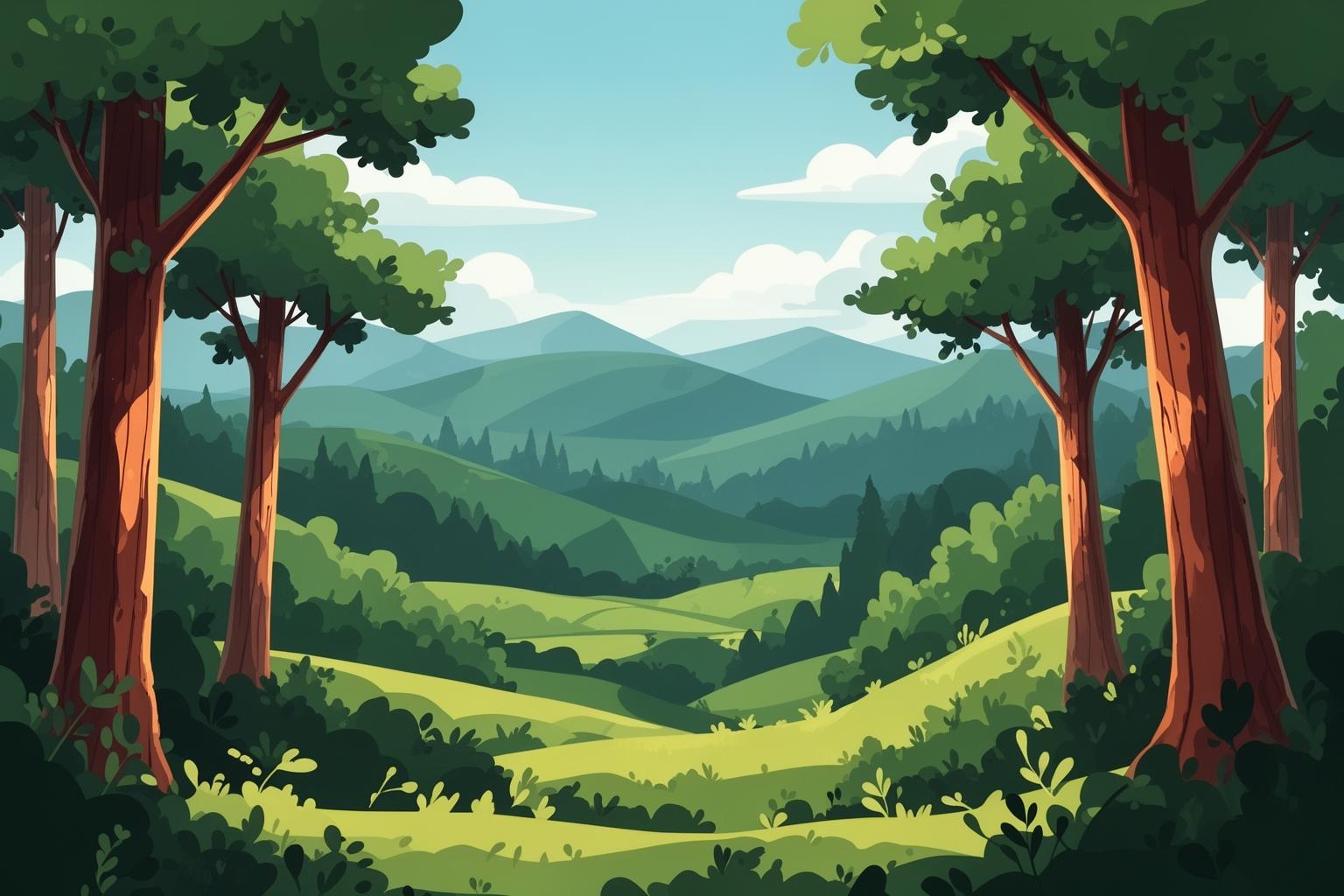
The moment you step off the path and into the heart of the Sayama Hills, the atmosphere shifts. The distant city’s hum fades away, replaced by a symphony of cicadas in summer or the gentle crunch of fallen leaves in autumn. Light, filtered through a thick canopy of trees, dances across the forest floor, creating patterns that feel both timeless and alive. This is the sensation the film captures in reality—the ambiance Hayao Miyazaki so masterfully brought to the screen. You can almost see Satsuki and Mei, their faces glowing with curiosity, darting through the trees, their laughter echoing in the woods. The Sayama Hills region, a vast greenbelt known locally as satoyama—a traditional landscape where woodlands and farmland coexist—was threatened by urban development for decades. It was the deep love for My Neighbor Totoro that sparked a powerful conservation movement, with Miyazaki himself offering his support. The outcome is a protected patchwork of forests, wetlands, and fields that seem frozen in time, a living tribute to the power of animation to inspire real-world change. Walking here is a meditative experience. You’re not searching for exact film locations but rather soaking in the spirit that inspired such a beloved story. Every twisted root, every patch of moss, and every towering camphor tree feels like a piece of that world. It’s a profound reminder that the magic of Ghibli is rooted in a deep respect for the Japanese countryside—a reverence you can feel with every step you take.
Finding Totoro’s House: A Visit to Kurosuke’s House
For any pilgrim on the Totoro trail, the ultimate destination is a charming, rustic building nestled in the woods: Kurosuke’s House. The name, meaning “Soot Sprite’s House,” perfectly captures its essence. While it’s not the actual house from the movie, it is a lovingly preserved Showa-era home that feels as if it could have been. It serves as the visitor center and headquarters of the Totoro no Furusato Foundation, the organization dedicated to preserving this precious landscape. Getting there is part of the charm; it involves a pleasant walk from the nearest station through quiet suburban streets that gradually give way to lush greenery. As you near the dark wooden structure surrounded by trees, a jolt of recognition hits you. It’s like stepping into a memory. When you slide open the old wooden door and step inside, you’re greeted not by a ticket counter, but by the warm scent of aged wood and tatami mats. And then you see him. Sitting serenely in the main room is a massive, huggable Totoro plush, so large that my children gasped before rushing into his furry embrace. It’s a picture-perfect moment, encouraged by the volunteers who staff the house. These passionate locals share stories, point out hidden details, and create a wonderfully welcoming atmosphere. You’ll spot little soot sprites peeking from the rafters and displays showcasing the local flora and fauna that inspired the film’s ecosystem. It’s a place built on love—love for the film, nature, and community. Keep in mind that Kurosuke’s House is only open on Tuesdays, Wednesdays, and Saturdays, so plan your visit accordingly. There’s no entrance fee, but a small donation is warmly appreciated to support their ongoing conservation efforts. It’s a small price for such a heartwarming and authentic Ghibli experience.
Trails, Temples, and Tranquil Lakes: Exploring the Wider Sayama Hills
The magic of the Sayama Hills reaches far beyond a single house. This area is a vast playground for nature enthusiasts, crisscrossed with trails and sprinkled with cultural and scenic spots that can easily occupy an entire day or even several. Here, you truly embrace the spirit of exploration from the film, venturing off the beaten path to discover your own hidden places.
The Totoro Forest Trails
The Totoro no Furusato Foundation has acquired and preserved numerous parcels of land throughout the hills, naming them “Totoro’s Forests.” These areas are all connected by a network of walking trails that are a joy to explore. As you wander, keep an eye out for charming wooden signs, often carved with a small Totoro figure, marking the correct route. These trails lead you through varied landscapes—one moment into a dense, shadowy forest of cedar and cypress that feels deep and mysterious; the next, into a bright, breezy bamboo grove where the stalks creak softly in the wind. Along the way, you’ll pass small, carefully tended vegetable patches and traditional farmhouses (minka) resembling the one Granny tended in the movie. It’s easy to imagine families cycling along these narrow country lanes. The walks are generally gentle and suitable for all ages, though the paths are unpaved and can become muddy after rain. Let your children take the lead; encourage them to collect acorns, spot intriguing insects, or simply listen to the forest sounds. This isn’t a race to a destination; the journey itself is the reward.
The Serenity of Sayama Lake and Tama Lake
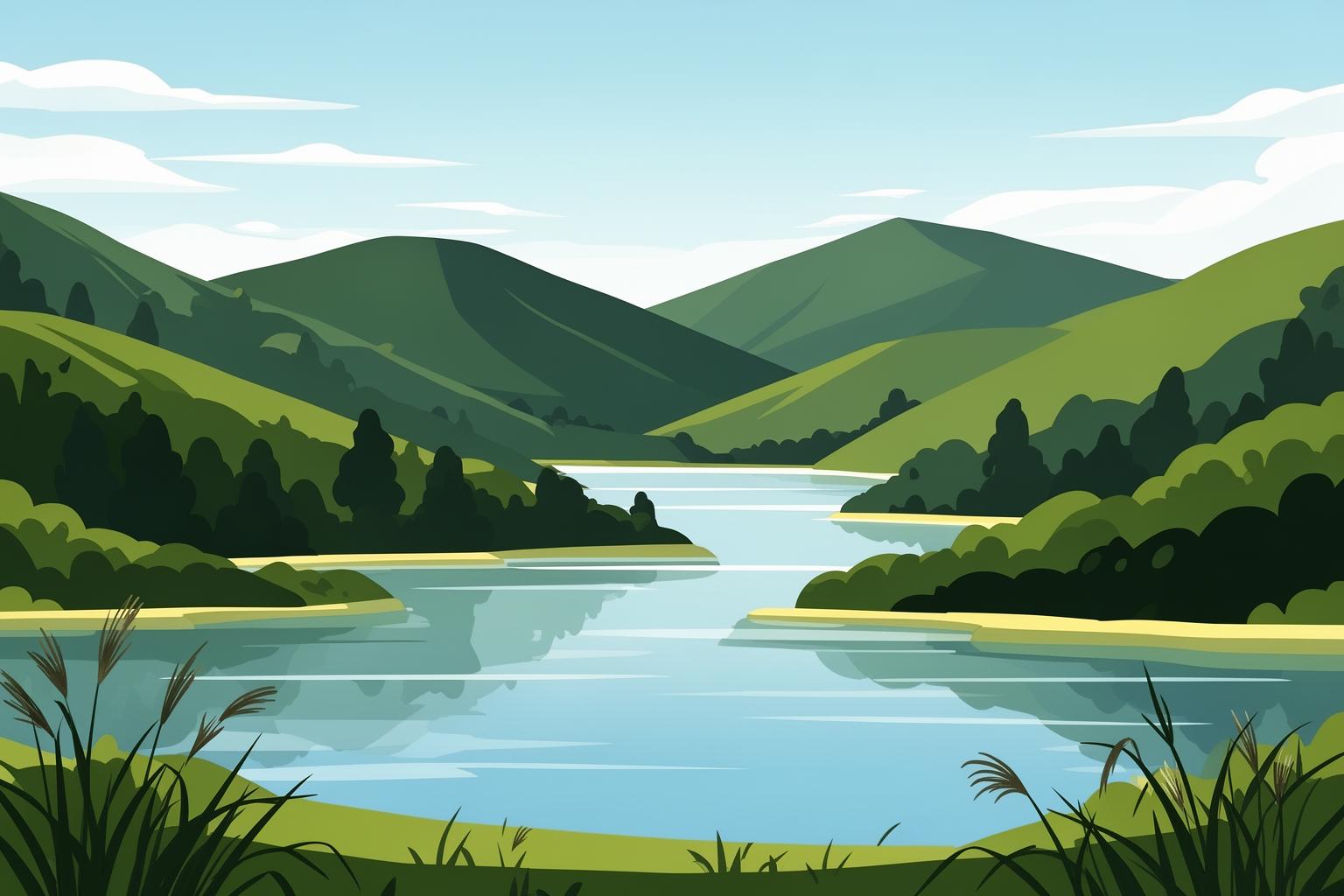
Bordering the eastern edge of the hills are two enormous man-made reservoirs, Sayama Lake (Sayama-ko) and Tama Lake (Tama-ko). These expansive bodies of water offer a striking contrast to the intimate, enclosed forests. The wide-open skies and panoramic views are breathtaking, especially on clear days when you might even catch a glimpse of Mount Fuji in the distance. The paths around the lakes are paved, ideal for a leisurely stroll or a family bike ride (rentals are available near the stations). In spring, the banks burst with soft pink and white cherry blossoms, attracting locals for picnics and hanami gatherings. In autumn, the surrounding trees blaze with vivid colors, beautifully mirrored in the calm water. We found a peaceful spot on the embankment, unpacked our convenience store onigiri and tea, and simply watched the world go by. It was a moment of perfect tranquility, a deep breath of fresh air that felt worlds away from the intensity of Tokyo. These lakes offer expansive, sweeping vistas that complement the film’s smaller, more intimate scenes, showcasing the full scope of the landscape that inspired Miyazaki.
A Touch of History at Sayama Fudoji Temple
For a dose of culture and history, a visit to the nearby Sayama Fudoji Temple is well worth it. This beautiful Buddhist temple complex, affiliated with the Tendai sect, provides a peaceful and reflective atmosphere. As you stroll through the grounds, you’ll encounter impressive structures, including a striking five-story pagoda towering above the trees and a main hall adorned with intricate carvings. The scent of incense lingers in the air, and chanting can sometimes be heard from within the halls. It’s a wonderful place to experience a different facet of Japanese rural life and spirituality. For our family, it was a quiet pause amid a day of active exploring. It reminded us that this landscape is not merely a backdrop for an anime but a place with its own deep history and cultural importance cherished for centuries. This adds another layer of richness to the pilgrimage, connecting the modern love for Ghibli with the ancient traditions of the land.
A Practical Guide for Your Ghibli Pilgrimage
Setting off on an adventure to Totoro’s Forest is surprisingly easy from central Tokyo, though a bit of planning goes a long way, especially when traveling with family. The key is to embrace the journey and remember that this day is meant for walking, exploring, and immersing yourself in nature—not for rushing between sights.
Getting to Totoro’s Forest
The most common starting point is Seibukyujo-mae Station on the Seibu Sayama Line. You can reach it easily from Ikebukuro Station in Tokyo via the Seibu Ikebukuro Line, with a simple transfer at Nishi-Tokorozawa Station. The trip takes about 40-50 minutes. From Seibukyujo-mae Station, Kurosuke’s House is a pleasant 20-minute walk through a quiet residential neighborhood that soon turns more rural. The route is fairly well clearly signposted, but keeping a map app handy is always wise. Alternatively, you might take a train to Kotesashi Station on the Seibu Ikebukuro Line and catch a short bus ride closer to the main forest trails. Whichever way you go, comfortable walking shoes are essential. You will be on your feet most of the day, covering a mix of paved roads and natural forest paths. This isn’t the place for flimsy sandals or high heels!
When to Visit: A Forest for All Seasons
Totoro’s Forest reveals a unique charm in every season, making it a fantastic destination year-round. Spring is idyllic, with cherry blossoms framing Sayama Lake and perfect weather for long walks. The forest floor bursts with fresh green shoots and wildflowers. Summer fills the woods with lush, almost overwhelming vibrancy—the greens reaching their deepest hues, accompanied by the constant chorus of cicadas, just like in the movie. Be ready for heat and humidity, and don’t forget insect repellent. Autumn might be the most enchanting season, with crisp, cool air and a spectacular canopy of red, orange, and gold leaves creating breathtaking scenery. It’s ideal for hiking. Winter brings a stark, peaceful beauty. Bare trees reveal clearer views, and the trails are far less crowded, offering a calm and reflective atmosphere. Regardless of the season, be sure to check the opening days for Kurosuke’s House (currently Tuesdays, Wednesdays, and Saturdays) to avoid disappointment. The forests and trails, however, remain open year-round.
Tips for Traveling with Little Explorers
Visiting Totoro’s Forest with children is a truly special experience, but it helps to come prepared. First, pack plenty of snacks and water. While vending machines are available near stations and lakes, you’ll find few amenities once on the trails. Having their favorite treats on hand can make a big difference. Second, adopt a slower pace. Let your children’s curiosity lead the way. If they want to linger over a strange bug or spend twenty minutes gathering acorns, allow it. The aim is to absorb the environment, not check off a list. Third, for very young kids, a sturdy, all-terrain stroller can handle some main paths, but a child carrier is far more flexible for navigating the narrower, rougher forest trails. Finally, turn the visit into a game! Challenge your children to spot things from the movie: a giant camphor tree, a tiny stream, or even a little shrine where a forest spirit might dwell. This turns a simple nature walk into a thrilling treasure hunt, keeping them engaged and excited all day long.
More Than a Movie Location: The Spirit of Conservation
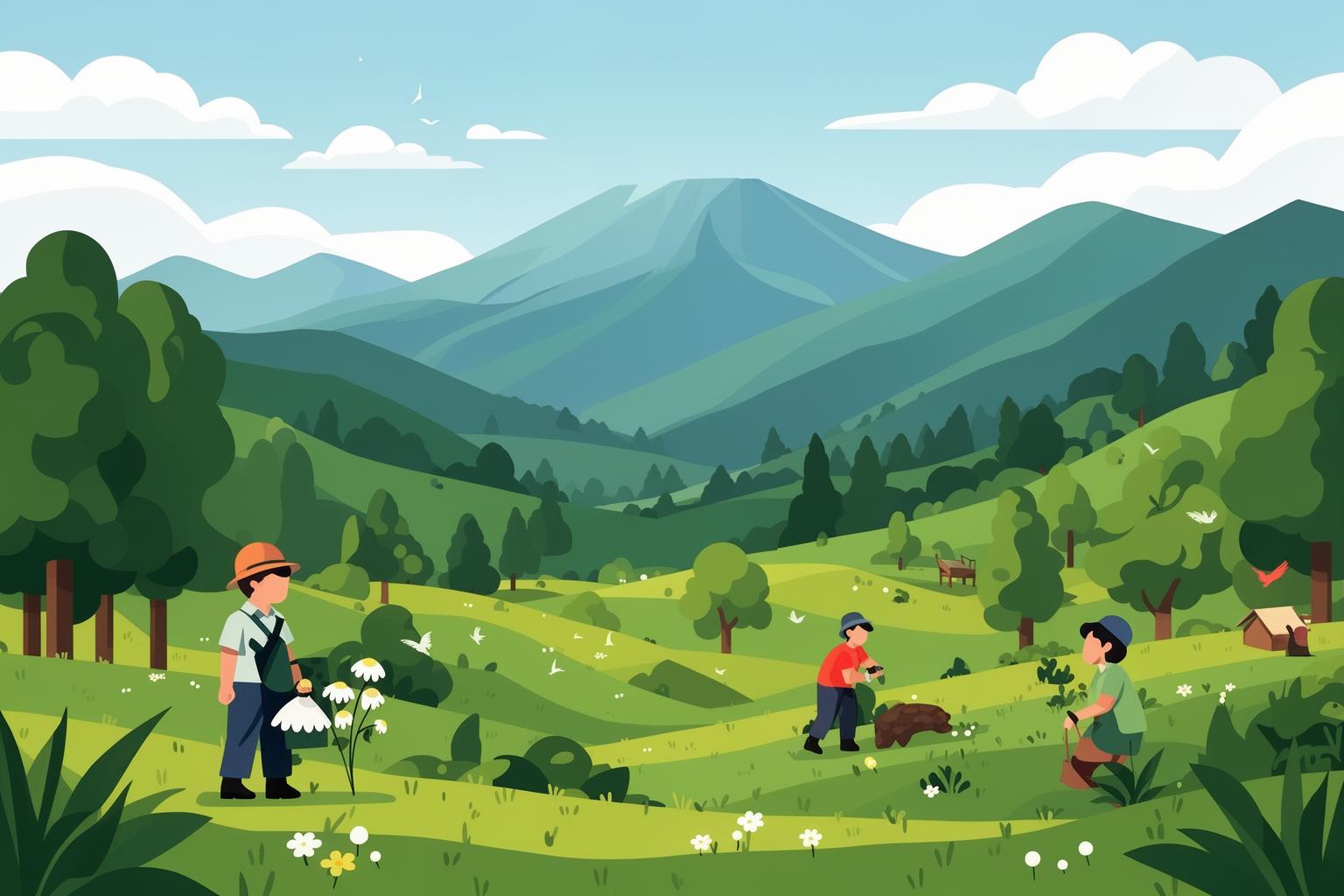
One of the most profound aspects of visiting Sayama Hills is learning the story behind its preservation. This isn’t merely a place that coincidentally resembles the setting of My Neighbor Totoro; it’s a place that was saved because of it. During the 1980s and 90s, as Tokyo’s urban sprawl expanded relentlessly outward, this precious satoyama landscape was rapidly disappearing due to development. A group of concerned local residents, fearing the loss of their natural heritage, launched a movement to protect it. They found a powerful ally in Hayao Miyazaki. The film had just been released, and its heartfelt portrayal of the beauty of the Japanese countryside deeply resonated with the public. Miyazaki contributed his name, his art, and his voice to the cause. He allowed the foundation to use the Totoro character as its mascot and symbol, and the movement gained national attention. The Totoro no Furusato Foundation began raising funds, donation by donation, to purchase small parcels of woodland, one at a time, to shield them from being converted into housing developments. When you walk through Totoro’s Forest No. 1, No. 2, and so forth, you are treading on land saved by thousands of small contributions from ordinary people inspired by a film. Your visit, and any donation you make at Kurosuke’s House, continues this legacy. It stands as a beautiful, tangible example of how art can inspire direct, positive action in the real world. This transforms your day trip from simple anime tourism into a meaningful engagement with a living story of community and conservation.
A Gentle Farewell from the Forest
As the afternoon sun began to sink low, casting long shadows through the trees, we headed back toward the station. My children were tired but excited, their pockets filled with acorns and their minds brimming with adventure. We hadn’t seen a real Totoro or ridden a Catbus, but in a way, we had. We had sensed the spirit of the film in the kindness of the volunteers, the deep tranquility of the forest, and the shared joy of exploring nature as a family. A pilgrimage to the Sayama Hills isn’t about finding perfect replicas of animated scenes. It’s about discovering the source of inspiration. It’s about realizing that the magic of My Neighbor Totoro lies not just in the fantastical creatures, but in the profound beauty of the everyday world they inhabit—a realm of towering trees, quiet footpaths, and the gentle rhythms of nature. Walking through Totoro’s Forest offers a chance to reconnect with that simple, powerful magic. It leaves you with a sense of peace, a renewed appreciation for the natural world, and the gentle, hopeful feeling that maybe, just maybe, if you wait patiently at a bus stop on a rainy night, a friendly neighbor might come to visit after all.