
In the quiet heart of Saitama Prefecture, a short train ride from the electric pulse of central Tokyo, lies a place where timelines beautifully collide. It’s a landscape of ancient camphor trees, whispered prayers, and the hushed reverence that permeates sacred ground. But listen closer, and you might hear a different kind of devotion—the excited chatter of anime fans, the click of cameras capturing a familiar gate, and the faint echo of a beloved anime opening theme. This is Washinomiya Shrine, a sanctuary that is simultaneously one of the Kanto region’s oldest spiritual centers and one of the most famous “sacred sites” in modern Japanese pop culture. It’s a place that asks a fascinating question: what happens when a centuries-old tradition becomes the backdrop for a 21st-century fandom? The answer is a story of unexpected connection, community, and a cultural pilgrimage unlike any other. For fans of the iconic anime Lucky Star, this is holy ground. For historians, it’s a treasure. For the curious traveler, it’s a perfect window into the soul of modern Japan, where the past and present don’t just coexist; they dance.
This phenomenon of anime fans making pilgrimages to real-world locations is beautifully explored in our guide to the real-life magic of Spirited Away.
The Birth of an Unlikely Anime Landmark
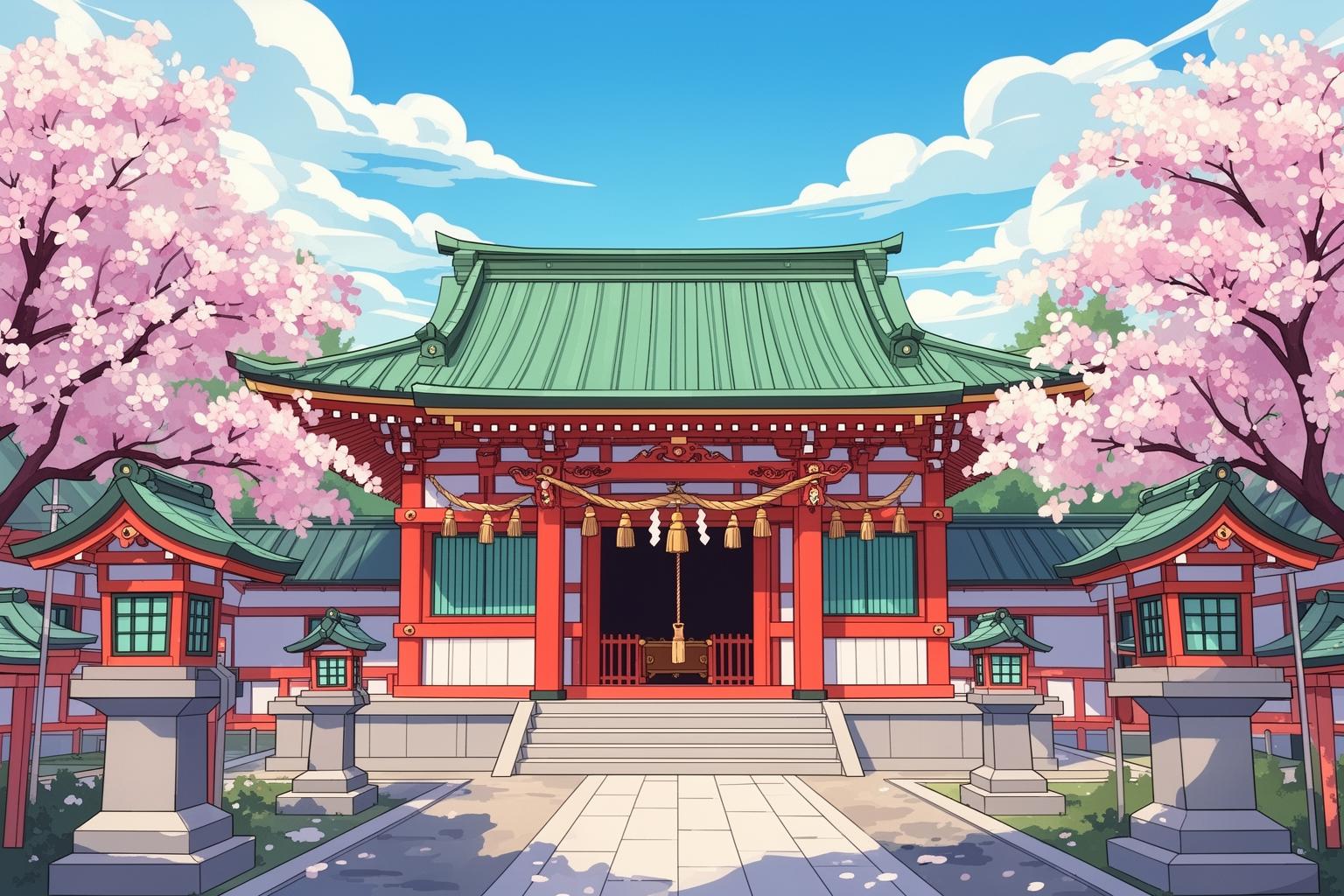
To grasp Washinomiya’s modern identity, we must travel back to 2007. That year, Kyoto Animation released Lucky Star, a slice-of-life comedy series that depicted the charmingly ordinary daily lives of four high school girls. The show became a cultural sensation, praised for its clever dialogue, otaku-focused humor, and lovable characters. Among the main cast were the Hiiragi sisters, Kagami and Tsukasa, who lived at and served as shrine maidens, or miko, at a fictional Shinto shrine named Takanomiya Shrine. The anime’s iconic opening sequence showcased the characters dancing in various settings, including a memorable shot of the stone torii gate at their family shrine. Sharp-eyed fans, equipped with early internet resources, quickly identified the real-life inspiration: Washinomiya Shrine in Kuki City, Saitama.
The revelation was electrifying. Almost instantly, fans began making pilgrimages, known as seichi junrei (pilgrimage to a sacred place), to visit the actual location of their beloved show. They came with cameras to recreate the anime’s opening scene, with sketchbooks to capture the scenery, and with hearts full of admiration for the Hiiragi sisters. At first, the local community and shrine priests were perplexed. This tranquil, historic site, long dedicated to its local worshippers, suddenly found itself overwhelmed by a new kind of visitor—young, enthusiastic, and deeply immersed in a realm of animation unfamiliar to them. Yet, what could have sparked a cultural clash turned into a tale of warm acceptance. The shrine and the town didn’t merely tolerate the fans; they embraced them, seeing a shared spirit of sincere devotion, albeit to different deities. This mutual relationship between an ancient shrine and a contemporary fandom set a benchmark for anime tourism throughout Japan, demonstrating that popular culture could serve as a potent catalyst for regional revitalization.
Stepping into a Living, Breathing Story
A visit to Washinomiya Shrine offers a delightful experience of contrasts. The moment you step off the train at the peaceful Washinomiya Station and begin the short walk, the pace of life seems to slow. The air becomes stiller, filled with the gentle murmur of a quiet suburban town. Then, you spot it: the iconic wooden torii gate, exactly as portrayed in the anime, silently welcoming you to a world both real and imagined.
The Atmosphere of Reverence and Fandom
Passing through the gate feels like crossing a threshold. The gravel path crunches beneath your feet, a sound that seems to absorb the noise of the outside world. The air is rich with the earthy scent of damp soil and the sweet, woody fragrance of ancient cedar and camphor trees, some watching over this land for centuries. Sunlight filters through the dense canopy, casting shifting patterns of light and shadow on the ground. In these moments, Washinomiya feels truly ancient—a place of deep spiritual significance and quiet reflection. You can sense the weight of history in the weathered wood of the main hall, the stoic gaze of the stone guardian dogs, and the serene koi pond mirroring the sky.
But then you notice the details. As you approach the racks of ema—small wooden plaques where visitors write their wishes and prayers—you see something extraordinary. Alongside traditional prayers for health, success in exams, and happy marriages, there are hundreds of ema adorned with stunning, professional-quality illustrations of Konata, Kagami, Tsukasa, and Miyuki from Lucky Star. Fans from around the world leave these artistic tributes, their hopes for a new anime season mingling with prayers for personal well-being. It’s a beautiful, living gallery of fan devotion, a testament to the series’ enduring love. This blend is the true magic of Washinomiya. Here, you can respectfully observe ancient Shinto rituals one moment and share a knowing smile with a fellow fan over a skillfully drawn piece of art the next. The reverence is twofold: for the deities enshrined here and for the fictional characters who have made this place a home in the hearts of millions.
Key Sights Within the Hallowed Grounds
While the Lucky Star connection draws many visitors initially, the shrine itself is rich with features deeply rooted in Japanese culture and history. Take your time to explore the grounds and absorb the peaceful energy that has attracted worshippers for centuries.
The Main Torii Gate and the Approach
The first thing every pilgrim does is take a photo of the main torii gate. It is the anchor point, the image that sparked this entire phenomenon. Walking along the sandō, the main approach to the shrine, you’ll pass stone lanterns and towering trees that create a sense of procession and preparation. This path is designed to cleanse your mind before reaching the main hall.
The Haiden and Honden
At the heart of the shrine is the haiden, or hall of worship. Its impressive wooden structure, with a sweeping roof and intricate carvings, is a beautiful example of traditional shrine architecture. This is where you offer your prayer. For first-time visitors, the process is simple and meaningful: toss a coin into the offering box, bow deeply twice, clap your hands twice to call the gods’ attention, offer your silent prayer, and finish with one final deep bow. Behind the haiden lies the honden, the main sanctuary housing the deity, a space usually closed to the public but which serves as the focal point of the entire complex.
The Sacred Trees and Natural Beauty
Don’t forget to look upward. The grounds boast several enormous, ancient trees designated as natural monuments. Their massive trunks and sprawling branches stand as powerful reminders of the shrine’s long history. Considered sacred, they are often adorned with shimenawa (sacred straw ropes) and believed to house spirits or possess divine energy. Spending a moment in their presence is both grounding and humbling.
A Festival Unlike Any Other: The Hajisai
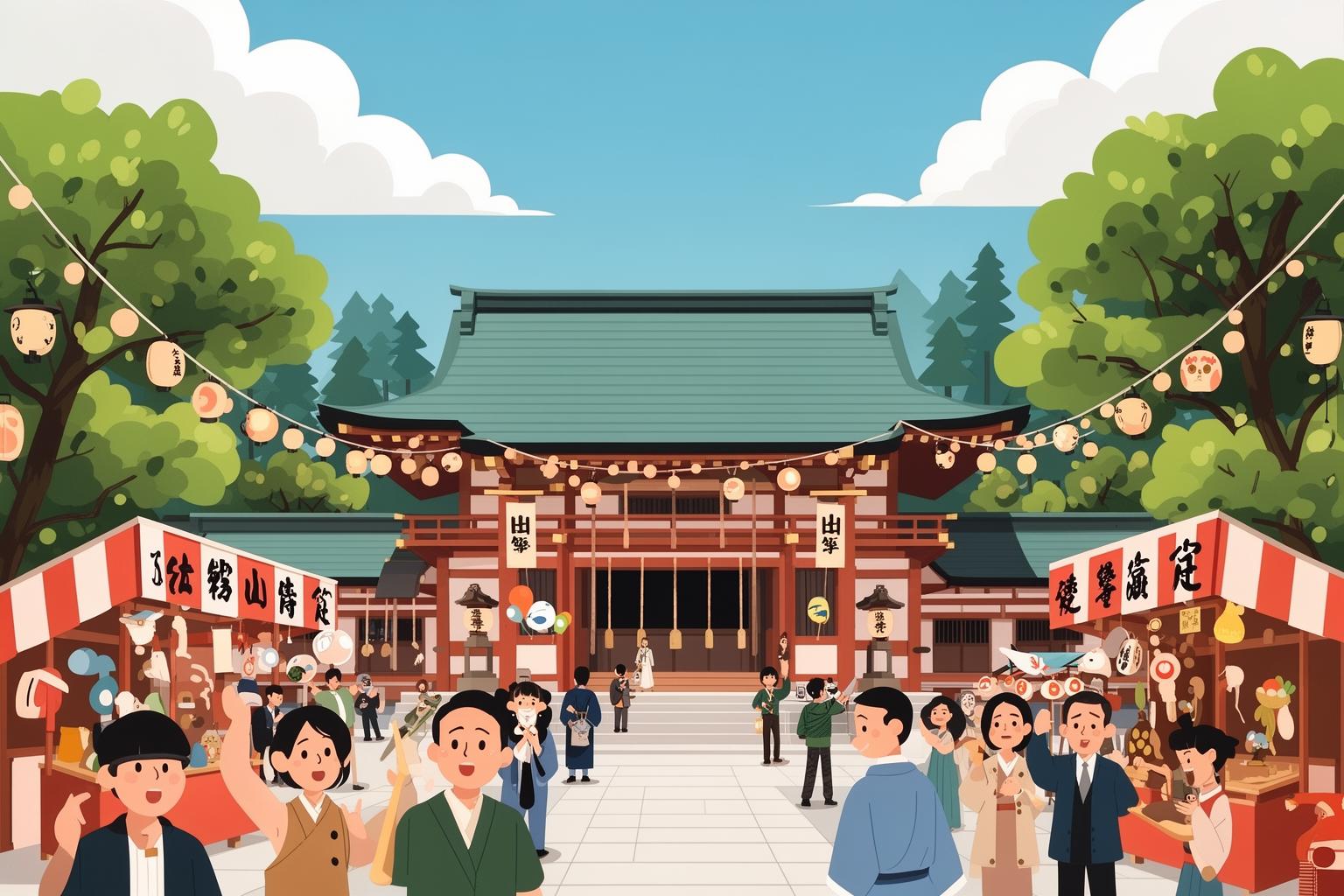
If Washinomiya Shrine serves as the stage, then the annual Hajisai is undoubtedly its most dazzling performance. Held every year in early September, this festival marks the pinnacle of the blend between ancient tradition and otaku culture. Originally, the Hajisai was a local harvest festival deeply rooted in the community’s agricultural heritage, featuring solemn rituals, traditional music, and local parades. However, with Lucky Star bringing global attention to the shrine, the festival experienced a remarkable transformation.
In a clever act of community engagement, the organizers reached out to the influx of new anime fans, resulting in the creation of the Lucky Star Mikoshi. A mikoshi is a portable shrine—an ornate palanquin believed to carry a deity through the streets during festivals to bless the town. Typically, these are heavy, solemnly decorated, and carried by townspeople dressed in traditional festival attire. The Lucky Star Mikoshi, however, is a vibrant and dazzling spectacle, adorned with images of the anime’s characters, paper lanterns, and fan art—a tribute to the show that revitalized the area. And who carries this unique shrine? The fans themselves. Hundreds of enthusiasts, many in cosplay, gather to chant, lift, and parade the mikoshi through the streets with infectious energy and passion.
Attending the Hajisai is a sensory overload in the most delightful way. You hear the rhythmic chants of “Washoi! Wasshoi!” from the mikoshi carriers, blended with J-pop and anime theme songs playing from nearby speakers. You see traditional happi coats alongside elaborate anime character costumes. The air is filled with the scents of festival foods like yakisoba (fried noodles) and takoyaki (octopus balls) wafting from street stalls. It’s a chaotic, joyous, and uniquely captivating event that embodies the peak of the relationship between the town and its fandom—a celebration that honors both the shrine’s heritage and its newfound pop culture importance. For event planners and cultural festival enthusiasts alike, the Hajisai is a prime example of modern community building and a must-see display of cultural fusion.
Beyond the Shrine Gates: Exploring Kuki City
While the shrine remains the primary destination, the surrounding area of Kuki City (formerly Washimiya Town) provides even more chances to immerse yourself in the world of Lucky Star and enjoy the quiet charm of suburban Japan.
Tracing the Footsteps of the Hiiragi Sisters
The town itself loosely inspired the anime’s setting. As you stroll through the streets, you’ll notice the atmosphere perfectly captures the show’s relaxed, slice-of-life pace. The local shopping street, although small, hosts several shops that have embraced their connection to the anime over time. You might spot posters in windows, small displays of merchandise, or even menu items subtly named after characters. These are not flashy tourist traps but genuine, heartfelt gestures from local business owners grateful for the visitors the show has attracted. Walking these streets gives you a sense of what daily life was like for characters such as Kagami and Tsukasa—a peaceful rhythm far from the hustle of Tokyo.
Local Flavors and Distinctive Souvenirs
Exploring the area around the shrine offers a great opportunity to sample local delicacies. Seek out small, family-run restaurants or cafes to experience an authentic taste of Saitama. The real treasures, however, are the souvenirs. At the shrine, you can buy traditional omamori, or good luck charms, for health, safe travels, and academic success. Alongside these, you’ll often find officially licensed Lucky Star themed charms, uniquely linking your pilgrimage to traditional Shinto practices. The local merchants’ association has also produced a range of exclusive goods over the years, from phone straps to clear files and T-shirts. Discovering these items feels like a treasure hunt and makes a perfect keepsake of your visit. It’s another example of how seamlessly these two worlds have blended—you can purchase a sacred talisman and an anime keychain at the same counter.
Your Pilgrimage Planner: Practical Tips for a Perfect Visit
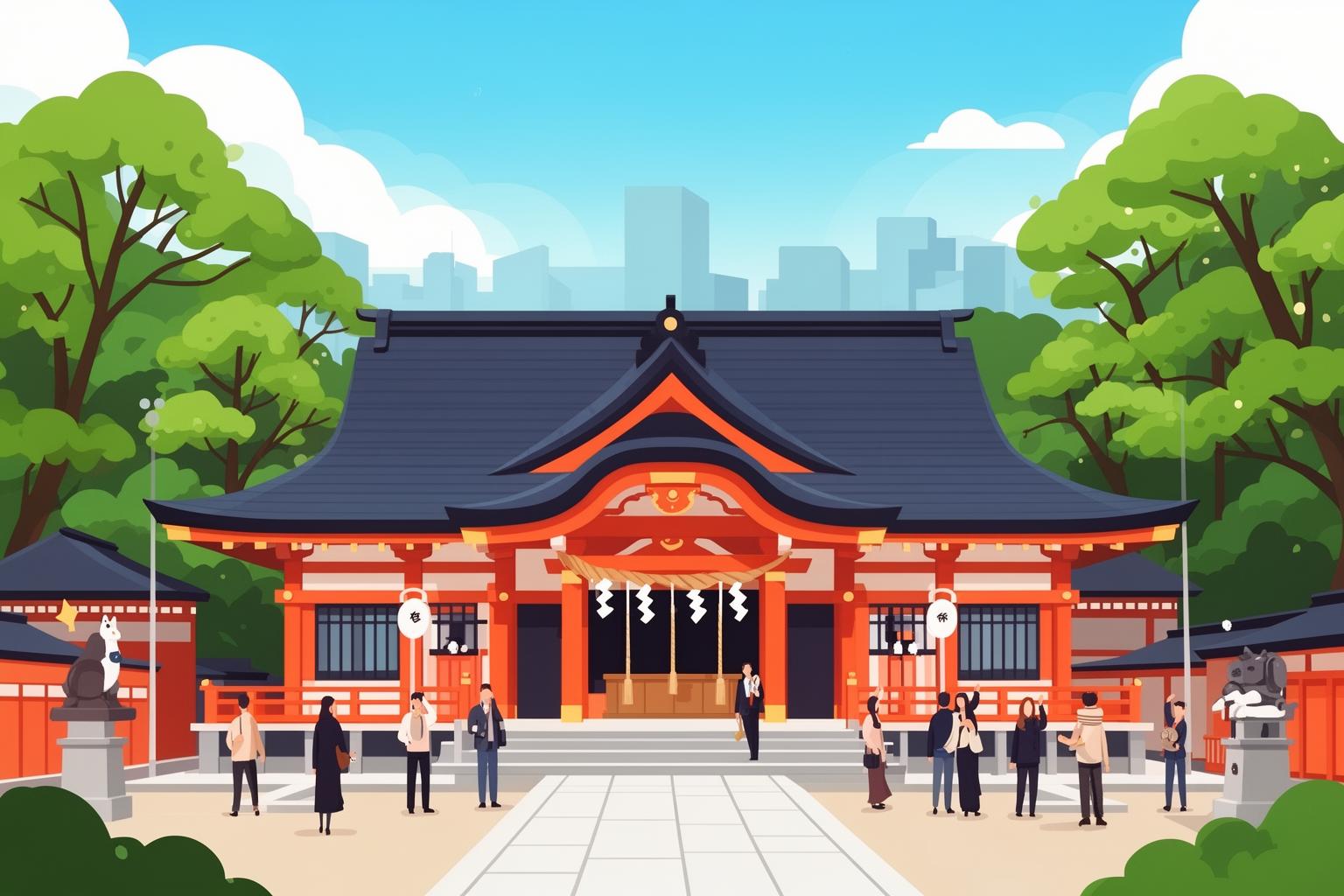
Getting to Washinomiya Shrine is surprisingly straightforward, making it an ideal day trip from Tokyo. With a bit of preparation, your pilgrimage can be smooth and deeply fulfilling.
Getting to Washinomiya
Your trip begins on the Tobu Railway network. The quickest option is the Tobu Isesaki Line, with trains departing from major stations such as Asakusa or Kita-Senju in Tokyo. You’ll head towards Kuki Station, where you might need to transfer to a local train on the same line for the final short journey to Washinomiya Station. The entire trip usually takes just over an hour. Once you get off at Washinomiya Station, the shrine is a pleasant, well-marked ten-minute walk away. The journey itself offers a unique experience as Tokyo’s dense urban landscape gradually transitions into the more open, residential areas of Saitama.
When to Visit for the Best Experience
Washinomiya Shrine is a great destination at any time of year, with each season presenting its own unique appeal.
Spring (March-April): Possibly the most picturesque season to visit, when the shrine grounds are blanketed in cherry blossoms, creating scenes reminiscent of anime. The weather is mild and perfect for a leisurely walk.
Summer (June-August): Though hot and humid, summer brings lush greenery and the iconic sound of cicadas. Just be sure to stay well hydrated.
Autumn (October-November): Cooler temperatures and vibrant fall foliage make this another ideal time to visit. The crisp air adds to a comfortable day of exploration.
Winter (December-February): Winter is quieter at the shrine, offering a peaceful and reflective atmosphere. Visiting during hatsumode—the first shrine visit of the New Year—provides a chance to experience traditional activities when the shrine is lively and filled with locals praying for good fortune.
For the ultimate fan experience, plan your visit around the Hajisai festival in early September. The energy and unique spectacle of this event are truly unforgettable.
Shrine Etiquette for First-Time Visitors
To enrich your visit and show respect for the sacredness of the shrine, it helps to know a few basic customs. These aren’t strict rules but gentle traditions that enhance the experience.
The Torii Gate: The torii marks the entrance to sacred space. It is customary to bow once before passing through.
The Temizuya: Near the entrance, a water pavilion called a temizuya is provided for ritual purification. Using the ladle, start by rinsing your left hand, then your right. Next, pour water into your cupped left hand to rinse your mouth (do not drink directly from the ladle or spit water back into the basin). Finally, rinse your left hand again and tip the ladle so the remaining water runs down the handle, cleansing it for the next visitor.
Praying at the Hall: At the main hall, if you wish to pray, follow the simple ritual of two bows, two claps, and one final bow. This is a quiet and personal moment.
Photography: Photography is generally allowed on the shrine grounds, but be considerate of those there to worship. Avoid using flash, making noise, or photographing rituals or ceremonies without permission.
The Enduring Legacy of a Pop Culture Pilgrimage
Washinomiya Shrine is more than just a filming location; it stands as a powerful symbol of a modern cultural movement. Its success story became a model for machi-okoshi, or regional revitalization, through anime tourism. Since then, many towns and cities across Japan have embraced their own ties to popular anime, manga, and games, creating new travel destinations and revitalizing local economies. Yet Washinomiya remains the pioneer—the authentic and heartfelt example of how it can be done right.
The bond formed here between the shrine, local residents, and the global fanbase is one of mutual respect and shared affection. Fans brought new energy and prosperity, while the community gave them a real-world home for their beloved characters, a gathering place to share their passion. This connection has persisted for well over a decade, long after the anime’s original broadcast—a testament to the story’s deep impact and the town’s welcoming spirit.
Visiting Washinomiya means witnessing a beautiful cultural dialogue in action. It is a place where ancient prayers for a bountiful harvest are inscribed on wooden plaques alongside colorful illustrations of anime girls. It is where the solemn sounds of a Shinto blessing during festivals can be followed by the cheerful melody of an anime theme song. This proves that the old and the new, the sacred and the popular, can not only coexist but also merge to create something fresh, vibrant, and wonderful.
So whether you are a devoted Lucky Star fan on a personal pilgrimage, a traveler interested in Japanese culture, or someone simply seeking a peaceful retreat from Tokyo, Washinomiya Shrine offers a truly unique experience. It is a chance to walk through a gate that leads to two worlds at once—one of ancient deities and timeless traditions, and another of heartfelt fandom and animated dreams. Come and see for yourself how a simple story about four high school girls helped ensure a thousand-year-old sanctuary would be cherished for generations to come.