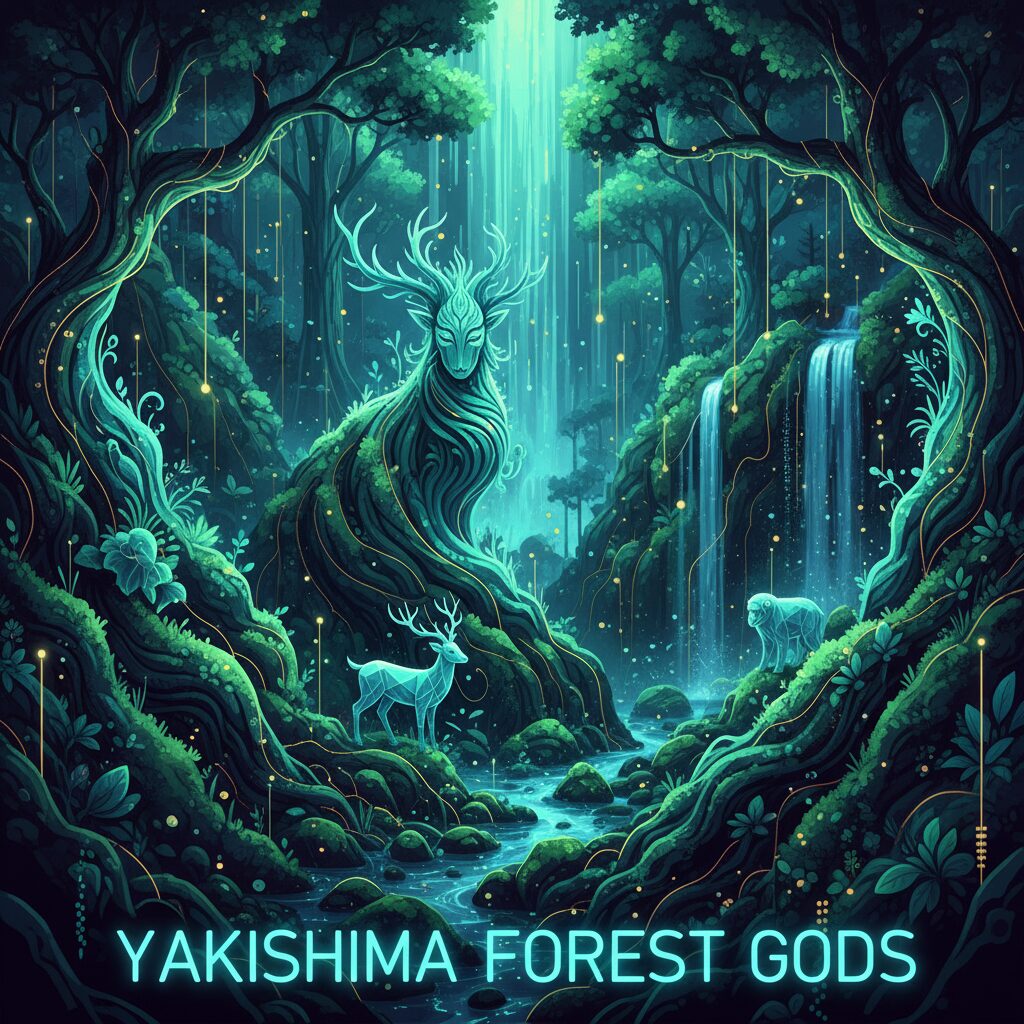
There are places on this earth that feel older than time, where the air hums with an energy that quiets the mind and awakens the soul. Yakushima is one such place. It’s an island that feels less like a destination and more like a passage into another realm, a living, breathing sanctuary where ancient cedars pierce the heavens and a velvet carpet of moss blankets everything in an ethereal green glow. This isn’t just an island; it’s a whisper from the dawn of the world. For many travelers, particularly those whose hearts have been captured by the profound storytelling of Studio Ghibli, Yakushima holds a special kind of magic. This is the primeval forest that breathed life into Hayao Miyazaki’s cinematic masterpiece, Princess Mononoke. To walk here is to walk through the very soul of that film, to feel the presence of the Forest Spirit in the dappled light and hear the clatter of the Kodama in the rustling leaves. It’s a pilgrimage to a world where nature reigns supreme, a powerful, humbling, and utterly unforgettable experience. This journey is not just about seeing the landscapes that inspired a beloved film; it’s about understanding the deep, vital message at its core—a message about the delicate, often fraught, relationship between humanity and the wild. Prepare to have your breath taken away, to get soaked by life-giving rain, and to leave a small piece of your heart behind in the shade of trees that have witnessed millennia unfold.
For travelers captivated by nature and Studio Ghibli’s ethereal storytelling, exploring the Ghibli museum in Mitaka offers a compelling glimpse into Japan’s creative heritage.
An Island Forged by Granite and Time
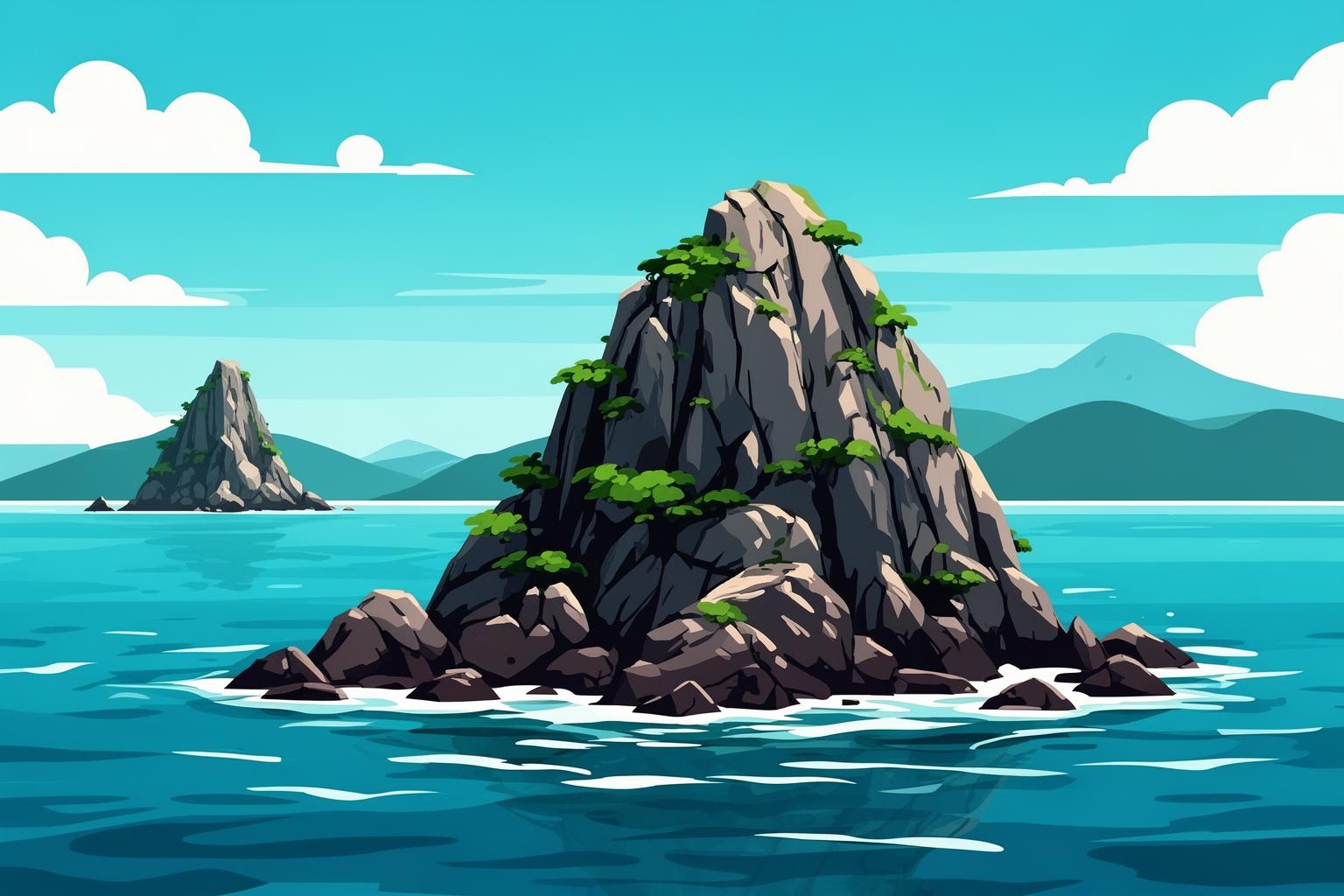
Yakushima’s deep sense of antiquity is no mere illusion. This island was forged by fire and pressure, a massive granite monolith that rose from the seabed millions of years ago. Often referred to as the “Alps on the Ocean,” it is a fitting name for a place with dramatic terrain that stretches from subtropical shores to a range of towering peaks, including Miyanoura-dake, Kyushu’s highest mountain. This extreme change in elevation produces a concentrated vertical climate system found in very few places on Earth. You might be basking on a warm beach in the morning and surrounded by cool, alpine plants by the afternoon. This rare environment is what earned it the designation of a UNESCO World Heritage Site in 1993, acknowledging its unique ecosystem and remarkable biodiversity. The island’s lifeblood is its legendary rainfall. Locals say, “It rains 35 days a month.” While an exaggeration, it reflects the immense amount of water that nurtures this island. This rain is not gloomy or unpleasant; it is a purifying, life-giving force. It nourishes the crystal-clear rivers, enriches the incredibly lush forests, and sustains the moss that gives Yakushima its distinctive look. The water here is so pure and soft that it serves as a crucial component in the island’s prized shochu. Visiting Yakushima means embracing the rain, viewing it not as a nuisance but as the very heart of the island’s vibrant, thriving life. It is this rain that has allowed the ancient sugi, or Japanese cedars, to flourish for thousands of years, shaping the extraordinary landscape that enchants every visitor.
Walking in the Footsteps of Hayao Miyazaki
For many, the main attraction of Yakushima is its unmistakable connection to Princess Mononoke. Miyazaki and his team of artists spent considerable time here, soaking in the atmosphere, sketching the twisted roots and moss-covered stones, and capturing the forest’s spirit to bring to life the world of Ashitaka and San. The result is a film that feels profoundly anchored in a real, tangible place. Exploring the island’s trails is like stepping through the screen—an immersive experience that ties you directly to the film’s powerful environmental messages.
Shiratani Unsuikyo Ravine: The Moss Forest
If there is one spot on Yakushima that stands as the undisputed heart of the Princess Mononoke universe, it is the Shiratani Unsuikyo Ravine. This is the place you’ve imagined. From the moment you enter the trail, the modern world fades away, replaced by a silence so deep it seems almost audible, broken only by the gentle murmur of streams and the drip of water from leaves onto moss. The air is cool, thick with moisture and the scent of damp earth and decaying wood—the fragrance of life itself. The forest floor, rocks, winding roots, and low-hanging branches are blanketed in hundreds of varieties of moss, creating a landscape rich with infinite shades of green. Sunlight struggles to penetrate the dense canopy, and when it does, it casts ethereal beams that spotlight patches of the forest floor like divine illuminations. Here lies the “Moss-covered Forest” (Kokemusu-no-mori), the officially recognized area that inspired some of the film’s most iconic scenes. You almost expect to glimpse the Kodama, the tiny white tree spirits, peeking from behind tree trunks, their heads swiveling in curiosity. The ravine features several well-marked trails, ranging from a gentle one-hour walk to more challenging four- or five-hour hikes that venture deeper into the wilderness. The most rewarding of the longer routes ends at Taiko-iwa, or Taiko Rock, a massive granite boulder perched high above the forest. After a tough climb, you emerge from the treeline onto this ledge, where the view is nothing short of spectacular. The entire panorama of Yakushima’s mountainous interior unfolds before you, a sea of green peaks stretching into the distance. It’s a moment of pure, unfiltered awe, an apt climax to a journey through a truly sacred space.
The Jomon Sugi: A Sentinel of Millennia
While Shiratani Unsuikyo captures the film’s visual essence, the trek to the Jomon Sugi embodies its spirit. The Jomon Sugi is an enormous, twisted cedar tree—an ancient giant whose age is estimated between 2,000 and over 7,200 years old. Named after the Jomon Period of Japanese prehistory, it stands as a monument to incredible longevity. This is no casual stroll; it’s a serious pilgrimage, a demanding ten to twelve-hour round-trip hike that will challenge your physical and mental limits. The journey begins in darkness, well before sunrise, with only the beam of your headlamp cutting through the blackness of the forest. The first few hours follow the tracks of the Anbo Forest Railway, a defunct logging line that now serves as a flat but seemingly endless path into the mountains. As dawn breaks, the forest slowly awakens, and the trail begins its steady climb. You’ll cross rushing rivers via suspension bridges, scale steep wooden staircases, and weave through a labyrinth of giant roots. Along the way, you encounter other magnificent cedars, including Wilson’s Stump (Wilson-kabu), the vast hollowed remains of a felled giant. You can step inside its cavernous interior and look up to find a perfect heart-shaped opening framing the sky. It’s a moment of unexpected beauty amid a challenging journey. The final approach to Jomon Sugi is steep and strenuous, but all fatigue disappears the instant you see it. It doesn’t feel like a tree; it feels like standing in the presence of a deity. Its immense size is almost incomprehensible, its bark thick, twisted, and weathered by countless centuries of storms and sunshine. A protective viewing platform has been constructed to safeguard its fragile root system, a necessary gesture highlighting the reverence this ancient giant commands. Standing before the Jomon Sugi is a deeply humbling experience. It sharpens your awareness of your own fleeting existence within the vast flow of time and leaves you with a profound respect for the strength and grandeur of nature.
Beyond the Ancient Woods: The Island’s Other Faces
While the primeval forests remain the island’s primary draw, Yakushima’s wonders stretch well beyond the treeline. The island presents a diverse array of experiences, from its dramatic coastlines to the tranquil allure of its small villages. Exploring these other aspects reveals a fuller portrait of this multifaceted treasure.
Coastal Charms and Ocean Life
The contrast between the dark, enclosed interior and the bright, expansive coastline is both striking and beautiful. Yakushima is surrounded by a coastline of rocky shores and breathtaking sandy beaches. Nagata Inakahama Beach is perhaps the most renowned, a stunning stretch of golden sand that serves as the largest nesting site for loggerhead sea turtles (umigame) in the North Pacific. From May to July, female turtles emerge under the cover of darkness to lay their eggs in the warm sand. Then, from August to September, the tiny hatchlings break free and rush toward the sea. Witnessing either event is a magical and moving experience, but it must be approached with great respect. Local conservation groups offer guided, low-impact tours to ensure the turtles remain undisturbed. The ocean surrounding Yakushima is as lively as its forests. The clear, warm waters of the Kuroshio Current provide excellent conditions for snorkeling and scuba diving, featuring vibrant coral reefs and a dazzling array of tropical fish. Sea kayaking is another wonderful way to experience the coastline, allowing exploration of hidden coves and paddling into the mouths of the island’s pristine rivers. Speaking of rivers, the fresh mountain water is so clean and clear that river kayaking and stand-up paddleboarding have become popular, offering a peaceful way to connect with the island’s aquatic ecosystems.
The Rhythms of Village Life
The human side of Yakushima is as captivating as its natural beauty. The island is dotted with small, tranquil villages, mainly along the coastal ring road, with Miyanoura in the north and Anbo in the east serving as key hubs. Life here follows a slower, more intentional pace, attuned to the seasons and the rhythms of nature. Many islanders, originally from the mainland, are drawn here by the unique lifestyle and share a profound connection to their surroundings. This bond is evident in the local cuisine. Dining on Yakushima offers a genuine taste of the island’s abundance. You simply must try tobiuo, or flying fish, often served fried whole with fins spread like wings. The island is also renowned for its citrus fruits, especially the Tankan and Ponkan oranges, which are exceptionally sweet and juicy. Their zest and juice are used in everything from desserts to dressings. No visit is complete without sampling the local shochu, a distilled spirit. Distilleries such as Mitake craft well-known varieties using Yakushima’s famously soft water, producing a smooth, clean spirit that pairs perfectly with the local dishes. Spending time in the villages, visiting small shops, and dining at family-run restaurants offers insight into a community living in harmony with one of the world’s most powerful natural landscapes.
A Practical Guide to Your Yakushima Expedition
Planning a trip to a wild and remote destination like Yakushima calls for some careful preparation. Getting the logistics right will help you fully enjoy the island’s magic without unnecessary stress. Think of it less as a vacation and more as a memorable expedition.
Getting There and Getting Around
Your journey to Yakushima will most likely start in Kagoshima, the southernmost major city on Japan’s main island, Kyushu. From there, you have two main travel options. The fastest is by plane; Yakushima Airport (KUM) receives several daily flights from Kagoshima, as well as direct flights from Fukuoka and Osaka. The flight is short and offers incredible aerial views of the island as you approach. The more common and economical choice is the high-speed ferry, often nicknamed the “toppy” or “rocket,” which takes about two to three hours from Kagoshima Port. It’s a comfortable and scenic ride. Once on the island, transportation becomes your next priority. While there is a public bus system that circles the island, services are infrequent and may not align well with hiking trail schedules. To truly explore at your own pace, renting a car is highly recommended and almost essential. This gives you the freedom to visit remote beaches, stop at scenic viewpoints whenever you wish, and reach trailheads early in the morning. Be cautious, as roads are narrow and winding, and you’ll share them with native Yaku-shika (deer) and Yaku-zaru (monkeys), which often casually cross the road. Drive carefully and enjoy the journey.
When to Visit: Navigating the Seasons
Yakushima can be visited year-round, but each season offers a distinctly different experience. Spring (March to May) is a popular time, with generally pleasant weather and forests alive with new growth, including stunning pink mountain rhododendron blossoms. Summer (June to August) begins with the rainy season, bringing lush, dense greenery. Later in the season, the weather turns hot and humid, ideal for enjoying the island’s rivers and ocean. This period also marks the peak of turtle nesting and hatching. Autumn (September to November) is arguably the best time for hiking. Cooler, more stable weather, lower humidity, and spectacular fall colors in the mountains make it ideal. However, be aware it is also typhoon season, so keeping travel plans flexible is wise. Winter (December to February) is the quietest season on the island. The coasts remain mild, but the high peaks are often covered in deep snow, turning the landscape into a tranquil winter wonderland. This season demands proper gear and mountain hiking experience but offers visitors solitude and a deep sense of peace.
What to Pack and Prepare
Packing appropriately for Yakushima is crucial. The key word here is “waterproof.” This cannot be emphasized enough. High-quality waterproof hiking boots with good ankle support are essential—your feet will thank you. A reliable waterproof and breathable rain jacket and pants are just as important. A waterproof cover for your backpack is also a must-have. Even if the forecast looks clear, mountain weather can change suddenly. Dress in layers using synthetic, quick-drying fabrics; avoid cotton, as it stays wet and can make you cold. For the Jomon Sugi trek, a headlamp is necessary for the pre-dawn start. Many hikers also use trekking poles to protect their knees on long descents. Since trail facilities are limited, you’ll need to carry all your food and water for the day. Because most trails lack toilets, many hikers bring portable toilet kits to follow leave-no-trace principles. Lastly, make sure to book everything well in advance, especially if traveling during peak seasons. This includes accommodation, rental cars, and any guided tours. The best guides, who can greatly enrich your experience with their knowledge of the local flora, fauna, and history, often get booked months ahead.
The Soul of the Forest: A Final Reflection
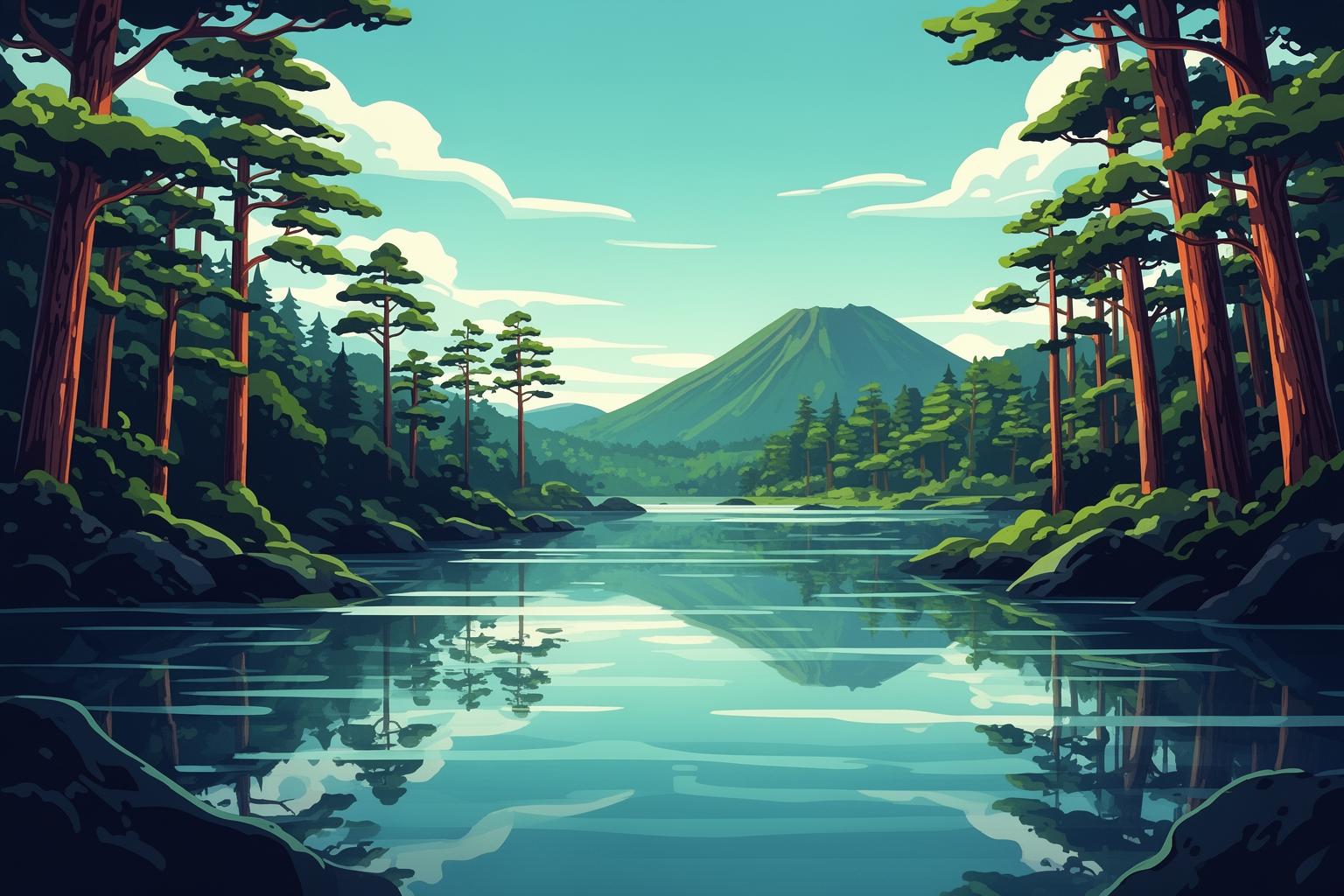
A journey to Yakushima is more than simply a visit to a picturesque island. It is an immersion into a world that moves according to a different timescale, a place that demands respect and evokes a profound sense of awe. Standing within its forests means feeling the weight of centuries and recognizing that you are a transient guest in a domain of ancient giants. The island embodies the central conflict and core message of Princess Mononoke: the effort to achieve harmony between the human world and the natural world. Here, that balance feels not only achievable but essential. You leave Yakushima transformed—rain-soaked boots, tired muscles, and a camera full of images that can never fully capture the sublime reality. But beyond that, you depart with the forest’s whispers resonating in your memory, with a renewed reverence for the wild, untamed corners of our planet, and with the deep understanding that the Forest Spirit remains very much alive.