There’s a certain feeling that settles over you when you read a Haruki Murakami novel. It’s a quiet hum beneath the surface of the ordinary, a sense that another world, filled with talking cats, mysterious women, and wells that lead to alternate realities, is just a whisper away. It’s a mood, a texture, a specific shade of loneliness and wonder. And if that feeling had a physical address, it would be Kyoto. This isn’t the Kyoto of glossy postcards, the city of screamingly bright vermilion gates and perfectly raked sand gardens, though that city is certainly here. This is a different Kyoto, a more introspective one seen through a thin veil of magical realism. It’s a city of student-filled back alleys, of quiet rivers reflecting a bruised twilight sky, of basement jazz bars where the whisky is neat and the records spin tales of their own. For decades, Murakami has used the soul of this ancient capital, particularly its northern university districts and its shadowy modern core, as a playground for his wandering protagonists. To walk through Kyoto with his novels in mind is not a simple pilgrimage to check off locations from a list. It’s an act of immersion. It’s about seeking out the specific atmosphere that hangs in the air, the liminal spaces where the mundane and the metaphysical blur. You come here to find the feeling of his books made manifest in the steam rising from a bowl of ramen, in the rhythmic clang of a railway crossing, in the silent gaze of a cat perched on a temple wall. You come here to get a little lost, to follow a path that isn’t on the map, and to maybe, just maybe, find a piece of yourself you didn’t know was missing. This journey is about tracing the outlines of a dream, one that feels hauntingly, beautifully real.
While Kyoto offers a deeply introspective lens into his world, those wishing to explore Murakami’s urban labyrinths in the capital should consider a pilgrimage to his Tokyo.
The Soul of Student Life: Demachiyanagi and the Kamo River Delta
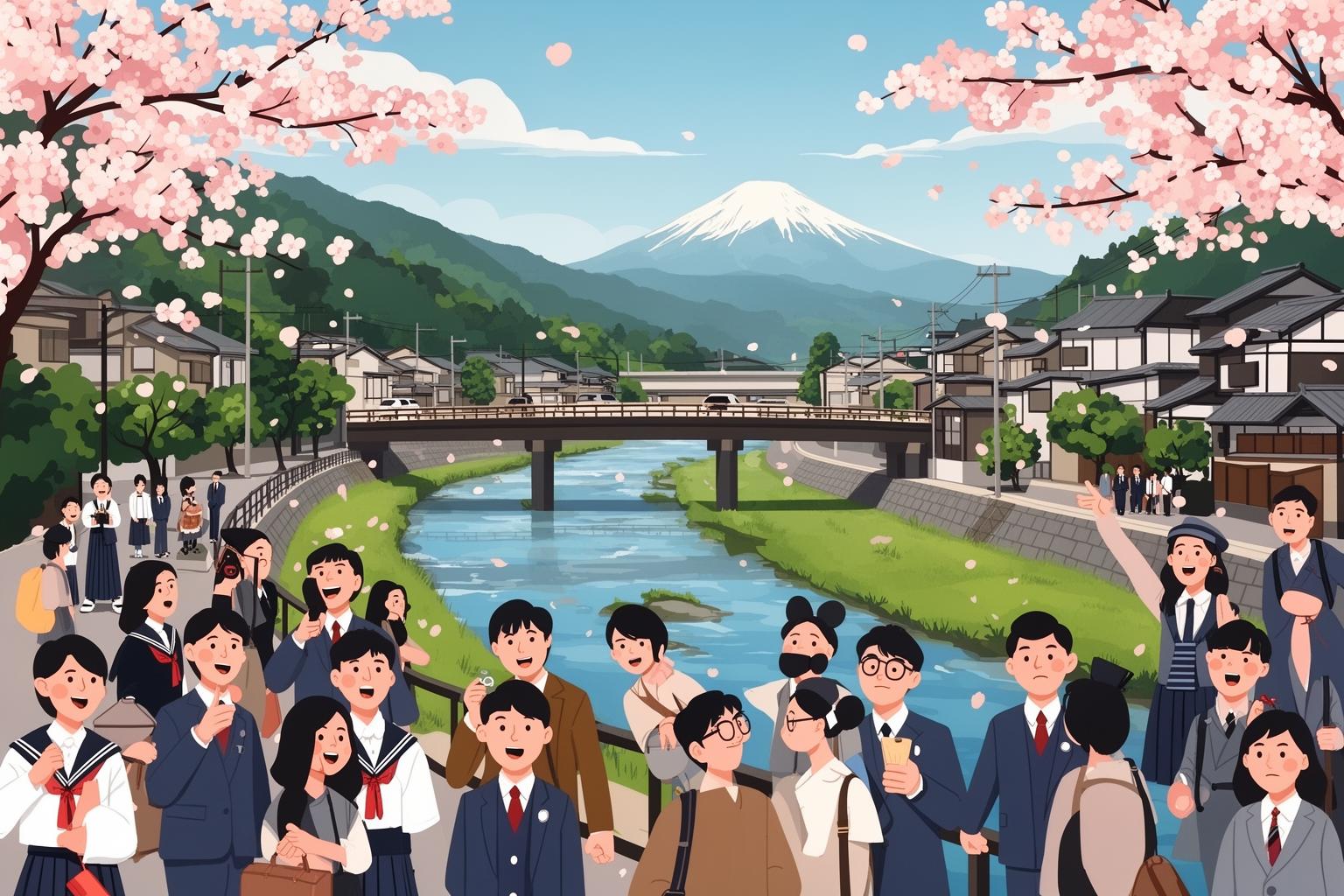
Our journey starts not at a grand temple, but at a meeting point of water and life: the Kamo River Delta. Known locally as Kamogawa Delta or simply the Demachiyanagi delta, this modest, v-shaped land where the Kamo and Takano rivers converge is the vibrant heart of Kyoto’s student life. It is the landscape of youth, filled with endless afternoons of cheap convenience store beer, guitar strumming, and conversations that seem capable of changing the world. This is the setting for characters in novels like Tomihiko Morimi’s The Tatami Galaxy (which shares a deep spiritual kinship with Murakami’s university-era scenes), a place of endless branching possibilities. When you stand here, you feel it immediately. The air hums with a hopeful, slightly aimless energy. Students lounge on the grassy banks, couples dangle their feet over the water, and children leap across the famous turtle-shaped stepping stones that form a whimsical bridge over the shallow current. This is a place for reflection. The river’s flow feels symbolic, a constant movement beneath the ancient Higashiyama mountains. For any Murakami protagonist, this would be the spot to come and think, watching the world pass by while wrestling with an inner paradox. The atmosphere is one of profound, unpretentious simplicity. It’s a public space that feels deeply personal. To truly experience it, arrive late in the afternoon. The light softens, turning golden and casting long shadows. Find a spot on the bank and simply watch. See cyclists glide along the riverside paths, hear the murmur of conversations in the Kansai dialect, and feel the gentle breeze that seems to carry whispers of forgotten stories. The nearby Shimogamo Shrine, a UNESCO World Heritage site nestled within the ancient Tadasu no Mori forest, offers a sharp contrast. Stepping from the open, sunlit delta into the deep, primordial shade of the forest is like crossing a threshold into another realm. The air cools, city sounds fade, and a sacred quiet settles. This duality—the bright, chaotic energy of youth and the solemn, ancient wisdom of the forest—permeates Kyoto and runs deep within Murakami’s narratives. Access is straightforward: take the Keihan Main Line to Demachiyanagi Station, and you’ll arrive right at the delta. Grab a coffee from a nearby vending machine or a pastry from a local bakery and let the afternoon unfold at its own pace. This isn’t about doing; it’s about being.
Whispers in the Woods: The Philosopher’s Path and Labyrinthine Shrines
From the youthful energy of the river, we shift to a place of deeper contemplation. The Philosopher’s Path, or Tetsugaku no Michi, is a stone walkway that stretches for about two kilometers alongside a cherry-tree-lined canal in the Higashiyama district. Its name honors Nishida Kitaro, one of Japan’s most influential philosophers, who reportedly walked this route daily for meditation during his time at Kyoto University. The name feels almost too fitting. This path invites wandering, both physically and mentally. It’s a spot where countless Murakami characters would feel at home, strolling for hours to unravel tangled thoughts or simply to keep moving when the world feels overwhelming. The path itself is stunning in any season. In spring, it transforms into a spectacular tunnel of pale pink cherry blossoms, attracting visitors from all over the world. Yet its more Murakamiesque atmosphere often emerges in the quieter seasons. In early summer, the path is shaded by a canopy of impossibly lush green leaves, the air fragrant with earth and humming with cicadas. In autumn, the cherry leaves shift to shades of rust and gold, blanketing the stones beneath. Here, the journey is the destination. The path encourages you to slow down. Along the way, you’ll encounter small, unassuming temples hidden behind stone walls, quirky art galleries, and cozy cafes where you can pause with a cup of matcha. The true magic, however, lies in letting yourself get lost. Follow a small side street that seems to lead nowhere. Slip into a temple garden off the usual tourist route. This is how you discover the quiet, forgotten corners of the city where its true soul lives. Further south, although not directly on the path, lies Fushimi Inari Shrine, a place embodying the labyrinthine quality of Murakami’s stories. The shrine is renowned for its thousands of vermilion torii gates, forming winding trails up the sacred Mount Inari. Walking through these gates is a surreal experience. Light filters through the tightly packed columns, creating a flickering, strobe-like effect. As you climb, the crowds thin out, and the atmosphere grows quieter and more mysterious. You’ll pass smaller sub-shrines, moss-covered fox statues, and tiny tea houses. The repetition of gates is hypnotic and disorienting, as if you are walking through a passage between worlds, a physical expression of a journey into the subconscious. For first-time visitors, the vast scale can feel overwhelming. My advice is to arrive very early in the morning, just after sunrise. The air is crisp, the light soft, and you’ll have the paths nearly to yourself. This solitude makes the shrine feel most mystical. Don’t feel compelled to hike the entire mountain; even a short walk through the tunnels of gates captures the essence of the experience. Be sure to wear comfortable shoes, as the paths are uneven and the mountain bigger than it seems. These places aren’t just sights to see; they are spaces to experience—environments that foster the deep, solitary reflection central to Haruki Murakami’s world.
The Urban Labyrinth: Downtown Kyoto’s Jazz Bars and Hidden Alleys
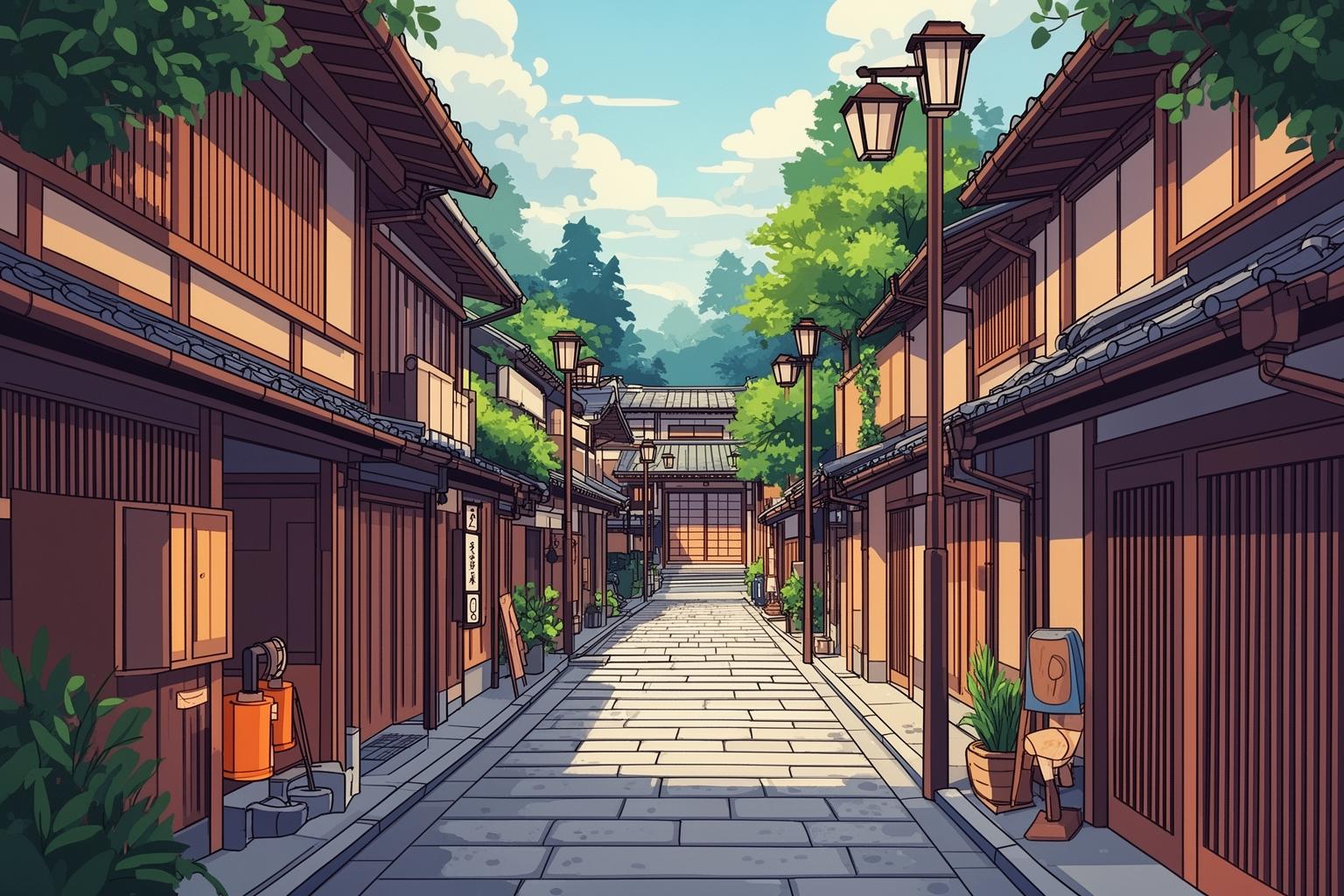
As dusk descends over Kyoto, the city undergoes a transformation. The tranquil temples close their gates, while a different energy begins to pulse from the city’s modern core. The neighborhoods of Kiyamachi and Pontocho—narrow alleys running alongside the Kamo River—come alive with the warm glow of paper lanterns and neon lights. This reveals another side of Kyoto, a nocturnal world of fleeting encounters and hidden secrets. This is pure, undiluted Murakami territory. His novels are scored by jazz melodies, haunted by the clinking of ice in a glass of whisky, and populated by characters seeking refuge or oblivion in dimly lit bars. To discover this world, you must immerse yourself in the urban maze. Pontocho is a beautifully preserved alley, so narrow you can almost touch both sides simultaneously. It’s lined with traditional restaurants, many boasting outdoor platforms, or yuka, that extend over the river in summer. Though it can be touristy, the atmosphere after dark is undeniably cinematic. Yet, the true magic is often found just off the main street. Slip down an even smaller, unmarked side alley. Push open a heavy wooden door with no sign. Here, you might find a tiny, eight-seat bar run by a master who has honed his craft for decades. For a Murakami fan, finding a genuine jazz kissa or bar is the ultimate quest. These are not trendy clubs, but sacred spaces dedicated to listening. Walls are often covered with thousands of vinyl records. Lighting is dim, conversations are hushed, and the focus rests entirely on the music. The proprietors are serious audiophiles, curating the night’s soundtrack with the precision of a priest performing a ritual. You don’t need to be a jazz expert to enjoy the experience. Simply order a drink—a Japanese whisky like Suntory or Nikka is always a good choice—and let the music envelop you. It’s in these moments of shared, silent appreciation that you sense the loneliness and connection his characters so often wrestle with. I once found a bar down a flight of stairs in Kiyamachi. The air was thick with the scent of old wood and stale smoke. The owner, a man with deep lines around his eyes, quietly placed a record on a magnificent vintage turntable. John Coltrane’s “A Love Supreme” filled the small room, and for the duration of the album, the few patrons were united by the sound. It was an experience that seemed lifted straight from the pages of a book. As a traveler—especially a woman traveling alone—it’s wise to be cautious in these nightlife districts. Though Kyoto is exceptionally safe, the alleys can be confusing. Stick to the better-lit paths until you feel more confident. A great alternative to the late-night bar scene is the classic kissaten, or old-fashioned coffee shop. These daytime establishments share a similar nostalgic, time-capsule atmosphere. Find one with dark wood paneling, velvet seats, and a master who carefully prepares your coffee using a siphon. It’s another ideal setting for reading, writing, and watching the city’s stories unfold behind a window.
A Retreat from Reality: Kurama and Kibune
At times, the only way for a Murakami character to progress is by fleeing. They withdraw to secluded mountains, tranquil seaside villages, or forgotten cabins deep in the woods. This physical removal from the complexities of urban life is an essential part of their path to self-discovery. For visitors to Kyoto, the perfect representation of this escape is found just a short train ride north of the city, in the villages of Kurama and Kibune. Nestled within a lush, forested valley, these two places offer a profound sensation of stepping into another, older world—one governed by nature and myth. The journey itself adds to the enchantment. You’ll board the charming Eizan Electric Railway from Demachiyanagi Station. As the train departs the city, buildings give way to suburbs, and soon you plunge into a dense forest. The line’s final section, known as the “Maple Tunnel,” is spectacular in autumn when the trees lining the track are illuminated at night, making you feel as if you are passing through a magical portal. Your destination is Kurama, a small village renowned for its mountain temple, Kurama-dera. The temple sits high on the mountainside, and the hike up is a spiritual pilgrimage in and of itself. The path meanders through a forest of towering, ancient cedar trees whose roots, too large to be contained by the earth, snake across the trail in intricate, otherworldly patterns. The air is cool, carrying the scent of damp earth and pine. Silence is broken only by birdcalls and the rustling of leaves. This is a place to clear your mind and feel small beneath the vastness of nature. From Kurama-dera, a hiking trail crosses the mountain and descends into the neighboring valley of Kibune. The hike is moderately challenging but immensely rewarding. It is a journey of solitude and reflection. At the mountain’s summit, you experience a sense of accomplishment and tranquility, gazing out over rolling green hills. Descending into Kibune feels like uncovering a hidden secret. Kibune is famous for its namesake shrine, Kifune Jinja, a beautiful shrine dedicated to the water god. The shrine’s iconic feature is a long stone staircase lined with red lanterns, ascending into the forest. During the summer months, from May to September, Kibune offers a unique dining experience called kawadoko. Restaurants construct temporary platforms directly over the flowing Kibune River, allowing diners to enjoy their meals just inches above the cool water. The sound of the river, the cool mist, and the exquisite seasonal cuisine combine to create an unforgettable, multi-sensory experience. It is the perfect remedy for summer heat and the stresses of modern life. This day trip to Kurama and Kibune is both a physical and metaphorical journey away from the everyday. It presents an opportunity to disconnect from the world and reconnect with something more elemental—a theme that resonates deeply within the heart of Murakami’s literature.
Practical Magic for the Murakami Pilgrim
Navigating Kyoto like a local, or at least like a seasoned protagonist in your own story, calls for some practical know-how. It’s less about strict itineraries and more about having the right tools to embrace spontaneity. The city is a canvas, and the way you choose to move through it will shape your entire experience.
Getting Around the Labyrinth
Kyoto’s public transportation system is efficient but can feel a bit confusing at first. The city is mainly served by buses, with two key subway lines crossing at the center. While buses can take you nearly everywhere, they tend to be slow and crowded. For a Murakami-esque experience, I strongly recommend renting a bicycle. Kyoto is mostly flat, especially in the central and northern parts, making it ideal for cycling. Riding a bike offers a freedom that buses or trains simply can’t match. You can explore narrow residential lanes, uncover tiny hidden shrines, and stop whenever something piques your interest. Following the Kamo River by bike is one of the city’s quintessential pleasures. It makes you feel less like a tourist and more like a resident, part of the city’s daily rhythm. Many guesthouses and hotels provide rentals, or you can find rental shops near major train stations. For longer trips, such as visiting Arashiyama or Fushimi Inari, trains are your best option. Combining a rail pass for longer journeys with a bicycle for local exploration is the ideal approach.
Where to Stay for the Right Vibe
Your accommodation sets the mood for your entire trip. To truly soak up the literary atmosphere, consider staying in a traditional Japanese house, or machiya. Many of these beautifully preserved wooden townhouses have been converted into guesthouses or rental properties. Waking up to a small inner garden, sliding open a paper screen, and breathing in the faint scent of tatami mats roots you in the city’s history. Alternatively, for a more contemporary but equally atmospheric stay, look for a minimalist hotel near Kyoto University or along the Kamo River. Think clean lines, natural materials, and large windows that flood the space with unique city light. The key is to pick a place that feels like a refuge—a quiet spot where you can retreat with a book and a cup of tea after a long day of wandering and wondering.
What to Pack: An Aesthetic and Practical Guide
As a writer for a fashion-forward company, I believe what you wear influences how you feel and experience a place. Your wardrobe for a Kyoto pilgrimage should blend style, comfort, and practicality.
The Look for a Wandering Soul
Comfortable shoes are essential. You’ll be walking miles on stone paths, temple stairs, and city sidewalks. Opt for a stylish pair of sneakers or well-broken-in sturdy leather boots. The overall look should be understated and thoughtful. Think neutral tones, natural fabrics like linen and cotton in summer, and wool or cashmere in winter. Layering is key. A classic trench coat is practical for Kyoto’s unpredictable weather and adds a touch of that lonely-detective-in-a-novel vibe. A beautifully crafted scarf can add a splash of color and provide warmth on chilly evenings. The aim is to blend in, to look like someone who belongs in the city’s quiet corners.
The Essentials for the Journey
Beyond clothes, a few key items will enhance your experience. A small, high-quality crossbody bag is perfect for keeping valuables—passport, wallet, phone—secure while freeing your hands. Though pickpocketing is rare in Japan, it’s always wise to be cautious. Bring a physical book, preferably an unread Murakami novel. There’s something special about reading a passage set in a city while standing in that very place. A small journal and a good pen are essential for jotting down observations, feelings, and snippets of overheard conversations. Lastly, a portable battery charger is a modern must-have. You don’t want your phone to die while navigating back to your hotel after a long, meandering stroll through the Gion district at night.
Ultimately, a pilgrimage through Haruki Murakami’s Kyoto is less about ticking off specific spots and more about discovering a particular state of mind. It’s about welcoming quiet moments, strange coincidences, and the beauty of everyday life. It’s about walking, listening, and staying open to the possibility that another world lies just beneath the surface. Leave space in your schedule to do nothing at all. Sit in a café for two hours. Spend an entire afternoon by the river. Follow a cat down an alley. It is in these unscripted moments that you’ll find the city’s true, dreamlike essence. Let Kyoto’s gentle, mysterious rhythm guide you, and you’ll leave with a story of your own—a story that whispers and lingers long after you’ve returned home.