
There are stories that feel like they belong only to the screen, their worlds too vibrant, too impossibly beautiful to exist under our ordinary sun. And then there’s Makoto Shinkai’s Your Name. (Kimi no Na wa.), a film that shattered box office records and hearts around the globe with a story that felt both cosmically grand and intimately real. It’s a tale of two souls, a boy in sprawling Tokyo and a girl in a remote mountain town, bound by a celestial event and a mysterious connection that transcends time and space. The magic of the film isn’t just in its breathtaking animation or its gut-wrenching romance; it’s in its profound sense of place. The world Taki and Mitsuha inhabit feels so tangible, so deeply rooted in the textures of modern Japan, that you can’t help but wonder: could I go there? The answer is a resounding yes. This journey, this act of stepping into the frame of a beloved story, has a name in Japan: seichi junrei, or a holy site pilgrimage. It’s a modern tradition where fans travel to the real-world locations that inspired their favorite anime, manga, or films. It’s more than just tourism; it’s a way to connect with a story on a physical level, to breathe the same air as the characters, and to see the world through their eyes. The pilgrimage for Your Name. is a tale of two Japans—a frantic, dazzling Tokyo and a serene, timeless countryside—inviting you to trace the threads of fate from the heart of the world’s biggest metropolis to the quiet soul of its mountain towns. This guide is your map, not just to the photo spots, but to the feelings they evoke, a journey into the breathtaking reality of an animated masterpiece.
For those captivated by the melding of narrative magic and place, exploring Murakami’s Tokyo offers another pathway to experiencing Japan’s vibrant urban spirit.
The Heartbeat of Tokyo: Taki’s Urban World
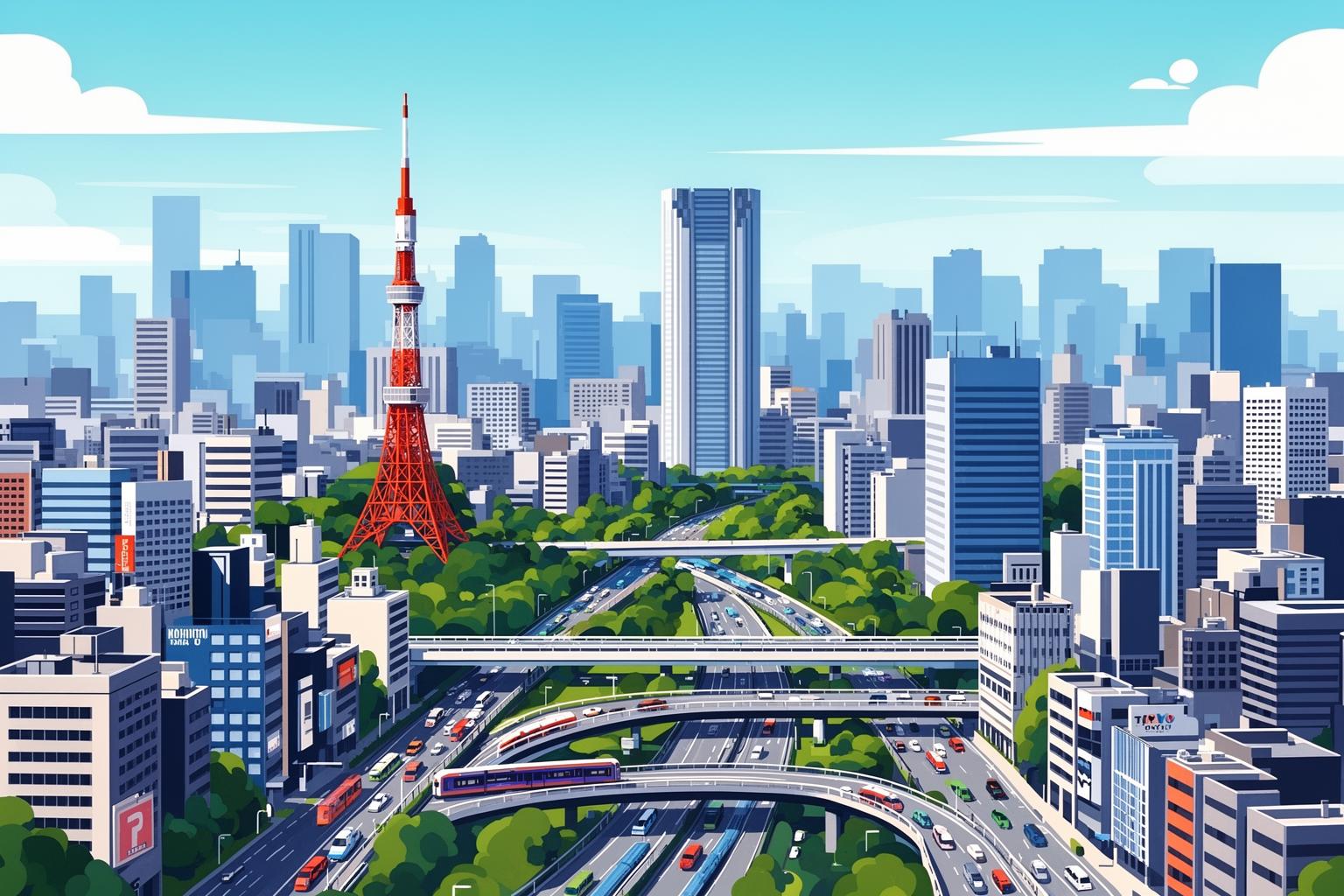
Tokyo is more than just a backdrop in Your Name.; it acts as a character itself. It represents Taki Tachibana’s reality—a symphony of speeding trains, towering glass buildings, and faceless crowds, a place where dreams can seem both within reach and out of grasp. The film captures the city’s dual essence: its overwhelming vastness alongside pockets of unexpected tranquility. Walking through Taki’s Tokyo means feeling the heartbeat of modern Japan, a rhythm that propels the story’s urban half forward with unyielding energy. Our journey starts here, amidst the concrete canyons and neon constellations of the world’s most populous metropolis.
The Iconic Red Steps: Suga Shrine in Yotsuya
No image is more emblematic of Your Name. than the final, breathtaking scene on a flight of red-railed stairs. It’s the moment the entire film builds toward, where two searching souls finally, miraculously, meet. These steps are real and lead up to the Suga Shrine in a quiet, modest residential area of Yotsuya, just a short walk from the bustle of Shinjuku. The route from Yotsuya Station feels like a conscious decompression. The city’s roar fades, replaced by the gentle hum of everyday life. You’ll stroll through narrow streets, past small apartments and local shops, anticipation growing with each step. And then, you see it. The staircase isn’t grand or imposing, but for a fan of the film, it’s monumental. Whether standing at the bottom looking up or at the top looking down, the composition is instantly recognizable. You can almost sense Taki and Mitsuha’s phantom presence, their desperate search culminating in this perfect cinematic frame. The atmosphere here is tranquil, almost reverent. It’s a genuine neighborhood, a place where people live, so quiet respect is essential. The best time to visit is early morning, when soft light filters through the trees and the only sounds are birds and the distant city waking. Or, try late afternoon, when shadows lengthen, echoing the “magic hour” or kataware-doki so central to the film’s theme. Take your time. Frame your photo, of course, but then put the camera aside. Just stand and absorb the moment—the quiet triumph, the relief, the gentle joy of a connection finally made. It’s a place that perfectly captures the film’s spirit: an epic moment woven into the fabric of everyday life.
Shinjuku’s Concrete Canyons
If the Suga Shrine steps mark the film’s emotional climax, Shinjuku is its pulsating heart. This is Taki’s playground, his workplace, and a visual shorthand for his entire world. The film adeptly portrays Shinjuku’s beautiful chaos, from the dizzying maze of Shinjuku Station to the soaring skyscrapers that create a man-made mountain range. Emerging from the station is an experience in itself. With over 200 exits and millions of people passing through daily, it’s sensory overload that immediately immerses you in Taki’s world. Explore the West Exit area, dominated by the Tokyo Metropolitan Government Building and its free observation decks, which offer panoramic views mirroring the sweeping cityscapes seen in the movie. This is the Shinjuku of orderly ambition and corporate might. Nearby is the iconic “LOVE” sculpture by Robert Indiana, a quirky landmark Taki and his friends often stroll past. It’s a popular meeting spot and a burst of vibrant color against the grayscale business district. A more poignant spot is the Shintoshin Pedestrian Bridge, a circular overpass near the station. Here, Taki and his elegant coworker Okudera-senpai share a walk during their date. Standing there, surrounded by the web of roads and railways below and towering buildings above, you get a real sense of being a small part of a vast, interconnected system. The atmosphere in Shinjuku is electric. It’s a place of constant motion, a river of humanity flowing beneath a canopy of neon lights after dark. Yet the film finds the beauty in it, and so can you. It’s in the reflection of city lights on rain-slicked pavement, the rumble of a passing train overhead, and the feeling of anonymity while connected to millions of other unfolding stories.
A Moment of Calm: The National Art Center, Tokyo
Amidst the urban sprawl, Taki and Okudera-senpai share a quiet, elegant date at a stunningly modern restaurant. This scene takes place at the National Art Center in Roppongi, showcasing Tokyo’s ability to incorporate serene, artistic spaces within its bustling core. The building itself, designed by the renowned architect Kisho Kurokawa, is a masterpiece. Its flowing glass facade creates a fluid, organic feel, flooding sunlight into the vast atrium. The café featured in the film is the Salon de Thé ROND, perched atop a huge concrete cone in the atrium’s center. You can sit at one of the tables and order coffee and cake, perfectly recreating the scene while basking in the soft, diffused light of the museum. Visiting here offers a stark contrast to Shinjuku’s energy. The ambiance is one of hushed elegance and thoughtful curiosity. People speak in low tones, footsteps echo gently in the cavernous space. It feels like stepping outside time, a perfect setting for the reflective, slightly awkward conversation between Taki and Okudera. It’s a reminder that even in a city of millions, moments of intimacy and quiet reflection are not only possible but essential. For first-time visitors, it’s an easy trip via Tokyo Metro to Nogizaka Station, which provides direct access. While special exhibitions require tickets, entering the magnificent atrium and visiting the café is free, making it an accessible and deeply rewarding stop on your pilgrimage.
Whispers of Itomori: Mitsuha’s Gifu Prefecture
Leaving behind Tokyo’s electric hum, our journey leads us deep into Japan’s heart, to the landscape that breathes life into Mitsuha’s fictional hometown of Itomori. Although Itomori is a beautiful creation of Shinkai’s imagination, its essence is gathered from real locations, mainly in the Hida region of Gifu Prefecture. This place stands in stark contrast to Taki’s urban surroundings of concrete and steel. Here, time appears to slow, the air is fresh and crisp, mountains rise along the horizon, and ancient traditions are tightly woven into everyday life. Traveling here allows you to grasp the deep yearning for connection at the film’s core—the tension between relentless modern progress and enduring cultural heritage. This segment of the pilgrimage reveals the quiet magic that inspired Mitsuha’s world, where spirits, stars, and history all converge.
The Lakeside Town: Echoes in Lake Suwa
One of the most stunning scenes in Your Name. is the panoramic view of Itomori, nestled in a valley around a pristine, crater-like lake. While Hida shapes the town’s character, the iconic landscape is widely believed to be inspired by Lake Suwa in neighboring Nagano Prefecture. The resemblance is striking, especially from Tateishi Park, perched on a hill overlooking the water. Reaching the park—whether by winding road or invigorating hike—is an adventure on its own. As you climb, the view dramatically unfolds: the town of Suwa spreads below, the vast, shimmering lake stretches toward distant mountains, evoking the image of a basin left by a fallen comet. The atmosphere here is one of profound peace and grandeur, making you feel small before nature’s majesty. The best time to visit is unquestionably at dusk, when the sky blazes with orange and purple hues, and city lights begin to flicker—kataware-doki at its most spectacular. The bittersweet beauty of this moment seems pulled straight from the film. It is a place for reflection on the vastness of the world and the unseen threads connecting us across immeasurable distances. Standing here, you can feel Mitsuha’s love for her beautiful home, mingled with her sense of confinement.
Hida-Furukawa: The Soul of the Countryside
While Lake Suwa shapes the scenery, the town of Hida-Furukawa in Gifu offers the intimate details of Itomori. This well-preserved town is where Taki, Tsukasa, and Okudera arrive in search of Mitsuha. Stepping off the train here feels like stepping into the anime itself. The town is compact, walkable, and full of charm. Its traditional wooden merchant houses with distinctive white-walled storehouses line the streets, where carp swim in the canals. The atmosphere is infused with gentle nostalgia and a strong sense of community. It’s a living town, not a museum, and its warmth is tangible.
Hida-Furukawa Station
Your first stop is Hida-Furukawa Station. The platform, overhead crossing, and waiting area are all rendered with loving accuracy in the film. You can stand exactly where Taki gazed at the strange town, his expression a blend of hope and anxiety. Don’t miss the cutout of Hida-gyu, the local beef mascot, which humorously appears in the movie. The station remains quiet, with trains arriving and departing gently, fitting perfectly into the town’s relaxed rhythm. It’s an ideal entry point that immerses you immediately in the film’s world, setting the tone for a leisurely exploration ahead.
The Hida City Library
Arguably the most remarkable location in Hida-Furukawa is the Hida City Library. This is where Taki and his friends fervently search records for details about Itomori and the comet strike. The real library is a stunning, modern structure with warm wooden interiors and a grand sense of openness. What makes it especially noteworthy is the staff’s warm welcome to Your Name. fans. Though it is a working public library, they have wholeheartedly embraced their film connection. A helpful tip: by politely requesting at the main desk, visitors can receive a special permit to take photos inside—a rare and generous privilege. Sitting at one of the tables, surrounded by the scent of old books and polished wood, you see the exact perspectives animated by Shinkai’s team. This creates a poignant sense of involvement, blurring the line between viewer and character, as if you are part of the investigation and the story’s heart.
Keta Wakamiya Shrine
While the Miyamizu Shrine in the film blends multiple places, the Keta Wakamiya Shrine in Hida-Furukawa is thought to be one of its key inspirations. A short, pleasant walk from the town center, the shrine is reached via a long flight of stone steps, immediately recalling Mitsuha’s family shrine imagery. Surrounded by tall cedar trees that whisper with the wind, the shrine exudes an aura of ancient sacredness. It’s smaller and more understated than the grand shrine depicted in the film, but the feeling is identical—a sense of stepping into a sacred realm where the boundary between the physical and spiritual realms seems thin. It invites reflection on the themes of tradition, ritual, and enduring faith that the film explores.
The Art of Kumihimo and Mountain Shrines
Your Name. richly embodies Japanese culture, especially the Shinto traditions shaping Mitsuha’s life. Two elements central to the plot are kumihimo and kuchikamizake. Kumihimo, the intricate art of braided cords, symbolizes the flow of time and the bonds between people—the musubi. In Hida, shops and workshops offer glimpses of this beautiful craft, where you can even try making a simple braided cord yourself. It’s a wonderful hands-on way to connect with the film’s central metaphor. The ritual of kuchikamizake, the sacred sake Mitsuha creates as a shrine maiden, is an ancient tradition. While you won’t partake, understanding its role as an offering to the gods adds a deeper dimension to your pilgrimage. Visiting nearby shrines enriches your appreciation of the spiritual world Mitsuha inhabits. For those willing to explore further, the city of Takayama, a short train ride from Hida-Furukawa, is home to Hie Shrine. Its moss-covered stone steps winding through a dense forest evoke another powerful visual echo of Miyamizu Shrine, making it a worthy stop for deeper regional exploration.
Crafting Your Own Pilgrimage

Embarking on a Your Name. pilgrimage is a journey of contrasts, requiring some planning to bridge Tokyo’s urban efficiency with Hida’s rural charm. A successful trip allows you to enjoy both worlds without feeling rushed. It’s about more than just ticking off locations; it’s about crafting your own narrative and connection to the story by fully experiencing these places.
A Tale of Two Journeys: Tokyo and Hida Itineraries
Consider this as two distinct mini-tours. For the Tokyo portion, one to two full days is enough. Spend one day visiting the Shinjuku and Yotsuya locations. Begin your morning at Suga Shrine for the best light and smallest crowds, then spend the afternoon and evening exploring the vast expanse of Shinjuku. A second day can be used to visit the National Art Center in Roppongi and other parts of the city. Tokyo’s public transportation is excellent, and a Suica or Pasmo card will be your key to navigating the extensive network of trains and subways. Traveling to the Hida region is a different experience. From Tokyo, take a Shinkansen (bullet train) to Toyama or Nagoya, then transfer to the JR Takayama Main Line. This scenic local train journey is part of the adventure, with views of winding rivers and lush mountains gradually immersing you into Mitsuha’s world. A Japan Rail Pass can be a cost-effective option if you plan to make the round trip. Allocate at least two days and one night in the Hida region, allowing enough time to explore Hida-Furukawa leisurely, possibly including a side trip to the lively morning markets and historic old town of nearby Takayama. If you want to visit Lake Suwa, it requires additional travel and is often better suited to a separate trip or with a rental car for more flexibility.
Beyond the Silver Screen: Experiencing the Culture
While visiting the film’s locations is the goal, the real magic lies in experiencing the culture around them. Don’t just snap photos; live the moment. In Tokyo, after seeing the main sites, dive into the Shinjuku atmosphere. Brave the tiny, atmospheric bars of Golden Gai or the smoky, lantern-lit alleys of Omoide Yokocho for a yakitori dinner. Feel the city’s heartbeat from street level. In Hida, the experience calls for slowing down. Savor the region’s renowned Hida beef, famous for its rich marbling. Visit a local sake brewery for a tasting; the pure mountain water creates a clean, flavorful drink. Stroll along the Seto River, feeding the brightly colored carp in the canals. Wake early to visit the Miyagawa Morning Market in Takayama, where local farmers sell fresh produce and crafts. These textures and flavors give the animated world its authenticity. By immersing yourself, you don’t just see what the characters saw; you gain a deeper understanding of the world they came from.
A Pilgrim’s Etiquette
A seichi junrei carries the responsibility of being a respectful visitor. These are not film sets but real places where people live, work, and worship. At Suga Shrine and the surrounding Yotsuya neighborhood, keep your voice low and be considerate of residents. Avoid blocking paths or driveways when taking photos. At the Hida City Library, remember it is a quiet place for study. Always ask permission before photographing and thank the staff for their hospitality. At shrines, follow proper etiquette: bow before passing through the torii gate, purify your hands and mouth at the water basin, and observe quietly. The best way to show gratitude is by supporting the local economy — buy a drink from a vending machine, dine at a local restaurant, or purchase a souvenir from a small shop. Your pilgrimage helps sustain these communities, ensuring they remain for future fans. By traveling mindfully, you become a welcomed part of the ongoing story, not just a fleeting visitor.
More Than a Memory: The Enduring Magic of Your Name.
A journey retracing the steps of Taki and Mitsuha is more than just a sightseeing trip. It’s a dive into the themes that make Your Name. so universally impactful: the pain of separation, the strength of memory, the charm of tradition, and the enduring hope for connection. Standing on the Suga Shrine steps isn’t merely reenacting a scene; it’s feeling the weight of years spent searching and the lightness of that final, hopeful question. Walking through Hida-Furukawa, you don’t simply observe a charming town; you sense the deep, grounding spirit of community and heritage that shaped Mitsuha’s identity. Moving between these two worlds—from Tokyo’s chaotic energy to the serene stillness of the mountains—you physically sense the divide that separated the two protagonists. You realize these places aren’t just backgrounds; they are the foundation where the story blossomed, infusing every scene with their unique atmospheres and textures. When you return home and watch the film again, it will be an entirely altered experience. The animated landscapes will be enriched by your own memories—the scent of rain on Tokyo streets, the sound of canals in Hida, the stunning view of Lake Suwa at twilight. The story’s invisible connections will feel more potent, its emotional heart more tangible. You have walked in their world, and in doing so, woven your own story into its beautiful, intricate tapestry.