There are places in this world that feel unstuck in time, where the air hums with stories and every cobblestone seems to whisper a secret. Dogo Onsen, nestled in the city of Matsuyama on Japan’s island of Shikoku, is one such place. It’s a town built around the restorative powers of its ancient hot springs, a place where history isn’t just in museums, but is worn on the streets like a comfortable yukata. For travelers like us, those who chase the trails of our favorite stories, Dogo Onsen holds a special magic. It’s a destination that resonates on multiple frequencies, vibrating with the imagined echoes of Hayao Miyazaki’s fantastical spirit world and the very real literary footsteps of one of Japan’s most celebrated novelists, Natsume Soseki. It’s more than just a famous bathhouse; it’s a living, breathing pilgrimage site where fiction and history merge, steaming and swirling together like the mineral-rich waters that have flowed here for over a thousand years. To arrive in Dogo is to feel the pace of modern life slow to a gentle, rhythmic clip-clop of wooden geta sandals, inviting you to shed your traveler’s haste and simply soak it all in. This is a journey into the heart of Japanese hospitality, a dip into waters that have healed emperors and inspired artists, and a chance to walk through a landscape that feels both wonderfully real and fantastically familiar.
Further enriching your journey, explorers may be drawn to a dream pilgrimage that reflects Japan’s seamless blend of ancient mystique and enchanting storytelling.
The Grandeur of Dogo Onsen Honkan
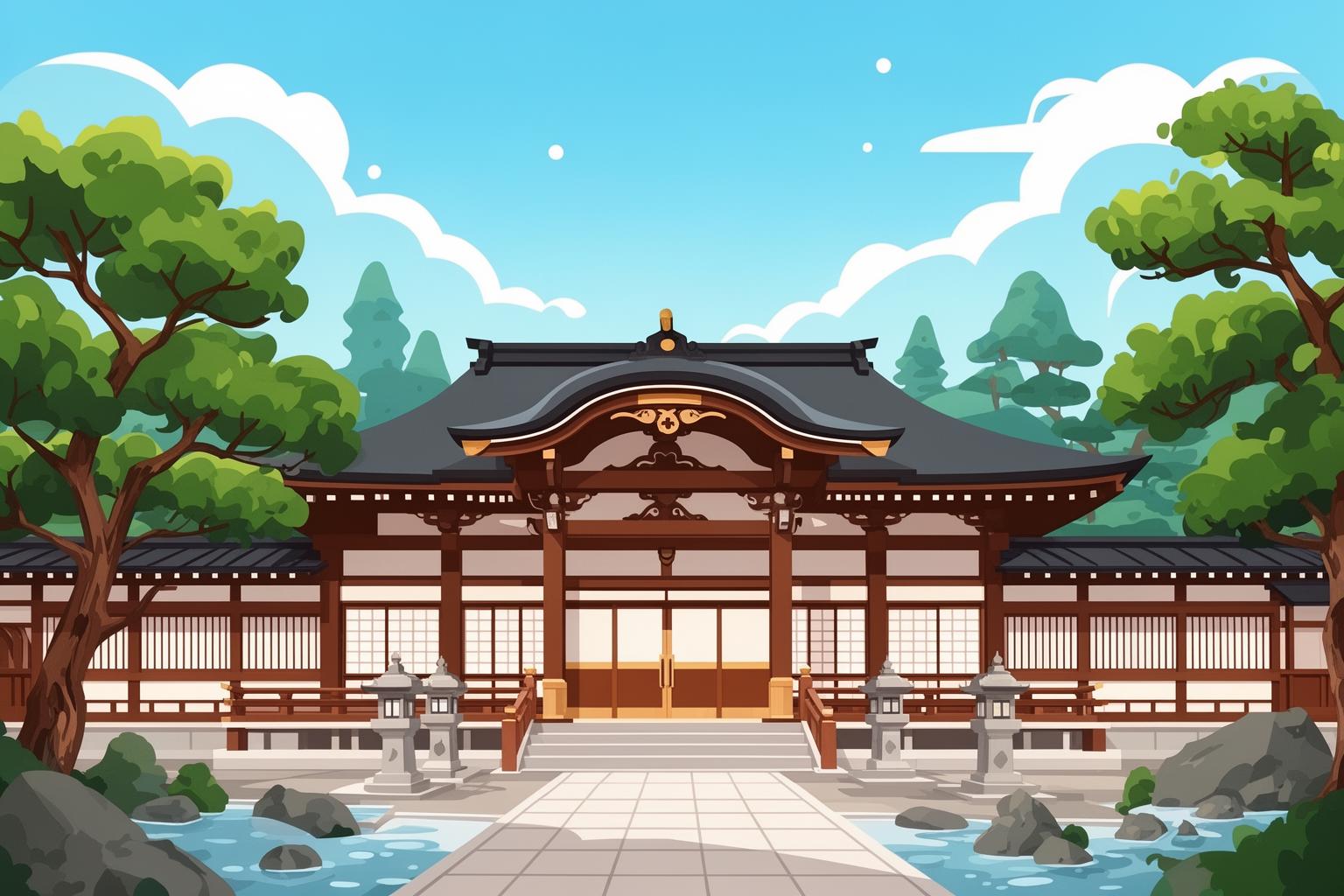
The undisputed centerpiece of the district is the Dogo Onsen Honkan, a grand, multi-story wooden bathhouse that appears as if it belongs in a historical epic. It stands not as a mere relic, but as a proud, functioning tribute to Japan’s longstanding onsen tradition. Originally built in 1894, its maze-like corridors, steep stairways, and elaborate architecture earned it the distinction of being Japan’s first public bathhouse designated as an Important Cultural Property. As you draw near, the first thing that captures your attention is its commanding presence. The dark wooden beams, gracefully curved roofs, and the iconic Shinrokaku—a red-tiled drum tower crowning the structure—all come together to form a silhouette that is instantly recognizable and deeply impressive. Perched atop its highest point is a white heron, symbolizing the legend that inspired it—a tale of an egret that healed its injured leg in the hot spring’s waters, unveiling their miraculous healing powers to the world.
Though the main building is currently undergoing extensive, multi-year preservation efforts, the spirit of the Honkan remains vibrant. The city has embraced this period creatively by encasing the structure in a vivid art installation by renowned artist Shinro Ohtake, turning restoration into a unique, temporary work of art. While the famed Kami no Yu (Bath of the Gods) and Tama no Yu (Bath of the Spirits) may be temporarily inaccessible in their original form depending on renovation progress, the experience is far from diminished. Visitors can often still explore parts of the historic bathhouse or enjoy the waters at nearby annexes, ensuring the Dogo bathing tradition remains unbroken. Simply witnessing this careful restoration is a pilgrimage in itself, offering a glimpse into the dedication involved in preserving this cultural treasure for future generations. The atmosphere around the Honkan remains vibrant, with visitors dressed in colorful yukata and the faint, pleasant scent of sulfur promising relaxation and renewal. It feels less like a construction site and more like a slumbering giant, gathering strength, its timeless charm evident even while resting.
A Town Straight Out of a Storybook
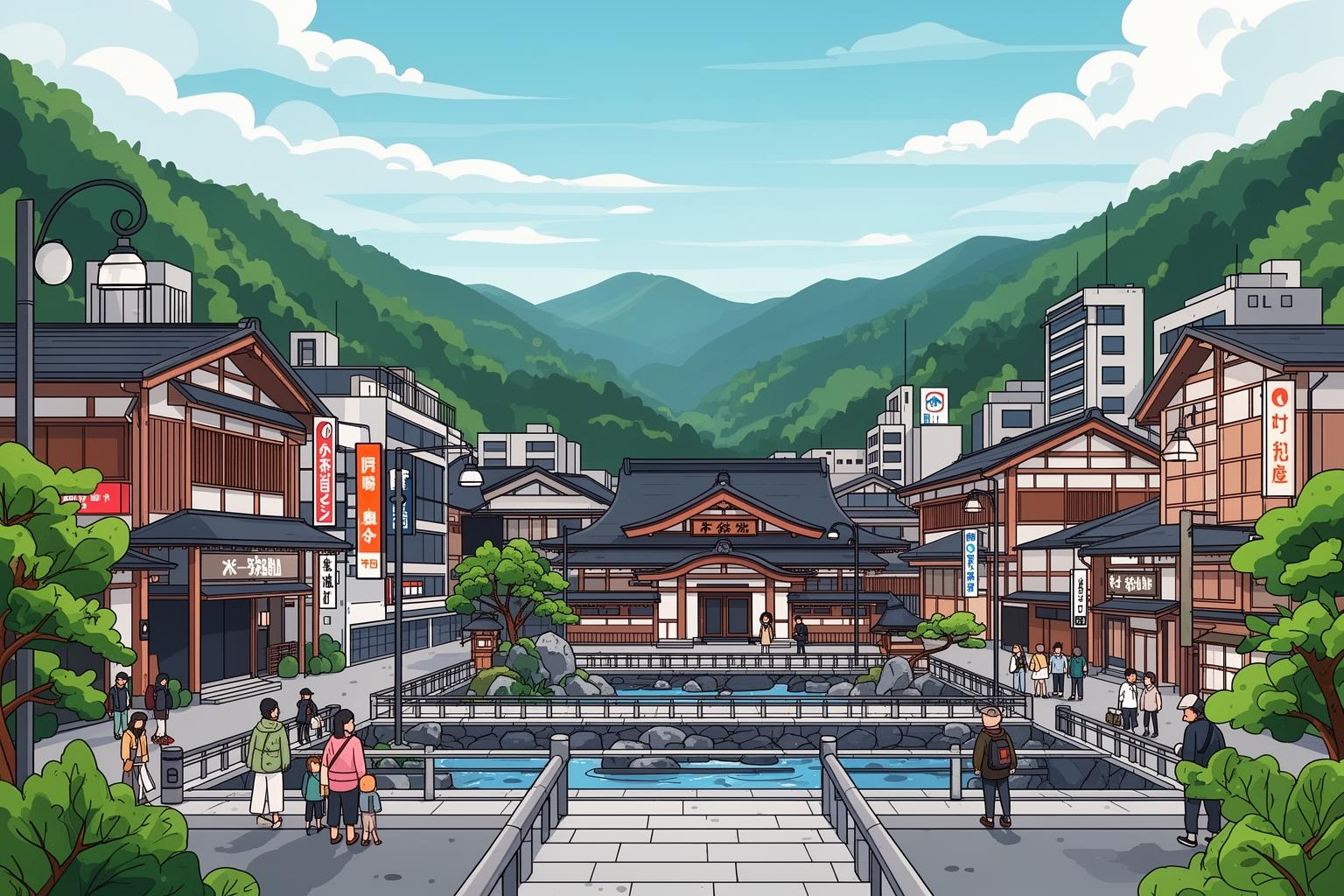
The magic of Dogo extends beyond the walls of its main bathhouse. The entire district acts as an atmospheric stage where you become the central character. Upon emerging from Dogo Onsen Station, a charming replica of the original Meiji-era structure, the change in atmosphere is instantly felt. The main thoroughfare, Dogo Haikara Dori, is a covered shopping arcade offering a delightful sensory feast. The street buzzes with a gentle energy, blending curious tourists and local residents going about their routines. Shops offer local crafts, from the soft, absorbent towels of nearby Imabari to Tobe-yaki pottery. The scent of freshly grilled senbei rice crackers mingles with the sweet aroma of Botchan Dango, a tri-colored sweet skewer named after the town’s most famous fictional resident. It’s a place to wander aimlessly, sample fresh mikan orange juice, and hunt for the perfect souvenir.
Near the Honkan at the arcade’s entrance stands the Botchan Karakuri Clock. Every hour, this mechanical marvel springs to life as characters from Soseki’s novel Botchan appear on moving platforms, reenacting scenes from the story to a cheerful tune. A crowd—children and adults alike—always gathers, enchanted by the whimsical display. It serves as a playful reminder of the literary heritage embedded in the town. Just steps away is a free public footbath, or ashiyu. There’s nothing quite like the simple pleasure of removing your shoes after a day of exploring, immersing your feet in naturally hot spring water, and watching the world pass by. Here, strangers—Japanese grandmothers, young couples, international travelers—share a moment of quiet contentment. This captures the essence of Dogo: a place that invites you to slow down, rest, and connect, even in the smallest ways.
Echoes of “Spirited Away”
For many anime fans, the first sight of the Dogo Onsen Honkan instantly evokes a strong sense of déjà vu. While Studio Ghibli has never officially identified a single inspiration for the stunning Aburaya bathhouse in the Academy Award-winning film Spirited Away, the visual similarities are striking and thrilling. Especially at dusk, when lanterns glow and steam drifts dreamily from the vents, walking around the Honkan makes it feel as if you have stepped into Hayao Miyazaki’s spirit world. The complex, multi-layered wooden structure, with its countless windows, balconies, and interlocking roofs, strongly recalls the fantastical architecture of the Aburaya. The narrow, winding staircases and maze-like interior corridors visitors have described for decades mirror the frantic movements of the protagonist Chihiro as she navigated her strange new environment. The Shinrokaku drumming tower, where a taiko drum is still struck three times daily, feels like the very spot where spirits would be summoned to bathe. This powerful, atmospheric resemblance has made Dogo a revered pilgrimage site for Ghibli fans. It’s not about discovering an exact film location but experiencing the tangible cultural and architectural spirit that Miyazaki so masterfully transformed into animation. It’s a place where gods and spirits seem to rest, a space humming with unseen energy just beneath the surface of reality.
Living the Pages of “Botchan”
Long before it became linked to anime spirits, Dogo Onsen was immortalized in Natsume Soseki’s 1906 novel Botchan. This cherished classic, a fixture of Japanese school curriculums, tells the story of a young, hot-headed teacher from Tokyo who relocates to Matsuyama for a teaching job. The novel offers a sharp satire of Meiji-era society, with Dogo Onsen as the protagonist’s favorite retreat—the place where he unwinds and vents about his colleagues. Visiting Dogo today feels like stepping into the novel’s setting. You can bathe in the same waters as the titular character and imagine his lively presence. The Honkan even preserves a special room, Botchan no Ma, kept as it was during Soseki’s time, which visitors can see on a tour. The connection reaches beyond the bathhouse. Riding the “Botchan Ressha,” a diesel-powered replica of the original steam train the character rode, is an essential experience. Watching this small, puffing green train chug through the modern city streets evokes a wonderfully anachronistic journey back in time, linking the present city to its literary heritage. The town’s famous Botchan Dango directly references the novel, where the protagonist enjoys this treat. For fans of Japanese literature, this pilgrimage offers deep satisfaction, adding a rich historical and cultural layer to every sight and flavor.
Beyond the Bathhouse: Exploring Matsuyama City
While Dogo Onsen is the crown jewel, the surrounding city of Matsuyama is a treasure chest waiting to be discovered. Dominating the city is Matsuyama Castle, one of only twelve original castles still standing in Japan. Unlike the concrete reconstructions found elsewhere, this castle’s main keep is a magnificent wooden structure that has withstood centuries of fires, sieges, and World War II bombings. Perched atop Mount Katsuyama in the city center, it stands as an unmissable landmark. Reaching the summit is part of the experience—you can opt for a scenic, single-person chairlift that carries you up the mountainside with the wind in your hair, or a more conventional ropeway. Both provide spectacular views on the ascent. The castle grounds are spacious and beautiful, dotted with cherry trees that make it a prime spot for blossom viewing in spring. Inside the keep, visitors encounter an authentic and immersive experience. The steep, polished wooden stairs, the low beams to duck beneath, and the arrow slits in the thick walls all reveal its original role as a fortress. The reward at the top floor is a breathtaking 360-degree panorama of Matsuyama, the shimmering Seto Inland Sea, and the surrounding mountains—a view that connects you to the city’s feudal past and vibrant present.
A Castle in the Sky
A closer look at Matsuyama Castle explains why it is so revered. Its complex defensive design is a marvel of feudal engineering. The approach involves navigating a series of winding paths and fortified gates intended to confuse and delay invading forces. As you pass through these gates, you can almost hear the echoes of samurai footsteps. Inside the main tower, or tenshu, exhibits are thoughtfully displayed, featuring samurai armor, swords, and historical documents. Yet the true exhibit is the building itself. The history resonates in the grain of the wood. Unlike in a museum, where artifacts are behind glass, here you walk through the artifact. From the windows, you can appreciate its strategic placement and understand why the Kato clan chose this location for their stronghold. It’s a powerful and humbling experience—a direct connection to the age of shoguns and warriors. The immense effort put into its preservation makes visiting feel truly special. This is not just a relic of the past, but a living piece of history, breathing with the city below.
Art and Poetry in Shikoku
Matsuyama’s cultural offerings also extend into the modern era. The city was the birthplace of Masaoka Shiki, one of the four great masters of haiku poetry. The Shiki Memorial Museum is a wonderful institution dedicated to his life and work, providing insights into the art of haiku and its significant place in Japanese culture. Even if you are not a poetry enthusiast, the museum offers a fascinating glimpse into the life of a pivotal figure during the Meiji Restoration. For architecture and history enthusiasts, the Saka no Ue no Kumo Museum is an essential destination. Designed by the world-renowned architect Tadao Ando, the building itself is a work of art—a striking triangular structure of concrete and glass that leads visitors on an upward journey. The museum narrates the story of the Akiyama brothers and Masaoka Shiki, three prominent Meiji-era figures from Matsuyama, based on a historical novel by Ryotaro Shiba. It tells a story of Japan’s rapid modernization, and the museum’s design beautifully reflects the theme of striving and ascent. These cultural sites offer a wonderful complement to the traditional attractions, highlighting Matsuyama as a city that deeply honors its past while embracing the future.
Practical Pilgrim’s Guide
Embarking on a journey to a place steeped in history requires some practical knowledge to ensure a smooth and enjoyable experience. Matsuyama is wonderfully accessible but still retains a charming sense of being slightly off the beaten path compared to the popular Tokyo-Kyoto-Osaka route. This blend of convenience and tranquility is part of its appeal. The key is to understand the local transportation, customs, and pace of life so you can spend less time planning and more time soaking in the atmosphere. From the best ways to arrive to the unspoken etiquette of the onsen, a few small tips can turn a good trip into an unforgettable one. Consider this your friendly guide to navigating the practical side of your journey, helping you relax and enjoy the magic just like the locals do.
Getting to Matsuyama and Dogo Onsen
Matsuyama, the largest city on the island of Shikoku, boasts excellent connections. The easiest way to arrive is by flying into Matsuyama Airport (MYJ), which offers frequent domestic flights from Tokyo’s Haneda Airport, Osaka’s Itami Airport, and other major Japanese cities. From the airport, a convenient limousine bus takes you directly to Dogo Onsen in about 40 minutes. For travelers using a Japan Rail Pass, the train journey is a scenic delight. From Okayama on Honshu Island, you can board the JR Shiokaze Limited Express train, crossing the spectacular Great Seto Bridge and arriving at JR Matsuyama Station in approximately 2.5 hours. Once in Matsuyama, the city is served by a charming tram network run by the local Iyotetsu company. To reach Dogo Onsen from either JR Matsuyama Station or downtown Matsuyama-shi Station, simply board the tram heading towards Dogo Onsen—it’s the final stop, so you can’t miss it. The tram ride itself offers a leisurely and delightful tour through the city streets.
Where to Stay and What to Eat
Dogo is renowned for its ryokan, traditional Japanese inns that provide an immersive experience, often featuring exquisite multi-course kaiseki dinners and private onsen baths. Staying in a ryokan offers a chance to experience omotenashi, Japan’s unique spirit of wholehearted hospitality. Many guests enjoy evening strolls clad in yukata provided by their ryokan, enhancing the timeless atmosphere. For those on a tighter budget, there are numerous modern hotels and guesthouses both in the Dogo area and central city. When it comes to cuisine, Matsuyama is a culinary treasure. The must-try dish is Taimeshi, or sea bream rice, available in two regional styles: one featuring a whole grilled fish cooked with rice, and another serving delicate sea bream sashimi atop rice with a raw egg and savory broth. Both are delicious. Of course, no visit is complete without sampling Botchan Dango, colorful sweet skewers sold throughout the Dogo Haikara Dori arcade. For a refreshing treat, be sure to try some local citrus products; Ehime Prefecture, where Matsuyama is located, is known as Japan’s citrus capital.
Navigating the Onsen Experience
For first-time visitors, entering an onsen can feel a bit intimidating, but the etiquette is simple and easy to follow. The most important rule is to wash thoroughly before entering the bath. In the changing room, you will undress and leave your belongings in a basket or locker. You’ll be given a large towel for drying off afterward and a small modesty towel. Take only the small towel with you to the bathing area. Find a washing station—typically a small stool with a showerhead and buckets—and cleanse yourself completely with soap. Once rinsed, you may enter the main bath. The water can be quite hot, so ease in slowly. The small towel must not go into the water; instead, place it on the side of the bath or fold it neatly to rest on your head, as many Japanese bathers do. The onsen is a place for quiet relaxation and contemplation, not for swimming or loud conversation. When finished, lightly dry yourself with the small towel before returning to the changing room to use your large towel. Following these simple steps shows respect for the culture and allows you to fully enjoy this truly Japanese experience.
A Journey Through Time
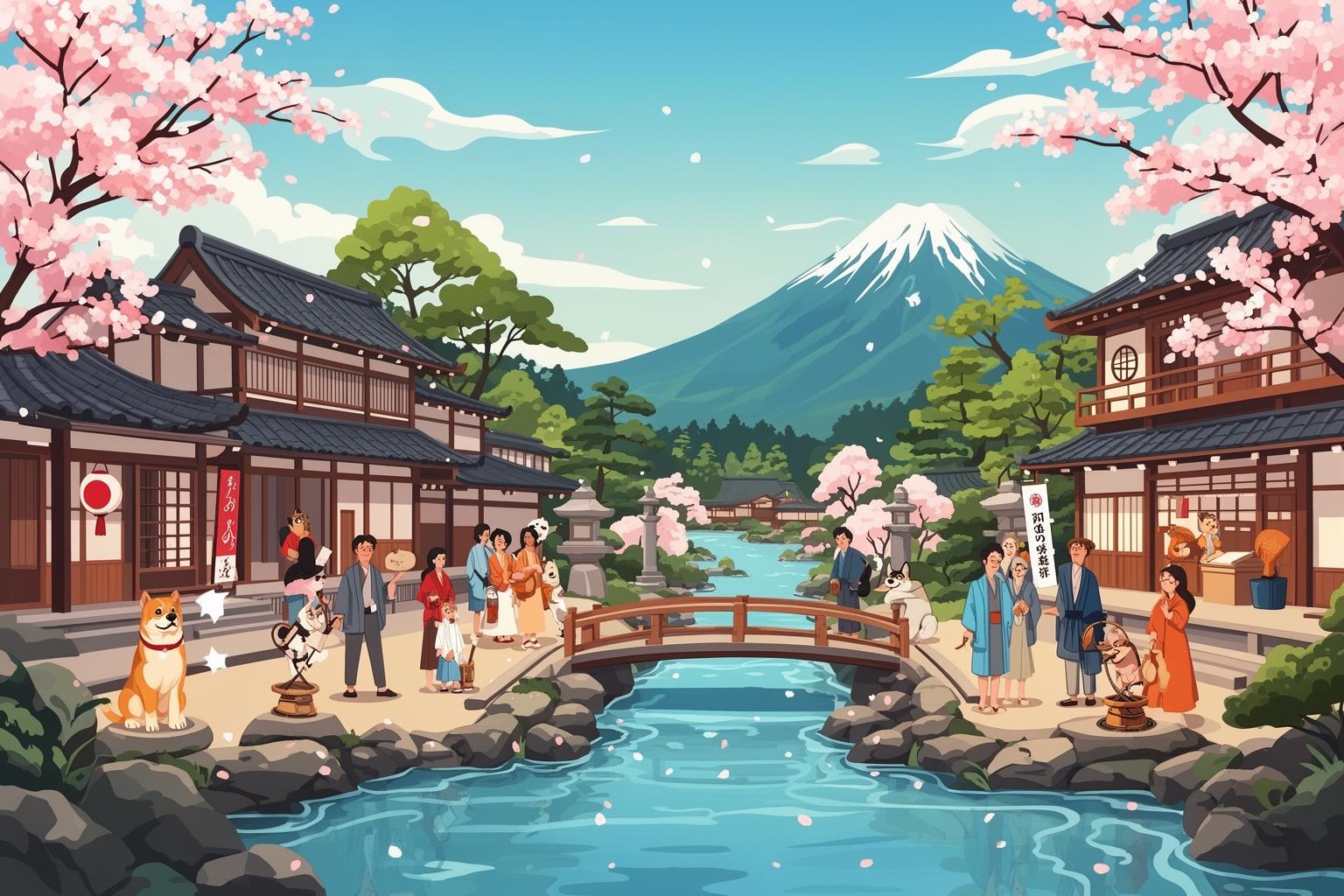
A trip to Matsuyama and Dogo Onsen is more than a mere vacation; it is a layered journey through Japanese culture. It serves as a pilgrimage that fulfills on many levels. For anime fans, it offers a chance to experience the magic of Ghibli in a real-world setting. For literature enthusiasts, it presents an opportunity to follow in Soseki’s footsteps and witness his renowned novel come alive. For history lovers, it acts as a gateway to the samurai era and the dawn of modern Japan. And for the tired traveler, it provides a sanctuary where the simple, ancient ritual of bathing in geothermally heated water can soothe both body and mind. In Dogo, the past is not a distant land but a familiar, welcoming presence. It exists in the taste of dango, the sound of the Karakuri clock, the creak of the castle floors, and the steam rising from a legendary spring. You leave feeling not only refreshed but enriched, carrying with you the stories, flavors, and tranquil spirit of this unique corner of Shikoku.