There’s a certain kind of light that filters through the leaves in a Studio Ghibli film. It’s a gentle, dappled glow that promises hidden wonders, a whisper of nostalgia for a childhood you may or may not have lived. It’s the feeling of a warm summer afternoon, the scent of rain on dry earth, the quiet hum of a world brimming with possibility just beyond the veil of the ordinary. For decades, we’ve found this magic on our screens, in the sweeping landscapes of Princess Mononoke and the cozy, rain-streaked streets of My Neighbor Totoro. But what if you could step through that screen? What if you could walk into the heart of that world, touch its textures, and breathe its air? In a quiet, leafy corner of western Tokyo, in the city of Mitaka, you can. The Ghibli Museum isn’t just a building that holds art; it’s a living, breathing storybook crafted by the master storyteller himself, Hayao Miyazaki. It’s a place built not for observation, but for discovery. It is a pilgrimage site for dreamers, a testament to the power of hand-drawn animation, and an invitation to get wonderfully, blissfully lost. Before you embark on this journey, let’s pinpoint this pocket of wonder on the map.
For those captivated by animated folklore, a Kyoto pilgrimage offers a complementary journey through Japan’s rich cultural tapestry.
The Dreamer’s Blueprint: Unveiling the Museum’s Soul
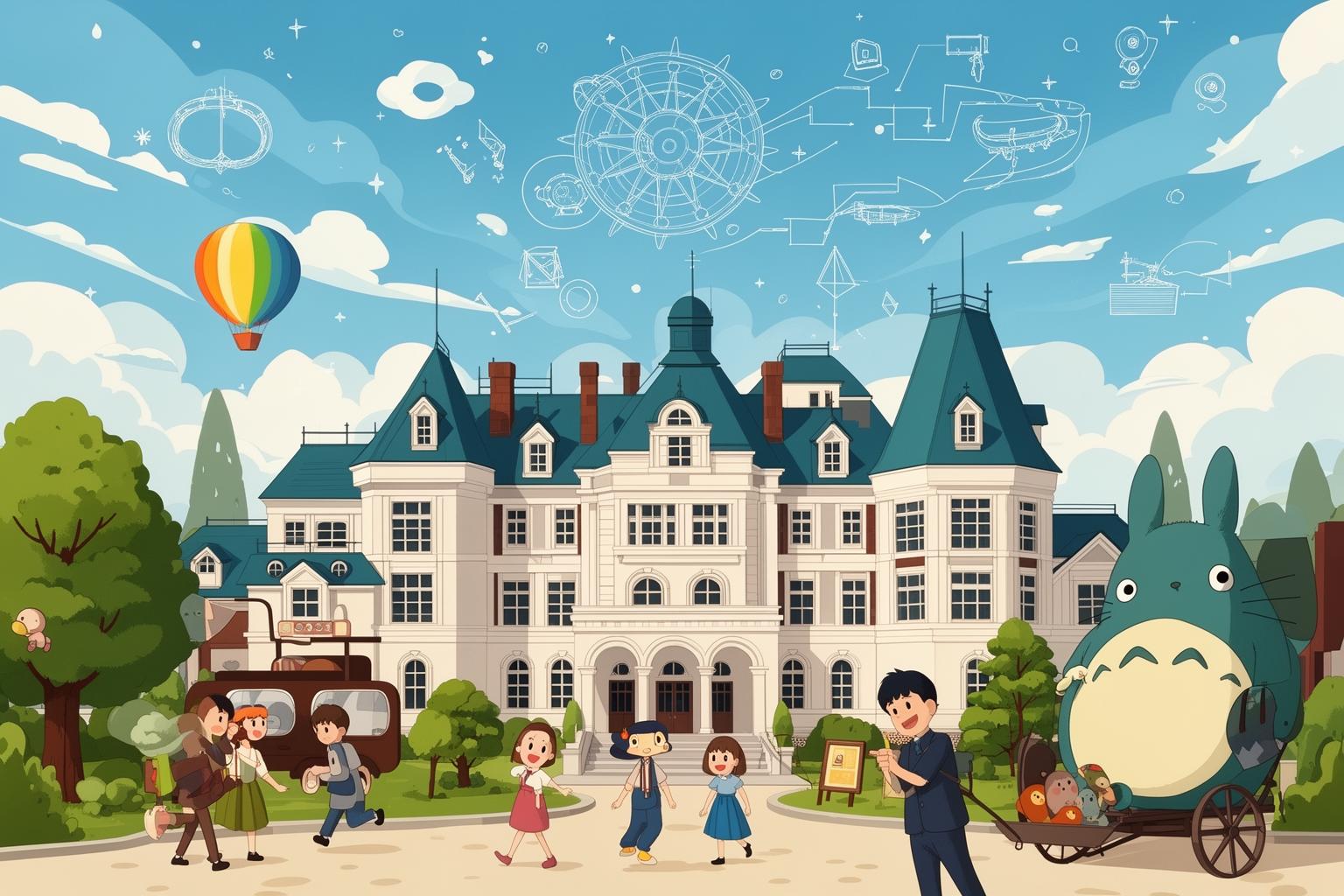
From the moment you arrive, it becomes clear that the Ghibli Museum operates on an entirely different wavelength. There’s no grand, imposing entrance or fixed route to follow. Instead, you’re welcomed by a whimsical, ivy-covered building that appears to have grown naturally from the earth. Its pastel stucco walls, rounded edges, and mismatched windows resemble less an architectural design and more a gentle giant from a forgotten story. At the entrance, a large, smiling Totoro peers out from a faux ticket booth, offering a charming welcome that sets the tone for the entire visit. This is the first and perhaps most important rule of the Ghibli Museum: it’s meant to be a maze. Hayao Miyazaki’s guiding philosophy for the space was simple: “Let’s get lost, together.” Inside, the museum is a beautiful, chaotic wonder of spiral staircases, tiny hidden doorways, aerial walkways, and a stunning central hall rising three stories to a glass dome. Sunlight streams through the dome, illuminating the intricate interplay of wooden beams, a spinning ceiling fan, and an old-fashioned elevator seemingly lifted from the world of Howl’s Moving Castle. Every surface tells a story. Stained-glass windows with images of beloved characters like Kiki, Jiji, and the forest spirits cast colorful patterns on the polished wooden floors. You are not merely a visitor guided through a gallery; you are an explorer crafting your own path through a world born of imagination. This deliberate disorientation is a gift. It encourages you to slow down, to look more closely, to notice tiny details carved into a handrail or secret characters peeking from a hidden nook. It’s a gentle rebellion against the passive consumption of art, inviting you to actively engage with the magic around you. The building itself is a narrative, telling a tale of creativity, curiosity, and the joy of seeing the world through a child’s eyes.
Beyond the Silver Screen: What Lies Within
The wonders of the museum extend far beyond its architecture. Every room and exhibit serves as a gateway deeper into the Ghibli universe and showcases the meticulous craftsmanship that breathes life into it. The museum celebrates the analog, honoring the painstaking labor of human hands in a world increasingly dominated by digital technology.
The Saturn Theater’s Secret Showings
Among the museum’s most treasured features is the intimate cinema on the ground floor known as the Saturn Theater. Your entry ticket, which is a unique strip of genuine 35mm film from a Ghibli movie, also grants you one admission to this enchanting venue. Here, the museum screens original animated shorts exclusive to this location. These aren’t simply side projects; they are carefully crafted stories filled with the humor, heart, and stunning artistry synonymous with the studio. The film selection rotates, so each visit holds the promise of a new delight. You might see the whimsical escapades of a water spider in Mizu Gumo Monmon or follow a troupe of sumo-wrestling rats in A Sumo Wrestler’s Tail. The theater itself is charming, with a ceiling painted to resemble a brilliant blue sky and windows that automatically darken as the film begins. There’s a palpable sense of collective excitement in the room, a shared joy as the projector hums to life and a fresh Ghibli tale unfolds before your eyes. It’s an intimate, unforgettable experience that connects you directly to the studio’s ongoing creative spirit.
Where Animation Breathes: The Permanent Exhibition
At the core of the museum’s educational mission is the permanent exhibition titled “Where a Film is Born.” This multi-room display is a vibrant, delightful, and enchanting recreation of an animation studio. It’s designed to feel like a cherished artist’s workspace, brimming with inspiration. Desks are strewn with sketches, jars of well-used pencils, and open art books featuring everything from European fairy tales to classic Japanese woodblock prints. The walls are covered with a dense collage of concept art, character designs, and stunning watercolor backgrounds. Visitors can flip through storyboards, glimpsing the earliest sparks of a scene, and appreciate the incredible attention to detail involved in crafting just a few seconds of film. Perhaps the most magical aspect of this exhibit is how it demonstrates the principles of animation. You’ll find incredible three-dimensional zoetropes, featuring static models of characters like Totoro and the Catbus arranged on spinning wheels. As the wheel turns and a strobe light flashes, the figures come to life, running, jumping, and bouncing in a mesmerizing, hypnotic dance. This powerful illusion strips away the digital gloss of modern animation to reveal the beautiful, simple magic at its core: the art of creating life, one frame at a time.
A Giant’s Welcome: The Rooftop Guardian
After exploring the intricate interior, a narrow spiral staircase near the top floor leads you out onto the museum’s rooftop garden. There, standing silent and serene among the greenery, is a five-meter-tall Robot Soldier from Castle in the Sky. This is one of the few spots where photography is allowed, and it has become the museum’s most iconic symbol. The statue is impressively detailed, with a patina that suggests it has stood watch for centuries. It’s more than just a prop; it carries a profound presence. Standing beside this gentle giant, you can sense the pathos and history embedded in its story. It serves as both guardian and relic, a powerful piece of technology reclaimed by nature. From the rooftop, visitors can also enjoy a lovely view of the surrounding Inokashira Park, its lush canopy stretching around the museum. Hidden behind the Robot Soldier is another charming detail: a stone cube bearing the crest of the Laputan royal family, deepening the sense of having stepped into another world.
The Pilgrim’s Path: Navigating Your Ghibli Journey
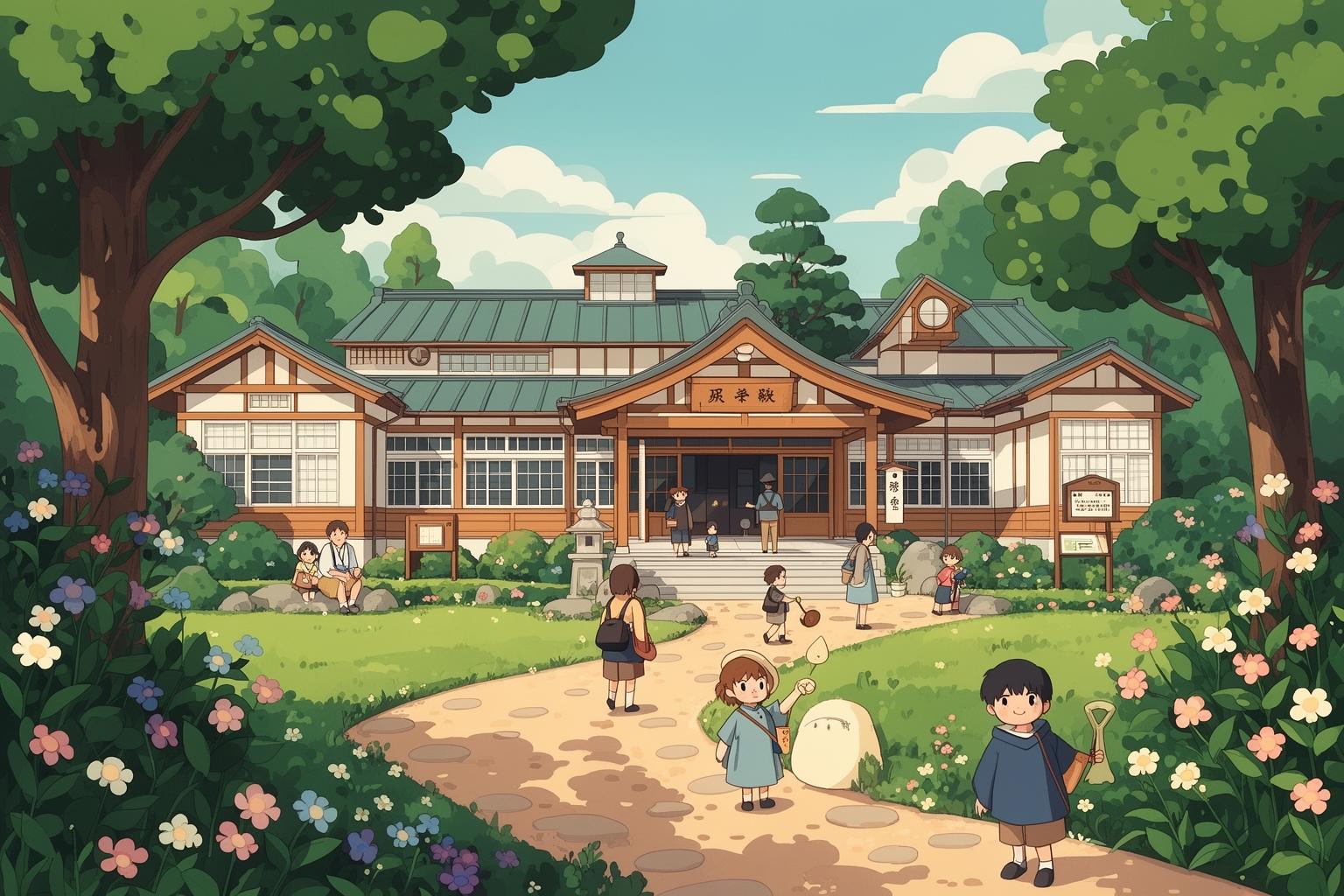
While the experience inside the museum feels like one of spontaneous discovery, reaching it requires careful and deliberate planning. The Ghibli Museum is among Tokyo’s most sought-after attractions, and its ticketing system is designed to maintain a comfortable, uncrowded environment. This means that showing up on the day is not an option; your adventure begins long before you arrive in Mitaka.
The Golden Ticket: Securing Your Entry
This is the most crucial advice for any aspiring visitor: tickets for the Ghibli Museum must be purchased in advance, and they sell out almost immediately. Tickets become available online at 10:00 AM Japan Standard Time on the 10th of each month for the following month. For international visitors, this often means setting an alarm for a very early or late hour and being prepared with quick fingers and a reliable internet connection. The demand is intense, making the process feel much like trying to buy tickets for a major concert. The official seller is Lawson, where you will select your preferred date and entry time slot. Once inside, you may stay as long as you like until closing, but you must enter within your designated half-hour window. There are no tickets sold at the museum entrance. While this strict system may seem intimidating, it is precisely what makes the visit so special. By limiting the number of visitors, the museum ensures you have the space to wander, explore, and fully immerse yourself without feeling rushed or overwhelmed by crowds. It turns the experience from a tourist attraction into a personal journey.
From Station to Wonderland: Your Route to Mitaka
The journey to the museum is part of its charm. The most common route is to take the JR Chuo Line from a major hub like Shinjuku Station to Mitaka Station. The ride takes about 20 minutes, transporting you from Tokyo’s hectic center to the calmer, more residential suburbs. From the South Exit of Mitaka Station, you have two delightful options. For the full thematic experience, you can board the bright yellow community shuttle bus, decorated with Ghibli characters and designs, which feels like a prelude to the main event as it winds through quiet streets. Alternatively, and perhaps more rewarding, you can take a 15-minute walk along the Tamagawa Josui canal. This shaded path offers a peaceful, scenic stroll, allowing you to unwind and prepare for the magic ahead. Another popular choice is to travel to the nearby Kichijoji Station. From there, the walk takes you through the heart of the beautiful Inokashira Park, letting you combine your museum visit with a stroll through one of Tokyo’s most cherished green spaces.
A Feast for the Senses: Tastes and Treasures
The Ghibli experience goes beyond the visual, engaging your taste buds and your desire for a tangible keepsake to bring home. The museum’s café and gift shop are not mere afterthoughts but essential elements of the world they’ve created.
The Straw Hat Café’s Homely Charm
Nestled within the museum grounds is the Straw Hat Café, a cozy spot offering simple, hearty, and delicious dishes. Its philosophy reflects that of the films: sincere, unpretentious, and crafted with care. The menu frequently includes items like hearty pork cutlet sandwiches, comforting soups, creamy pasta, and delightful cakes. Nothing overly fancy, but everything wonderfully fresh and satisfying. It’s the kind of meal you can imagine a Ghibli hero enjoying after a long day of adventure. The café is bright and airy, with large windows overlooking the surrounding trees. Be aware that it’s very popular, and queues can get long, especially around lunchtime. However, waiting becomes part of the experience, allowing you to take in the atmosphere. There’s also a takeaway deck serving hot dogs, ice cream, and a unique roasted barley tea, perfect for a quick snack to enjoy in the courtyard. Dining at the Straw Hat Café feels like being welcomed into a warm, friendly home—a perfect break during your day of exploration.
Mamma Aiuto! Your Keepsake Haven
Named after the sky pirates from Porco Rosso, the museum’s gift shop, Mamma Aiuto!, is a treasure chest for any fan. Unlike many character-focused stores, this one offers exclusive, beautifully crafted items you won’t find elsewhere. While you’ll see plush Totoros and Catbus toys, the true highlights are the more unique pieces. There are exquisite art books filled with concept sketches, postcards featuring the museum’s stained-glass window designs, elegant stationery, and even replicas of the film strip tickets. This beautifully curated space makes the merchandise feel like a genuine extension of the museum’s artistic soul. It’s an ideal spot to find a small memento of your visit—a tangible piece of the magic reminding you of the day you stepped inside a dream. The shop can become crowded, so visiting early or late during your trip can help you browse more comfortably.
The World Outside the Walls: Inokashira Park’s Embrace
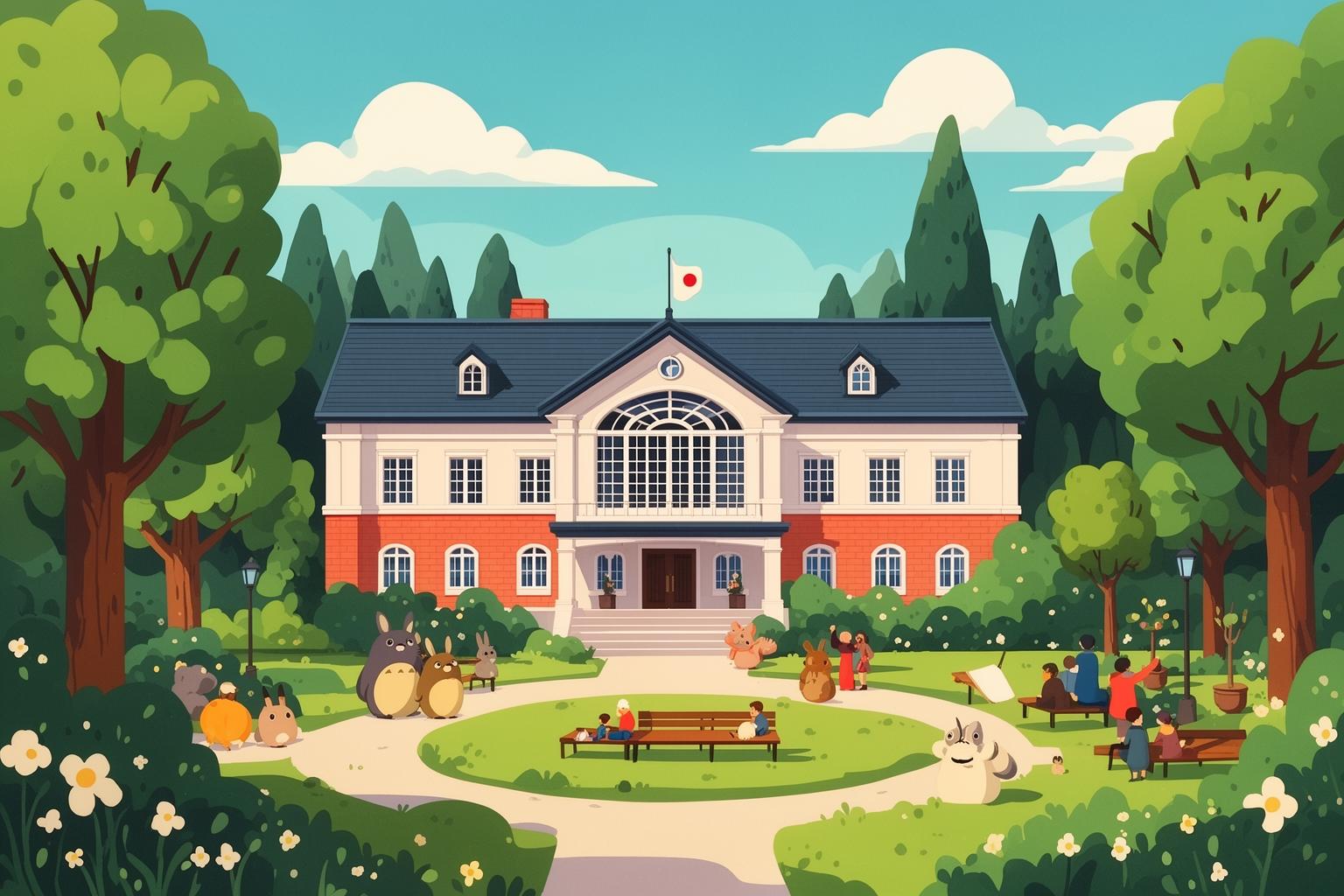
A pilgrimage to the Ghibli Museum is incomplete without spending time in its stunning backyard: Inokashira Park. Nestled within this vast public park, the museum and park are deeply connected. The park’s lush, natural scenery feels like a real-life version of the idyllic landscapes featured in many of the films. It’s an ideal spot to relax before or after your visit, allowing the magic you’ve experienced to settle in your mind.
A Seasonal Canvas
Inokashira Park is beautiful year-round, revealing a different character with every visit. In spring, the park is famously covered in soft pink and white cherry blossoms, attracting crowds for picnics and hanami gatherings. Watching sakura petals float over the central pond is pure poetry. Summer brings a vibrant, almost overwhelming green, with the dense tree canopy offering cool shade from Tokyo’s heat. In autumn, the park becomes a canvas of fiery reds, brilliant oranges, and deep yellows as maple and ginkgo leaves change color. Winter presents a more stark, tranquil beauty, with crisp air and clear views over the water. Renting a swan boat on the pond is a classic activity throughout the year, providing a unique perspective on the park’s peaceful surroundings.
Local Rhythms in Kichijoji
The park also acts as a gateway to Kichijoji, a neighborhood often ranked among Tokyo’s most desirable places to live. Unlike the towering skyscrapers of Shinjuku or the bustling chaos of Shibuya, Kichijoji has a laid-back, bohemian atmosphere. It’s a wonderful area to explore after your museum visit. You might stroll through the covered shopping arcades of Sun Road and Daiyagai, brimming with independent boutiques, bakeries, and traditional shops. Alternatively, you can venture into Harmonica Yokocho, a maze of narrow, lantern-lit alleys filled with tiny standing bars and eateries that come alive in the evening. Kichijoji offers an authentic taste of Tokyo life, perfectly complementing the fantasy world of the museum.
The Ghibli Etiquette: A Visitor’s Guide
To truly appreciate the distinctive atmosphere of the Ghibli Museum, it helps to understand some of its guiding principles, which are designed to enhance every visitor’s experience.
The “No Photography” Rule and Its Hidden Gift
Within the main museum building, photography and video recording are strictly forbidden. For some, this may initially feel disappointing in an age of constant documentation. However, this rule is one of the museum’s greatest gifts to its visitors. By setting aside your phone and camera, you are invited—or gently encouraged—to be fully present. You are urged to experience the exhibits with your own eyes, to take in the details, to sense the textures, and to create memories rather than merely capturing images. This policy helps preserve the mystery and sense of discovery for future visitors and, more importantly, allows you to connect with the space on a deeper, more personal level. It’s an opportunity to truly lose yourself in the moment, free from the pressure to perform for a camera.
For the Little Adventurers (and the Young at Heart)
The museum welcomes visitors of all ages, but it holds a special magic for children. This is especially evident in the incredible Catbus room on the second floor. A giant, life-sized, and wonderfully plush Catbus from My Neighbor Totoro invites elementary school-aged children and younger to climb on, crawl through, and jump all around. It’s a space of pure, unfiltered joy. Watching the children play with such happiness is a heartwarming sight in itself. While adults cannot board the bus, we can all appreciate the message: the celebration of play, imagination, and the wild, wonderful world of childhood that Studio Ghibli so beautifully champions.
Carrying the Magic Home
Leaving the Ghibli Museum feels like emerging from a beautiful dream. As you walk back toward the station, whether it’s beneath the shade of the park’s trees or through the quiet Mitaka streets, you sense a subtle change within yourself. The world appears a little brighter, a bit more whimsical. You begin to notice the small details: the way light falls on a leaf, the unusual shape of a cloud, the friendly face of a neighborhood cat. The museum doesn’t just introduce you to the world of Ghibli; it reminds you that the magic you cherish in those films is rooted in the real world around us. It’s found in the kindness of strangers, the beauty of nature, the joy of good food, and the dedication to craftsmanship. A visit to this special place in Mitaka is more than just a box checked on a travel list. It’s a renewal of the soul, a rekindling of wonder, and a reminder that even in our busy, modern lives, there’s always room to get a little lost.