In the vast, pulsing metropolis of Tokyo, a city of dazzling lights and soaring towers, there exists a quiet corner where magic feels not just possible, but tangible. Tucked away in the leafy suburb of Mitaka, a place of serene parks and gentle suburban rhythms, lies a building that seems to have grown organically from the earth, a vibrant, ivy-clad structure that hums with a creative energy all its own. This is the Ghibli Museum, a destination that isn’t merely a museum but a portal into the heart and soul of Studio Ghibli, the legendary animation house led by the master storyteller, Hayao Miyazaki. For anyone who has ever been swept away by the flight of Kiki on her broomstick, felt the quiet wonder of meeting Totoro at a bus stop, or held their breath as Chihiro navigated the world of spirits, this place is a pilgrimage. It’s a promise that the heartfelt, handcrafted worlds we’ve cherished on screen have a physical home, a place built with the motto, “Let’s get lost together.” It’s an invitation to rediscover the childlike wonder that resides in all of us, a chance to step through the frame and into the fantasy. Before you embark on this enchanting quest, find your starting point in our world, a small green patch on the map that holds an entire universe of imagination.
Embrace the magic further by uncovering the real-life locations of Your Name where urban charm meets cinematic fantasy.
The Path to Wonderland
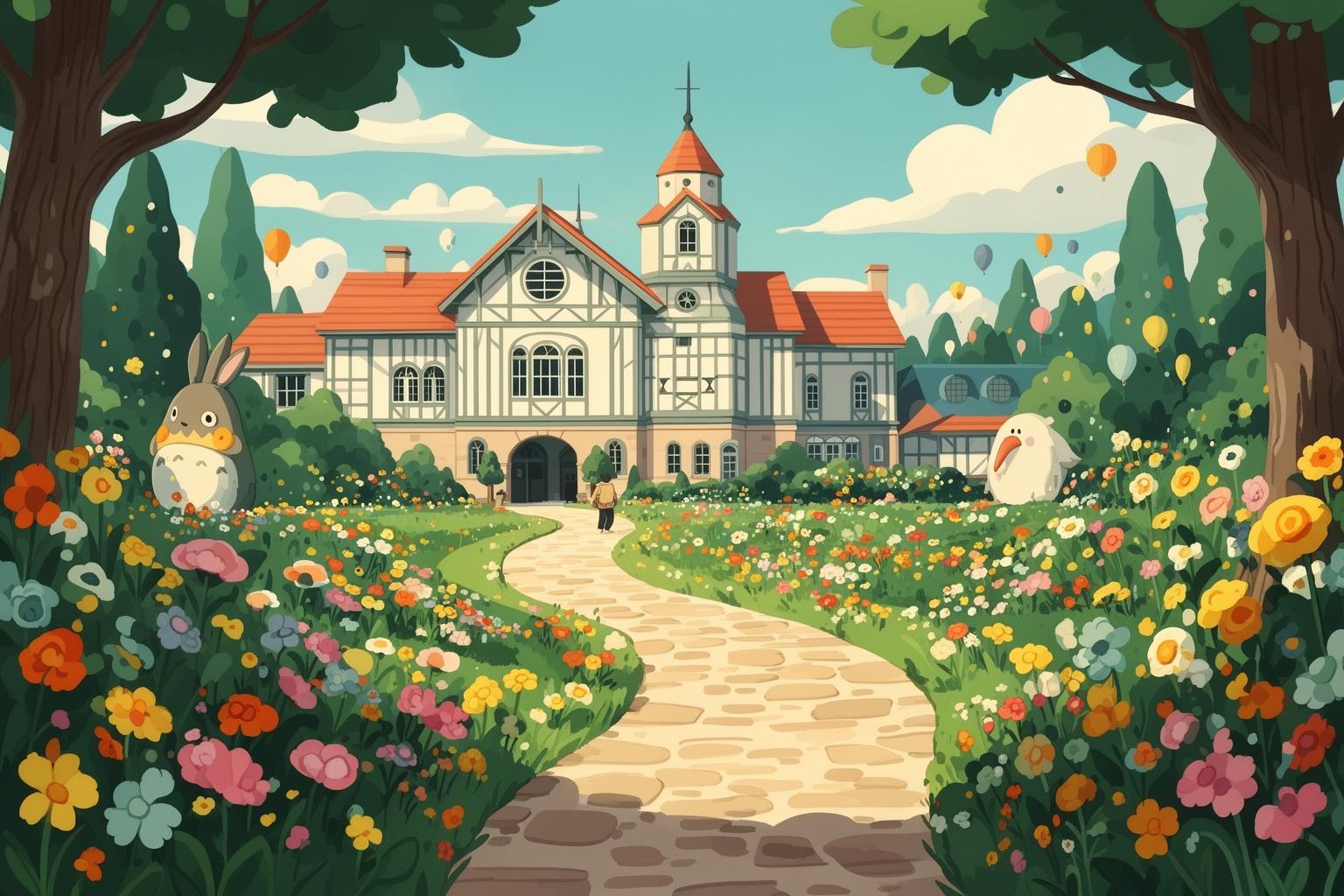
The adventure truly begins the moment you step off the train. Your journey will likely commence on the JR Chuo Line, a vibrant lifeline of Tokyo, which you’ll take to Mitaka Station. As the train departs from the bustling heart of Shinjuku, you can sense the city’s intensity easing. The buildings grow shorter, the streets wider, and green spaces appear more frequently. Upon arrival at Mitaka, you’re greeted with your first charming choice. You can hop on the special community bus, a whimsical shuttle painted in bright yellows and decorated with Ghibli characters, which carries eager visitors directly to the museum’s entrance. It’s a delightful and convenient option, offering a little taste of the magic ahead. However, for those with some time to spare, I wholeheartedly recommend the walk. A stroll from the station, or better yet, from nearby Kichijoji Station, leads you through the stunning Inokashira Park. This expansive oasis feels worlds apart from the city’s rush. The path winds beneath a canopy of ancient trees, alongside a peaceful pond where swan boats float leisurely, and past local families enjoying the afternoon. The air here feels different, filled with the scent of damp earth and greenery. With every step, the world of concrete and commerce fades away, replaced by a sense of calm and anticipation. It’s a perfect transition, a narrative decompression that prepares your spirit for the wonders ahead. Following the charming, hand-painted signs that mark the route, you feel like a character in your own Ghibli tale, walking through a forest on your way to an unforgettable experience.
A Building That Breathes Imagination
Your first glimpse of the Ghibli Museum is an experience you won’t soon forget. It doesn’t stand apart from its natural surroundings; instead, it feels seamlessly integrated with them. The building, designed by Hayao Miyazaki himself, is a masterpiece of imaginative architecture. With its soft, rounded edges, pastel-colored stucco walls, and a cascade of ivy climbing skyward, it resembles a structure lifted from a European fairy tale and gently placed in a Japanese park. There are no grand, imposing entrances here. Rather, you find a small, modest doorway where a giant, friendly Totoro plushie sits inside a faux ticket booth, greeting you from his post. While he can’t sell you tickets—those must be secured well in advance—his warm, fuzzy presence sets the tone for everything ahead. As you explore the exterior, you’ll notice the meticulous attention to detail. Wrought-iron fixtures resemble twisting vines and fantastical creatures. Porthole windows offer curious glimpses inside. And everywhere, splashes of vibrant color feel both playful and intentional. Perhaps the most enchanting feature is the stained glass. Rather than traditional patterns, these windows come alive with scenes and characters from the films. Sunlight streams through images of Kiki, Jiji, the Catbus, and of course, Totoro, casting colorful, moving portraits onto the floors and walls within. It’s a living gallery powered by the sun. Even before you step inside, the museum conveys its core philosophy. This is a place for discovery, for looking closer, for finding joy in the small, hidden details. It’s a building that serves as an exhibit on its own—a storybook brought to life in plaster and paint.
Inside the Animator’s Dream

Entering the Ghibli Museum feels like plunging headfirst into the limitless imagination of its creators. Inside, a warm wooden maze unfolds, with spiraling staircases, cantilevered balconies, hidden corridors, and a stunning central hall that stretches three stories high to a glass dome. Rather than a sterile gallery, the space immediately feels like a cozy, beloved workshop where art is being actively and joyfully crafted. One of the museum’s most well-known and strictly enforced rules is evident here: no photography is permitted inside. While this may initially seem limiting, its purpose quickly becomes evident. It’s a gentle invitation to set aside your screens and experience the world with your own eyes, remaining fully present in the moment. It encourages you to etch the images into your memory, not onto a memory card, making the visit a deeply personal and immersive experience.
Where a Film Is Born
At the heart of the museum’s ground floor lies the permanent exhibition, a series of five rooms collectively titled “Where a Film Is Born.” This intimate and breathtaking display explores the animation process. Forget dull, technical exhibits; this is a celebration of the creative spark. One room resembles an animator’s studio—a space of beautiful, organized chaos. Floor-to-ceiling walls are adorned with concept sketches, character designs, and stunning watercolor storyboards. Piles of books on art, history, and aviation rest on desks, revealing the diverse sources of inspiration. The immense passion and effort invested in every single frame of a Ghibli film are palpable. Another room houses incredible three-dimensional zoetropes. In one captivating display, static models of Totoro, Mei, and Satsuki sit on a spinning platform. When strobe lights flash in perfect rhythm, the figures come to life, running, jumping, and playing in a seamless loop of pure animated magic. This powerful, tangible demonstration of animation’s core principles is nothing short of hypnotic. You leave the exhibit with a profound appreciation for the artistry and dedication behind these beloved films.
The Saturn Theater
Tucked away on the ground floor is a small, cozy cinema called the Saturn Theater. Your entry ticket—a charming keepsake—is crafted from a real strip of 35mm film from one of the studio’s features. This ticket grants you a single viewing of an original animated short exclusive to the museum. Often directed by Hayao Miyazaki himself, these shorts are never released on DVD or streaming platforms, making the experience truly unique. The films are miniature masterpieces, brimming with the same heart, humor, and visual splendor as the studio’s feature-length classics. They require no dialogue, relying on universal themes and beautiful animation to resonate with audiences of all ages and backgrounds. Sitting in the dark among fellow fans from around the world, watching a brand-new Ghibli story unfold, becomes a central memory of any visit. The theater ceiling is painted a deep blue sky, and when the film ends and the lights rise, the sun and moon painted above gently guide you back to reality.
Rooftop Guardian and Whimsical Bites
After exploring the dense wonders within, a narrow, caged spiral staircase near the central hall invites you upward. The climb feels like a journey into another world, leading you to one of the museum’s most iconic and picturesque spots: the rooftop garden. Stepping into the open air, you find a peaceful, grassy area offering a quiet retreat and a stunning view over Inokashira Park. Standing silently over the museum is a five-meter-tall Robot Soldier from Castle in the Sky. This gentle, weathered giant is a breathtaking sight. Covered in moss and vines, he appears as if he has stood there for centuries, a lonely yet tranquil guardian. This is the one part of the museum where photography is warmly encouraged, and visitors patiently wait their turn to capture a moment with this beloved character. A deep sense of melancholy and calm fills the space. Following a hidden path behind the robot brings you to a black cube inscribed with a mysterious message from the film, another secret for curious explorers to discover. After your reflective time on the roof, your senses may guide you back down to the Straw Hat Café. This charming café is the only spot to enjoy a meal in the museum and is as thoughtfully designed as the rest of the building. The menu offers simple, hearty, and delicious dishes, such as comforting bowls of soup, satisfying pork cutlet sandwiches, and beautifully crafted cakes. The food is humble and lovingly prepared, reminiscent of the nourishing meals often depicted in Ghibli films. The café is very popular, so expect a line, but it’s a delightful place to rest and absorb the atmosphere. Enjoying a vibrant strawberry shortcake or a latte adorned with a whimsical Ghibli character design feels like the perfect, tasty finish to your visit.
Practical Magic: Nailing Your Visit
Visiting the Ghibli Museum requires more than just showing up; it involves careful planning and a bit of luck. The experience is thoughtfully designed to avoid crowds and give every visitor room to dream, starting with a strictly controlled ticketing system. But don’t be discouraged! With the right approach, you can secure your place in this enchanting world.
The Golden Ticket
Here’s the most crucial advice: tickets cannot be purchased at the museum entrance—they simply don’t exist. All tickets are dated with a specific entry time and must be bought in advance. For international visitors, the only official method is through the Lawson ticketing website. Tickets for any month go on sale at 10:00 AM Japan Standard Time on the 10th of the previous month. For example, tickets for July become available on June 10th. These sell out almost instantly—often within minutes—especially on weekends and holidays. You need to be online, with your passport details and credit card ready, the moment they go on sale. It’s competitive, but securing a ticket is a victory in itself, the first step of your magical journey. Remember to print your confirmation email with the QR code, as you’ll need it along with your passport to enter.
Getting There and Around
As mentioned, the museum is nestled in Mitaka’s Inokashira Park. The easiest way to get there is by JR Chuo Line from major stations like Shinjuku or Tokyo to Mitaka Station. From the South Exit at Mitaka, you can either catch the bright yellow community bus for a quick 5-minute ride or enjoy a leisurely 15-minute walk along the Tamagawa Josui canal. Alternatively, take the Keio Inokashira Line to Kichijoji Station, which allows for a slightly longer but arguably more scenic walk through the park’s heart. Upon arrival, you’ll present your ticket and passport before entering. The museum isn’t large, but it’s densely packed with detail. A typical visit lasts two to three hours, though you can stay as long as you wish until closing. There are no fixed routes, so feel free to explore, backtrack, and follow your curiosity down every corridor and staircase.
An Insider’s Approach
To truly enjoy your visit, embrace the museum’s spirit. With no photos allowed inside, you’re freed from the pressure of capturing everything. Instead, use that energy to observe everything. Seek out tiny details: the hidden Makkurokurosuke (soot sprites) tucked in corners, unique light fixtures, and hand-cranked film projectors. Stop by the Mamma Aiuto gift shop for exclusive merchandise—beautiful art books, charming plush toys you won’t find elsewhere. Don’t miss the restrooms; they’re beautifully and thematically decorated. The best tip is to slow down. Don’t rush from one exhibit to another. Spend extra time in the animator’s room, watch the zoetrope spin once more, and let the creative atmosphere envelop you. This is a place meant for leisurely exploration, not checking off a list.
A Memory in Every Frame
Leaving the Ghibli Museum feels like emerging from a beautiful dream. As you stroll back through Inokashira Park and return to the rhythm of Tokyo, the world seems a little brighter, a little more filled with possibility. The museum is far more than a collection of artifacts from beloved films. It is a living, breathing tribute to the power of imagination, a celebration of the meticulous craft of animation, and a deeply personal space that embodies the values of its creators: curiosity, perseverance, and a profound respect for the beauty of both the natural and the handmade world. Here, you don’t just see the art of Studio Ghibli; you feel it in the warm wood beneath your fingertips, in the colored light streaming through the windows, and in the shared smiles of fellow visitors from all around the world. It’s an experience that lingers, a reminder that with a bit of wonder and a whole lot of heart, it’s possible to create entire worlds from just a pencil and a dream.