
There’s a feeling that pulses through Makoto Shinkai’s masterpiece, Your Name. It’s a current of longing, a thread of connection that stretches across distance, dreams, and even time itself. The film is a visual symphony, painting a world so breathtakingly real you can almost feel the Tokyo humidity on your skin or the crisp mountain air of Itomori in your lungs. What if I told you that you could? That the world of Taki and Mitsuha isn’t confined to the screen? This is the magic of seichi junrei, the anime pilgrimage, a journey where fiction and reality blur, and fans can step directly into the scenes that captured their hearts. The astonishingly detailed backdrops of Your Name are not mere fantasy; they are meticulously rendered portraits of actual places in Japan. From the chaotic, vibrant heart of Tokyo to the serene, tradition-steeped landscapes of the Hida region in Gifu Prefecture, the film’s soul is rooted in tangible locations waiting to be discovered. This guide is your map, your invitation to follow that invisible thread of fate, to walk the same streets, climb the same stairs, and experience the profound sense of musubi—the mysterious, binding force of connection—that makes the story unforgettable. Your pilgrimage begins here, a journey not just to see the sights, but to feel the echo of a story that touched the world.
As your journey unfolds, you might further immerse yourself in Tokyo film locations that bring the living heartbeat of the city into focus.
Tokyo’s Urban Heartbeat: Taki’s World
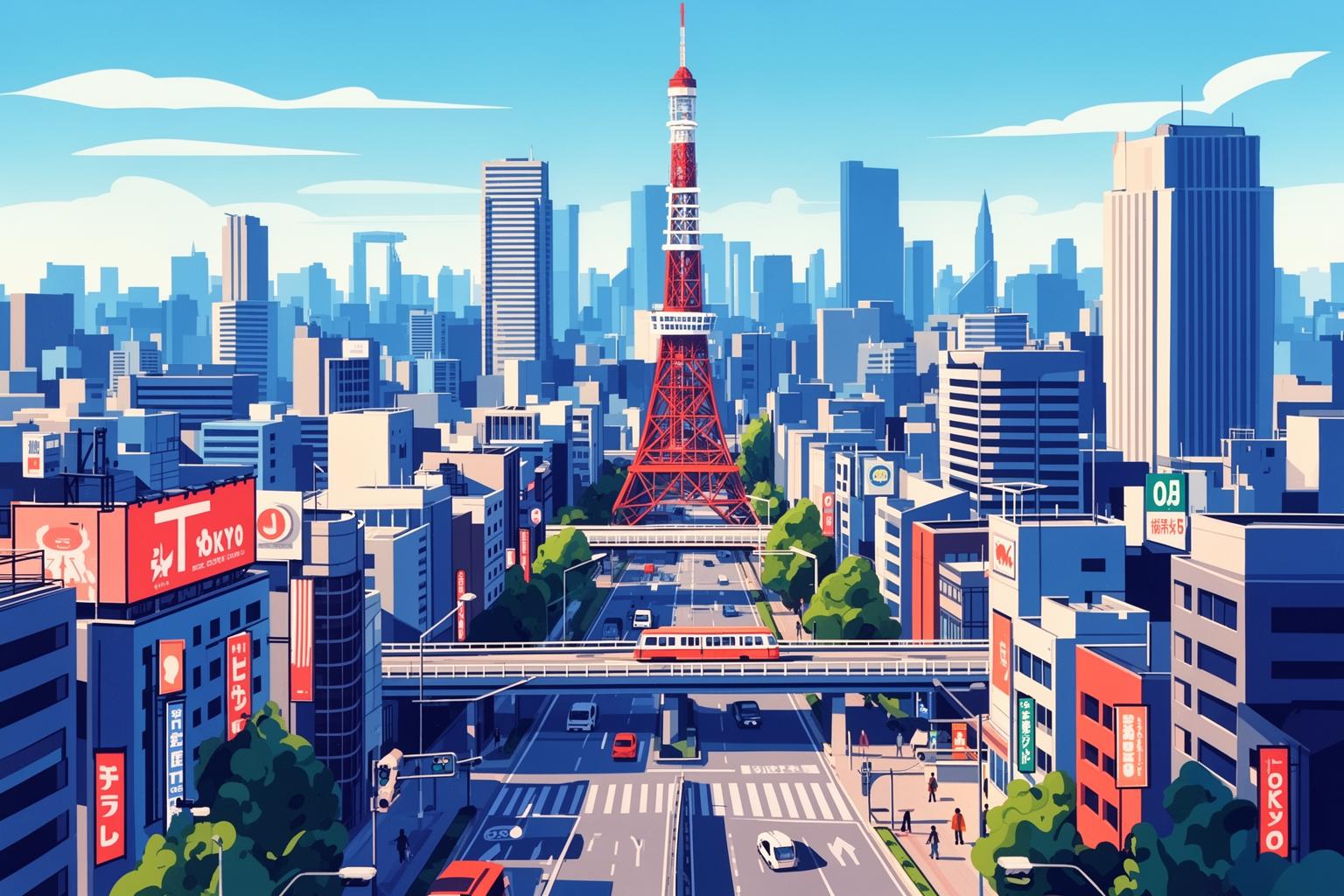
Tokyo is much more than a backdrop in Your Name; it serves as a character itself. It is the vast, vibrant, and occasionally isolating world of Taki Tachibana. Its pulse is heard in the rhythmic clang of train announcements, the buzz of bustling crosswalks, and the distant drone of a city that never truly rests. Strolling through these streets feels like listening to the film’s soundtrack, with each site presenting a familiar tune. Our exploration of the film starts here, amid the concrete canyons and gleaming skyscrapers where Taki lived his daily life, dreaming of a place he’d never known and a girl he’d never encountered. This segment of the pilgrimage is a study in contrasts—finding pockets of cinematic serenity amid the urban din.
The Iconic Red Staircase: Suga Shrine, Yotsuya
No image is more emblematic of Your Name than the final, heart-wrenching, and ultimately hopeful meeting between Taki and Mitsuha. The scene takes place on a striking red-railed staircase, a visual anchor of the film’s emotional climax. This is a real location, and discovering it feels like unearthing a secret hidden in plain sight. The stairs belong to the Suga Shrine, tucked away in a quiet, modest residential area of Yotsuya. Reaching it is an adventure in itself. From Yotsuya Station, you’ll wander along narrow lanes, past local shops and apartments, as the cacophony of central Tokyo fades into a soothing calm. Anticipation builds with every step. Then, there it is—the curve of the street, the angle of the railings, the buildings framing the sky—it’s flawless. Recognition strikes immediately and deeply. You’ve seen this view countless times on screen, but standing here, feeling the breeze and hearing the distant hum of the city, is a surreal experience. First-time visitors should remember that this is a residential neighborhood as well as a sacred site. The ideal time to visit is on a weekday morning when the light is gentle and the crowds are minimal. You can climb the stairs, pause at the top, and look back, just as they did. It’s a moment for quiet contemplation, a place where the boundary between film and reality feels impossibly thin. Don’t forget to visit the Suga Shrine itself at the hill’s summit. It’s a charming local shrine, and offering a small prayer seems like a fitting way to honor the spirit of connection that the film celebrates.
The Crossroads of Fate: Shinjuku’s Intersections
Shinjuku is the pulsing, electric core of Taki’s Tokyo. It’s a landscape of neon lights, towering skyscrapers, and an endless flow of people. Several key establishing shots in the film are taken directly from this vibrant ward. One of the most recognizable is the distinctive, ring-shaped pedestrian intersection in front of the Shinjuku Police Station. In the film, this spot often symbolizes the vast, impersonal nature of the city Taki inhabits, a stark contrast to Mitsuha’s rural life. Standing on the pedestrian bridge above this swirling traffic vortex allows you to experience that scale firsthand. Below, cars form ribbons of red and white light, especially as dusk settles over the city. It’s an excellent spot for photography, capturing the cinematic essence of urban Japan. Another important location is the vicinity around Shinjuku Station, the busiest train station in the world. The film’s montages of Taki’s life feature glimpses of the station’s south entrance and the towering NTT Docomo Yoyogi Building, noted for its distinctive clock tower punctuating the skyline. Exploring Shinjuku isn’t about locating a single spot but about immersing yourself in the atmosphere that shaped Taki’s viewpoint—the overwhelming energy, the endless possibilities, and the subtle feeling of being a tiny individual in a sea of millions.
A Taste of City Life: Taki’s Part-Time Job
Recall the stylish Italian restaurant, “Il Giardino Delle Parole,” where Taki worked part-time and experienced his crush on his elegant coworker, Okudera-senpai? This refined setting also exists in real life: Cafe La Bohème, situated near the tranquil Shinjuku Gyoen National Garden. From the moment you step inside, the film’s aesthetic comes alive. The lofty ceilings, grand chandeliers, theatrical open kitchen, and warm, rich décor are all remarkably faithful to the anime. Sitting at one of the tables, it’s easy to imagine Taki rushing by, carrying plates of pasta. The restaurant has embraced its fame among anime pilgrims, and the staff are welcoming to fans. For a complete experience, try booking a dinner table when the ambiance is most romantic and cinematic. It’s a wonderful spot to pause your pilgrimage, enjoy a delicious meal, and feel as if you’ve stepped into a scene. It’s a little piece of movie magic served alongside your pizza. A practical note: this place’s popularity extends beyond the film, so reservations, especially on weekend evenings, are highly recommended. The contrast between the lively café and the serenity of nearby Shinjuku Gyoen perfectly captures Tokyo’s dual nature.
A View from the Top: The National Art Center, Tokyo
The location of Taki’s somewhat awkward but beautifully animated date with Okudera-senpai is another architectural marvel you can visit. Their lunch occurs at the Brasserie Paul Bocuse Le Musée, an exquisite restaurant situated within a giant inverted cone inside The National Art Center, Tokyo, in the stylish Roppongi district. The building itself, designed by the celebrated architect Kisho Kurokawa, is a masterpiece of glass and flowing curves, creating a forest of light and shadow. You don’t need a ticket to an exhibition to access the building’s public areas, including the cone-shaped spaces housing the café and restaurant. You can go up to the third floor and stand where Taki and Okudera sat, enjoying panoramic views of the museum’s atrium. If time and budget allow, dining here is an unforgettable experience. But even a simple visit to see the location is thrilling. It highlights Shinkai’s extraordinary talent for selecting settings that are not only realistic but thematically meaningful. The sleek, modern, and slightly intimidating atmosphere perfectly mirrors Taki’s feeling of being somewhat out of his depth on that date. It’s a testament to how the film weaves real-world architecture into its emotional storytelling.
Journey to the Countryside: Mitsuha’s Itomori
Leaving behind the dazzling urban expanse of Tokyo, our pilgrimage takes a dramatic turn. We head westward, toward the mountains of Gifu Prefecture, in search of the spirit of Itomori, Mitsuha Miyamizu’s fictional hometown. Though Itomori, with its mystical lake, ancient customs, and close-knit community, doesn’t appear on any map, its essence is very much alive. Director Makoto Shinkai drew significant inspiration from the landscapes and towns of the Hida region, especially the charming city of Hida-Furukawa. The journey itself is part of the experience. A ride on the JR Hida Wide View Express from Nagoya or Toyama ranks among Japan’s most scenic train trips, winding through deep gorges and alongside rushing rivers, gradually carrying you from Taki’s world into Mitsuha’s. The air becomes purer, the pace of life slows, and the environment turns a richer shade of green. This is where the ancient heart of the film comes alive.
The Soul of Itomori: Hida-Furukawa Station
The moment Taki and his friends disembark in their search for Mitsuha, they arrive at a quaint, picturesque station. This is Hida-Furukawa Station, depicted in the film with near-perfect accuracy. Standing on the platform, you see the footbridge, the train tracks curving into the distance, and the mountains rising behind—all the details are faithfully captured. The station has become a cherished landmark for fans. You’ll even find a small figure of the local mascot, Hida-gyu, just like the one featured in the anime. The town of Hida-Furukawa itself brings Itomori to life. It’s a beautifully preserved town with white-walled storehouses and wooden lattice-fronted buildings lining a network of small canals filled with enormous, colorful koi fish. Walking through its peaceful streets feels like stepping into Mitsuha’s everyday life. The rhythm is gentle, and the locals are famously warm, well aware of their town’s connection to the beloved film. They often provide maps and displays for visitors. A visit here is about soaking in the atmosphere—the feeling of a community deeply rooted in its history and natural surroundings.
The Town’s Library: Hida City Library
One of the most poignant parts of the Hida pilgrimage is the story of the Hida City Library. This modern, beautifully crafted wooden building served as the exact model for the library where Taki desperately searches for records of Itomori and uncovers the town’s heartbreaking secret. The interior is recreated so meticulously that seeing it firsthand is astonishing. For a long time, photography inside libraries in Japan was strictly prohibited. However, moved by the enthusiasm of visiting fans, the Hida City Library made a remarkable exception. Visitors can now request a special permit at the front desk to take photos in the precise spot depicted in the film. This act of kindness reflects the positive bond the film created between their small town and the wider world. When you visit, remember the spirit of this gesture—be quiet, respect the local patrons who are there to read and study, and take your photo with gratitude. It is a powerful moment, standing in a place where a community embraced a fictional story and warmly welcomed its fans. It embodies the very theme of connection that the movie celebrates.
Echoes of the Miyamizu Shrine: Hie Shrine
Mitsuha’s life centers around her role as a miko, or shrine maiden, at the Miyamizu Shrine, perched atop a hill overlooking Itomori. While the Miyamizu Shrine is fictional, its main inspiration is believed to be the Hie Shrine in nearby Takayama. The resemblance is especially striking in the approach: a long, steep stone staircase ascending through a dense forest of towering cedar trees. As you climb, the sounds of the town below fade, replaced by the rustling leaves and birdsong. The atmosphere is serene, ancient, and deeply spiritual, perfectly capturing the essence of the Miyamizu Shrine. Though the shrine at the summit differs in layout, the feeling of ascending into a sacred, otherworldly space is exactly the same. Hie Shrine is a real, active shrine with a long history, and visitors should approach it with reverence. The walk offers a wonderful chance to connect with the traditional, spiritual side of Japan that Mitsuha’s life reflects. For many, this is the most moving moment of the Hida pilgrimage—a time to reflect on the film’s deeper themes of tradition, memory, and the sacredness of place.
The Deeper Magic: Experiencing the Culture Behind the Film

A true pilgrimage involves more than simply visiting places; it’s about grasping the cultural fabric that gives the story its deeper meaning. Your Name is steeped in Japanese cultural concepts, especially those stemming from Shinto beliefs. Delving into these ideas adds a profound depth of appreciation to your journey.
Kumihimo: The Braided Cords of Connection
The vibrant, intricately braided cords, or kumihimo, stand out as one of the film’s key symbols. As Mitsuha’s grandmother explains, they signify musubi—the flow of time, the intertwining of relationships, and the bonds that tie people together. This is more than a poetic image; kumihimo is a traditional Japanese craft. In the Hida region, you can find shops and workshops where artisans demonstrate the technique, and visitors can even try braiding their own cords. The process is meditative and deeply fulfilling. As you weave the threads into a single strong cord, you gain a tangible insight into the film’s central metaphor. Bringing home a kumihimo cord you made yourself is perhaps the most meaningful souvenir of this pilgrimage. It serves as a physical symbol of your personal connection to the story and the traditions of this beautiful region.
Kuchikamizake: A Taste of Ancient Tradition
The ritual of kuchikamizake, where Mitsuha creates a sacred type of sake as an offering to the gods, is a fascinating and often misunderstood part of the film. This ancient practice, involving chewing rice and allowing natural enzymes to initiate fermentation, is deeply rooted in Shinto history, symbolizing a pure offering from the shrine maiden to the local deity. Although this ritual is no longer practiced today, understanding its significance is essential to fully appreciating Mitsuha’s role and the town’s spiritual legacy. The Hida region, meanwhile, is renowned for its delicious, traditionally brewed sake. Visiting a local brewery for a tasting is an excellent way to connect with this cultural element. You’ll learn about the importance of pure mountain water and locally grown rice—the key ingredients that give the sake its unique character. This modern experience honors the spirit of the ancient offering while celebrating a craft and tradition passed down through generations, much like those of the Miyamizu family.
A Pilgrim’s Practical Guide
Embarking on a Your Name pilgrimage is an unforgettable adventure. Some thoughtful planning will help make your journey as seamless and enchanting as possible, allowing you to focus on the experience rather than the logistics.
Planning Your Itinerary: City and Countryside
To truly honor this pilgrimage, you’ll want to devote time to both Tokyo and the Hida region. A solid plan is to spend at least two full days exploring the Tokyo locations, giving you plenty of time to travel among Yotsuya, Shinjuku, and Roppongi without feeling rushed. For the Hida section, allocate at least two days and one night. This schedule allows for travel time and gives you a full day to discover Hida-Furukawa, with the option of a side trip to Takayama to visit the Hie Shrine. The best times to visit are spring and autumn. Spring in Tokyo is delightful, while the Hida mountains become breathtaking when the autumn leaves are in full display, reflecting the beautiful fall scenery shown in the film. Winter also offers a stark, stunning landscape with snow covering the traditional houses, though it requires packing for cold weather.
Getting Around: From Shinkansen to Local Lines
Japan’s public transportation system is impressively efficient, making this two-part pilgrimage quite manageable. In Tokyo, a Suica or Pasmo card will be indispensable, allowing you to easily hop on and off the complex network of trains and subways connecting all of Taki’s locations. The journey from Tokyo to Hida-Furukawa is the longest part. The typical route is to take the Tokaido Shinkansen (bullet train) from Tokyo to Nagoya, a trip lasting about 1 hour and 40 minutes. From Nagoya, transfer to the scenic JR Hida Wide View Express train, which takes roughly 2.5 hours to reach Hida-Furukawa. Be sure to reserve a window seat for this leg; the views of the train winding through the mountains are spectacular and provide the perfect transition into Mitsuha’s world. Once in Hida, the towns of Hida-Furukawa and Takayama are compact enough to explore comfortably on foot or by bicycle, which can be rented near the stations.
Etiquette for the Modern Pilgrim
Lastly, and most importantly, it’s vital to remember that these beloved anime locations are not film sets. They are real places where people live, work, and worship. The success of a pilgrimage is measured not only by the photos you take but by the respect you demonstrate. In residential areas like those around Suga Shrine, keep your voice down and respect residents’ privacy. When visiting shrines, observe proper etiquette: bow before passing through the torii gate, purify your hands and mouth at the water basin, and remain quiet and respectful in the main prayer hall. At the Hida City Library, strictly follow their photography policies and express gratitude to the staff for their hospitality. Being a thoughtful and considerate visitor honors the spirit of the film and helps keep these places welcoming for future pilgrims. Your journey becomes part of a greater story, and your actions contribute to its positive conclusion.
To follow the footsteps of Taki and Mitsuha is to go beyond mere sightseeing. It’s an emotional journey that deepens your connection to a story about connection itself. Standing on that staircase in Yotsuya, you don’t just see a filming location; you feel the gravity of their search, the culmination of their impossible journey. Walking through Hida-Furukawa’s quiet canals, you sense the gentle rhythm of the life Mitsuha both longed to leave and cherished. This pilgrimage bridges the world we adore on screen with the world we can actually touch and experience. It reminds us that the magic we see in stories often reflects the beauty already present, waiting to be discovered. Whether you’re a devoted fan or a traveler seeking a unique way to experience Japan, following this path leaves you with more than memories. It imparts a deep sense of musubi, the feeling that some threads, no matter how tangled, can never be broken.