There’s a feeling you get when your foot first meets the ancient stones of the Kumano Kodo. It’s not just the cool, moss-slicked surface under your hiking boots. It’s a sense of weight, a quiet vibration of a thousand years of footsteps just like yours. Here, deep in the misty mountains of Japan’s Kii Peninsula, time doesn’t just pass; it pools. It soaks into the giant cedar trees, weaves itself into the morning fog, and settles in the profound silence between the calls of unseen birds. This is more than just a trail. It is a journey into the very soul of Japan, a UNESCO World Heritage pilgrimage route that has drawn emperors, samurai, poets, and peasants for centuries, all seeking purification, enlightenment, and a connection to something much older than themselves. But for a modern generation of travelers and dreamers, these woods resonate with a different kind of magic, one penned by Japan’s most celebrated contemporary author, Haruki Murakami. In his novel Kafka on the Shore, the deep, labyrinthine forests are not merely a backdrop; they are a living character, a place where the veil between worlds is thin, where lost souls wander, and where reality itself becomes a question. Walking the Kumano Kodo is to step into a Murakami-esque landscape, to feel the pull of that same mysterious, transformative power that calls to his characters. It’s a place to get wonderfully, profoundly lost, and in doing so, perhaps find a part of yourself you never knew was missing. This is a guide to that journey, a map for both the physical path and the pilgrimage of the mind that awaits in the whispering woods of Kumano.
Embracing these ancient trails may also inspire exploration of the reflective charm of Yuzawa’s snowy landscapes, where nature whispers its own timeless narratives.
The Soul of the Path: What is Kumano Kodo?
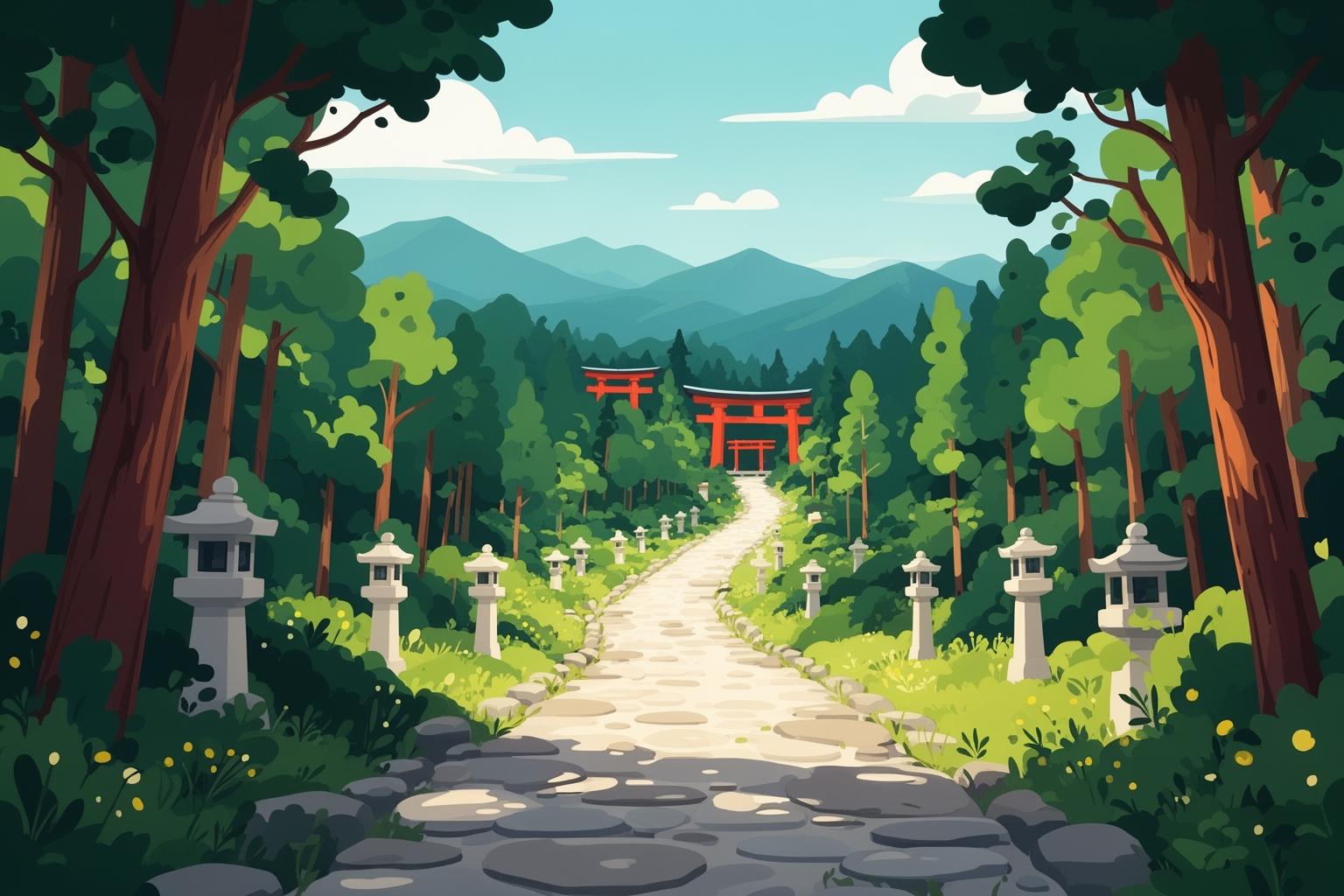
The story of the Kumano Kodo is not contained within a single book, but rather in the countless tales of those who have traversed its paths. This is not just one route, but a complex network of sacred trails weaving through the dense, mountainous core of the Kii Peninsula, all converging on three magnificent shrines collectively known as the Kumano Sanzan. For more than a thousand years, this has been Japan’s spiritual heartland. The journey itself was regarded as equally important as the destination—a demanding act of devotion where every step served as a prayer and every hardship a form of purification. The path strips away distractions, silencing the noise of the outside world until all that remains is the rhythm of your breath and the crunch of leaves beneath your feet. It is in this elemental state that the magic of the place truly emerges. The air, thick with the scent of damp earth and cedar, feels charged with an ancient energy. You are walking through a living sanctuary, where the boundaries between the physical and spiritual have long been beautifully and deliberately blurred.
A Journey for Emperors and Commoners Alike
The pilgrimage’s golden age began during the Heian period (794–1185), when retired emperors and aristocrats from the imperial court in Kyoto undertook the arduous, month-long trek. They sought solace and salvation in these remote mountains, believing the Kumano deities to be powerful and compassionate. Their lavish processions, recorded in diaries and poems, helped establish the Kodo’s reputation as one of Japan’s most sacred sites. What makes Kumano truly unique, however, is its accessibility. Unlike other sacred mountains, which were often restricted, the Kumano pilgrimage was open to everyone, regardless of class, status, or gender. This inclusivity was extraordinary for its time. It created a diverse mosaic of travelers—samurai praying for victory, merchants for prosperity, and farmers for a bountiful harvest—all sharing the same path, simple lodging, and collective sense of awe. This democratic spirit is woven into the very fabric of the Kodo. You feel it today when exchanging greetings with fellow hikers from across the globe or sitting down for a meal in a family-run guesthouse. You become part of a long, unbroken chain of humanity extending across the centuries.
The Three Grand Shrines: Kumano Sanzan
All pilgrimage routes lead to a sacred trinity of shrines, the Kumano Sanzan, each offering its own distinct character and atmosphere and embodying different aspects of salvation. Reaching them after days of walking is an experience of profound arrival.
Kumano Hongu Taisha
Regarded as the spiritual center of the network, Kumano Hongu Taisha rests solemnly amid a grove of massive cedar and cypress trees. Its elegant yet understated architecture, featuring beautiful cypress-bark roofs, is designed to harmonize with the surrounding forest. The style is intentionally rustic, evoking a sense of raw, natural divinity. You approach via a long stone staircase, and as you ascend, the sounds of the modern world fade away, replaced by the rustling of paper talismans and the deep, resonant caws of Yatagarasu, the three-legged crow and divine messenger of Kumano. This shrine feels like a dialogue with the ancient earth itself. Originally situated on a sandbank called Oyunohara at the confluence of two rivers, a site of immense spiritual power, the main buildings were relocated after a devastating flood in 1889. The original site is now marked by the world’s largest torii gate, a colossal steel structure standing as a testament to the area’s enduring sanctity. Standing beneath it, you feel an overwhelming sense of scale and history.
Kumano Hayatama Taisha
Situated near the coast in Shingu, where the Kumano River meets the Pacific Ocean, Hayatama Taisha presents a striking contrast. Its brilliant vermilion lacquered pavilions vividly stand out against the green backdrop. The atmosphere here is brighter and more vibrant, connected to the life-giving power of water and the sea. The shrine houses a sacred Nagi tree, a broadleaf evergreen over 800 years old. Its famously tough, hard-to-tear leaves symbolize strong and enduring relationships, making it a favored spot for couples to pray. The treasures kept in the shrine’s museum, including gifts from pilgrims over the centuries, vividly depict the Kodo’s rich history and the deep devotion it has inspired.
Kumano Nachi Taisha
Perhaps the most iconic of the three, Kumano Nachi Taisha is a stunning complex perched halfway up a mountain, sharing its sacred precinct with the Buddhist Seiganto-ji Temple. It perfectly exemplifies the harmonious blending of Shinto and Buddhist beliefs that shaped the Kumano faith for centuries. The true spectacle lies just beyond the shrine’s bright orange pagoda: Nachi-no-Otaki, Japan’s tallest waterfall. Cascading 133 meters down a sheer cliff face, the waterfall is not only a natural marvel but also venerated as a deity in its own right. The roar of the water is a constant, powerful presence, resonating deep within your chest. The view of the three-storied pagoda with the thundering waterfall behind it is one of Japan’s most breathtaking and frequently photographed scenes—a perfect fusion of natural force and human devotion.
Entering Murakami’s Labyrinth: The ‘Kafka on the Shore’ Connection
For those familiar with Haruki Murakami’s writing, especially Kafka on the Shore, the forests along the Kumano Kodo will feel strikingly recognizable. Murakami possesses a rare gift for delving into the deep, often surreal currents of the Japanese landscape, and this is most palpable here. His characters are frequently ordinary individuals who slip through the cracks of reality, finding themselves in places where logic unravels and the subconscious takes control. The dense woods serve as his quintessential setting for this transformation—a realm of refuge, challenge, and profound self-discovery.
The Forest as a Character
In Kafka on the Shore, the protagonist, Kafka Tamura, a runaway teenager, finds shelter in a private library in a quiet town, but his true journey begins when he ventures into the deep forest. This forest is not merely a passive, scenic backdrop. It is alive—a labyrinthine force with its own will and rules. It is a place where soldiers unaware that the war has ended might still hide, where abstract notions like thoughts can manifest physically, and where one might discover the gateway to another world. Walking the Kumano Kodo, you come to understand the inspiration behind such a place. The dense trees, the fog that can suddenly roll in and limit visibility to mere feet, and the ancient stone markers (oji) that guide you like cryptic clues all contribute to the sensation of being in a world apart. The isolation is profound. Often, the only sounds are your footsteps and the chirping of insects. It’s easy, as Murakami’s characters do, to imagine you are the last person left in the world. This solitude is not frightening; it’s illuminating. It prompts an internal dialogue, a confrontation with the self that lies at the core of many of Murakami’s tales.
Finding Your Own ‘Entrance Stone’
A key concept in the novel is the ‘entrance stone,’ a mysterious object that, once opened, allows passage between the living world and a realm of memory and spirit. While you won’t find a literal entrance stone on the Kumano Kodo, the whole path can feel like a metaphorical one. There are moments on the trail—perhaps when gazing out over a sea of clouds from a mountain pass, resting beside a moss-covered Jizo statue, or simply pausing to catch your breath beneath the canopy of a thousand-year-old camphor tree—when you sense a shift. It’s a moment of sudden clarity, a deep understanding, or simply a profound feeling of peace. These are moments of crossing a threshold. The physical exertion of the hike stills the conscious mind, opening the way for a deeper, more intuitive connection with the world around you. You begin to notice the small details: the intricate patterns of fern fronds, the way slanting light filters through the trees late in the afternoon, the scent of rain before it actually falls. This heightened awareness is the magic Murakami captures. The Kumano Kodo invites you to discover your own ‘entrance stone’—not a tangible object, but a state of being where you are fully present and receptive to the quiet wisdom of the ancient forest.
Practical Steps on an Ancient Road: Planning Your Pilgrimage
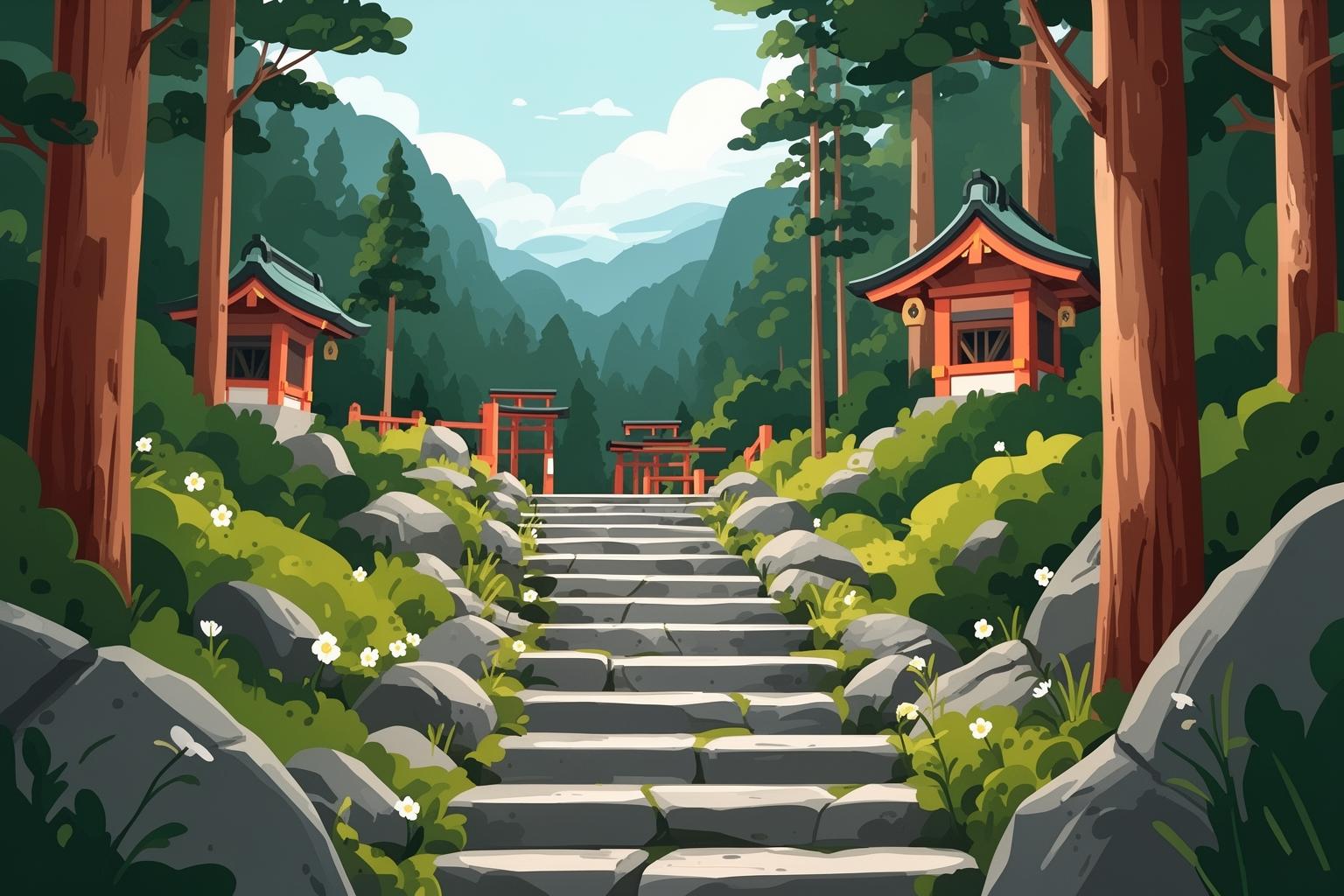
Setting out on a journey along the Kumano Kodo requires some planning, but it is much more accessible than you might expect. Whether you have only an afternoon or a full week, there is a section of this sacred path you can make your own. The primary gateway to the trails is the city of Tanabe, located on the peninsula’s western coast, easily reached by train from major cities like Osaka and Kyoto. From there, a well-organized bus system will transport you to various trailheads. Keep in mind, this isn’t a wilderness trek where you’re entirely on your own; it is a well-traveled route with villages, guesthouses, and vending machines dotted along the way. The trick is to select a route that suits your fitness level and available time.
Choosing Your Path: From Short Day Hikes to Extended Treks
The charm of the Kodo lies in its adaptability. You can capture its spirit in just a few hours or immerse yourself for several days. Each section reveals a distinct insight into the pilgrimage’s core.
Daimon-zaka: A Glimpse of the Ancient
If time is limited but you want to experience one of the most iconic and atmospheric parts, Daimon-zaka is ideal. This short yet steep 600-meter cobblestone staircase ascends from the valley floor to the Kumano Nachi Taisha complex. The trail is flanked by magnificent, centuries-old Japanese cedar trees whose roots entwine the stone steps like ancient veins. The canopy they create bathes the path in a perpetual twilight, filtering sunlight into mystical beams. The stones, smoothed by the footsteps of millions of pilgrims, are blanketed in vibrant green moss glowing softly in the subdued light. The walk is stunning, both physically and spiritually, and the feeling of arrival at the grand shrine’s base is unforgettable. It’s a concentrated experience of the Kumano Kodo’s power and beauty, easily completed in under an hour.
Hosshinmon-oji to Kumano Hongu Taisha: The Classic Route
For an ideal day hike, the 7-kilometer stretch from Hosshinmon-oji to Kumano Hongu Taisha is often regarded as the Kodo’s ‘highlight reel.’ Hosshinmon-oji, meaning ‘gate of awakening aspiration to enlightenment,’ marks the outer edge of the grand shrine’s sacred grounds. From here, the trail meanders through serene forest paths and tranquil rural landscapes. You will pass small farming hamlets where elderly residents tend vegetable gardens, providing a glimpse of the unhurried, traditional mountain life. Several breathtaking viewpoints along the way offer sweeping vistas of the expansive forest and the massive torii gate at Oyunohara in the distance. The final descent leads you directly to the rear of Kumano Hongu Taisha, a deeply satisfying and powerful way to reach the pilgrimage’s heart.
The Nakahechi Route: A Complete Immersion
For those desiring a profound multi-day journey, the Nakahechi Route is the pilgrimage’s principal artery, historically used by the imperial family. Typical treks take four to five days, beginning at Takijiri-oji near Tanabe and concluding at the Kumano Sanzan. This route offers a true immersion. You will traverse dense forests, cross high mountain passes, and follow rivers through deep valleys. The greatest pleasure on this longer trek is staying in small family-run inns, or minshuku, scattered along the trail. Here, you sleep on traditional tatami mats, soothe tired muscles in hot baths, and savor excellent home-cooked meals featuring local, seasonal ingredients. It’s a chance to experience authentic Japanese hospitality and connect with fellow travelers from around the world on the same journey.
When to Walk: Appreciating the Seasons
The Kii Peninsula is stunning throughout the year, although spring and autumn are generally considered the best seasons for hiking.
- Spring (March-May): The mountains burst with fresh green foliage and the fleeting beauty of cherry blossoms, especially in villages and around shrines. The weather is usually mild and pleasant, perfect for hiking. The air feels fresh and filled with the promise of new beginnings.
- Autumn (October-November): This season dazzles with forests set ablaze in fiery autumn foliage (koyo). The crisp, cool air is refreshing, and clear skies often provide spectacular views. The landscape transforms into a painterly scene, with vivid reds, oranges, and yellows contrasting against the deep green cedars.
- Summer (June-August): Summer can be hot and extremely humid and is also the rainy season, culminating in typhoon season. While the rain enhances the moss’s lushness and deepens the mystical atmosphere, the conditions may be tough. If you hike in summer, start early to avoid midday heat and be ready for sudden downpours.
- Winter (December-February): Winter is cold, with snow possible at higher elevations, which might make some parts of the trail impassable. However, it’s also the quietest season. For those who don’t mind the chill, the stark beauty of bare trees and the profound silence of the winter forest offer a deeply meditative and unique experience.
What to Pack and Expect
Smart packing is crucial for an enjoyable Kodo adventure. The key is to travel light, particularly on multi-day treks.
- Footwear: Sturdy, comfortable, well-broken-in hiking shoes or boots with good traction are essential. The stone paths can be very slippery, especially when wet.
- Clothing: Wear layers you can easily add or remove. Quick-drying synthetic fabrics are preferred over cotton. A waterproof and breathable rain jacket and pants are absolutely necessary, as the mountain weather changes quickly. The Kii Peninsula is one of Japan’s wettest regions.
- Essentials: Bring a refillable water bottle (water is available in villages), high-energy snacks, a small first-aid kit, sunscreen, and a hat. Hiking poles can be invaluable for steep climbs and descents, reducing strain on your knees.
- Cash: Although Japan is modern, many small inns, shops, and restaurants in rural areas do not accept credit cards. Carry enough Japanese yen to cover your expenses.
- Navigation: Trails are generally well-marked in both Japanese and English, but having a map and compass or GPS device/app provides added security. Mobile phone reception may be unreliable in deep valleys.
Beyond the Trail: Soaking in the Kii Peninsula
The Kumano experience goes well beyond just hiking trails. The whole Kii Peninsula is a rich repository of culture, history, and natural beauty. Taking time to explore its small towns and unique local experiences will greatly enhance your journey. Slow down, stay curious, and let yourself be embraced by the gentle rhythm of life here.
The Healing Waters of Yunomine Onsen
Tucked away in a narrow valley near Kumano Hongu Taisha lies Yunomine Onsen, one of Japan’s oldest and most atmospheric hot spring towns. Its history is closely linked to the Kumano pilgrimage; for centuries, pilgrims have performed purification rituals in the hot spring waters before visiting the grand shrine. The town is filled with a faint sulfur scent and the soothing sound of the hot spring river flowing through its center. The highlight is Tsuboyu, a small rustic wooden cabin built over the creek. It is the only UNESCO World Heritage-listed hot spring where you can actually bathe. You reserve a 30-minute private session at the local public bathhouse, receive a wooden token, and unlock the door to your own slice of history. The stone-lined bath is small and the mineral-rich water is extremely hot, but soaking in the same waters that have healed and purified travelers for over 1,800 years is deeply moving. Legend says the water changes color seven times daily and is believed to have powerful healing qualities.
The Rhythms of Local Life
The true essence of the region lies in its people and their deep connection to the land. Take time to immerse yourself in the local culture. In the coastal city of Katsuura, wake early to witness the lively tuna auction at the fish market. Sample local treats such as mehari-zushi, a simple yet flavorful rice ball wrapped in pickled mustard leaf—perfect for hikers on the go. Visit a local sake brewery to taste the regional brew, crafted with the pure mountain water flowing through the peninsula. The locals take great pride in their heritage and are often warm and welcoming to visitors who show genuine interest. Learning a few basic Japanese phrases—like ‘Konnichiwa’ (Hello), ‘Arigato’ (Thank you), and ‘Oishii’ (Delicious)—will go a long way toward building meaningful connections.
A Gentle Footprint on a Sacred Path
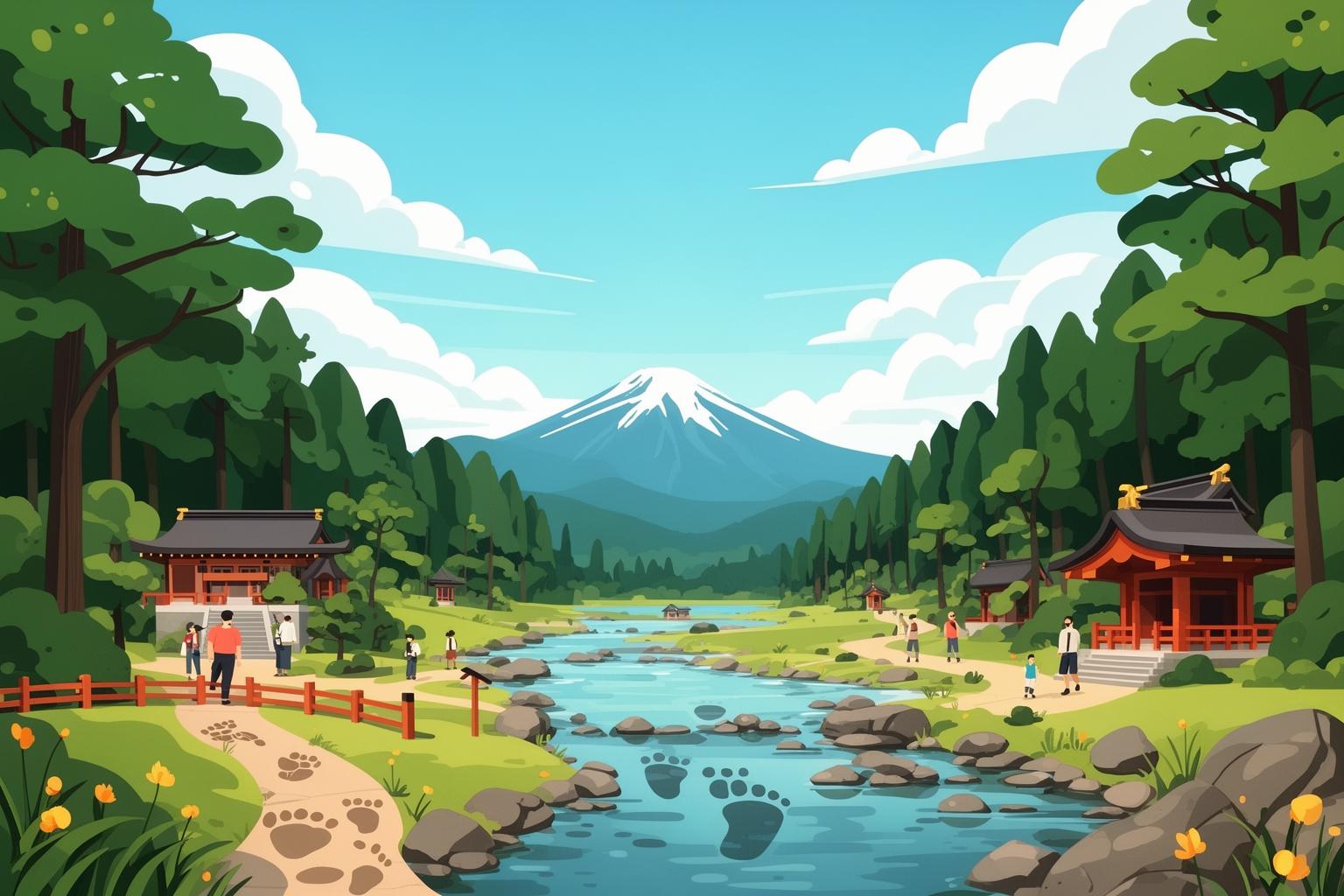
Walking the Kumano Kodo means becoming a guest in a place of profound cultural and spiritual significance. You are retracing the steps of millions before you, carrying the privilege and responsibility of preserving its sacredness for future generations. Respectful walking is a vital part of the pilgrimage experience—it goes beyond simply following rules and reflects an attitude of gratitude and reverence for the journey.
Walking with Respect
At shrines and temples, be mindful of local customs. Often, at the entrance to a shrine, you will see a torii gate, symbolizing the transition from the ordinary to the sacred. It is customary to bow once before passing through. Before approaching the main hall to pray, you will find a purification fountain called a chozuya. Use the ladle provided to rinse your left hand, then your right hand, and finally pour a small amount of water into your cupped left hand to rinse your mouth (do not drink directly from the ladle or spit water back into the basin). When praying at the main hall, the usual practice is to bow twice, clap your hands twice, make your prayer, and bow once more. Stay on designated trails to prevent erosion and protect delicate plants, especially the moss and ferns that grow along the path. Adhere to the ‘leave no trace’ principle by carrying out everything you bring in. The silence and serenity of the forest are integral to the experience, so keep your voice low and avoid playing music. See yourself not merely as a tourist, but as a temporary guardian of this ancient and sacred landscape. Your careful footsteps help ensure that its magic will last.
The Echo in Your Heart: A Final Thought
There comes a moment, perhaps days or weeks after you have departed, when the echo of the Kumano Kodo will find its way to you. It might arise during a quiet moment of reflection or amid the bustle of a busy day, but you will sense it. You will recall the cool mountain air brushing your skin, the roar of the great waterfall, the taste of a simple meal at the end of a long day’s walk, and the profound peace of the ancient forest. A journey here is not merely something you complete; it is something that continues to resonate within you long after you have returned home. Like a Murakami novel, it leaves you with more questions than answers, yet with a deepened appreciation for the beautiful mystery that lies just beneath the surface of our world. The Kumano Kodo is a trail of moss-covered stones and towering trees, but it is also a path inward. It is a place to hear the whispers of the past and, if you are fortunate, to catch the quiet murmur of your own heart. It’s a story waiting for you to step into.