There’s a certain kind of magic unique to a Studio Ghibli film. It’s the gentle hum of the wind through a camphor tree, the weighty silence of a forgotten god, the comforting sizzle of bacon and eggs in a moving castle’s kitchen. It’s a feeling that sinks deep into your soul, a nostalgic warmth for places you’ve never been and friends you’ve only met on screen. For decades, we’ve watched these worlds unfold, wishing we could step through the celluloid and into the frame. What if I told you that, in a quiet, leafy suburb of Tokyo, you can? Tucked away in the city of Mitaka, nestled beside the sprawling Inokashira Park, lies the Ghibli Museum. This isn’t a gallery of static displays or a theme park of loud attractions. This is a living, breathing storybook, a whimsical house of wonders meticulously designed and curated by the master storyteller himself, Hayao Miyazaki. It was built with a philosophy that serves as both an invitation and a mission statement, etched into its very essence: “Maigo ni narō yo, issho ni,” or “Let’s get lost, together.” It’s a promise that within these walls, you will not be a passive observer but an active explorer, charting your own course through the heart of imagination. The journey begins not at the door, but with the first step you take towards this enchanting destination.
Embracing the same spirit of discovery found within the museum, some visitors may also be inspired by a real-life film pilgrimage to uncover the hidden backdrops of cherished animated tales.
The Architecture of a Dream: First Impressions of a Living Storybook
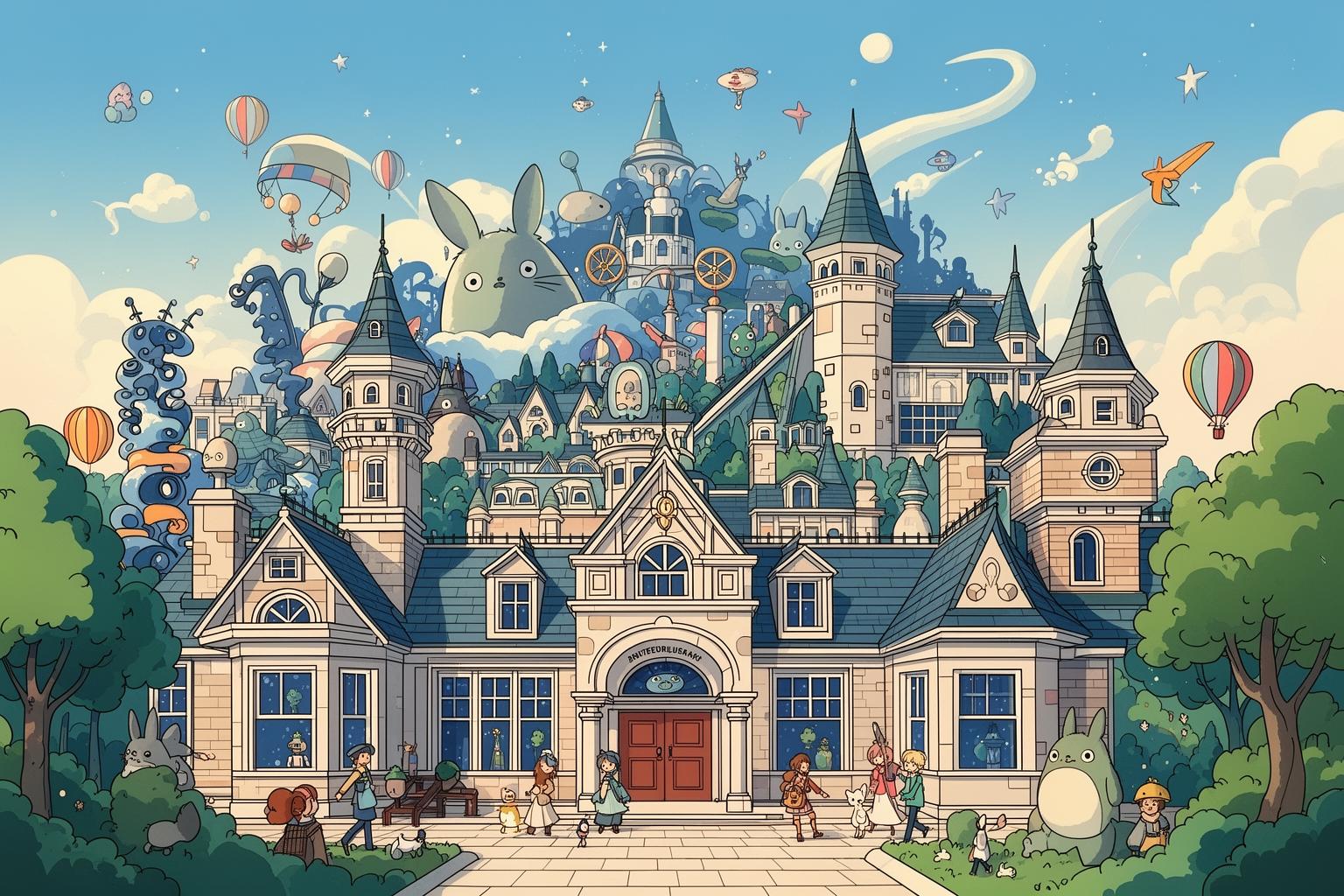
Your first glimpse of the Ghibli Museum feels like unearthing a secret. There are no grand arches or imposing signs. Instead, a colorful stucco building, cloaked in ivy, emerges from the trees as if it grew naturally from the earth. A giant, slightly puzzled Totoro peers out from a faux ticket booth, serving as a gentle gatekeeper to the world inside. He doesn’t sell tickets—that important task must be done long before your arrival—but he perfectly sets the mood. This is a place of wonder, not commerce. The building itself defies logic, a delightful jumble of winding exterior staircases, domed roofs, tiny porthole windows, and a weather vane that twists into an indistinct shape. There is no prescribed route or obvious main entrance. You are instantly encouraged to wander, peek around corners, and simply explore. This is the philosophy of getting lost, brought to life in brick and mortar.
Once inside, the outside world fades away completely. The central hall is a magnificent, multi-storied atrium crafted from warm wood and wrought iron, rising toward a glass dome painted with a smiling sun and cerulean sky. A giant fan hums lazily overhead, its blades resembling an airship’s propeller from Castle in the Sky. A tiny, child-sized door invites you from one wall, while a magnificent spiral staircase spirals upward to unseen floors. Bridges crisscross the open space, linking galleries and corridors that seem to lead everywhere and nowhere all at once. The entire space buzzes with a palpable creative energy, making you feel as if you’ve stepped not so much into a museum, but rather the intricate, cluttered, and beautiful workshop of a genius.
Perhaps the most distinctive aspect of the interior is the strict no-photography policy. While it may feel surprising in an era of constant documentation, its purpose becomes clear within moments. Released from the pressure to capture the perfect shot, your senses sharpen. You notice the exquisite detail in the stained-glass windows, where light filters through images of Totoro, Kiki, and the Catbus, casting vibrant, dancing colors on the wooden floors. You feel the cool metal of the hand-cranked film projectors. You hear the delighted gasps of children and the quiet murmurs of adults rediscovering their own sense of childlike wonder. This rule is a gift, urging you to be truly present, to absorb the magic with your eyes and heart, not through a lens. Here, you create memories, not just images.
The Heart of Creation: Exploring the Inner Sanctums
The museum is a maze of discovery, with each room and corridor revealing new layers of the Ghibli universe to explore. The journey into the animation process is not a dry, academic experience but rather a joyful, hands-on adventure showcasing how dreams are carefully transformed into moving images. It celebrates the human touch, the patient craftsmanship, and the limitless imagination that define every Ghibli masterpiece.
The Permanent Exhibition: “Where a Film is Born”
This extensive exhibit on the first floor serves as the museum’s heart. It consists of five rooms that offer an in-depth look at the chaotic, brilliant, and laborious process of making an animated film. The experience begins in a space called “A Boy’s Room of Inspiration,” a recreated creator’s sanctuary filled with ideas. Books on art, mythology, and aviation are stacked from floor to ceiling. Model airplanes hang suspended as if in mid-flight. Strange fossils, beautiful stones, and curious trinkets cover every surface. Sketches and paintings are pinned to the walls, displaying the earliest sparks of what would evolve into iconic characters and worlds. It powerfully and tangibly represents how stories begin: with curiosity, passion, and a collection of beautiful and intriguing objects.
From there, visitors proceed into rooms that unravel the animation process. Walls are adorned with stunning background art, detailed character model sheets, and expansive storyboards illustrating entire scenes, shot by shot. The real enchantment comes from the interactive exhibits. Giant, multi-layered zoetropes, referred to by the museum as “three-dimensional zoetropes,” steal the spotlight. In one display, figures of Mei, Satsuki, and a bouncing Totoro are arranged in a circle atop a spinning platform. When the strobe lights flash, the still figures spring to life in smooth, fluid motion right before your eyes. This pre-cinema animation technique brought to life by Ghibli characters is a breathtaking demonstration of animation fundamentals that feels pure, unfiltered magic. Other rooms highlight the technical aspects of filmmaking, from layering cels to create depth to sound design techniques, all presented in an engaging and inspiring way rather than an intimidating one.
The Saturn Theater: An Exclusive Cinematic Treat
Down a cozy hallway lies the Saturn Theater, an intimate, eighty-seat cinema that is a destination in itself. Your museum ticket—a beautiful strip of 35mm film from a real Ghibli movie—also serves as your admission to one of the screenings here. This is the only place worldwide where you can watch a rotating selection of exclusive short animated films made specifically for the museum. Often directed by Hayao Miyazaki himself, these shorts are storytelling masterpieces that require no dialogue or translation to express their immense charm, humor, and heart.
You might watch the delightful sequel Mei and the Kittenbus or the endearing story of Mr. Dough and the Egg Princess. As the lights dim, the ceiling above reveals a painted sky, and the charming, old-fashioned projector hums to life. For fifteen minutes, you are transported. The experience is uniquely special, a shared secret among the fortunate few in the theater. It’s a testament to Ghibli’s ability to craft universal stories that resonate with the child within us all—a pure dose of cinematic joy that will leave you smiling long after the credits end.
The Guardian on the Roof: A Silent Encounter
To access the museum’s rooftop, you climb a narrow, caged spiral staircase that feels like a hidden passage. As you ascend, you leave behind the bustling creative chaos of the interior and emerge into the open air and peaceful calm of the sky. There, amid a lush, wild garden, stands the museum’s most iconic resident: a five-meter-tall bronze Robot Soldier from Castle in the Sky. He stands silently, his head slightly bowed, a gentle guardian watching over the museum and the park beyond. Unlike his film counterpart, there is no sense of menace here—only a deep sense of peace and ancient melancholy. You can see the bronze’s texture and moss beginning to grow in the crevices of his metal plates. Photography is allowed here, making it a truly striking photo opportunity. It’s more than just a statue; it’s an emotional anchor, a poignant bridge between fantasy and our reality. Nearby, hidden in the foliage, is a replica of Laputa’s black control cube, covered in its mysterious swirling script—a perfect detail for devoted fans, a final touch of magic in this tranquil, elevated sanctuary.
More Than a Museum: Play, Eat, and Shop the Ghibli Way
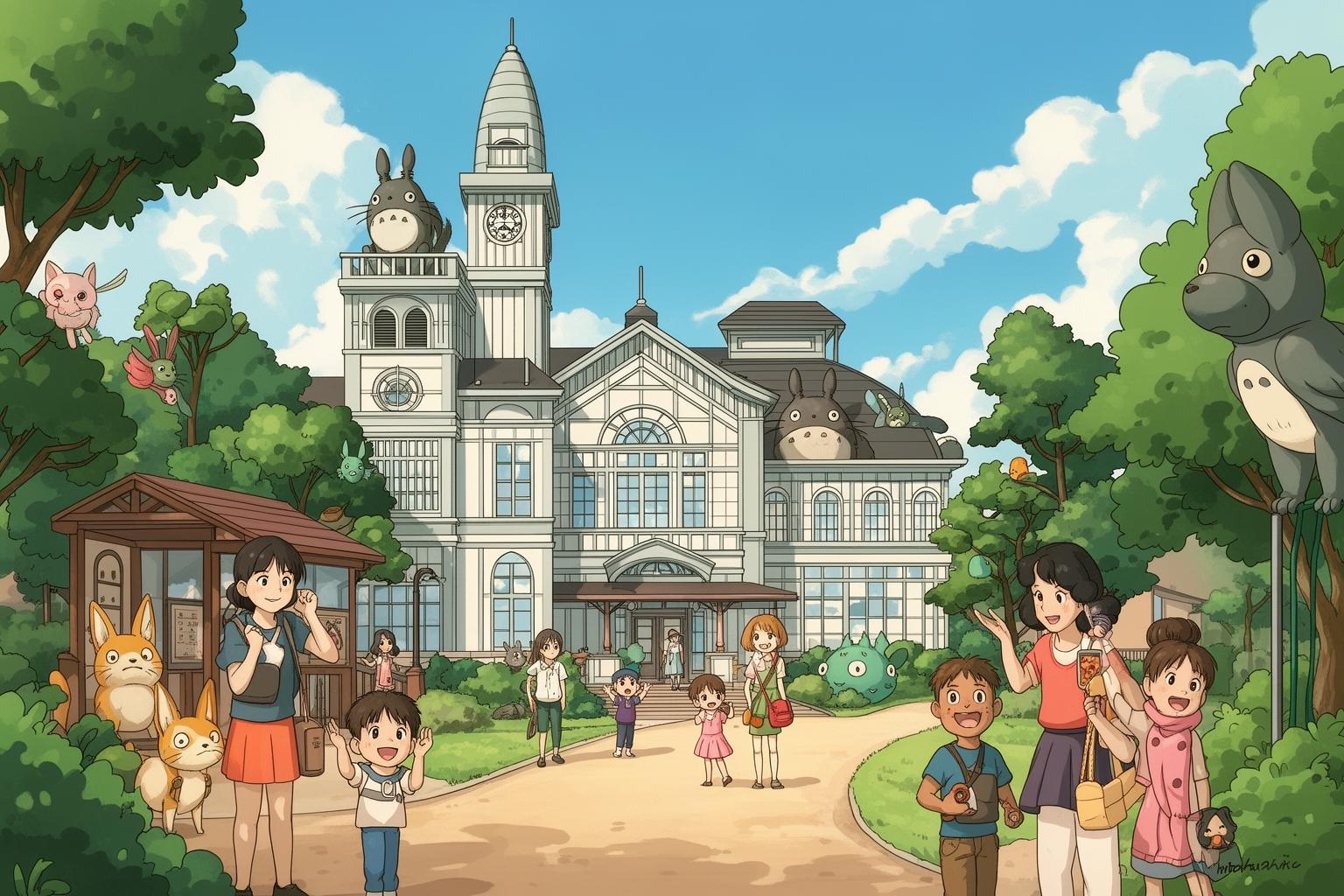
The Ghibli Museum experience goes beyond its exhibitions. It’s an immersive world where every detail is imbued with the studio’s signature charm and warmth. Areas for play, rest, and reflection are seamlessly integrated into the building’s design, ensuring that a visit is not only intellectually stimulating but also emotionally rewarding and simply enjoyable.
The Catbus Room: For the Young and Young at Heart
For anyone who has ever wished to curl up inside the impossibly soft interior of the Catbus from My Neighbor Totoro, this room is a dream realized. A huge, life-sized, and incredibly plush Catbus awaits, its destination sign proudly displaying “Mitaka.” Officially, this enchanting playroom is reserved for children of elementary school age and younger, a rule that inspires gentle envy among adults and provides a wonderful treat for the kids. Seeing the pure, unfiltered joy on their faces as they climb in and out of the grinning vehicle, or play with the pile of soft, throwable Soot Sprites (Makkuro Kurosuke), is a delight in itself. This room perfectly embodies the spirit of Ghibli—a space devoted to the simple, limitless power of imaginative play. It serves as a reminder to every adult present of the magic they experienced watching the film for the very first time.
The Straw Hat Café: A Taste of Ghibli’s Homestyle Charm
When hunger strikes after your explorations, the Straw Hat Café (Mugiwara Bōshi) provides a welcome refuge. Nestled in a corner of the museum with a lovely outdoor terrace, the café captures Ghibli’s appreciation for simple, wholesome, and delicious food. The menu is straightforward, emphasizing hearty, comforting dishes made from fresh, seasonal ingredients. You might find a satisfying pork cutlet sandwich, a creamy soup, vibrant salads, or their famous, fluffy strawberry shortcake. Even the tableware is delightful, often decorated with Ghibli-themed illustrations. It’s the kind of meal you can imagine the film’s characters enjoying—uncomplicated, nourishing, and prepared with care. Expect a wait, as the café is very popular. For a quicker bite, a small takeaway stand beside the café sells tasty ice cream, roasted sausages, and Ghibli-branded beer, which you can savor in the pleasant courtyard.
Mamma Aiuto! The Museum Shop of Dreams
Named after the lively gang of sky pirates from Porco Rosso, the museum shop “Mamma Aiuto!” is a treasure chest of exclusive Ghibli merchandise. This is no ordinary gift shop filled with disposable trinkets. Rather, it’s a carefully curated space featuring high-quality items that showcase the studio’s artistry and craftsmanship. You’ll find exquisite art books providing behind-the-scenes glimpses of each film, intricate music boxes playing familiar tunes, beautiful stationery, and replica film cels. A standout are the postcards designed to resemble miniature stained-glass windows, capturing the light just as beautifully as the full-sized ones inside the museum. It’s the ideal place to find a meaningful souvenir from your visit, a tangible piece of the magic to take home. The shop is often bustling, a testament to every visitor’s desire to hold onto the Ghibli spirit a little longer.
The Pilgrim’s Practical Guide: Planning Your Ghibli Adventure
A trip to the Ghibli Museum involves more than simply showing up; it demands foresight, careful planning, and a bit of luck. The museum’s dedication to providing an intimate, uncrowded experience means entry is strictly controlled. However, navigating this process is part of the journey, and with the right information, your dream visit can become a reality.
The Golden Ticket: How to Secure Your Entry
This is the most important advice: you cannot purchase tickets at the Ghibli Museum. No exceptions exist. All tickets must be bought in advance for a specific date and entry time. For those in Japan, tickets go on sale online through the Lawson Ticket website at 10:00 AM Japan Standard Time on the 10th of each month for the following month. For instance, tickets for any day in August become available on July 10th. Demand is extremely high, and tickets for popular dates, especially weekends and holidays, can sell out within minutes. To succeed, you must be prepared. Be ready on the website the moment tickets are released, with your passport information and credit card at hand. Patience and persistence are essential.
For overseas visitors, tickets can sometimes be obtained through official JTB Group travel agents in your country as part of a package. However, the online Lawson option remains the most straightforward method. This strict ticketing system is not intended to be difficult; rather, it’s designed to maintain the museum’s atmosphere by ensuring each visitor enjoys plenty of space and time to immerse themselves without feeling overwhelmed by crowds. Securing a ticket is itself a victory, marking the true beginning of your Ghibli adventure.
Getting to Mitaka: A Walk in the Park
The museum is conveniently reachable from central Tokyo. The most common way is to take the JR Chuo Line from major stations like Shinjuku or Tokyo Station straight to Mitaka Station. From Mitaka Station’s south exit, there are two delightful options for the final part of your trip. The first is a dedicated community bus, decorated with Ghibli characters, that transports visitors directly to the museum for a small fee. It’s both charming and convenient.
However, for the full experience, I highly recommend taking the walk. It’s a pleasant 15 to 20-minute stroll along a path known as the “Kaze no Sanpomichi,” or “The Wind’s Promenade.” This shaded walkway follows the historic Tamagawa Josui canal, a gentle stream flowing beneath a canopy of trees. It’s a beautiful, tranquil walk that provides the perfect transition from Tokyo’s urban energy to the serene, magical atmosphere of the museum. Along the way, charming Totoro signposts reassure you that you’re on the right track. This walk isn’t just a commute; it’s a moment of calm that prepares your mind and spirit for the wonders ahead.
Beyond the Museum Walls: Inokashira Park and Kichijoji
Your visit to the Ghibli Museum can easily become a full-day outing. The museum sits at the edge of the magnificent Inokashira Park, one of Tokyo’s most cherished green spaces. After exploring the museum, take time to stroll its wooded trails, rent a swan-shaped paddle boat on the central lake, or visit the small, picturesque shrine to the goddess Benzaiten on an island. The park is stunning year-round: vibrant with cherry blossoms in spring, lush and green in summer, ablaze with color in autumn, and serenely beautiful in winter.
Continue your walk through the park, and you’ll soon reach Kichijoji, a neighborhood frequently ranked among the most desirable places to live in Tokyo. It has a relaxed, trendy atmosphere with a fantastic mix of department stores, quirky independent shops, and cozy cafes. Explore bustling covered shopping arcades like Sunroad and Daiyagai for some retail therapy. For a more atmospheric experience, wander the narrow alleyways of Harmonica Yokocho, a post-war black market area now filled with small, standing-room-only bars and eateries that come alive at night. Blending the magic of Ghibli with the natural beauty of Inokashira Park and the vibrant local culture of Kichijoji makes for a truly unforgettable day trip in Tokyo.
The Lingering Magic: A Parting Thought
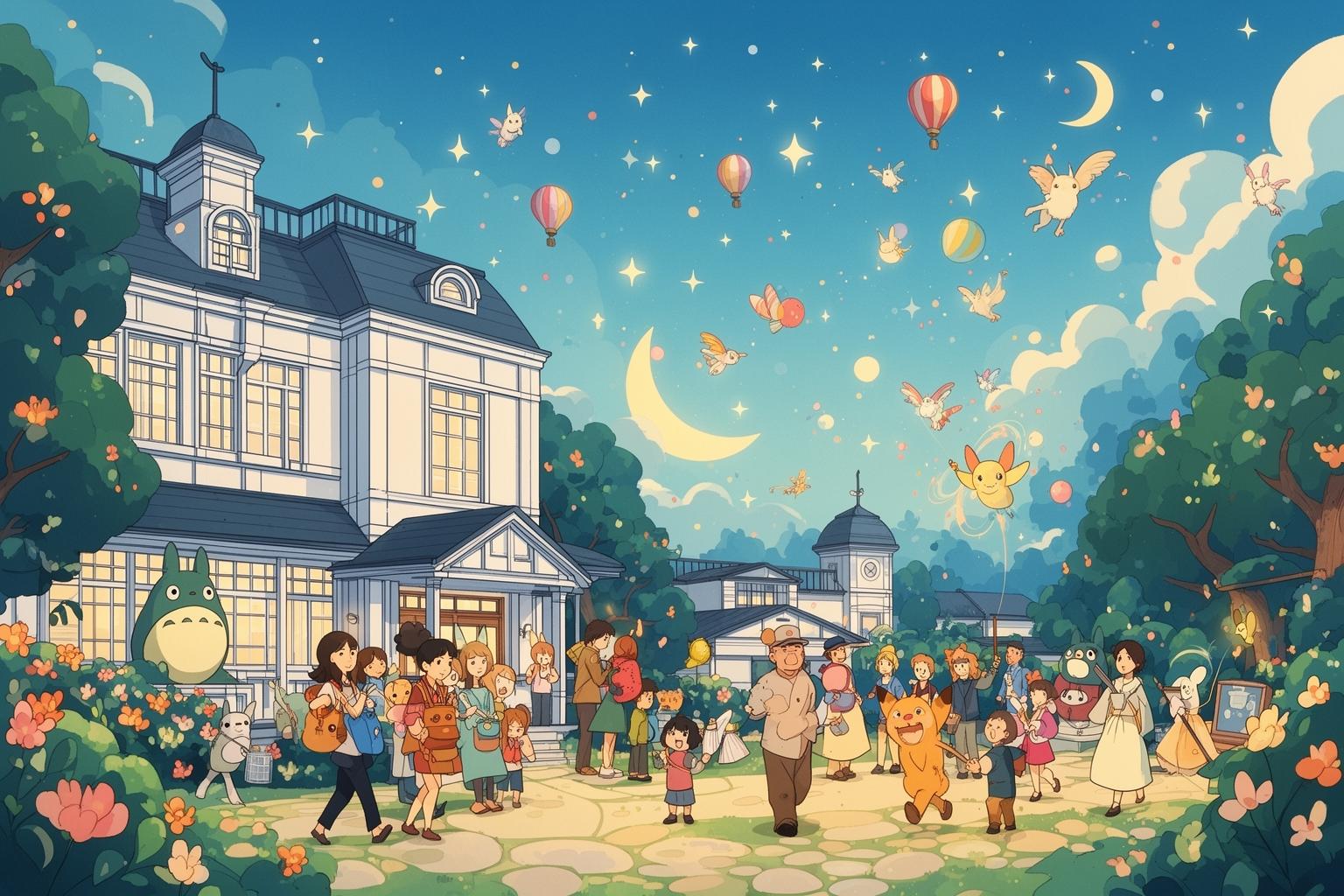
Leaving the Ghibli Museum feels like emerging from a beautiful dream. You return to the everyday world, yet something inside you has changed. The colors of the trees in Inokashira Park appear a little more vivid, the sky a bit more filled with possibilities. The museum is more than just a display of artifacts from cherished films; it offers a profound and deeply personal experience. It stands as a testament to the power of human creativity to build worlds, the value of patience in art, and the necessity of wonder in life. It doesn’t merely reveal how a film is created; it rekindles the spark of creativity and curiosity within you. It’s a pilgrimage because it reaffirms a belief—a belief in storytelling, in craftsmanship, and in the quiet, enduring magic that surrounds us all, if only we remember to notice. You arrive as a fan, but leave as a fellow dreamer, carrying a piece of that handcrafted wonder with you long after you’ve returned home.