
The credits roll, the final notes fade, but the feeling lingers. A sense of longing, a search for a place or a person you can’t quite name. Makoto Shinkai’s masterpiece, Your Name (Kimi no Na wa), is more than just an animated film; it’s a cultural phenomenon that tattooed itself onto the hearts of millions. It’s a story of connection, of fate, of two souls intertwined across distance and time. And for many, the journey doesn’t end when the movie does. It sparks a desire to bridge the gap between fiction and reality, to walk the same streets as Taki and Mitsuha, and to feel the magic of their world under our own feet. This is the heart of the seichi junrei, the anime pilgrimage, and the world of Your Name offers one of the most poignant and beautiful journeys you can undertake. From the dazzling, hyper-modern canyons of Tokyo to the serene, timeless mountains of Gifu Prefecture, the film’s landscapes are not just backdrops; they are characters in their own right, pulsing with life and waiting to be discovered. This guide is your thread, your musubi, connecting you to the tangible places that brought this unforgettable story to life. Prepare to step through the screen and find what you’ve been searching for.
If you’re inspired to explore other literary landscapes that blur the lines between fiction and reality, consider embarking on a Haruki Murakami pilgrimage in Tokyo.
The Heart of Tokyo: Tracing Taki’s Footsteps
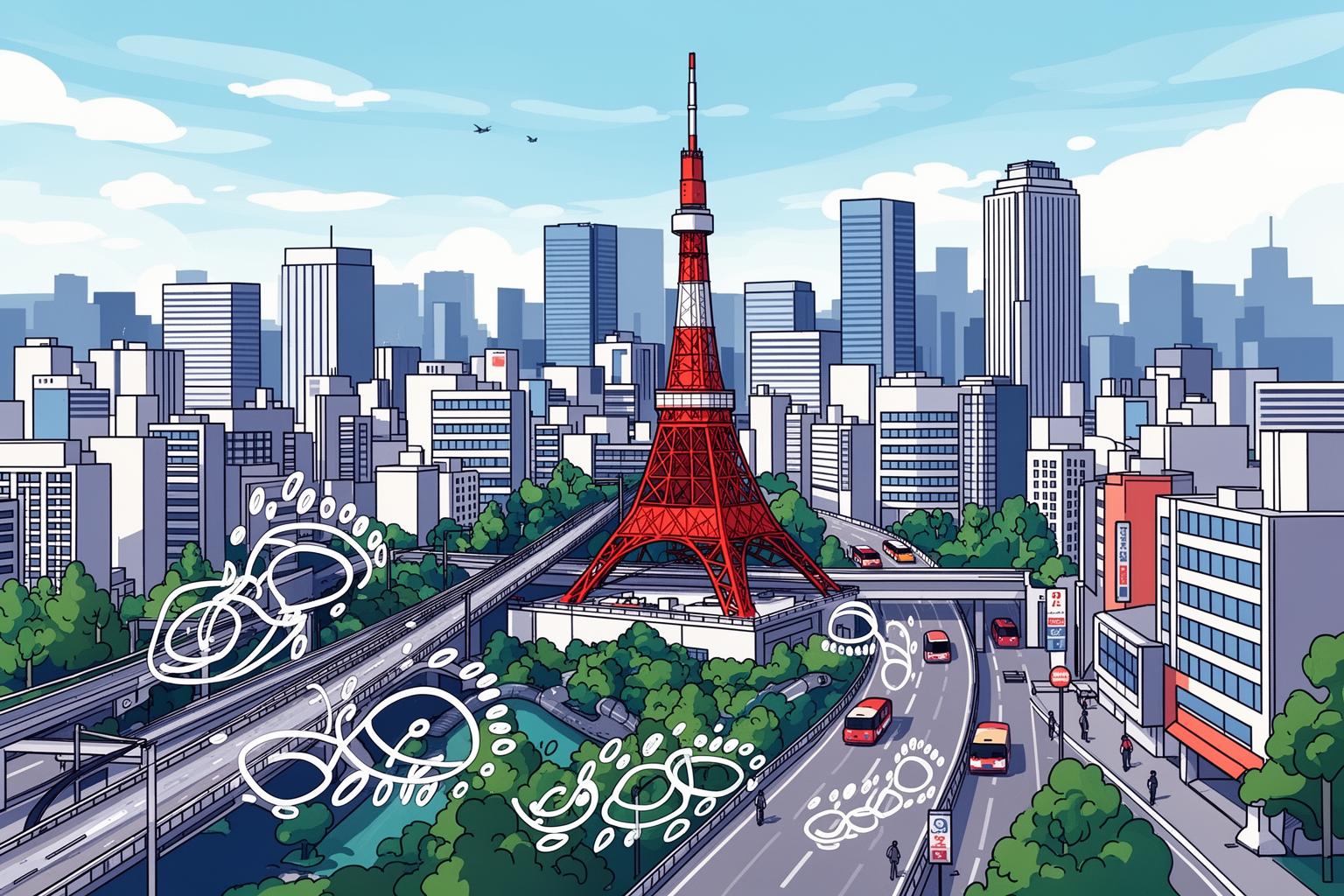
Tokyo is a city of electric dreams, a vast metropolis where ancient traditions and futuristic aspirations meet at every turn. For Taki Tachibana, it’s home—a backdrop to his hectic life of school, part-time jobs, and sketching landscapes of a town he’s never actually visited. Following his journey is to plunge headfirst into the thrilling pulse of the world’s greatest city, discovering moments of cinematic stillness amid the vibrant chaos.
The Iconic Red Stairs of Suga Shrine
No image is more emblematic of Your Name than the film’s poster: Taki and Mitsuha standing on a striking set of stairs, framed by a quiet residential street in their long-awaited meeting. This is the emotional peak of the film, set in a surprisingly serene corner of Tokyo. The Suga Shrine stairs in Yotsuya serve as the pilgrimage’s focal point. Reaching this spot feels almost sacred. As you climb the hill from Yotsuya-Sanchome Station, the city’s clamor fades, replaced by the gentle murmur of neighborhood life. Then you see it: the curve of the road, the vivid red railing, buildings framing the scene perfectly. It’s a surreal moment, a flawless blend of animation and reality. Radwimps’ score seems to rise in your mind. Standing atop and looking down, or at the bottom and gazing up, you sense the weight of their journey. This is where two worlds, two lives, finally converge. For first-time visitors, a small note: this is a residential area where people live. The magic here lies in its quiet authenticity, so please be considerate of noise and respect the residents’ privacy. The ideal time to visit is a weekday morning when the light is gentle and crowds are minimal, allowing a personal connection with the scene.
Shinjuku’s Urban Maze
Shinjuku is Taki’s playground, a maze of steel and glass, neon lights, and constant noise. Here, the film captures the overwhelming scale and energy of his world. Shinjuku Station, the busiest transport hub globally, is the perfect starting point. Navigating its endless corridors and exits is an experience in itself, mirroring the dizzying, fast-paced reality Taki inhabits. Just outside the station are recognizable landmarks from the film. The distinctive circular shape of the Shinjuku Police Station appears in cityscape shots. A brief walk leads to the iconic “LOVE” sculpture by Robert Indiana, a favorite meeting place where Taki and his friends gather. This splash of vibrant color amidst the concrete jungle symbolizes the film’s central theme. For sweeping panoramic city views like those Taki sketches, the Tokyo Metropolitan Government Building is a must-visit. Its free observation decks on the 45th floor provide a breathtaking vantage point, allowing you to gaze over the sprawling urban landscape while imagining which distant mountain might hide a town like Itomori. The city spreads out like a map of countless stories, a powerful reminder of how easy it is to feel lost—and how meaningful it is to find a connection within it.
A Moment of Calm: The National Art Center, Tokyo
The film isn’t all frenetic energy. One of its most visually stunning scenes shows Taki on a date with his coworker, Okudera-senpai, at a chic, modern restaurant. This location is the Brasserie Paul Bocuse Le Musée, situated within The National Art Center, Tokyo, in the fashionable Roppongi district. The building itself, designed by Kisho Kurokawa, is a masterpiece, featuring an undulating glass facade that floods the interior with natural light. Stepping into the grand atrium feels just like the movie. You can ride the escalator to the third floor and visit the very café where Taki and Okudera sat. Even if you don’t dine there, you can stand on the overlook and appreciate the architectural beauty. It’s a space that feels both expansive and intimate, perfectly reflecting Taki’s growing maturity and his exposure to a more refined world. This quiet moment in the Tokyo pilgrimage offers a chance to slow down, admire design, and glimpse another facet of the city Taki calls home. The location beautifully contrasts Taki’s inner world—filled with visions of rustic shrines and ancient traditions—with his outer reality in one of Japan’s most contemporary architectural marvels.
Journey to Itomori: Finding Mitsuha’s World in Hida
If Tokyo represents the film’s frenetic mind, then the Hida region in Gifu Prefecture embodies its dreaming soul. Itomori, Mitsuha’s fictional town, is a blend of real locations, forming a beautiful mosaic that captures rural Japan’s timeless charm. To reach it, you must leave the bullet train behind and journey deep into central Japan’s mountains. The trip itself is part of the experience, as the urban scenery gradually gives way to winding rivers, dense forests, and traditional wooden houses. This is where the story’s heart beats most strongly.
The Soul of Itomori: Hida-Furukawa
The modest, unassuming town of Hida-Furukawa serves as the primary inspiration for Itomori’s townscape. Stepping off the train here feels like stepping straight into Mitsuha’s world. The first sight is Hida-Furukawa Station, portrayed with meticulous accuracy in the film. The platform, footbridge, and even the small mascot figures match what you remember perfectly. It’s here that Taki and his friends arrive on their quest to find Mitsuha, and standing in the same spot, you can feel the same blend of hope and uncertainty. A short walk from the station leads to the Hida City Library, another key location. Fans will immediately recognize the interior, from the wooden shelves to the exact angle of the desks where Taki conducted his research. The library staff warmly welcome visitors, having embraced their unique place in anime history. They even maintain a dedicated section for Your Name and permit photography in designated areas, a rare exception in Japanese libraries. As you wander through Hida-Furukawa’s streets, with canals full of koi and old storehouses with white-plastered walls, you’ll find Itomori everywhere. It’s in the leisurely pace of life, the tight-knit community spirit, and the breathtaking mountain scenery that surrounds the town. This is the Japan of nostalgia and tradition—the world Mitsuha longed to escape but that Taki found utterly captivating.
Rituals and Flavors: Keta Wakamiya Shrine and Local Delights
Mitsuha’s role as a shrine maiden, or miko, is central to her character and the film’s plot. The Miyamizu Shrine, with its long stone steps and sacred grounds, is a key setting. While no single shrine corresponds perfectly, the Keta Wakamiya Shrine in Hida is widely regarded as one of the main inspirations. It exudes a similar atmosphere—a sense of ancient holiness nestled within nature. Visiting the shrine offers insight into the traditions that shaped Mitsuha, especially the ritual of making kuchikamizake. This ancient sake, created by chewing and fermenting rice, plays a pivotal role in the story. Though the real thing isn’t available, understanding its roots in Shinto purification rituals adds a profound layer of meaning. The theme of musubi, or the interwoven threads of fate, resonates deeply in places like this. To further connect with the region, be sure to savor the local cuisine. Hida is renowned for its exceptional Hida beef, served as steak, skewers, or steamed buns. Another specialty is goheimochi, a grilled rice cake coated in a sweet and savory miso-walnut sauce that Mitsuha is seen enjoying. Tasting these regional flavors offers a sensory connection to her world and the life she lived.
The View from Above: A Quest for Lake Itomori
The stunning caldera-like lake that defines Itomori’s landscape is one of the film’s most iconic visuals, especially during the haunting twilight scene known as kataware-doki. The real-life inspiration lies not in Hida but several hours away in Nagano Prefecture: Lake Suwa. For the dedicated pilgrim, this detour is a must. The definitive view, perfectly mirroring the anime, can be found at Tateishi Park, perched high on a hill overlooking the lake and city below. The climb is steep, but the payoff is tremendous. From here, you can see the shape of the water, the cluster of city lights, and the mountains embracing it all—an exact replica of the film’s view. Visiting late in the afternoon lets you experience the transition from day to twilight, the magical hour when the boundary between worlds feels thin. As the sun sets and city lights begin to sparkle, you’ll grasp the profound, almost spiritual beauty Shinkai captured. It’s a moment of pure cinematic magic, a chance to stand where Taki and Mitsuha briefly met, if only across time.
A Pilgrim’s Practical Guide

Embarking on the Your Name pilgrimage requires some planning, but the rewards are well worth the effort. Combining a trip between the bustling cityscape of Tokyo and the serene countryside of Hida provides a wonderfully balanced experience of Japan.
Planning Your Itinerary: Tokyo and Hida
To fully appreciate this journey, it’s best not to rush. Set aside at least one full day, preferably two, for exploring Tokyo. This gives you enough time to visit Shinjuku, Yotsuya, and Roppongi at a leisurely pace and truly absorb the atmosphere of each location. For the Hida portion, plan on spending a minimum of two days. The trip from Tokyo to Hida is quite significant. The fastest way is to take the Tokaido Shinkansen (bullet train) to Nagoya, then transfer to the JR Limited Express Hida train, which meanders through stunning mountain landscapes to Takayama and Hida-Furukawa. The journey takes around four to five hours. If you’re planning this long-distance travel, a Japan Rail Pass can be very cost-effective. Consider staying overnight in either Hida-Furukawa or the nearby larger town of Takayama, which has more accommodation options and is a charming destination on its own.
Getting Around with Ease
Getting around Tokyo is simple thanks to its top-notch public transportation network. The JR Yamanote Line is perfect for reaching major hubs like Shinjuku, while the Tokyo Metro Marunouchi Line will take you close to Suga Shrine (Yotsuya-Sanchome Station). Carrying a Suica or Pasmo IC card is essential for a smooth experience tapping in and out of stations. In Hida-Furukawa, the town is small and highly walkable. Key locations such as the station and the library are all within about a 15-minute walk from each other. If you plan to visit Lake Suwa, note that it’s a separate leg of the trip. From Tokyo, you can take the JR Azusa Limited Express from Shinjuku Station straight to Kami-Suwa Station. From there, Tateishi Park is best accessed by a short taxi ride, as the walk involves a very steep uphill climb.
When to Go: A Tale of Four Seasons
Your Name is set across different seasons, and your pilgrimage can be lovely any time of the year. Spring in Tokyo means cherry blossoms, adding a fleeting beauty to your photos at Suga Shrine. Summer brings rich, vibrant greenery to the mountains around Hida, reflecting the idyllic landscape of Mitsuha’s life. Autumn is perhaps the most evocative season. The fiery hues of fall foliage in the Japanese Alps create a breathtaking backdrop that echoes the film’s melancholic and romantic mood. Winter in Hida is enchanting. The area is blanketed in heavy snow, covering the traditional town with pristine white and creating a serene, reflective atmosphere. Picture standing at Hida-Furukawa Station as gentle snowflakes drift down, just as they might have in the film’s world. Each season offers a distinct way to experience these treasured locations.
The Deeper Connection: Musubi and the Pilgrim’s Heart
This journey goes beyond merely ticking off locations on a list. It centers on engaging with the film’s core theme of musubi—the invisible bonds that link people, places, and time. By visiting these real-world sites, you become an active participant in that connection.
More Than Just a Movie
Pilgrimage serves as a tangible expression of your emotional bond with the story. When you stand on the Suga Shrine stairs, you connect with Taki and Mitsuha, Makoto Shinkai, and the countless fans who have undertaken the same journey. You weave your own thread into the rich tapestry of this shared experience. The landscapes transcend being simple backdrops, gaining deeper significance. The flavor of goheimochi, the sound of the train arriving at Hida-Furukawa, the view of Lake Suwa at dusk—these sensory moments close the gap between watching a story and truly living it. It’s a powerful reminder that the fictional worlds we cherish are inspired by the beauty of our own.
Etiquette for the Modern Pilgrim
As you set out on your pilgrimage, it’s important to remember these places are not film sets; they are living communities and sacred spaces. Be a considerate traveler. At shrines, maintain quiet respect for worshippers. In residential neighborhoods like Yotsuya, lower your voice and avoid obstructing pathways. At the Hida City Library, adhere to the rules and express gratitude to the staff for their hospitality. Always seek permission before photographing people or private property. By showing respect and appreciation, you honor both the locations and the story that led you there, helping to preserve the experience for future pilgrims.
A Final Echo

To journey through the world of Your Name is to follow an echo, to seek a feeling the film leaves behind. It’s a journey that takes you across Japan, from its hyper-modern core to its traditional spirit. You will discover more than just filming locations; you will gain a deeper appreciation for the artistry that transformed these real places into a fictional masterpiece. You will encounter the quiet charm of a mountain town and the vibrant energy of a global city. And somewhere, perhaps at twilight by a lake or on a sunlit staircase, you might find the sense of connection you’ve been seeking. The journey of Taki and Mitsuha was about finding one another against all odds. Your pilgrimage is about uncovering the heart of their story, and in doing so, perhaps finding a small part of yourself as well.