
There are cities that exist on maps, and then there are cities that live in the pages of a book. Tokyo, for countless readers around the globe, is inextricably linked with the quiet, melancholic prose of Haruki Murakami. His seminal novel, Norwegian Wood, is more than just a story of love, loss, and coming-of-age; it is a ghost map of a Tokyo that feels both eternally present and hauntingly lost to time. The novel, set in the turbulent late 1960s, paints a picture of a city on the brink of monumental change, its streets and parks serving as the silent stage for the deeply personal drama of its characters. To walk through Tokyo with Norwegian Wood as your guide is to engage in a unique form of pilgrimage. It is not about finding exact film-set locations, but about chasing a feeling—the particular, resonant atmosphere that Murakami so masterfully crafts. It is a journey into the spaces between memory and reality, a search for the echoes of Toru Watanabe’s solitary walks, Naoko’s fragile presence, and Midori’s vibrant, life-affirming energy. This is a Tokyo seen through a filter of nostalgia and introspection, where a quiet university campus, a bustling Shinjuku back-alley, or a serene suburban park can feel like portals into the very heart of the story. This journey is an invitation to slow down, to observe the minutiae of the city, and to feel the subtle currents of the past that still flow beneath the surface of this modern metropolis.
For a different perspective on the author’s connection to place, consider a literary pilgrimage to Murakami’s Kobe.
The Student Quarter of Memory: Waseda and its Environs
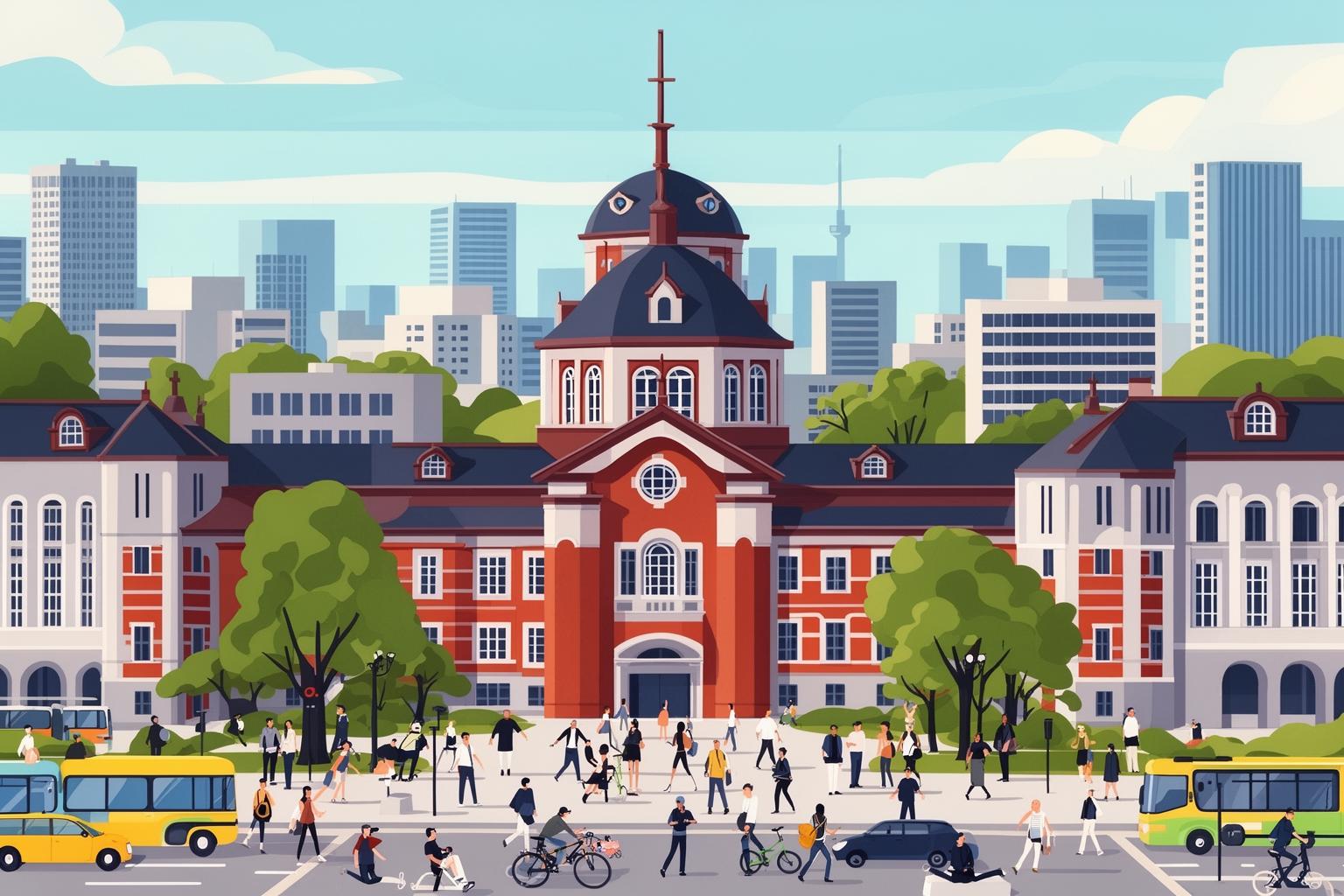
The pilgrimage naturally begins in the student world—the intellectual and emotional crucible where Toru Watanabe’s story takes place. The neighborhood surrounding Waseda University, though never explicitly named as Toru’s alma mater, perfectly captures the essence of a 1960s student district. It’s an area of leafy streets, old bookstores, and affordable eateries, all buzzing with the quiet intensity of academic life. Even today, wandering through this section of Shinjuku Ward feels like stepping into a slightly different, more contemplative Tokyo. The pace is calmer, the air filled with the scent of aged paper and brewing coffee. It is here that the novel’s themes of intellectual exploration and youthful uncertainty resonate most deeply. This area anchors Toru’s daily life, providing the backdrop for his solitary studies and fateful encounters. To explore Waseda is to grasp the foundation of his world before it was shattered by love and grief. It’s a landscape of quiet routine where profound life dramas unfold against the mundane—a quintessential Murakami juxtaposition.
Echoes in the Lecture Halls
Stepping onto the Waseda University campus itself is a moving experience. The blend of historic, ivy-clad buildings and modern architectural elements creates a palpable sense of layered time. You can almost hear the faint echoes of student protests and passionate debates hinted at in the novel. The Okuma Auditorium, with its iconic clock tower, stands as a dignified guardian of the campus, silently witnessing generations of students who have trod these grounds. Find a bench beneath a ginkgo tree and simply watch—observe students rushing to class, chatting with friends, or sitting alone with a book. In their faces, you see the same mix of hope, anxiety, and intellectual curiosity that characterizes Toru. It’s not about pinpointing a particular lecture hall but about absorbing the collective spirit of the place. The campus feels like a sanctuary of thought, a bubble where life’s big questions are pondered, much like Toru does in his dormitory room. For first-time visitors, the sheer scale may surprise, but the key is to roam without a strict plan, letting the history reveal itself through worn stone steps and the quiet corners of its libraries.
Toden Arakawa Line: A Ride into Nostalgia
Just a short stroll from the main campus, you’ll find a true relic of old Tokyo: the Toden Arakawa Line. This is the city’s last remaining streetcar line, and taking a ride on one of its charmingly retro trams feels like a journey back to the era of Norwegian Wood. The tram clatters along its tracks, passing through quiet residential neighborhoods, small shops, and local shrines, offering a glimpse into a more grounded, everyday Tokyo often overshadowed by the neon glow of its famous centers. This experience perfectly matches the novel’s unhurried, observant, and slightly melancholic pace. Seated by the window, watching the city roll by at a human rhythm, it’s easy to imagine Toru on this very line, lost in thought, the steady clatter of the wheels providing a soundtrack to his inner monologue. It’s a wonderful way to unwind and see the city from a different angle. A practical tip is to buy a day pass, allowing you to hop on and off freely, exploring the small, charming neighborhoods along its route that most tourists overlook.
A Quiet Moment at Higo-Hosokawa Garden
For a moment of pure tranquility reflecting the novel’s most introspective scenes, the nearby Higo-Hosokawa Garden is a must-visit. This traditional Japanese stroll garden, centered around a pond, is a hidden treasure. It offers a deep sense of peace that contrasts with the university’s intense intellectual energy. The garden’s design encourages slow, mindful walking, with each turn revealing a carefully composed scene of water, stone, and meticulously pruned trees. This is the kind of place one might seek for contemplation—a physical embodiment of the quiet, beautiful, yet enclosed world Naoko inhabits. In the hushed atmosphere, surrounded by gentle natural sounds, you can connect with the novel’s deeper emotional layers. The changing seasons here are especially moving; the fiery maples of autumn mirror the story’s sorrow, while the early spring’s budding plums offer a fragile glimmer of hope. It’s an ideal spot to sit quietly, reflect on the narrative, and let the serene beauty permeate your thoughts.
Shinjuku’s Labyrinth of Longing and Loss
If Waseda embodies the reflective mind, then Shinjuku serves as the novel’s chaotic, pulsating heart. It is the center of Toru’s social life—the site of chance encounters, drunken nights, and profound loneliness amid a throng of people. Shinjuku Station itself, the world’s busiest transit hub, stands as a fitting symbol for the overwhelming forces of life that buffet the characters. Navigating its endless corridors and exits is an experience unto itself, a modern labyrinth where one can easily become lost, both physically and metaphorically. The Shinjuku of Norwegian Wood is a place of sharp contrasts: dazzling lights and deep shadows, bustling crowds and intimate, intense conversations. Here, Toru wrestles with the complexities of his relationships and the dizzying possibilities the city holds. Exploring Shinjuku is to dive headfirst into the raw, vibrant, and often conflicting energy that drives much of the novel’s narrative tension.
The Golden Gai Alleys
No part of Shinjuku captures the spirit of a bygone era quite like Golden Gai. This compact cluster of six impossibly narrow alleys is packed with over two hundred tiny, ramshackle bars, some barely large enough to seat a few patrons. Stepping into Golden Gai, especially as dusk falls and the paper lanterns begin to glow, feels like entering another dimension. The air is thick with the scent of grilled skewers and old wood, and murmured conversations spill out from behind sliding doors. This is a world of intimate, alcohol-fueled confessions—the sort of place where Toru and his friend Nagasawa might have engaged in their philosophical duels. For a photographer, it’s a visual dreamscape filled with textures, shadows, and fleeting moments. Visiting Golden Gai requires a little courage for newcomers. Many bars charge cover fees and cater primarily to regulars, but an increasing number welcome foreign visitors. The key is to be respectful, move quietly through the alleys, and pick a bar with an open door and a friendly vibe. It’s an unforgettable experience that connects you directly to the novel’s nocturnal, soul-searching side.
Kinokuniya Bookstore and the Promise of Words
Just a short walk from the station’s chaos lies a sanctuary of a different kind: the main branch of Kinokuniya Bookstore. This iconic institution is a defining feature of Shinjuku and a haven for book lovers. In the world of Norwegian Wood, where characters are frequently reading and debating literature, Kinokuniya stands as a temple of words. It’s easy to imagine Toru and Midori spending an afternoon browsing its endless shelves, with books representing infinite worlds and possibilities—a stark contrast to the often-confining nature of their own lives. Riding the escalator through its many floors, each devoted to a different genre, is a journey itself. The foreign books section, especially, invites one to lose track of time for hours. Visiting Kinokuniya is not only about its connection to the novel but also about engaging with the deep love of literature that permeates Japanese culture and Murakami’s work. It’s a place to recharge, discover a new book for your own journey, and feel the quiet power of stories at the heart of a bustling city.
The Western Suburbs: Midori’s World in Kichijoji and Beyond
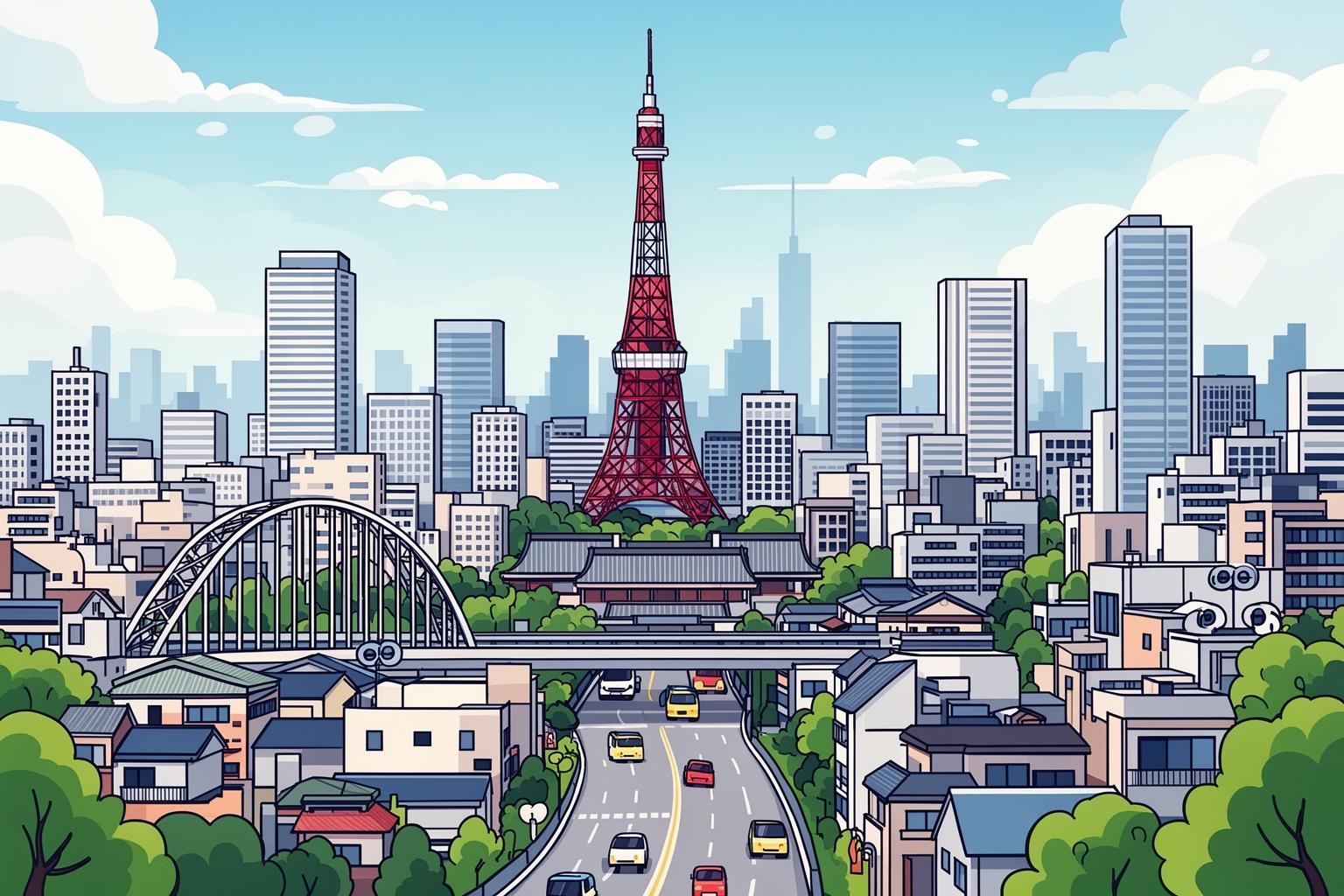
To fully grasp the novel’s emotional terrain, one must leave the intensity of central Tokyo behind and travel west along the Chuo Line into Midori Kobayashi’s world. The neighborhoods of Kichijoji and its surroundings offer a different Tokyo experience—more laid-back, eccentric, and attuned to the rhythms of daily life. This is Midori’s domain, reflecting her personality flawlessly: lively, unconventional, and surprisingly warm. The western suburbs provide a refreshing contrast, both literally and metaphorically, balancing the introspective melancholy linked to Naoko. Spending a day exploring this area means immersing oneself in the story’s brighter, more hopeful currents—a testament to life’s resilience and the possibility of connection amidst sorrow.
Inokashira Park: A Walk Through Life’s Intricacies
Inokashira Park stands out as perhaps the most important real-world location in Norwegian Wood. It is here that Toru and Midori share some of their most memorable, winding conversations, their budding relationship unfolding beside the park’s tranquil lake. The park still preserves this timeless quality today. On any day, you’ll find families, couples on swan boats, students, and elderly residents enjoying its natural beauty. Walking along the paths encircling the lake, you can almost follow the characters’ footsteps. Locate the bench where they might have sat, watch sunlight filtering through the trees, and absorb the park’s gentle, life-affirming ambiance. The park is particularly stunning in spring, when cherry blossoms create a fleeting canopy of pink and white, and in autumn, when leaves turn fiery reds and golds. A useful tip for visitors is to explore beyond the main lake area, including the wooded trails and the small Benzaiten Shrine on an island in the pond. The whole park invites slow, contemplative exploration, perfectly matching the long, meandering walks so central to Murakami’s narrative style.
The Harmonica Yokocho Maze
Just beside Kichijoji Station lies another gem: Harmonica Yokocho. This labyrinth of narrow alleys, named for their resemblance to harmonica reeds, is the neighborhood’s answer to Shinjuku’s Golden Gai but with a more local, daytime-friendly vibe. During the day, it’s a bustling market featuring fishmongers, butchers, and flower shops; by night, it transforms into a cluster of tiny standing bars, yakitori spots, and ramen stalls packed with locals. This is the kind of place Midori would navigate effortlessly—her vivacious spirit perfectly suited to the lively, down-to-earth energy of the yokocho. Wandering these alleys is a sensory delight: sights, sounds, and smells that feel authentically local. It’s an excellent spot for a quick, delicious meal and a genuine taste of Tokyo life far removed from touristy areas. For newcomers, it might feel slightly daunting, but a smile and some pointing will earn you a fantastic meal and unforgettable experience. It captures the earthy, grounded essence of the novel’s world perfectly.
Capturing the Murakami Mood: A Photographer’s Perspective
As a photographer, following the trail of Norwegian Wood offers a distinctive and fulfilling challenge. The aim is not to document specific locations but to capture an elusive mood. Murakami’s world is characterized by atmosphere, quiet moments, and the emotional resonance of place. The novel’s visual language is not about sweeping vistas but intimate details: how light falls on a dusty bookshelf, a reflection on a rain-soaked street, an empty bench in a park. This journey becomes an effort to see the world through Toru’s observant, introspective eyes—finding beauty in the everyday and melancholy in the beautiful. The camera serves as a means to explore the novel’s themes of memory, absence, and the quiet spaces where life’s most significant moments unfold.
The Aesthetics of Absence
Absence stands as one of the most striking visual themes in Murakami’s work. His stories often revolve around characters who are missing, both literally and emotionally. To convey this photographically, the focus shifts from what is there to what is not. An empty dorm hallway, a solitary cup of coffee on a café table, a lone boat drifting on Inokashira Pond—such images can evoke the story’s essence more powerfully than a straightforward landmark shot. Seek out scenes that suggest a story recently ended or about to begin. Use negative space to evoke feelings of longing or isolation. The Tokyo of Norwegian Wood is frequently a lonely city, and capturing that sense of solitude amid millions is crucial. Pay attention to the weather; a rainy day in Shinjuku or a foggy morning in the park can transform an ordinary scene into something profoundly atmospheric, reflecting the novel’s tone.
Finding the Seasons of the Heart
Seasonality is deeply embedded in Norwegian Wood. The narrative unfolds through the changing seasons, each carrying its own emotional significance. A photographic pilgrimage should embrace this rhythm. Visiting in late autumn, when the ginkgo trees on Waseda’s campus glow with brilliant gold, perfectly captures the story’s melancholic beauty. The bare, stark trees of winter in Inokashira Park can reflect the depths of grief and loss. In contrast, the explosive cherry blossoms of spring offer a visual metaphor for life’s fleeting beauty and the possibility of new beginnings, echoing the fragile hope flickering throughout the novel. Even Tokyo’s oppressive summer humidity can express the stifling emotional climate the characters sometimes endure. By aligning your visit with a specific season, you can tap into a deeper layer of the story and create images that resonate with its emotional journey.
A Journey’s End, A Story’s Beginning
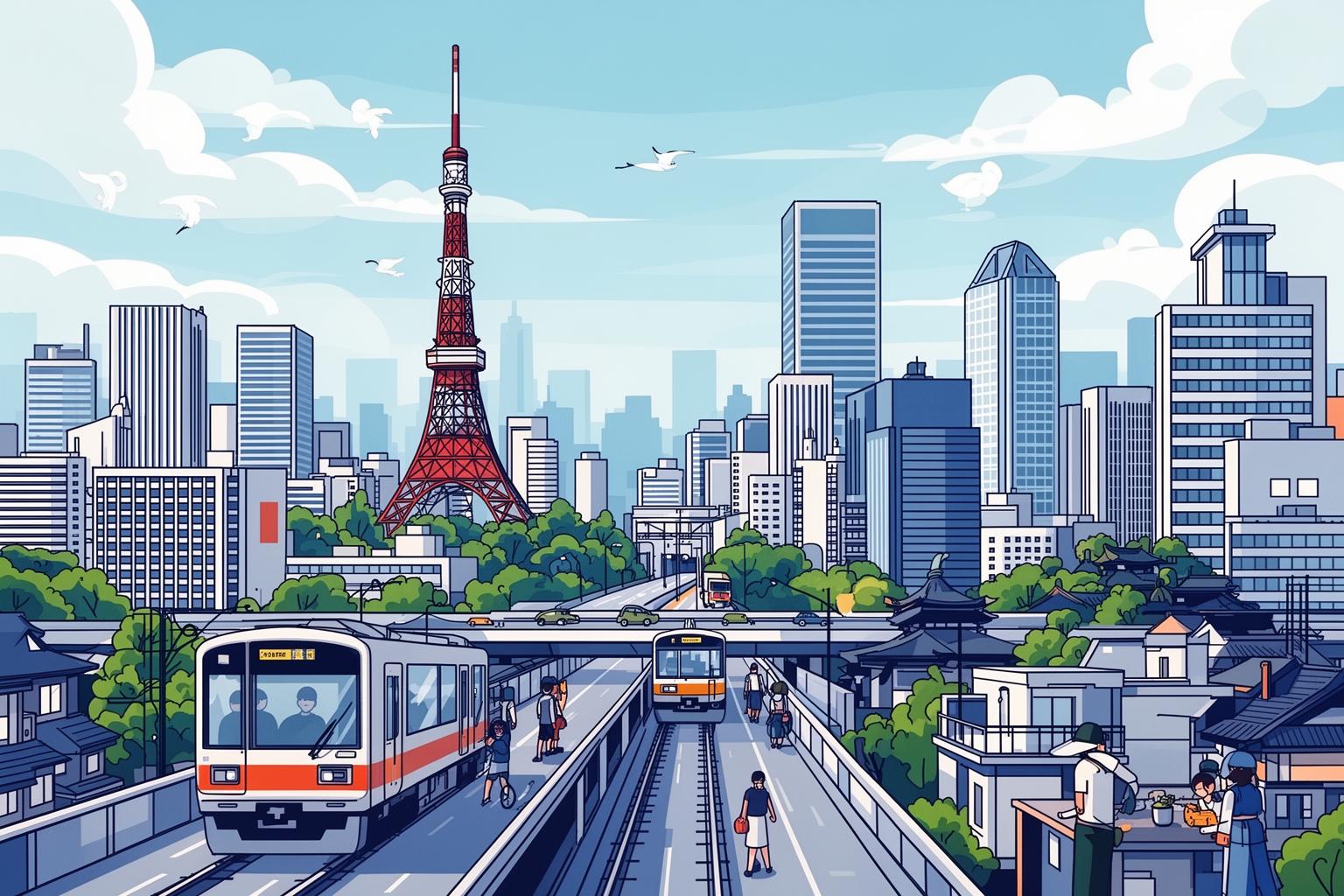
To follow in the footsteps of Toru, Naoko, and Midori is to understand that the Tokyo of Norwegian Wood is more than just a backdrop; it is a living, breathing presence that shapes and is shaped by their lives. The journey through its streets, campuses, and parks is ultimately an inner one. You might not locate the exact dormitory where Toru lived or the Udon restaurant he often visited, but you will surely discover the feeling. It emerges in the quiet hum of a university library, the laughter of strangers in a Kichijoji alley, and the deep silence of a traditional garden. This pilgrimage serves as a reminder that the most powerful stories blur the boundaries between fiction and our own lived experience. They offer a new perspective on the world, turning a simple walk through a city into a profound and personal journey. You arrive in Tokyo in search of the world depicted in a book, and you depart having found a piece of your own story mirrored in its streets. The phantom you pursued becomes a part of you, and the city itself transforms into a novel you can revisit time and again, with each visit unveiling a new, undiscovered chapter.