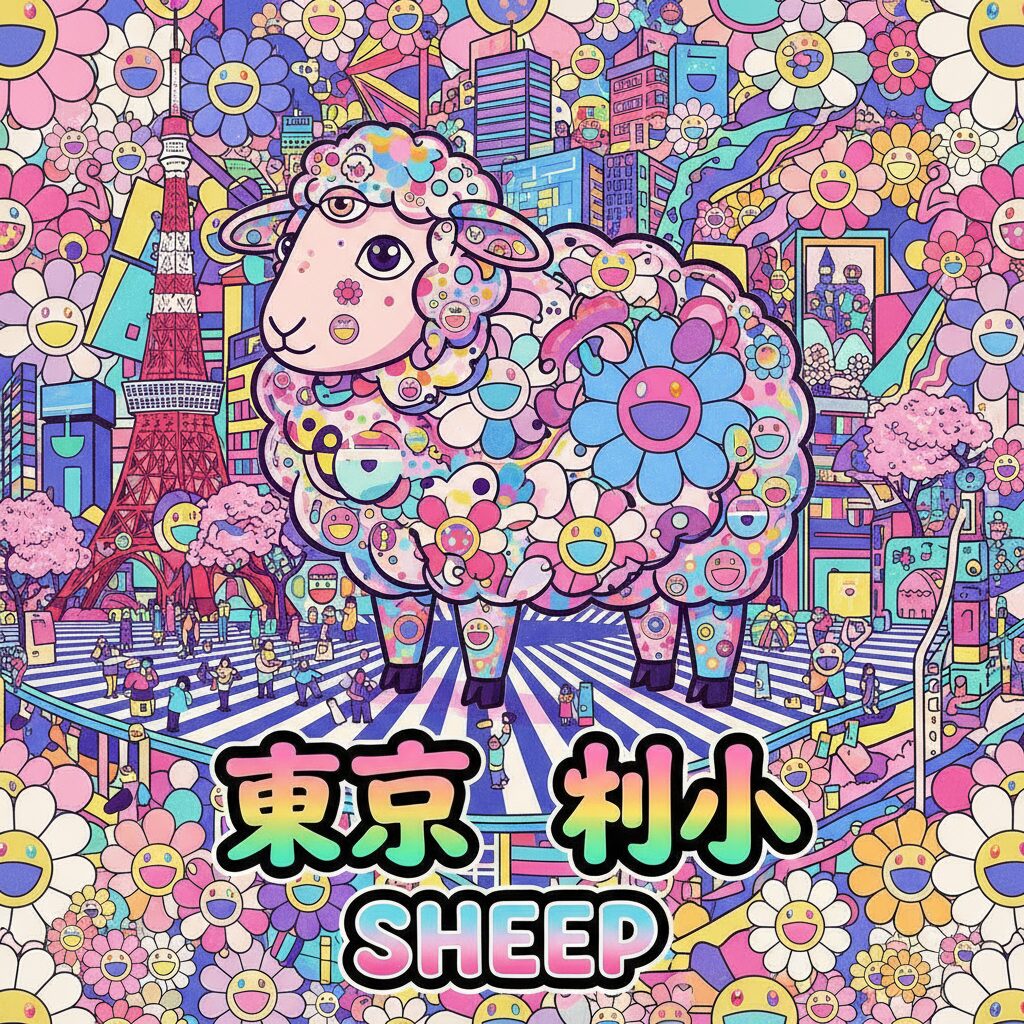
There’s a certain frequency to Haruki Murakami’s Tokyo. It’s a low hum beneath the surface of the world’s most sprawling metropolis, a frequency tuned to the sound of late-night jazz, the lonely splash of a swimmer in a pool, the quiet padding of a cat disappearing down a narrow alley, and the unsettling feeling that another, slightly different world exists just beyond your periphery. To read Murakami is to wander through this city of uncanny possibilities. His characters don’t just inhabit Tokyo; they are shaped by its specific blend of overwhelming modernity and deep, lingering tradition. They drink coffee in its kissaten, run through its parks, and lose themselves in its labyrinthine train stations, all while searching for something they can’t quite name—a lost lover, a talking cat, a peculiar sheep, or perhaps a missing piece of themselves. This journey is not about finding precise filming locations or picture-perfect replicas from a movie scene. It is a pilgrimage of atmosphere, a quest to step inside the pages and feel the unique, melancholic, and magical current that flows through the city’s veins. It’s a search for the wells, both literal and metaphorical, that lead to another side. For those of us captivated by his universe, Tokyo becomes more than a destination; it transforms into a living, breathing character, a landscape of profound solitude and unexpected connections. This guide is your map to that other Tokyo, the one that whispers from the pages of his novels. Let’s get lost together.
To further explore the labyrinthine echoes of his fiction, consider reading about A Labyrinth of Dreams: Chasing Haruki Murakami’s Echoes Through Tokyo.
The Student Years: Waseda and Shinjuku’s Resonance
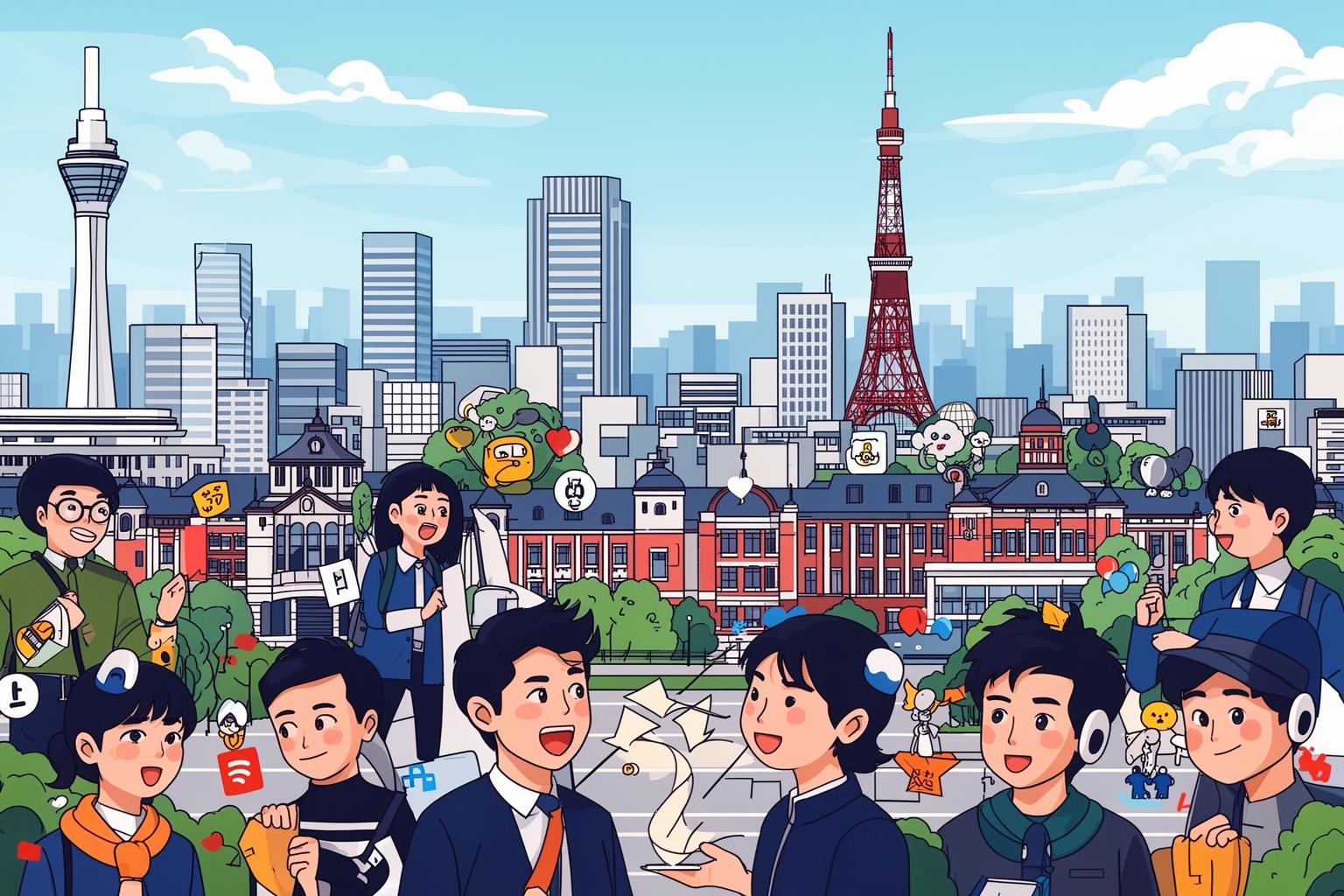
The origins of many of Murakami’s central themes—youthful idealism, loss, and the captivating power of memory—can be traced back to the landscapes of his own university years. The surroundings of Waseda and the nocturnal labyrinths of Shinjuku form the setting for his breakthrough novel, Norwegian Wood, and their atmospheres continue to resonate throughout his subsequent works. Walking here means treading on ground steeped with the ghosts of student protests, intellectual debates, and formative experiences that would eventually blossom into literary worlds.
Traces of ‘Norwegian Wood’ in Waseda
Waseda is more than just a university; it is an institution that has deeply influenced modern Japanese literature and thought. Stepping off the Tozai Line into the neighborhood, you feel a shift in energy. The air pulses with youthful dynamism, yet it is tempered by a century of academic tradition. The main campus itself is an intriguing mix of architectural styles, from the grand gothic Ōkuma Auditorium to the more functional classroom buildings. This was the world inhabited by Toru Watanabe, the protagonist of Norwegian Wood. As you stroll through the leafy grounds, it’s easy to picture him sitting on a bench, absorbed in a book, wrestling with the heavy burden of his past and the uncertainties of his future. The novel is soaked in the specific melancholy of this era—a time of profound social upheaval in late-1960s Japan—and the campus feels like a living museum of those hopes and anxieties. One of the most tangible links is the Tsubouchi Memorial Theatre Museum, or ‘Enpaku’ as it’s known. Its distinctive red-and-white, quasi-Elizabethan style is mentioned in the novel and stands as a proud, slightly quirky landmark on campus. Visiting the museum, which houses a vast collection of theatrical artifacts, you can almost sense the presence of characters—students navigating love and death amid a backdrop of intellectual ferment. The true magic of Waseda, however, lies in the surrounding neighborhood. The streets form a maze of secondhand bookstores, affordable eateries catering to students, and quiet residential lanes. This is where the feeling of the novel is best captured. Spending an afternoon in one of the old kissaten, a traditional coffee shop with dark wood paneling and the faint scent of stale cigarette smoke, provides an ideal setting to reread a chapter or two. Life here moves slower than in the bustling commercial centers of the city, allowing the kind of introspection so central to Murakami’s writing. It’s a place to reflect on the fragile, fleeting nature of youth and the indelible marks it leaves on the soul.
Shinjuku’s Maze: Golden Gai and Jazz Bars
If Waseda represents the contemplative, intellectual side of Murakami’s early world, Shinjuku is its chaotic, nocturnal, and profoundly human counterpart. A short train ride away, Shinjuku Station is an overwhelming giant, a sprawling hub through which millions pass daily. It epitomizes the urban alienation many of his characters experience. Yet, hidden within this concrete jungle are pockets of tremendous warmth and history, none more so than the famed Golden Gai. Nestled in a corner of Kabukicho, Tokyo’s red-light district, Golden Gai is a preserved fragment of post-war Tokyo. It consists of six narrow, gas-lit alleys filled with over two hundred tiny bars, some so small they seat only five or six people. Entering Golden Gai feels like stepping onto a film set. The ramshackle two-story buildings are wrapped in a tangle of electrical wires and decorated with fading signs and glowing paper lanterns. The air buzzes with murmurs spilling out from behind tiny sliding doors. This is the spiritual home of the smoky, intimate bars featured in Murakami’s fiction—places where characters share secrets, listen to records, and drink whiskey until the early morning. While Golden Gai is not always named explicitly, its essence permeates his work. Visiting demands a certain etiquette—these are not tourist traps but cherished local haunts, each with a unique theme and regular patrons. Many charge a small cover fee, and it’s best to find a spot with an open door and welcoming vibe. Once inside, you become part of an intimate, fleeting community. This experience perfectly embodies the Murakamian theme of discovering transient connections amid urban anonymity. Nearby lies another key element of his world: the jazz bars. Murakami himself ran a jazz bar, Peter Cat, before he became a full-time writer, and his love of jazz breathes life into every novel. Shinjuku hosts some of Tokyo’s legendary jazz venues, notably Dug, a basement bar spinning vinyl since 1967. It feels untouched by time, a subterranean refuge devoted to the masters of bebop and cool jazz. Descending its narrow stairs, you leave behind the neon chaos of Shinjuku and enter a realm of sound and shadow. The music takes center stage, and patrons listen in quiet reverence. It is in places like this that one can truly grasp the soundtrack of his universe—the improvisational, soulful, and slightly melancholic melodies mirroring the lives of his wandering protagonists.
Central Tokyo’s Literary Heartbeat: Aoyama and Jingu Gaien
Leaving behind the raw energy of Shinjuku, we enter the more refined and elegant core of the city. The districts of Aoyama, Harajuku, and the sprawling Meiji Jingu Gaien park showcase a different aspect of Murakami’s Tokyo. This is the city of his adulthood—a realm of quiet wealth, artistic endeavors, and disciplined habits. It is the setting for his later works like 1Q84 and his meditations on running, where the surreal frequently emerges from the most ordinary and orderly environments.
The Jingu Gaien Ginkgo Avenue: A Runner’s Retreat
For readers of Murakami’s moving memoir, What I Talk About When I Talk About Running, the Jingu Gaien area carries special meaning. This is his familiar ground, where he has exercised for decades, transforming running into a profound metaphor for a writer’s life. At its heart is the stunning Ginkgo Avenue, a long, straight road bordered by carefully trimmed ginkgo trees. Each late autumn, usually by the end of November, the avenue bursts into a breathtaking canopy of vivid yellow-gold leaves—one of Tokyo’s most iconic seasonal views. To run or stroll along this path is to partake in a ritual deeply tied to his creative process. Murakami describes the discipline, solitude, and meditative mindset that running fosters, enabling him to delve into the depths of his consciousness. Nearby, the Jingu Rubber Baseball Fields hold sacred significance. It was here, in the stands during a 1978 baseball game, that he experienced a sudden, inexplicable epiphany: he could write a novel. That instant, marked by the crack of bat meeting ball, altered the trajectory of his life and modern literature. Standing here, in this seemingly ordinary spot, one can sense the gravity of that singular moment of inspiration. The area offers more than just running trails; it is a spacious public refuge from the city’s density, a place of calm and order where people gather to clear their minds and engage in simple physical activity. This environment of focused solitude is a crucial element of his work. It is within such quiet, uncluttered moments that his characters frequently attain their deepest insights or encounter the subtle intrusion of the surreal into their reality.
Aoyama’s Refined Elegance and Hidden Histories
Aoyama, bordering Jingu Gaien Park, perhaps best embodies the aesthetic of Murakami’s later protagonists. Known for its upscale fashion boutiques, contemporary art galleries, and architectural gems, it exudes a restrained and understated sophistication. This is not the flashy consumerism of Shibuya but rather a more discerning, mature world. Characters such as Aomame from 1Q84, with her meticulous lifestyle and sharp attention to detail, would feel perfectly at home here. Exploring from the main artery of Aoyama Dori into its quieter side streets reveals a world of hidden treasures. The Nezu Museum, with its remarkable collection of Japanese and East Asian art and its exquisite traditional garden, epitomizes the spirit of Aoyama. It offers a serene and beautiful escape, a place where one could easily picture a Murakami character spending an afternoon away from the pressures of their strange reality. The garden—a lush oasis of stone pathways, tea houses, and winding streams—feels like a small, self-contained universe, a classic Murakami theme. This neighborhood also carries the lingering spirit of his past life as a jazz bar owner. Before relocating to Sendagaya, his second Peter Cat jazz bar was situated here. Though the physical bar no longer exists, its essence continues to influence the area’s cultured, slightly bohemian atmosphere. In Aoyama, the boundary between the ordinary and the extraordinary feels particularly thin. The sleek, modern façades conceal complex inner worlds, much like his characters. This is a place that invites close observation, encouraging a focus on subtle details and contemplation of the secrets hidden beneath the polished surface. Visiting here means absorbing an atmosphere of controlled calm—a pregnant silence where two moons might quietly appear in the evening sky without raising a stir.
The Legend of Peter Cat
No Murakami pilgrimage is complete without recognizing the significance of Peter Cat, the jazz bar he ran with his wife, Yoko, from 1974 to 1981. It was the forge where his literary aspirations were shaped. The first Peter Cat was located in Kokubunji, a suburb in western Tokyo, reflecting his early, more bohemian years. However, the better-known venue was in Sendagaya, a tranquil neighborhood nestled between the bustling Shinjuku and the refined Aoyama. The bar occupied a basement space, cozy and dimly lit, filled with the sounds of John Coltrane, Miles Davis, and Billie Holiday. It was here, late at night after patrons had left, that he penned his first two novels, Hear the Wind Sing and Pinball, 1973. Murakami describes running the bar as his ‘school,’ teaching him about human nature, perseverance, and life’s rhythms. Although the bar is long gone, the neighborhood remains. Sendagaya retains a quiet, residential charm, with small apartment buildings, local shops, and a strong sense of community. Walking its streets evokes the life he led before fame—a life rooted in hard work, good music, and the growing dream of becoming a writer. It serves as a reminder that his fantastical worlds are always grounded in very real, deeply human experiences.
Suburban Scenes and Alternate Realities
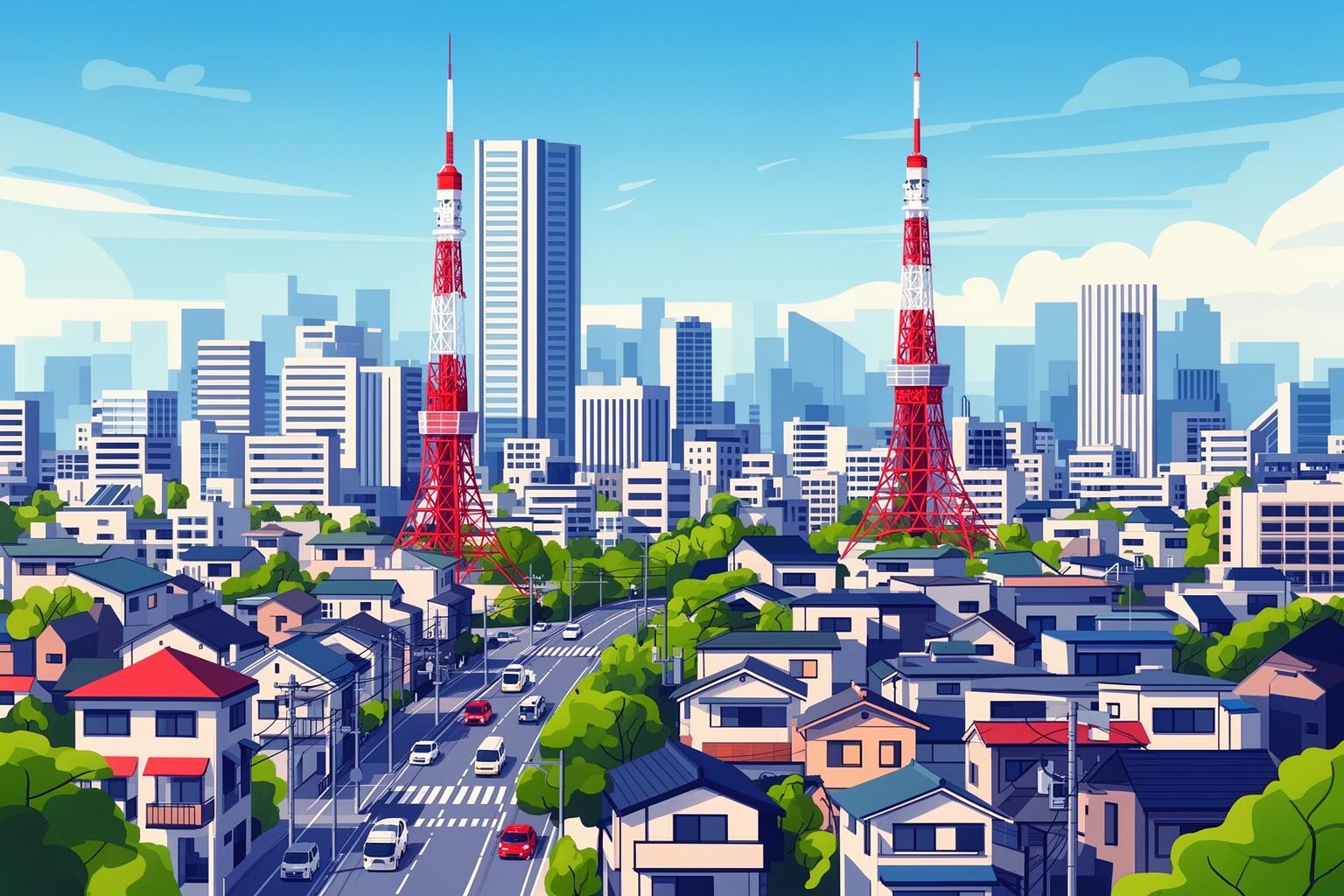
While the bright lights of central Tokyo create a memorable backdrop, much of the uncanny magic in Murakami’s novels unfolds in the quiet, seemingly ordinary suburbs. These residential neighborhoods, with their maze-like streets, hidden shrines, and the constant hum of commuter trains, are where the everyday world often fractures to reveal something strange beneath the surface. It is in these areas, away from famous landmarks and tourist routes, that one can truly search for the essence of his literature.
The Wells of The Wind-Up Bird Chronicle in Setagaya
Setagaya, a sprawling residential ward in western Tokyo, serves as the spiritual setting for one of Murakami’s masterpieces, The Wind-Up Bird Chronicle. The novel’s protagonist, Toru Okada, leads a quiet domestic life here until his search for a missing cat plunges him down a rabbit hole—or rather, a dry well—into a realm of strange characters, wartime horrors, and alternate realities. Though the exact neighborhood is fictionalized, the atmosphere of Setagaya is captured perfectly. This is quintessential suburban Tokyo: a dense tangle of narrow streets, two-story homes with small gardens, and an overwhelming sense of normalcy. Exploring Setagaya is an exercise in ‘aimless walking,’ a cherished pastime of Murakami’s characters. There are no major destinations here; instead, the joy lies in getting deliberately lost. You might stumble upon a tiny local park with children’s swings, a forgotten Shinto shrine nestled between houses, or the intricate network of railway crossings so prominent in his imagery. It’s the ideal setting for the surreal intrusions that define his work. The dry well, which serves as the novel’s gateway to another dimension, is a potent symbol of the hidden depths lurking beneath our daily lives. As you wander Setagaya, you can’t help but peek into gardens, half-expecting to discover your own metaphorical well. For a tangible point of interest that captures the area’s slightly quirky, mystical atmosphere, a visit to Gotokuji Temple is highly recommended. Although not directly linked to Murakami, this Buddhist temple is famous for its astonishing collection of thousands of maneki-neko, or ‘beckoning cat’ figurines. The sight of these white cats raising their paws in good fortune is both charming and deeply surreal—a tableau perfectly suited to Murakami’s world.
Jinbōchō: The Kingdom of Books
If there is one place in Tokyo that feels like the interior of a Murakami character’s mind, it is Jinbōchō. Known as Tokyo’s ‘book town,’ this district is a paradise for bibliophiles. The streets are lined with over 150 bookstores, many specializing in secondhand and rare editions. The air here literally carries the scent of old paper and ink. For an author whose characters are often voracious readers, discovering solace, clues, and entire worlds within books, Jinbōchō is a sacred place. Walking through this neighborhood is a delightfully analog experience in a hyper-digital city. You can spend hours browsing towering shelves, finding everything from pre-war Japanese literature to obscure foreign-language paperbacks. Storefronts often feature shelves facing the street, protected from the sun by cloth awnings, creating a ‘corridor of books’ for passersby. Many shops have been family-run for generations, with owners who possess encyclopedic knowledge of their collections. It is exactly the kind of place where a character from Kafka on the Shore might hide out, or where the protagonist of Hard-Boiled Wonderland and the End of the World would search for information about unicorn skulls. This neighborhood honors the physical book—the history, texture, and power it holds to transport. The atmosphere is quiet, scholarly, and deeply reverent. It feels like a sanctuary for the imagination, a place where stories are preserved and given new life. Visiting here is not just about buying books; it is an homage to the power of literature that lies at the heart of Murakami’s universe.
A Practical Pilgrim’s Almanac
Exploring Murakami’s Tokyo is less about following a strict itinerary and more about adopting a particular mindset. Nevertheless, a few practical tips will help make your journey smoother and more fulfilling, allowing you to fully absorb the distinctive atmosphere of each spot.
Getting Around the Metropolis
Tokyo’s public transportation system is a marvel of both efficiency and complexity, serving as your gateway to the city. The main networks you’ll rely on are the JR East lines (such as the central Yamanote loop), the Tokyo Metro, and the Toei Subway. All the locations mentioned in this guide are easily reachable by train or subway. For first-time visitors, the best advice is to get a prepaid IC card like Suica or Pasmo. These rechargeable cards work on nearly all trains, subways, and buses, sparing you the need to buy individual tickets for each trip. Just tap the card on the reader at the gate and go. They’re also accepted at convenience stores and vending machines. Apps like Google Maps or Japan Transit Planner are essential for navigating the network, offering accurate train schedules, platform details, and transfer information. Don’t be overwhelmed by the huge station maps; the system is very well marked in English. Embrace the train rides. Traveling by rail, watching the city speed past, is an essential part of the Tokyo experience and appears repeatedly in Murakami’s novels.
The Essential Toolkit
Your most important item is a comfortable pair of walking shoes. This pilgrimage involves extensive walking—aimless wandering through neighborhoods and getting delightfully lost. Be ready to cover plenty of ground by foot. Next, bring a copy of your favorite Murakami novel. Finding a quiet spot in a Waseda park or a jazz bar in Shinjuku to reread a familiar passage creates a deep connection between the text and its setting, bringing the whole experience to life. A notebook and pen are also handy. Murakami’s Tokyo encourages reflection, and you may want to jot down observations, emotions, or ideas as you explore. Finally, carry an open and curious mind. The aim isn’t to tick off a checklist but to be open to the city’s vibe. Be ready to stray from your plan, follow an intriguing alleyway, or spend a whole afternoon in one coffee shop if it feels right. The magic lies in these unexpected discoveries.
The Right Mindset: Seeking Atmosphere, Not Exact Matches
It’s important to keep in mind that Haruki Murakami is a fiction writer. His settings are often composites colored by his memories and imagination. You won’t find the exact apartment from 1Q84 or the precise dry well from The Wind-Up Bird Chronicle. Trying to locate literal one-to-one matches is a futile pursuit that leads only to frustration. Instead, this journey aims to capture the feeling. It’s about grasping why Murakami chose a particular type of neighborhood as a backdrop. It means tuning into the unique ‘music’ of a place—the quiet solitude of Jingu Gaien, the intellectual energy of Waseda, the nostalgic melancholy of a basement jazz bar. The pilgrimage succeeds when you stand on a street corner in Setagaya and suddenly sense the deep loneliness of Toru Okada, or when a jazz standard in Shinjuku transports you to the world of South of the Border, West of the Sun. Think of yourself not as a tourist but as a literary detective, hunting for emotional clues and atmospheric threads Murakami has woven into Tokyo’s fabric.
Finding Your Own Story in Murakami’s Tokyo
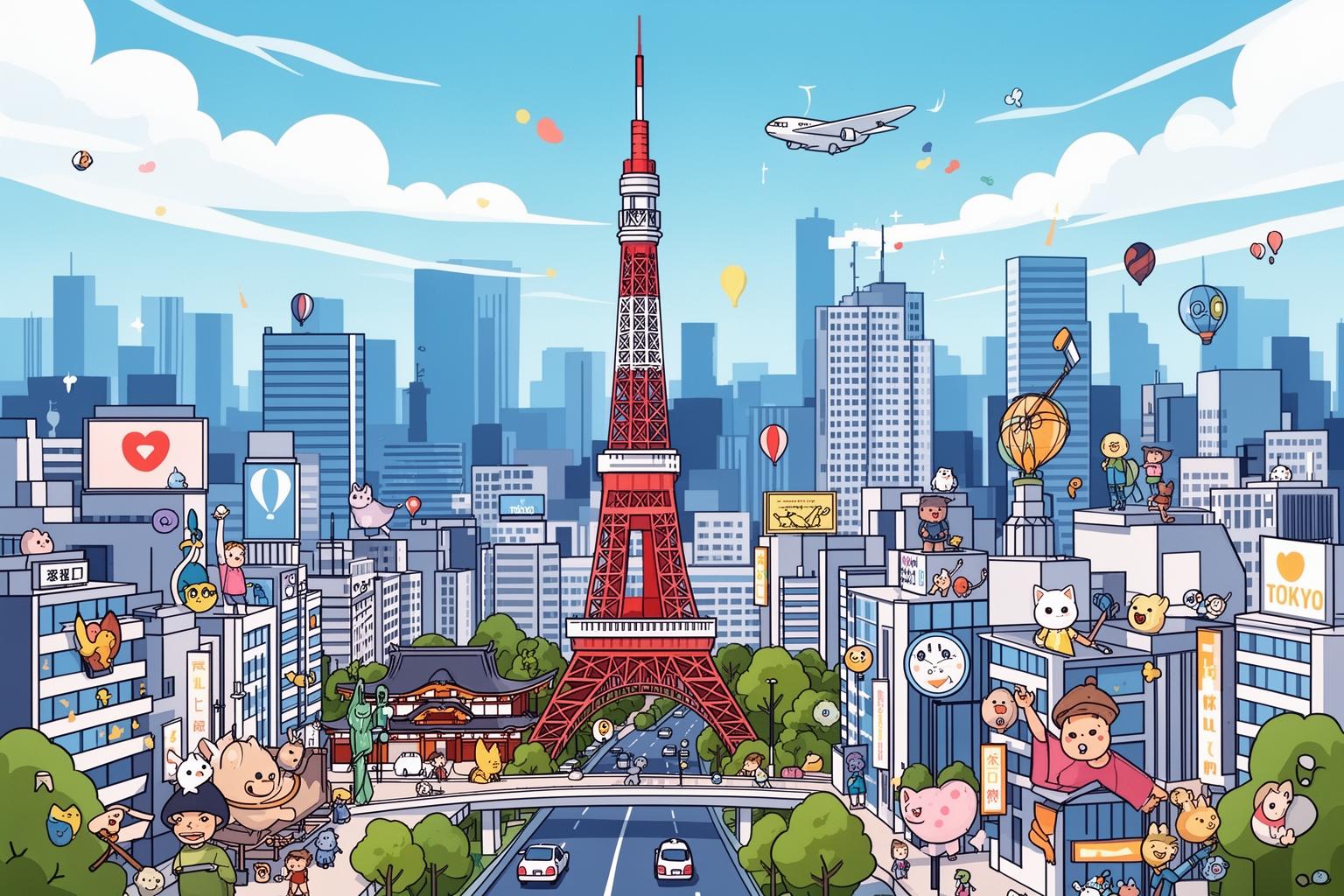
A journey through Haruki Murakami’s Tokyo ultimately becomes a journey inward. As you follow the footsteps of his characters, from the student hangouts of their youth to the quiet suburban scenes of their adulthood, you begin to view the city through a fresh perspective. The ordinary turns magical, the silence gains meaning, and the winding streets start to resemble a map of the human subconscious. This is not a city defined by grand monuments in the usual sense; its sacred places are the tranquil parks where runners find their pace, the basement bars where music offers solace, the secondhand bookstores holding the stories of a thousand lives, and the humble neighborhoods where reality feels just slightly thin. You arrive in Tokyo seeking Murakami, but you leave having discovered a part of yourself. The greatest homage you can pay to his work is to adopt his approach: to walk, to observe, to listen, and to let yourself get lost. Find your own Peter Cat, your own metaphorical well, your own enigmatic woman on a park bench. Let the city cast its strange spell on you. Ultimately, Murakami’s greatest gift is not only his stories, but the way he teaches us to perceive the profound and surreal possibilities simmering just beneath the surface of our ordinary lives. Tokyo is his canvas, but the story you uncover here will be uniquely your own.