There’s a certain kind of magic that Hayao Miyazaki bottles in his films, a potent blend of wonder, respect for nature, and a touch of ancient melancholy. For years, fans of Studio Ghibli have dreamed of stepping into those hand-painted worlds, of walking beneath colossal trees and feeling the quiet hum of a forest that remembers the dawn of time. That dream, it turns out, has a real-world address. It’s an island cloaked in mist and draped in moss, a place where the rain feels like a constant blessing and the trees are older than nations. This is Yakushima, a subtropical jewel floating off the southern coast of Kyushu, Japan. It’s more than just a beautiful island; it is the deep, primordial soul that gave birth to the hauntingly beautiful landscapes of the animated masterpiece, Princess Mononoke. To visit Yakushima is to walk through the very heart of Miyazaki’s inspiration, to feel the presence of the forest spirit Shishigami in the dappled light, and to hear the rustle of the mischievous Kodama in the whispering leaves. It’s a pilgrimage not just for anime lovers, but for anyone who feels the pull of the wild, untamed corners of the earth. Prepare for an adventure that will stain your boots with mud and your memory with the most profound shades of green you have ever witnessed.
Embark on another enticing adventure as you delve into the Tokyo labyrinth, where the urban sprawl reveals secret narratives echoing the mystique of ancient forests.
The Call of the Ancient Woods – Why Yakushima Captivates
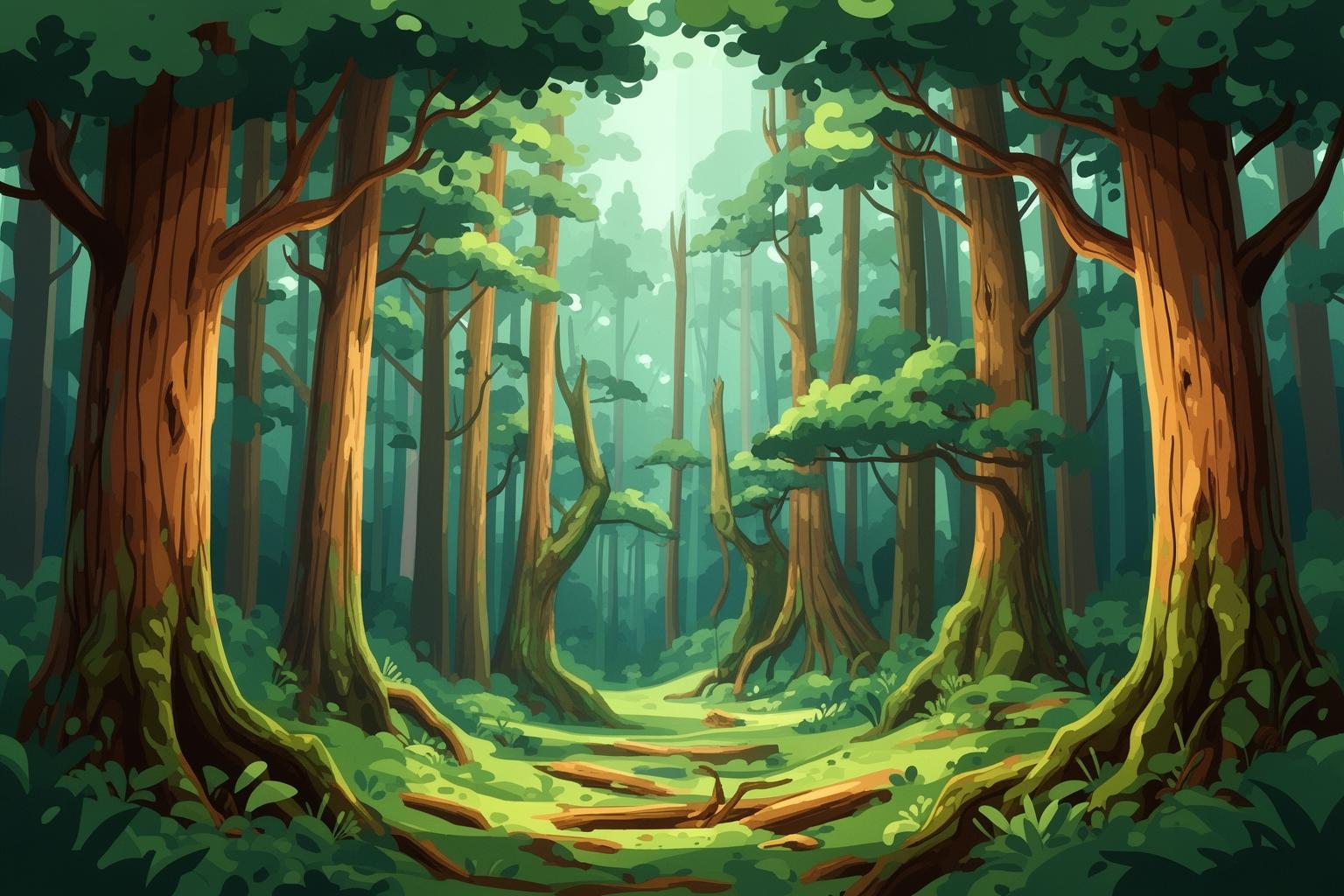
The allure of Yakushima is a rich tapestry woven from strands of cinematic fantasy, ecological marvel, and deep history. It’s an island that follows a different rhythm of time, where a human lifespan feels fleeting against the backdrop of millennia-old giants. While the connection to Studio Ghibli often draws international visitors initially, the island’s own compelling story quickly takes center stage, captivating travelers with a magic all its own.
A Living Studio Ghibli Set
The moment you step onto a moss-covered path, the resemblance is unmistakable. This is the world of Princess Mononoke. The twisted roots of the Yakusugi cedars, snaking over granite boulders like ancient serpents, are the very trails where Ashitaka rode his red elk, Yakul. The impossibly thick, velvety carpet of moss covering every surface—rocks, fallen logs, tree branches—glows with an emerald light, just as in the film’s most iconic moments. It’s in these quiet, damp corners of the forest, especially within the Shiratani Unsuikyo Ravine, that you half-expect to see the little white heads of the Kodama twitch and turn. The atmosphere is so saturated with this animated memory that the line between reality and fantasy feels wonderfully and thrillingly blurred. You find yourself moving quietly, listening carefully, not merely as a hiker but as an explorer in a sacred, animated realm made real.
A Sanctuary of Time
Beyond its cinematic fame, Yakushima is a designated UNESCO World Natural Heritage site for very good reasons. It shelters some of the oldest trees on Earth. The term Yakusugi refers to the island’s native cedar trees that have lived for over a thousand years. Standing in their presence is a humbling experience. These are not simply trees; they are living monuments, silent witnesses to centuries of history. The most famous is the Jomon Sugi, an immense giant estimated to be between 2,000 and 7,200 years old. Reaching it requires a strenuous, all-day pilgrimage, but the trek itself is a meditation on time. As you walk, you enter a world untouched by modern rush, where growth is measured in centuries rather than seasons. This profound sense of age saturates the whole island, grounding you like few other places can.
More Than Just a Forest
While the ancient cedar forests are the island’s primary attraction, Yakushima’s biodiversity is extraordinary. This single island contains a range of climates, from subtropical along the coast to subarctic on its highest peaks. This vertical vegetation gradient produces a remarkable variety of ecosystems. The forests are home to Yakushika deer and Yakuzaru monkeys, who roam with an inviting indifference to human visitors, often appearing on trails as if to guide the way. Along the coast, pristine white sand beaches such as Nagata Inakahama serve as crucial nesting grounds for endangered loggerhead and green sea turtles. Rushing rivers carve granite gorges, creating spectacular waterfalls that crash into clear, cool pools. Yakushima is not just one destination; it’s an entire world of natural wonders condensed into one small, potent island.
Charting Your Quest – Navigating the Mystical Island
Reaching an enchanted island involves a bit of travel, and Yakushima is no exception. Its relative seclusion adds to its charm, preserving its distinctive character. Careful planning of your logistics is an essential part of the journey, ensuring that once you arrive, you can fully immerse yourself in the island’s magic without worrying about practical details.
Accessing the Enchanted Isle
The primary gateway to Yakushima is Kagoshima, the southernmost major city on Japan’s main island of Kyushu. From there, you have two main options. For those pressed for time, several daily flights connect Kagoshima Airport to Yakushima Airport in about 40 minutes. The flight is quick, scenic, and delivers you directly onto the island, ready to explore. Alternatively, for a more nautical and budget-friendly route, ferries are an excellent choice. The high-speed hydrofoil, popularly called the ‘Toppy’ or ‘Rocket,’ crosses the water in around two to three hours, offering a comfortable and fast journey. The slower car ferry is the most economical option, taking about four hours but allowing you to bring a rental car from the mainland, which can sometimes be less expensive than renting on the island. Whichever method you choose, booking ahead—especially during peak times like Golden Week in spring or Obon in summer—is crucial, as transport fills up quickly.
Navigating Yakushima’s Winding Roads
Once you arrive, you’ll quickly notice that Yakushima is larger and more mountainous than it appears on maps. Public transport consists of a bus system running around the island, but services can be infrequent, particularly to remote trailheads. For true freedom and flexibility to explore at your own pace, renting a car is by far the best option. It lets you visit sunrise spots, chase waterfalls spontaneously, and reach trailheads before the tour buses arrive. Be prepared for narrow, winding roads, especially in the mountainous interior, and watch out for local wildlife—deer and monkeys frequently cross roads without hesitation. If you aren’t comfortable driving, combining the local bus with pre-booked taxis can work, or you might opt for a guided tour. Many local guides offer private or small-group tours that handle transportation and provide invaluable insights into the island’s ecology and folklore.
Where to Stay
Yakushima’s accommodations are mainly concentrated in the two primary port towns: Miyanoura to the north and Anbo to the east. Here, you’ll find a variety of options, from modern hotels with ocean views to cozy, family-run guesthouses known as minshuku. Staying in a minshuku offers a wonderful way to experience Japanese hospitality; hosts often prepare amazing meals using local ingredients and are a great source of island knowledge. For those seeking more solitude, there are rental cottages and eco-lodges scattered in quieter areas. As with transportation, booking your lodging well in advance is essential. Yakushima’s popularity, combined with limited accommodations, means the best spots are often reserved months ahead. Consider your planned hikes: staying near Anbo is convenient for the Jomon Sugi trek, while Miyanoura provides easy access to the Shiratani Unsuikyo Ravine.
The Heart of the Forest – Essential Yakushima Trails
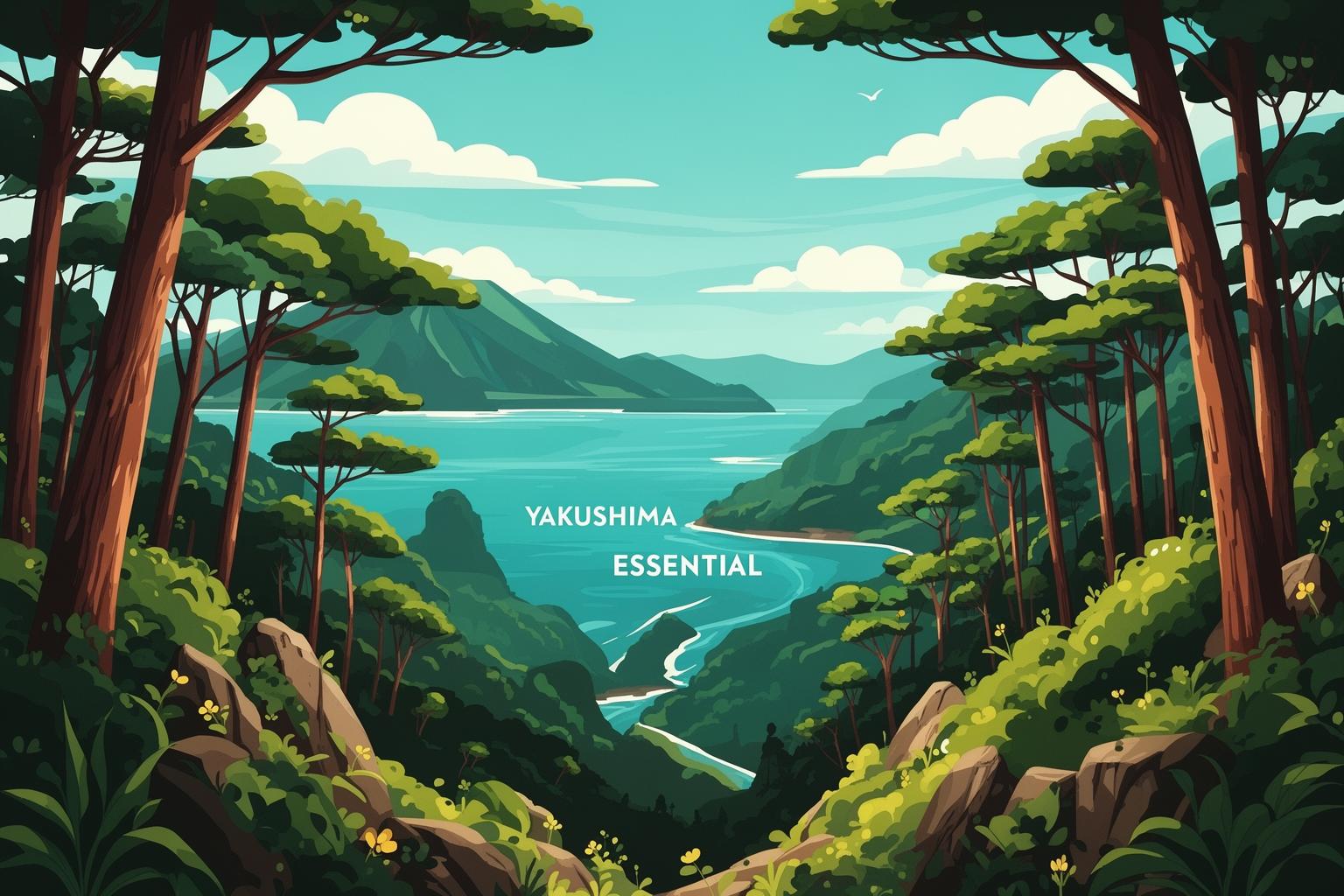
This is where your true journey begins. The hiking trails of Yakushima are more than just paths; they serve as gateways into the island’s ancient spirit. Each trail presents a unique experience, a different level of difficulty, and a fresh perspective on the primeval forest. Putting on your hiking boots and stepping into the woods is the quintessential Yakushima adventure—a moment of genuine immersion in the world that so inspired Miyazaki.
Shiratani Unsuikyo Ravine – The Moss Forest Primeval
If there is one place on Yakushima that truly embodies Princess Mononoke, it is the Shiratani Unsuikyo Ravine. Known as the “Moss Forest,” this area is so lushly green it feels almost otherworldly. The air remains cool and moist, carrying the scent of earth and decaying leaves. The soundscape is a gentle symphony of dripping water and the soft murmur of the ravine’s stream.
Walking with the Kodama
The ravine offers several well-marked trails of varying lengths, making it accessible for hikers of all skill levels. The shorter loops lead through the most famous moss-covered areas, where every rock and fallen branch forms a miniature ecosystem. Trails wind across picturesque wooden bridges and beside crystal-clear mountain streams. The centerpiece for many is the Kokemusu-no-mori, or “Moss-covered Forest,” which directly inspired the film. For the best view and a true sense of scale, a hike up to Taikoiwa Rock is essential. This steep but rewarding climb breaks through the dense forest onto a massive granite boulder, providing a breathtaking panoramic view of the island’s mountainous interior. From this vantage, looking out over an endless sea of green, you can fully appreciate the vastness and wildness of Yakushima.
Practical Information for the Ravine
There is a small forest entry fee used to maintain the trails. It’s best to arrive early in the morning, ideally right when the park opens, to enjoy the forest in relative solitude before larger tour groups arrive. The trails consist of wooden boardwalks, stone steps, and natural paths, all of which can become very slippery, especially after rainfall. Sturdy, waterproof hiking boots with good traction are essential. And speaking of rain, a full set of waterproof gear—jacket and pants—is a must, regardless of the forecast. The ravine’s beauty is often heightened by mist and rain, so don’t let a downpour keep you away.
The Pilgrimage to Jomon Sugi – A Test of Endurance
For serious hikers, the trek to see Jomon Sugi is the ultimate pilgrimage. This is no casual stroll; it’s a demanding, 10 to 12-hour round-trip hike designed to test your physical and mental endurance. But the reward is a close encounter with a living being of almost unimaginable age.
An Epic Journey Through Time
The hike begins in darkness, hours before dawn. The first couple of hours are spent walking along an abandoned logging railway line, the Anbo Forest Railway track. Walking on the wooden railway ties under the dim light of your headlamp is a surreal, meditative experience. After this section, the trail transforms into a challenging mountain hike with steep climbs, wooden staircases, and muddy stretches. Along the way, you’ll pass several other notable Yakusugi, including Wilson’s Stump—the enormous remains of a felled cedar tree large enough to walk inside. Looking up from within the hollow stump reveals a perfectly heart-shaped opening to the sky. The final approach to Jomon Sugi is filled with reverence. The tree itself is protected by a viewing platform to prevent root damage from the thousands of annual visitors. Even from a distance, its immense size, gnarled weathered bark, and aura of great age inspire awe.
Preparing for the Great Cedar
This hike demands serious preparation. You must bring enough food and water for the entire day, as there are no facilities along the trail. Proper hiking gear is essential: well-broken-in hiking boots, layered clothing, and high-quality rain gear. Hiring a local guide is highly recommended. A guide will not only manage the pace and ensure your safety but also greatly enrich your experience by pointing out unique flora and fauna and sharing stories of the forest’s history and mythology. Their knowledge of the mountain’s rhythm can transform a challenging day into a deeply rewarding journey.
Yakusugi Land – A More Accessible Ancient Grove
For those wanting to experience the majesty of ancient cedars without the commitment required for the Jomon Sugi trek, Yakusugi Land offers a perfect alternative. Don’t be misled by the somewhat theme-park-like name; this is a stunning and genuinely wild forest park.
A Family-Friendly Stroll Among Giants
Yakusugi Land features a series of exceptionally well-maintained trails, including extensive wooden boardwalks that make it accessible to visitors of all ages and fitness levels. Several courses range from a simple 30-minute loop to a more ambitious 150-minute hike deeper into the forest. Even on the shortest walk, you can admire impressive thousand-year-old cedars, cross a beautiful suspension bridge over a lively river, and immerse yourself in the tranquil forest atmosphere. It offers a wonderful taste of Yakusugi magic in a far more manageable format, making it an ideal choice for families or those on a tighter schedule.
Beyond the Forest Canopy – Yakushima’s Other Charms
While the forests form the heart of Yakushima, the island’s spirit also embraces its dramatic coastline, thundering waterfalls, and distinctive local culture. Taking the time to venture beyond the treeline reveals a different side of this multifaceted island, offering relaxation, adventure, and a deeper connection to the community that calls this enchanting place home.
Coastal Wonders and Turtle Sanctuaries
Yakushima’s perimeter is fringed by a stunning coastline where mountains meet the sea. Nagata Inakahama Beach on the northwest coast boasts a breathtaking stretch of golden granite sand and serves as the most important nesting site for loggerhead sea turtles in the North Pacific. From May through July, female turtles haul themselves ashore under the cover of darkness to lay their eggs. Local conservation groups organize guided viewing sessions, providing an incredibly moving and respectful way to witness this ancient ritual. For a different kind of coastal experience, visit the island’s unique seaside onsen (hot springs). Hirauchi Kaichu Onsen is a natural hot spring that emerges from the rocks along the seashore and is accessible only for a few hours on either side of low tide. Soaking in the steaming, sulfurous water as the Pacific waves crash just feet away is an unforgettable and quintessentially Japanese experience.
Cascading Waterfalls and River Play
Yakushima’s reputation as one of Japan’s wettest places means it is blessed with numerous rivers and spectacular waterfalls. Two of the most impressive and easily accessible are Senpiro-no-taki and Oko-no-taki. Senpiro-no-taki is a massive cascade plunging down a huge granite monolith, best viewed from an observation deck. Oko-no-taki, on the island’s west side, is among Japan’s top 100 waterfalls; you can walk right up to its base to feel the incredible power and mist of the falling water. During the warm summer months, the island’s crystal-clear rivers become natural playgrounds. Activities like kayaking, stand-up paddleboarding, and ‘shower climbing’ (sawanobori)—an exhilarating Japanese sport involving ascending mountain streams by climbing waterfalls—offer an adventurous way to cool off and enjoy the island’s pristine waterways.
The Flavors of the Island
Exploring Yakushima also means tasting it. The island has a unique culinary identity shaped by its natural bounty. A local specialty found on every menu is flying fish (tobiuo), typically served deep-fried, fins and all, for a dramatic and delicious presentation. The island is also renowned for its citrus fruits, especially the sweet ponkan and tankan tangerines, used in everything from juices and jams to desserts. Don’t leave without sampling the local shochu, a distilled spirit. Distilleries like Mitake produce a beloved potato shochu that perfectly complements a meal of fresh, local ingredients. Dining at a small, family-owned restaurant or at your minshuku offers the best way to savor the authentic, heartwarming flavors of the island.
A Traveler’s Field Guide – Tips for a Seamless Journey
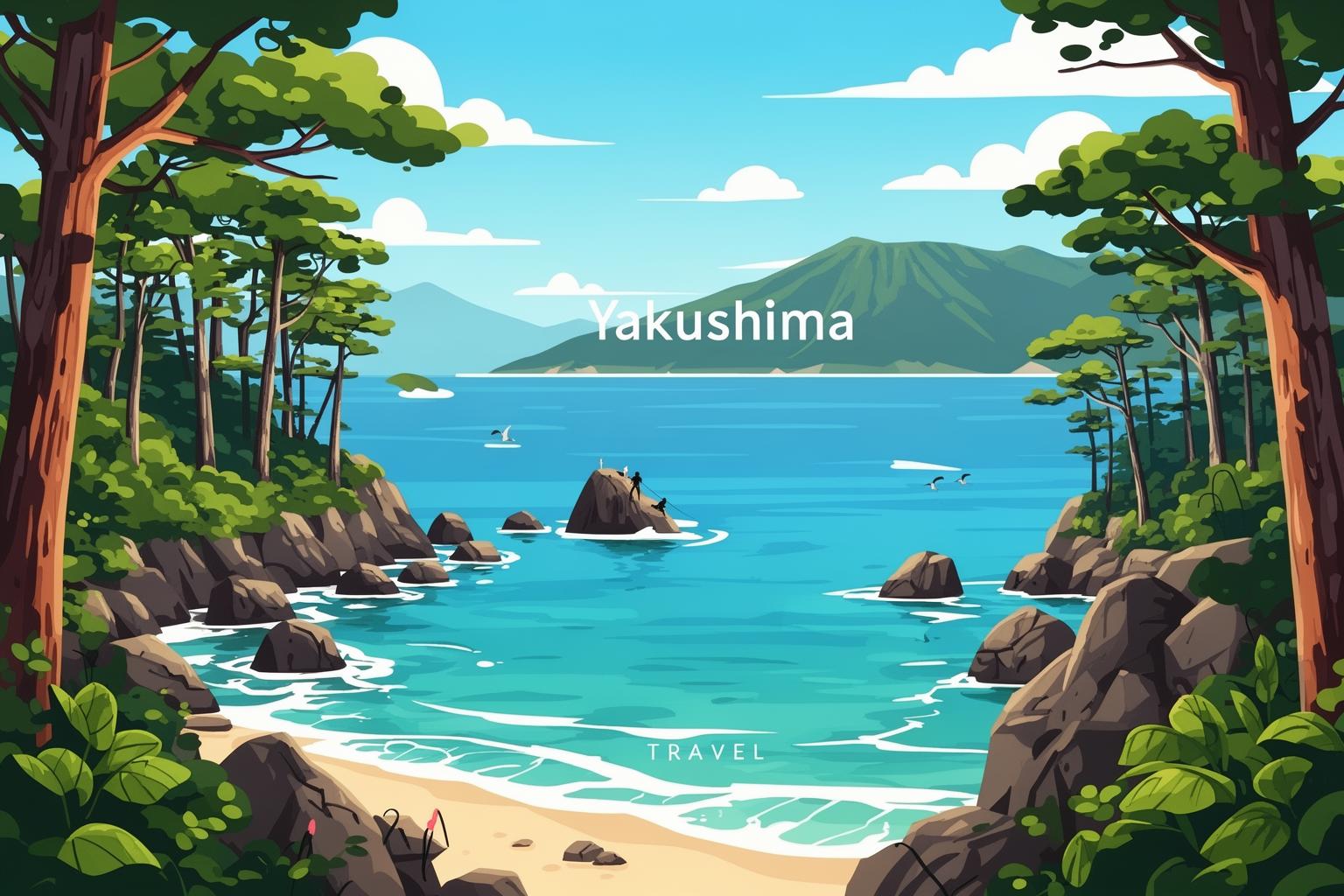
A bit of local knowledge can greatly elevate a good trip into an extraordinary one. Understanding the island’s distinct rhythms, respecting its powerful natural forces, and packing appropriately will help ensure your adventure in the land of the forest spirits is as seamless and enchanting as possible.
The Rhythm of the Rain
There’s a local saying that it rains ’35 days a month’ in Yakushima. While clearly an exaggeration, it highlights a fundamental truth: rain is a constant and defining aspect of the island. Don’t resist it; embrace it. The rain sustains the forest’s life and makes the moss incredibly lush and vibrant. A full set of waterproof gear from head to toe is the most important item you can bring. Many local shops and hotels offer rental gear, but having your own dependable set is advisable. A waterproof backpack or a dry bag is also essential to protect your camera and electronics. When the mist rolls in and the rain starts falling, the forest doesn’t fade — it becomes more mysterious, atmospheric, and truly itself.
When to Visit – Deciphering the Seasons
Yakushima is a destination worth visiting year-round, though each season brings a unique experience. Spring (March to May) is popular, offering pleasant hiking weather, blooming rhododendrons, and the fresh green of new growth. Summer (June to August) is hot, humid, and the height of the rainy season, yet also the time for sea turtle nesting and river activities. Keep in mind that this period is typhoon season. Autumn (September to November) might be the best time to visit, with cooler temperatures, clearer skies, and fewer crowds than spring. Winter (December to February) is quiet and serene. Coastal areas stay mild, but the mountain peaks are snow-covered, providing stunning contrasts and making some high-altitude trails inaccessible without proper winter gear.
Respect for the Spirits of the Forest
When visiting Yakushima, you are a guest in a fragile, sacred environment. The spirit of Princess Mononoke is reflected not only in the scenery but in its message of respect for nature. Practice responsible tourism by sticking to marked trails to avoid damaging delicate moss and root systems. Carry out every piece of trash you bring—there are no bins on the trails. Never feed the wildlife; the Yakushika deer and Yakuzaru monkeys are wild animals, and feeding them disrupts their natural behavior and the ecosystem’s balance. By moving quietly through the forest with respect, you help preserve its beauty for future generations and honor the deep spiritual essence that makes this island so profoundly special.
A Final Echo from the Woods
Leaving Yakushima feels like awakening from a vivid dream. The deep, resonant green of the forest lingers with you, a new hue etched onto your soul. You carry the memory of the fresh, rain-cleansed air, the sound of water flowing over moss-covered stones, and the awe-inspiring presence of trees that have stood for millennia. It is more than a visit to a film location; it is a journey to a place that evokes the world’s enduring, ancient magic. The whispers of the Kodama may fade as you reenter the bustle of modern life, but the quiet strength of the forest endures. You’ll find its peace resonating within you, a silent invitation to slow down, to listen, and to remember the profound and timeless beauty of the natural world.