
The words we cannot say often weigh the heaviest. They build castles around our hearts, locked away until a melody, a friendship, or a shared moment of courage finally provides the key. This is the beautiful, poignant truth explored in the anime film The Anthem of the Heart (Kokoro ga Sakebitagatterunda). The story of Jun Naruse, a girl who has her voice sealed away by a fairy egg to prevent her from hurting others with her words, resonates deeply with anyone who has ever struggled to communicate. But what makes her journey feel so incredibly real, so tangible, is that the world she inhabits is not a fantasy. It is a faithful, loving recreation of two real places in Japan: the city of Chichibu and the neighboring town of Yokose, nestled in the mountainous embrace of Saitama Prefecture.
To visit Chichibu is to step directly into the frames of the film. It’s a journey not just to see filming locations, but to feel the very atmosphere that shaped Jun and her friends’ story. It’s a place where the quiet hum of rural life, the grandeur of ancient mountains, and the echoes of youthful hopes and fears all converge. Here, the steep hills the characters climb on their way to school are real, the tranquil temple that becomes a fairy-tale castle in Jun’s mind stands waiting, and the gentle flow of the Arakawa River marks the passage of time, just as it does in the anime. This pilgrimage is an invitation to walk in their footsteps, to breathe the same mountain air, and perhaps, to find a piece of your own voice in the quiet, heartfelt landscape of Chichibu.
If you’re drawn to stories where real-world locations amplify the emotional journey of characters struggling to communicate, you might also appreciate a pilgrimage to the real-life Ogaki that inspired A Silent Voice.
Chichibu & Yokose: The Real-World Stage for a Fairy Tale

The Chichibu Basin holds a certain magic, a quality that makes it an ideal setting for a story about finding one’s voice. Enclosed by a striking ring of mountains, the area feels like a world unto itself. It is a place where the busy energy of a small city quickly transitions into peaceful countryside, where historic pilgrimage trails pass through forested hills, and where the changing seasons transform the scenery into vivid, breathtaking displays. This rare combination of accessibility and gentle seclusion creates a space where a story as intimate and heartfelt as The Anthem of the Heart can unfold with remarkable authenticity. The filmmakers didn’t just borrow the scenery; they captured its very soul.
The atmosphere here evokes a sense of nostalgia and timelessness. In the heart of the city, traditional shops stand alongside modern amenities, while just a short stroll away, one can find a quiet path overlooking terraced rice fields. The air feels fresher and crisper. Nighttime silence is profound, interrupted only by the sounds of nature. This is the world that shaped Jun, Takumi, Natsuki, and Daiki. It is a place where community remains central, where local festivals are celebrated with heartfelt enthusiasm, and where the landscape itself—the steep climbs, the wide river, the protective mountains—becomes an unspoken character in their journey of self-discovery. As you explore, you begin to see why this setting was not merely a choice but a necessity. The very spirit of Chichibu, its quiet dignity and lasting beauty, is woven into every frame of the film, inviting you to listen not just to the story, but to the heart of the place itself.
The Path to School: Echoes of Daily Life
The daily commute is a youthful ritual—a time for quiet reflection, shared laughter, and unspoken tension. In The Anthem of the Heart, the journey to and from school serves as a recurring motif, a visual thread that weaves the characters’ separate lives together. These routes are more than mere backgrounds; they bear witness to the characters’ struggles and small triumphs. Walking these same paths in Yokose and Chichibu offers one of the most immersive ways to connect with the film, turning animated scenes into tangible, lived experiences.
Yokose Station: The Starting Point
Your pilgrimage, much like the characters’ school day, rightly begins at Yokose Station. This small, modest station on the Seibu Chichibu Line is the gateway to the film’s most intimate settings. As you step off the train, its quaint charm immediately captivates you. There are no sprawling terminals or confusing platform mazes here—just a simple, clean station building, tracks stretching out into verdant surroundings, and the commanding presence of Mount Bukō overlooking the town. It feels exactly as it does in the anime: a quiet, local hub where life moves at a gentle pace.
This is where we find Jun waiting, lost in her own silent world. It’s the spot where the group of four often gather, their awkward interactions and budding friendships unfolding against the backdrop of arriving and departing trains. Stand on the platform and you can almost see them there. The distinctive red-and-yellow cars of the Seibu Railway trains are a familiar sight, a direct link to the animated world. The area surrounding the station is just as recognizable, with the same local shops and quiet streets depicted in the film. The atmosphere here is one of peaceful anticipation. The mountain air feels fresh, and the sense of having arrived somewhere special, somewhere with a story to tell, is tangible. It’s the perfect place to take a deep breath and step into Jun’s world.
The Old Chichibu Bridge: A Landmark of Connection
Spanning gracefully across the wide, stony bed of the Arakawa River is the Old Chichibu Bridge (Chichibu-bashi). This handsome truss bridge, with its weathered green steel and repeating elegant triangles, is one of the film’s most iconic and frequently featured landmarks. It acts as a powerful visual symbol, physically linking different parts of the town just as the characters struggle to connect with one another. It appears during moments of solitary reflection and shared vulnerability, its sturdy structure a constant presence in their lives.
Crossing this bridge is a highlight of any pilgrimage. Its impressive scale is even more striking in person. As you traverse from one side to the other, the metallic floor plates softly humming beneath your feet, you’re treated to a breathtaking panorama of the Chichibu Basin. The clear waters of the Arakawa flow below, mirroring the sky, while forested mountains rise on all sides, their peaks often shrouded in gentle mist. It’s easy to find the exact angles and shots from the film. Look downstream and you’ll spot the newer, modern bridge running parallel, creating a visual contrast between old and new that perfectly captures the character of the region. The mood here is expansive and somewhat wistful. You can imagine Jun gazing out at the water, her thoughts as deep and flowing as the river itself, or Takumi cycling across, lost in his music. The bridge is more than a structure; it’s a stage for the quiet, internal dramas of the heart.
The Winding Roads and Slopes of Yokose
One of the film’s most relatable struggles is the daily, grueling climb up the steep hill to school. This is no artistic exaggeration; the town of Yokose is built on mountain slopes, its streets a network of inclines and winding paths. Exploring this area on foot is essential to grasping the physical reality of the characters’ lives. The route from the town up to Yokose Senior High School is a journey in itself.
As you begin the ascent, the town unfolds beneath you. Traditional Japanese homes with neatly tiled roofs and carefully tended gardens line the way. Small terraced fields, lush with vegetables, cling to the hillsides. The sounds of the town fade, replaced by the chirping of cicadas in summer or the rustle of dry leaves in autumn. It is a walk that demands effort. Your legs will ache, your breathing will quicken, just as the characters’ do. But with this effort comes great reward. With each step upward, the view grows more spectacular. You start to see over rooftops, across the valley, toward the mountains beyond. This physical climb beautifully mirrors the emotional ascent Jun and her friends must undertake. It reminds us that reaching a goal—whether the school gate or the courage to speak one’s heart—requires perseverance. When you finally arrive at the top, the sense of accomplishment, combined with the breathtaking view, is a deeply satisfying experience that connects you directly to the film’s central theme of overcoming obstacles.
The Heart of the Community: Schools and Shrines

Beyond the daily commute, The Anthem of the Heart unfolds in places that root the characters firmly within their community—the school where they must face their fears, and the temples and shrines that silently witness their emotional journeys. These sites stand as the foundation of their world, symbolizing both societal pressures and sanctuaries for the soul.
Yokose Senior High School: The Stage of Their Story
The school serves as the crucible bringing the four protagonists together. It is the setting for most of the film’s drama, from the awkward creation of the “Community Outreach Committee” to the intense, heartfelt rehearsals for the musical. The real-life counterpart for this key location is Yokose Senior High School. Situated on a hill overlooking the town, it commands attention. The school’s main building, its distinctive entrance, and the surrounding campus have been recreated with careful detail in the anime.
It is crucial for any visitor to remember that this is an active, functioning school. Students attend classes daily, and faculty and staff carry out their duties. Consequently, entering the school grounds is strictly prohibited. Pilgrimage here means respectfully observing from the public roads outside the gates. From this vantage point, you can still appreciate the accuracy of the animation—you can see the gate where the characters meet, the slope leading to the entrance, and the classrooms where they grappled with their musical assignment. Even from a distance, the energy of the place is palpable. You might hear faint echoes of the school bell, student chatter during breaks, or the rhythmic sounds of sports club practice. It’s a strong reminder that while this location served as the stage for a fictional story, it remains a living, breathing hub of a real community, filled with the everyday stories of countless true students.
Dainenji Temple: The Egg’s Castle
In Jun’s troubled imagination, her words were trapped by a fairy egg residing in an imposing castle on a hill. This fantastical castle, with its grand gate and long stone staircase, is in fact the beautiful and tranquil Dainenji Temple. For fans of the film, visiting this site is a truly enchanting experience. The temple acts as a bridge between Jun’s inner world and the physical landscape of Chichibu. As you approach, the formidable sanmon (main gate) and the steep stone steps leading to the temple grounds immediately evoke the anime’s imagery.
Climbing these steps feels like a rite of passage. With each step, it seems as if you ascend into another realm, leaving the mundane world behind. The air quiets, and the town’s sounds give way to the whisper of wind among tall cedar trees. Upon reaching the summit, you are greeted by the temple’s main hall—a stunning example of traditional Japanese temple architecture with its sweeping roof and intricate wood carvings. The grounds are peaceful and impeccably maintained. This is a place of deep tranquility. It’s easy to see how a child’s imagination could transform such an awe-inspiring site into a fairy-tale castle. You can almost sense the burden of Jun’s curse and the silent loneliness she experienced here. Visiting Dainenji Temple is not merely about seeing a filming location; it is about connecting with the emotional landscape of the film’s protagonist. It’s a place for quiet reflection where the boundary between reality and fantasy feels beautifully and poignantly delicate.
Places of Confession and Song: Emotional Landmarks
Every story contains turning points—moments of emotional climax when feelings are revealed, secrets come to light, and transformations take place. In The Anthem of the Heart, these pivotal moments frequently occur in public spaces rich with cultural significance or charged with the energy of performance. These are the places where the characters finally find the courage to let their hearts be heard.
Chichibu Shrine: A Night of Revelations
Though not as central to the plot as other settings, Chichibu Shrine and the lively area around it embody the cultural spirit of the city. The shrine is a breathtaking and historically important site, renowned for hosting the Chichibu Yomatsuri, or Night Festival—one of Japan’s most dazzling float festivals. Its intricately carved, brightly colored decorations, crafted by the same master artisan responsible for the famous Nikko shrines, are truly a visual feast. The atmosphere here evokes deep spirituality and proud community tradition.
The film harnesses the vibrant energy of festival life, a backdrop commonly used in Japanese storytelling for unfolding personal dramas. The shrine and its vicinity represent a community united, a feeling central to the musical the students are preparing. Visiting Chichibu Shrine provides insight into the world the characters inhabit. It stands as a place where tradition and everyday life are closely intertwined. As you stroll through the sacred grounds, passing ancient towering trees and quiet worshippers, you sense the enduring cultural fabric of the town. It’s an ideal spot to reflect on the story’s themes of connection, community, and the bravery it takes to be seen, much like the festival’s magnificent floats themselves.
The Fureai Exchange Center Hall: Where Their Voices Soared
The entire film builds toward a single, powerful climax: the musical performance. This is the moment where Jun, through the power of song, finally breaks her silence and releases all the pain, regret, and hope she has held inside. The venue for this cathartic event is modeled after the Yokose Town Fureai Exchange Center Hall. This community building, modest but functional in design, becomes the grand stage for the film’s emotional finale.
Like the high school, this is an actively used public space, so respect and discretion are essential. You can view the building’s exterior, instantly recognizable to anyone who has seen the film. Standing outside, it’s easy to imagine the scene within: the expectant audience, the nervous excitement backstage, and Jun’s soaring, emotive song filling the air. This building embodies the culmination of their dedication and emotional struggle. It stands as a testament to how extraordinary moments can arise in the most ordinary places. It symbolizes the healing power of community art and its ability to give voice to the voiceless. While you may not enter to stand on its stage, simply being in its presence is a powerful reminder of the film’s moving and triumphant conclusion.
Experiencing Chichibu Like a Local
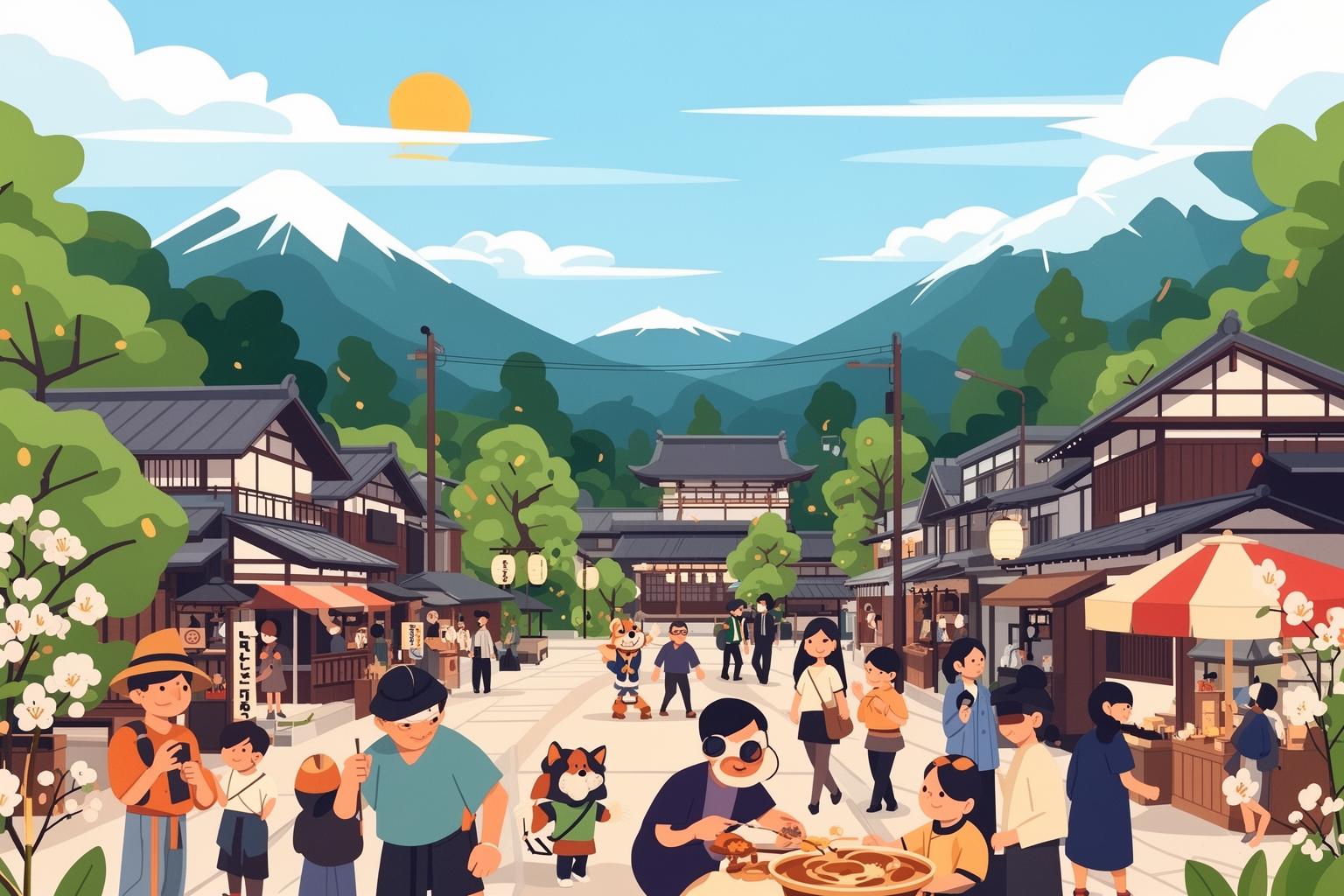
A pilgrimage for The Anthem of the Heart is more than just a list of locations; it offers a chance to fully immerse yourself in the culture and everyday life of the Chichibu region. To genuinely grasp the world that inspired the film, you need to travel its roads, savor its flavors, and discover its hidden corners. This is how a simple visit becomes an unforgettable journey.
Getting Around Chichibu and Yokose
A key part of Chichibu’s charm is its easy accessibility from Tokyo, with the journey being enjoyable in itself. From Ikebukuro Station in Tokyo, the Seibu Red Arrow Limited Express train takes you away from the urban rush and into the heart of Saitama’s mountains in about 80 minutes. The scenery outside the train window gradually shifts from cityscapes to suburbs, and finally to lush green valleys and forests.
Once you arrive, various options are available for exploring. The area is quite spread out, with important spots in both Yokose and central Chichibu. For the dedicated pilgrim seeking maximum freedom, renting a bicycle is an excellent choice. Many rental shops are located near Seibu-Chichibu Station. Cycling lets you explore at your own pace, pause whenever a view catches your eye, and truly experience the inclines and curves of the terrain. It’s an active and engaging way to enjoy the area, especially on a clear day. Alternatively, the local Seibu Railway line connects the main stations, and a network of local buses can bring you closer to specific sites like Dainenji Temple. Just be sure to check bus schedules ahead of time, as services can be infrequent. Combining walking, cycling, and train rides often proves the most efficient way to see all the key locations without feeling rushed.
What to Eat: A Taste of the Region
To fully experience a place, you must indulge your senses, especially through its local cuisine, and Chichibu has some unique and delicious specialties. After a morning of walking, nothing beats a satisfying local meal. The most famous dish is undoubtedly Waraji Katsudon. Don’t be deterred by the name, which means “straw sandal pork cutlet bowl”! It refers to two large, thin pork cutlets that cover the entire bowl of rice, resembling the shape of traditional sandals. These cutlets are fried to a perfect crisp and then dipped in a secret sweet and savory soy-based sauce that seeps beautifully into the rice below. It’s a simple, rustic, and incredibly fulfilling dish—ideal fuel for a day of exploration.
For a quick snack, look out for Miso Potato. This beloved local treat consists of bite-sized steamed and then fried potato chunks skewered and slathered with a thick, sweet miso glaze. The blend of salty, sweet, crispy, and fluffy textures makes it a quintessential Japanese comfort food frequently found at small stalls or local eateries. Chichibu is also renowned for its excellent soba noodles, made from locally grown buckwheat. Whether enjoyed cold with dipping sauce (zaru soba) or hot in a savory broth (kake soba), these noodles have a firm texture and rich, earthy flavor that reflects the region’s agricultural heritage. Sampling these dishes is not just about eating—it’s about tasting Chichibu’s history and culture.
Beyond the Anime: Other Chichibu Wonders
While your visit may be sparked by the anime pilgrimage, Chichibu has much more to offer. Spending extra time exploring its other attractions will greatly enrich your trip. One of the area’s most renowned spots is Hitsujiyama Park, perched on a hill overlooking the city. In spring, from mid-April to early May, the park’s Shibazakura Hill bursts into a sea of color. Over 400,000 moss phlox flowers in various shades of pink, purple, and white bloom simultaneously, creating a stunning floral tapestry with Mount Bukō as a dramatic backdrop.
For those interested in history and spirituality, the Chichibu 34 Kannon Pilgrimage is a historic route linking 34 Buddhist temples across the region. While completing the entire pilgrimage requires several days, visiting even one or two temples offers insight into a centuries-old tradition of devotion and contemplation. The ultimate cultural highlight, however, is the Chichibu Yomatsuri, or Night Festival, held annually on December 2nd and 3rd. Designated as a UNESCO Intangible Cultural Heritage, it ranks among Japan’s most spectacular festivals. Massive lantern-lit floats, weighing up to 20 tons, are pulled through the streets by hundreds of spirited participants, accompanied by thunderous taiko drumming. The festival culminates in a dazzling fireworks show that brightens the cold night sky. Experiencing this festival means witnessing the very soul of Chichibu at its most vibrant and passionate.
A Practical Itinerary and Final Tips
With so much to explore and experience, a bit of planning can greatly enhance your pilgrimage to Chichibu, making it both smooth and memorable. Whether you have just a day or an entire weekend, you can design an itinerary that captures the spirit of The Anthem of the Heart while allowing time for spontaneous discoveries.
A Recommended One-Day Pilgrimage
For those taking a day trip from Tokyo, a well-structured plan is key. Here is a practical route to help you maximize your time:
Morning (9:00 AM – 12:00 PM): Catch an early Red Arrow Limited Express from Ikebukuro to Yokose Station to begin your pilgrimage. Take a moment to soak in the station’s atmosphere before starting your walk. Head uphill along the roads toward Yokose Senior High School, enjoying the residential surroundings. Remember to be respectful and only view the school from outside. Next, proceed to the peaceful Dainenji Temple. Take your time climbing the stone steps and exploring its quiet grounds. This segment involves the most walking and climbing, so it’s best to tackle it in the cool of the morning.
Lunch (12:00 PM – 1:00 PM): Descend back into Yokose or take a short train ride one stop to Seibu-Chichibu Station to find a local eatery. This is an ideal moment to recharge with a tasty Waraji Katsudon or some local soba noodles.
Afternoon (1:00 PM – 4:00 PM): Spend your afternoon visiting sights in and around Chichibu city center. Head to the iconic Old Chichibu Bridge. Cross it, take photos from the riverbank, and enjoy the panoramic views. After that, visit the beautiful and historically significant Chichibu Shrine. Explore its elaborate architecture and tranquil grounds. The vicinity around the shrine and the main station also offers pleasant opportunities for a leisurely walk.
Late Afternoon (4:00 PM onwards): Before boarding your train back to Tokyo, browse the souvenir shops at Seibu-Chichibu Station. Here you can find local crafts, foods, and even some anime-related merchandise—a perfect way to pick up a memento of your trip.
Tips for the Thoughtful Traveler
To make your visit pleasant and respectful, keep these practical tips in mind:
- Comfortable Footwear is Essential: You’ll be walking quite a bit, often on sloping roads and stairs. Sturdy, comfortable shoes are your most important gear.
- Watch the Schedules: Although trains from Tokyo run frequently, local buses around Chichibu operate less often. Check the schedules ahead to avoid long waits.
- Cash is Preferred: Japan remains a cash-oriented society, especially in rural areas. While larger shops and restaurants may take credit cards, many small, family-run places do not. It’s wise to carry sufficient yen.
- Respect Sacred and Private Places: Be quiet and respectful when visiting temples and shrines. Follow proper etiquette like bowing at the gate. Most importantly, the high school and community hall are active facilities—do not trespass or disturb their daily routines. The pilgrimage’s spirit is one of quiet appreciation from a respectful distance.
- Recognize the Seasons: Chichibu offers distinct experiences year-round. Spring features cherry blossoms and the Shibazakura festival. Summer is lush but can be hot and humid. Autumn showcases stunning fall foliage in the mountains. Winter, though cold, is the season of the spectacular Night Festival. Plan your visit based on the atmosphere you wish to enjoy.
Let Your Own Heart Speak

A journey to Chichibu following the footsteps of Jun Naruse and her friends is more than just a simple anime pilgrimage. It is an exploration of the profound bond between a story and its setting. You arrive searching for scenes from a film, but you leave with a deep appreciation for a place filled with its own stories, its own history, and its own quiet, enduring spirit. You feel the burn in your legs as you climb the same hills, find peace in the same tranquil temple grounds, and stand on the same bridge watching the same river flow by.
The Anthem of the Heart is a tale about the pain words can cause and the incredible power they possess to heal. It teaches us that communication is not only about speaking, but about listening—to others, and to ourselves. In the gentle, mountainous landscape of Chichibu, you discover a space to do exactly that. The quiet countryside invites reflection. The warmth of the local community reminds you of the importance of connection. It’s a place that encourages you to slow down, breathe deeply, and listen to the whispers of your own heart. Whether you are a devoted fan of the film or simply a traveler seeking a beautiful and heartfelt corner of Japan, Chichibu will leave its mark on you, inviting you to find your own melody and, when you are ready, let your own voice soar.