There are places on this planet that feel older than time itself, where the air hums with a quiet, ancient energy. Places that make you feel profoundly small, yet deeply connected to the world. Yakushima is one of those places. This small, almost perfectly round island, floating in the waters south of Kyushu, Japan, is a world apart. It’s a land of towering, thousand-year-old cedar trees, of moss so green it seems to glow, and of rain that washes the world clean, leaving behind a vibrant, breathing landscape. For outdoor enthusiasts and hikers, it’s a paradise of challenging peaks and serene river valleys. But for many, it holds a different kind of magic. This is the island that breathed life into one of the most beloved animated films of all time, Hayao Miyazaki’s Princess Mononoke. The primeval forests of Yakushima are not just similar to the film’s setting; they are its very soul, the living blueprint for the sprawling, spirit-filled wilderness where gods and humans clashed. To walk here is to step through the screen, to feel the same awe and reverence that Miyazaki and his team of artists so masterfully captured. It is a pilgrimage not just to a UNESCO World Heritage site, but into the heart of a story that has captivated millions. This journey is about more than just a beautiful hike; it’s about listening to the whispers of a forest that has a story to tell, a story of resilience, spirit, and the enduring power of nature.
For travelers enchanted by mystical natural landscapes, exploring an urban labyrinth in Tokyo can offer a compelling counterpoint to the timeless spirit of Yakushima.
The Soul of the Island: Encountering the Yakusugi
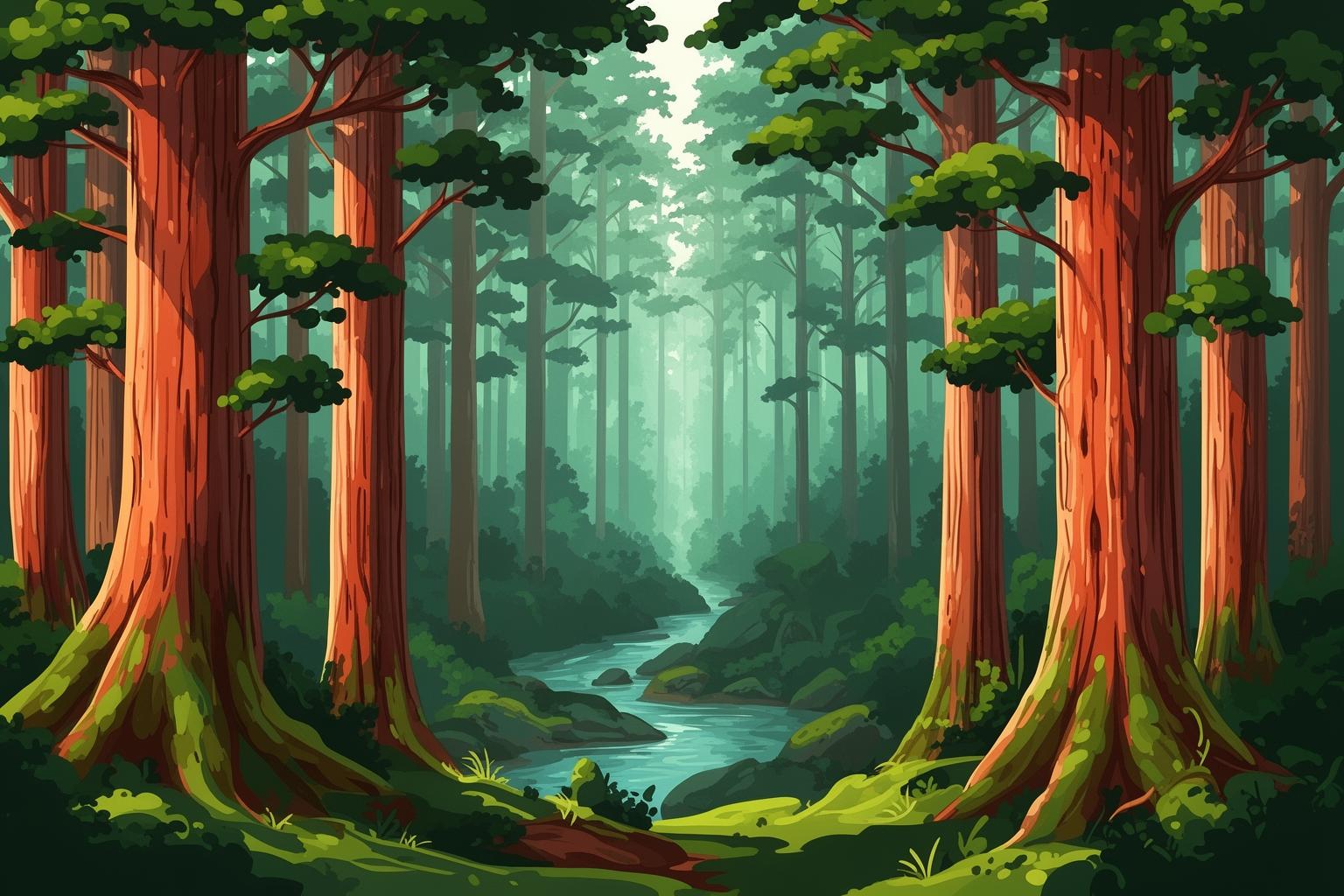
The true essence of Yakushima resides in its ancient giants, the Yakusugi. These are more than just trees; they are living monuments. The name ‘Yakusugi’ is given to Japanese cedar trees on the island that have stood for over a thousand years. Younger trees, those under 1,000 years old, are lovingly called ‘Kosugi.’ Being in their presence is a humbling experience. Their bark is gnarled and twisted, marked by the passage of centuries, and their massive trunks stretch toward a sky often shrouded in mist. They radiate a profound stillness and resilience, having endured countless typhoons and dramatic changes throughout history. The most renowned among them is Jomon Sugi. Estimated to be between 2,000 and over 7,000 years old, it is one of the oldest living trees on Earth. Reaching it is no easy feat; it demands a pilgrimage, a full day of effort that challenges your endurance and rewards you with an unforgettable experience. The journey usually begins before dawn, a quiet walk along the remnants of an old logging railway, the Anbo Forest Railway. For the first couple of hours, you follow these tracks through the forest, the rhythmic sound of your boots on wooden sleepers the only noise besides the chirping of unseen birds. Then the trail sharply ascends, becoming a tough climb over a network of tangled roots and moss-covered stones. Along the way, you’ll encounter other remarkable sights, such as Wilson’s Stump. This enormous, hollowed cedar stump, felled centuries ago, is so vast that a small shrine sits inside it. If you stand in the right spot and look upward, the opening at the top forms a perfect heart shape against the sky—a moment of unexpected magic on the challenging path. Finally, after hours of climbing, you arrive. Jomon Sugi reveals itself gradually. You view it from a specially built platform designed to protect its fragile roots. Its sheer magnitude is hard to grasp. It is immense, powerful, and undeniably alive. It is not just a tree; it is a forest deity, a silent witness to history, and the ultimate symbol of Yakushima’s enduring spirit.
Walking Through Miyazaki’s Canvas: Shiratani Unsuikyo Ravine
If the hike to Jomon Sugi is considered the island’s epic pilgrimage, then a stroll through Shiratani Unsuikyo Ravine is its lyrical poem. This is where the world of Princess Mononoke feels most vivid and real. It is well-known that Hayao Miyazaki and his team spent substantial time here, sketching and absorbing the atmosphere that would inspire the film’s iconic forest. From the moment you step onto the trail, it’s clear why. The entire landscape is blanketed in a thick, velvety layer of moss, covering everything—the forest floor, the gnarled roots of ancient trees, the granite boulders, and fallen logs. The air is cool and moist, and sounds are softened by the green cushion, creating a cathedral-like quiet only interrupted by the gentle flow of water and the rustling of leaves. This is Kokemusu-no-mori, or the Moss Forest, the very place that inspired the realm of the Forest Spirit. As you venture deeper, sunlight filters through the dense canopy in ethereal beams, highlighting vibrant greens and casting long, mysterious shadows. You can almost hear the faint, ghostly whispers of the Kodama, the tiny white tree spirits from the film, peering from behind the twisted trunks. Shiratani Unsuikyo features several well-marked trails of varying difficulty, making this otherworldly experience accessible to hikers of all skill levels. The shorter routes take you through the heart of the mossy woods, while the longest and most rewarding trail leads to a stunning climax: Taiko Iwa, or Taiko Rock. This enormous granite boulder provides a panoramic view of the island’s mountainous interior, including its highest peak, Mt. Miyanoura. After being immersed in the dense, intimate forest below, emerging onto this exposed rock feels like surfacing for air—a moment of vast grandeur that puts the entire island into perspective. It’s a vista that echoes the epic scope of Miyazaki’s storytelling, a perfect finale to a journey through his living, breathing inspiration.
Beyond the Ancient Forest: The Diverse Ecosystem of Yakushima
Though the Yakusugi cedars are the island’s most renowned inhabitants, they represent only one facet of an exceptionally rich and diverse ecosystem. Yakushima’s striking terrain, rising steeply from sea level to nearly 2,000 meters, produces a rare vertical array of climate zones—a microcosm of the entire Japanese archipelago condensed onto a single small island. Here, subtropical and subarctic plants coexist, creating a breathtakingly diverse natural mosaic for any adventurer.
From Coast to Cloud Forest
Your exploration of Yakushima starts at the coast, where subtropical banyan trees and hibiscus flowers flourish in the warm, humid atmosphere. As you climb the island’s winding paths, the vegetation shifts dramatically. You will pass through a temperate zone dominated by evergreen oaks and laurels before entering the domain of giant cedars. Higher up, the forest transitions to rhododendrons and firs, evoking landscapes typical of northern Japan. At the highest points, such as Mt. Miyanoura, Kyushu’s tallest peak, a subalpine environment of wind-swept Yakushima bamboo and fragile alpine blossoms unfolds. This progression is a major reason for the island’s recognition as a UNESCO World Heritage site. To hike from shore to summit is to traverse centuries of ecological development, experiencing a range of climates that would usually stretch across thousands of kilometers.
The Wildlife of the Woods
The forests are far from barren. Yakushima supports a thriving population of native wildlife, many of which show little fear of humans. The two most frequently seen are the Yakushika, a subspecies of sika deer, and the Yakuzaru, a local macaque. You don’t need to venture far into the wilderness to encounter them; they are commonly spotted along the Seibu Rindo forest path, a narrow, twisting road on the island’s west coast, often grazing or grooming by the trail. The Yakushika are noticeably smaller than their mainland relatives, an adaptation to the island environment. The Yakuzaru, with their reddish faces and thick fur, are equally captivating to watch. Observing a troop of monkeys carry on with their daily routines, undisturbed by your presence, adds a magical wildness to any hike. The island is also an essential nesting site for endangered loggerhead and green sea turtles, which come ashore on Nagata Inakahama’s sandy beaches from May to August to lay eggs—a moving display of nature’s timeless cycles.
Waterfalls and Rivers of Life
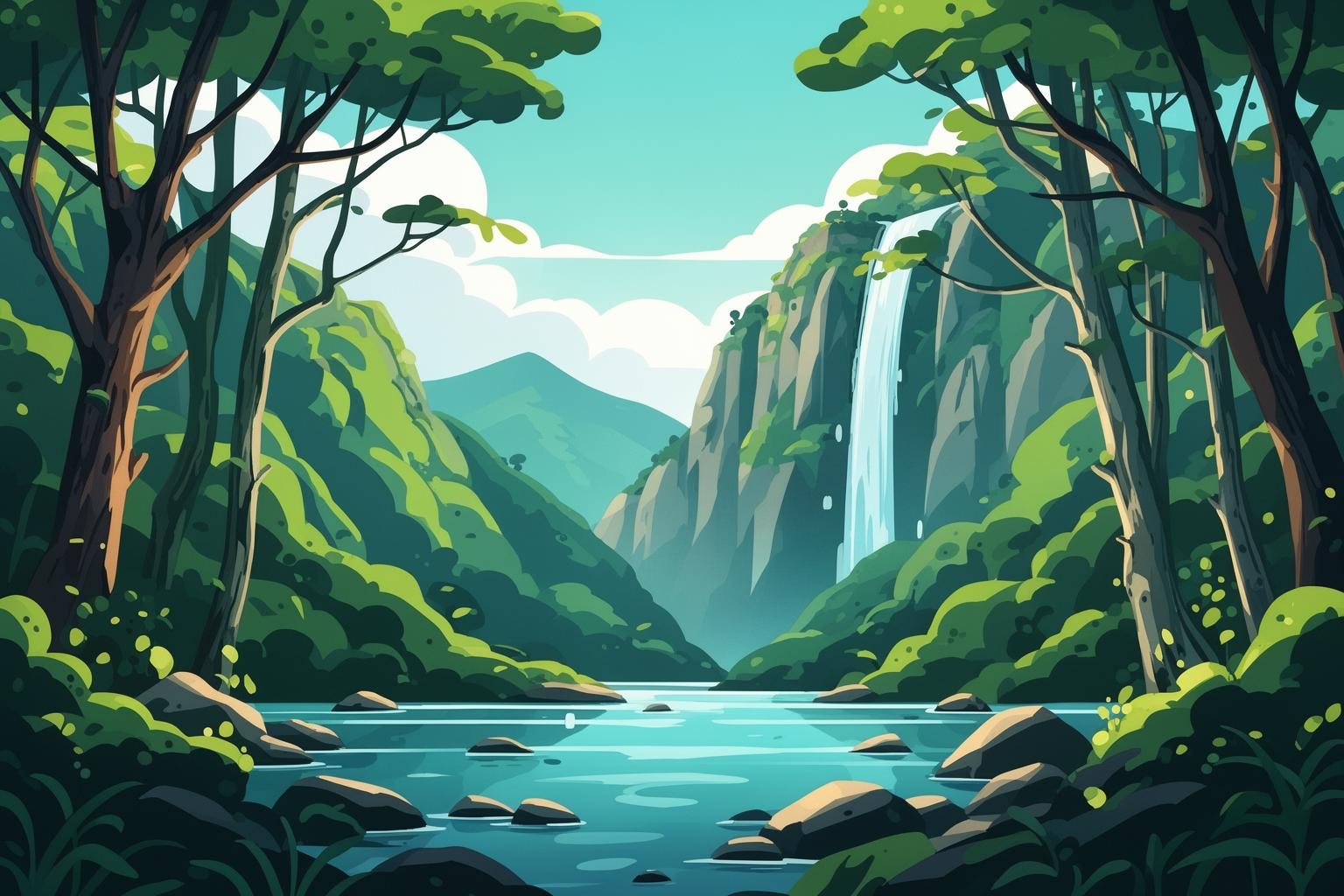
Yakushima is famously, abundantly wet. A local saying jokes that it rains “35 days a month,” and this heavy rainfall sustains a network of pristine rivers and impressive waterfalls. The water here is exceptionally clear and soft, having filtered through the island’s granite base. This continual flow is the lifeblood of the verdant forests. The waterfalls rank among the island’s most striking features. Senpiro-no-taki descends over a massive granite cliff in a thunderous exhibition of raw force. Close by, Oko-no-taki, counted among Japan’s top 100 waterfalls, cascades 88 meters and allows visitors to approach closely, feeling its cool mist on their skin. But the water is not just for admiring. Crystal-clear rivers such as the Anbo and Miyanoura Rivers offer opportunities for kayaking, stand-up paddleboarding, and a unique experience called “sawara-nori,” or river trekking, where you swim, climb, and slide through stunning, secluded gorges. It’s a thrilling way to fully immerse yourself in the island’s pure, life-sustaining element.
The Practical Pilgrim’s Guide: Planning Your Yakushima Journey
A trip to a wild and remote place like Yakushima requires some planning, but the rewards are well worth the effort. Carefully considering the logistics of travel, transportation, and timing will help ensure your adventure is as seamless and enchanting as the island itself. The journey begins long before you step onto the mossy trails, and getting the details right is essential for a stress-free experience.
Getting There is Half the Adventure
Reaching this magical island is a vital part of the overall experience. The main gateway is the city of Kagoshima on Kyushu’s mainland. From there, you have two primary options. The quickest is by air. Yakushima Airport (YSJ) operates several flights daily from Kagoshima, with direct services from major cities like Fukuoka and Osaka. The short flight offers stunning aerial views of the island’s rugged mountain silhouette as you approach. Alternatively, for many a more romantic choice, you can travel by sea. The high-speed jetfoil—called the Toppy or Rocket—makes the crossing from Kagoshima Port in about two to three hours. It’s an efficient and popular option. For a slower, more budget-friendly trip, or if you’re bringing a vehicle, the car ferry is the best choice. The Ferry Yakushima 2 takes roughly four hours and features open decks where you can enjoy the sea breeze and watch the island gradually come into view on the horizon. Whichever option you select, booking in advance is strongly advised, especially during busy travel times like Golden Week in spring or summer holidays.
Navigating the Island Itself
Once on Yakushima, you’ll quickly notice that the island is larger and more rugged than it looks on the map. Although there is a public bus system, service is often infrequent and may not reach all trailheads and natural sites you want to explore. To gain true freedom and flexibility, renting a car is almost indispensable. Having your own vehicle lets you travel at your own pace, stop at scenic viewpoints as you please, and most importantly, reach trailheads early in the mornings to avoid crowds. The island has one main ring road that’s easy to follow, though some mountain roads inland are narrow and winding. For those who prefer not to drive or who want expert knowledge, hiring a private guide is an excellent alternative. Local guides not only provide transportation but also greatly enrich the experience with their deep understanding of the island’s unique ecology, history, and folklore.
When to Visit: A Calendar of Moss and Mist
Yakushima can be visited year-round, with each season offering its own unique experience. Spring, from March to May, is a beautiful period as mountain rhododendrons burst into color and the forests display fresh, vibrant greens. The weather is usually pleasant for hiking, though rain is always possible. Summer starts with the intense rainy season, or ‘tsuyu,’ in June and early July, when the forests are lush and mystical. Late summer is hot and humid, ideal for enjoying the island’s rivers and coastline, and coincides with peak sea turtle nesting season. Autumn, from September to November, is often regarded as the best time to visit. The weather tends to be more stable and cooler, with mountain maples at higher elevations showing subtle but striking fall colors. Winter, December through February, sees the fewest visitors. The air is crisp and clear, but the high mountains are frequently covered in deep snow, making them accessible only to experienced, well-equipped mountaineers. Regardless of when you visit, prepare for rain and make sure to book your accommodations and transportation well in advance.
A Hiker’s Toolkit: Gearing Up for the Trails
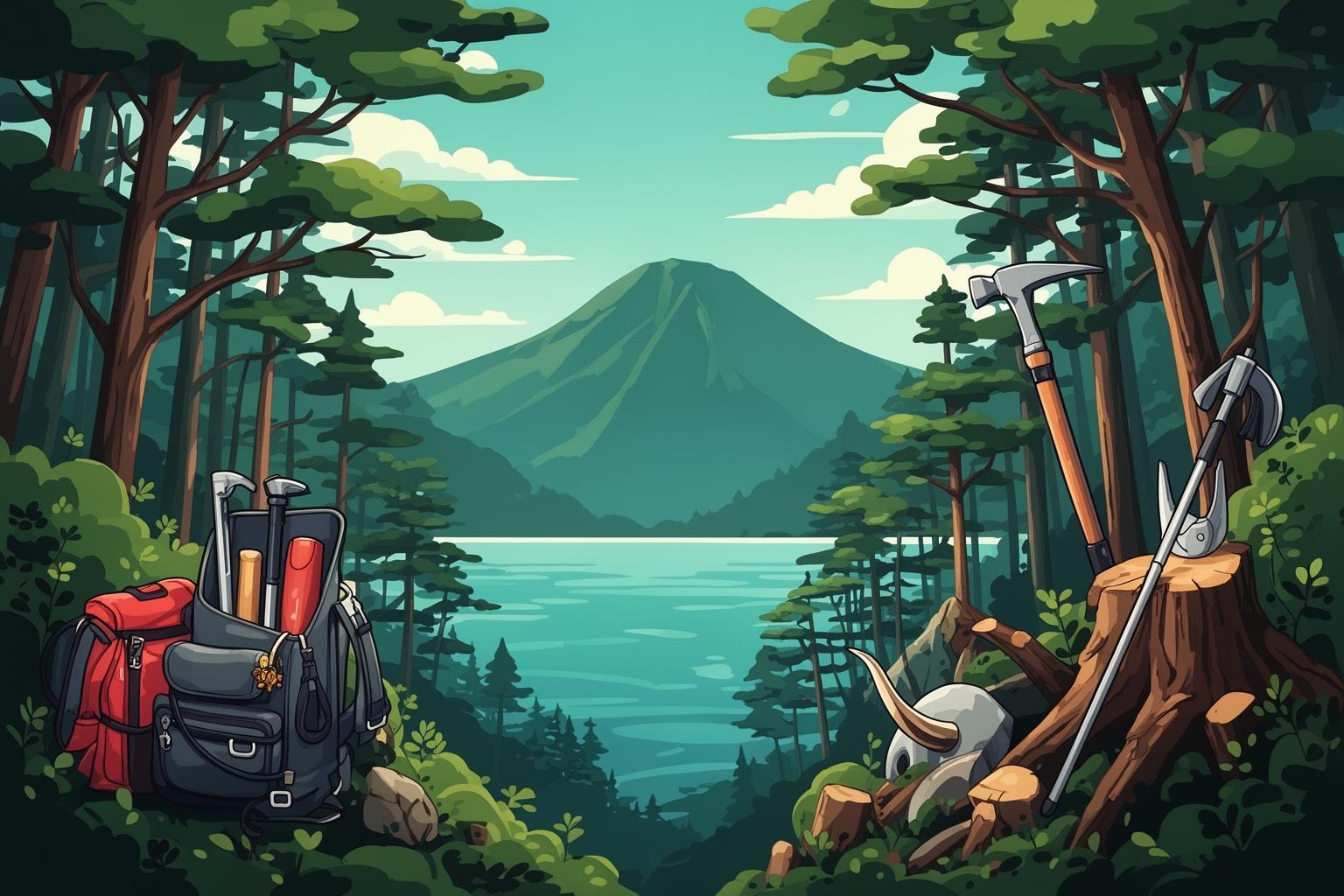
As an outdoor specialist, I cannot emphasize enough that proper gear is not merely about comfort on Yakushima; it is crucial for safety. The island’s weather is famously unpredictable and can shift suddenly, especially in the mountainous areas. Being well-equipped allows you to fully and safely enjoy the wild beauty of this World Heritage site without concern for the elements. This is not a place for casual footwear and a light jacket; it requires respect and thorough preparation.
Essential Gear for Yakushima’s Climate
At the top of your packing list, the absolute essential is high-quality rain gear. This includes a fully waterproof and breathable jacket with a hood, along with waterproof pants. An umbrella or cheap poncho won’t hold up against the island’s frequent and sometimes heavy rains. Next, take care of your feet with sturdy, waterproof hiking boots featuring strong ankle support and deep-lugged soles for traction on slippery roots and wet rocks. Your feet will thank you after a long day on the trails. Dress in layers, avoiding cotton as it absorbs moisture and stays cold. Instead, choose synthetic or merino wool base layers, a fleece mid-layer for insulation, and a waterproof shell. This layering system helps you adjust to varying temperatures and levels of exertion. For longer hikes, like the trek to Jomon Sugi, a portable toilet kit is essential since restroom facilities are scarce on the trails, and carrying one aligns with the island’s ‘leave no trace’ principles. Lastly, bring a reusable water bottle or hydration pack. One of the great pleasures of hiking Yakushima is the abundance of fresh, pure spring water. You can refill directly from mountain streams—clean, cold, and delicious—offering a true taste of the island’s pristine nature.
Respecting the World Heritage Site
Visiting Yakushima carries the responsibility of protecting its delicate ecosystem. The Leave No Trace principles are especially important here. This means taking out everything you bring in, including food wrappers and trash. Always stay on marked trails. The moss covering the forest floor is extremely fragile and can take decades to recover if disturbed. Stepping on the exposed roots of the ancient Yakusugi trees can also damage these venerable specimens. When needing to use restrooms on lengthy trails, use designated booths and your portable toilet kit. A popular local custom among hikers is to buy a ‘bento’—a packed lunch—from a local shop early in the morning before setting off. Often wrapped in bamboo leaves, these bentos are a delicious, sustainable way to fuel your hike. By being a considerate and respectful visitor, you help ensure that the magic of Yakushima endures for generations of pilgrims to enjoy.
The Heartbeat of Yakushima: Local Life and Culture
While nature is undoubtedly the central figure in Yakushima’s story, the island also embraces a warm and inviting human presence. The small towns and villages scattered along the coastline offer a glimpse into a slower, more connected way of life, providing comforting hospitality and distinctive local flavors that complete the Yakushima experience. The culture here is closely linked to the natural surroundings, shaped by the sea, mountains, and abundant rainfall. After a long day of trekking through ancient forests, immersing yourself in the local culture is the perfect way to unwind and connect with the island on a deeper level. The main hubs of Miyanoura, the island’s largest town and main ferry port, and Anbo, the second-largest port town, exude a wonderfully relaxed atmosphere. Here, you’ll find cozy guesthouses, small restaurants serving hearty local dishes, and shops offering beautiful crafts made from fallen Yakusugi wood. The island’s culinary scene is a true delight. Be sure to try dishes featuring ‘tobiuo,’ or flying fish, a local specialty often served fried whole. The island’s agricultural products are also delicious, especially the sweet and juicy Tankan oranges. For an authentic local flavor, sample the island’s shochu. The most famous brand is Mitake, a sweet potato shochu highly prized throughout Japan. Perhaps the most blissful way to end a day of hiking is with a soak in a natural hot spring, or ‘onsen.’ Yakushima hosts several, but the most unique are the seaside onsen. Hirauchi Kaichu Onsen is a natural rock pool right on the coast, accessible only for a few hours each day during low tide. Soaking in the hot, sulfurous water while the waves of the Pacific Ocean crash just a few feet away is a truly unforgettable experience—a perfect harmony of the island’s geothermal energy and its powerful marine presence. It’s the ultimate remedy for tired muscles and a soothing balm for the soul.
A Final Echo in the Woods
Leaving Yakushima feels like emerging from a vivid dream. The memory of the deep, resonant green, the scent of damp earth and cedar, and the touch of mist on your skin—all linger with you, a quiet echo in your mind. This island is far more than just a collection of beautiful sights. It is a powerful, immersive experience that reshapes your sense of time and scale. Standing beneath a tree that was a sapling when the Roman Empire thrived offers a profound understanding of your own brief, fleeting place in the vast timeline of the natural world. Many visit here in search of the forest from Princess Mononoke, and they will undoubtedly find it within the moss-covered glades of Shiratani Unsuikyo. Yet the true magic of Yakushima lies in realizing that the film didn’t create a fantasy world; it simply revealed a window into a real one. Hayao Miyazaki captured the island’s spirit—its wildness, its respect for life, and its delicate balance. Traveling to Yakushima is a pilgrimage that quiets the noise of modern life and replaces it with the subtle, profound language of the forest. It’s a place to get lost, be challenged, and ultimately discover a deeper connection with the Earth. Go, hike the trails, drink the mountain water, and listen. The ancient woods are whispering, and their story is one you will always remember.