“The train came out of the long tunnel into the snow country.” With this single, crystalline sentence, Yasunari Kawabata, Japan’s first Nobel laureate in Literature, etched an indelible image into the minds of readers worldwide. His 1948 masterpiece, Snow Country (Yukiguni), is not merely a novel; it is a sensory immersion into a world of profound beauty and transient sorrows, a place where the weight of the winter snow seems to press down on the very souls of its inhabitants. That place is not a fiction. It is real, a tangible destination breathing with the same quiet melancholy and startling beauty that Kawabata captured on the page. Welcome to Echigo-Yuzawa, a hot spring town nestled deep in the mountains of Niigata Prefecture. This is more than a travel destination; it is a pilgrimage site for the literary soul, a journey into the heart of a story that continues to resonate decades after it was written. Here, the line between fiction and reality blurs with every falling snowflake. The mournful whistle of the train, the warmth of the sake, the silent gaze from a window fogged by breath—it is all here, waiting to be experienced. To visit Yuzawa is to step inside the novel, to walk the same paths as the detached protagonist Shimamura and the passionate geisha Komako, and to feel the immense, purifying power of a land defined by its epic winters. It is a journey that promises not just sights, but a profound emotional connection to one of the greatest literary works of the 20th century.
For those seeking another transformative literary journey, a Murakami pilgrimage through Tokyo reveals a similarly evocative landscape where fiction and reality intersect.
The First Glimpse: Arriving in a World of White
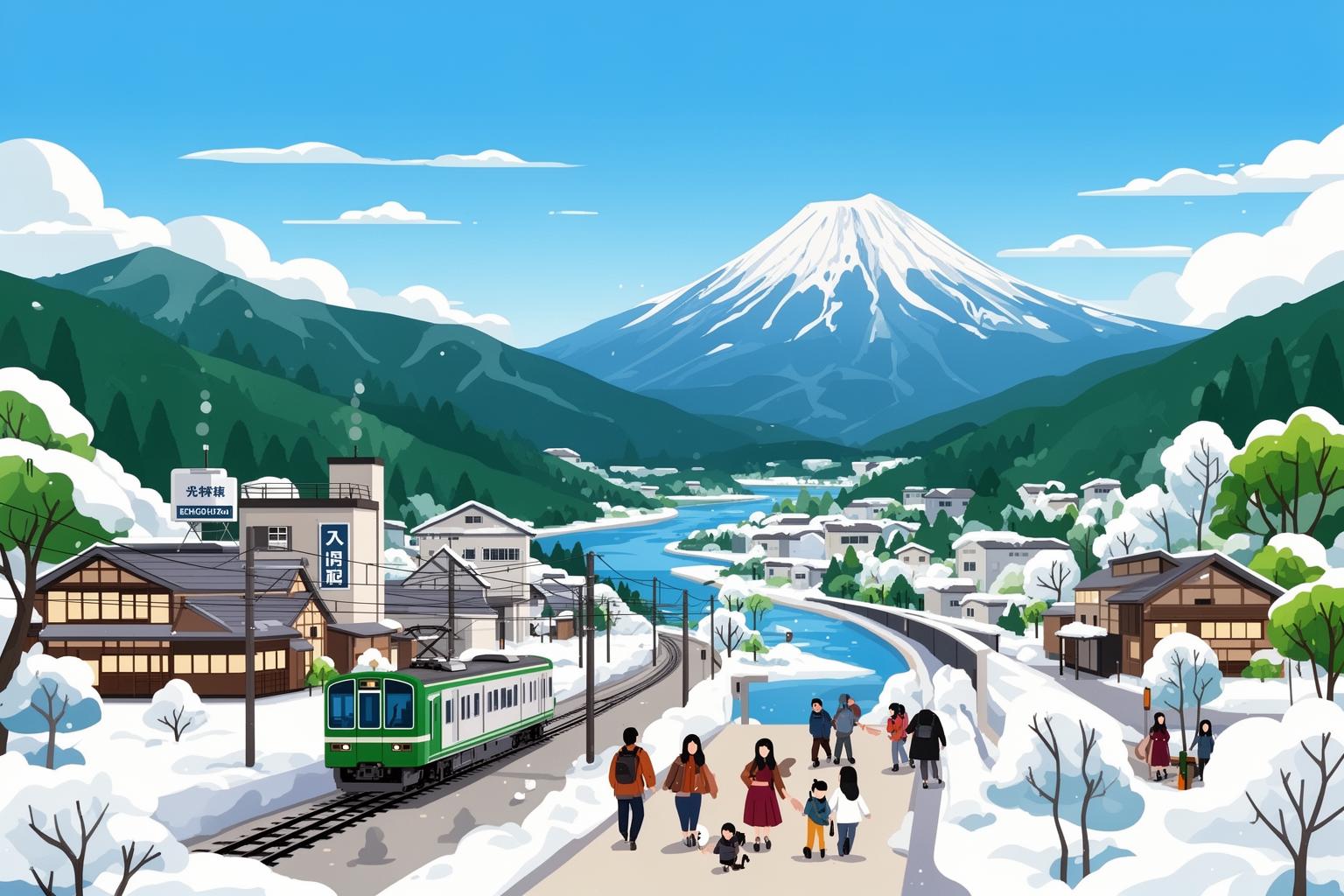
The pilgrimage to Snow Country begins precisely as the novel does: aboard a train. Boarding the Joetsu Shinkansen amidst Tokyo’s bustling, concrete sprawl, you are swiftly propelled northward. The urban environment gradually gives way to suburbs, which then dissolve into the fields and plains of the Kanto region. Yet, the true transformation lies ahead. The journey’s defining moment is the passage through the Shimizu Tunnel, a long bore cutting straight through the Tanigawa mountain range. This marks the great divide, both a physical and symbolic boundary separating Japan’s sunny Pacific side from the Sea of Japan side, known as the land of snow. Inside the tunnel, darkness envelops you with a steady, rumbling rhythm. You feel the subtle pressure change in your ears—a quiet signal of crossing into a different realm. Then, just like in the novel, you emerge into the light. And the world is blanketed in white. The effect is immediate and breathtaking. For those who have never seen it, the sheer volume of snow is almost unfathomable. It is not a gentle dusting, but a thick, heavy layer that smothers the landscape, softening sharp edges, silencing sounds, and reflecting a brilliant, diffused light. Traditional house roofs bow under its immense weight, bamboo groves bend gracefully, and the mountains appear sculpted from flawless white marble. Stepping off the train at Echigo-Yuzawa Station, you are struck by a clean, sharp chill in the air that feels instantly refreshing. The scent of cold pine and damp earth lingers, while the station’s sounds are muffled by snow, creating a deep sense of tranquility. This is the atmosphere Kawabata so skillfully evoked—a world both stunning and isolating, where time seems to slow to a more intentional pace.
In the Footsteps of Shimamura: Tracing the Narrative
Echigo-Yuzawa is a town where the spirit of Snow Country is not merely remembered but actively kept alive. Strolling through its streets allows you to follow the subtle threads of the narrative, sensing echoes of Shimamura and Komako in the traditional buildings, the steaming onsen vents, and the serene dignity of the scenery. The entire town stands as a living museum dedicated to the novel, offering visitors a uniquely personal way to immerse themselves in the story.
Takahan Ryokan: The Heart of the Story
At the center of any literary pilgrimage here is a visit to the Takahan Ryokan, a historic inn perched on a hillside overlooking the town. This is the very place where Yasunari Kawabata stayed intermittently over several years while writing the novel. It served as the real-life model for the inn where Shimamura and Komako’s brief, poignant relationship unfolds. From the moment you step inside, a tangible sense of history envelops you. The original wooden structure creaks with age, the corridors gleam darkly from decades of footsteps, and the air carries the subtle scent of tatami and cypress. The ryokan operates as a modern hotel but has carefully preserved its literary essence. The ultimate highlight within its walls is the Kasumi-no-ma, or “Room of Mist,” the very room where Kawabata stayed and wrote. Today, it remains a small museum, maintained exactly as it was during his visits. Sitting in that quiet, tatami-matted room, gazing through the same window where he looked out upon snow-covered slopes, is a deeply moving experience. You can see his writing desk, inkstone, and calligraphy brushes. Photographs and manuscript pages adorn the walls. The view from the window is like a living painting—the very scene that inspired the novel’s imagery of the girl’s face reflected in the evening train window against the snowy landscape. In this room, the divide between reader and author fades. You can almost feel the weight of his contemplation, the deliberate choice of each word, and his effort to capture the “wasted beauty” of Komako’s existence. Visiting the Takahan is not simply sightseeing; it is an intimate communion with the literary soul of the place.
The Geisha’s World: Echoes of Komako
Komako, the mountain geisha, represents the vibrant and tragic core of Snow Country. Her character was inspired by the real women who entertained guests at Yuzawa’s onsen inns. Although much has changed in the world of the geisha since Kawabata’s time, their legacy remains woven into the town’s identity. To gain a deeper understanding of Komako’s world, a visit to the Yuzawa Town History Museum, known as the Yukigunikan, is indispensable. This remarkable museum is a treasure trove of local history and culture, featuring a comprehensive exhibition on Yasunari Kawabata and Snow Country. Here, you can view first editions of the novel, photographs of Kawabata during his stays in Yuzawa, and letters he wrote. More significantly, the museum brings the era’s lifestyle vividly to life. It showcases traditional tools, clothing, and crafts from the region, including heavy winter coats and straw boots used to traverse the deep snow. Exhibits also detail the lives of the onsen geisha, providing context for Komako’s profession, her artistry, and her precarious social position. Seeing these historical artifacts grounds the novel in tangible reality, helping you appreciate both the harshness and the beauty of Komako’s life—a life devoted to art and companionship in a profoundly isolated environment. The museum allows you to look beyond the romanticized fiction and truly understand the resilience of the people who call this demanding landscape home.
Beyond the Pages: Embracing the Culture of Snow Country
While the literary pilgrimage draws many visitors, Echigo-Yuzawa provides a rich cultural experience that stands independently. The very elements that inspired Kawabata’s novel—the onsen, the sake, and the powerful rhythm of the seasons—are here to be savored. Immersing yourself in these local traditions is the best way to grasp the region’s soul and to appreciate the novel on a deeper, more sensory level.
The Soul of the Onsen: A Tradition of Warmth
Yuzawa is above all an onsen town. Natural hot springs bubble from the earth, their steam rising in ghostly plumes against the cold winter air. For centuries, these mineral-rich waters have offered solace and healing to both travelers and locals. Bathing culture is central to life here, a communal ritual that provides warmth in the coldest winters and relaxation after long days. In Snow Country, the onsen serves as a place of intimacy and reflection for the characters. For visitors, it is an essential experience. The town features numerous public bathhouses, or soto-yu, along with ryokans offering day-use access. The sensation of sinking into a geothermally heated pool, with snow softly falling around you, is magical. The contrast between the biting cold on your face and the deep, enveloping heat of the water is intensely invigorating. First-time visitors should know onsen etiquette is simple: wash thoroughly at the stations before entering the bath, and swimsuits are not permitted. Though it may feel intimidating initially, the experience offers complete relaxation and connection to a core element of Japanese culture. It’s a moment of quiet contemplation, as the mineral water soothes your muscles and the serene snowy scenery calms your mind.
A Taste of Niigata: Sake and Koshihikari
Niigata’s heavy snowfall is more blessing than curse. When this pure snow melts in spring, it filters through the mountains, producing some of Japan’s softest, purest water. This exceptional water is key to the region’s famed products: its sake and rice. Niigata is nationally celebrated as the kingdom of sake. The cold, clean winters create ideal conditions for slow, careful fermentation, yielding sake known for its crisp, clean, and often dry profile called tanrei karakuchi. Visiting Snow Country without sampling the local brew is to miss a vital part of its character. The best and most accessible way to do so is at Ponshukan Sake Museum inside Echigo-Yuzawa Station. For a small fee, visitors receive a tasting cup and five tokens to sample from over a hundred different sake vending machines, each offering a brew from a local Niigata brewery. It’s an engaging, fun method to explore sake’s diversity and discover your personal favorite. The same pristine water irrigates rice paddies that produce Koshihikari, arguably Japan’s most famous and beloved rice variety, known for its perfect texture, subtle sweetness, and fragrant aroma. Every meal in Yuzawa—from a simple bowl of rice at breakfast to an elaborate kaiseki dinner—is an opportunity to savor the land’s bounty.
The Rhythm of the Seasons: When to Visit
Though the novel is forever linked to winter, Echigo-Yuzawa is a destination of vivid seasonal beauty. Each season offers a distinct perspective on the landscape and a unique array of experiences, allowing the story of the land to unfold in fresh and surprising ways.
Winter’s Embrace (December – March)
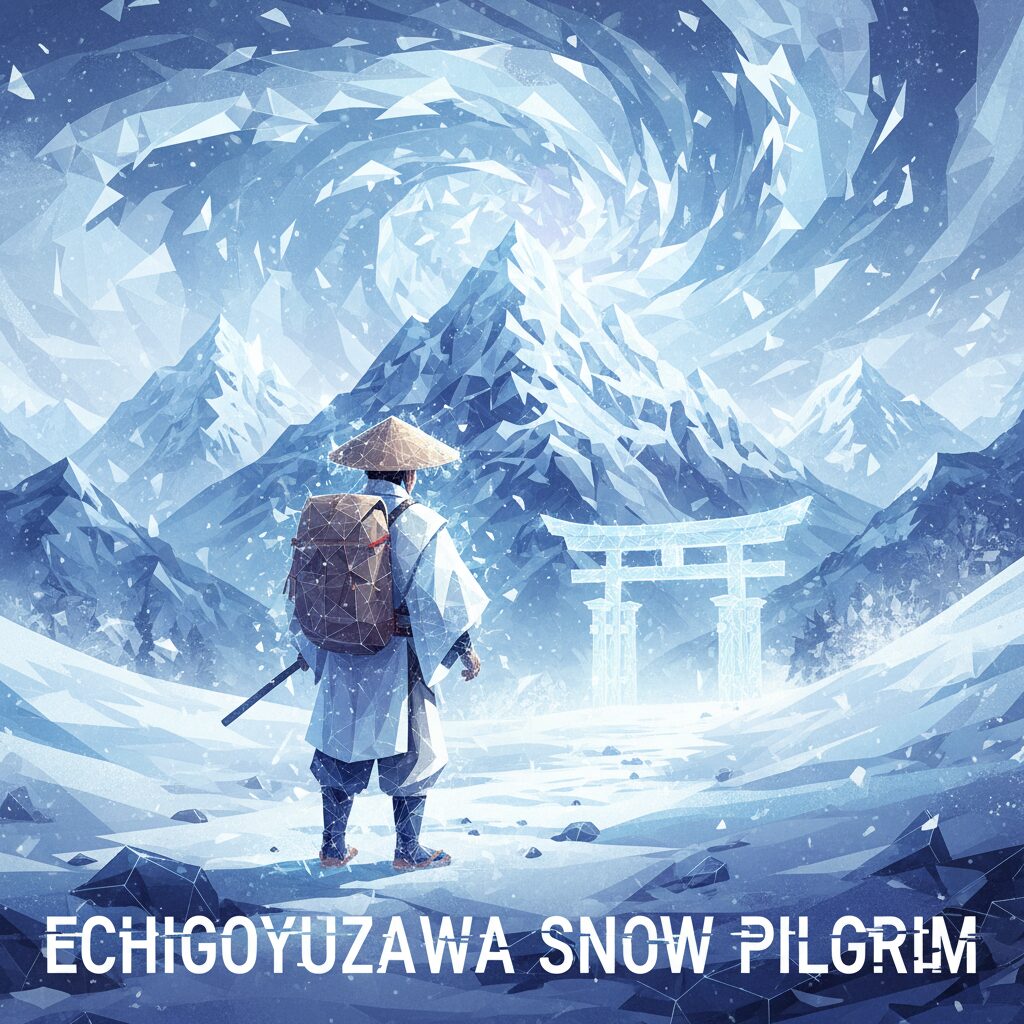
This is the quintessential Snow Country experience. The landscape is buried under meters of snow, creating a breathtaking, monochrome beauty. Silence reigns, broken only by the crunch of boots or the whisper of the wind. This is peak season for skiing and snowboarding, as Yuzawa is surrounded by world-class ski resorts. It is also the best time to enjoy the magic of a rotenburo, an outdoor onsen, while snowflakes melt on your skin. The town buzzes with winter festivals, radiating a cozy, festive atmosphere. Be prepared for the snow’s realities: proper gear—warm layers, waterproof boots, and sturdy outerwear—is essential, and travel may be disrupted by heavy storms. Yet for the true literary pilgrim, witnessing the town at its winter peak is an unforgettable, immersive experience directly connected to Kawabata’s vision.
Spring’s Thaw (April – May)
As the vast snow blanket finally recedes, a vibrant green world emerges. Spring in Yuzawa brings dramatic transformation and renewal. Melting snow swells the rivers, and the mountainsides awaken with budding leaves and later-arriving cherry blossoms, later than in Tokyo. This season is ideal for foraging wild mountain vegetables, or sansai, which grace local menus with their fresh, slightly bitter earthiness. The air is cool and fresh, perfect for hiking and mountain exploration as the landscape sheds its winter coat. It’s a quieter time to visit, offering a more peaceful, reflective atmosphere.
Summer’s Vibrancy (June – August)
Summer turns Snow Country into a lush green paradise. Rice paddies shine in brilliant emerald, and the mountains provide cool relief from the heat and humidity of Japan’s cities. This season invites outdoor adventure—hiking, canyoning, and exploring extensive mountain trails. The region also hosts the renowned Fuji Rock Festival in late July, one of Japan’s largest open-air music festivals, bringing an energetic, youthful vibe. Summer reveals the land’s underlying topography, exposing dramatic valleys and ridges hidden beneath winter’s snow.
Autumn’s Palette (September – November)
Autumn is perhaps the most visually stunning season after winter. Mountainsides blaze with fiery red, orange, and yellow leaves. The crisp, clear air offers panoramic views of surrounding peaks. It’s harvest time for the famed Koshihikari rice, and golden fields create a beautiful sight. The autumn colors, or koyo, form a painterly backdrop ideal for onsen soaks and scenic drives. This is a season of abundance and vivid color, a final brilliant flourish before the land retreats once more into the long, quiet slumber of winter.
Practical Passages: Navigating Your Journey
Despite its remote and otherworldly atmosphere, Echigo-Yuzawa is surprisingly easy to reach, making it a convenient and rewarding trip from Tokyo. Careful planning will help ensure your journey into Kawabata’s world goes as smoothly and enjoyably as possible, allowing you to focus on the experience rather than the logistics.
Accessing the White World
The quickest and most efficient way to get to Echigo-Yuzawa is by taking the Joetsu Shinkansen from Tokyo Station. The journey is impressively fast, taking as little as 80 minutes to transport you from the bustling metropolis to the mountainous region of Niigata. For international travelers, the Japan Rail Pass covers this route, offering excellent value. Upon arrival at Echigo-Yuzawa Station, the main onsen town is concentrated around the station’s east exit and is mostly walkable. For destinations farther away, such as the Takahan Ryokan or various ski resorts, a local bus system and readily available taxis will get you there. Many hotels also provide shuttle services from the station, so it’s advisable to confirm with your accommodation beforehand.
Where to Stay: From Ryokan to Modern Hotels
Echigo-Yuzawa offers a broad range of accommodations to suit different preferences and budgets. For a deeply immersive literary experience, staying at the Takahan Ryokan is essential. Although it is a premium option, the chance to stay in the very building where Snow Country was written is unmatched. Beyond Takahan, the town features numerous traditional ryokans, many with their own exquisite onsen baths, allowing guests to enjoy authentic Japanese hospitality and cuisine. There are also several modern Western-style hotels, particularly near ski resorts, offering convenience and familiar amenities. For travelers on a tighter budget, smaller family-run inns, known as minshuku, provide a cozy and affordable alternative. It is highly recommended to book your accommodations well in advance, especially if you plan to visit during the peak ski season from December to February or national holidays.
A Traveler’s Note
A few simple tips can enhance your visit to Snow Country. If you come during winter, don’t underestimate the cold and heavy snowfall. Bring multiple warm layers, thermal underwear, a waterproof outer layer, gloves, a hat, and most importantly, insulated waterproof boots with good traction, as sidewalks can be icy. While credit cards are commonly accepted in hotels and larger shops, Japan remains largely a cash-based society in many respects. Carrying sufficient Japanese yen for smaller eateries, local shops, and entrance fees is always wise. Lastly, although English signage is available at the main station and tourist spots, learning a few basic Japanese phrases like “Konnichiwa” (Hello), “Arigato” (Thank you), and “Sumimasen” (Excuse me) will be warmly appreciated and will enrich your interactions with the friendly local people.
The Enduring Allure: Why Snow Country Resonates
What is it about this story and this place that continues to captivate us? Snow Country is more than a novel about a love affair; it is a profound reflection on themes of fleeting beauty, human connection, and what Kawabata described as “wasted effort” – the pure, beautiful, yet ultimately futile devotion to art and love in an indifferent world. These themes are not only expressed by the characters but are also embodied by the landscape itself. The snow, so pristine and pure, is ultimately transient. It covers the world in a flawless layer, only to melt away come spring. The renowned Chijimi linen, a local craft mentioned by Komako, is woven with meticulous care during the long, dark winters, its threads washed and bleached on the snow, only to be worn and eventually fade. This cycle of intense labor, ephemeral beauty, and inevitable decay defines the rhythm of Snow Country. Visiting Echigo-Yuzawa allows you to feel this rhythm deep within. You witness the harsh power of winter, the resilience of those who endure it, and the vibrant joy of the spring that follows. The place is not simply a passive setting; it is a dynamic force that shapes the lives and emotions of its inhabitants. It is a land of stark contrasts: the biting cold and the soothing onsen; the dark, isolating winters and the bright, communal festivals; the profound silence and the passionate feelings hidden beneath it.
Your journey through the long tunnel does not merely bring you to a town in Niigata; it leads you toward a deeper appreciation of a unique Japanese aesthetic, a recognition of the beauty found in imperfection and transience. Leaving Echigo-Yuzawa, you take with you more than memories of snow-covered landscapes and warm sake. You carry the echo of Komako’s shamisen, the scent of cedar baths, and the quiet strength of a place where a literary masterpiece was born. The train pulls away, plunging back into the tunnel, but the vision of the snow country—bright, white, and poignantly beautiful—remains with you long after you have emerged on the other side.