The air in Tomonoura tastes of salt and stillness. It’s a quiet flavor, one that seems to rise from the very stones of the harbor and settle deep in your lungs. Here, on the coast of the Seto Inland Sea, time doesn’t march forward; it ebbs and flows with the tide. This is a place where the modern world feels like a distant hum, easily forgotten amidst the gentle lapping of water against ancient stone steps and the creak of wooden fishing boats tethered to the docks. For centuries, this crescent-shaped harbor in Hiroshima Prefecture was a vital nexus of maritime life, a shiomachi no minato—a port for awaiting the tide. Sailors and merchants would anchor their vessels here, waiting for the sea’s rhythm to shift in their favor before continuing their journey. That same patient, watchful energy still permeates the town today. It invites you not to rush, but to simply be.
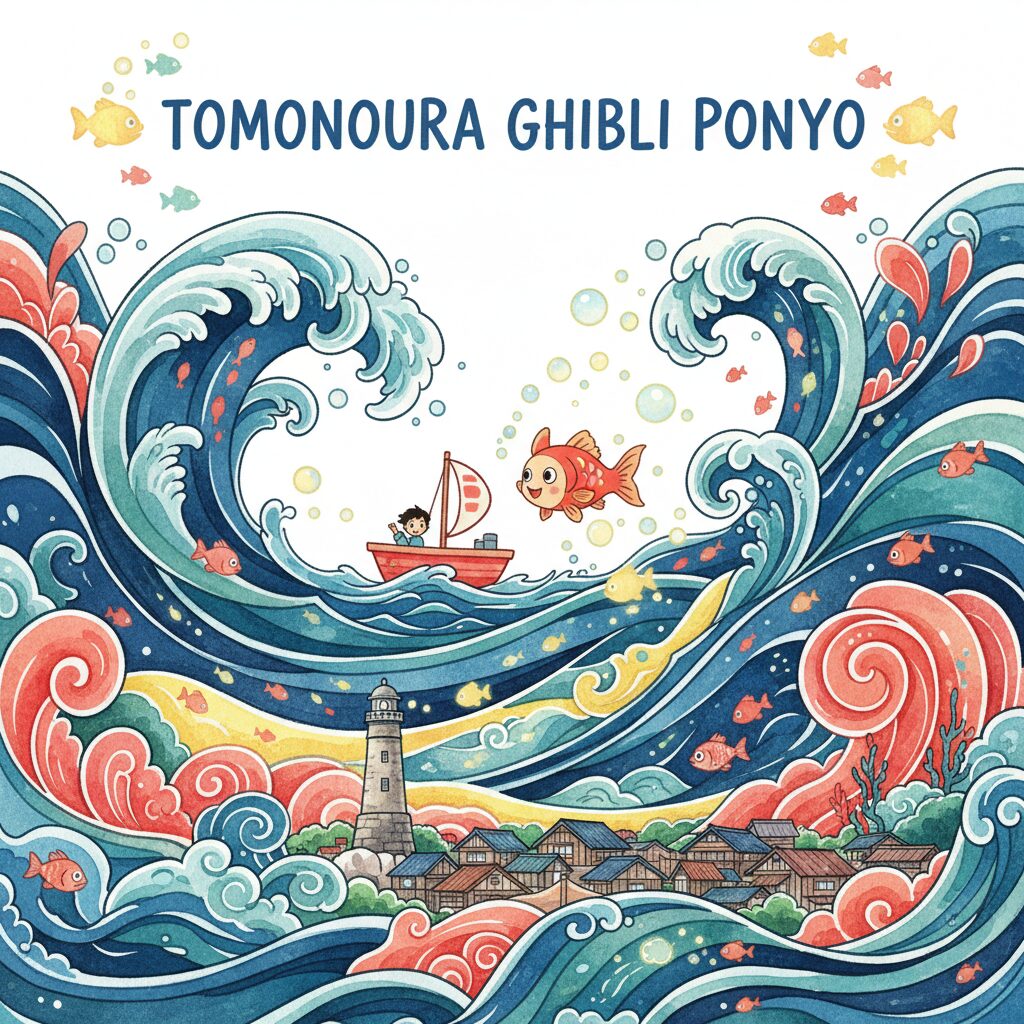
But for many travelers making their way down the winding coastal road, Tomonoura holds a different kind of magic, a more recent and fantastical allure. This perfectly preserved port town is the living, breathing inspiration for the seaside village in Hayao Miyazaki’s enchanting 2008 film, Ponyo on the Cliff by the Sea. The moment you arrive, the world of Studio Ghibli comes alive around you. The gentle curve of the bay, the cluster of homes clinging to the green hillsides, the iconic stone lighthouse standing sentinel over the harbor—it’s all here, rendered not in watercolor cels but in tangible reality. Miyazaki and his team of animators spent months in Tomonoura, absorbing its unique atmosphere, sketching its narrow alleyways, and letting the town’s spirit infuse their work. To walk these streets is to step inside a masterpiece, to feel the same wonder that sparked one of the most beloved animated films of a generation. It’s a pilgrimage of a different sort, one that connects the timeless soul of a historic Japanese town with the boundless imagination of a cinematic genius.
Immerse yourself further in the coastal magic by exploring the Tomonoura legacy that continues to inspire the enchanting ambiance captured in Ghibli’s Ponyo.
The Echoes of Ghibli in a Seaside Haven
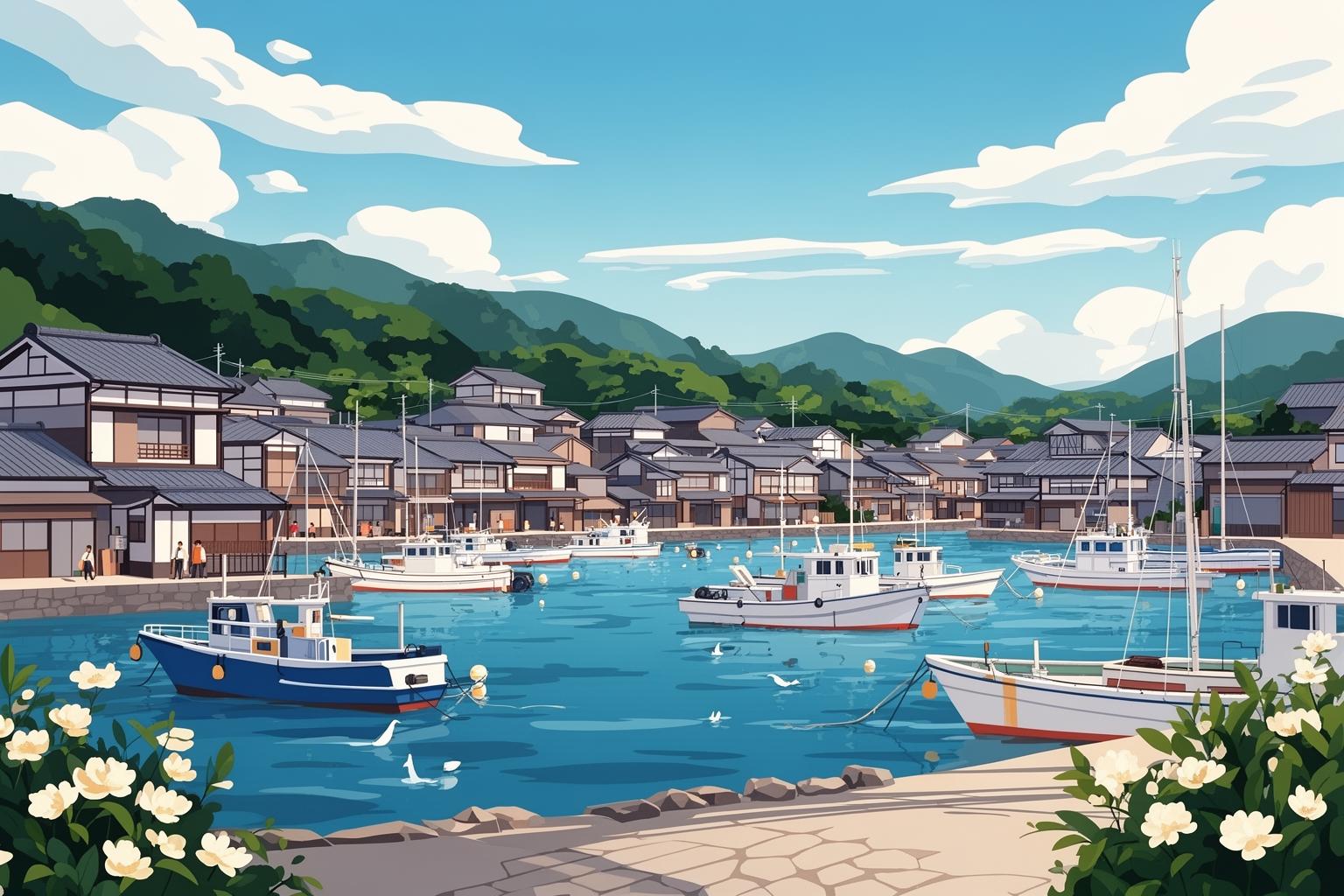
To discover Ponyo’s Tomonoura, all you need is to open your eyes and heart. The connection isn’t marked by a string of designated photo spots; it’s a feeling intricately woven into the town’s essence. As you stroll along the harbor’s edge, you’ll notice the small, idling fishing boats that inspired the ones Lisa, Sosuke’s mother, so recklessly drives past. The labyrinth of closely packed houses with tiled roofs transforms into the whimsical village where Ponyo’s magic spills onto the streets. The film’s vibrant spirit is strongest down by the water, where the sea acts as a constant, living presence, just as it does in the movie. You can almost imagine a little girl with fiery red hair running along the stone seawalls, bucket in hand, chasing the crabs scuttling in the shallows.
It’s said Miyazaki found the initial inspiration for Sosuke’s house in a home perched on a cliff overlooking the harbor, providing a perfect vantage point to observe the sea’s shifting moods. Though the exact house is a private residence, its spirit is everywhere. Look up at the hills that cradle the town, and you’ll see countless homes with similar breathtaking views, their windows like eyes gazing out at the endless blue. The real joy of the Ghibli pilgrimage here lies in these small discoveries—turning a corner in a narrow lane and finding a moss-covered stone wall that feels strangely familiar, or watching the sunset paint the sky in shades of orange and purple, reflecting the film’s most emotional scenes. The town doesn’t merely look like the movie; it feels like it. It captures the same sense of childhood wonder, the idea that magic might be real, hiding just beneath the surface of the everyday.
The soundscape, too, acts as a powerful trigger. Stand by the Joyato Lighthouse and close your eyes. Listen to the rhythmic clanging of ropes against masts, the distant cries of black kites soaring overhead, and the low hum of a ferry making its way to Sensuijima Island. These are the sounds that filled the air as Miyazaki and his team worked—the auditory palette from which they crafted the world of Ponyo. The film is a love letter to this place, and by simply being here, you become part of that ongoing story.
A Port Where History Waits for the Tide
Long before capturing the imagination of animators, Tomonoura had already fascinated shoguns, poets, and merchants. Its distinctive geography, nestled serenely within the Seto Inland Sea, made it an ideal natural harbor. For centuries, vessels journeying between Japan’s provinces, as well as those on diplomatic missions from Korea, would seek refuge in Tomonoura, waiting for the tides to turn. This was more than just a brief stop; it was essential. The currents of the Inland Sea are famously intricate, and Tomonoura served as the critical key to navigating them safely. This legacy is ingrained in every part of the town—from its name, which conjures the image of a tomo, the leather wrist guard worn by archers symbolizing the harbor’s protection of ships, to its very urban design.
The town prospered during the Edo Period (1603-1868), with much of that era’s architecture remarkably well preserved. Straying from the main harbor, one finds a maze of narrow lanes bordered by traditional wooden buildings with their distinctive dark latticed windows and heavy tiled roofs. These were once the residences and warehouses of affluent merchants, the inns that hosted visiting dignitaries, and the artisans’ workshops. This is not a recreated historical district; it’s a living museum where locals continue their daily routines amid centuries-old surroundings. The atmosphere is thick with stories. You can almost feel the presence of samurai, such as the legendary Sakamoto Ryoma, who sought shelter here after a naval confrontation in 1867. You might picture the Korean envoys, who admired Tomonoura’s view so deeply that they proclaimed it the most beautiful in all of Japan. This rich history gives Tomonoura a soul that transcends its cinematic renown. It’s a place treasured for both its beauty and practicality for over a millennium—a testament to the enduring harmony between life and the sea.
Icons of the Harborfront
At the core of Tomonoura’s identity lie the structures that have shaped its connection to the water for generations. These are more than mere landmarks; they are the foundational elements of the town’s story. The most notable is the Joyato Lighthouse. Positioned at the harbor’s edge, this graceful stone tower is not only a picturesque emblem; it is the largest Edo-period harbor lighthouse in Japan. Since its completion in 1859, its light has guided countless ships safely to shore. Although its flame no longer burns, its presence remains a powerful emblem of the town’s maritime heritage. It is the first sight upon approaching the harbor and the last glimpse as the sun sets, its silhouette a timeless assurance of safe haven.
Equally important are the gangi, the stone-stepped embankments lining the port. These are marvels of traditional engineering, designed to adapt to the dramatic ebb and flow of the tide. At high tide, the water reaches the upper steps, making docking easy for boats. At low tide, a broad expanse of stone stairs emerges, serving as a communal space where fishermen repair their nets and locals come together to converse. The gangi act as the town’s communal porch, where the line between land and sea is fluid and ever-shifting. Sitting on these weathered steps allows one to feel the heartbeat of Tomonoura— a rhythm governed by the moon and the ocean.
Further within the town, the Ota Residence awaits discovery. This beautifully maintained merchant house offers insight into the life of a prosperous family who built their fortune on a unique local product: homeishu. This medicinal liqueur, a potent blend of sixteen different herbs infused in sweet rice wine, has been crafted in Tomonoura for over 350 years. The Ota Residence not only displays elegant period architecture but also shares the story of this distinctive elixir, once thought to promote longevity. You can still find homeishu for sale in shops around town—a flavorful piece of history carrying the warmth of the past.
Capturing the Soul of Tomonoura
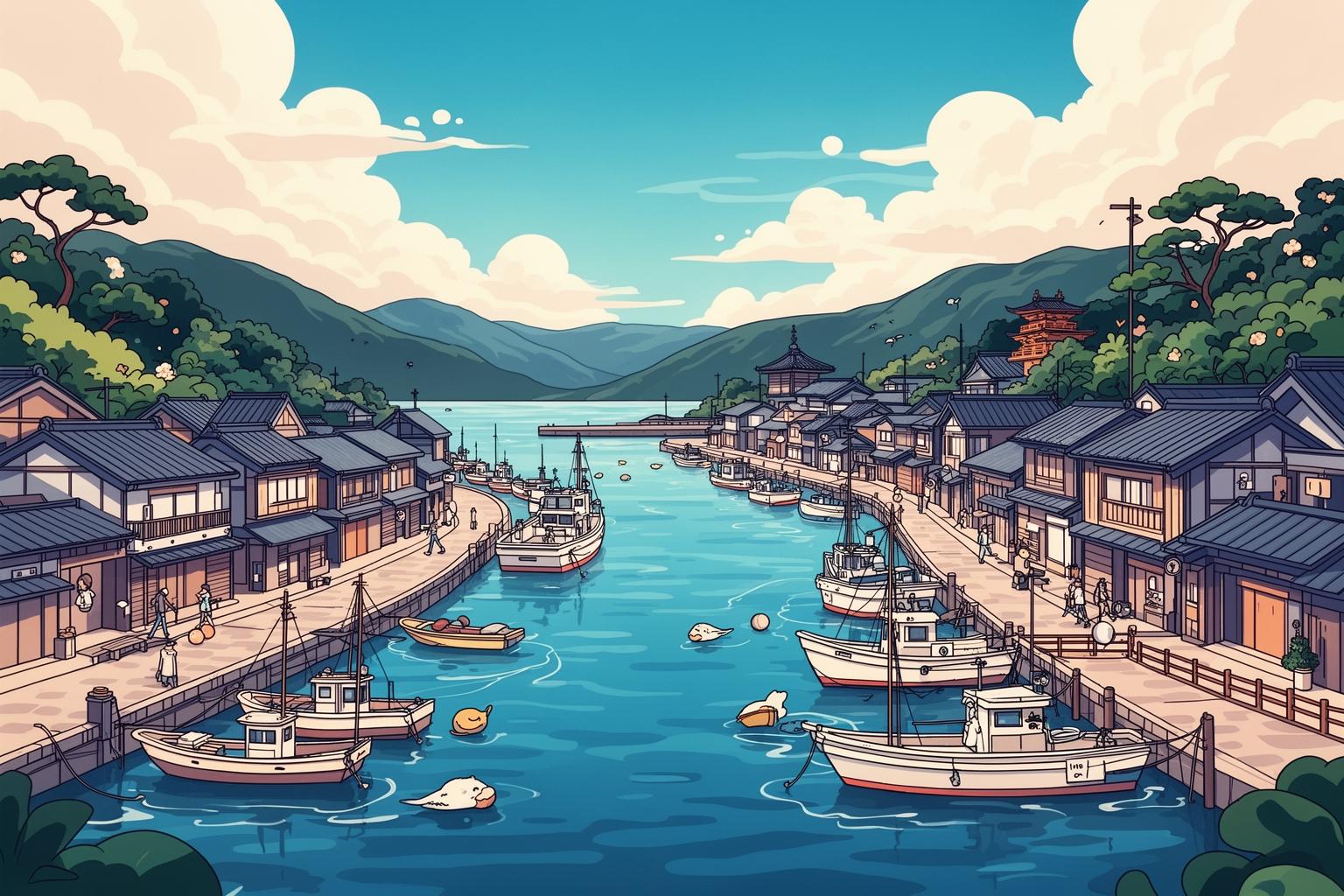
As a photographer, Tomonoura feels like a dreamscape filled with texture, light, and quiet moments. The town reveals its finest character not to those who hurry, but to those who patiently wait and observe. The true magic lies not only in the famous landmarks but in the delicate play of light on water, the weathered patina on wood, and the spontaneous moments of everyday life. This is a place that rewards both patience and a discerning eye.
The Golden Hours and Hidden Alleys
To truly capture Tomonoura, you need to sync with its rhythm, which is governed by the sun. Early morning is a scene of tranquil activity. The rising sun casts a gentle, ethereal glow over the harbor as fishermen prepare their boats, their silhouettes sharp against the brightening sky. The water often lies as smooth as glass, mirroring the town perfectly. This is a time for stillness, for capturing the port awakening.
The late afternoon brings a different kind of enchantment. As the sun begins to set, it bathes the town in warm, golden light. This is the golden hour, and in Tomonoura, it is transcendent. Light filters through narrow alleyways, casting long, dramatic shadows. It causes the weathered wood of the old buildings to glow with a warm inner light and makes the sea’s surface sparkle like a carpet of diamonds. This is the moment to capture atmosphere and the nostalgic, cinematic quality that so inspired Miyazaki.
But don’t limit yourself to the harbor. The true spirit of Tomonoura is equally alive in its backstreets. Wander away from the water and let yourself get lost. You’ll find hidden temples nestled between houses, stone paths leading to unexpected views, and sleepy cats lounging on sun-warmed walls. These alleys reveal the town’s personality—in the carefully tended potted plants, laundry fluttering in the sea breeze, and the faint sound of a television drifting from an open window. Here, you shift from tourist to observer, capturing the small, intimate details that tell the town’s genuine story.
A View from Above: Fukuzenji Temple
For a vantage point that captures the full splendor of Tomonoura, a visit to Fukuzenji Temple is indispensable. Situated on a hillside overlooking the port, this temple houses the Taichoro guest hall, a stunning wooden pavilion known for offering one of the most magnificent views in Japan. Back in 1711, a Korean envoy visiting the town was so moved by the view from this hall that he declared it “the most beautiful scenic spot in Japan.”
Stepping into the Taichoro is like entering a perfectly framed painting. The large open room overlooks the town’s tiled roofs, the gentle curve of the harbor, and the picturesque islands of Bentenjima and Sensuijima floating beyond in the sea. The wooden pillars of the hall form a natural frame, directing your gaze to the serene beauty of the landscape. It’s a view that has remained largely unchanged for centuries. You can sit on the tatami mats, feel the cool breeze, and simply take in the panorama. It’s a meditative moment, a profound peace that connects you with all who have stood in that spot, marveling at the same timeless scene. From here, you understand why this place was so cherished and why its beauty continues to inspire.
Practical Navigation for the Intrepid Traveler
Although Tomonoura seems like a world apart, getting there is a simple and enjoyable journey. The town is most conveniently reached from Fukuyama City, a key stop on the Sanyo Shinkansen line, making it easily accessible from major cities such as Osaka, Kyoto, and Hiroshima.
Journey to the Coast
After arriving at Fukuyama Station, your final stretch involves a local bus ride. Head to the bus terminal just outside the station and find the bus heading to Tomo Port (鞆の浦, Tomo-no-ura). The trip takes around thirty minutes, offering a pleasant shift from the busy cityscape to the tranquil coastal scenery. The bus route meanders through suburban areas before following the coastline, providing enticing views of the sea until it arrives at the historic harbor’s edge. Buses run frequently throughout the day, but it’s advisable to check the schedule for the last return bus if you’re planning a day trip.
When the Tides are Best
Tomonoura captivates visitors year-round, though spring and autumn bring the most comfortable weather for sightseeing. In spring, cherry blossoms add a soft pink border to the scenery, accompanied by mild, pleasant weather. Autumn offers crisp air, clear skies, and vibrant fall foliage on the surrounding hills. Summer is also lovely, with a lively, festive vibe, but be prepared for the region’s typical heat and humidity. Winter is quiet and atmospheric—ideal for peaceful reflection—though some smaller shops may have shorter hours.
One of the town’s most thrilling events is the Sea Bream Netting Festival (Tai-ami), held in May. This traditional fishing technique, practiced for over 380 years, is an exciting spectacle, providing a direct glimpse into the town’s active fishing heritage.
A Taste of the Seto Inland Sea
No trip to a port town is complete without tasting its seafood, and Tomonoura is famous for its sea bream, or tai. This local delicacy is prepared in many delightful ways. A must-try dish is tai-meshi, a simple yet deeply flavorful meal of rice cooked with a whole sea bream in an earthenware pot. As the fish steams with the rice, every grain absorbs its subtle, savory taste. Numerous local inns and restaurants specialize in this dish, offering an authentic taste of the Setouchi region. And of course, be sure to sample the historic homeishu, a herbal liqueur that has warmed visitors for centuries. A small glass serves as a perfect, distinctive digestif after a seafood feast.
Beyond the Frame: Embracing the Tomo Lifestyle
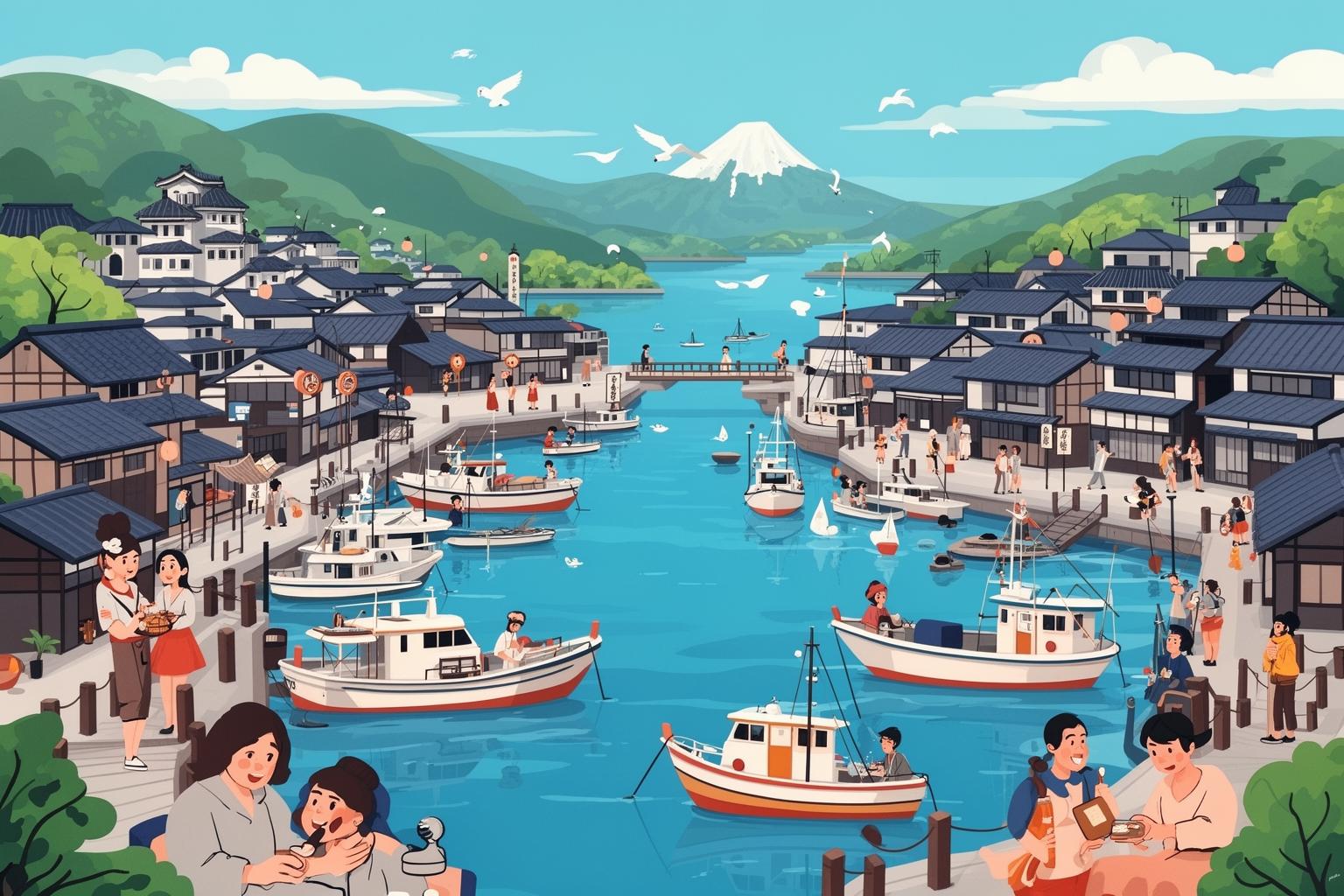
Tomonoura’s greatest charm lies in its pace. To truly savor it, you need to slow down and align yourself with its unhurried rhythm. This isn’t a place to be rushed through on a checklist; it’s somewhere to be fully experienced, even if only for a day. Begin by settling on the gangi steps and simply watching the world drift by. Notice the fishermen repairing their nets, locals exchanging greetings, and ferries steadily moving back and forth. Let the port’s atmosphere gently envelop you.
For a change of scenery, take the short five-minute ferry to Sensuijima Island. This largely untouched island, part of Setonaikai National Park, boasts lovely walking trails and offers a fresh perspective on Tomonoura from across the water. It’s an opportunity to immerse yourself in the region’s natural beauty and feel surrounded by the sea. The island’s beaches are serene, ideal for a quiet moment of reflection.
Back in town, give yourself permission to explore with curiosity. Visit the small, family-run shops along the streets, where you’ll find everything from local crafts to freshly made fish cakes. Engage with shopkeepers; often, a simple smile and nod can open the door to a warm conversation. Unlike a bustling tourist hub, Tomonoura provides genuine, unscripted connections. Keep in mind this is a living community—be a respectful observer, tread lightly through the alleyways, and remember you are a guest in someone’s home. The best souvenir from Tomonoura is the sense of peace that comes from embracing its simple, timeless lifestyle.
A Final Glimpse Before the Tide Turns
As the day draws to a close and the final rays of sunlight fade from the harbor, Tomonoura settles into a quiet enchantment. Lights from the houses begin to twinkle on the hillsides, their reflections shimmering on the dark water. The Joyato Lighthouse stands silently as a guardian, bridging the town’s rich past with its serene present. Visiting Tomonoura is to embrace a rare and beautiful duality. It’s like stepping into the scenes of a cherished animated film, where the joy and wonder of childhood imagination come alive. Simultaneously, it is a journey into the heart of Japanese history, to a place where the echoes of centuries of maritime life remain vivid.
This is a town that does not announce its secrets loudly. Instead, it whispers them on the sea breeze, in the gentle cadence of the waves, and in the warm glow of an old lantern. It invites you to listen, observe, and feel. Whether you arrive seeking the magic of Ghibli or the essence of old Japan, you will depart with something more: a sense of calm, a connection to the timeless rhythm of the tide, and a memory of a place where time itself seems to pause just long enough for you to catch your breath.