

There are moments in cinema that transcend the screen, weaving themselves into the fabric of our own reality. They leave an imprint so vivid, a yearning so profound, that the line between the world we watched and the world we inhabit begins to blur. Makoto Shinkai’s 2016 masterpiece, Your Name (Kimi no Na wa), is a vessel for thousands of such moments. It’s a story of star-crossed lovers separated by time and space, a symphony of light and color that captures the frantic energy of Tokyo and the sacred tranquility of rural Japan. But its most enduring magic lies in its authenticity. The landscapes that Taki and Mitsuha call home are not just fantastical creations; they are meticulously rendered portraits of real places, breathing with life and waiting to be discovered. This truth has sparked a modern cultural phenomenon in Japan known as “seichi junrei,” or anime pilgrimage, where fans embark on journeys to visit the real-life settings of their favorite stories. For fans of Your Name, this pilgrimage is more than just sightseeing; it’s a quest to feel the film’s central theme of musubi—the invisible, powerful thread of connection that binds people, places, and time itself. It’s a journey that takes you from the heart of the world’s largest metropolis to the serene, mountainous heart of the country, tracing the steps of two souls searching for one another. This guide is your map to that journey, a way to find your own connections in the breathtaking worlds of Taki and Mitsuha.
For those seeking to deepen their connection, a Hakone pilgrimage offers a compelling look at the fusion of myth and modernity in real-world Japan.
Taki’s Tokyo: A Labyrinth of Light and Longing

Tokyo, seen through the eyes of Taki Tachibana, is a vibrant, dynamic organism. It’s a city of constantly moving trains, reflections shimmering on glass skyscrapers, and millions of lives intersecting in fleeting moments. Shinkai portrays this urban expanse not as a cold concrete jungle, but as a place of deep beauty and quiet, anonymous melancholy. Taki’s world is filled with rushing to part-time jobs, navigating the labyrinthine corridors of the busiest train stations in the world, and sketching landscapes he dreams of but has never experienced. Walking through his Tokyo means feeling the city’s rhythmic pulse, seeing the beauty in its organized chaos, and standing in the exact places where his search for Mitsuha began.
The Iconic Red Steps: Suga Shrine in Yotsuya
Every pilgrimage has its sacred destination, its emotional climax. For fans of Your Name, it is undoubtedly the red-railed staircase of Suga Shrine. This is the scene of the film’s heart-wrenching and ultimately cathartic finale, where Taki and Mitsuha finally find each other years later. The real location, tucked away in a quiet residential neighborhood of Yotsuya, feels surprisingly tranquil compared to its dramatic cinematic portrayal. As you approach, the city’s hum fades away, replaced by the gentle rustle of leaves and distant neighborhood sounds. Walking up or down these steps is a surreal experience—you instinctively glance over your shoulder, half-expecting to see a familiar face. The view from the top, framed by buildings and trees, matches the film almost perfectly, showcasing Shinkai’s exceptional attention to detail.
For first-time visitors, late afternoon is the ideal time to visit. The “magic hour” sun casts long shadows and bathes the scene in a warm, golden light that perfectly captures the mood of the movie. To reach this spot, take a train to Yotsuya Station, then enjoy a pleasant ten-minute walk through the neighborhood. Remember that this is a residential area and a place of worship—be respectful of residents, keep your voice low, and avoid lingering on the staircase. The true magic of this place lies not just in taking a photo, but in standing there, feeling the weight of the story, and appreciating the quiet beauty of a simple Tokyo side street.
A Date with Perspective: The National Art Center, Tokyo
The architectural elegance of The National Art Center, Tokyo, located in the chic Roppongi district, serves as the backdrop for Taki’s date with his coworker, Miki Okudera. The building’s vast, undulating glass facade is instantly recognizable. Inside, the expansive, light-filled atrium with its iconic concrete cones creates a striking sense of scale and modern sophistication. In the film, this setting highlights Taki’s distraction, his mind clearly elsewhere even in this impressive environment. For visitors, it offers a fantastic chance to combine an anime pilgrimage with a world-class cultural experience. The museum regularly hosts fascinating exhibitions, making it a worthwhile destination on its own.
Fans should be sure to visit Salon de Thé ROND, the café perched atop one of the interior cones where Taki and Okudera-senpai share a slice of cake. Securing a table here lets you sit in the exact spot and gaze out over the atrium as they did. It’s a popular location, so you might have to wait, but the experience of sipping tea immersed in the film’s atmosphere is well worth it. Getting there is easy via Nogizaka Station, which has a dedicated exit leading directly into the museum. It’s a perfect example of how the world of Your Name seamlessly blends into the real, vibrant culture of Tokyo.
Crossing Paths: The Shinjuku Pedestrian Bridge
The montage sequences in Your Name blur into a whirlwind of Tokyo life, masterfully conveying the passage of time and the emotional distance between Taki and Mitsuha. A key visual motif is the pedestrian overpass, with streams of people crossing and trains passing below. One of the most famous of these is the bridge near the Shinjuku Police Station. Standing on this bridge, you can feel the city’s heartbeat. The endless flow of traffic, the rumbling trains nearby, and the towering skyscrapers of West Shinjuku, including the distinctive Tokyo Mode Gakuen Cocoon Tower, compose a symphony of urban motion. This is Taki’s everyday landscape—a place emphasizing both the city’s immense scale and the individual anonymity within it. Taking a moment to simply stand and watch the city move around you is a deeply meditative experience, connecting you to the feeling of being a small, singular part of a vast, interconnected network—a central theme of the film.
Navigating the Urban Maze: Shinjuku and Yoyogi Stations
Trains are the veins and arteries of Tokyo, playing a vital role in Your Name, symbolizing connection, separation, and the journey of life. Shinjuku Station, the busiest transportation hub in the world, appears frequently throughout the film. Though its vast size may be overwhelming for first-timers, it’s an essential part of experiencing Tokyo. The movie perfectly captures the organized chaos of its platforms and the views from the JR Yamanote and Chuo Line trains. You can spot the NTT Docomo Yoyogi Building, which Taki often sees from his window, looming over the tracks just as it does in reality. A helpful tip for navigating this labyrinth is to use a prepaid IC card like Suica or Pasmo; it makes hopping on and off trains much easier. Don’t worry about getting lost—in many ways, that’s part of the adventure, echoing Taki’s own journey through the sprawling city.
Mitsuha’s Itomori: Echoes of Tradition in Hida
Leaving behind the electric glow of Tokyo, the pilgrimage takes a dramatic shift, slowing its pace as it enters the world of Mitsuha Miyamizu. Her fictional hometown of Itomori—a place rich in ancient traditions, sacred duties, and breathtaking natural beauty—was primarily inspired by the charming town of Hida-Furukawa in the mountainous Gifu Prefecture. Stepping off the train here feels like stepping into another era. The air is crisp, silence broken only by the gentle flow of water and the distant chirping of birds, while the landscape is dominated by dark wooden buildings set against lush green mountains. This is where the story’s heart beats strongest, a place where time, memory, and ritual intertwine deeply with daily life.
The Heart of the Town: Hida-Furukawa Station
The journey to discover Mitsuha’s world begins, just as it does for Taki in the film, at a train station. Hida-Furukawa Station is a small, modest building, yet for fans, it stands as an instantly recognizable and profoundly meaningful landmark. The scene where Taki and his friends arrive and compare his sketch to the real landscape has been meticulously recreated here. The station has embraced its cinematic fame graciously; you’ll often find a welcoming panel featuring the film’s characters and even a small figure of the town’s cow-like mascot, Hidakuro, on the platform. But the true magic lies in making the journey yourself. The Limited Express Hida Wide View train from Nagoya offers one of Japan’s most scenic rail experiences, winding through deep valleys alongside a rushing, emerald-green river. For optimal views, try to sit on the right side of the train when heading towards Hida-Furukawa. Arriving here, you genuinely feel as though you have walked in Taki’s footsteps, setting out on a search for something known only from a dream.
A Treasury of Knowledge: Hida City Library
One of the film’s most pivotal scenes unfolds in a library, where Taki finally uncovers the heartbreaking truth about Itomori. The beautiful, modern, and light-filled interior shown is a faithful representation of the Hida City Library. With its stunning wooden architecture and carefully crafted spaces, it stands as a remarkable example of public architecture. The library staff are well aware of their building’s fame and warmly welcome visitors on pilgrimage. However, it remains a functioning library—a quiet space serving the local community. To preserve this peaceful environment, visitors wishing to take photographs must first register at the front desk and obtain a photography permit. This simple gesture of respect allows the pilgrimage to coexist harmoniously with everyday life. Sitting in one of the chairs and gazing up at the gracefully curved ceiling beams, you can almost hear the rustling of pages as Taki desperately searches for answers, making it a deeply moving stop on the tour.
Whispers of the Gods: Hie Shrine and Ketawakamiya Shrine
Mitsuha’s life is inseparable from her duties as a miko, or shrine maiden, at the Miyamizu Shrine. Though the shrine itself is fictional, its spirit is drawn from several real-world sites. The most visually similar is often considered to be Hie Shrine in nearby Takayama, especially its grand stone staircase leading to the main grounds. Yet for the spiritual ambiance of a local, community-focused shrine, Ketawakamiya Shrine in Hida-Furukawa is a more fitting model. Nestled in a grove of towering cedar trees, this shrine feels ancient and sacred. The air is heavy with the scent of damp earth and moss. As you walk along stone paths, it’s easy to envision Mitsuha and her sister Yotsuha performing their rituals here. This is where the cultural context of the film truly awakens. The shrine embodies the deep roots of Shintoism in Japanese life—a belief system centered on divine spirits, or kami, inhabiting the natural world. Mitsuha’s ritual of creating kuchikamizake (a ceremonial sake), which plays a key role in the plot, is tied to these ancient Shinto traditions of offering and communion with the gods. Visiting these shrines offers a profound glimpse into the spirituality underpinning the entire story.
Daily Rhythms: Exploring Hida-Furukawa Town
Beyond the specific filming locations, the true charm of Hida-Furukawa lies in simply wandering its streets. The town is renowned for its picturesque canals, where thousands of colorful koi carp glide lazily through crystal-clear water. Shirakabe Dozogai Street, with its traditional white-walled storehouses and old merchant homes, feels like a perfectly preserved snapshot of history. While exploring, be sure to look for Ajidokoro Furukawa, the restaurant whose exterior inspired the ramen shop where Taki first gains a clue from a local. Also, keep an eye out for the small, charming bus stop used by Mitsuha and her friends. A pilgrimage here wouldn’t be complete without tasting Gohei Mochi, a regional specialty of grilled skewered rice cakes coated in a sweet and savory miso glaze—exactly what Taki is seen enjoying. Supporting these local businesses is a wonderful way to thank the community for sharing its beautiful home with the world.
The Vanished Lake: Seeking Itomori’s Soul at Lake Suwa
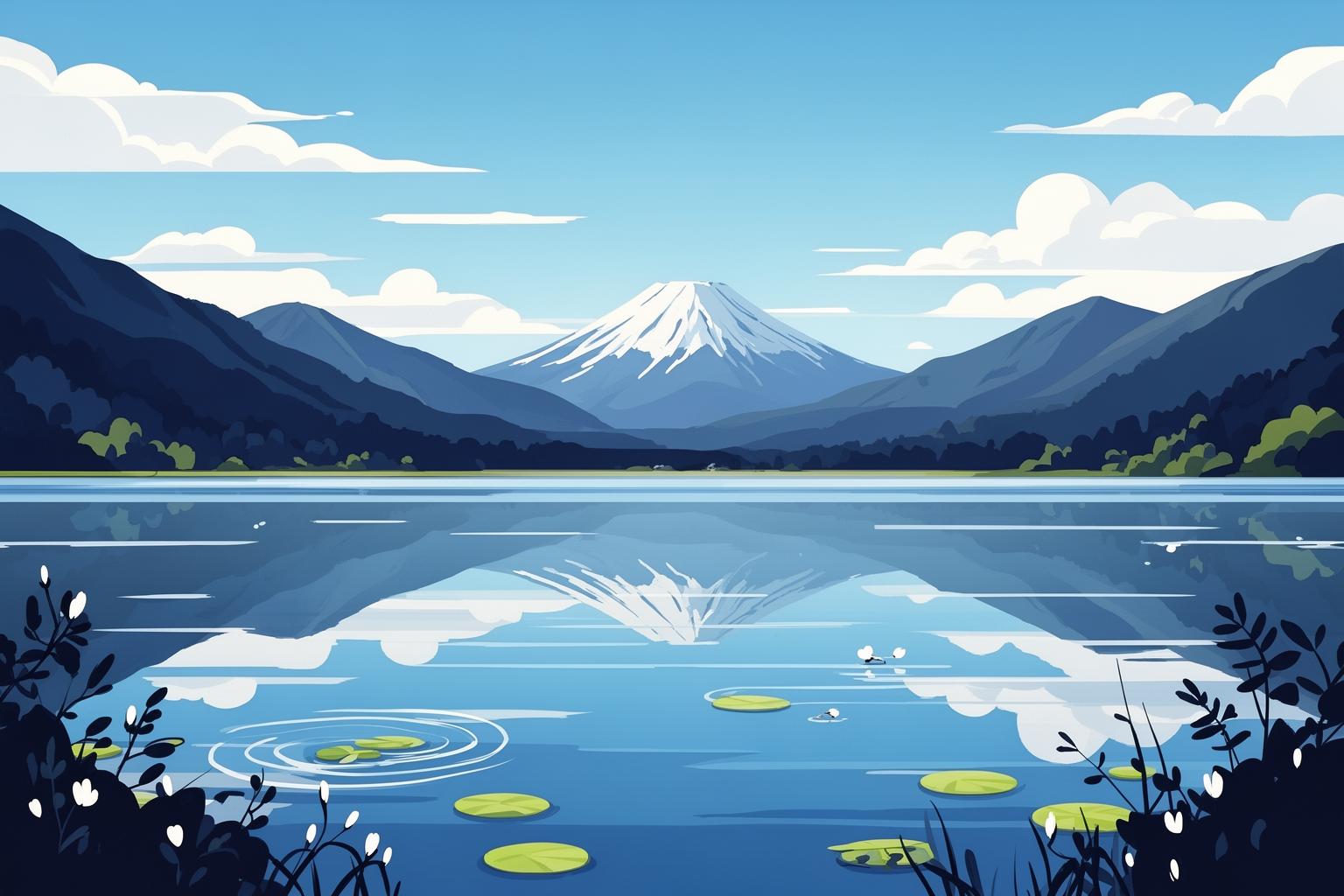
The most stunning and heartrending image in Your Name is the sight of Itomori, nestled within a crater-like basin surrounding a shimmering, gourd-shaped lake. This unforgettable landscape, which holds the key to the film’s central mystery, was inspired by Lake Suwa in Nagano Prefecture. While Hida-Furukawa served as the town’s model, Lake Suwa provided the spirit and dramatic geography. The image of the comet splitting the sky is forever ingrained in this scenery. Witnessing it in person allows you to fully grasp the awe and scale that Shinkai masterfully captured.
The best spot to take in this view is from Tateishi Park, perched on a hill overlooking the lake. The climb or brief taxi ride to the park’s observation deck is an experience in itself, building anticipation. Then, the vista unfolds before you: the expansive lake, the towns hugging its shores, and the distant mountains all align perfectly, reflecting the film’s cinematic vistas. It’s a moment of deep recognition. The atmosphere here evokes a sense of vastness and contemplation. Gazing down at the lake, you can’t help but reflect on the film’s themes of memory, loss, and the cyclical nature of disaster and rebirth that have shaped Japan’s history.
Lake Suwa is beautiful throughout the year, but its significance varies with the seasons. In August, it hosts one of Japan’s most spectacular fireworks displays, a vibrant celebration of life that contrasts poignantly with the comet’s destruction. In the depths of winter, the lake sometimes freezes over, creating a natural phenomenon called the Omiwatari, or “God’s Crossing,” where ice ridges form across the surface. Local legends say this is the path left by the gods of the region’s main shrines as they cross the lake to visit one another—a piece of folklore that deeply resonates with the film’s blend of mythology and natural events.
A Pilgrim’s Practical Guide: Making Your Journey Seamless
Embarking on a pilgrimage across Japan requires some planning, but the reward is an unforgettable journey that connects you deeply with both the film and the country itself. A carefully planned approach can make the logistics as smooth and enjoyable as the sightseeing.
Planning Your Itinerary: Tokyo and Hida Combined
The most natural way to organize your Your Name pilgrimage is to follow the story’s progression: begin in the modern metropolis of Tokyo and then venture to the traditional landscapes of Gifu and Nagano. Allocate at least two to three days to explore the Tokyo locations, as the city is vast and you’ll want to savor each spot without feeling rushed. Next, plan your trip to the Hida region. The typical route involves taking the Tokaido Shinkansen (bullet train) from Tokyo to Nagoya, then transferring to the Limited Express Hida Wide View. This journey will take up a considerable part of the day. To truly appreciate Hida-Furukawa and the surrounding area—including a possible day trip to the larger, historic town of Takayama—an overnight stay of one or two nights is highly advisable. If you intend to visit Lake Suwa, it is accessible via the JR Chuo Line from either Tokyo or Nagoya. For travelers making this multi-city trip, a Japan Rail Pass can be an extremely cost-effective option, covering all the train travel on the JR network mentioned above.
What to Pack and When to Go
Comfort is essential on a pilgrimage, since you’ll be walking quite a bit. Comfortable shoes are a must. The seasons dramatically influence the atmosphere of these sites. Spring, with its delicate cherry blossoms, and autumn, with its vibrant foliage, are especially beautiful times to visit, reflecting the rich color palette Shinkai is known for. Summers tend to be hot and humid, while winters in the Hida mountains bring heavy snowfall, creating a beautiful but challenging environment to navigate. Pack layers accordingly. Although Japan is technologically advanced, it remains largely a cash-based society, especially in smaller towns. Be sure to carry enough yen for small purchases, local transportation, and offerings at shrines.
Pilgrimage Etiquette: Traveling with Respect
As a pilgrim, you represent the entire fan community. The most important guideline is to travel with respect and gratitude. The locations from Your Name are not just film sets; they are people’s homes, workplaces, and sacred places. At the Suga Shrine steps, be considerate of local residents and avoid causing a disturbance. In the Hida City Library, observe the photo permit requirement and maintain silence. At the shrines, learn the basic etiquette of bowing before the torii gate and purifying your hands at the temizuya water basin before approaching the main hall. One of the best ways to show your appreciation is by supporting the local economy. Purchase a local souvenir, enjoy a meal at a family-run restaurant, or buy a charm at a shrine. By being a respectful and engaged visitor, you help ensure these wonderful places remain welcoming to future pilgrims for years to come.
More Than a Memory: The Enduring Magic of a Shinkai World

To explore the real-life locations featured in Your Name is to realize that the film’s magic extends beyond the screen. It resides in the quiet charm of a Tokyo neighborhood, the warm wooden shelves of a town library, and the stunning vastness of a mountain lake. This pilgrimage goes beyond merely ticking off photo spots; it is an immersive experience that enhances your appreciation for both the art of animation and the remarkable beauty of Japan. It offers a hands-on way to connect with the film’s central theme of musubi. You forge your own bonds—a thread linking you to the story, the creators who brought it to life, and the countless other fans worldwide who have embarked on the same journey. You begin to perceive the world with fresh eyes, noticing the Shinkai-like beauty in a passing train, sunlight breaking through clouds, or the delicate network of power lines against a twilight sky. You leave with more than memories; you carry a sense of having been part of something greater than yourself. The search for Taki and Mitsuha becomes a quest for connection in your own life, inspiring you to discover the invisible threads that weave your personal story together.








