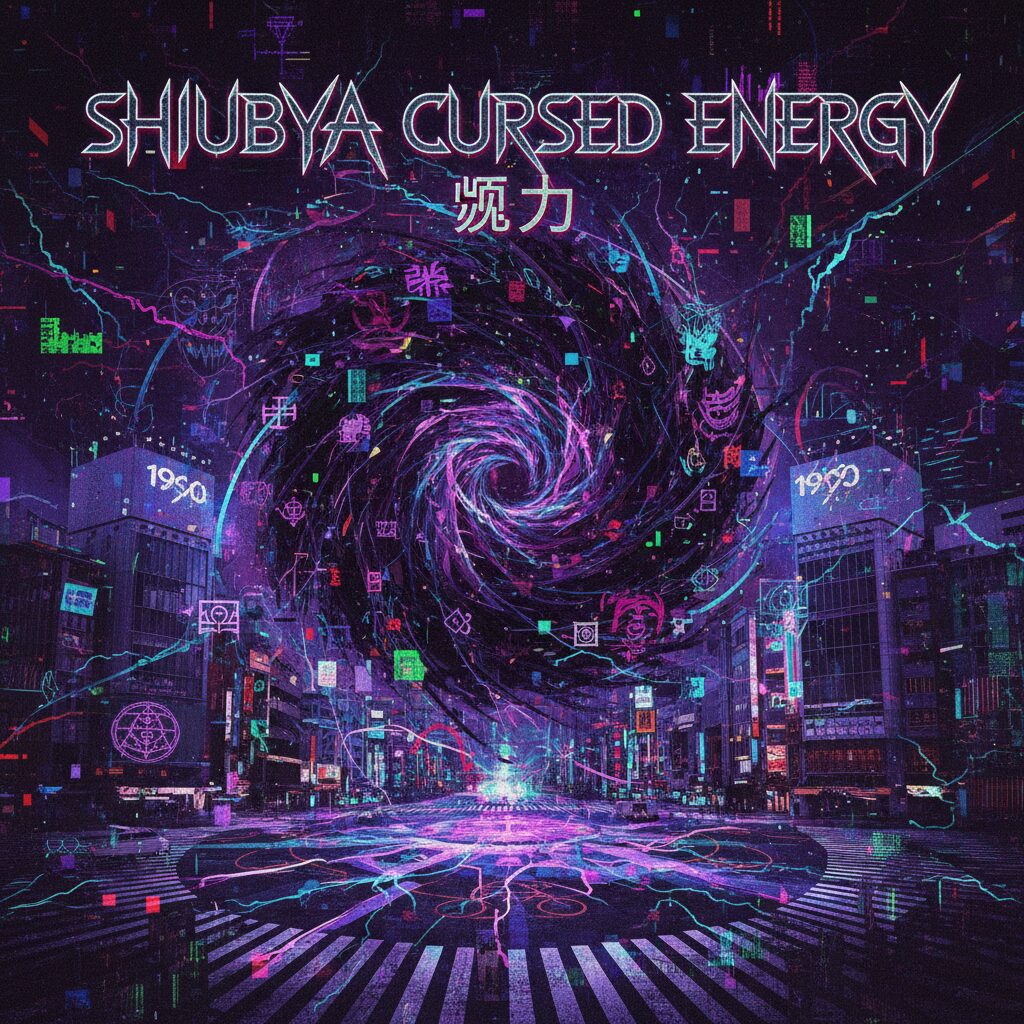
Tokyo pulses with a rhythm all its own, a city of a thousand faces where ancient tradition and hyper-modernity collide on every corner. But there is one place where this energy concentrates, a nexus of light, sound, and humanity that has become a global icon: Shibuya. For most, it’s the home of the world’s busiest pedestrian crossing, a symbol of urban efficiency and vibrant youth culture. For those of us who have seen beyond the veil, however, Shibuya holds a different, darker significance. It is the grand stage of the Shibuya Incident, the sprawling, chaotic battlefield where the fate of the world of Jujutsu Sorcerers was irrevocably altered. This is not just a travel guide; this is a pilgrimage. We’re walking into the heart of a fictional catastrophe, tracing the steps of Satoru Gojo, Yuji Itadori, and the swirling vortex of Cursed Spirits that descended upon this very spot. As a storyteller who finds narratives in cityscapes, I’ve always been drawn to how fiction can repaint our perception of a real place. In Shibuya, the paint is a stark, thrilling shade of Cursed Energy. We’ll explore the iconic landmarks that served as the backdrop for some of modern anime’s most intense battles, feeling the phantom echoes of Domain Expansions and Black Flashes amidst the real-world hustle. This journey is about seeing the unseen, about standing in the center of that famous scramble and understanding its dual identity as both a bustling intersection and the epicenter of a sorcerer’s war. Welcome to Shibuya, where the line between reality and curse is thrillingly, beautifully blurred.
As the pulse of Shibuya fades into twilight, those enchanted by the collision of myth and urban reality may also delve into the evocative magic of Your Name urban settings.
The Heart of the Veil: Shibuya Crossing
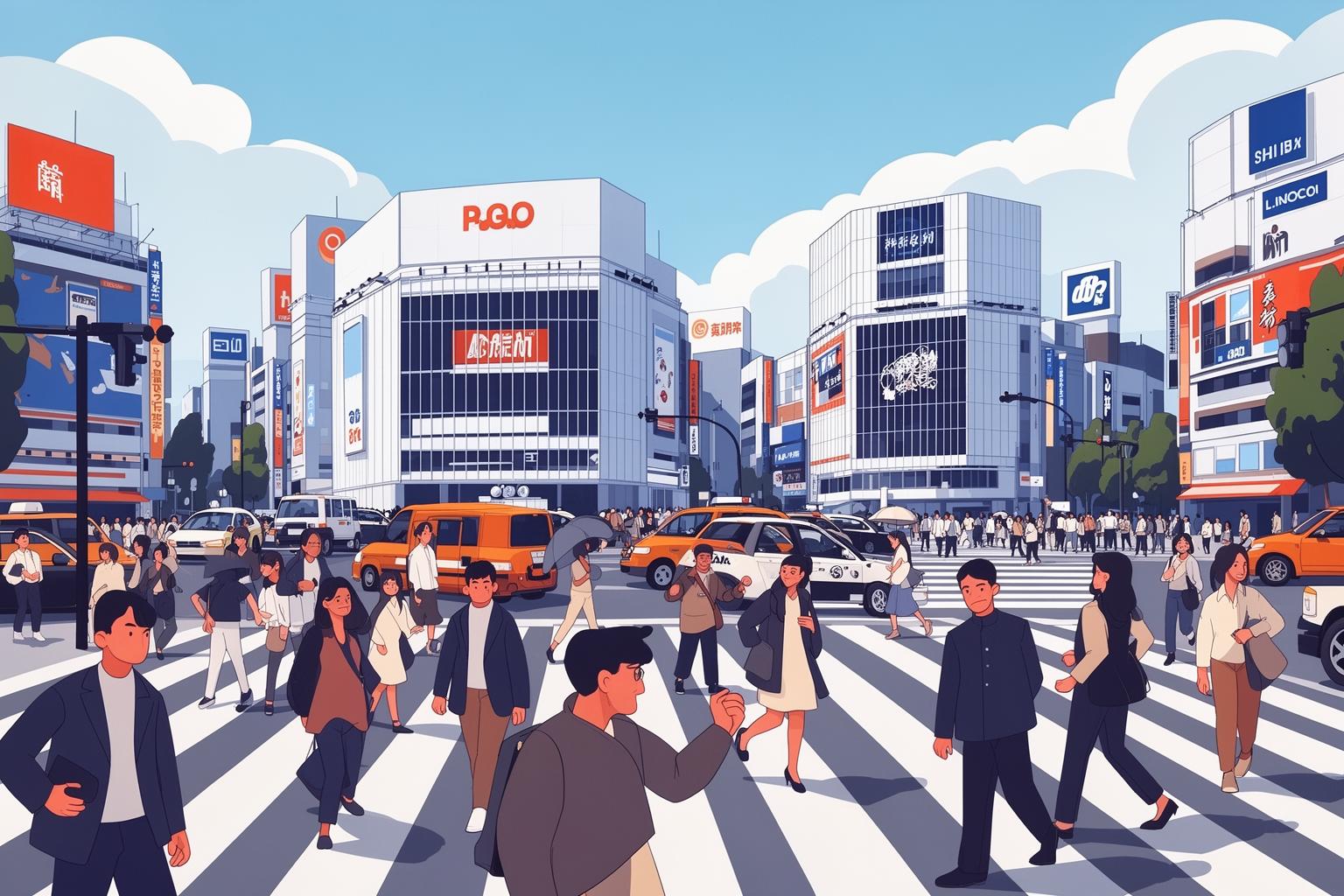
The moment you step out of Shibuya Station’s Hachiko Exit, the world shifts dramatically. It’s an overwhelming sensory assault. Towering screens flash silent, mesmerizing advertisements, their light illuminating the faces of the massive crowd. The low rumble of trains beneath your feet blends with a symphony of J-pop, announcements, and the steady shuffle of countless shoes on pavement. This is the Shibuya Scramble Crossing, and it pulses with electrifying life. But for a Jujutsu Kaisen devotee, the sensation runs deeper. Standing at the curb, waiting for the light to change, you can’t help but envision it: the sudden, eerie silence as a 400-meter Veil descends, entrapping a sea of unsuspecting civilians. This very spot marks the beginning. The chaos of the real crossing serves as the perfect backdrop for the imagined horror. As you flow with the river of people across the intersection, you tread on sacred, albeit fictional, ground. Here, Satoru Gojo, the strongest sorcerer alive, was pushed to his absolute limits. You can almost sense the lingering energy of his Hollow Purple, a technique so potent it had to be unleashed with surgical precision amid the real buildings that still surround you. Look up at the iconic glass-walled Starbucks on the second floor of the QFRONT building. From there, you gain a god’s-eye view of the streaming crowds, the very vantage point from which the villains likely observed their sinister plan unfold. The contrast is striking. You see thousands participating in a peaceful, orderly urban spectacle, yet your mind overlays it with visions of transformed humans and desperate sorcerers battling for survival. The true magic of this pilgrimage site resides in that duality. It doesn’t feel like a somber memorial but a living tribute to a story that wove the city’s raw, vibrant energy into its core narrative. It seems as though the Cursed Energy still hums just beneath the surface, held in check only by Tokyo’s relentless forward momentum.
Echoes in the Corridors: Exploring Shibuya Station
If the crossing served as the opening act, Shibuya Station was the expansive, multi-level arena where the main event unfolded. To the average commuter, the station is a notoriously intricate maze of platforms, corridors, and exits. To a JJK fan, it becomes a dungeon, a character in its own right. The anime masterfully portrayed the station’s bewildering nature, transforming its ordinary hallways and deep subway platforms into claustrophobic battlegrounds. Navigating the station becomes an integral part of the pilgrimage experience. You’ll find yourself getting lost, taking wrong turns, and doubling back; in those moments of confusion, you develop a newfound appreciation for the sorcerers who had to traverse this same labyrinth while fighting for their lives. The true challenge—and the real excitement—lies in identifying key locations. The battles in the Shibuya Incident arc unfold across several train lines. The deep, sterile, and almost futuristic environment of the Fukutoshin Line platforms, located five floors underground, vividly evokes the intense clashes fought in the station’s depths. The sheer depth creates a sense of disconnection from the world above, an atmosphere the anime skillfully uses to build isolation and dread. As you descend the long escalators, the air grows cooler, the city noises fade, and you find yourself truly in Shibuya’s underworld. This is where the sorcerers were separated, forced into individual confrontations within a vast, subterranean hellscape. The station’s ongoing renovations and construction add an intriguing layer. Some sections now appear different from when the manga was created—reminding us that Tokyo is a living, breathing entity that never stands still. This constant transformation feels thematically fitting; the city rebuilds and moves forward, but the story’s scars remain etched in the memories of its fans.
Navigating the Labyrinth
For first-time visitors, Shibuya Station can feel overwhelming. The key is not to resist it, but to embrace the chaos. Rather than trying to memorize a map, focus on following the color-coded signs for the major train lines: the bright green of the JR Yamanote Line, the orange for the Ginza Line, and the purple of the Hanzomon Line. These will serve as your lifelines. The famed Hachiko Exit is your main landmark, the central artery linking the station to the iconic crossing. Use it as your anchor point. But allow yourself to explore. Take a detour down a random corridor, follow a flow of people just to see where it leads. It’s during these unplanned wanderings that you begin to grasp the true scale of the space. You might stumble upon deserted corridors that feel eerily quiet compared to the bustling concourses, making it easy to imagine a Cursed Spirit lurking just around the bend. The atmosphere shifts dramatically as you move between the JR lines on the upper levels and the subway lines deep below. The upper levels are bright, spacious, and alive with the constant roar of arriving and departing trains. The deeper you go, the more artificial the lighting becomes and the more the sounds echo. This environmental storytelling was expertly portrayed in the anime, and you can experience it yourself simply by riding the escalators.
A Sorcerer’s Respite: Beyond the Battlefield
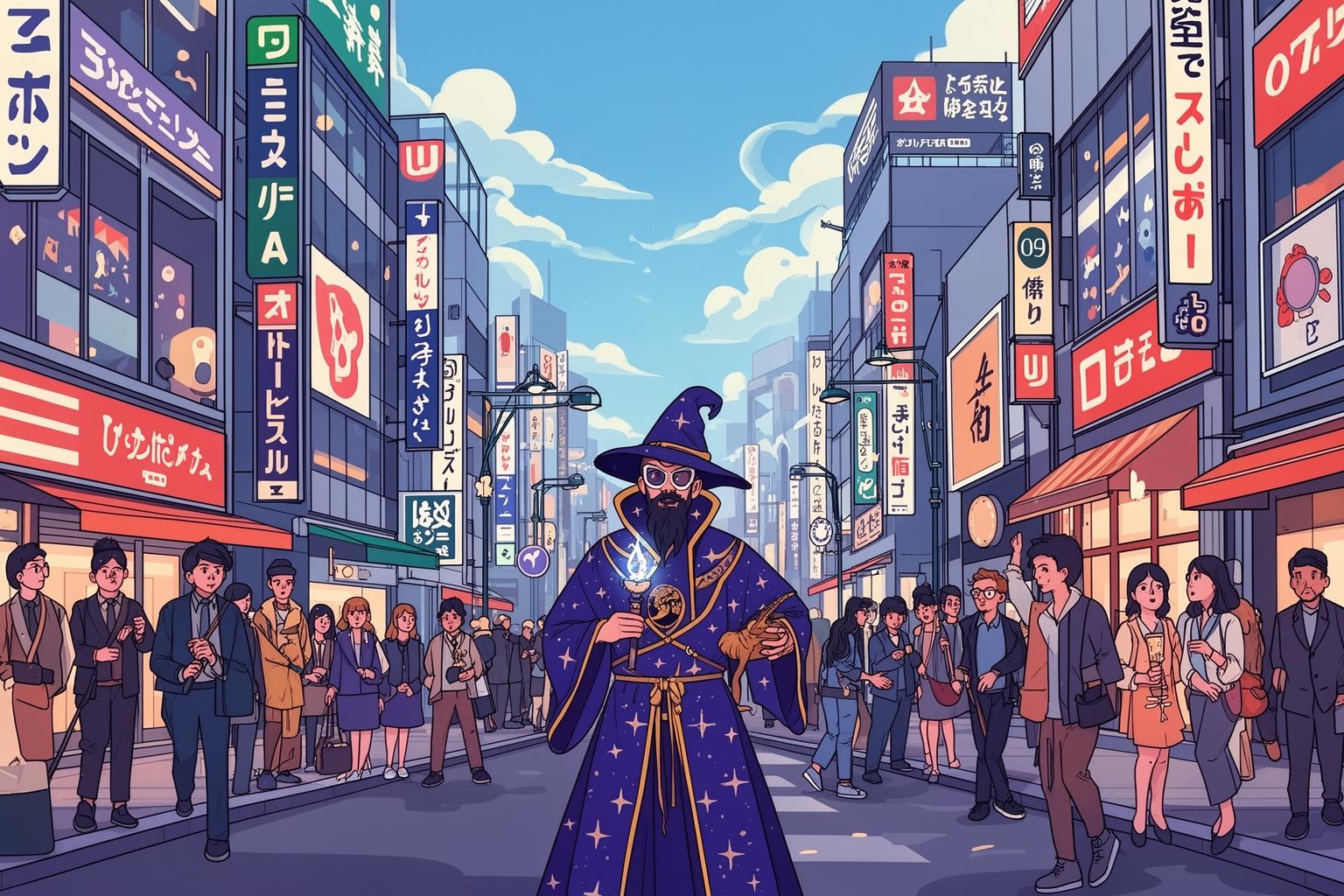
While the crossing and the station serve as the main stages, the entire Shibuya district is infused with the atmosphere of Jujutsu Kaisen. The story’s energy spreads through the side streets, towering department stores, and hidden alleyways. Exploring beyond the primary battle sites lets you sense the heartbeat of the world the sorcerers fought to protect. This deepens the pilgrimage, offering insight into the culture and life so violently disrupted by the arrival of the Veil.
Shibuya Center Gai
Now officially called Basketball Street but still known to locals as Center Gai, this narrow, pedestrian-only street is the vibrant core of Shibuya’s youth culture. It’s a lively, chaotic canyon filled with fast-food joints, clothing stores, arcades, and karaoke bars, each blasting its own music into the crowded thoroughfare. Though not a specific battleground, Center Gai symbolizes the civilian life that was threatened. Walking here, shoulder-to-shoulder with teenagers dressed in the latest street fashions, you gain a powerful sense of what was lost within the Veil. This is where ordinary Shibuya residents were caught in the crossfire. It’s a place of immense human energy, a concept central to the JJK universe. For the pilgrim, it offers a moment to reconnect with the human side of the story. Grab a crepe or some takoyaki from a street vendor, dive into a noisy arcade for a few rounds of a rhythm game, and simply soak in the atmosphere. The density of people and stimuli makes the entire street seem to hum with a unique frequency, a real-world counterpart to the Cursed Energy born from human emotion.
Shibuya 109 and Magnet by Shibuya 109
These two buildings are unmistakable icons of Shibuya’s skyline. The cylindrical Shibuya 109 is a fashion mecca, its name synonymous with the district itself. Across the street, Magnet by Shibuya 109 (formerly the 109 Men’s building) offers an essential experience for any pilgrim. These structures are more than shopping malls; they serve as geographical anchors. In the anime, their presence in establishing shots instantly signals the location, grounding fantastical events in a familiar place. The destruction or threat to such landmarks carries significant weight because they are so well-known. For modern pilgrims, the rooftop viewing platform of Magnet by Shibuya 109, called “Mag’s Park,” is the key stop. For a small fee, you can access an open-air deck with spectacular, unobstructed views of the Shibuya Scramble Crossing. This is your chance to step into the anime’s cinematographer role. From here, you can recreate the sweeping aerial shots seen in the show, watching the mesmerizing flow of pedestrians below. The experience is profound. You gaze down at the organized chaos of the city functioning smoothly and overlay it with memories of Gojo’s Domain Expansion or Sukuna’s destructive rampage. The rooftop offers a peaceful refuge above the noise, a place to reflect on the vast scale of the fictional events you are tracing.
A Hidden Viewpoint
From that rooftop, a strange sense of detachment takes hold. The thousands of people below become an abstract pattern of motion, their individual lives blending into a single urban entity. This viewpoint is powerful; it mirrors how the villains might have viewed the city—as a chessboard for their schemes. Yet it also reveals the beauty and complexity of what the heroes fought to protect. You begin to notice small details: the way traffic lights coordinate the flow, the vivid colors of advertisements reflecting on wet pavement after a brief rain, the crowd swelling and ebbing with each signal change. It’s a visual poem that, from this height, allows you to appreciate both its tranquil reality and its violent, fictional counterpart equally. This view cements the bond between place and story, etching the image permanently into your memory.
Thematic Resonance: Why Shibuya?
Gege Akutami’s selection of Shibuya as the setting for his magnum opus arc was a brilliant decision. It wasn’t made arbitrarily. Shibuya stands as the symbolic heart of modern Japanese youth culture, a place buzzing with the vibrant, often chaotic emotions of millions. In the world of Jujutsu Kaisen, where negative human emotions merge to create Cursed Energy, Shibuya naturally acts as a powder keg. It’s a site of immense latent power, making it an ideal location for a ritual or large-scale attack meant to harness that energy. The district’s physical complexity also perfectly supports the narrative. The maze-like station, dense street network, and towering skyscrapers all come together to form a dynamic, three-dimensional battlefield. It serves as a modern fortress, with choke points, ambush spots, and multiple levels of engagement. Battles are not fought on open ground but within the complex veins of a living city, compelling characters to adapt to the urban environment. Above all, the destruction of such an iconic and beloved place carries tremendous emotional weight. When a fictional story harms a real-world landmark known and cherished by people, the stakes feel significantly higher. This grounds the fantasy in a harsh reality, making the threat feel immediate and personal. Shibuya is more than just a backdrop; it’s a thematic cornerstone of the story itself.
A Pilgrim’s Practical Guide
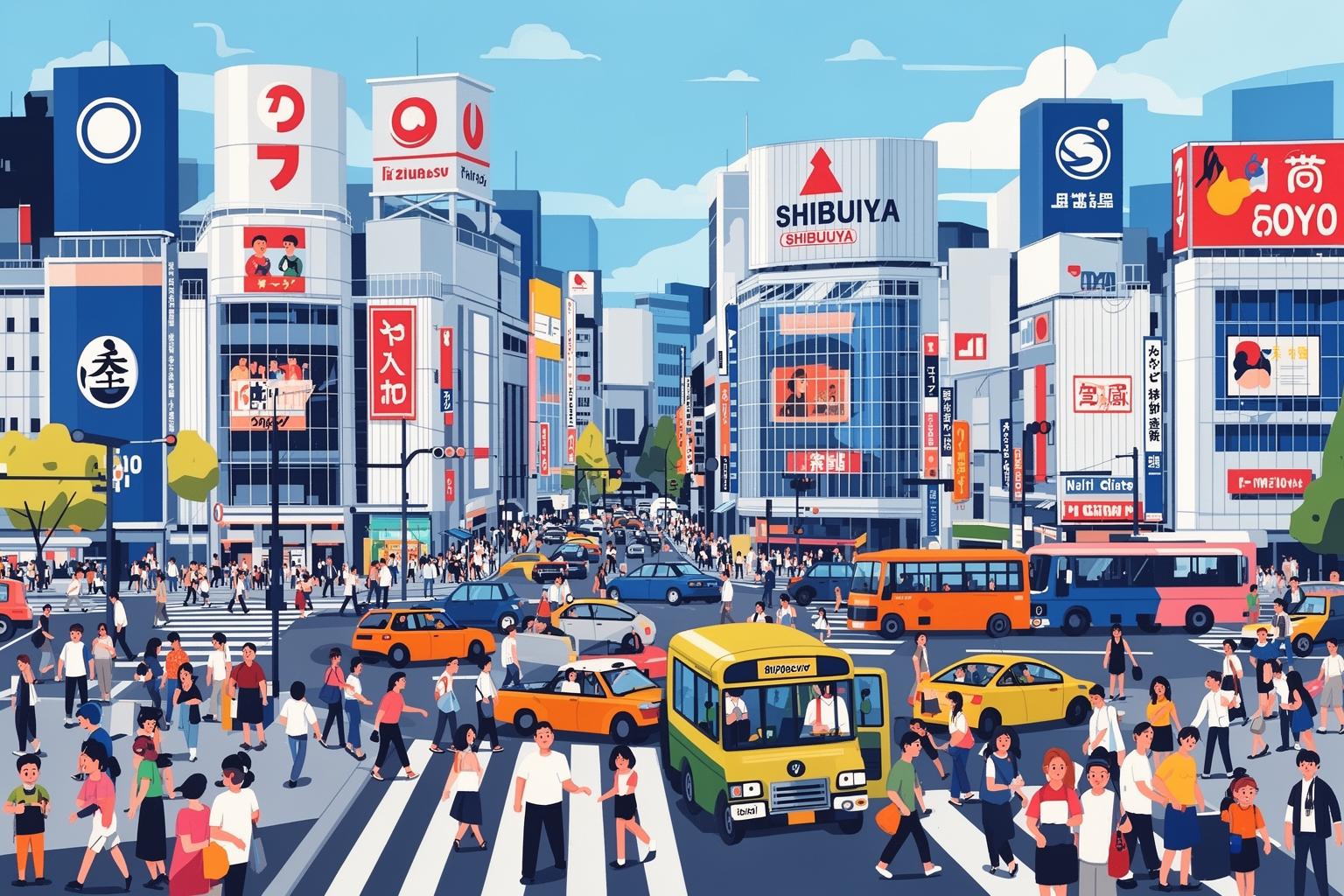
Embarking on your own Shibuya pilgrimage takes a bit of planning to fully enjoy the experience. The district is vast and can feel overwhelming, but with a few tips, you can navigate it like a seasoned sorcerer, tuning into the frequencies that resonate most with you.
Getting There and Getting Around
Accessing Shibuya is incredibly easy, as its station is one of Tokyo’s key transportation hubs. The JR Yamanote Line, an essential loop line in the city, will take you there from major districts such as Shinjuku, Ikebukuro, or Tokyo Station. Additionally, multiple subway lines—including the Ginza, Hanzomon, and Fukutoshin lines—converge here, making the area accessible from nearly anywhere in the metropolitan region. Once you arrive, the best way to get around is on foot. Shibuya is a district best explored by walking, with the most interesting discoveries found by wandering off the main streets into the quieter back alleys. For this reason, comfortable footwear isn’t just recommended; it’s absolutely essential. You’ll be walking and standing for hours, so prioritize comfort to maintain your energy.
Best Times to Visit
Shibuya’s atmosphere shifts dramatically throughout the day. To experience the Scramble Crossing in its full, vibrant chaos, visit on a Friday or Saturday night. The sheer volume of people is a spectacle in itself. For a less intense but still impressive experience, a weekday afternoon works well. Photographers should aim for the “golden hour” just before sunset, when fading sunlight blends with the first neon lights, casting a warm glow over the area. For the full neon-lit, cyberpunk vibe often associated with Tokyo in popular culture, nighttime is essential. It’s worth mentioning that the Shibuya Incident in the anime occurs on Halloween. In reality, Halloween in Shibuya has become a massive, unofficial street party attracting huge crowds. While the energy is electric, it can also be overwhelmingly congested, and authorities have been attempting to limit the event in recent years. If you decide to visit during this time, be prepared for large crowds and exercise extreme caution.
A Note on Respectful Pilgrimage
It’s important to keep in mind that, while you are on a personal pilgrimage, you are visiting a real place where millions of people live and work. Shibuya is not a theme park. When taking photos at the crossing, be quick and stay aware of your surroundings. Avoid stopping in the middle of pedestrian traffic, as this can be dangerous and disruptive. Respect local businesses and residents. The true beauty of anime pilgrimage lies in respectfully appreciating the real-world locations that inspire our favorite stories. By being a considerate visitor, you help ensure that this wonderful subculture can continue to thrive, bridging fiction and reality for years to come.
The Lingering Curse
Leaving Shibuya, the sensory overload gradually diminishes, but something else lingers. The city appears different now. You can’t unsee the fictional overlays you’ve spent the day projecting onto its streets and landmarks. The roar of a train pulling into the station sounds a bit more ominous. The dense crowds at the crossing seem somewhat more volatile. The pilgrimage reshapes the city in a new light, adding a layer of thrilling, dark narrative to the urban scenery. You came to witness the setting of a story, but you depart with a deeper bond to the city itself. You’ve traversed its battlegrounds, navigated its maze, and felt its relentless energy. Shibuya never truly sleeps, and for those of us who have walked its streets in the footsteps of sorcerers and curses, its powerful, vibrant energy will never entirely fade. You just have to know where—and how—to look.