
There’s a unique and profound magic that happens when the world of animation bleeds into our own. It’s a moment when a beautifully rendered background in a film is suddenly before you, tangible and real, breathing the same air you do. The line between the story and the self blurs, creating a connection that resonates deep within the soul. Few films have captured this phenomenon with the global force of Makoto Shinkai’s masterpiece, Your Name (Kimi no Na wa). The film is a visual symphony, a heart-wrenching tale of love, loss, and fate that captivated audiences worldwide. But its enduring power also lies in its meticulously crafted setting, a world so faithfully based on real Japanese locations that fans are compelled to seek them out. This journey is known in Japan as seichi junrei, or a sacred pilgrimage, a modern-day quest to walk in the footsteps of beloved characters. The pilgrimage for Your Name is a tale of two Japans: the electric, sprawling metropolis of Tokyo, home to the high school student Taki Tachibana, and the serene, tradition-steeped countryside that inspired the fictional town of Itomori, where Mitsuha Miyamizu lived. It’s a journey of stunning contrasts, from the rhythmic pulse of the world’s biggest city to the quiet whispers of ancient mountains and traditions. This guide is your map, your compass to rediscovering the story, not on a screen, but on the very ground that gave it life.
Discover the urban heartbeat that inspired the film by embarking on an insightful Tokyo pilgrimage.
Tokyo’s Concrete Heartbeat: In Taki’s Footsteps

Stepping into Tokyo after immersing yourself in Your Name feels like a form of homecoming. The city itself acts as a character in the film, its vastness a source of wonder for Mitsuha and a familiar backdrop for Taki’s everyday life. The movie captures both the city’s grand scale and its intimate corners—the quiet moments tucked within the organized chaos. Your pilgrimage begins here, within the urban maze where Taki’s story unfolds. The air vibrates with a steady, low-frequency energy—a blend of rumbling trains, distant sirens, and the murmur of millions of intersecting lives. Yet as you traverse its veins, you’ll discover that the film’s most touching locations are often hidden away, offering peaceful spaces for reflection amid the city’s sprawl. This journey is not only about film locations but also about uncovering the very soul of the city.
The Iconic Red Staircase: Suga Shrine in Yotsuya
Few images are more emblematic of Your Name than the poster’s iconic red-railed staircase, the setting for the film’s emotional climax. This is where Taki and Mitsuha, years after their memories have faded, finally reunite. The actual staircase is situated in a quiet residential neighborhood of Yotsuya, just a short walk from Yotsuya Station. The walk from the station is part of the experience. You leave the bustling main roads behind, and the city’s roar fades to a gentle murmur. The streets narrow, bordered by modest houses and small apartment buildings. Each turn brings a tangible sense of anticipation. Then, there it is—the staircase rising ahead, flanked by apartment buildings on one side and a sloped road on the other. The distinctive red handrail gleams in the sunlight. Whether standing at the foot looking up or at the top looking down, the feeling of cinematic déjà vu is overwhelming. You can almost hear the film’s score swelling, feel the characters’ years of searching culminating in this perfect moment. The atmosphere is surprisingly calm. It’s not a major tourist spot in the usual sense but a quiet neighborhood landmark. You’re likely to encounter other fans quietly taking photos, each absorbed in their own connection to the story. For the best visit, try coming on a weekday morning or late afternoon when the light is softer, ideal for photography, and the area is less crowded. Keep in mind that this is a residential area, so showing respect by being quiet and considerate is the best way to honor both the location and those who live there. The shrine itself, Suga Jinja, sits at the top of the stairs—a beautiful, tranquil spot perfect for a moment of quiet contemplation.
A Crossroads of Fates: Shinjuku and Beyond
If the steps at Suga Shrine represent the film’s heart, then the Shinjuku district is its roaring, pulsating energy. Shinjuku Station is a world unto itself—a dizzying labyrinth of train lines, underground pathways, and an endless flow of people. Here, the film conveys the vastness of Taki’s world. Navigating this station is an experience, a sensory overload that perfectly captures Mitsuha’s awe and confusion during her first body swap. Exiting the station, you’re greeted by the iconic cityscape featured in the film: the towering Tokyo Metropolitan Government Building and the distinctive Mode Gakuen Cocoon Tower. A short walk from the station leads to the pedestrian bridge near the Shinjuku police station—another key spot where Taki anxiously tries to contact Mitsuha. Standing on this bridge amid the blur of traffic and neon lights, you can sense Taki’s desperation and the wide gulf separating him from Itomori. The film also showcases The National Art Center in Roppongi, a stunning building with a unique, wave-like glass facade. This is where Taki goes on a date with his coworker, Miki Okudera. The sunlit atrium and the elegant Salon de Thé Rond, perched atop a massive concrete cone, are instantly recognizable. Visiting here offers a glimpse into the sophisticated, adult world Taki was starting to explore. For those wanting an even deeper dive, the Italian restaurant where Taki works part-time is modeled after Cafe La Bohéme Shinjuku Gyoen. Its opulent, old-world decor and theatrical ambiance make it easy to picture Taki bustling between tables. Dining here isn’t just about the food; it’s about stepping into a slice of the film’s everyday life.
The View from Above: Tokyo City View
Makoto Shinkai is a master of light and landscape, and his portrayal of Tokyo is nothing short of stunning. The sprawling cityscapes—a glittering sea of lights at night and a dense urban forest by day—were inspired by observation decks like Tokyo City View in Roppongi Hills and the Tokyo Metropolitan Government Building in Shinjuku. From these heights, the city transforms into an abstract tapestry of light and shadow. You can trace train lines glowing like arteries and grasp the incredible scale of the metropolis. This perspective inspires both awe and a sense of insignificance, capturing the loneliness one can feel even when surrounded by millions. Watching the sunset from one of these viewpoints, as the city shifts from day to twilight—or kataware-doki—is a profoundly moving experience that connects directly to one of the film’s central themes: the blurring of boundaries between worlds, times, and people. It’s the perfect way to absorb the scale of Taki’s world and reflect on his quest to find a single person within that endless expanse.
Whispers of Itomori: Finding Mitsuha’s Soul in Hida
Leaving behind Tokyo’s electrifying energy, the next stage of the pilgrimage leads you deep into Japan’s mountainous Gifu Prefecture. The journey itself—a smooth Shinkansen ride followed by a winding local train route through lush valleys and alongside rushing rivers—marks an essential transition. Outside your window, the world slows down. Concrete and steel give way to ancient forests and traditional farmhouses. This is the region that inspired Itomori, Mitsuha’s fictional hometown. While Itomori is a composite creation, its essence lives in the charming town of Hida-Furukawa. For outdoor lovers, arriving here feels like taking a deep, refreshing breath. The air is crisp and fragrant with pine and moist earth. Silence is broken not by trains, but by birdsong and the gentle murmur of canals. This is where the soul of Mitsuha’s world resides—a place rich in tradition, natural beauty, and quiet resilience.
The Charm of Hida-Furukawa Station
Your entrance into Mitsuha’s world fittingly begins at Hida-Furukawa Station. Stepping off the train onto the tranquil platform, a strong sense of familiarity strikes immediately. The simple, elegant wooden station building, the pedestrian overpass, and the tracks stretching into the distance all match the scene where Taki and his friends arrive on their quest to find Mitsuha. The station serves not just as a backdrop but as a gateway. You can almost picture the characters standing there, holding up their sketches, filled with hope and uncertainty. Inside, the local community proudly embraces its connection to the film. You might spot a small display for pilgrims or a friendly station attendant accustomed to fans eagerly snapping photos. Don’t miss the adorable Hida-gyu mascot figure—a tiny detail faithfully recreated in the anime. The station sets the tone for the entire Hida experience: authentic, welcoming, and deeply tied to the story.
Echoes in the Old Town: Streets, Canals, and the Library
A short walk from the station leads you into the preserved heart of Hida-Furukawa, a town inviting slow, purposeful exploration. The most scenic area is Shirakabe Dozogai, a street lined with traditional white-walled storehouses and a narrow canal teeming with colorful koi fish. Strolling along the stone-paved paths, you are immersed in the very essence of Itomori’s aesthetic. The constant sound of flowing water offers a soothing counterpoint to Tokyo’s urban noise. This is the peaceful, beautiful town Mitsuha both cherished and yearned to leave. One prominent pilgrimage site here is the Hida City Library. This stunning modern building, with its warm wooden interior and exquisite design, served as the model for the library where Taki and his friends research Itomori’s history. The staff warmly welcome Your Name fans, providing a designated photo spot and a guestbook for visitors to leave messages. Though it’s a fully operational library, visitors are expected to remain quiet and respectful of local readers and students. In that quiet space, the weight of Taki’s discovery and the horrifying reality of the town’s fate resonate deeply. It’s a powerful, sobering moment on the pilgrimage.
The Sacred Ritual: Keta Wakamiya Shrine and Miyamizu Shrine’s Inspiration
At the heart of Itomori’s spirituality lies the Miyamizu Shrine, the ancient family shrine where Mitsuha serves as shrine maiden. No single shrine perfectly replicates it, but elements are drawn from several local shrines—especially Keta Wakamiya Shrine in Hida and the larger Hie Shrine in nearby Takayama. Visiting Keta Wakamiya Shrine, tucked away in a quiet corner of Hida, immerses you in a profound atmosphere. The ascent up the long stone steps, shaded by towering cedar trees, feels like stepping back in time. The air cools, and a deep peace settles. It is easy to imagine Mitsuha and her sister Yotsuha sweeping the grounds or performing ancient rituals here. The shrine is a place of Shinto worship, a spiritual tradition closely tied to nature and ancestry, themes central to the film. The kuchikamizake ritual—a key plot element—is rooted in these ancient customs. Visiting the shrine offers more than just a film location visit; it provides a richer appreciation for the cultural foundation that deepens the story of Your Name, adding layers to Mitsuha’s identity and the traditions she upholds.
The Crater Lake: A Vision at Lake Suwa
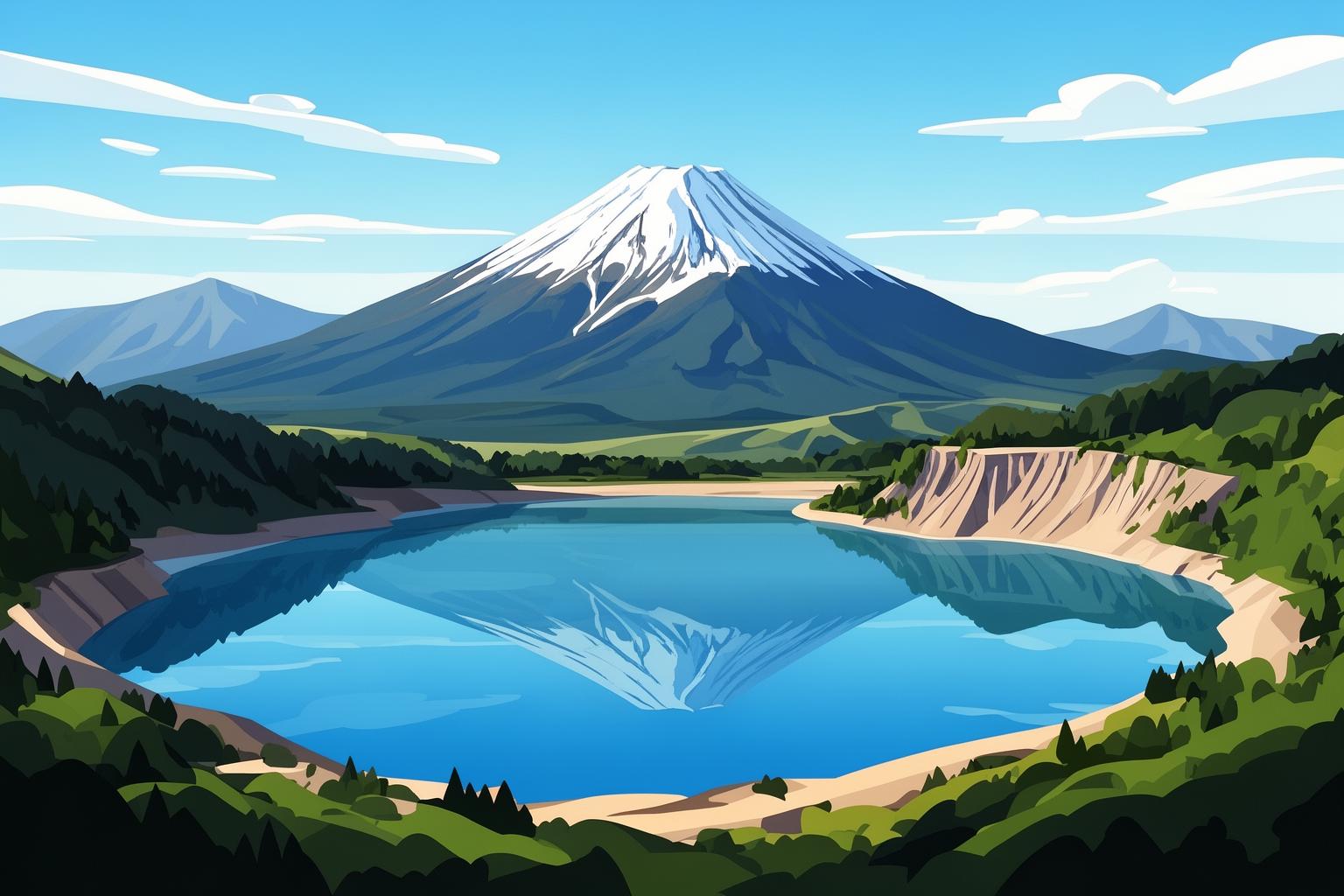
While Hida-Furukawa inspired the town of Itomori, its most distinctive geographical feature—the breathtaking, bowl-shaped crater lake—was actually modeled after a different place: Lake Suwa in neighboring Nagano Prefecture. This spot is arguably the most stunning stop on the entire pilgrimage. The iconic view, perfectly capturing the panoramic shots of Itomori beneath a star-filled sky, is from the Tateishi Park observation deck. Reaching it takes some effort—it’s a steep climb or a short taxi ride from Kami-Suwa Station—but the payoff is immense. As you arrive at the overlook, the scene spreads out before you: the vast, sparkling expanse of Lake Suwa nestled in the valley, with the town of Suwa along its shores and majestic mountains enclosing the view. The similarity to the film’s imagery is striking—you are essentially gazing at Itomori. The ideal time to visit is without a doubt during kataware-doki, or twilight. As the sun sets, the sky bursts into shades of orange, purple, and deep blue, while the city lights begin to flicker below. In that enchanted half-light, the line between the real world and Shinkai’s animated creation fades entirely. It’s a profoundly moving experience, offering a moment to contemplate the film’s themes of time, memory, and the comet that both devastated and defined a town. For the adventurous, the area around the lake features numerous hiking trails that offer varying views of the landscape, allowing you to fully immerse yourself in the natural beauty that inspired the film’s artists.
A Pilgrim’s Practical Guide: Weaving Your Own Story
Embarking on the Your Name pilgrimage is a multi-day adventure that requires some planning to fully appreciate. It’s a journey traversing both urban and rural Japan, but thanks to the country’s exceptional transportation network, it is easily manageable. Here’s how you can connect these diverse locations into a meaningful and unforgettable personal narrative.
Crafting Your Itinerary: Tokyo to Hida and Suwa
A sensible route is to start in Tokyo, where international flights arrive. Spend at least two full days exploring the various sites in Yotsuya, Shinjuku, and Roppongi. This pace allows you to comfortably absorb the atmosphere of each place. From Tokyo, head to the Hida region. The most efficient route is to take the Tokaido Shinkansen to Nagoya, then transfer to the JR Hida Wide View limited express train. This scenic ride itself is a highlight, weaving through stunning gorges and mountains. Plan to stay at least one night, ideally two, in the area. This provides a full day to explore Hida-Furukawa and another to visit the nearby, equally picturesque city of Takayama. Lake Suwa can be visited as a stop between Tokyo and Nagoya on the JR Chuo Line or as a separate excursion. A day trip is feasible, but spending a night at one of the lakeside onsen hotels lets you enjoy the essential sunset and evening views from Tateishi Park. For such extensive travel, buying a Japan Rail Pass before arriving in Japan is often a cost-effective option, covering all major train rides on this pilgrimage.
Beyond the Film: Savoring the Local Flavor
While the film locations are the main attraction, a genuine pilgrimage means immersing yourself in the local culture. Don’t just snap a photo and move on; fully engage with your surroundings. In the Hida region, you’re in one of Japan’s culinary hubs. Make sure to try the famous Hida beef, known for its delicate marbling and rich taste. It can be enjoyed as a steak, in a sukiyaki hot pot, or as affordable street food skewers in Takayama’s old town. The area is also celebrated for its excellent sake, with several historic breweries in Hida and Takayama offering tastings. Around Lake Suwa, the culture centers on the lake and the many hot springs, or onsen. Soaking in a mineral-rich bath while overlooking the lake is a perfect way to unwind after a day of hiking and sightseeing. In Tokyo, the possibilities are endless. Venture beyond the main attractions and explore a neighborhood thoroughly. Drop into a tiny ramen shop, check out a depachika food hall, or simply sit in a café and watch the city unfold. These experiences foster a personal connection, adding your own chapter to the story you came to discover.
Etiquette and Respect: A Gentle Reminder
It is a profound privilege to visit the real-life places that inspire great art. As pilgrims, it is our responsibility to be respectful guests. The Suga Shrine staircase is located in a quiet residential area; keep your voices down and avoid blocking the path for locals. The Hida City Library is a public space dedicated to learning, where silence is mandatory. The shrines remain active places of worship, not just tourist spots. Adhere to proper etiquette, be considerate of those there to pray, and approach with reverence. The fundamental principle is simple: leave these places just as you found them. By respecting local communities, we help ensure these sacred places remain welcoming for future generations of fans who will follow the same path, chasing the same beautiful story.
The Unspoken Connection: Why We Seek These Places

Why do we journey thousands of miles to stand on a particular staircase or gaze out at a specific lake? A pilgrimage for a film like Your Name is about much more than ticking off a list of locations. It’s a quest to discover a tangible connection to the powerful emotions the story stirred within us. The film’s core theme is musubi—the invisible, intricate knot that links people, places, and time. It’s the force that binds Taki and Mitsuha across unimaginable distances. When you stand on the Yotsuya staircase, you’re not merely viewing a film set; you’re experiencing the culmination of that connection. When you look out over Lake Suwa at twilight, you’re not just admiring a landscape; you’re engaging with the story’s potent mix of beauty and melancholy, fate and hope. Visiting these sites transforms the story from something you watched into something you lived. It’s the act of discovering the sublime within the ordinary—a train station, a library, a noodle shop—and realizing the film’s magic was there all along, waiting to be found in the real world. This journey is your opportunity to find your own musubi, to weave your own thread into the beautiful, expansive, and unforgettable tapestry of Your Name.