There’s a certain kind of magic that lives in the celluloid dreams of Studio Ghibli, a whimsical, heartwarming energy that feels both impossibly grand and intimately familiar. It’s the thrill of soaring through the clouds, the comfort of a forest spirit’s quiet companionship, the simple joy of a perfectly baked pastry. For decades, we’ve journeyed to these worlds through our screens. But what if you could step through the frame and walk into the imagination of the master animator himself, Hayao Miyazaki? In a leafy corner of western Tokyo, nestled within the verdant embrace of Inokashira Park, you can. The Ghibli Museum in Mitaka isn’t merely a building filled with art; it’s a living, breathing storybook, a heartfelt invitation to become part of the worlds you love. This is no ordinary museum with velvet ropes and silent halls. It’s a place built on a simple, enchanting premise: “Let’s get lost, together.” From the moment you spot its colorful, stuccoed walls peeking through the trees, you know you’ve arrived somewhere truly special, a place where the rules of the everyday world gently fade away, replaced by curiosity, wonder, and the pure, unadulterated joy of discovery. This is more than a destination; it’s a pilgrimage for dreamers, a physical thank-you note from Studio Ghibli to the fans who have kept its spirit alive for generations. It’s a promise that the magic is real, and it’s waiting for you to find it.
For those eager to extend their journey into realms of real-world magic, the restorative ritual of Dogo Onsen offers a refreshing counterpoint to the museum’s immersive charm.
The Heart of the Dream: What Awaits Inside
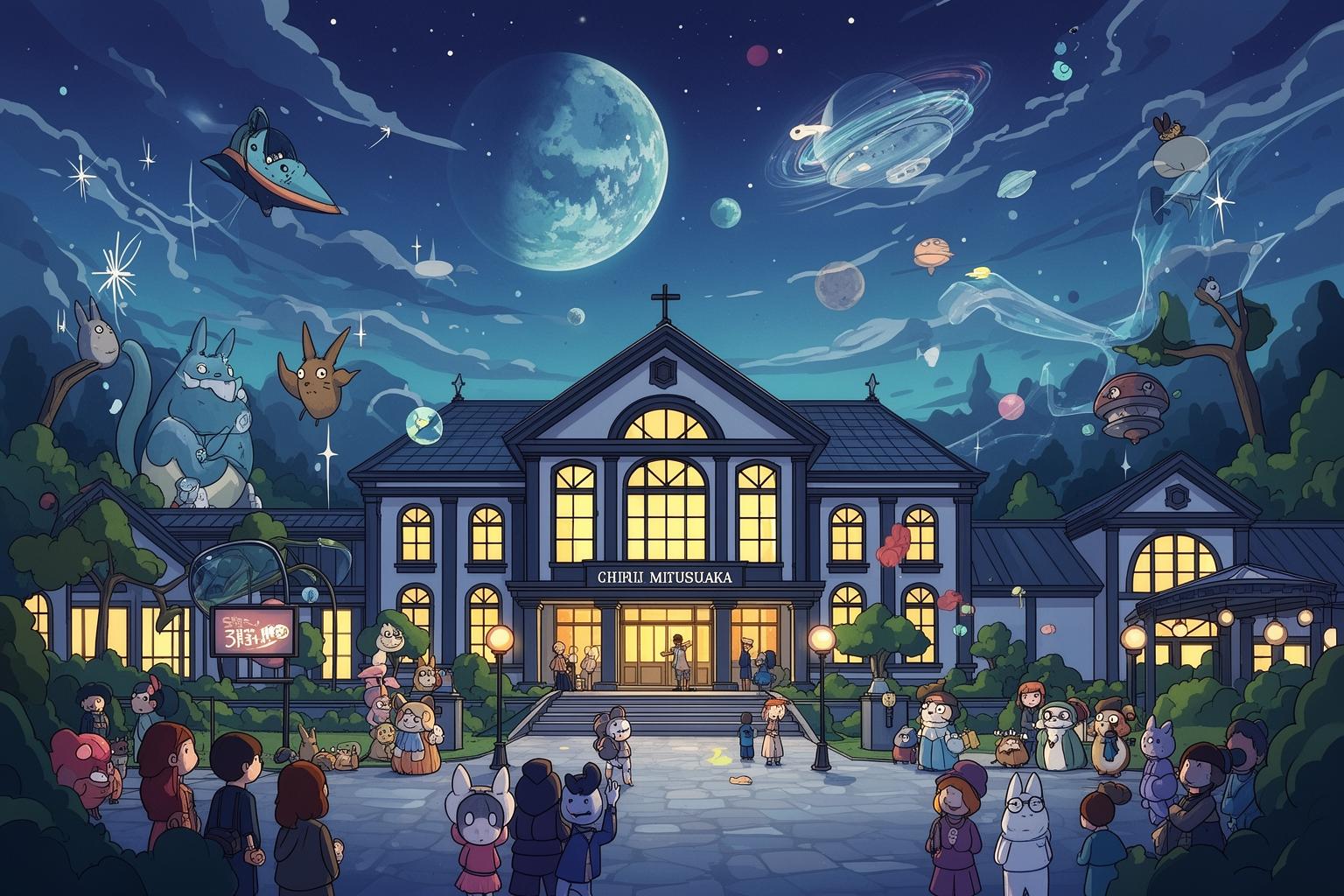
The moment you step through the doors, you’re welcomed not by a sterile lobby, but by a vibrant world full of life. Light streams down from a glass dome high above, dancing across the warm wooden floors and illuminating a grand, multi-level central hall. It feels like entering a fantastical airship or a mad inventor’s workshop. A dizzying spiral staircase ascends upward, a small elevator hums within a cage-like shaft, and bridges span balconies that overlook the lively space below. Everywhere you gaze, there are details to captivate the eye. The stained-glass windows don’t depict saints, but rather scenes and characters from the films—Totoro, Kiki, and Ponyo, immortalized in colored light. The building itself serves as the first exhibit, a puzzle box filled with secret passages, tiny doors sized for children, and handcrafted details that invite you to touch, explore, and let your curiosity lead the way. The museum’s philosophy of getting lost isn’t merely a suggestion; it’s a fundamental part of the experience. There is no fixed path, no prescribed route. You are encouraged to wander, retrace your steps, peek around corners, and uncover its secrets at your own pace.
The Central Hall: A World in Motion
The central hall stands as the museum’s magnificent heart, a lively space that immediately immerses you in the Ghibli spirit. Your eyes are drawn upward to the ceiling fan, its blades echoing the wings of a vintage aircraft, creating a gentle breeze that seems to carry whispers of adventure. The architecture itself tells a story, merging European influences with a distinctly Japanese sense of craftsmanship. The space celebrates mechanics and movement, a theme central to many of Miyazaki’s films. Here, you begin to realize that this museum isn’t about passively viewing art but actively engaging in a world of imagination. Every corner offers a new perspective, every glance reveals another hidden detail, making you feel less like a visitor and more like an explorer discovering a wondrous new land.
Where Films Are Born: The Permanent Exhibition
One of the most captivating areas of the museum is the permanent exhibition on the first floor, titled “Where a Film is Born.” This five-room display provides an intimate look into the creative process, crafted to feel as though you’ve wandered into the very heart of Studio Ghibli’s animation studios. The rooms showcase a delightful organized chaos. Desks are strewn with art supplies, walls are adorned with inspirational sketches, concept art, and storyboards. Bookshelves overflow with art books, encyclopedias, and novels from across the globe, offering a glimpse into the vast well of inspiration behind these stories. You’ll spot jars of vibrant pigments, collections of meticulously sharpened pencils, and half-finished drawings left on tables, as if the animators just stepped out for tea. It’s an incredibly personal experience that demystifies the magic of animation without lessening its wonder. It reveals the immense passion, painstaking effort, and thousands of hours of drawing required to bring a character to life in motion. The highlight for many is the collection of mesmerizing zoetropes and other pre-cinema animation devices. These three-dimensional models of characters like Totoro and the Catbus spin beneath a strobe light, creating a stunning illusion of movement. It’s pure analog magic, a powerful reminder that at its core, animation is about breathing life into the inanimate, one frame at a time.
Exclusive Treasures You Won’t See Anywhere Else
The Ghibli Museum is renowned for offering experiences that are truly one-of-a-kind. These aren’t exhibits you’ll find in any book or documentary; they are magical moments reserved for those who journey to Mitaka. From exclusive films to tranquil rooftop encounters, these features transform a visit from a simple tour into an unforgettable memory.
The Saturn Theater’s Secret Screenings
Your museum admission ticket is a fascinating and beautiful artifact itself: a small strip of genuine 35mm film from one of Studio Ghibli’s features. This ticket grants access to one of the museum’s most treasured attractions, the Saturn Theater. This intimate, eighty-seat cinema screens original animated shorts made exclusively for the museum. These delightful stories, changing throughout the year, cannot be seen anywhere else in the world. There’s a tangible buzz in the theater as the lights dim and the vintage projector whirs to life. Often without dialogue, the films rely on stunning animation and music to tell universal tales of friendship, adventure, and daily life. It’s a shared, communal experience of uncovering a new Ghibli story together—a heartwarming highlight that makes each visit feel unique and special.
Ascend to the Rooftop Garden: A Guardian in the Sky
After wandering through the whimsical interiors, a climb up a narrow, wrought-iron spiral staircase brings you out into the open air atop the museum’s Rooftop Garden. There, amid lush, overgrown greenery, stands one of the most iconic figures in the Ghibli world: a five-meter-tall Robot Soldier from Castle in the Sky. Silent and stoic, he is not a threatening presence but a gentle, melancholic guardian watching over the museum. His weathered bronze form, gradually embraced by nature, perfectly embodies Ghibli’s theme of technology and nature coexisting. Photography is openly encouraged here, and visitors eagerly line up to capture a moment with this gentle giant. Yet it is more than just a photo spot; it is a serene, peaceful place offering a moment of quiet reflection to gaze out over the treetops of Inokashira Park and feel a deep connection to the world of Laputa. Nearby, the mysterious control cube from the film, inscribed with cryptic script, adds another layer of lore for dedicated fans to explore.
The Catbus Room: For Little Explorers
For the youngest visitors, there is a place of pure delight: the Catbus Room. This entire room is devoted to a life-sized, plush recreation of the beloved Catbus from My Neighbor Totoro. It’s not a static exhibit but an interactive play area where children of elementary school age and younger are welcome to climb in, on, and all over the grinning, multi-legged vehicle. Watching children’s faces light up as they immerse themselves in the soft interior or scramble onto the Catbus’s back is a heartwarming sight for parents and onlookers alike. The room is filled with plush Soot Sprites for additional play, creating a soft, safe space for imaginative fun. Although it’s exclusively for children, the joy radiating from this room is contagious and perfectly captures the childlike wonder that Studio Ghibli celebrates.
A Taste of Ghibli: The Straw Hat Café
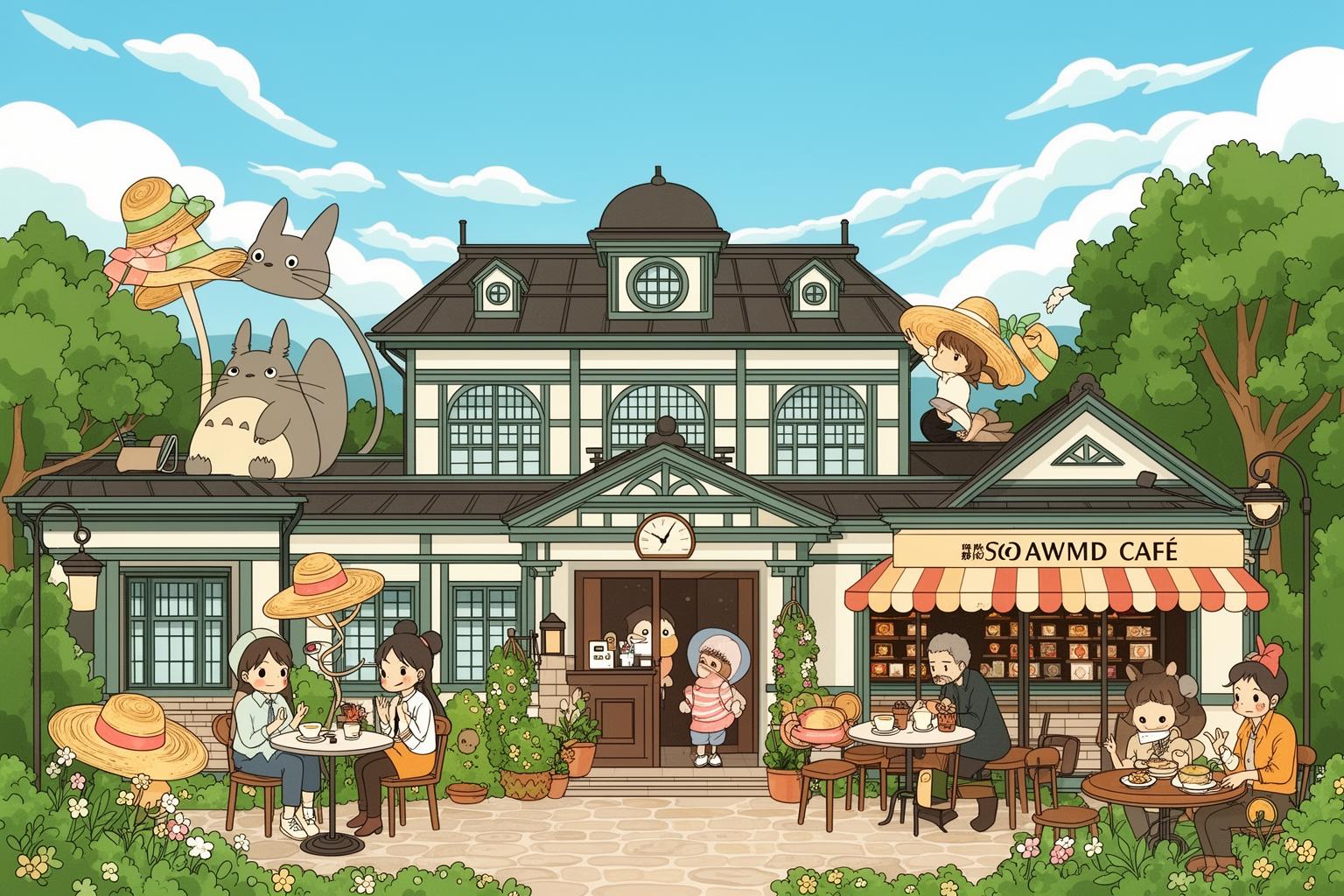
Exploring the wonders of the Ghibli Museum can definitely build up an appetite. Fortunately, you don’t have to leave the magic behind to enjoy a meal. The Straw Hat Café offers a dining experience that feels like a seamless extension of the museum itself, emphasizing simple, wholesome food served with care and attention to detail.
Simple, Heartwarming Fare
The café’s menu is refreshingly straightforward, focusing on comforting, delicious dishes made from fresh ingredients. You won’t find overly elaborate, character-themed food here. Instead, the philosophy reflects that of the films: appreciating beauty and satisfaction in the simple things. The menu often features favorites like a hearty pork cutlet sandwich, a flavorful hot dog, comforting soups, and colorful salads. For dessert, the fluffy strawberry shortcake is a perennial favorite that looks as if it came straight from a Ghibli picnic scene. Even the drinks are special, with choices like creamy lattes and old-fashioned bottled sodas. The presentation is rustic and charming, served on unique, Ghibli-themed tableware.
Planning Your Café Visit
As you might expect, the Straw Hat Café is very popular and quite small, making a wait almost inevitable, especially during busy hours. It’s smart to plan your visit strategically. Consider going there as soon as you arrive or waiting until later in the afternoon when crowds may have lessened. If the wait is too long or you’re just after a quick snack, there’s a convenient takeout stand right next to the main café. Here, you can grab delicious Ghibli-branded ice cream, roasted barley tea, and other light refreshments to enjoy at one of the outdoor seating areas. It’s a great way to experience the café’s charm without the long line.
The Practical Magic: Planning Your Pilgrimage
A trip to the Ghibli Museum requires more than simply showing up; it calls for careful planning and a bit of luck. The ticketing process is famously difficult, but with the right information, you can successfully navigate it and make your visit as seamless and magical as possible.
The Golden Ticket: How to Secure Your Entry
This is the most crucial step. Ghibli Museum tickets are not available at the door and must be purchased in advance for a specific date and time slot. They are extremely popular and sell out almost immediately. For visitors in Japan, tickets are distributed through a lottery system, followed by a first-come, first-served sale on the Lawson ticketing website, usually starting at 10:00 AM on the 10th of each month for the following month. For overseas visitors, the process differs slightly. Tickets are generally sold through official partner travel agencies such as JTB in various countries or through the Lawson online portal designated for international tourists. It is essential to check the official Ghibli Museum website for the latest information on international ticket sales, as procedures and partners may change. Be prepared to book right when tickets go on sale, often two or three months ahead. Beware of unofficial resellers and scalpers since the museum requires you to present your passport for identification, and the ticket name must match your ID.
Journey to Mitaka: Access and Atmosphere
The museum is situated in Mitaka, a charming city in the western Tokyo metropolitan area. The easiest way to get there is by taking the JR Chuo Line from major stations like Shinjuku or Tokyo Station to Mitaka Station. From the South Exit of Mitaka Station, you have two delightful choices for the last part of your journey. The first is the quaint community bus, painted in a bright Ghibli-yellow and decorated with characters. It’s a quick, cheerful ride that drops you right by the museum entrance. The second, and highly recommended, option is to walk. The walk, which takes about fifteen to twenty minutes, follows the scenic Tamagawa Josui, a historic tree-lined aqueduct. It’s a peaceful, beautiful stroll that builds excitement, with special Ghibli-themed signs along the way to guide you. Walking lets you fully enjoy the museum’s surroundings within the broader landscape of Inokashira Park.
Insider’s Wisdom for a Perfect Day
To get the most out of your visit, keep a few important tips in mind. First, photography and videography are strictly forbidden inside the museum. This rule helps ensure that visitors can fully immerse themselves in the experience without distractions from screens and protects the exhibits as a personal discovery. However, you are welcome to take photos outside, including on the rooftop with the Robot Soldier. Second, although you must enter during your assigned time slot, you can stay as long as you like until closing time. There’s no need to hurry—take your time, revisit favorite spots, and lose yourself in the museum. Lastly, don’t forget to visit the gift shop, “Mamma Aiuto!” named after the sky pirates from Porco Rosso. It offers exclusive merchandise you won’t find elsewhere, from beautiful art books and postcards to unique toys and apparel, making it an ideal place to find a special keepsake from your visit.
Beyond the Museum: Exploring Kichijoji and Inokashira Park
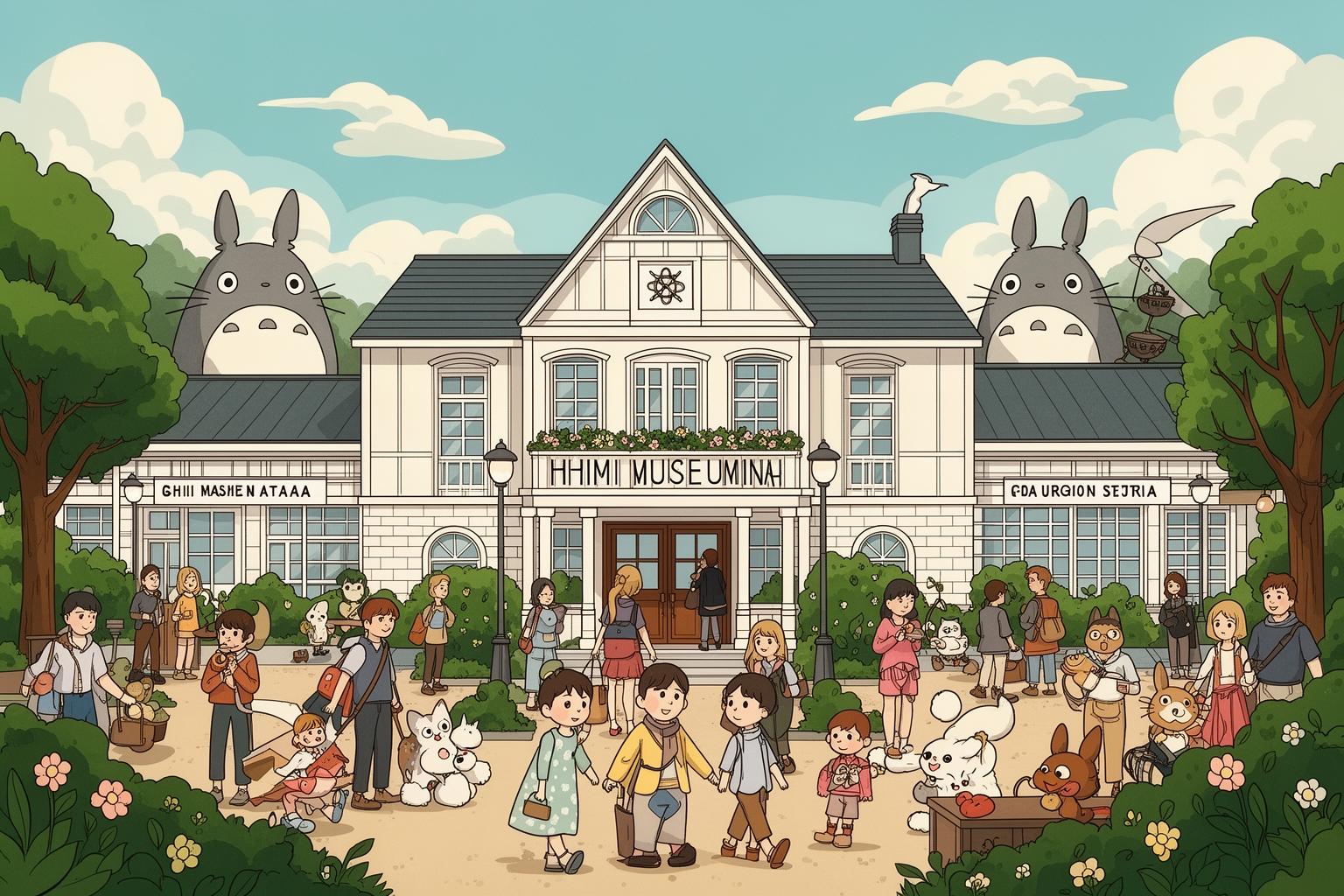
Your Ghibli adventure doesn’t have to end once you leave the museum. The surrounding area is full of its own unique charm and definitely worth exploring. Spending a full day in Mitaka and the nearby Kichijoji neighborhood will enhance your appreciation for this lovely part of Tokyo.
A Stroll Through Inokashira Park
The Ghibli Museum is actually located within Inokashira Park, one of Tokyo’s most cherished green spaces. Whether before or after your museum visit, take some time to stroll through its peaceful surroundings. At the heart of the park lies a large, scenic pond where you can rent swan-shaped paddle boats. While it’s a classic Tokyo dating spot, it’s equally enjoyable for families and solo visitors. You can also stop by the small Benzaiten Shrine on an island in the pond, which is dedicated to the goddess of water and music. On weekends, the park bursts with street performers, artists, and musicians, creating a lively yet relaxed vibe. The park is beautiful year-round but especially famous for its stunning cherry blossoms in spring and the fiery red and gold foliage in autumn.
The Charm of Kichijoji
Just a short walk from Inokashira Park lies Kichijoji, a neighborhood often ranked among Tokyo’s most sought-after places to live. It offers a perfect mix of trendy and traditional, calm and lively. You can easily spend hours exploring its covered Sunroad and Daiyagai shopping arcades, featuring everything from large department stores to quaint independent shops. For a more distinctive experience, wander into the narrow, lantern-lit alleys of Harmonica Yokocho. By day, it’s a cluster of small food stalls and shops; by night, it turns into a bustling hub of tiny izakayas (Japanese pubs) and standing bars, excellent for enjoying a drink and some yakitori. Kichijoji is also celebrated for its charming cafes, vintage clothing boutiques, and zakka (miscellaneous goods) stores. It’s the perfect place to relax after your museum visit, savor a delicious dinner, and reflect on the magic of your day.
The Enduring Magic of Ghibli
Exiting the Ghibli Museum feels like emerging from a beautiful dream. You return to the ordinary world, but something within you has changed. The museum is more than a mere collection of artifacts from beloved films; it stands as a powerful tribute to the beauty of hand-drawn animation, the significance of storytelling, and the limitless potential of human imagination. It serves as a reminder that wonder can be found in the smallest details—the way light filters through a window, the intricate mechanics of a clock, the kindness of a stranger. Hayao Miyazaki created this museum not as a tribute to himself, but as a space to ignite creativity and joy in the hearts of both children and adults. You leave with more than just souvenirs; you carry a renewed sense of wonder for the world around you, holding onto a piece of that Ghibli magic long after your journey home.