
Deep within the remote mountains of Gifu Prefecture, nestled in a quiet river valley, lies a village that seems to have slipped through the fingers of time. This is Shirakawa-go, a place where steep-roofed farmhouses, their thatch thick and dark, rise from a sea of emerald rice paddies. It feels like a living fairytale, a pocket of old Japan preserved against the rush of the modern world. For decades, travelers have sought out this valley to witness its unique architecture and serene beauty, a dedication that earned it the status of a UNESCO World Heritage site. But for another generation, this idyllic landscape holds a different, more chilling allure. It is the uncanny, living backdrop for the fictional village of Hinamizawa, the setting for the cult classic anime and visual novel, Higurashi: When They Cry. It’s a place of dual identities: a peaceful, historical treasure and a pilgrimage site for fans drawn to its atmospheric and mysterious heart. Whether you come seeking history or haunting echoes, Shirakawa-go offers a journey unlike any other, a step into a world both beautiful and profound.
For those enchanted by its blend of ancient tradition and mysterious modern legends, embarking on a film pilgrimage can reveal another captivating layer of Japan’s cultural tapestry.
The Village That Time Remembers
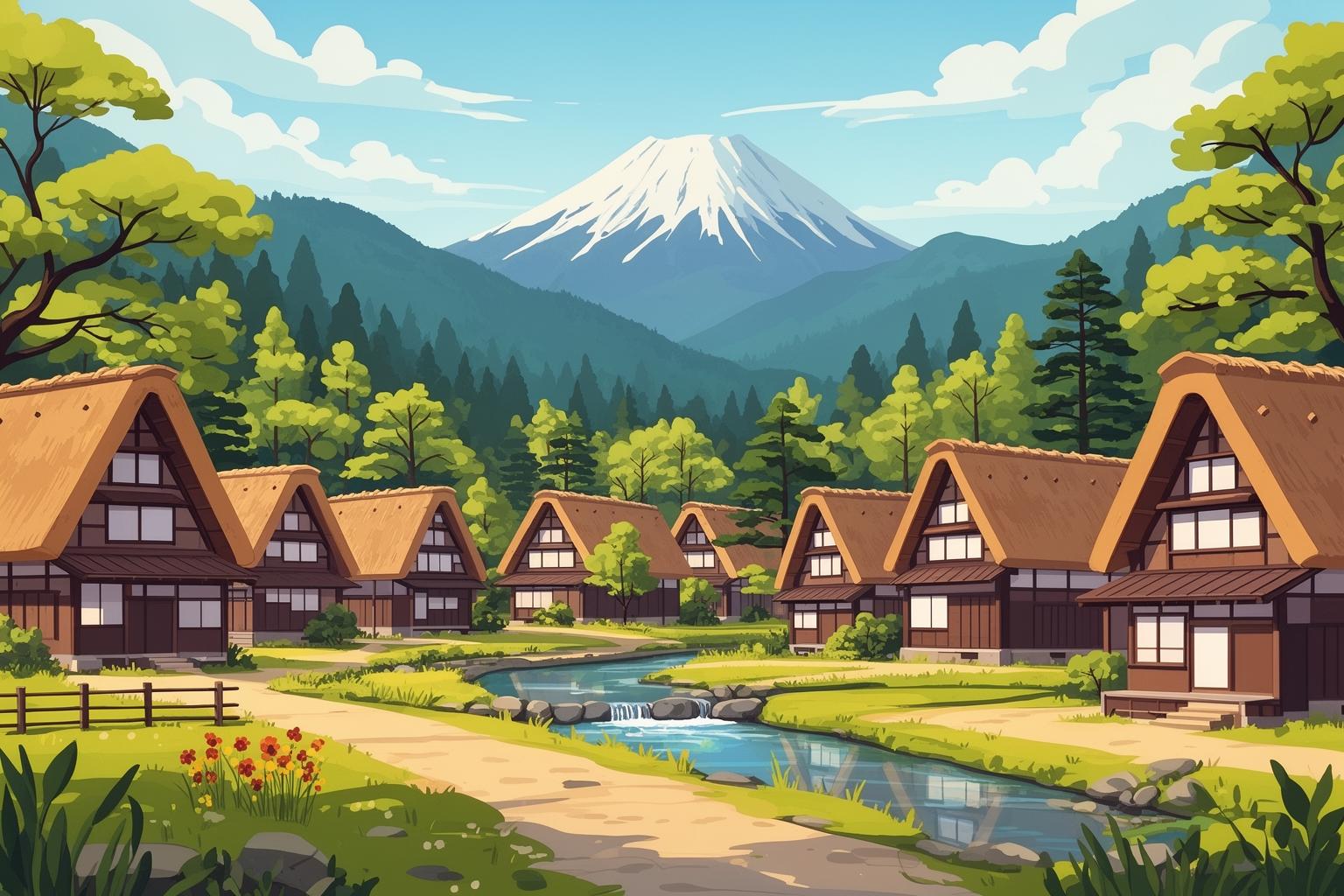
The moment you step into the main village of Ogimachi, the largest and most accessible hamlet in the Shirakawa-go region, the world transforms. The air feels fresher, infused with the scent of woodsmoke and damp earth. City noises give way to the gentle flow of the Shokawa River and the distant call of a hawk circling the forested peaks. The visual impact of the gassho-zukuri farmhouses is immediate and striking. These are not merely quaint cottages; they are giants of timber, some standing for over 250 years, their massive, sloping roofs dominating the landscape. Walking along the narrow paths that weave between them, you feel a sense of awe at the scale and history carved into every dark wooden beam. It’s a place that invites you to slow your pace, to appreciate the small details: the vibrant carp swimming in the irrigation channels, the carefully tended vegetable gardens beside each home, the way light filters through the dense trees guarding the valley. This is not a re-creation or an open-air museum in the usual sense; it is a living, breathing community. People still live in these historic homes, their laundry fluttering in the mountain breeze, quietly reminding you that you are a guest in a place where tradition is not only remembered but actively practiced.
Echoes of Hinamizawa: A Pilgrim’s Perspective
For those who have experienced the unsettling summer loops of Higurashi, visiting Shirakawa-go feels like stepping into a dream. The boundary between fiction and reality fades with each step. The entire Ogimachi village unmistakably mirrors Hinamizawa, a setting so faithfully recreated in the anime that an immediate, almost eerie sense of familiarity washes over you. As you wander, key locations from the series emerge—not as mere tourist spots or signs, but as integral parts of the village itself. The iconic Deai-bashi suspension bridge, gently swaying over the river, serves as the real-life gateway to the village, just as it isolated Hinamizawa from the outside world. Its soft creaking and the rushing water beneath evoke a profound sense of arrival and solitude. A short stroll brings you to the Shirakawa Hachiman Shrine, nestled among ancient cedar trees. This spiritual heart of the village inspired the Furude Shrine, the site of the sacred Watanagashi Festival. Standing quietly there, it’s easy to envision Rika and Satoko sweeping the stone paths. Further exploration uncovers houses that seem like they could belong to the Sonozaki or Maebara families, their imposing structures and traditional layouts sparking the imagination. For a pilgrim, the true magic lies in the atmosphere. The contrast between the breathtaking, tranquil scenery and the knowledge of the dark psychological drama it inspired creates a compelling tension. The summer buzz of cicadas, the deep green rice fields, the sense of being watched by the silent, forested mountains—all resonate with the anime’s themes of hidden secrets beneath a serene surface.
The Soul of Gassho-Zukuri
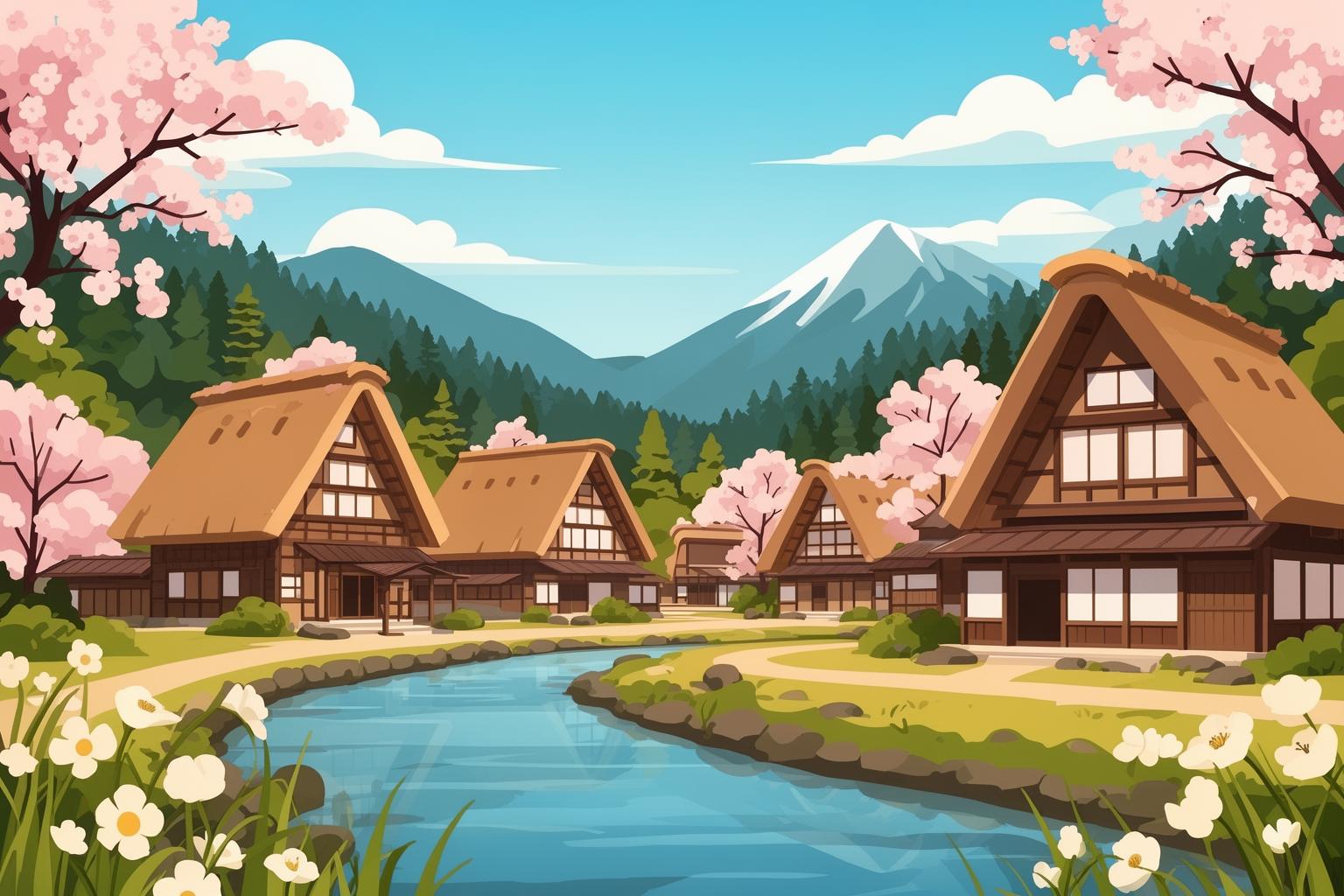
To truly appreciate Shirakawa-go, one needs to grasp the brilliance of its architecture. The name itself, gassho-zukuri, tells a story. It means ‘praying hands construction,’ a poetic reference to the steep, thatched roofs that resemble Buddhist monks’ hands pressed together in prayer. Yet, this design stems from sheer practicality, not just poetry. For centuries, the Hida region has been blanketed by some of the heaviest snowfall on earth. A conventional roof would collapse under such immense weight. These sharply angled structures, however, allow the snow to slide off naturally, protecting those inside. Even more impressive is the engineering concealed beneath the thatch. The massive wooden beams are interlocked and tied with ropes made from witch hazel, using techniques passed down through generations. Not a single metal nail is involved. This grants the entire structure a distinctive flexibility, enabling it to bend and sway with natural forces, from winter storms to earthquakes. It is a living architecture, breathing with the seasons and standing as a testament to the wisdom of people who learned to coexist with a harsh, yet beautiful, environment. The large, multi-level attic spaces were more than storage; they were crucial economic hubs for the village, providing the ideal environment for raising silkworms, a practice called sericulture. This industry sustained Shirakawa-go for centuries and influenced the very design of these magnificent homes. The communal spirit of the village is most evident in yui, the system of cooperative labor. Re-thatching one of these enormous roofs is a monumental task requiring the entire community’s effort—a tradition that strengthens the bonds of this remote mountain settlement.
Exploring the Heart of the Village
Simply wandering the paths of Ogimachi is an experience in itself, but several key locations provide deeper insight into the village’s character. Each spot reveals a different perspective, offering new stories to discover about this captivating place.
The Ogimachi Village Observation Deck
A short, steep walk or a quick shuttle bus ride from the village center will take you to the Shiroyama Viewpoint, the site of a former castle. From this vantage point, Shirakawa-go stretches out below like a miniature model. This iconic postcard view allows you to fully appreciate the valley’s scale and the cluster of more than one hundred gassho-zukuri houses. It’s a breathtaking panorama in every season—whether dusted with snow, framed by cherry blossoms, or surrounded by the vibrant colors of autumn. This viewpoint helps you grasp the village’s layout and its connection to the surrounding mountains. It’s the ideal place to begin your exploration and orient yourself before venturing into the heart of the community. Many photographers gather here at golden hour, when the setting sun bathes the entire valley in a warm, ethereal glow—a truly magical sight.
Inside a Living Museum: The Gassho Farmhouses
Several of the largest and best-preserved farmhouses are open to visitors as museums, offering a rare window into the daily lives of past generations. Stepping inside one, such as the Wada House, the Kanda House, or the Nagase House, is like stepping back in time. The air inside is cool, carrying a faint smoke scent from the central hearth, the irori, which was kept burning throughout the year. Its flickering flame was the heart of family life, used for cooking, heating, and drying clothes. The dark, polished wood of the floors and massive pillars gleams softly in the dim light filtering through the paper windows. You can climb the steep, ladder-like stairs to the upper floors, where you’ll find vast, open spaces once used for silkworm cultivation. The attics are filled with traditional farming and sericulture tools, each artifact telling a story of hard work and ingenuity. Looking out from the distinctive windows on the top floor offers a unique view of the village and the intricate construction of the neighboring thatched roofs.
Crossing the Deai-bashi Bridge
The main entry point for visitors arriving by bus is the Deai-bashi, a long pedestrian suspension bridge. Don’t just hurry across—pause for a moment in the middle. The bridge sways gently with the footsteps of fellow travelers, a soothing rhythm that connects you to the river flowing beneath. The waters of the Shokawa River are remarkably clear, their hues shifting from turquoise to deep blue depending on the light. The view from the bridge, stretching up and down the valley, is stunning. On one side, it frames the village; on the other, the vast, untamed natural landscape. For fans of Higurashi, this bridge is a powerful symbol—the threshold between the ordinary world and the strange, looping world of Hinamizawa. Crossing it feels like a genuine rite of passage into the village’s unique atmosphere.
A Moment of Peace at Myozenji Temple
Among the farmhouses stands another architectural gem: the Myozenji Temple. What makes it special is that its main hall, bell tower, and the priest’s residence are all constructed in the gassho-zukuri style. This creates a beautiful blend of religious and folk architecture. The temple grounds are tranquil and feature a magnificent yew tree said to be centuries old. The interior of the main hall is awe-inspiring, showcasing the masterful carpentry of the region. It’s a quiet, contemplative place that offers a different perspective on the spiritual life of the community, harmonizing Buddhist traditions with Shirakawa-go’s unique culture.
A Taste of Mountain Life
The cuisine of the Hida region is as hearty and sincere as its people. A trip to Shirakawa-go isn’t complete without savoring the local flavors, shaped by the mountains and distinct seasons. Many of the village’s small restaurants and cafes are located within traditional buildings, creating an atmospheric dining experience. A must-try local snack is gohei mochi, a flattened oval of pounded rice skewered, brushed with a sweet and savory paste of miso, sesame, and walnuts, then grilled over an open flame. It’s the perfect rustic treat to enjoy while exploring. For a more substantial meal, seek out dishes featuring Hida-gyu, the premium local beef prized for its incredible marbling and melt-in-your-mouth texture. It is often served grilled on a magnolia leaf with miso (hoba miso) or in a sukiyaki hot pot. Other regional specialties include handmade soba noodles served with wild mountain vegetables (sansai), and river fish grilled with salt. Dining here focuses on simple, high-quality ingredients that reflect the surrounding land. It’s a comforting and delicious way to connect with the culture of the valley.
Practical Pilgrimage: Planning Your Journey
Shirakawa-go’s remote setting adds to its allure, but it demands some advance planning to ensure a smooth and enjoyable visit. The two key factors to keep in mind are how to get there and the best time to go.
Getting to the Hidden Village
Shirakawa-go has no train stations. Access is only possible by road, mainly via highway bus. The most common entry points are the nearby cities of Takayama and Kanazawa, both excellent destinations on their own. From either city, the bus ride lasts about an hour to an hour and a half, winding through beautiful mountain scenery. Direct buses also run from major hubs like Nagoya and Toyama. It’s essential to book your bus tickets in advance, particularly during peak season, weekends, or winter light-up events. Seats often sell out weeks or even months ahead. Some bus lines require reservations, while others operate on a first-come, first-served basis, so be sure to check the operator’s website carefully.
When to Witness the Magic
Shirakawa-go offers four distinct and equally stunning seasons, each providing a unique experience.
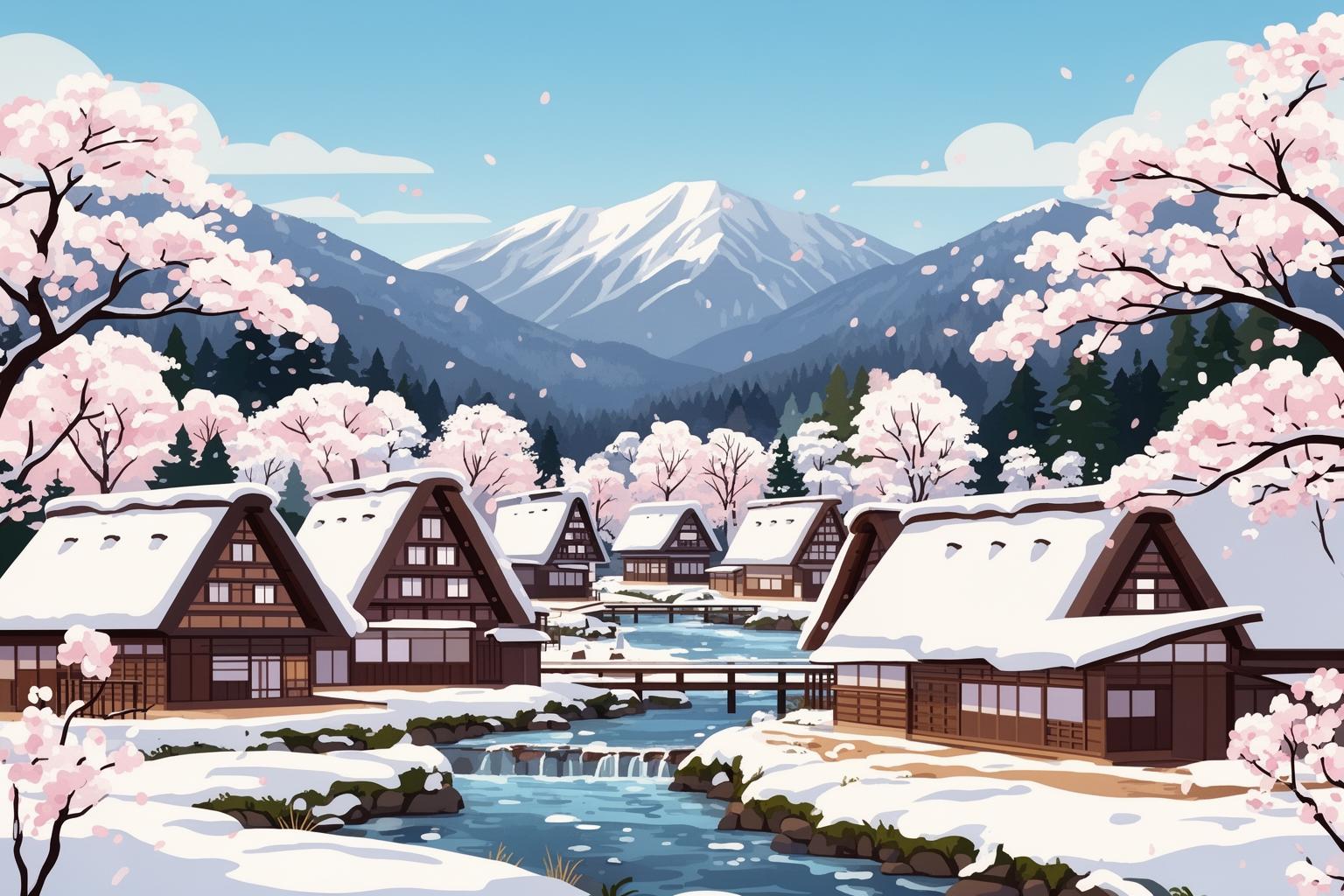
Winter (December to February): This is arguably the most famous season. The village is covered in meters of pristine white snow, transforming the landscape into a true winter wonderland. On select weekends in January and February, the Winter Light-Up event illuminates the farmhouses after dark. It’s an utterly breathtaking, almost magical sight. However, this is also the busiest and most expensive time to visit. Accommodation and bus tickets must be booked well in advance, and visitors should be prepared for freezing temperatures.
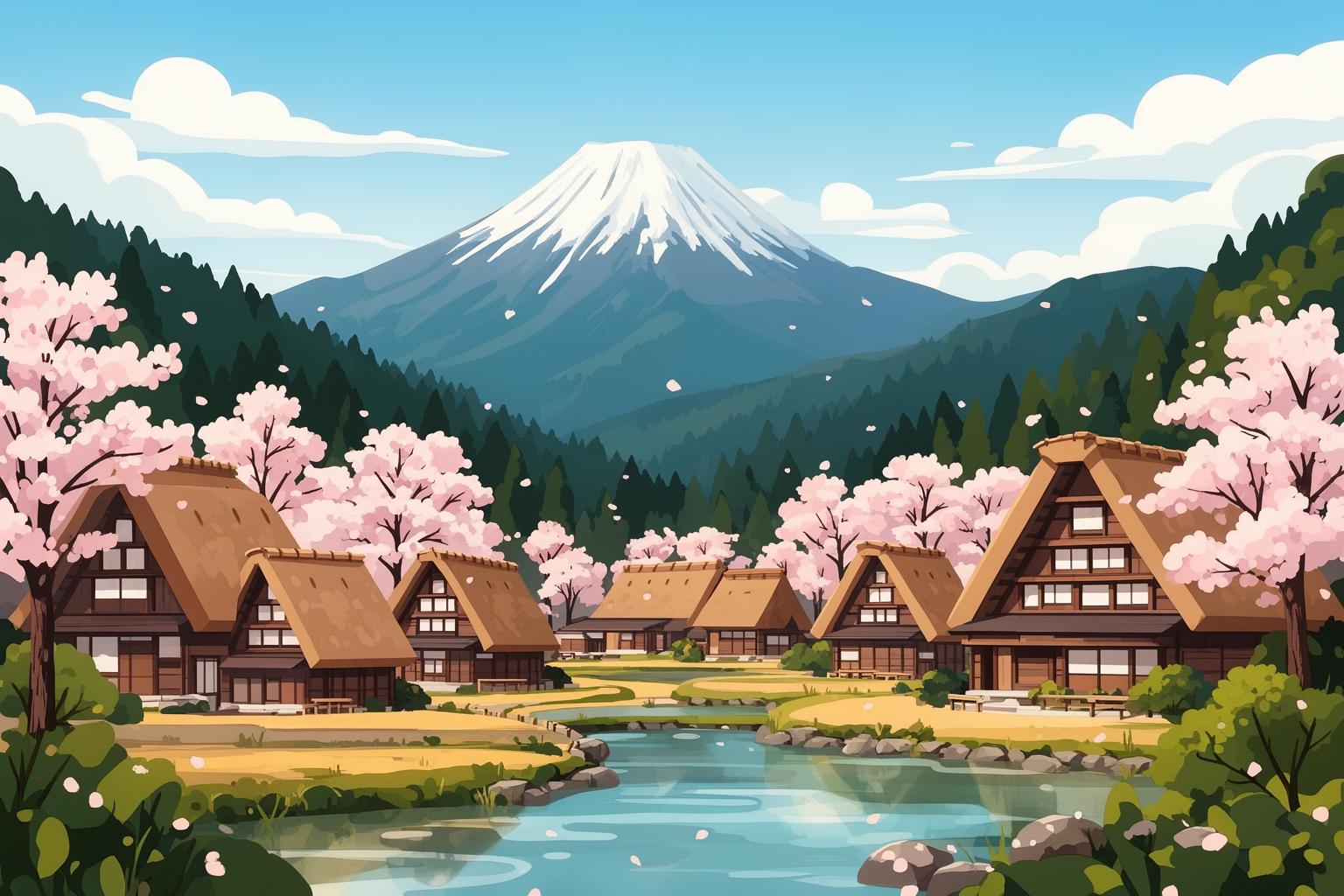
Spring (March to May): As the snow melts, the valley bursts into life. Cherry blossoms typically bloom in late April, providing a striking contrast of delicate pink flowers against the dark, timber-framed houses. The rice paddies fill with water, reflecting the sky like mirrors. It’s a season of renewal and a wonderful time to visit before the summer heat sets in.
Summer (June to August): The village is enveloped in vibrant green. Rice plants grow tall, forests become lush and dense, and the chorus of cicadas fills the air—the perfect soundtrack for any Higurashi fan. While it can be hot and humid, the greenery is refreshing. It’s an ideal time to experience the atmosphere that inspired the anime’s endlessly repeating summer.
Autumn (September to November): The mountains surrounding the valley blaze with red, orange, and yellow foliage. The crisp, cool air is perfect for walking, and the harvest season brings a feeling of abundance. Autumn is a fantastic time to visit, offering spectacular scenery with somewhat fewer crowds than winter.
Staying Overnight vs. A Day Trip
Although a day trip to Shirakawa-go is feasible, it often feels rushed. The village is most magical in the early morning and late evening, after the tour buses leave. To fully immerse yourself in the atmosphere, I strongly recommend spending the night in a minshuku, a traditional family-run guesthouse. Several are housed within authentic gassho-zukuri farmhouses, making for an unforgettable experience. You’ll sleep on a futon on tatami mats, share a delicious home-cooked meal featuring local ingredients around the irori hearth, and wake up to the peaceful serenity of the valley. This offers an intimate connection to the village and its people that you simply can’t get from a quick day trip.
A Traveler’s Notebook: Final Tips
A few small tips can enhance your visit to this special place. First, wear comfortable shoes, as the village is quite spread out and involves a lot of walking, often over uneven gravel paths or steep hills. Second, bring enough cash. While larger shops and restaurants may accept credit cards, many smaller vendors, guesthouses, and farmhouse entrance fees require cash only. Keep in mind that you are visiting a community, not a theme park, so be respectful of residents’ privacy. Avoid wandering onto private property, peeking through windows, or taking photos of people without their consent. Lastly, always have the return bus schedule with you. Buses may be infrequent, and missing the last one back could disrupt your day trip. Planning your departure is just as important as planning your arrival.
The Lingering Silence of Shirakawa-go
Leaving Shirakawa-go feels like emerging from a dream. The memory of the place lingers—the sight of the praying-hands roofs against the sky, the sound of the river, the scent of woodsmoke. It is a place that effortlessly embodies two distinct qualities at once. It serves as a precious capsule of Japanese history, a testament to a community’s resilience and ingenuity, rightly protected as a World Heritage site. Simultaneously, it is a site of modern pilgrimage, where a fictional narrative has added a new layer of meaning to the landscape, forging a strong emotional connection for fans worldwide. Whether you come for its history, its architecture, or its echoes of Hinamizawa, Shirakawa-go rewards you with a deep sense of peace and wonder. It’s a journey into the heart of the Japanese mountains, and perhaps, a little further into yourself.