
Some stories don’t just end when the credits roll. They linger, weaving themselves into the fabric of our own memories, whispering to us from street corners and train platforms in the real world. Makoto Shinkai’s Your Name (Kimi no Na wa) is one such masterpiece, a film that painted a world so vivid, so breathtakingly real, that stepping into its landscapes feels less like a tour and more like a homecoming. It’s a story of connection, of distance, of two souls intertwined by fate and a falling star. The film’s emotional core is anchored not just in its characters, Taki and Mitsuha, but in the tangible, breathing spaces they inhabit. From the electric pulse of metropolitan Tokyo to the serene, timeless charm of rural Gifu, the world of Your Name exists, waiting for you to find it. This journey is more than just a sightseeing trip; it’s an emotional pilgrimage, a chance to walk the same paths, feel the same sunlight, and perhaps, understand the threads of connection that tie us all together, no matter the distance. It’s about finding the magic of animation reflected in the mundane beauty of a residential staircase or the quiet dignity of a small-town library. It is an invitation to see Japan not just through your own eyes, but through the eyes of Taki and Mitsuha, and to feel the story resonate in a profoundly personal way.
Explore the city’s vibrant pulse further by visiting Tokyo locations, where the film’s evocative spirit comes alive in every street corner.
The Heartbeat of the Metropolis: Taki’s Tokyo
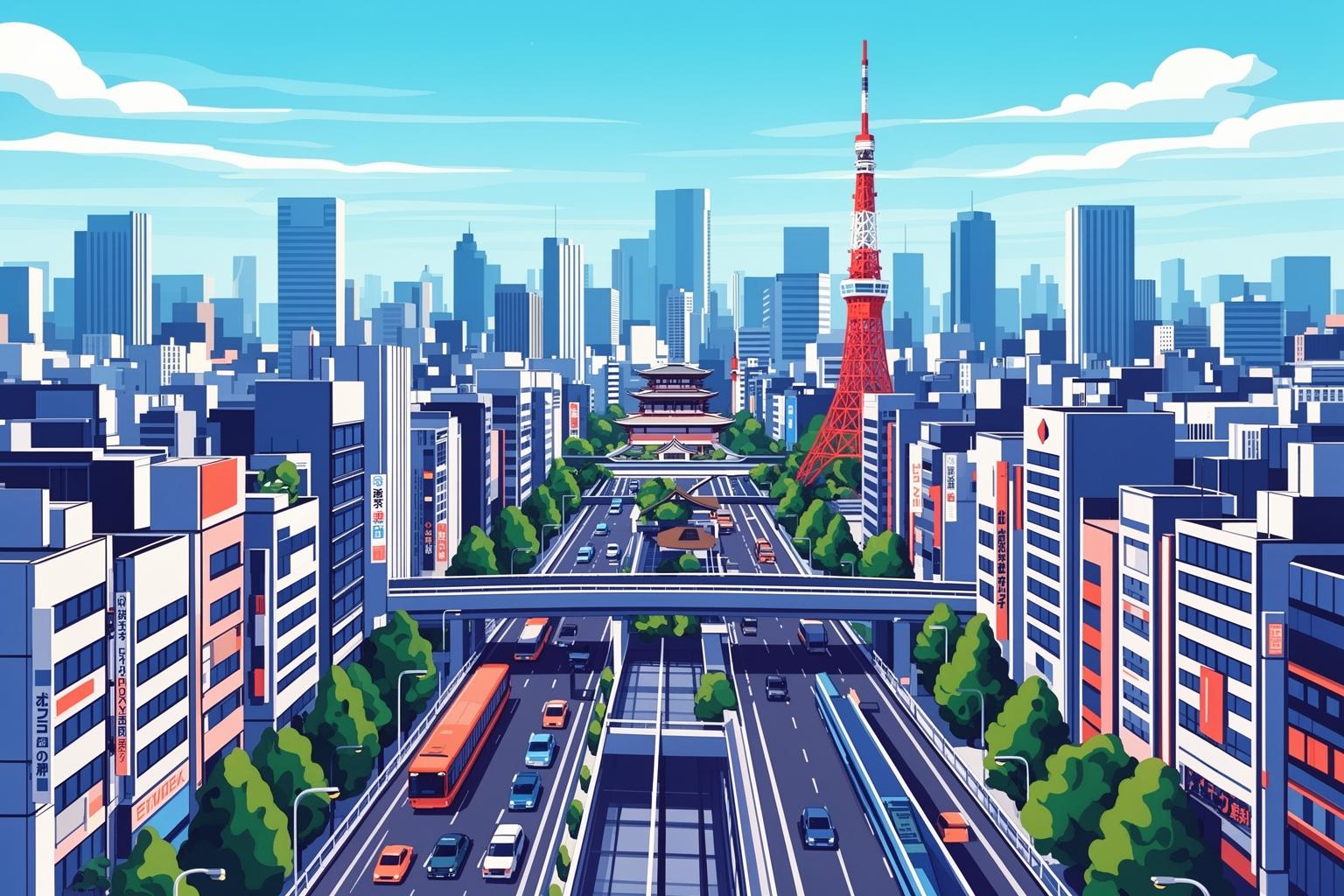
Tokyo is a city where a million stories unfold simultaneously, providing the perfect backdrop for Taki Tachibana’s fast-paced, modern life. It’s a place of towering skyscrapers, packed train cars, and endless intersections, yet Shinkai skillfully captures moments of quiet intimacy amid the urban sprawl. Our pilgrimage begins here, within the concrete canyons and glowing neon lights that Taki called home. It is in these familiar yet vibrant spaces that we first sense the powerful blur between fiction and reality.
The Iconic Red Steps: Suga Shrine
Every pilgrimage has its ultimate destination, its most sacred site. For fans of Your Name, that place is undoubtedly the staircase at Suga Shrine. This is the setting for the film’s heart-stopping, emotionally charged final scene, where Taki and Mitsuha, years later, finally find each other. Situated in a quiet, unassuming residential neighborhood of Yotsuya, the journey to the steps itself feels like a build-up. You leave the bustle of Yotsuya Station behind, winding through narrow streets, with a palpable sense of anticipation growing with every turn. Then, you see it. The steep incline, the distinctive red railing, the canopy of green trees overhead. It’s surreal. Standing at the bottom and looking up, or at the top and looking down, you are instantly transported. The city’s sounds fade away, replaced by the film’s score playing in your mind.
The atmosphere here is one of quiet reverence. You’ll almost always find other fans, each taking their turn to capture the perfect photo, recreating the iconic shot. There’s an unspoken camaraderie, a shared understanding of why this simple staircase holds such significance. The best time to visit is late afternoon, as the sun begins to set, casting long shadows and bathing the scene in warm, golden light that perfectly mirrors the film’s aesthetic. It feels magical, as if at any moment you might turn and spot someone you’ve been searching for. The shrine itself, located at the top of the stairs, is a peaceful sanctuary offering a moment of calm reflection after the emotional intensity of the location. Take a moment to offer a prayer and soak in the tranquility before you descend, your heart full.
A Symphony of City Life: Shinjuku and Yoyogi
Shinjuku is the chaotic, beautiful, and overwhelming heart of Taki’s Tokyo. It’s a landscape of constant motion, with several key locations clustered around this major hub. The first, and perhaps most recognizable from afar, is the NTT Docomo Yoyogi Building. Its unique, clock-tower-topped silhouette is a constant presence in the film’s cityscapes, a silent witness to Taki’s journey. While you can’t enter it, its imposing presence is best appreciated from the Shinjuku Gyoen National Garden or various vantage points near the station, grounding you firmly in Shinkai’s vision of the city.
Just outside Shinjuku Station’s south exit is the pedestrian bridge where Taki gazes out at the city, a scene filled with loneliness and wonder. Standing on that same bridge, surrounded by the rush of traffic below and towering buildings all around, you can feel that same blend of emotions. It’s a place to pause and appreciate the sheer scale of Tokyo. The city feels like a living entity, and in that moment, you become part of its pulse.
Navigating Shinjuku Station itself is an experience. As one of the world’s busiest train stations, it can be disorienting, but it’s also an essential part of the pilgrimage. This is the hub that connects Taki to the rest of his world, the place where his daily life unfolds. Don’t hesitate to get a little lost; it’s within the labyrinthine corridors and crowded platforms that you truly feel the energy that shaped his character.
Art, Romance, and Architecture: The National Art Center, Tokyo
Remember Taki’s slightly awkward but charming date with his coworker, Okudera-senpai? That took place at The National Art Center, Tokyo, located in the trendy Roppongi district. This is one of the most direct and faithful recreations in the film. The building’s stunning wave-like glass facade is instantly recognizable. Inside, the massive concrete cones that house the café and restaurant steal the show.
You can sit in the very same café, Salon de Thé ROND, perched atop one of those cones. Enjoying coffee and cake while gazing out over the sunlit atrium is a sublime experience. It offers a moment of refined calm, starkly contrasting with the energy of Shinjuku. The center hosts a rotating series of world-class exhibitions, so it’s worth checking the schedule before you visit. Even if you don’t see an exhibit, entry to the main building is free, allowing you to wander and admire the incredible architecture, just as Taki and Okudera did. It’s a chance to experience a different side of Tokyo—one filled with art, design, and quiet conversation.
A Taste of Taki’s World: Cafe La Bohème
To complete the Tokyo segment of the pilgrimage, a visit to Cafe La Bohème Shinjuku Gyoen is essential. This elegant Italian restaurant served as the model for “Il Giardino delle Parole,” where Taki worked his part-time job. The resemblance is uncanny, from the ornate chandeliers and high ceilings to the large windows looking out onto the greenery of the nearby park. The restaurant has fully embraced its connection to the film, and the staff warmly welcome fans.
Visiting for lunch or dinner is a wonderful way to immerse yourself in the world of Your Name. The ambiance is romantic and slightly dramatic, making it feel as though you’ve stepped directly onto a film set. It’s a popular spot, so making a reservation, especially for dinner, is advisable. Sitting there, you can easily imagine Taki rushing between tables, balancing plates, and dreaming of a life he couldn’t quite recall. It makes the story feel incredibly close and personal.
Echoes of Tradition: Mitsuha’s Itomori in Hida
Leaving behind Tokyo’s dazzling lights, our journey leads us deep into Gifu Prefecture, to the region that inspired Mitsuha Miyamizu’s fictional hometown of Itomori. While Itomori itself is a blend of several locations, its true spirit resides in the charming, historic town of Hida-Furukawa. Visiting here feels like stepping through a threshold, slowing down to the gentle pace of rural Japan. The Hida Wide View Express train from Nagoya or Toyama offers a breathtaking journey, winding through mountains and along crystal-clear rivers, setting the tone for the tranquility ahead.
Arrival at a Familiar Platform: Hida-Furukawa Station
Stepping off the train at Hida-Furukawa Station is an electrifying moment for any fan. The platform, the quaint wooden station building, the overhead signs—everything is exactly as Taki saw it when he arrived on his urgent quest to find Mitsuha. You can stand in the very spot where he and his friends compared his sketch to the surrounding scenery. The station holds a special magic; it’s the gateway to Mitsuha’s world.
Inside the station, be sure to look for the small Hida-gyu mascot dolls, the black cows that Taki and his friends humorously posed with. It’s a small detail, but seeing them in person brings a smile to your face. The town of Hida-Furukawa warmly welcomes pilgrims, and the station staff are accustomed to fans taking photos, creating a friendly and celebratory atmosphere. This is where the two worlds of the film—urban and rural—physically meet, sharpening the sense of purpose in your pilgrimage.
A Sanctuary of Knowledge: Hida City Library
One of the film’s most pivotal scenes unfolds in a library, where Taki finally uncovers the devastating truth about Itomori and the comet. The model for this beautiful, warm, and inviting space is the Hida City Library. Just a short walk from the station, this spot is perhaps the most moving stop on the entire journey.
The library is a real, functioning public space, and visitors are asked to be respectful of local patrons. The staff are incredibly gracious; upon entering, you simply request permission to take photos at the front desk, where they provide a photographer’s pass. They have fully embraced their connection to the story, even setting up a small dedicated section with Your Name memorabilia and a guestbook for fans. Finding the exact table and chairs where Taki sat is a profound experience. You can admire the distinctively designed windows and the warm wooden interiors that Shinkai recreated with such love and care. The quiet, studious environment of the library, combined with the emotional weight of the scene it represents, creates a powerful, almost spiritual atmosphere. It’s where the boundary between fiction and reality feels thinnest.
Weaving the Threads of Fate: Kumihimo and Local Culture
Kumihimo, the art of Japanese braided cords, is a central metaphor and plot device in Your Name. Mitsuha and her grandmother practice this ancient craft, and the red cord she gives Taki becomes a tangible symbol of their connection across time and space. In Hida, you can experience this tradition firsthand.
Several shops and workshops in the area offer kumihimo braiding experiences. Taking time to sit and create your own braided cord is a meditative and deeply meaningful activity. As you weave the threads together, you gain a deeper appreciation for the film’s symbolism—the intertwining of lives, the flow of time, and the strength of connection. It’s a beautiful souvenir, not only of your trip but of the story itself.
While exploring Hida-Furukawa, be sure to stroll along the Setogawa Canal, where thousands of vibrant carp swim in the clear water. The town is filled with traditional storehouses with their distinctive white walls, lending it a timeless, preserved atmosphere. This is the Japan Mitsuha longed to escape, but for visitors, its beauty and tranquility are truly captivating.
The Spirit of Itomori: Local Shrines and Landscapes
Though the Miyamizu Shrine in the film is fictional, its design draws heavily from real shrines in the Hida region. One primary influence is said to be the Ketawakamiya Shrine in Hida-Furukawa. Climbing its long, moss-covered stone steps feels remarkably familiar. Surrounded by towering cedar trees, the shrine carries a powerful, ancient aura that evokes the spiritual heart of Itomori. It’s a place of quiet reflection, where you can almost hear echoes of ancient rituals and traditions passed down through generations, just like in Mitsuha’s family.
Another significant location, though much farther away, is Lake Suwa in Nagano Prefecture, widely believed to be the visual inspiration for the lake surrounding Itomori. While not in the Hida region, for the most devoted pilgrims, the panoramic view of the lake from Tateishi Park’s observation deck is the closest you can get to experiencing the stunning, tragic beauty of Itomori before the comet struck.
A Pilgrim’s Practical Guide

Starting this journey requires some planning, but it is highly rewarding. For the Tokyo locations, one or two days are enough. They are spread throughout the city but easily reachable via Tokyo’s efficient subway and train network. A Suica or Pasmo card will be very useful here. Consider staying in or near Shinjuku for convenient access to many key spots.
Traveling to Hida-Furukawa demands a greater commitment. The most common route involves taking the Tokaido Shinkansen (bullet train) from Tokyo to Nagoya, then transferring to the JR Hida Wide View Express train. The whole trip takes around four to five hours. A Japan Rail Pass can be very economical for this part of the journey. While it is possible to visit Hida-Furukawa as a day trip from Nagoya, an overnight stay is strongly recommended. The nearby city of Takayama, known for its beautifully preserved old town and wider selection of accommodations, is a popular base. From Takayama, Hida-Furukawa is only a 15-minute local train ride away.
When visiting, keep in mind that these are living communities where people reside and work. Be respectful, especially at Suga Shrine and the Hida City Library. Avoid blocking paths, keep your voice low, and always ask for permission before photographing inside private establishments. The locals in Hida are known for their warmth and hospitality, and showing respect will enhance your experience. Embrace the slower pace of life there; it’s part of the charm.
Beyond the Frames
Exploring the worlds of Your Name is an experience that lingers with you. It changes how you perceive these places and strengthens your bond with the film. You start to observe the finer details—the quality of the light, the sound of a passing train, the texture of a stone staircase—and understand why Shinkai and his team selected these particular locations. They are spots imbued with a quiet, cinematic beauty, a feeling of nostalgia, and a hint of the sublime.
This pilgrimage is more than just ticking off photo locations. It’s a journey that reflects the film’s own themes: a quest for connection, bridging distances, and finding something precious and unforgettable. Whether you’re standing on a busy Tokyo bridge or a peaceful train platform in Gifu’s mountains, you are no longer merely a spectator. You become part of the story, your footsteps weaving into the delicate, unseen threads that bind us all. It reminds us that sometimes the most profound stories are those leading us back to the real world, our eyes opened to the magic that has always been there.